Distretto Sei, il Museo dell'Apartheid e la Storia di Città del Capo
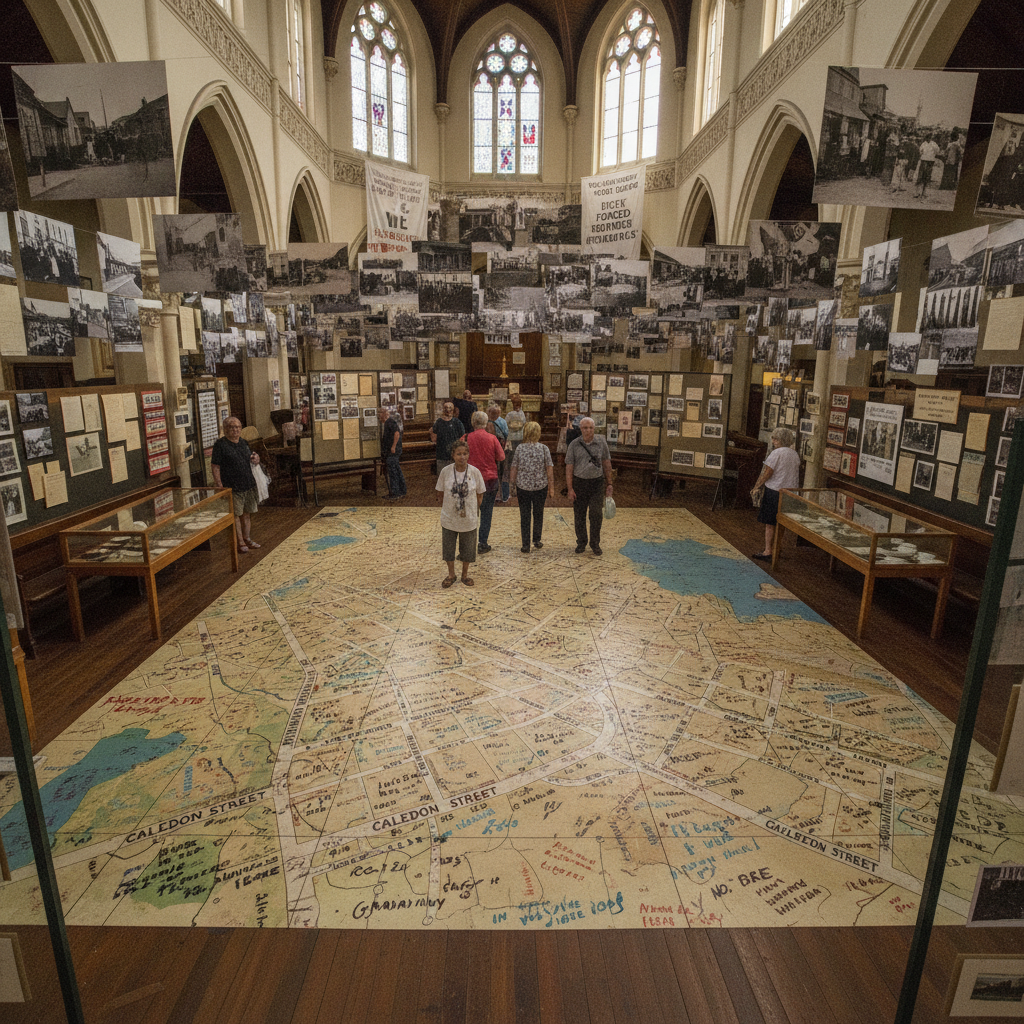
District Six (the former inner-city neighbourhood of Cape Town, declared a 'Whites Only' area under the Group Areas Act in 1966 and completely demolished between 1968 and 1982, displacing approximately 60,000 residents — one of the most notorious acts of apartheid social engineering in South Africa): the District Six Museum (the most important museum of apartheid history in Cape Town, established in 1994 in the former Central Methodist Mission church) preserves the memory of the community and documents the crime of forced removals.
Stellenbosch, Franschhoek e le Terre del Vino del Capo — Il Cuore Vinicolo del Sudafrica
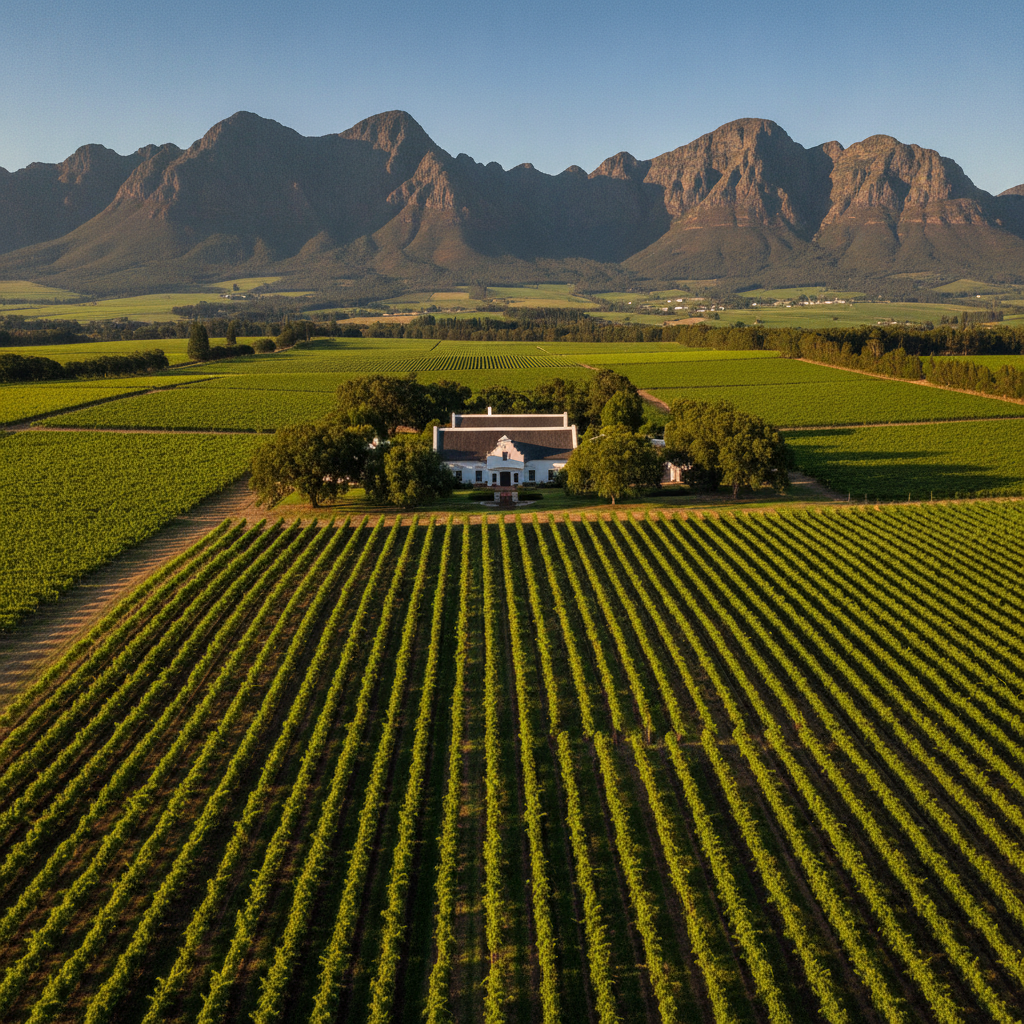
Le Terre del Vino del Capo (50 km ad est di Città del Capo) sono la più antica regione vinicola dell'emisfero australe, con Stellenbosch e Franschhoek come i due centri della cultura vinicola del Capo e della gastronomia sudafricana.
Cultura del Braai, Cucina Cape Malay e il Gusto di Città del Capo
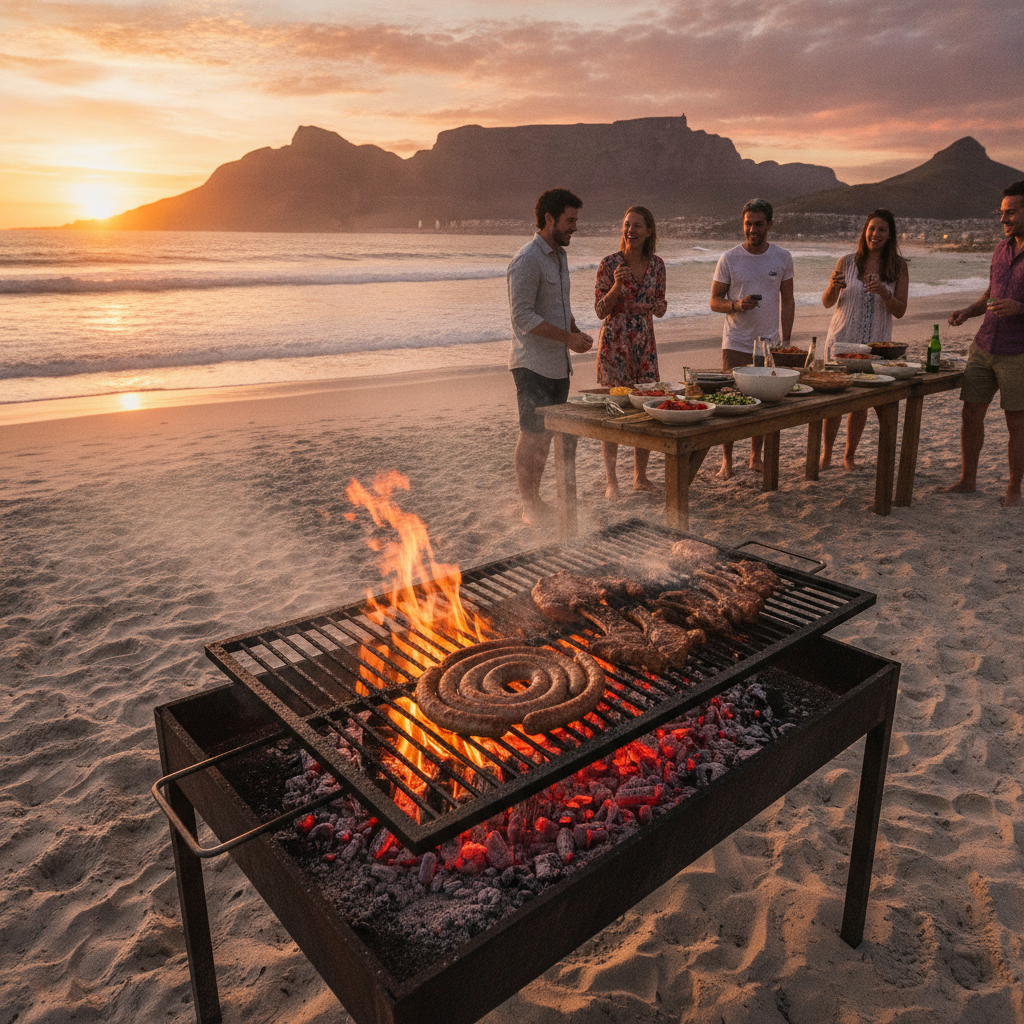
Città del Capo ha la cultura gastronomica più diversa e interessante dell'Africa sub-sahariana, combinando la cucina Cape Malay, la cultura del braai afrikaner e una scena gastronomica contemporanea centrata sul mercato Old Biscuit Mill e i ristoranti di Woodstock.
Kirstenbosch e il Regno Floristico del Capo — Il Giardino più Biodiverso del Mondo
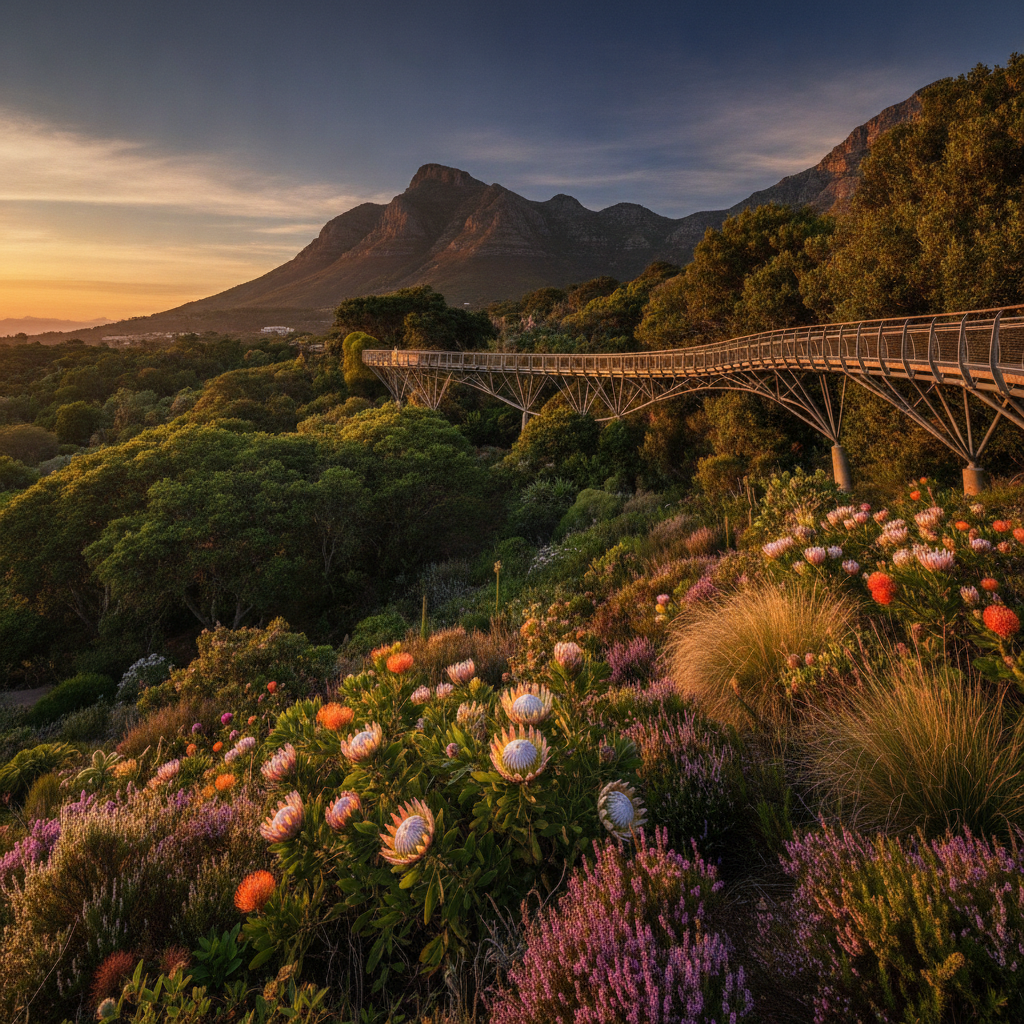
Kirstenbosch National Botanical Garden (on the eastern slopes of Table Mountain, 13 km from Cape Town — the finest botanical garden in Africa and one of the great botanical gardens of the world, established 1913 on land bequeathed to the nation by Cecil Rhodes (who died in 1902), covering 528 hectares (of which 7 hectares are cultivated gardens and the rest is natural fynbos): Kirstenbosch was declared a UNESCO World Heritage Site in 2004 (as part of the Cape Floristic Region), the only botanical garden in the world to be inscribed as a UNESCO World Heritage Site.
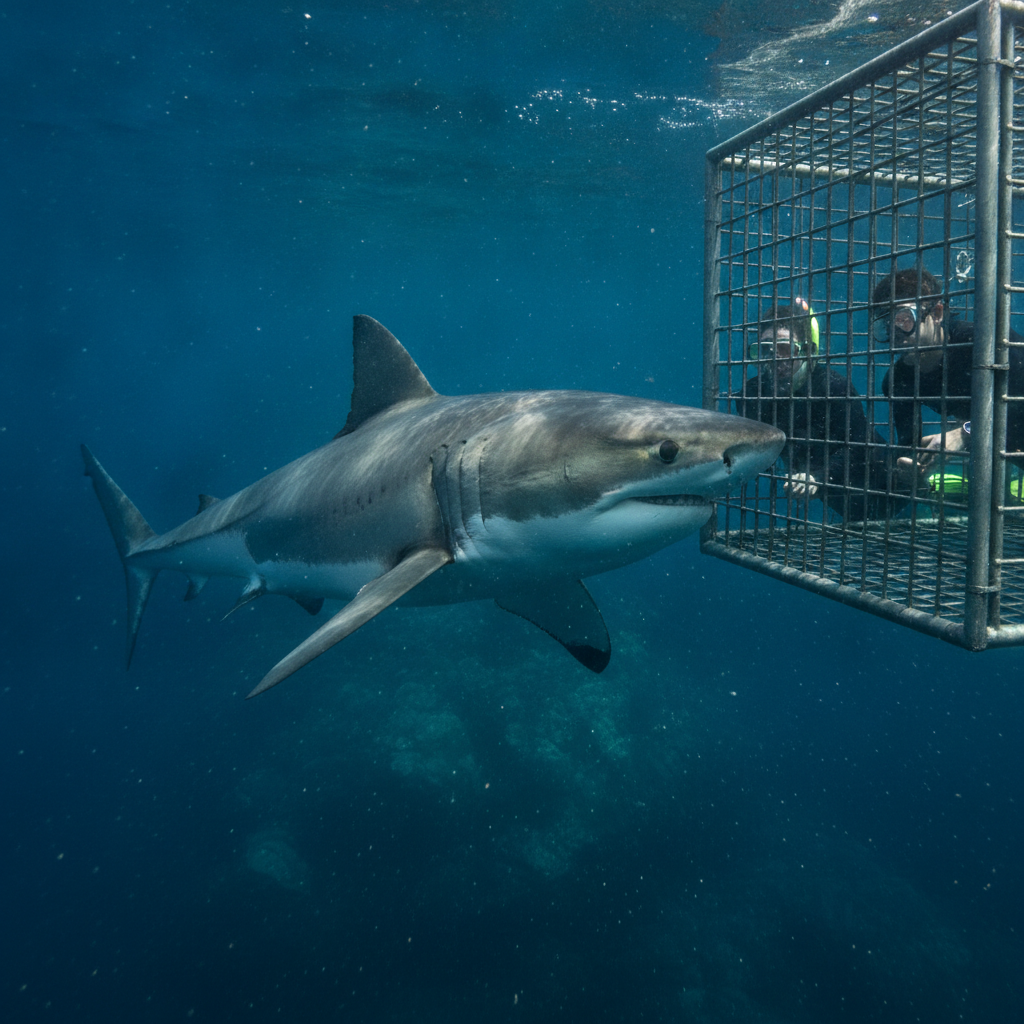
Immersione in Gabbia con gli Squali e Osservazione delle Balene — La Fauna Marina del Capo
Great white shark cage diving at Gansbaai (the coastal town 170 km east of Cape Town, known as the 'Great White Shark Capital of the World' — the highest density of great white sharks (Carcharodon carcharias) in the world is found in the waters between Dyer Island and Geyser Rock (the 'Shark Alley'), driven by the large Cape fur seal colony (approximately 60,000 seals) on Geyser Rock): the cage diving operators (Marine Dynamics, White Shark Projects, Great White Shark Tours) have operated at Gansbaai since the 1990s and the experience has become one of the most iconic wildlife encounters in South Africa.
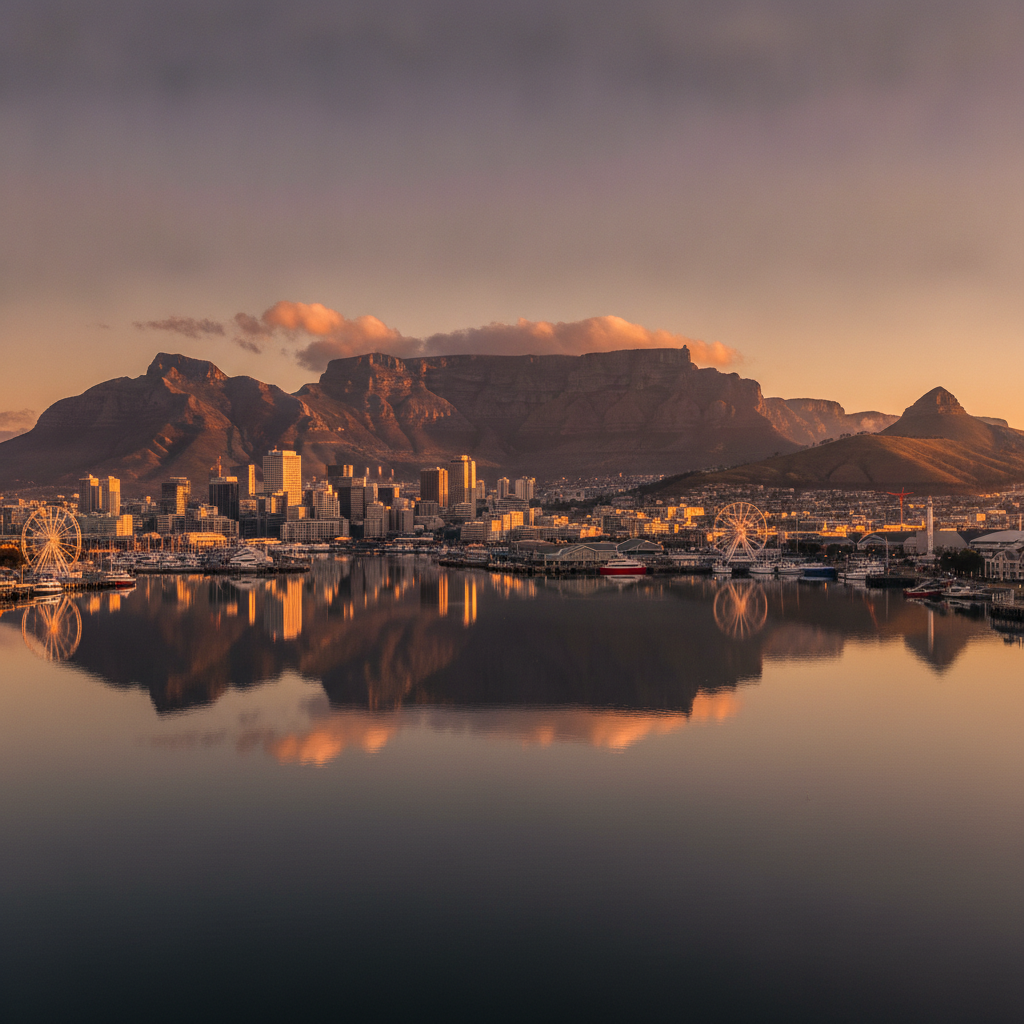
Table Mountain, la Funivia e il City Bowl — L'Icona Naturale di Città del Capo
Città del Capo è dominata da Table Mountain — l'altopiano dalla cima piatta di 3 km che si erge direttamente dietro il city bowl, una delle Sette Nuove Meraviglie della Natura (2011) e Patrimonio Mondiale UNESCO dal 2004.
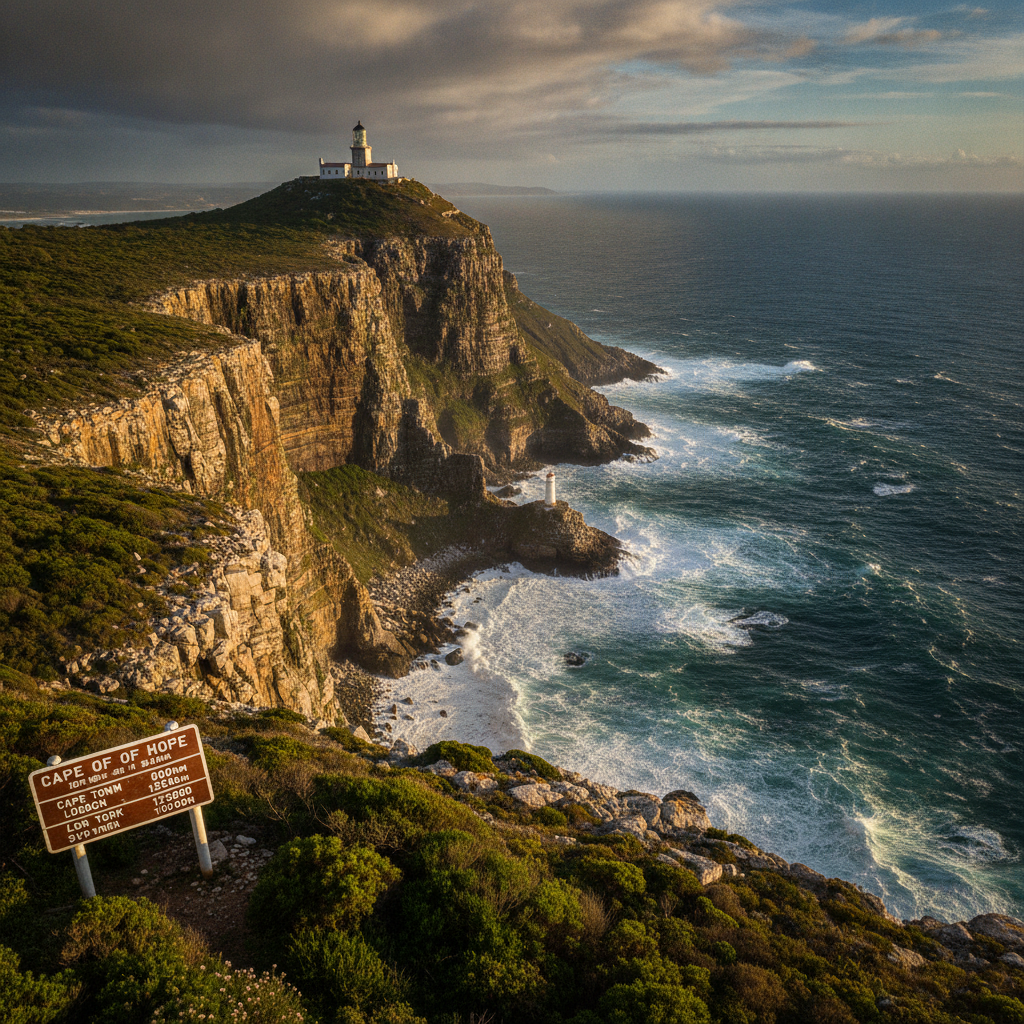
Tour della Penisola del Capo — Cape Point, Pinguini e Chapman's Peak
La Penisola del Capo (75 km a sud di Città del Capo, parte del Parco Nazionale di Table Mountain, Patrimonio Mondiale UNESCO) offre uno dei grandi percorsi panoramici del mondo: Cape Point, la colonia di pinguini di Boulders Beach e la spettacolare Chapman's Peak Drive.
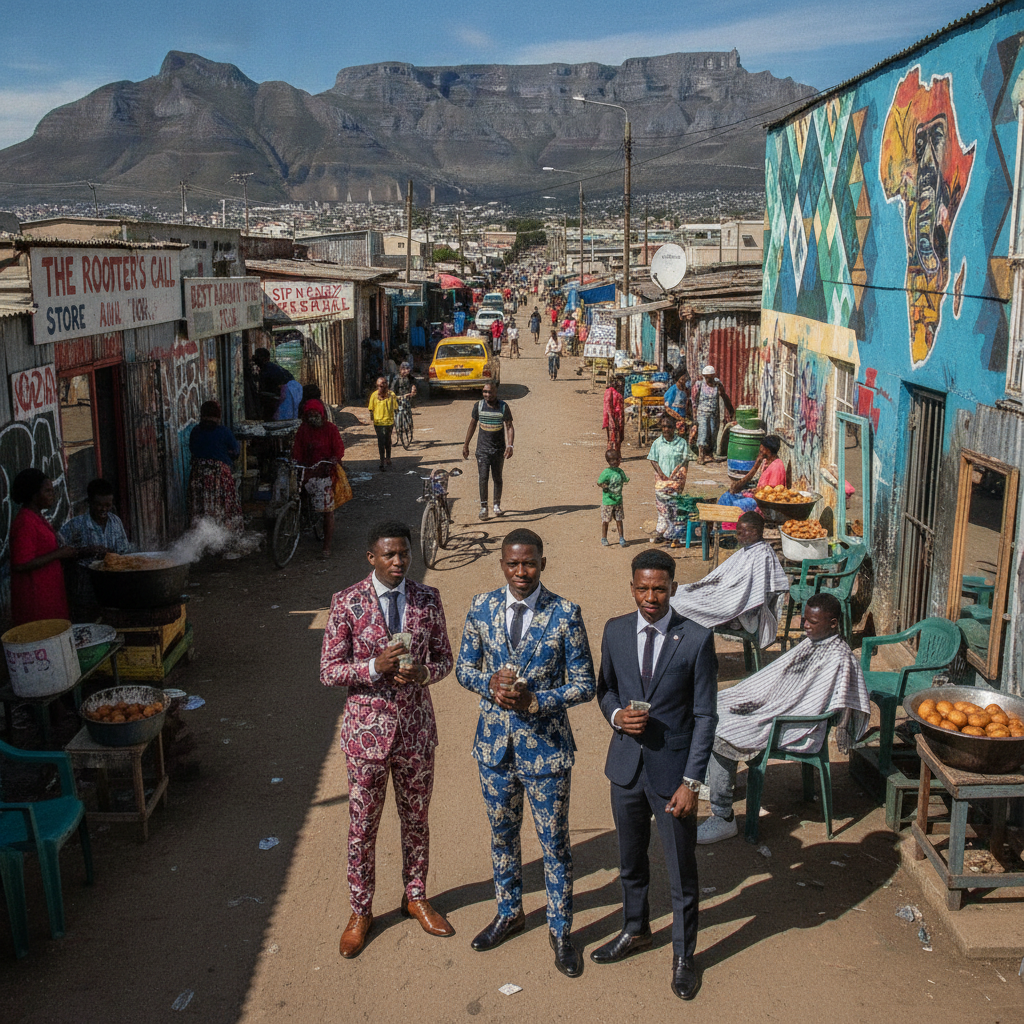
Township di Città del Capo — Langa, Khayelitsha e la Cultura Vivente delle Cape Flats
Cape Town's townships (the residential areas on the Cape Flats, established under apartheid to house the Black and Coloured populations forcibly removed from the city and its suburbs — the largest concentration of urban poverty in South Africa outside Johannesburg): Langa (the oldest township in Cape Town, established 1927, now a centre of Xhosa cultural life in Cape Town), Khayelitsha (the largest township in the Cape, established 1983 during apartheid, now home to approximately 1.2 million people), and Gugulethu (established 1958) are the principal destinations for township tourism, which has become one of the most significant cultural tourism sectors in Cape Town since the end of apartheid.
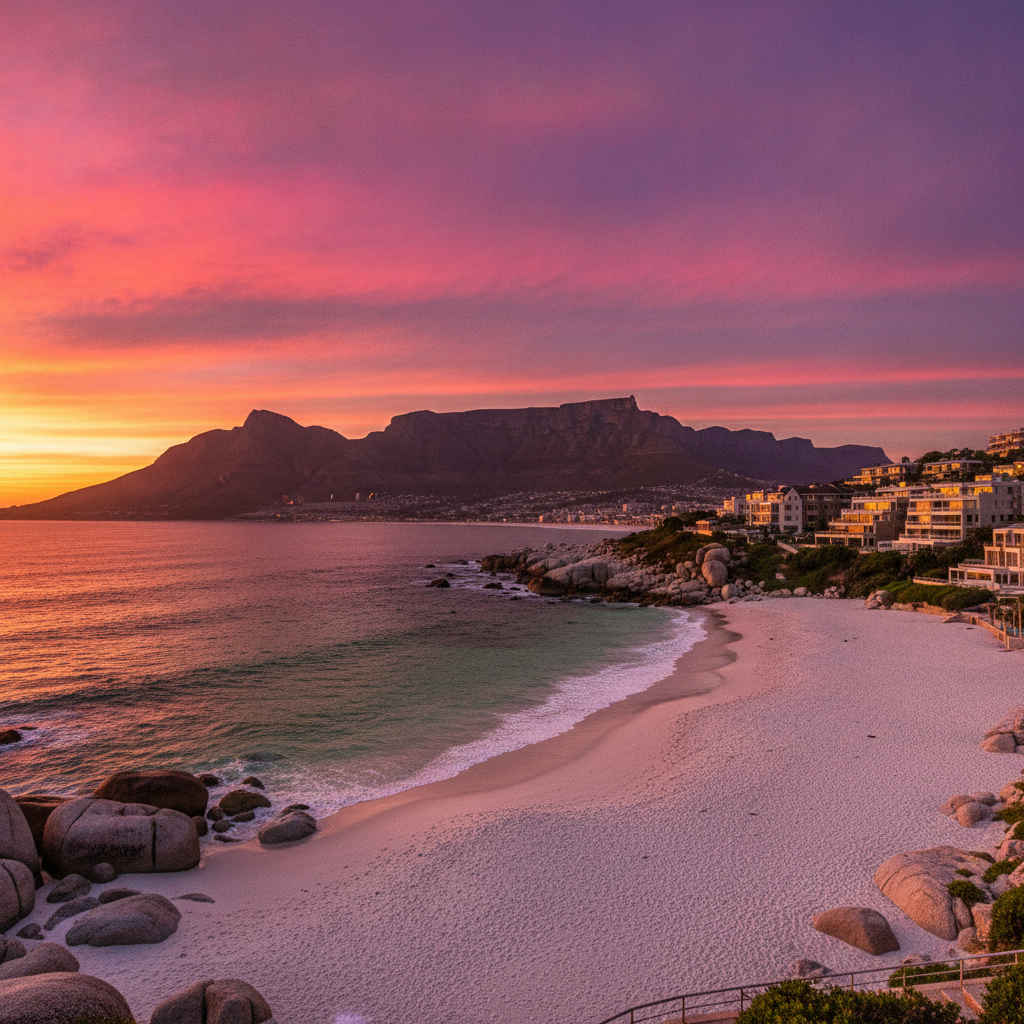
Clifton e Camps Bay — Le Spiagge della Costa Atlantica di Città del Capo
The Atlantic Seaboard (the coastal strip along the western side of the Cape Peninsula, between Sea Point and Hout Bay — the most fashionable residential and beach area in Cape Town): Clifton's four beaches (First, Second, Third, and Fourth Clifton Beach — the sheltered white-sand beaches in the coves below the Clifton apartment buildings, protected from the southerly winds by the granite boulders, with the waters of the Benguela Current (notoriously cold — typically 12-14°C in summer, cold enough to prevent swimming for all but the hardiest)) and Camps Bay (the wide beach below the Twelve Apostles, with its famous strip of restaurants and beach bars on Victoria Road) are the defining beach experiences in Cape Town.