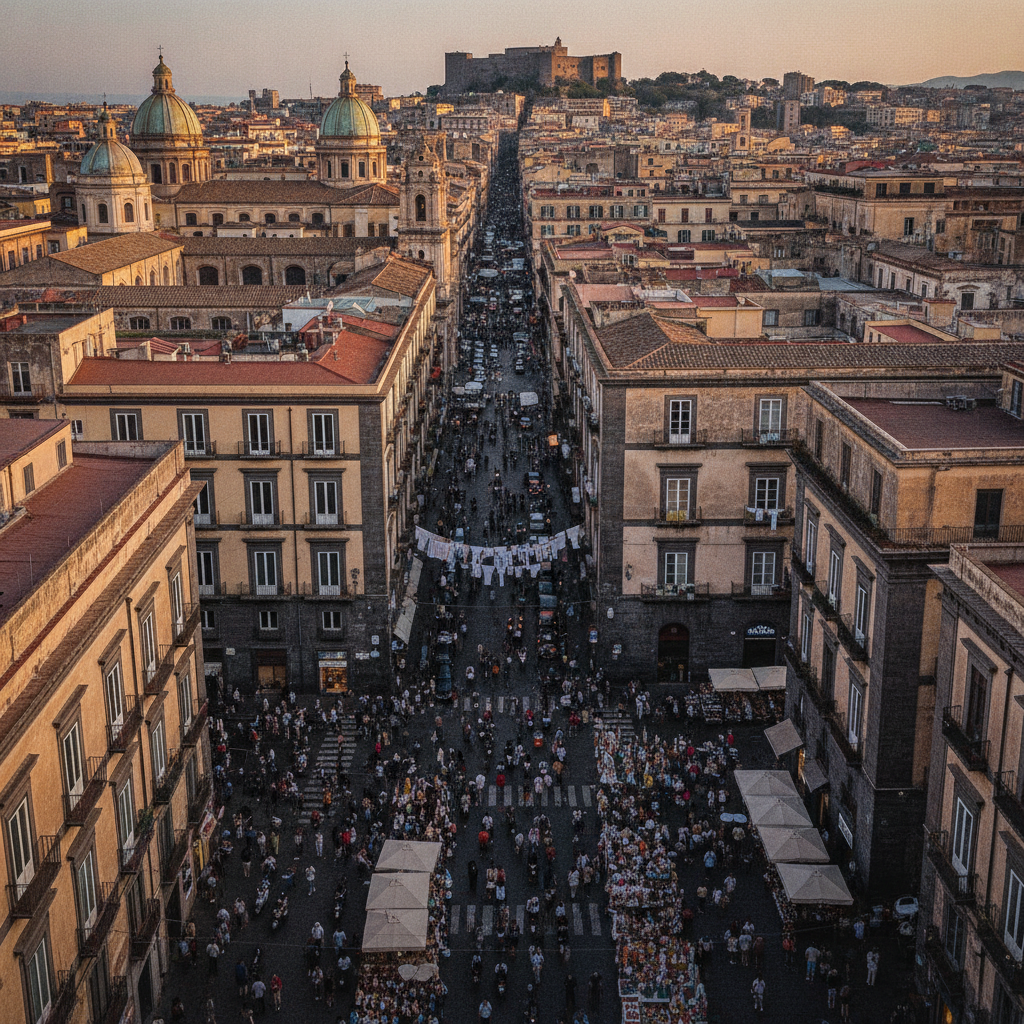
Centro Storico di Napoli, Spaccanapoli e la Città Sotterranea UNESCO
Il centro storico di Napoli (Patrimonio dell'Umanità UNESCO dal 1995, uno dei centri urbani continuamente abitati più antichi d'Europa) è il centro storico più densamente storico e più intensamente vivo d'Italia: la Spaccanapoli, la Napoli Sotterranea e le 448 chiese.
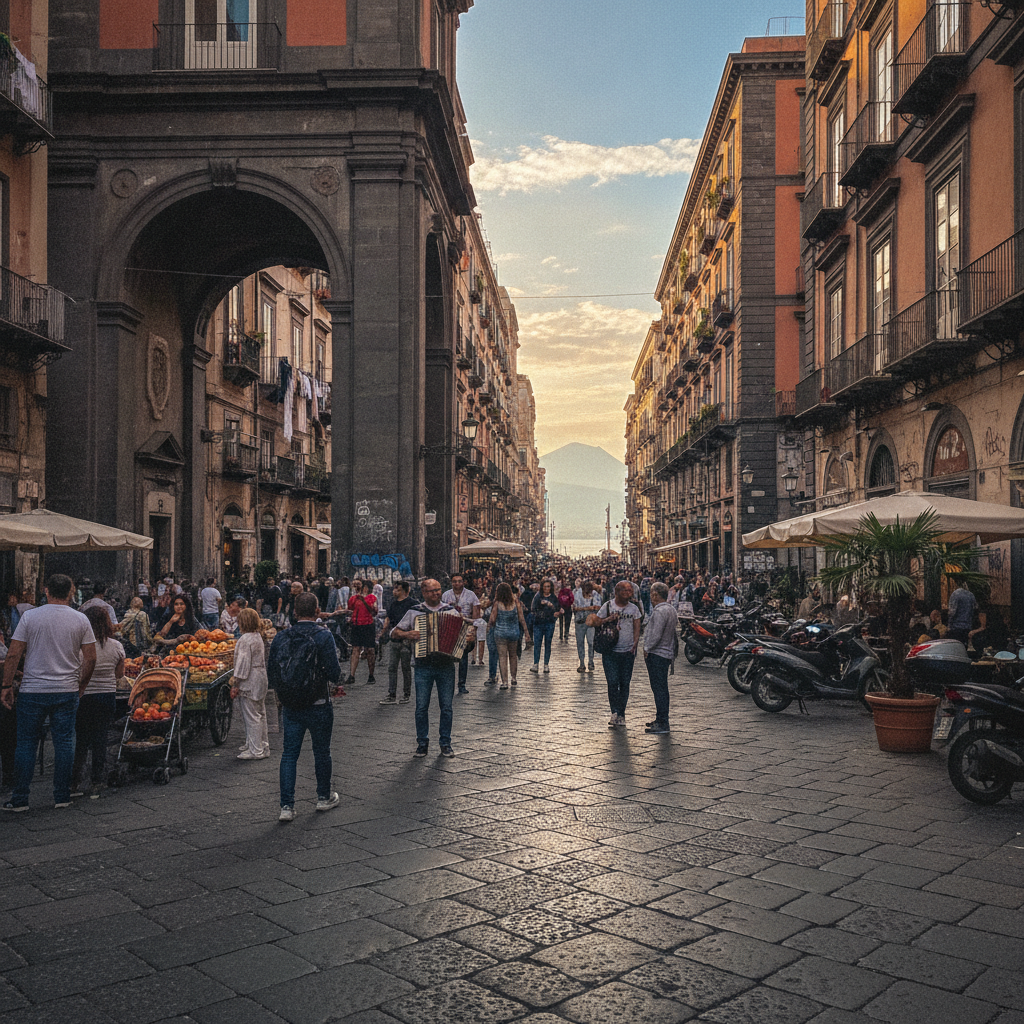
Via Toledo, Quartieri Spagnoli e la Vita di Strada Napoletana
The Via Toledo (the main commercial street of Naples — the straight, wide street running from the Piazza del Plebiscito to the Piazza Dante, the busiest shopping street in Naples and one of the busiest in Italy) and the Quartieri Spagnoli (the 'Spanish Quarter' — the dense neighbourhood of the grid of narrow streets west of the Via Toledo, built in the 16th century as the barracks of the Spanish garrison of the Viceroyalty of Naples, now the most authentically Neapolitan neighbourhood of the city) together represent the vibrant street life and the popular culture of Naples.
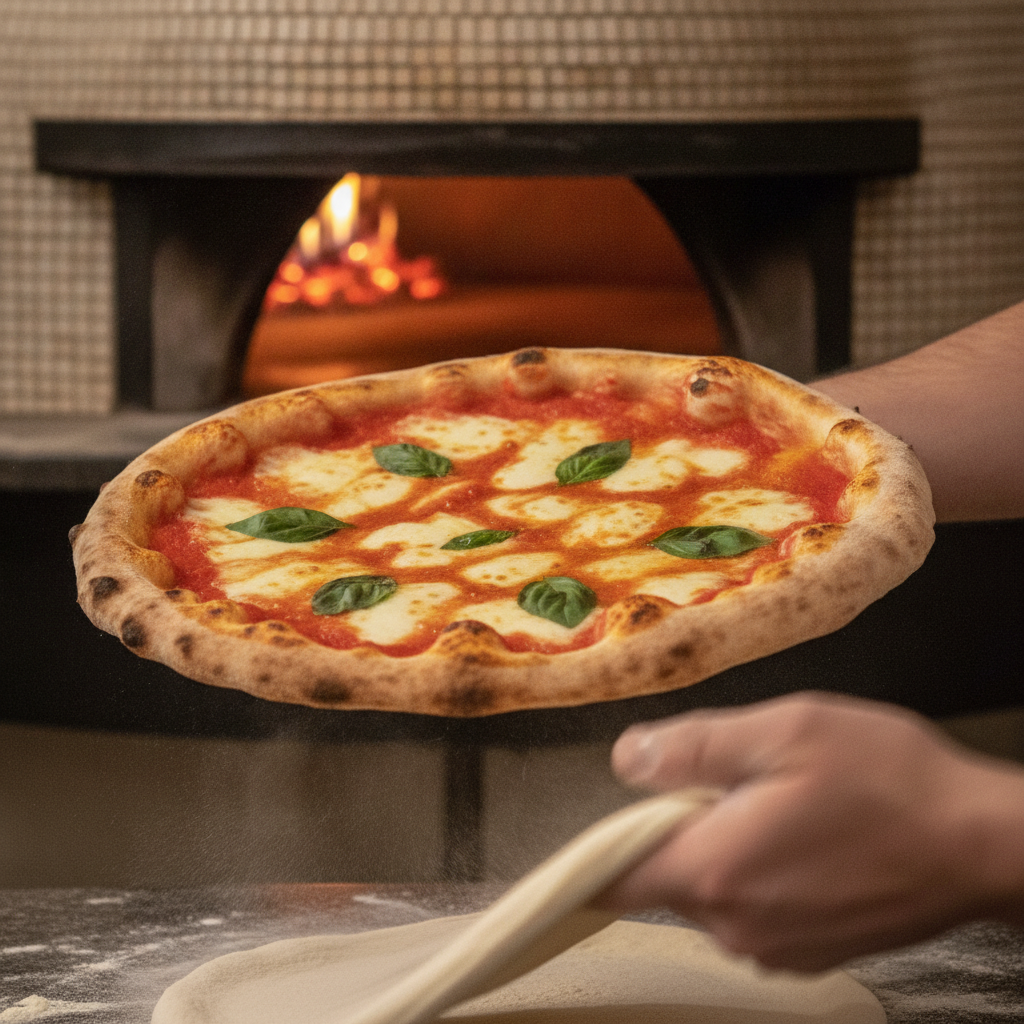
Pizza Margherita, Cibo di Strada e Napoli come Capitale Gastronomica d'Italia
Napoli è il luogo di nascita della pizza (il cibo più popolare del mondo, iscritto come Patrimonio Culturale Immateriale dell'UNESCO nel 2017 con l'Arte del Pizzaiuolo Napoletano) e la città con la tradizione di cibo di strada più ricca d'Italia.
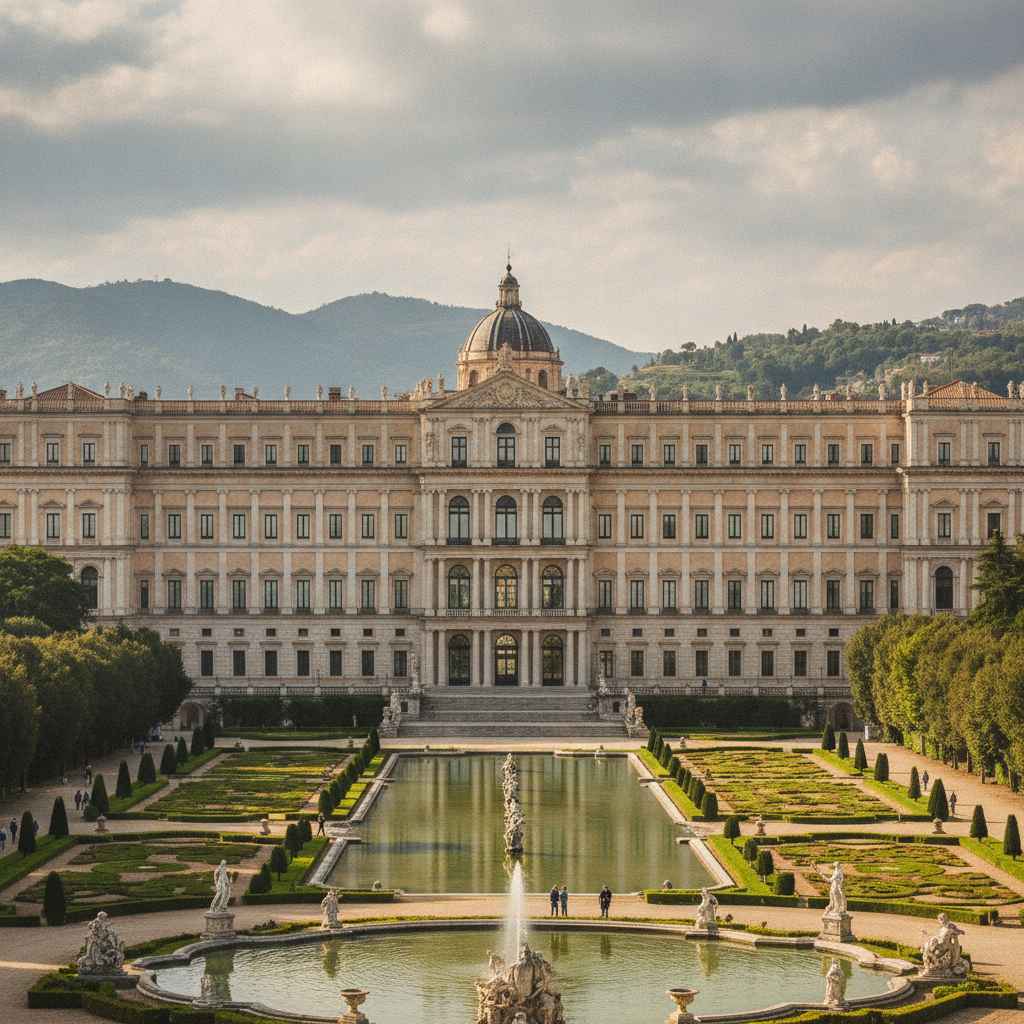
Palazzo Reale di Caserta — La Versailles d'Italia
The Palazzo Reale di Caserta (the Royal Palace of Caserta — the UNESCO World Heritage Site Bourbon royal palace 30 km north of Naples, the largest royal residence in the world by volume (the palace of 1,200 rooms, 1,790 windows, and 34 staircases, built 1752-1847 for the Bourbon Kings of the Two Sicilies to the design of the architect Luigi Vanvitelli) and the park (the English and Italian formal gardens extending 3 km behind the palace, with the spectacular cascade that falls 75 metres over the hillside).
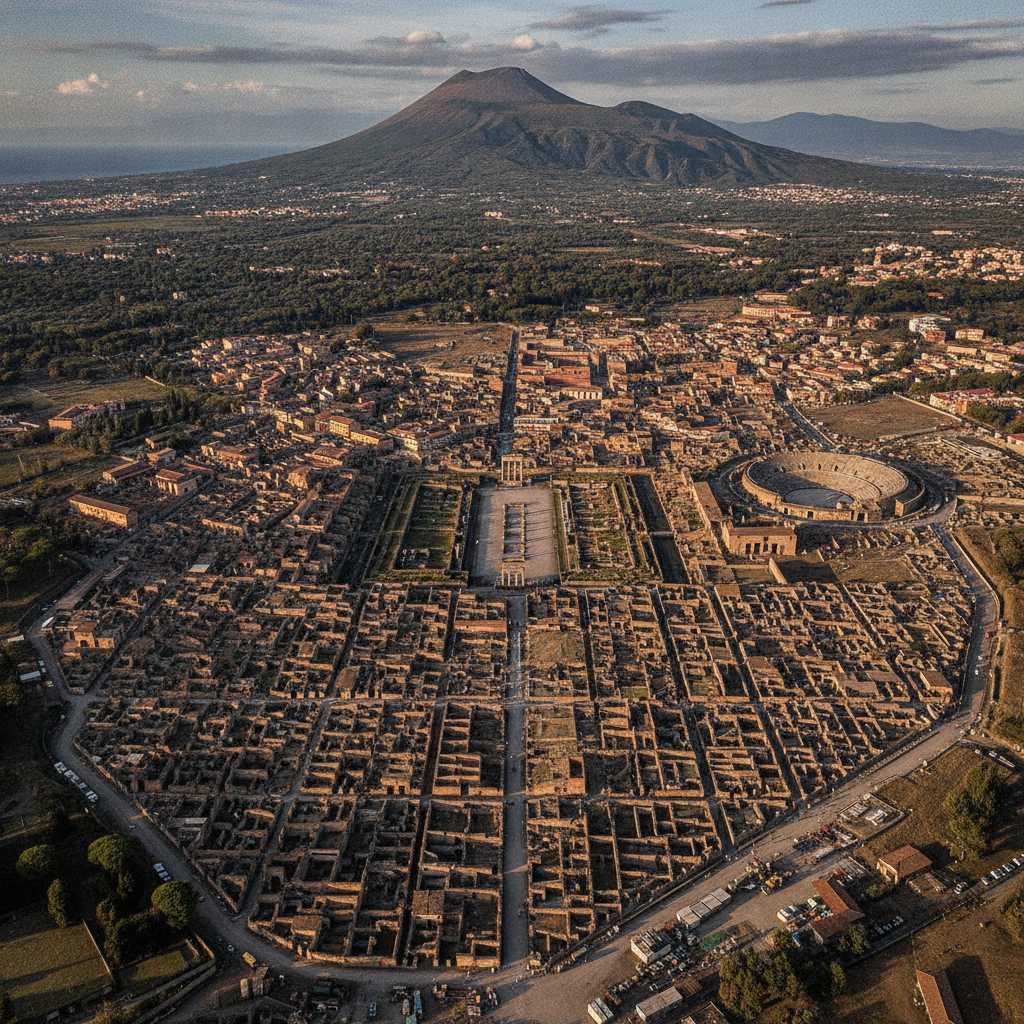
Pompei, il Vesuvio e Ercolano — Città Congelate nel Tempo
L'eruzione del Vesuvio del 24-25 agosto 79 d.C. seppellì le città romane di Pompei, Ercolano, Stabia e Oplontis, preservandole con straordinaria completezza fino alla loro riscoperta nel XVIII secolo.
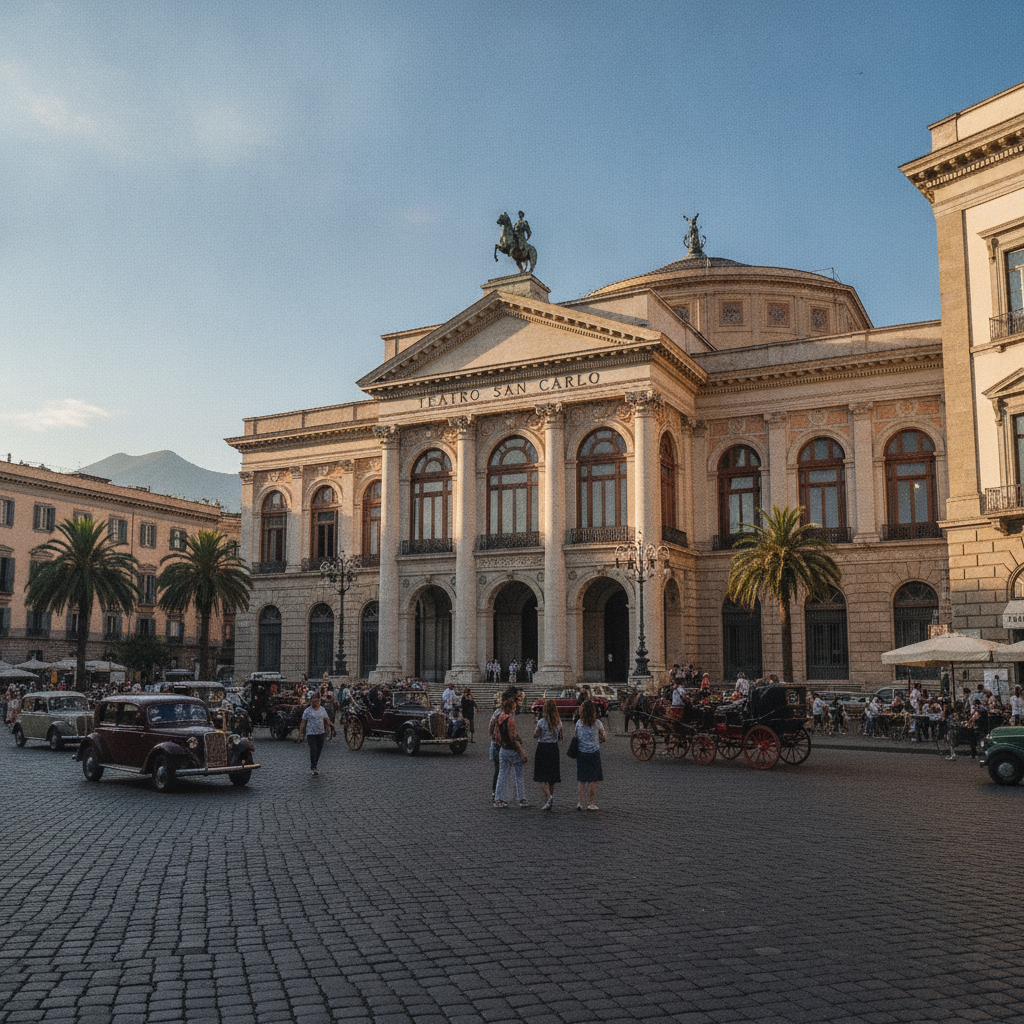
Teatro San Carlo — Il Teatro dell'Opera Più Antico del Mondo
The Teatro di San Carlo (the 'San Carlo' — the opera house in Naples built 1737 by the Bourbon King Charles III of Naples (subsequently Charles III of Spain), the oldest continuously operating public opera house in Europe and the oldest opera house in the world (predating La Scala in Milan by 41 years and the Venice Fenice by 56 years): the opera house with the extraordinary baroque and neoclassical interior, the 'horseshoe' auditorium with 6 tiers of boxes seating 1,379 spectators, and the history of premieres (including Donizetti's 'Lucia di Lammermoor' (1835)).
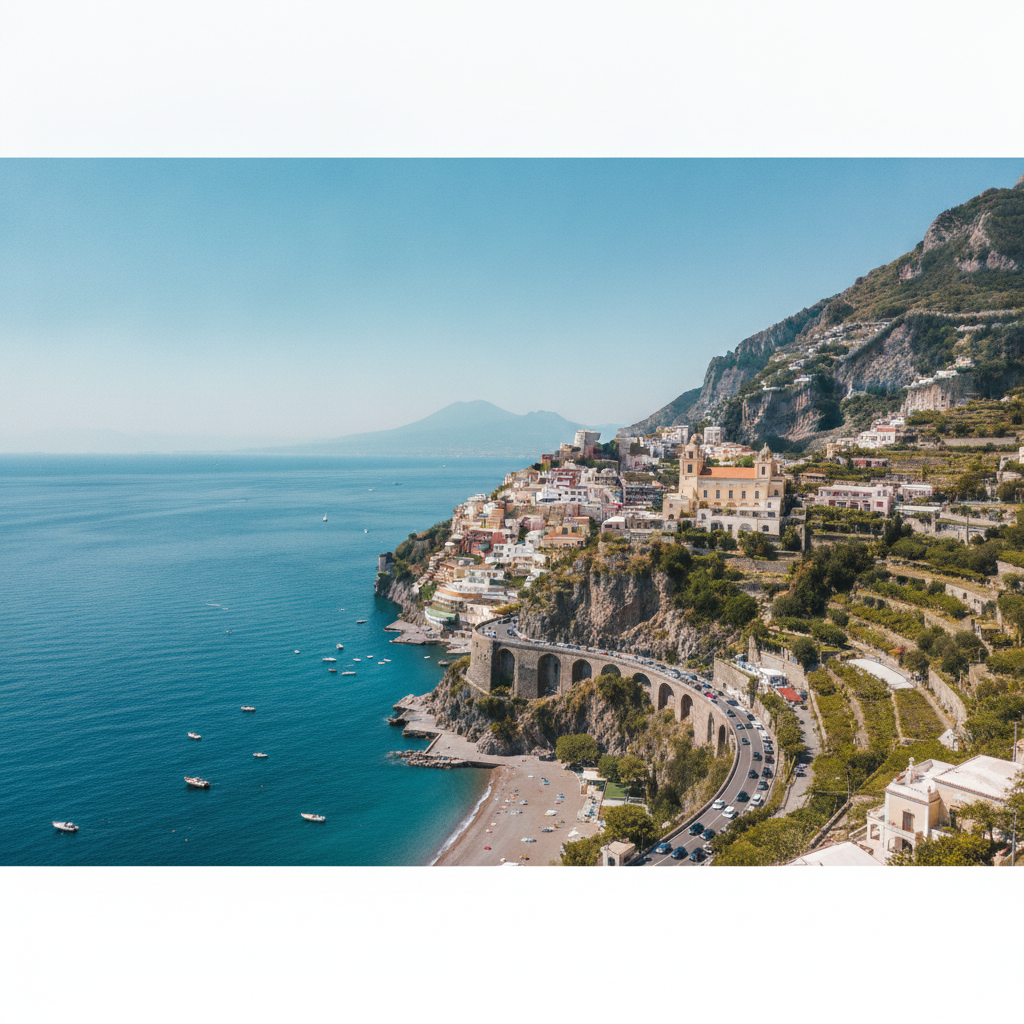
Costa Amalfitana, Positano e Ravello — Il Percorso Panoramico UNESCO
The Amalfi Coast (the 'Costiera Amalfitana' — the UNESCO World Heritage coastline on the Sorrentine Peninsula south of Naples, the 50-km coastal road that winds between the cliff-top villages (Positano, Amalfi, Ravello) and the Mediterranean Sea, the most scenic coastal road in Europe) is 60 km south of Naples and the most popular day trip or extended excursion destination from the city.
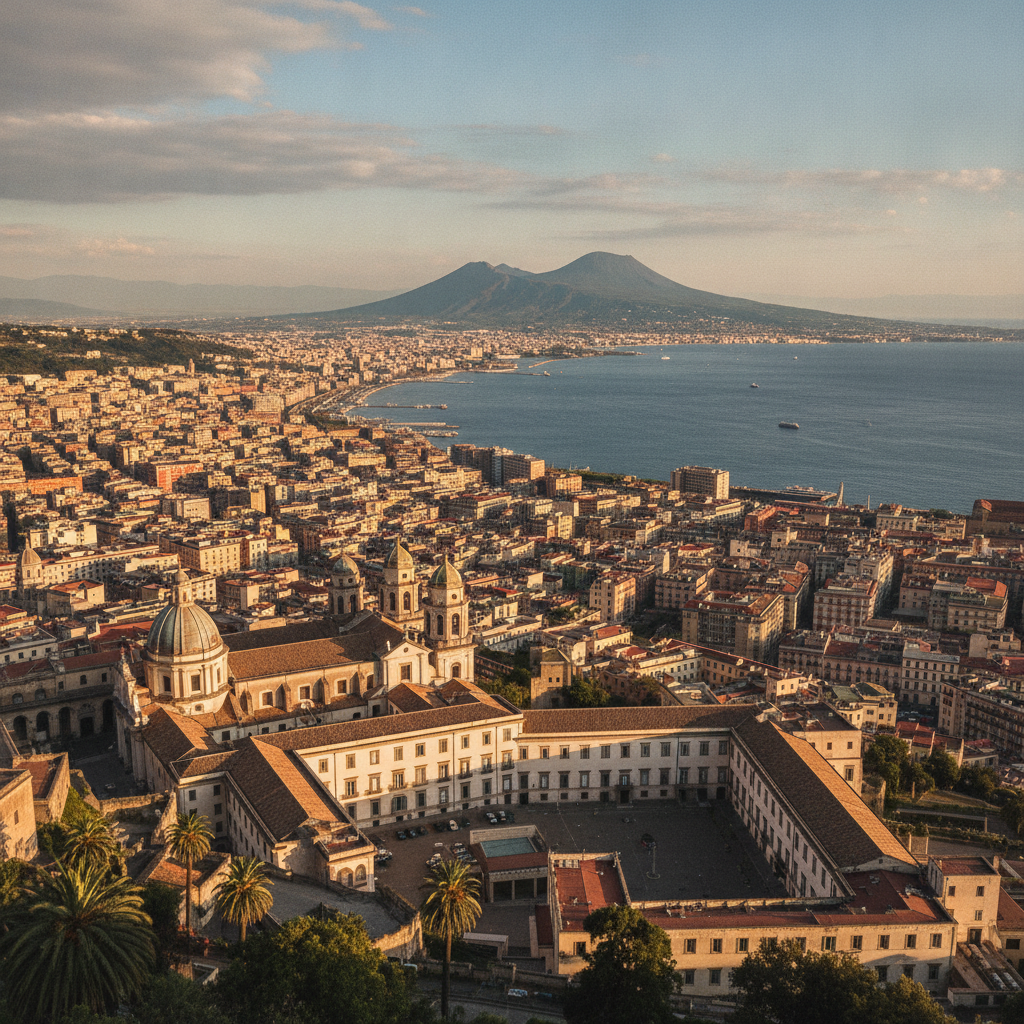
Vomero, Certosa di San Martino e Panorama su Napoli
The Vomero (the residential hill district above the historic centre of Naples, accessible by the 'Funicolare di Montesanto' or the 'Funicolare Centrale' funicular railway) and the Certosa e Museo di San Martino (the 'Charterhouse and Museum of San Martino' — the 14th-century Carthusian monastery on the hill of Vomero, the monastery with the most spectacular panoramic views of Naples, the Bay of Naples, and Vesuvius, and the museum with the most important collection of Neapolitan decorative arts, including the world's greatest collection of Neapolitan presepe (Nativity scenes)).
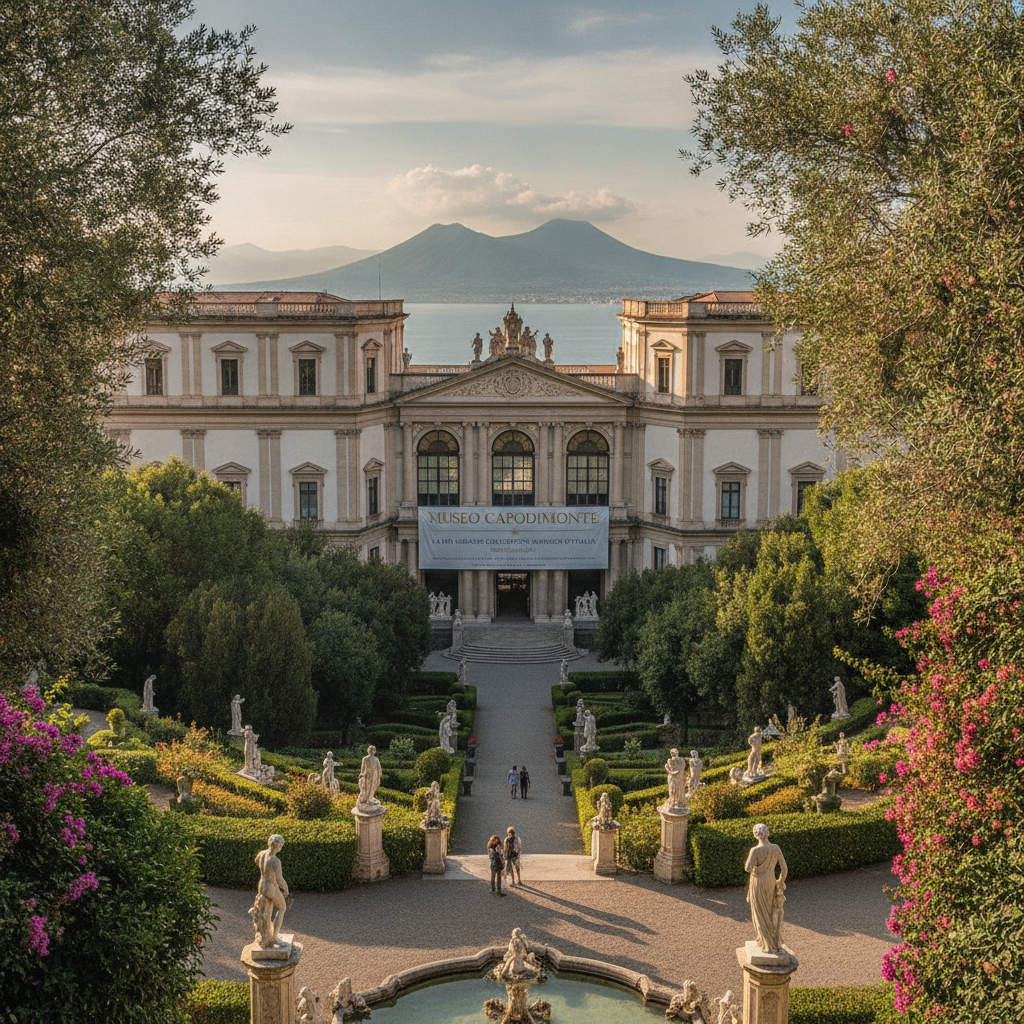
Museo di Capodimonte — La Più Grande Collezione d'Arte Barocca d'Italia
The Museo e Real Bosco di Capodimonte (the 'Capodimonte Museum' — the national art museum in the Bourbon royal hunting palace on the hill of Capodimonte above Naples, the museum with the Farnese collection (the greatest private collection of paintings in the Italian Renaissance, including Titian's masterpiece 'Danae' (1544-46) and Michelangelo's 'Cartoon of the Three Soldiers') and the Bourbon royal collection of Neapolitan and European Baroque painting (including Caravaggio's 'Flagellation of Christ', Raphael, and Artemisia Gentileschi).