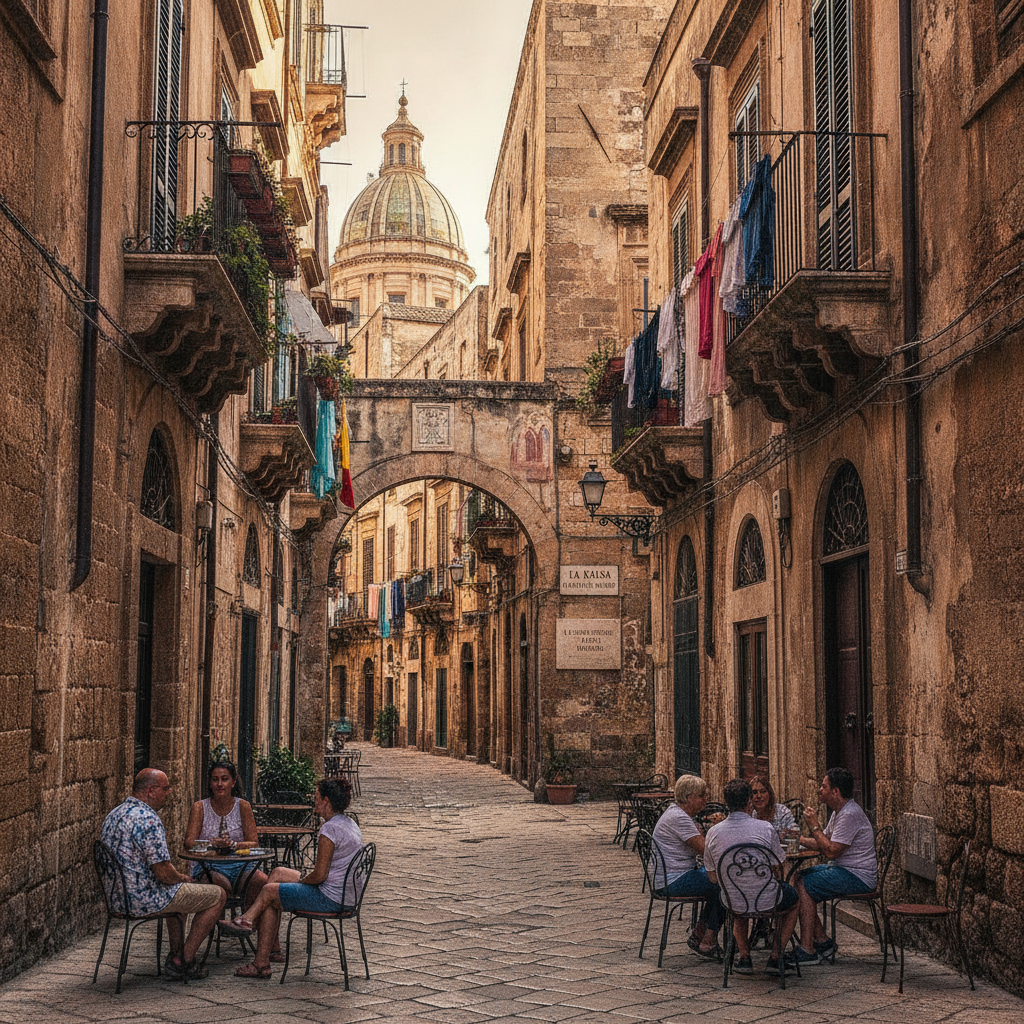
La Kalsa — Il Quartiere Arabo e il Quartiere Più Storico di Palermo
La Kalsa (the 'al-Khalisa' — the Arabic name for the 'chosen place', the exclusive quarter of the Arab Emir's palace in the 9th-10th century Emirate of Palermo, subsequently the most densely populated quarter of the Norman city and the most heavily bombed neighbourhood in the Allied bombing of 1943) is the most historically layered neighbourhood in Palermo, the neighbourhood where the Arab palaces, the Norman churches, the Baroque oratories, and the post-war reconstruction coexist in the most dramatic and the most atmospheric street scene in Sicily.
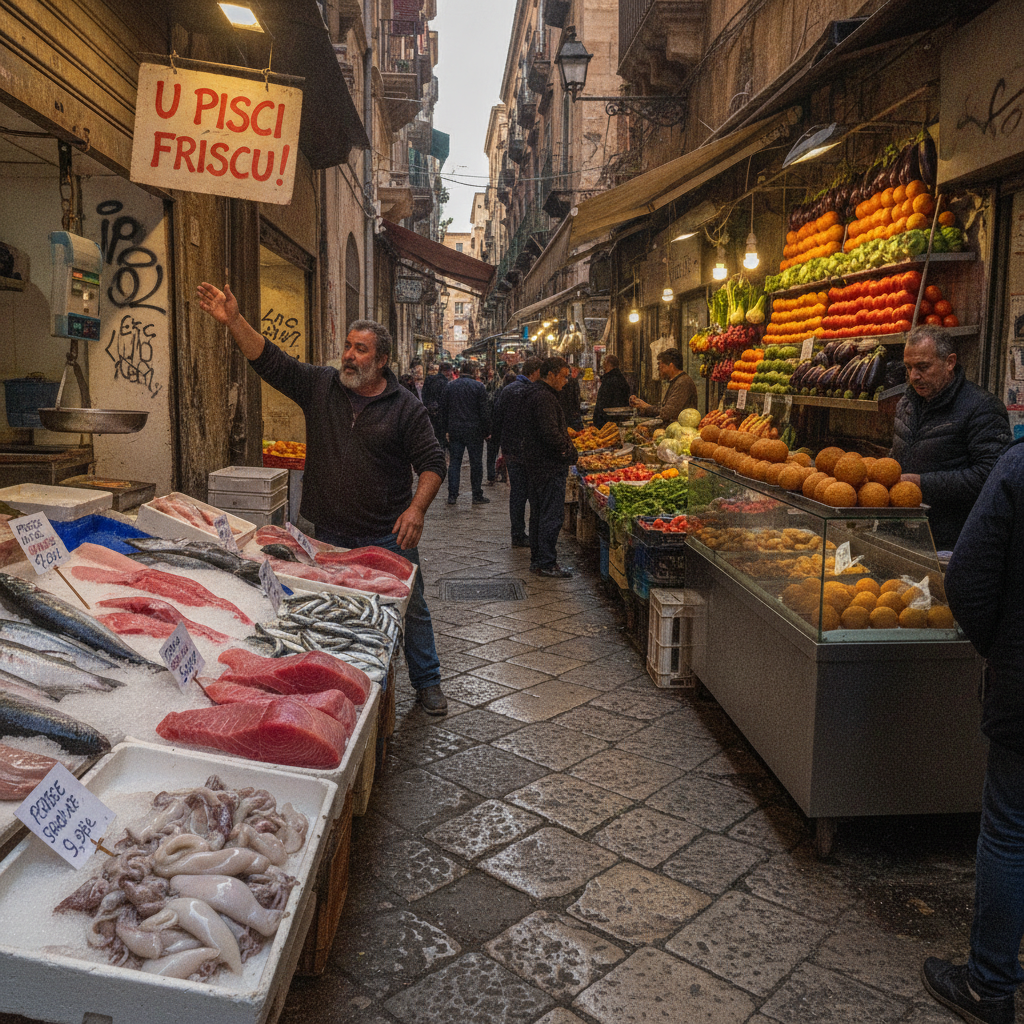
Street Food di Palermo, Mercato del Capo e la Tradizione Gastronomica Siciliana
Palermo è la capitale dello street food d'Italia — la città con la tradizione di cibo di strada più vivace e distintiva del paese, la tradizione delle arancine, del pani ca meusa, dello sfincione e dei cannoli che riflette 3.000 anni di storia culinaria siciliana.
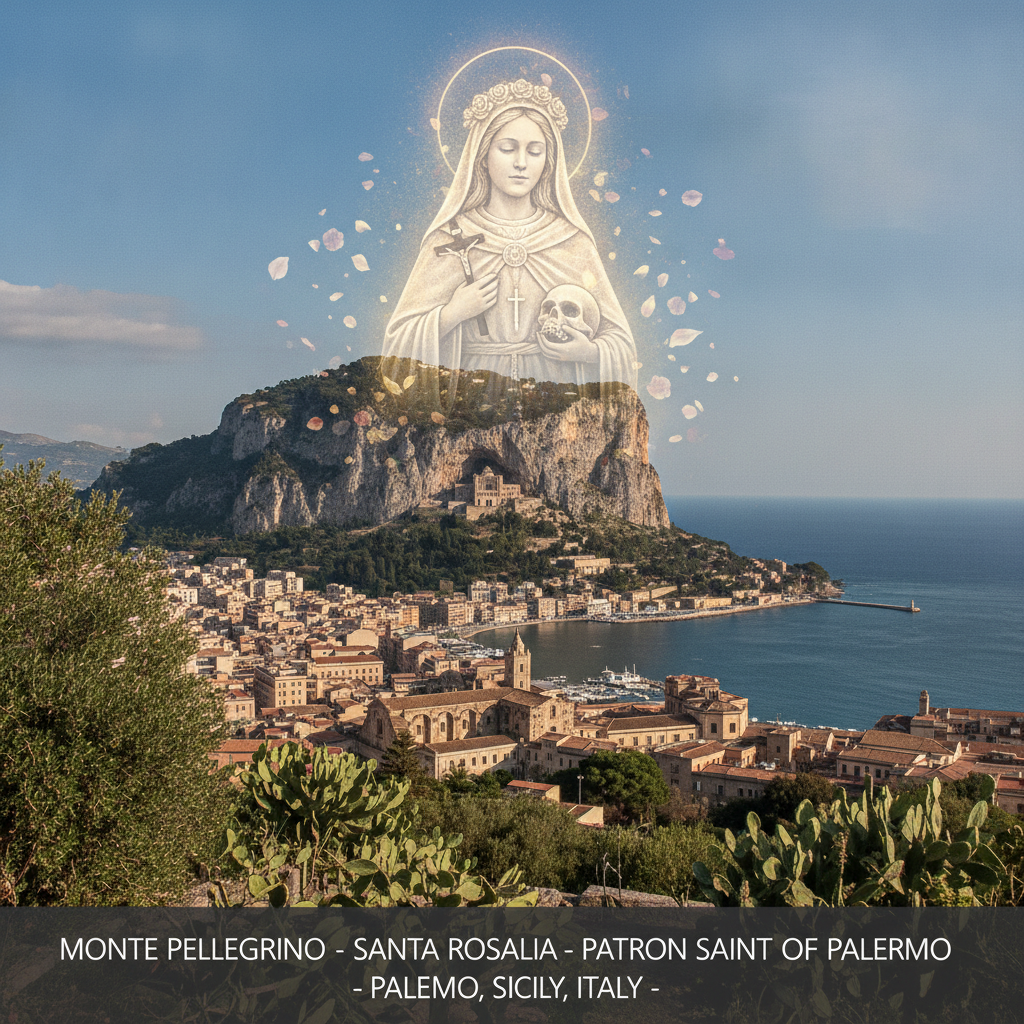
Monte Pellegrino, Santa Rosalia e la Patrona di Palermo
Monte Pellegrino (the 'Pilgrim Mountain' — the 600-metre limestone promontory jutting into the Tyrrhenian Sea on the northern edge of Palermo, described by the German writer Goethe as 'the most beautiful promontory in the world') is the dominant natural landmark of Palermo and the site of the Santuario di Santa Rosalia (the sanctuary in the cave where the patron saint of Palermo, Santa Rosalia (1130-c.1170), retreated as a hermit in the 12th century — the saint whose relics, found in 1625, were credited with ending the plague epidemic that was killing the people of Palermo).
Cefalù — Cattedrale Normanna, Spiaggia e la Città Siciliana Perfetta
Cefalù (the medieval fishing town and resort 70 km east of Palermo — accessible in 1 hour by direct train) is the most beautiful coastal town in Sicily: the Norman Cathedral of Cefalù (1131-1267 — one of the three UNESCO World Heritage Arab-Norman monuments of the 'Arab-Norman Palermo' inscription, the cathedral famous for the magnificent Pantocrator mosaic in the apse, dated 1148, the earliest and the most monumental Byzantine Pantocrator mosaic in Sicily), the Rocca (the limestone cliff rising 268 metres above the town), and the beautiful sandy beach beneath the cathedral.
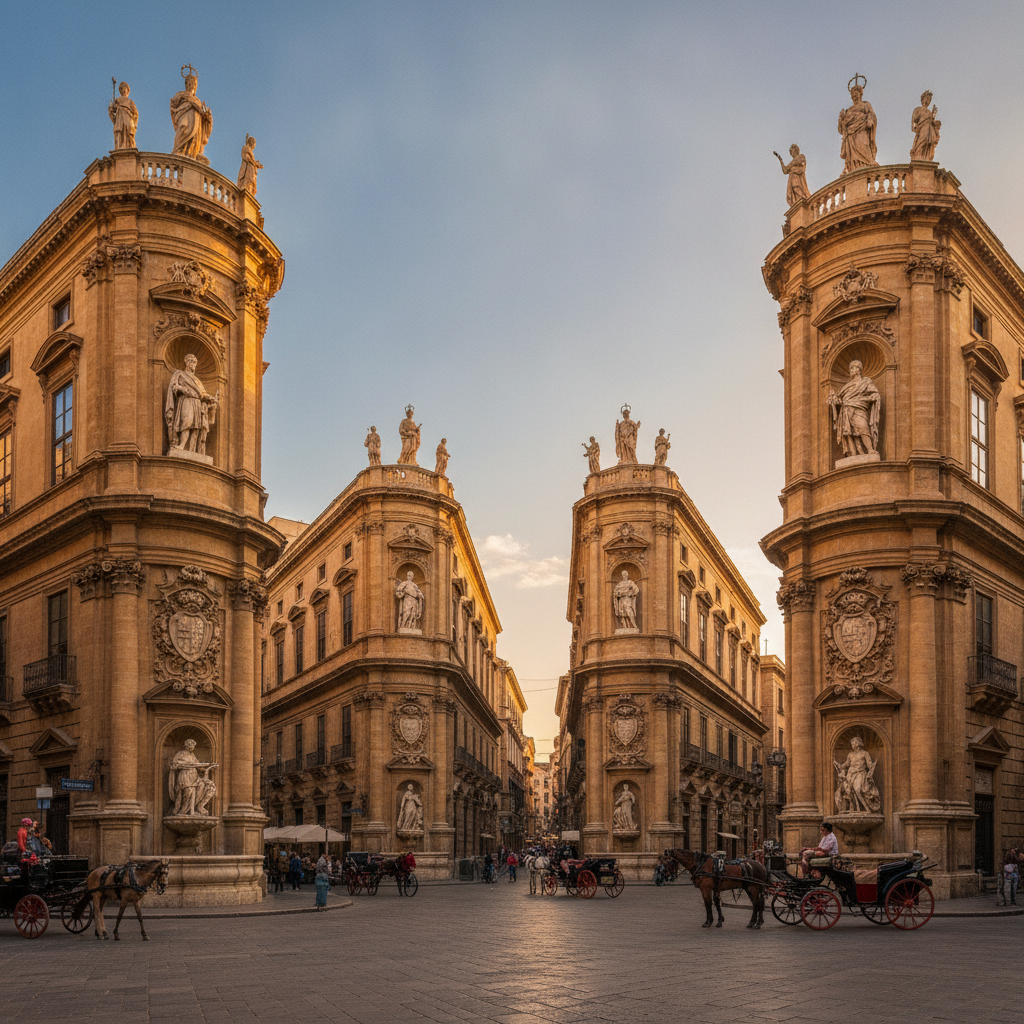
Quattro Canti, Palermo Barocca e l'Eredità del Viceregno Spagnolo
I Quattro Canti (la piazza ottagonale barocca all'incrocio della Via Maqueda e del Corso Vittorio Emanuele, creata nel 1608-1620) è lo spazio barocco più teatrale della Sicilia e il cuore del centro storico barocco di Palermo.
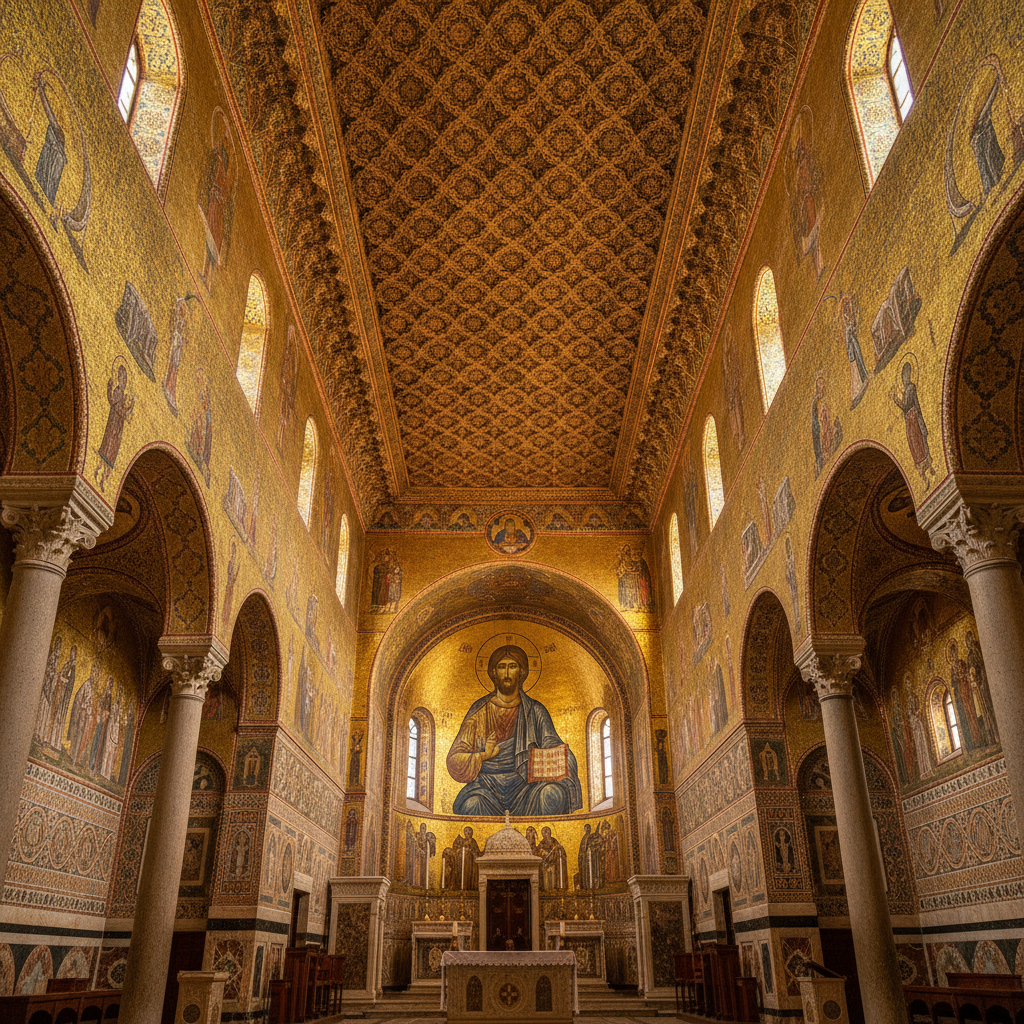
Palermo Arabo-Normanna, Cappella Palatina e Patrimonio Mondiale UNESCO Sicilia
La 'Palermo Arabo-Normanna e le Cattedrali di Cefalù e Monreale' (Patrimonio dell'Umanità UNESCO dal 2015) comprende i monumenti straordinari del Regno Normanno di Sicilia (1130-1194) — la più straordinaria sintesi artistica multiculturale della storia della civiltà occidentale.
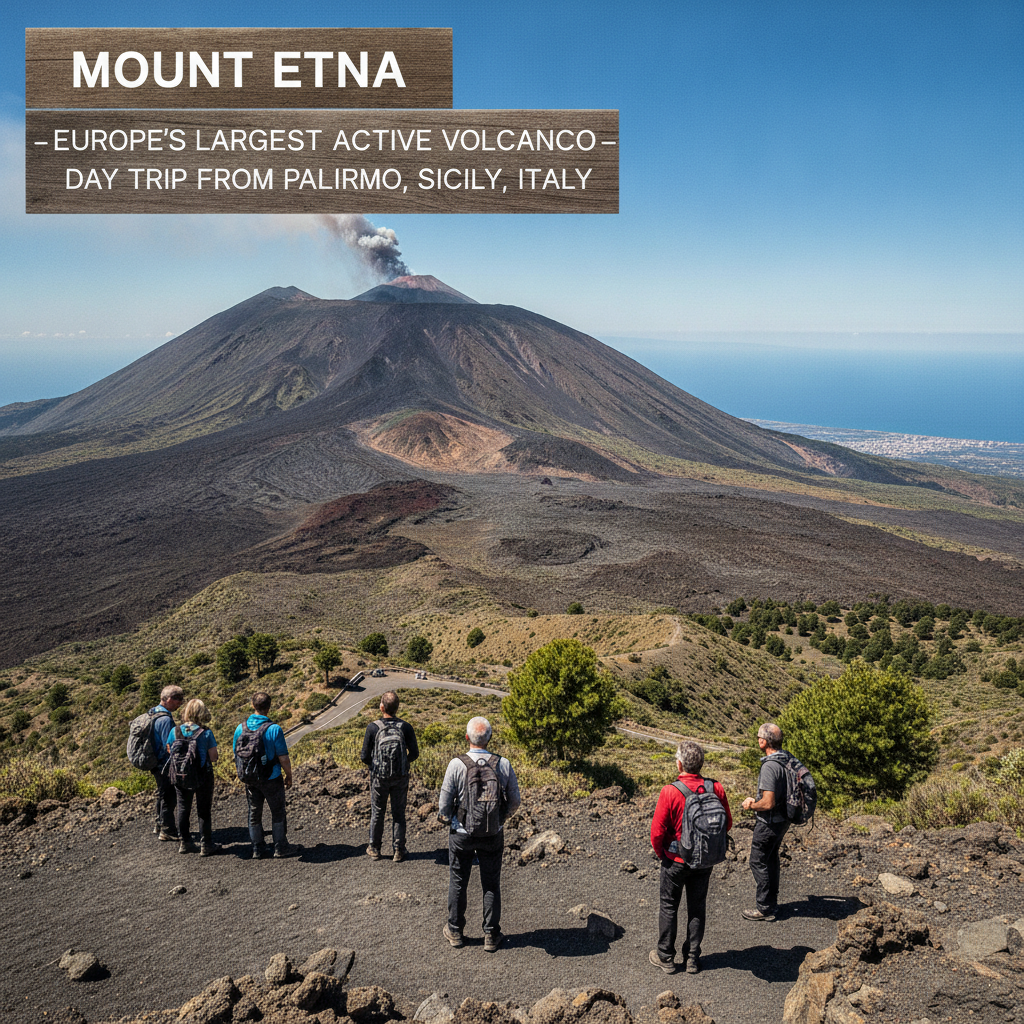
Gita all'Etna — Il Vulcano Attivo Più Grande d'Europa
Mount Etna (the 'Mongibello' — the 3,357-metre active stratovolcano on the eastern coast of Sicily, the largest active volcano in Europe and one of the most active volcanoes in the world, the volcano in continuous eruption since at least 1500 BC) is 2.5 hours east of Palermo by road or 3.5 hours by train, accessible as a day trip from the Sicilian capital with the combined visit of the Etna cable car and the 4×4 jeep excursion to the summit craters (2,950 metres).
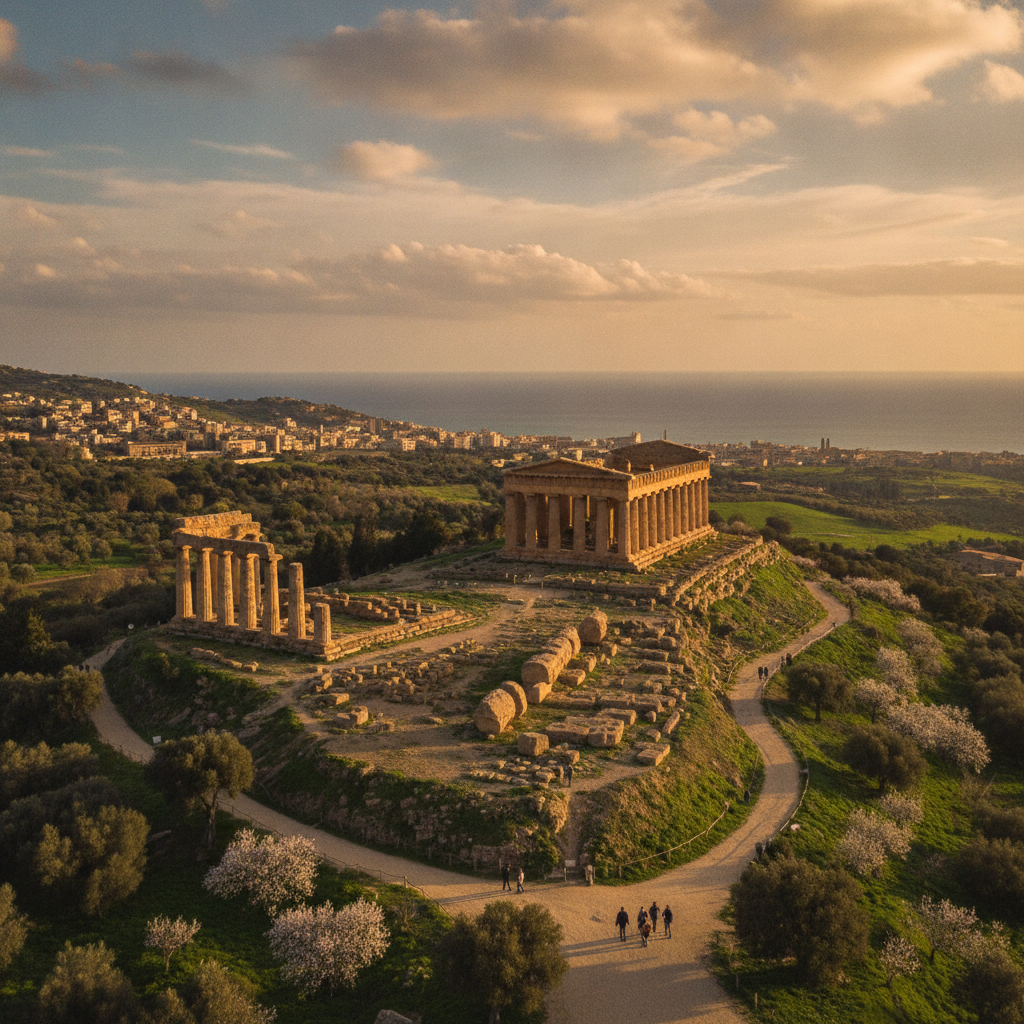
Valle dei Templi, Agrigento e l'Antica Sicilia Greca
The Valley of the Temples ('Valle dei Templi' — the UNESCO World Heritage Site archaeological park near Agrigento on the southern coast of Sicily, 2.5 hours south of Palermo) is the most important Greek archaeological site outside Greece — the site of the ancient Greek city of Akragas (founded 580 BC, one of the largest Greek cities of antiquity with a population of 200,000-300,000 at its peak), the site where 9 Doric temples of the 5th century BC survive in the most complete state of any Greek temples in the world.
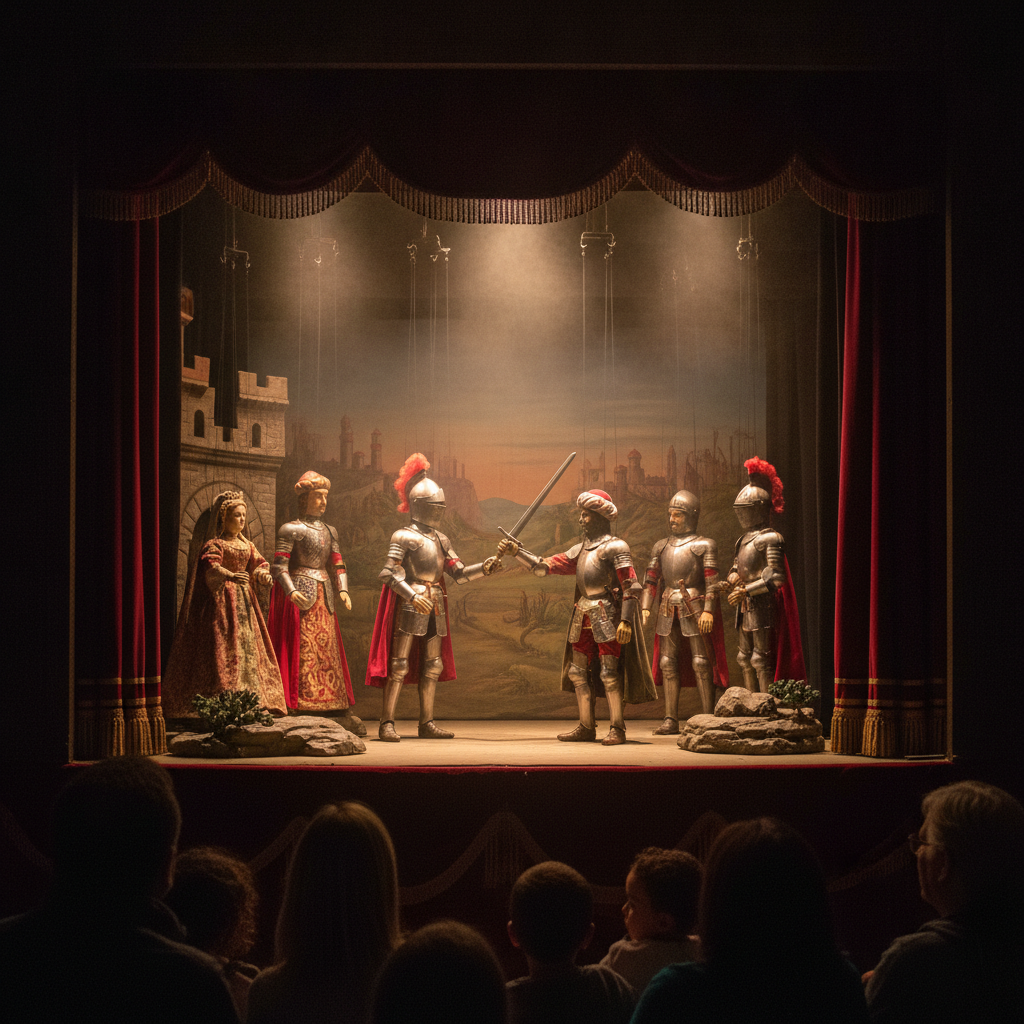
Teatro dei Pupi Siciliani, Eredità della Mafia e Identità Siciliana
The 'Opera dei Pupi' (the UNESCO Intangible Cultural Heritage Sicilian puppet theatre tradition — the theatre of the armoured knights ('pupi' — the large, elaborately crafted marionettes operated by the 'puparo' from above via rods and strings) performing the cycles of the medieval chivalric romances (the 'Orlando Furioso' of Ariosto, the 'Chanson de Roland')) is the most distinctive traditional performing art of Palermo; combined with the understanding of the Sicilian Mafia (the 'Cosa Nostra' — its origins, its culture, and its devastating impact on Sicilian society, documented in the Falcone and Borsellino Museum), it forms the most complex portrait of Sicilian identity.