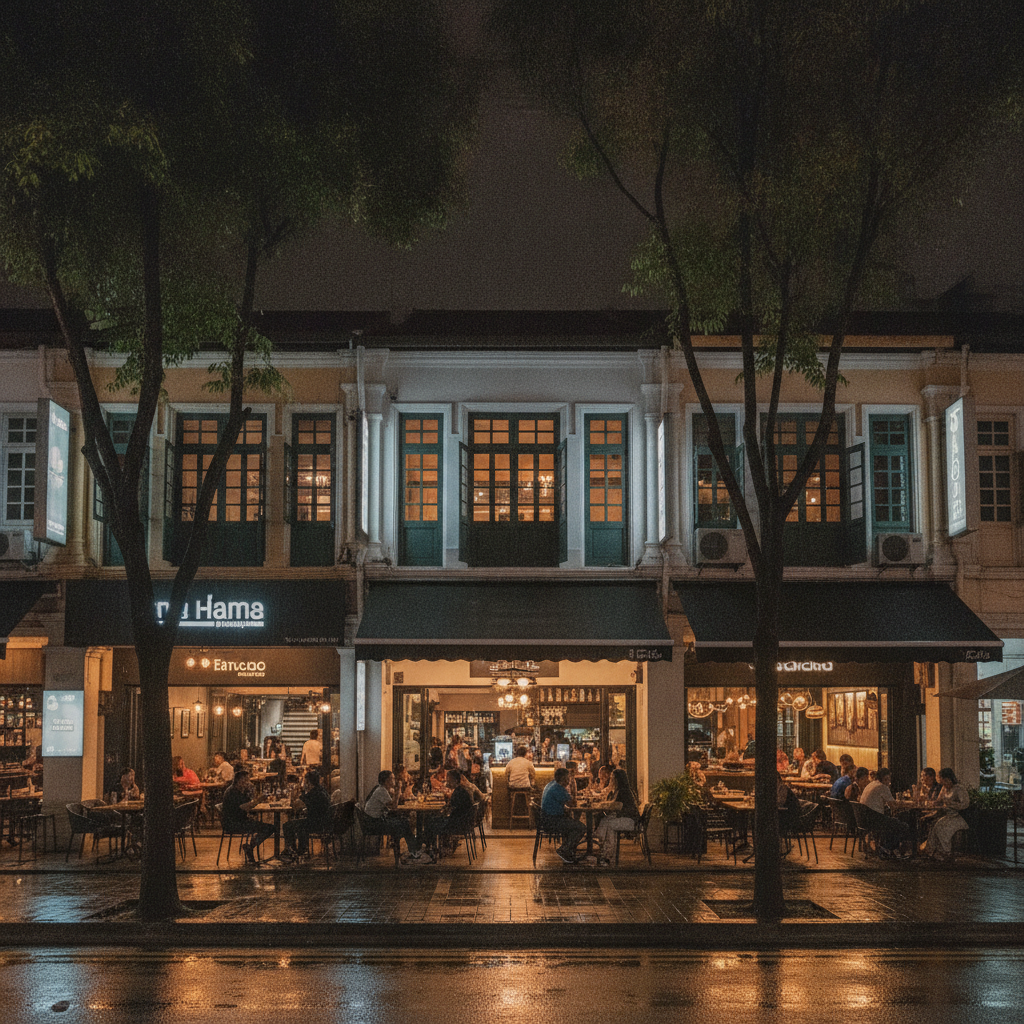
Bangsar, Mont Kiara e la KL Moderna — La Città degli Espatriati e dei Millennial
The modern residential and lifestyle districts of Bangsar and Mont Kiara — approximately 5-10 kilometres southwest of the city centre, developed from the 1990s onwards as the primary addresses for Kuala Lumpur's professional class, expatriate community, and young urban Malaysians — represent the face of contemporary affluent Malaysia: tree-lined streets of mid-rise condominiums and linked malls, rooftop bars, artisanal coffee shops, fitness studios, and international restaurants.
- 1
Bangsar Baru — The Epicentre of KL's Urban Middle Class
Bangsar Baru (10km from KLCC, 30 minutes by LRT) is KL's most complete neighbourhood for food, boutique shopping, and nightlife — Jalan Telawi (a 500m street with 80+ cafés, restaurants, and bars) is where KL's educated professional class eats and socializes; the Sunday morning Bangsar Farmers Market (Bangsar Village, 7am–noon) sells organic produce, sourdough bread, and artisanal cheeses.
- 2
Bukit Tunku — The Bungalows of Kuala Lumpur's Elite
Bukit Tunku (Kenny Hills) is the most exclusive residential neighbourhood in KL — ambassadorial residences, Malaysian royalty houses, and corporate CEO bungalows occupy 1–2 acre lots behind security walls in 1950s–1970s tropical modernist architecture; the area is bounded by the Bukit Tunku recreational park and is the highest residential elevation in the city, offering panoramic KL skyline views.
- 3
Mont Kiara — International School District and Japanese Quarter
Mont Kiara (12km from KLCC) houses the highest concentration of Japanese restaurants, Korean supermarkets, and international schools in Malaysia — the district serves Kuala Lumpur's 30,000+ Japanese expatriate community and 15,000+ Korean expatriates; the Solaris Dutamas commercial area (Sunday market 9am–5pm) sells Japanese groceries, Korean beauty products, and Vietnamese street food alongside Malaysian hawker stalls.
- 4
KL's Coffee Scene — Third Wave in a Tea-Drinking Culture
Kuala Lumpur's third-wave coffee scene developed rapidly after 2012 — Pulp by Papa Palheta (KL Eco City), VCR (Bangsar), and Artisan Roast (multiple locations) use single-origin Malaysian beans from the Cameron Highlands and Sabah alongside Ethiopian and Colombian origins; the distinction between 'teh tarik culture' (Malaysian pulled tea) and specialty coffee culture reflects KL's generational divide.
- 5
Desa ParkCity — New Urbanism in KL
Desa ParkCity (Kepong, 12km from KLCC) is a 473-acre planned urban development (2004–present) built around Central Park (a 18-acre artificial lake and park) — the dog-friendly park has become KL's most progressive public space; the commercial street (Waterfront) has independent restaurants, a weekend farmers market, and no chain restaurants; the area challenges KL's car-dependent urban model.
- 6
Sri Hartamas & Sri Damansara — KL's Quiet Residential Alternative
Sri Hartamas (adjacent to Mont Kiara) is where KL's established professional families live away from the expat and corporate zones — the morning wet market (6–10am) sells fresh seafood, tropical fruits, and morning coffee alongside the usual Malaysian street food; the neighbourhood's low-rise streetscape and independent grocery stores represent the KL that exists away from the KLCC-Bukit Bintang tourist corridor.