Cultura Gastronomica Messicana — Tacos, Tamales, Mole e la Tradizione del Mercato
Mexican cuisine (listed by UNESCO as an Intangible Cultural Heritage of Humanity since 2010) is one of the world's great food traditions — a synthesis of indigenous Mesoamerican cooking techniques and ingredients (corn, chiles, tomatoes, chocolate, vanilla, avocado, squash) with Spanish colonial influences, producing a culinary tradition of extraordinary depth, regionalism, and complexity that goes far beyond the simplified Mexican-American versions known internationally.
- 1
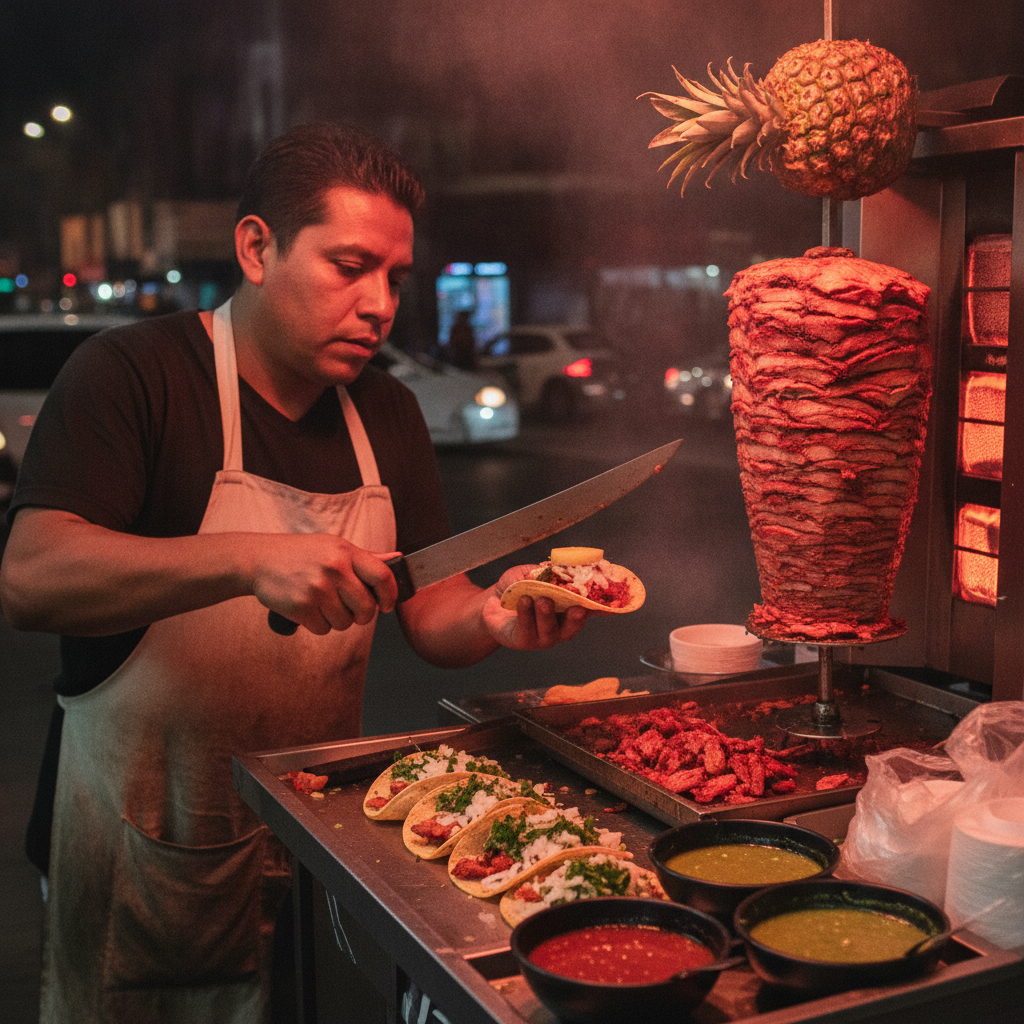
Tacos al Pastor — Lebanese Immigrants, Mexican Street Genius
Tacos al pastor (pork marinated in achiote, chili, and pineapple, cooked on a vertical trompo spit, then sliced directly onto a tortilla) were invented by Lebanese immigrants who brought shawarma to Mexico City in the early 20th century — the adaptation replaced lamb with pork and added chili and pineapple; the best tacos al pastor in Mexico City are at El Huequito (Bolívar, since 1959) and Los Cocuyos (Aranda, near Zócalo), with 12 tacos per person being a typical order at midnight.
- 2
Tamales at Mercado San Juan — Oaxacan, Veracruz, and Corn Husk Varieties
Tamales (masa/corn dough steamed in corn husks or banana leaves, stuffed with mole, chicken, rajas/chile strips, or sweet raisin filling) are Mexico's most ancient food (dating 8,000–5,000 BC) and are eaten specifically for breakfast, Christmas Eve, Día de la Candelaria (February 2), and hangovers — Mercado San Juan (Ernesto Pugibet, Centro) is Mexico City's gourmet market with 80+ stalls including Oaxacan tamales (in banana leaf, with mole negro or amarillo) served at 8am.
- 3
Mercado de San Juan Arcos de Belén — Imported Cheese and Exotic Meats
Mercado San Juan (two distinct markets: the original Arcos de Belén and the Puesto) is Mexico City's premium food market — stalls selling imported European cheeses (Manchego, Gruyère, Brie), Japanese wagyu beef, exotic insects (chapulines/grasshoppers, escamoles/ant eggs, gusanos/maguey worms), fresh truffle, and Beluga caviar contrast with traditional Mexican prepared foods; the market is the sourcing point for Mexico City's finest restaurants.
- 4
Pozole — Mexico's Ancient Stew from Human Sacrifice Tradition
Pozole (hominy corn stew with pork or chicken, dried chili broth, garnished with shredded cabbage, radish, oregano, and lime) has its origins in Aztec ritual — before the Spanish conquest, the stew was made with human flesh (specifically sacrificial victims' limbs) for ceremonial occasions; after conquest, pork replaced the prohibited protein; Pozolería Tizka (Garibaldi area) and Pozole de la Plaza (Tlalpan) are the classic CDMX versions.
- 5
Chapulines — Grasshopper Tacos and the Protein Future
Chapulines (roasted grasshoppers, seasoned with lime, chili, and garlic) have been a protein source in Oaxacan and Mexico City cuisine for 3,000+ years — they are now positioned as a sustainable protein alternative by international food scientists (protein content 60–70% dry weight, comparable to chicken); chapulines are eaten on tlayudas (Oaxacan flatbreads), in tacos at Mercado San Juan, or as bar snacks alongside mezcal; a portion costs $40–80 MXN.
- 6
Fonda El Refugio — 75 Years of Mexico's Regional Cuisines
Fonda El Refugio (Liverpool, Zona Rosa, 1954) is Mexico City's most respected repository of regional Mexican cooking — the menu rotates dishes from all 31 Mexican states across the 50 dishes offered daily; chiles en nogada (Puebla, poblano chile stuffed with picadillo topped with walnut cream and pomegranate, only made August–September when all three colours of the Mexican flag are available simultaneously) is the restaurant's most famous seasonal dish.