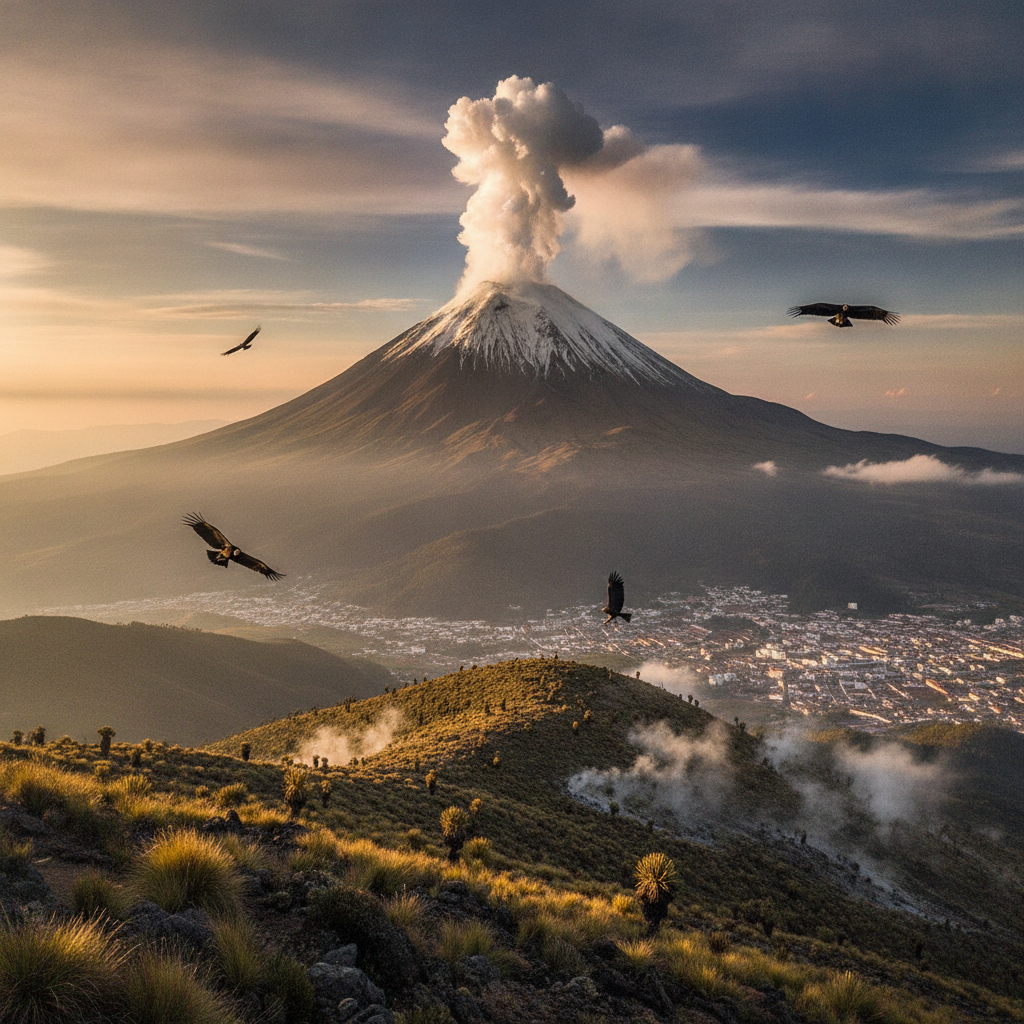

Volcán Puracé: The Active Volcano Above Popayán
The Volcán Puracé — an active stratovolcano 30 km from Popayán, part of the Los Coconucos volcanic chain — is accessible for trekking through páramo to the crater edge; the volcano, the hot springs, and the Andean condors create an extraordinary high-altitude experience
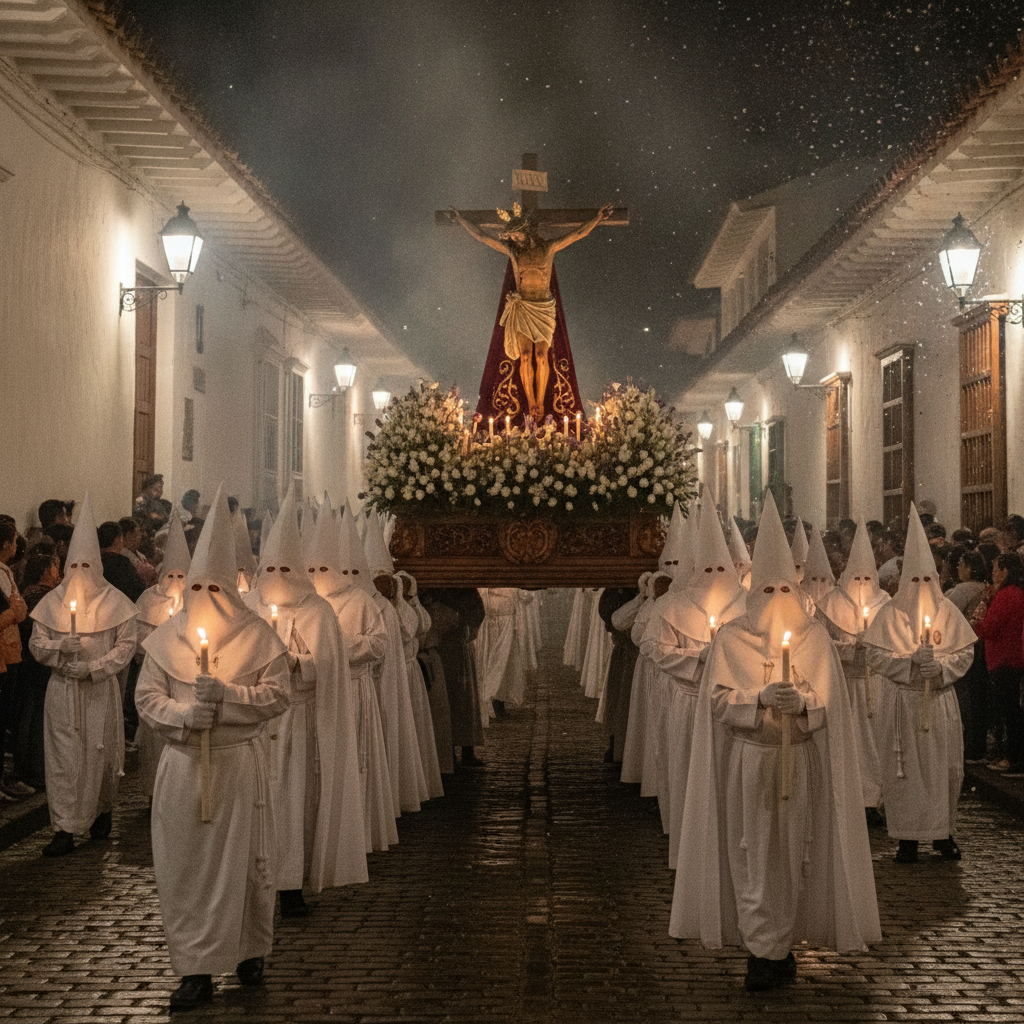
Popayán Semana Santa: The Most Solemn Holy Week in America
Popayán's Holy Week (Semana Santa) — declared a UNESCO Masterpiece of the Oral and Intangible Heritage of Humanity — is the most traditional and solemn Easter celebration in the Americas; the nighttime processions through the white colonial streets are an experience of extraordinary power
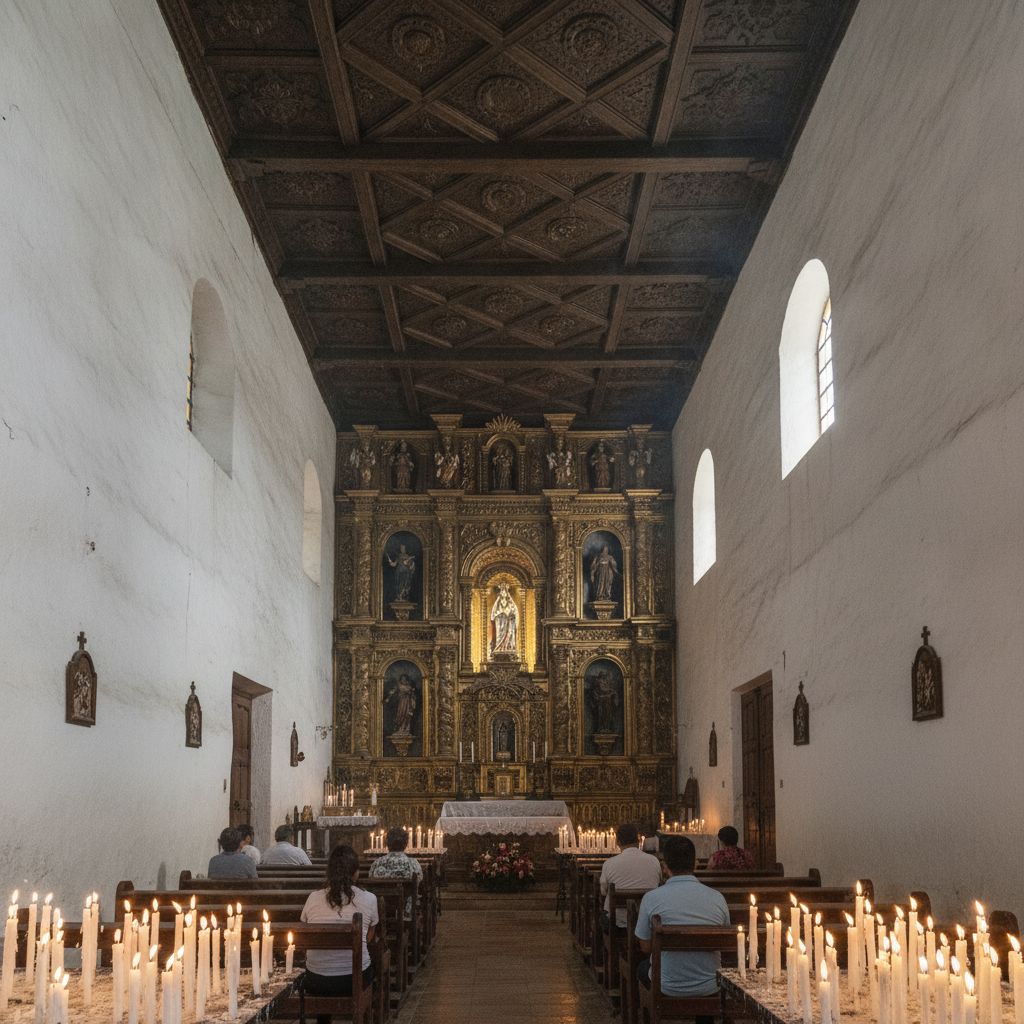
Popayán's Colonial Churches: A City of Faith and Art
Popayán has more colonial churches per capita than any other Colombian city; each church is a repository of Quiteño baroque art, indigenous craft, and the religious history of the Cauca valley
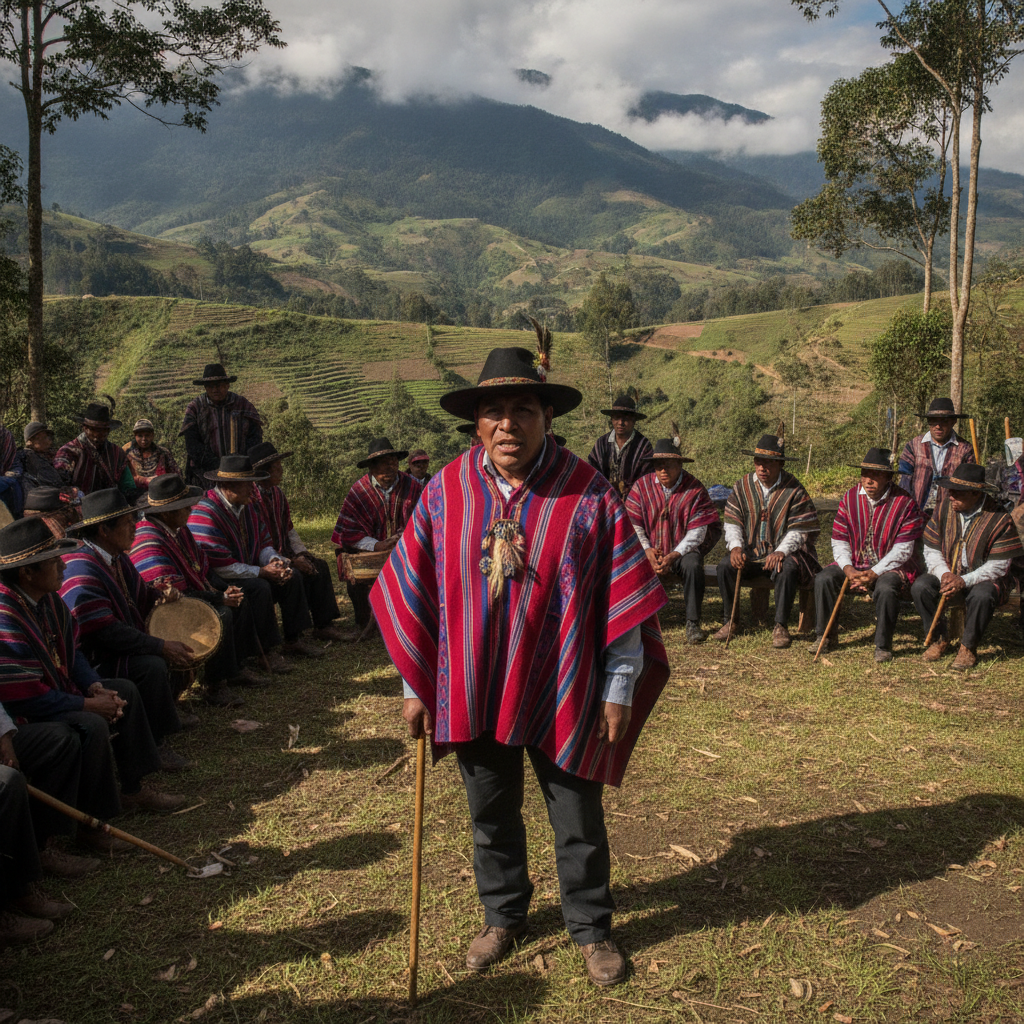
Nasa-Páez: Cauca's Indigenous Guardians
The Nasa (Páez) people — the most politically organised indigenous nation in Colombia — control vast territories in the Cauca mountains above Popayán; their territorial guard (Guardia Indígena) and their resistance to both guerrilla and state violence define modern indigenous politics in Colombia
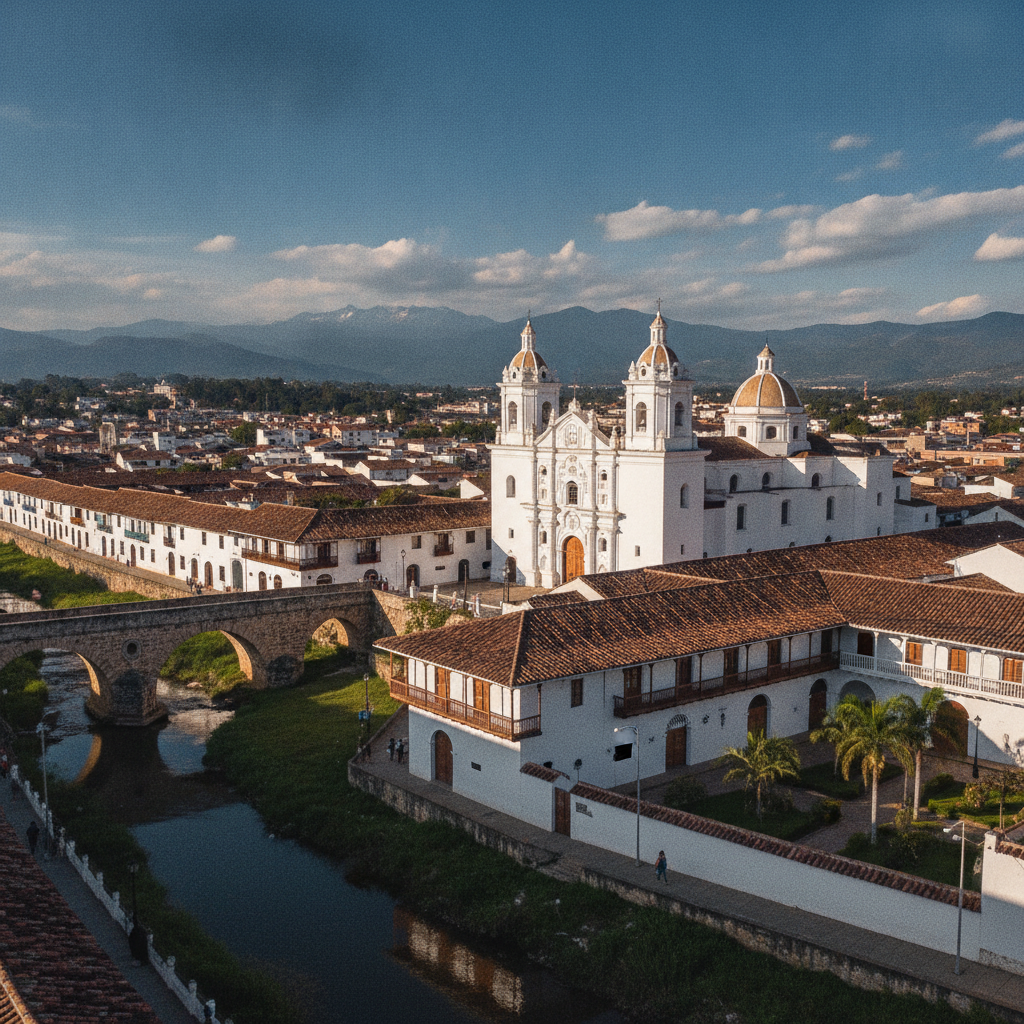
Popayán: Colombia's White City of Colonial Grandeur
Popayán — the White City of Colombia — has the country's most consistently beautiful colonial architecture; the whitewashed churches, convents, and mansions of the historic centre create a unity of style unmatched in South American colonial cities
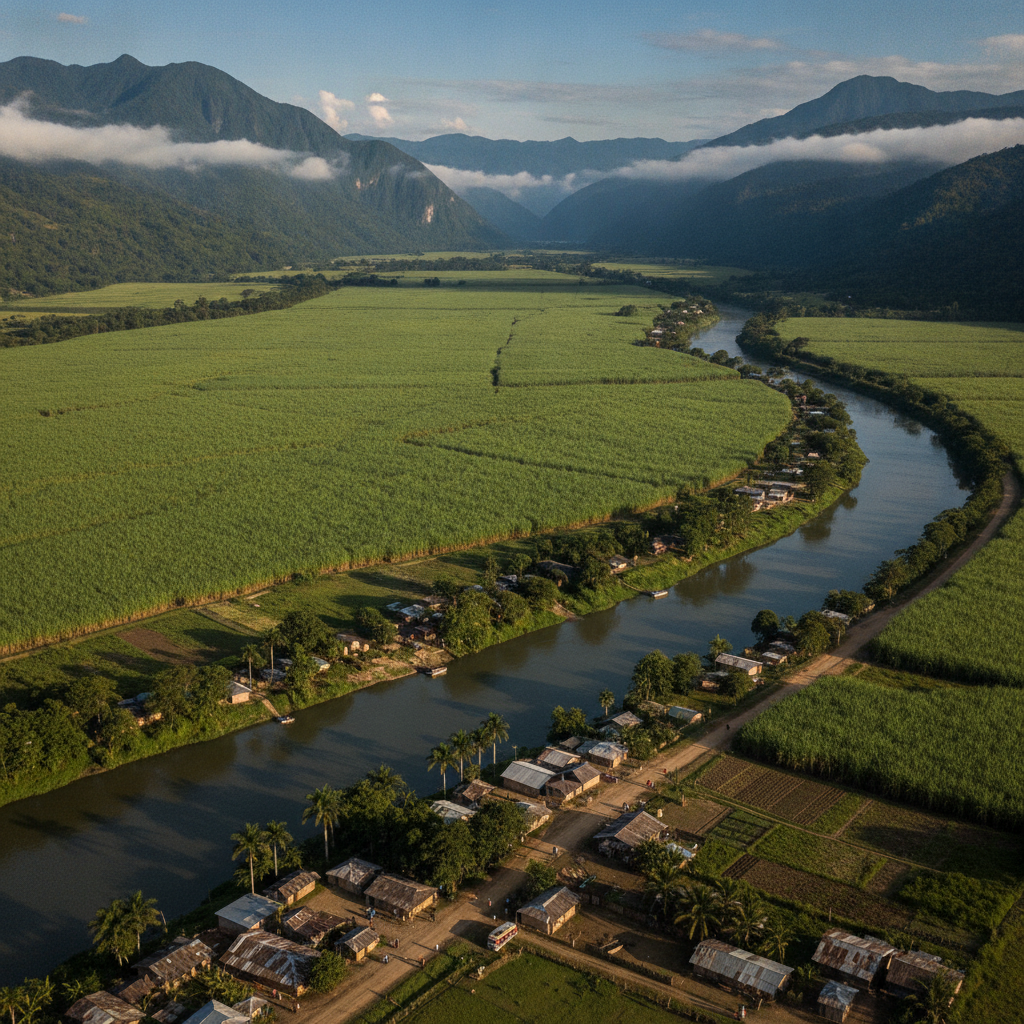
Cauca Valley: Sugar, Struggle & Afro-Colombian Heritage
The Cauca River valley south of Popayán is Colombia's most complex social landscape — sugarcane plantations worked by Afro-Colombian communities, Nasa indigenous territories on the hillsides, and the legacy of colonial hacienda society coexist in extraordinary tension
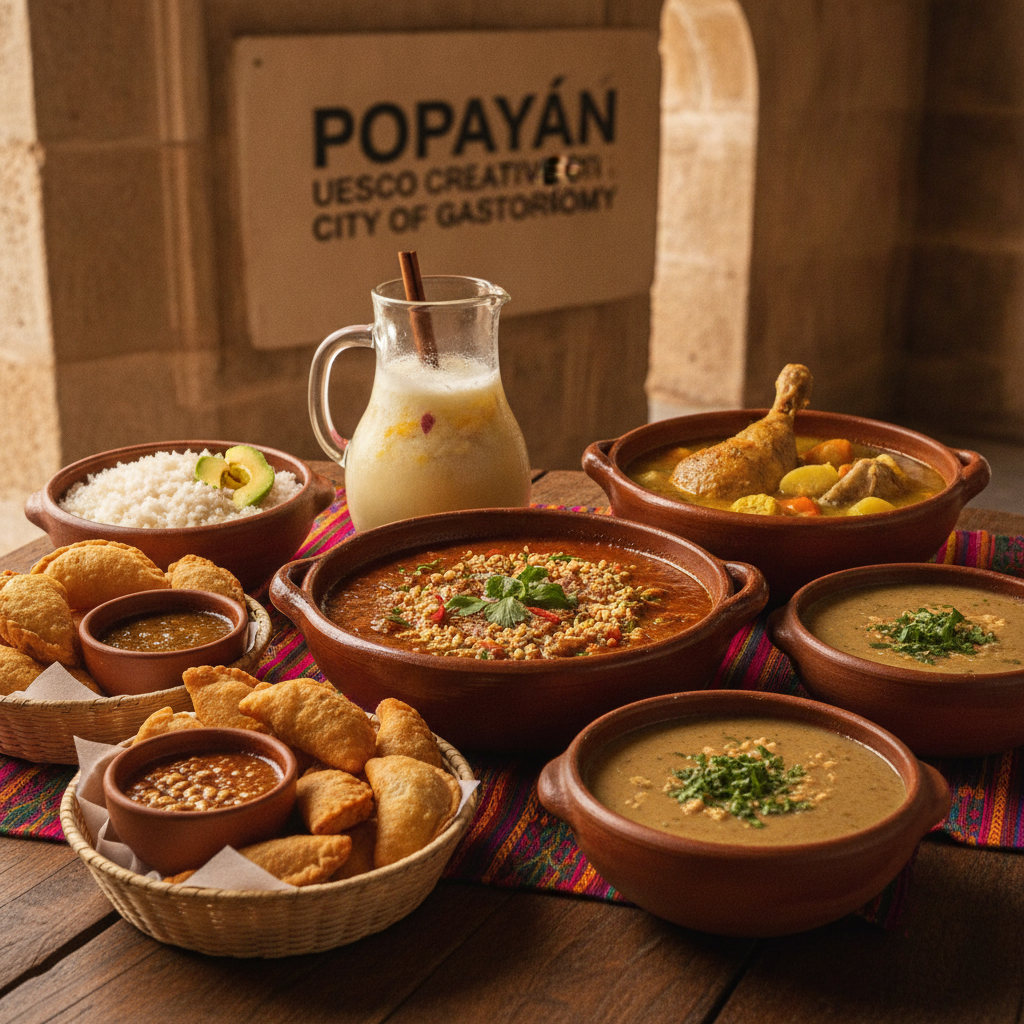
Popayán: Colombia's UNESCO City of Gastronomy
Popayán was the first Colombian city designated a UNESCO Creative City of Gastronomy (2005); the city's 500-year-old culinary tradition — blending indigenous Páez, African, and Spanish cooking — creates a cuisine of extraordinary depth and originality
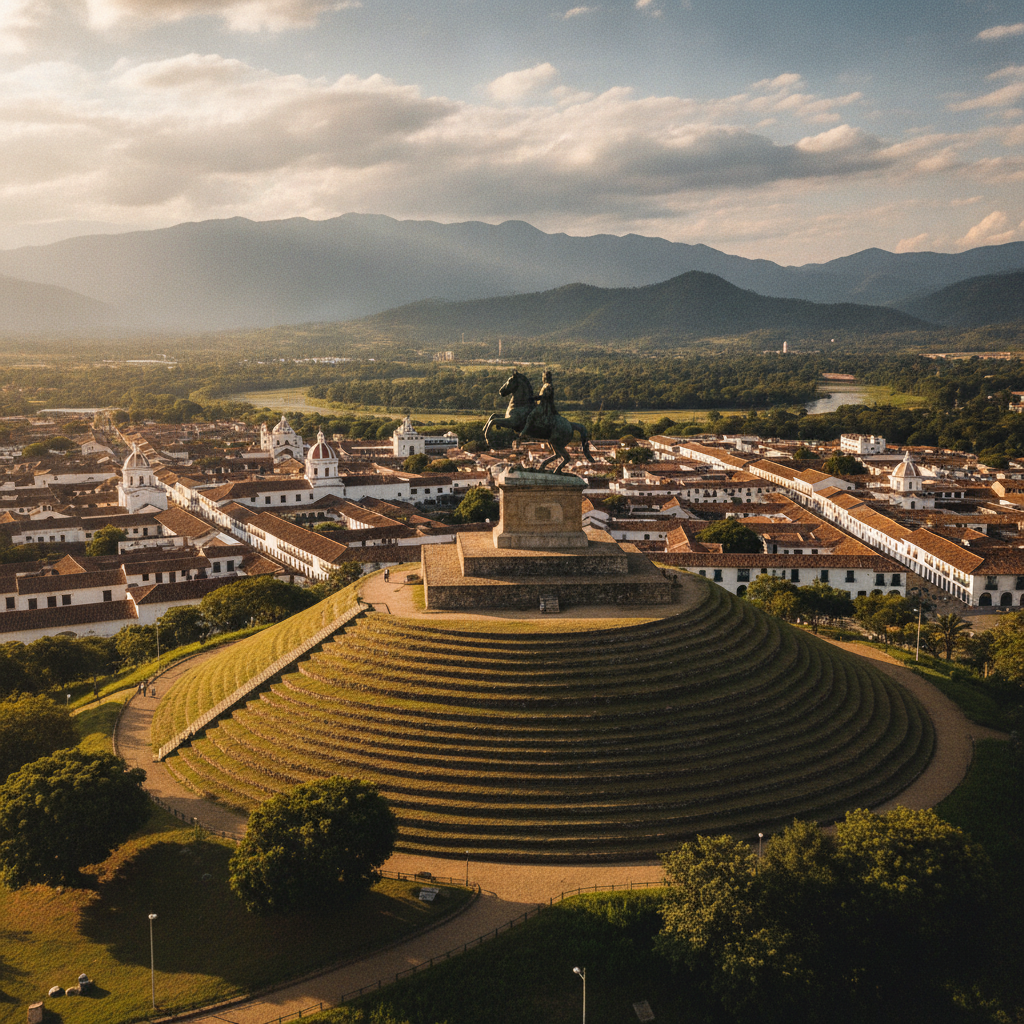
Morro de Tulcán: The Indigenous Pyramid Above the White City
The Morro de Tulcán — a pre-Columbian pyramid mound on the hill overlooking Popayán — was later crowned with a statue of the city's Spanish founder; the juxtaposition of indigenous sacred mound and colonial conqueror is a perfect symbol of Colombian history