bali
Entdecke Routen, Sehenswürdigkeiten und Reiseführer in Bali.
9 Routen
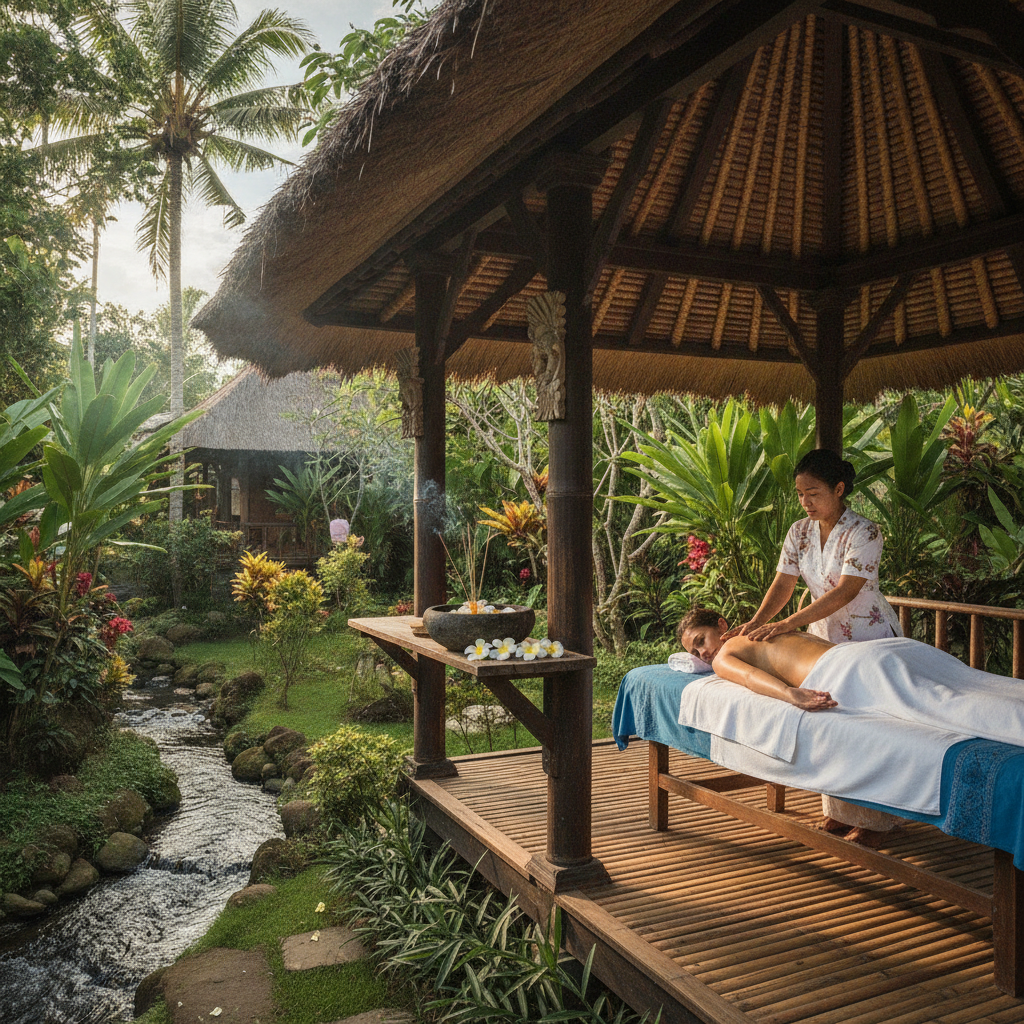
Bali Wellness — Spa-Rituale, Yoga-Retreats & der Bali-Geist
Bali has become one of the world's premier wellness and spiritual tourism destinations — the combination of Balinese Hindu spiritual culture, the natural beauty of the island's volcanic landscape, rice terraces, and tropical vegetation, the availability of highly skilled traditional Balinese massage and spa treatments at accessible prices, and a critical mass of yoga retreats, meditation centres, and wellness resorts (particularly concentrated in Ubud and its surroundings) has made Bali the global archetype of 'healing travel'.
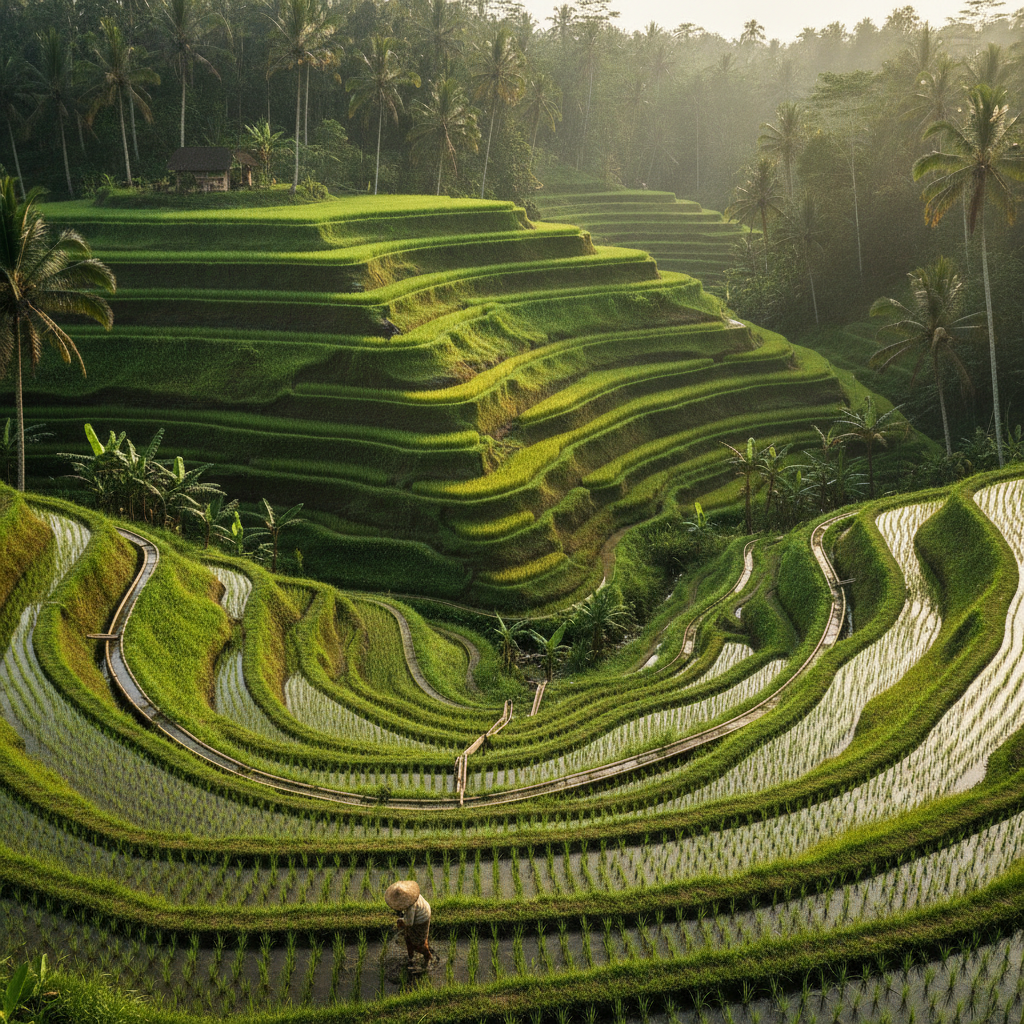
Ubud, Affenwald, Tegallalang-Reisterrassen & Balinesische Künste
Ubud — das kulturelle Herz Balis, im kühlen Hochland 25 Kilometer nördlich von Kuta — ist das Zentrum balinesischer Kunst, Handwerk, Tanz und spirituelles Leben, mit dem Heiligen Affenwald-Schutzgebiet, den Tegallalang-Reisterrassen und den Galerien der Ubud-Kunstszene.
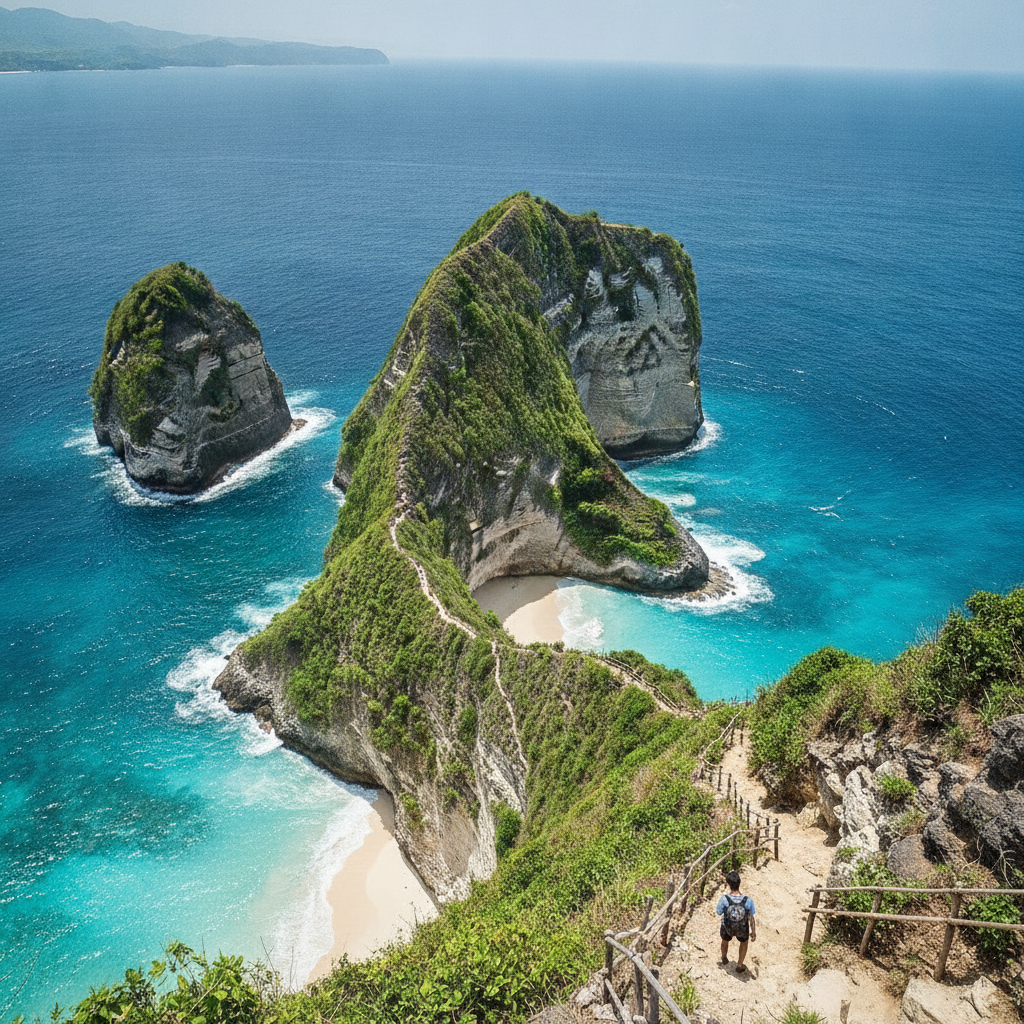
Nusa Penida & Nusa Lembongan — Unberührte Inseln vor Balis Südostküste
Nusa Penida and Nusa Lembongan — the small islands in the Badung Strait between Bali and Lombok, accessible by fast boat from Sanur in 30-45 minutes — are the most spectacular natural environments accessible as a day trip from Bali: Nusa Penida's dramatic limestone sea cliffs, the Kelingking Beach ('T-Rex head' viewpoint), and the world's best snorkelling with manta rays at Manta Point have made it one of the most photographed destinations in Southeast Asia.
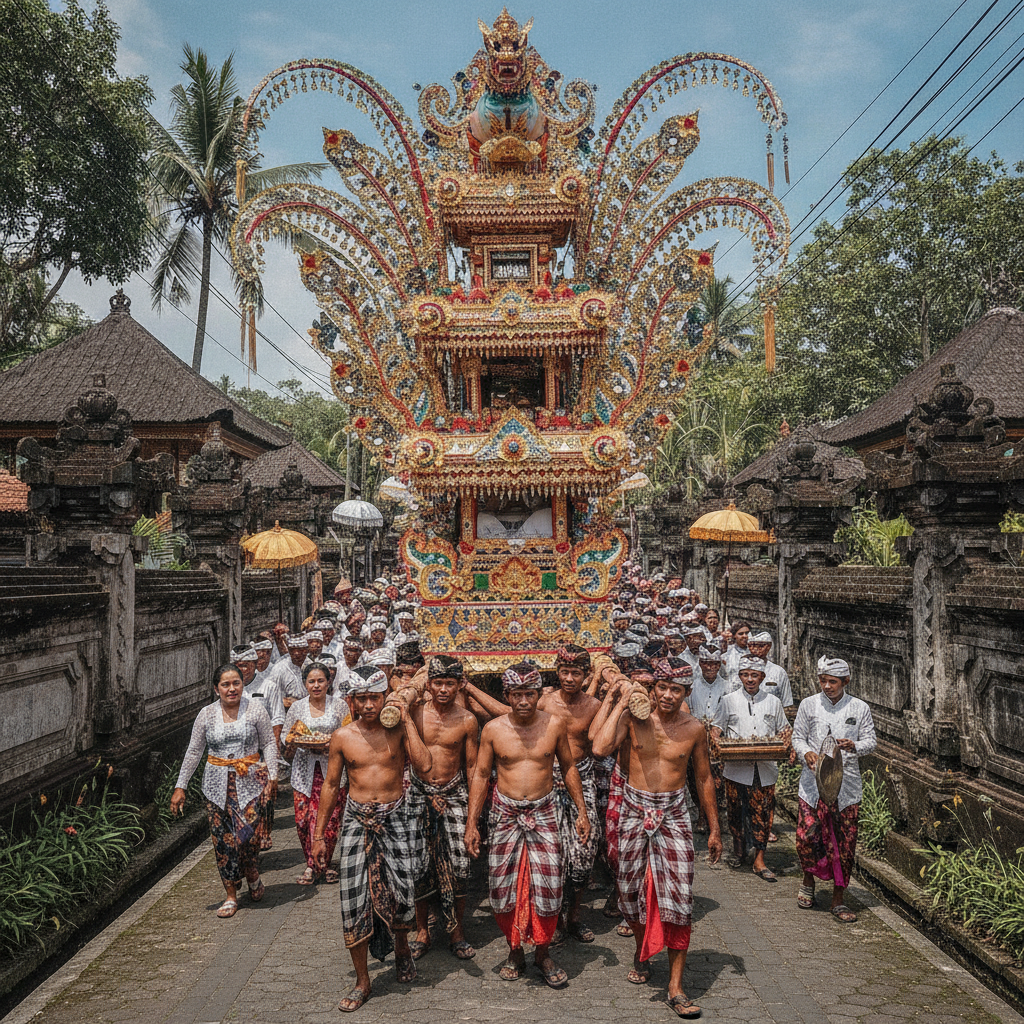
Balinesischer Hinduismus — Tempelzeremonien, Kremation & das spirituelle Leben Balis
Balinese Hinduism (Agama Hindu Dharma — the unique form of Hinduism practiced on Bali, a synthesis of Hindu, Buddhist, and indigenous Balinese animist beliefs brought to Bali from Java in the 14th-15th centuries as the Hindu Majapahit Empire declined and its court fled to Bali) is the defining characteristic of Balinese culture and the primary reason that Bali's culture appears so distinct from the rest of Indonesia (which is approximately 87% Muslim).
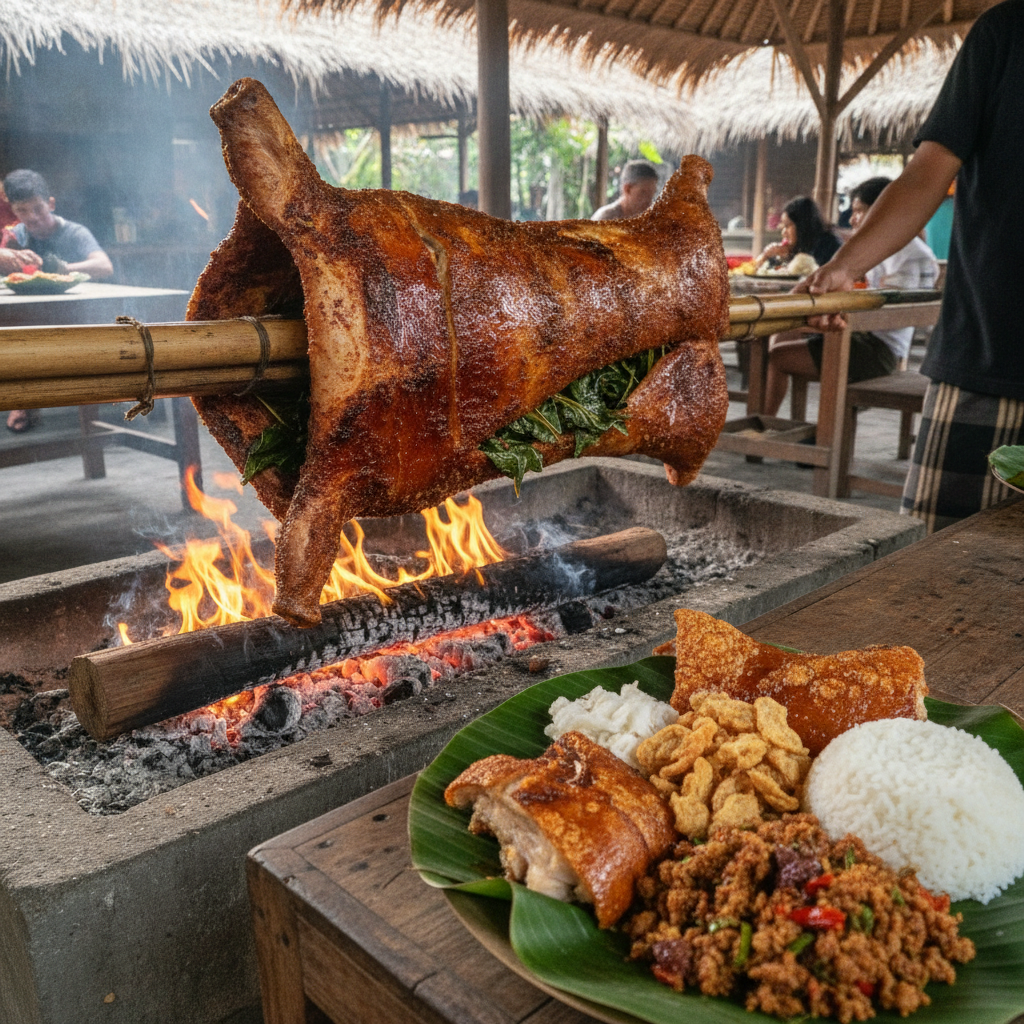
Balinesische Küche — Babi Guling, Lawar, Nasi Campur & die Warung-Kultur
Balinese cuisine is the most distinctively different regional cuisine in Indonesia — unlike the cuisines of Java or Sumatra (which are predominantly Muslim and therefore pork-free), Balinese Hindu cuisine makes extensive use of pork, most famously in babi guling (spit-roasted suckling pig), which is the most important ceremonial food in Bali and the dish most associated with Balinese identity; the Balinese warung (simple family-run restaurant) is the primary social and culinary institution of daily Balinese life.
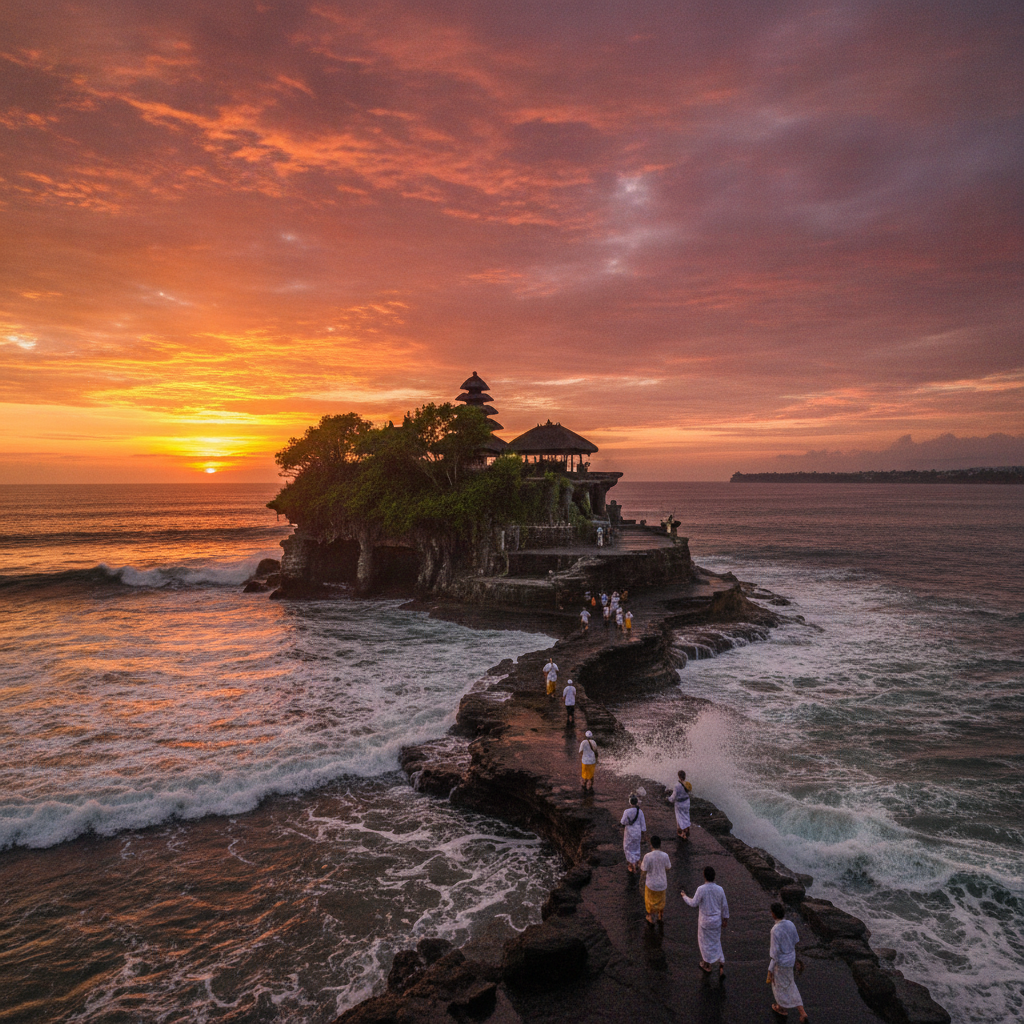
Tanah Lot, Uluwatu-Tempel & Balis Heilige Meerestempel
Balis antike Meerestempel — Tanah Lot (der Offshore-Felsempel, der das meistfotografierte Bild Balis ist), Uluwatu (der dramatische Klippen-Tempel 70 Meter über dem Indischen Ozean) und das Netzwerk der 'sad kahyangan' Balis — bilden die spirituelle Wirbelsäule der balinesisch-hinduistischen Zivilisation.
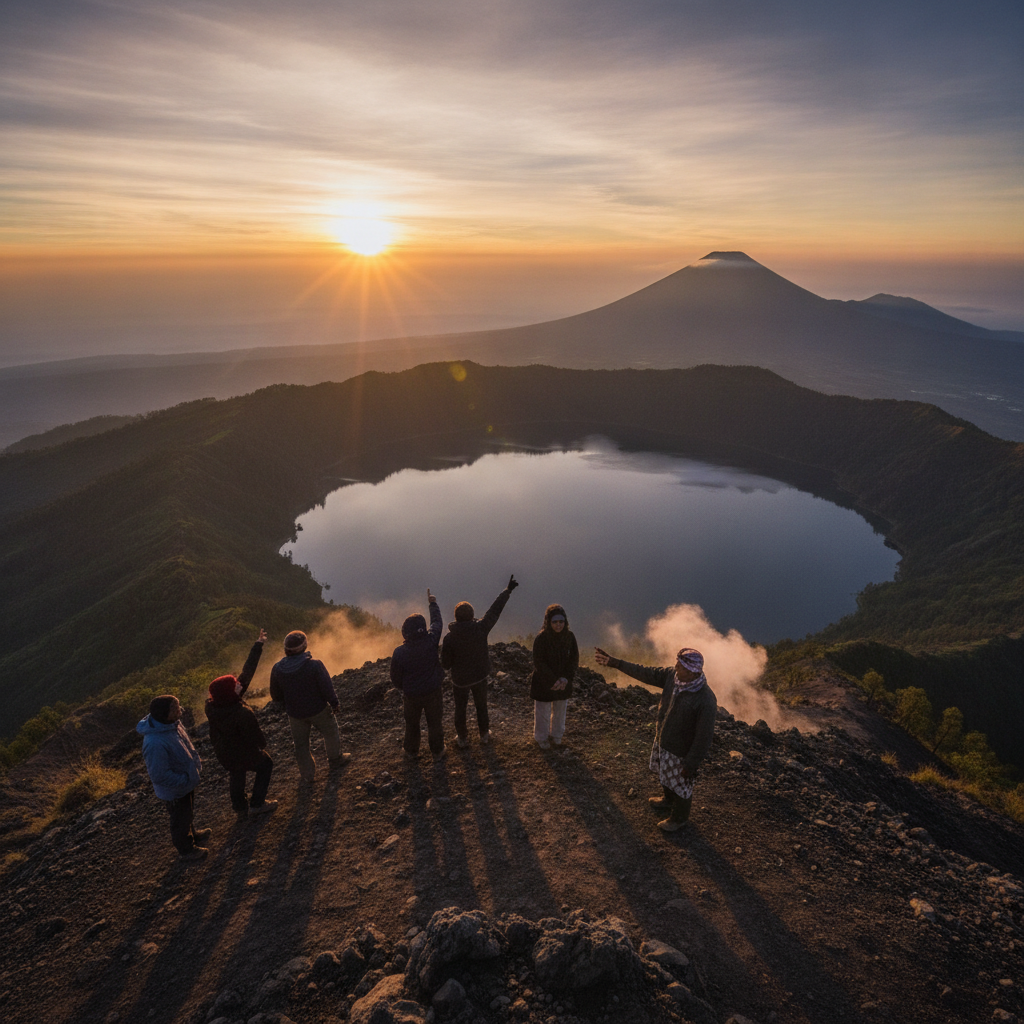
Mount Batur & Mount Agung — Vulkan-Sonnenaufgangstrekking auf Bali
Balis Vulkanlandschaft — dominiert vom heiligen Mount Agung (3.031 Meter, Balis höchster Gipfel) und dem zugänglicheren Mount Batur (1.717 Meter, ein aktiver Vulkan in einem spektakulären Doppelkrater) — bietet die dramatischsten Naturlandschaften der Insel.
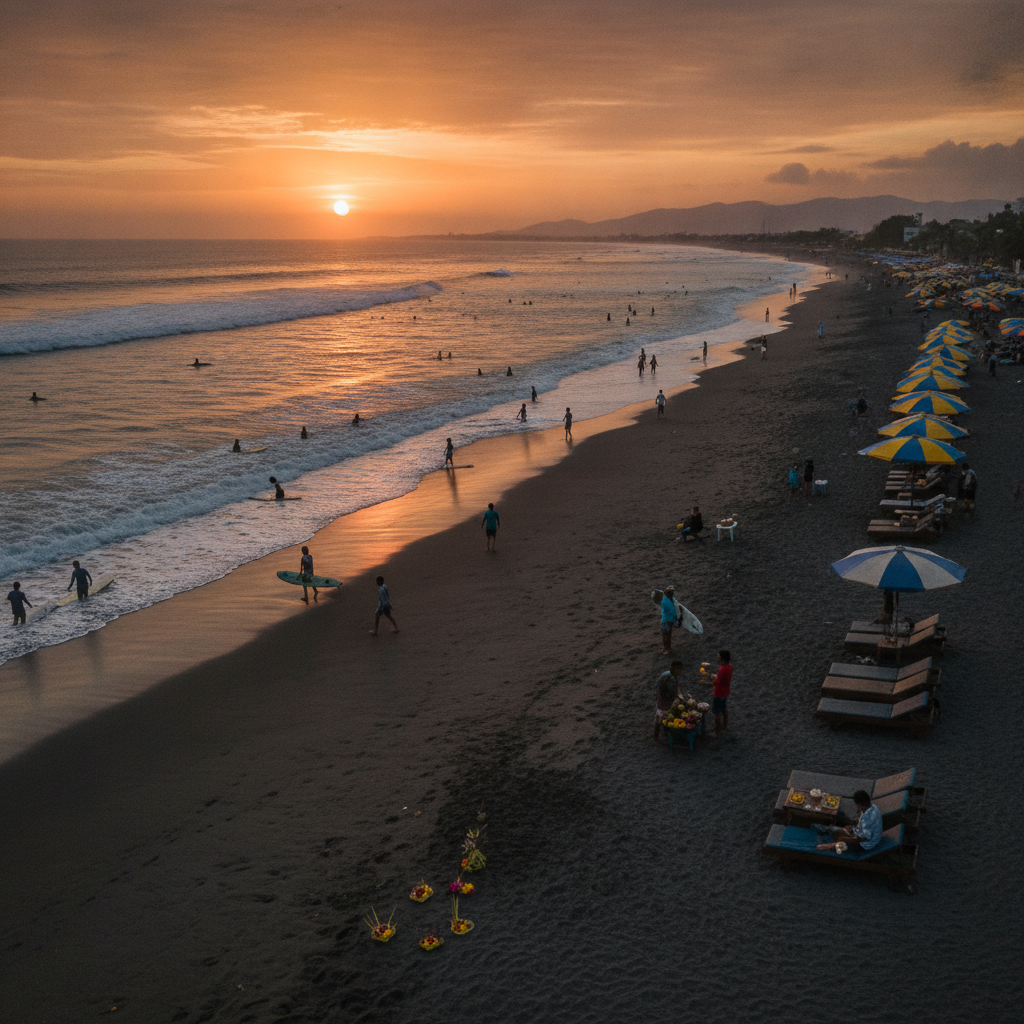
Seminyak, Kuta & Legian — Balis Strand-, Surf- und Nachtlebenküste
The southwest coast of Bali — from the airport area of Tuban through Kuta, Legian, and Seminyak to Canggu — is the most developed tourist area in Bali and the entry point for most visitors: Kuta (the original Bali beach resort, discovered by surfers in the 1970s and developed into the primary budget travel hub), Legian (slightly more upscale than Kuta), and Seminyak (the most sophisticated of the three, with the best restaurants and beach clubs) all line the 8-kilometre stretch of black-sand beach facing the Indian Ocean.
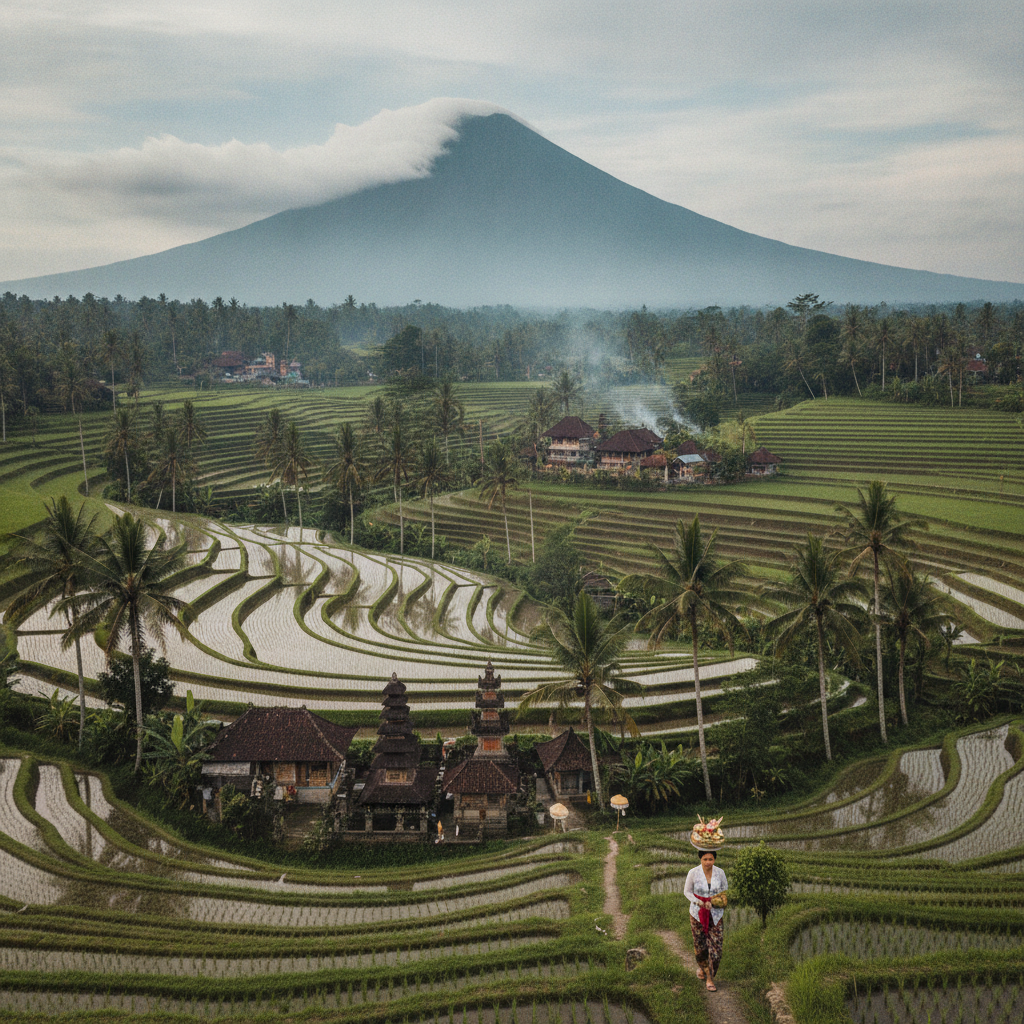
Sidemen-Tal, Amed & Ost-Bali — Traditionelle Dörfer und Schnorcheln
Das weniger besuchte Ost-Bali — das Sidemen-Tal mit seinen dramatischen Reisterrassen unter dem Mount Agung und die Amed-Küste mit ihren Fischerdörfern und dem berühmten japanischen WWII-Schiffswrack — bietet das authentischste Erlebnis des traditionellen Balis.