bogota
Entdecke Routen, Sehenswürdigkeiten und Reiseführer in Bogota.
9 Routen
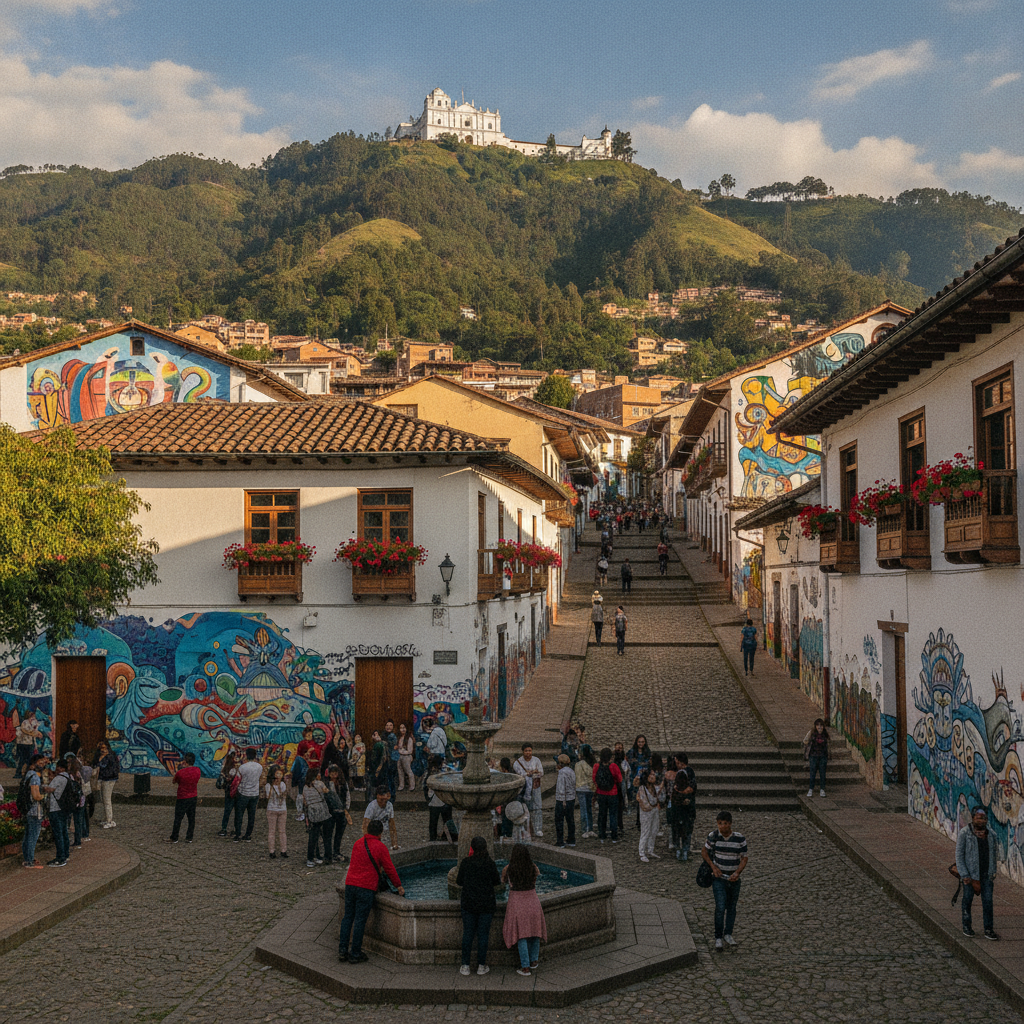
La Candelaria, das Goldmuseum & Bogotás Koloniales Herz
Bogotá — die Hauptstadt Kolumbiens, mit etwa 8,1 Millionen Einwohnern in der Stadt und 10,7 Millionen im Großraum, die höchstgelegene Hauptstadt in Südamerika auf 2.625 Metern über dem Meeresspiegel: La Candelaria (das historische koloniale Viertel am Fuße der Osthügel, Heimat des Goldmuseums) ist das kulturelle und historische Herz Kolumbiens.
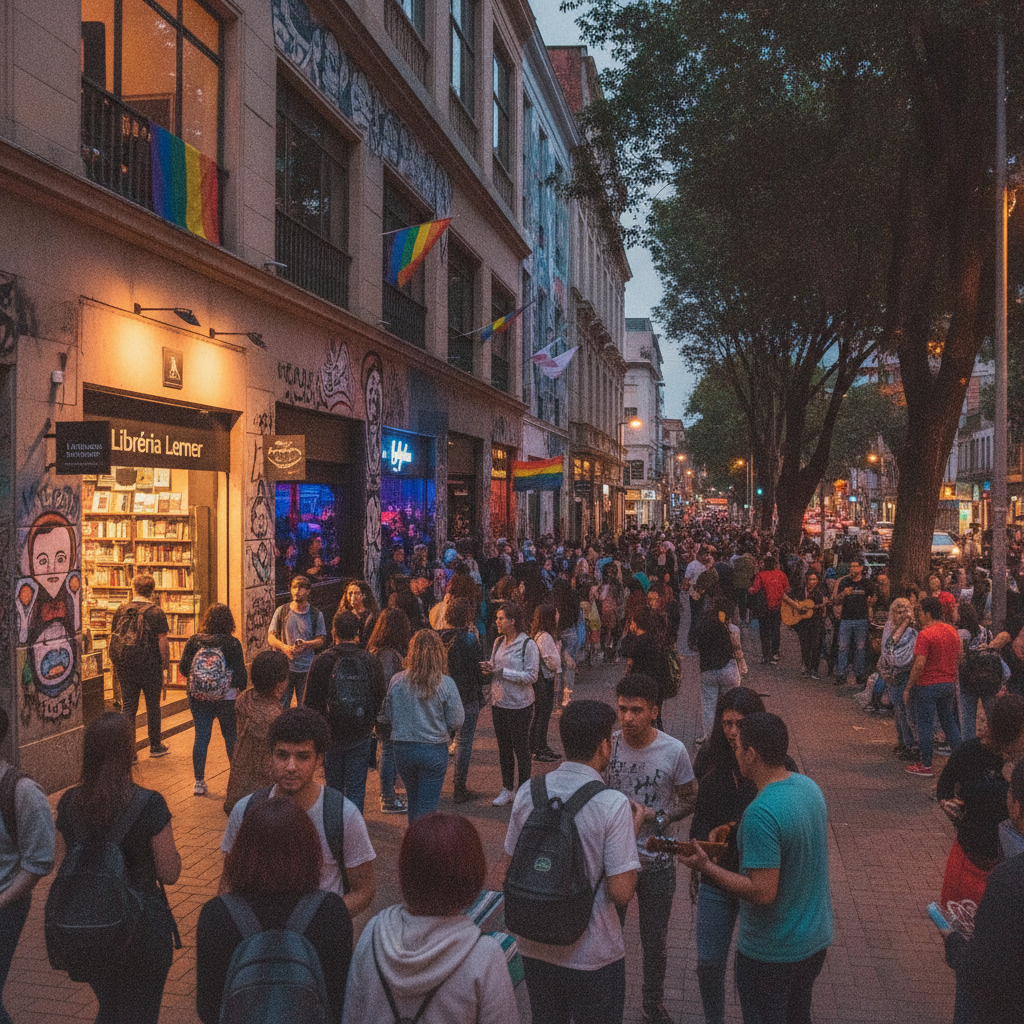
Chapinero, LGBTQ+-Kultur & Bogotás Kreative Viertel
Chapinero (the district of Bogotá between La Candelaria and Zona Rosa — the most culturally diverse and most LGBTQ+-affirming neighbourhood in Colombia, with the 'Zona Rosa de Chapinero' (the LGBTQ+ entertainment district) and the 'Calle 60' arts and antiques strip) and the adjacent creative districts of Teusaquillo and La Perseverancia are the bohemian heart of modern Bogotá.
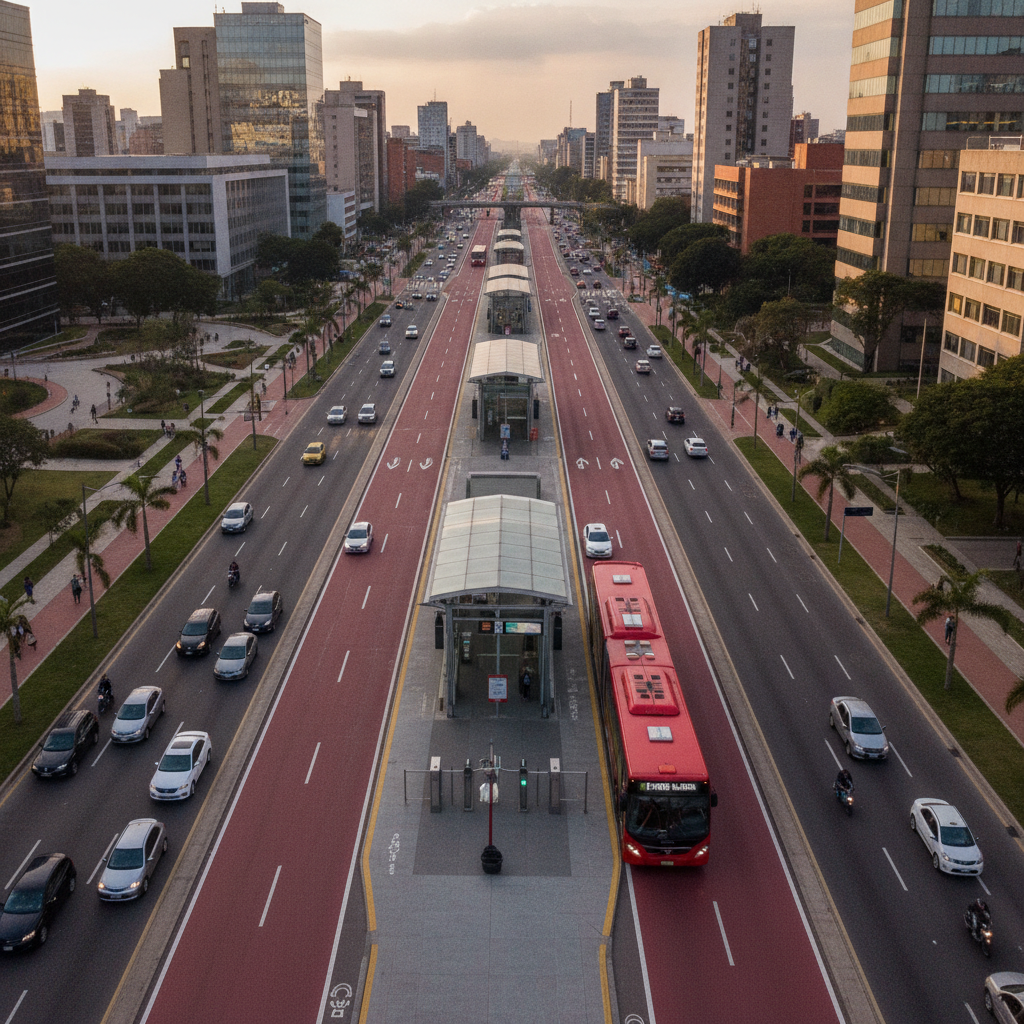
TransMilenio, Stadtinnovation & Bogotás Stadttransformation
Bogotá's TransMilenio (the Bus Rapid Transit system — the largest BRT system in Latin America, with 113 km of dedicated lanes and 2.4 million daily passengers) is one of the most remarkable examples of urban innovation in the developing world, part of the broader transformation of Bogotá from one of the most dangerous cities in Latin America in the 1990s to one of the most innovative and most liveable cities in the 2020s.
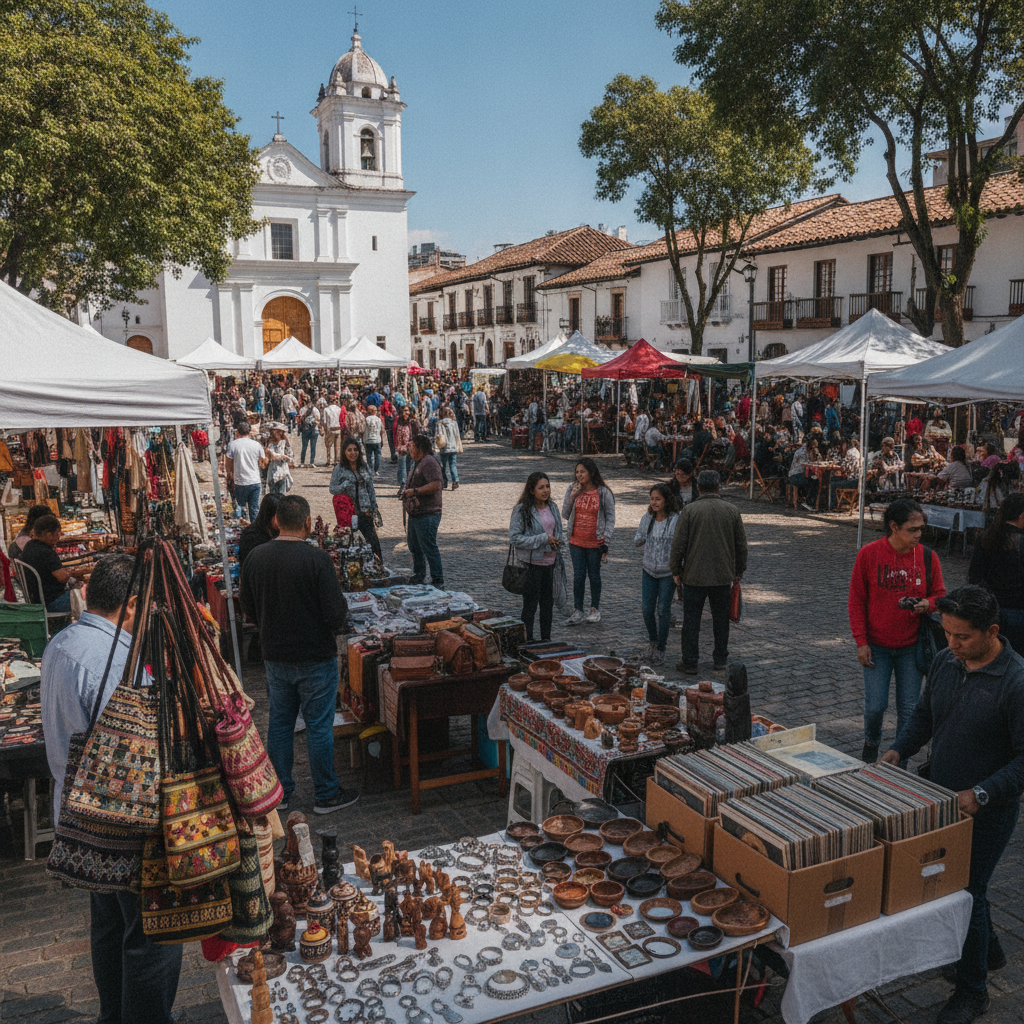
Zona Rosa, Usaquén & Bogotás Gastronomie- und Nachtleben-Szene
Die Zona Rosa und das Usaquén-Viertel — das alte Kolonialdorf mit seinem Sonntagsflohmarkt und den besten Restaurants der Stadt — bilden zusammen das primäre Ziel Bogotás für Gastronomie, Nachtleben und Shopping.
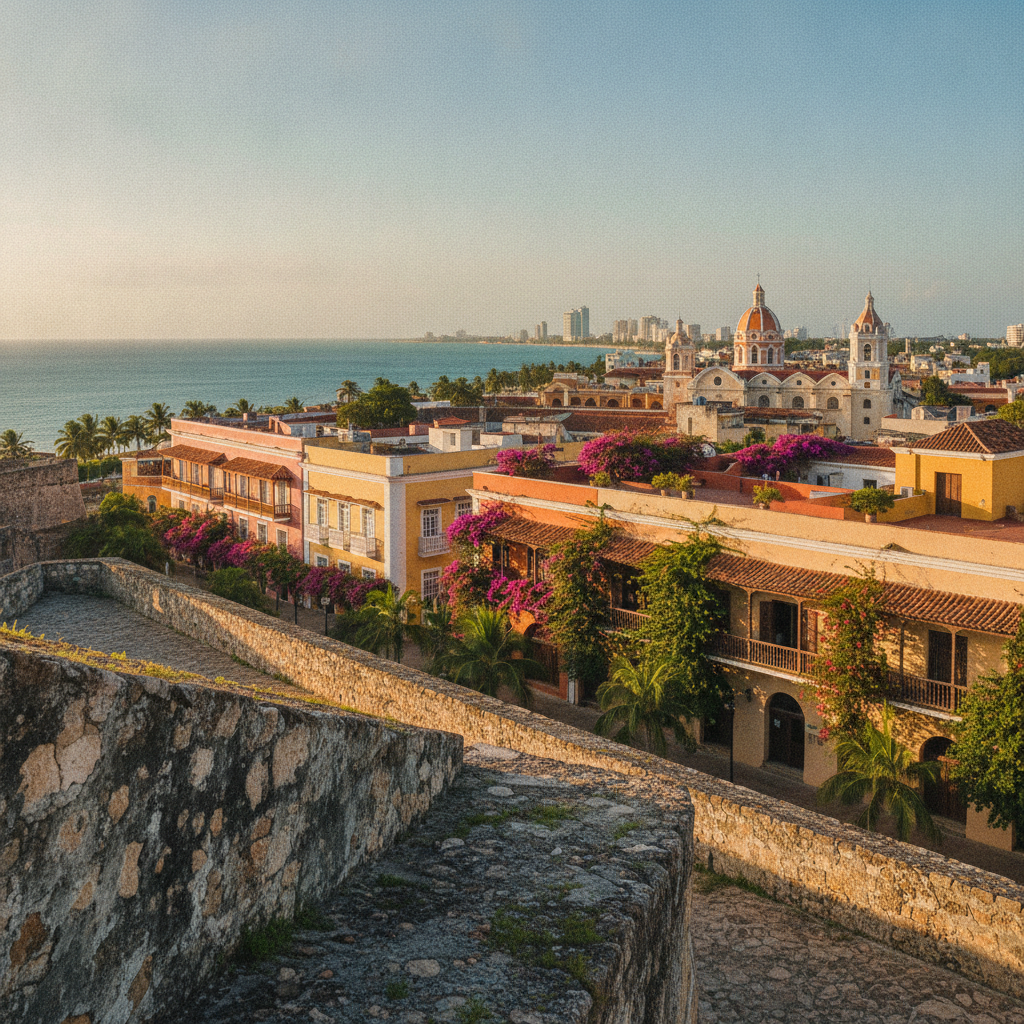
Medellín, Cartagena & Kolumbiens Außerordentliche Vielfalt
Kolumbien — das Land mit der größten ökologischen und kulturellen Vielfalt in Amerika, das einzige südamerikanische Land mit sowohl einer pazifischen als auch einer karibischen Küste, und das Land, das die dramatischste positive Transformation eines Landes in Lateinamerika in den letzten 30 Jahren erfahren hat: Medellín und Cartagena sind die wichtigsten Reiseziele jenseits von Bogotá.
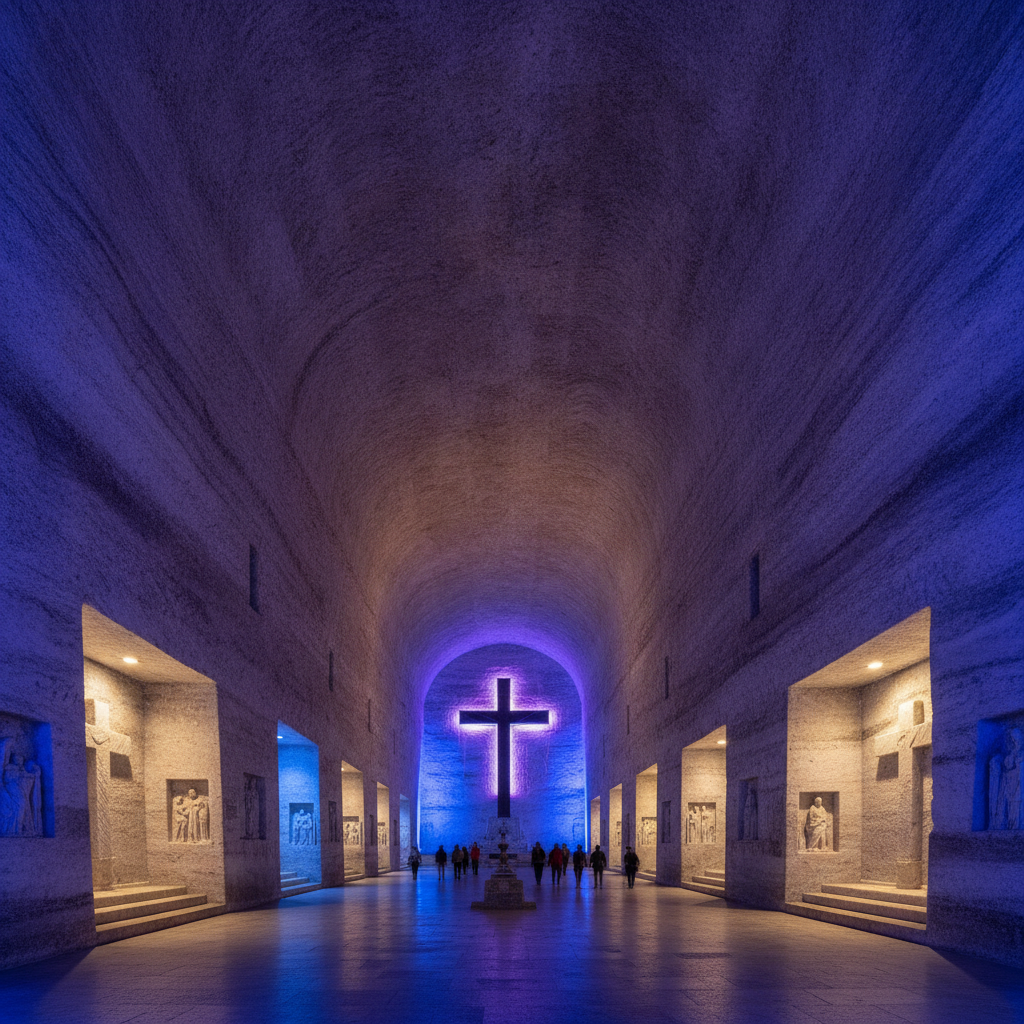
Salzkathedrale Zipaquirá & Kolumbiens Andenhochland
The Salt Cathedral of Zipaquirá (the underground Roman Catholic cathedral built within the tunnels of a salt mine in Zipaquirá, 49 km north of Bogotá — the most remarkable religious architecture in the Americas) is the most visited tourist attraction in Colombia after Cartagena, and one of the most extraordinary architectural experiences in the world — a cathedral carved entirely from salt rock, 180 metres underground.
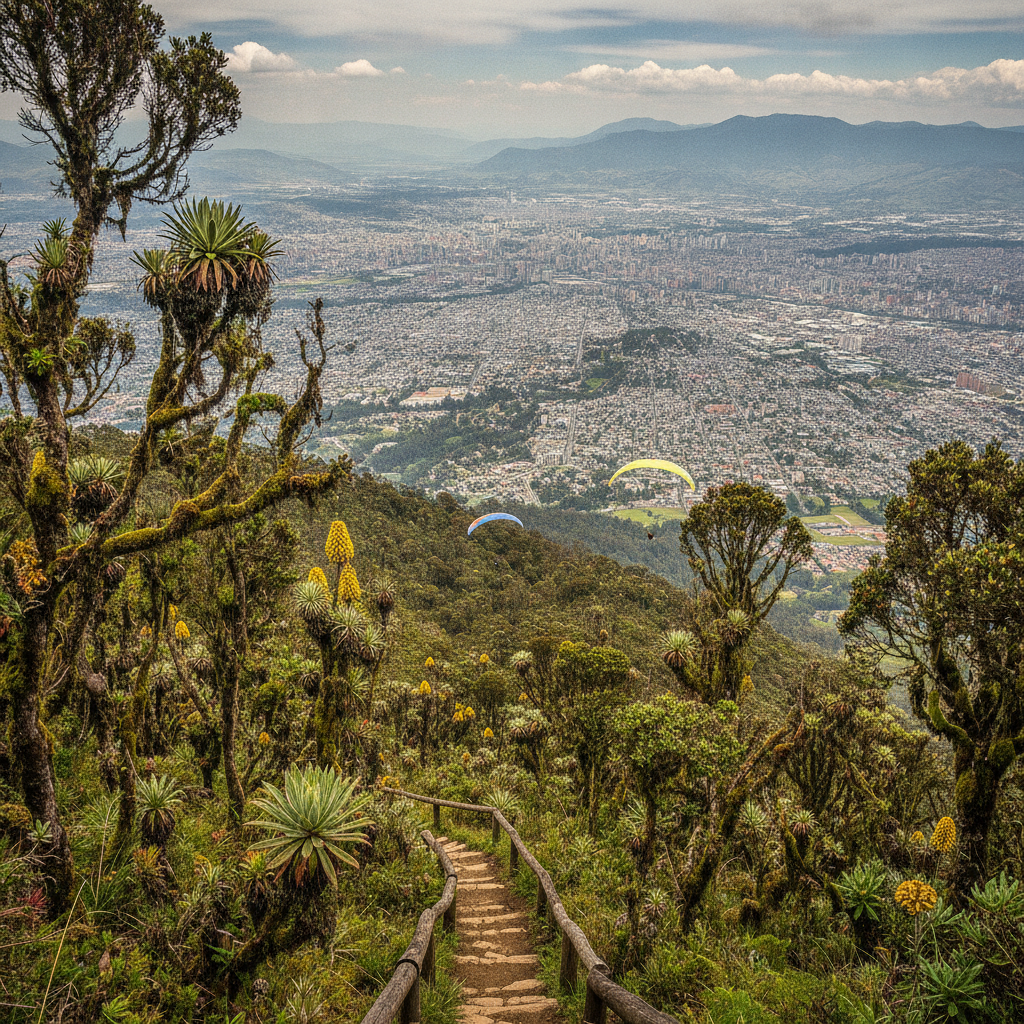
Cerros Orientales, Wandern & Bogotás Natürliche Kulisse
The Cerros Orientales (the Eastern Hills — the forested mountain ridge that forms the dramatic natural backdrop to eastern Bogotá, rising from 2,600 metres in the city to over 3,600 metres at the highest peaks) provide Bogotá with hiking trails, paragliding sites, the Monserrate pilgrimage mountain, and the ecological reserve of the 'Reserva Forestal Protectora del Bosque Oriental' (14,000 hectares of cloud forest immediately adjacent to the urban area of Bogotá).

Botero-Museum, Kolumbianische Kunst & Bogotás Kulturszene
The Museo Botero (the free public museum in La Candelaria housing the donation of 123 works by Fernando Botero (b.1932) — Colombia's most internationally recognized artist — plus his personal collection of European masters) and the broader Colombian art scene (the painters, sculptors, and photographers who have made Colombia one of the most vibrant art markets in Latin America) are at the heart of Bogotá's cultural identity.
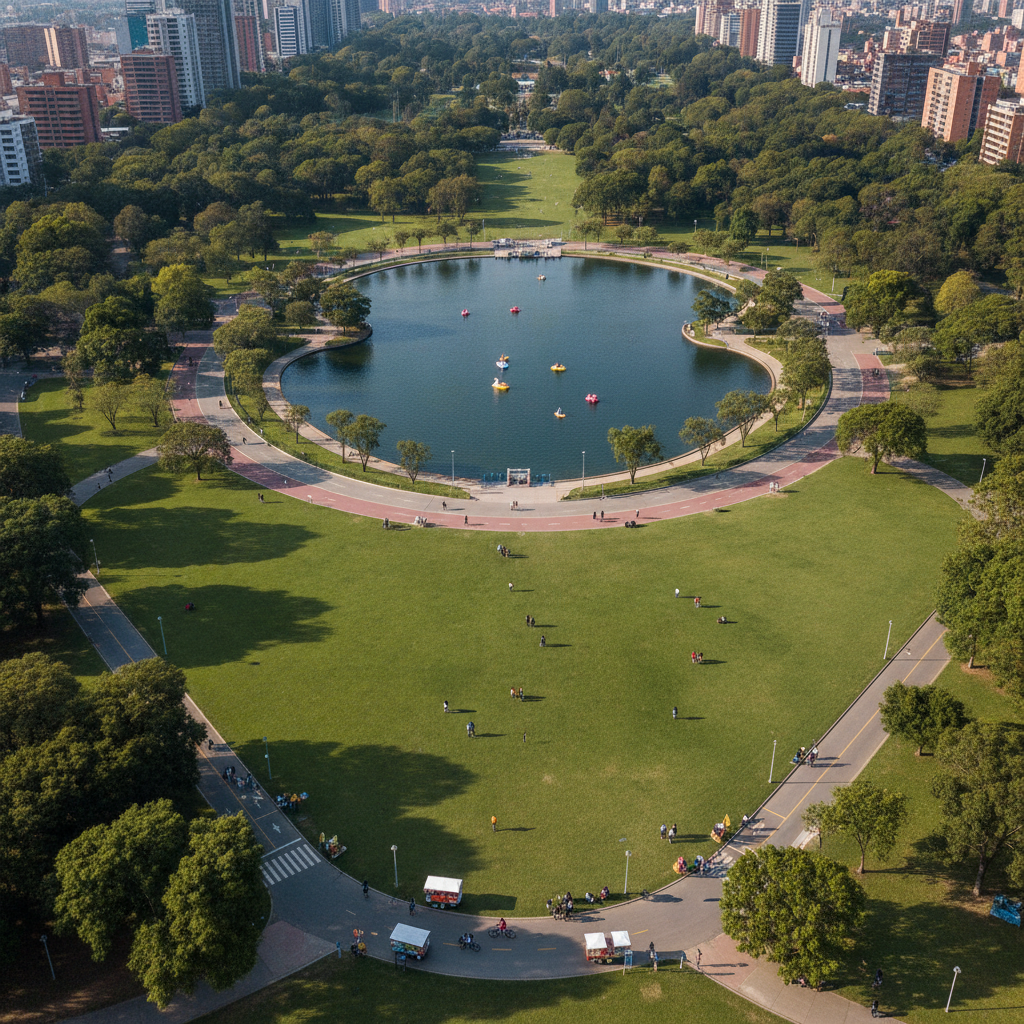
Parque Simón Bolívar, Urbane Natur & Bogotás Grünflächen
Der Parque Simón Bolívar (der 113 Hektar große Stadtpark im Nordwesten des Zentrums von Bogotá) ist das wichtigste grüne Lunge und Erholungsgebiet der kolumbianischen Hauptstadt, Gastgeber der größten Freiluftkonzerte Kolumbiens und Sonntagsziel für Radfahren, Picknicken und Drachensteigen für Millionen von Bogotáner Einwohnern.