brussels
Entdecke Routen, Sehenswürdigkeiten und Reiseführer in Brussels.
9 Routen
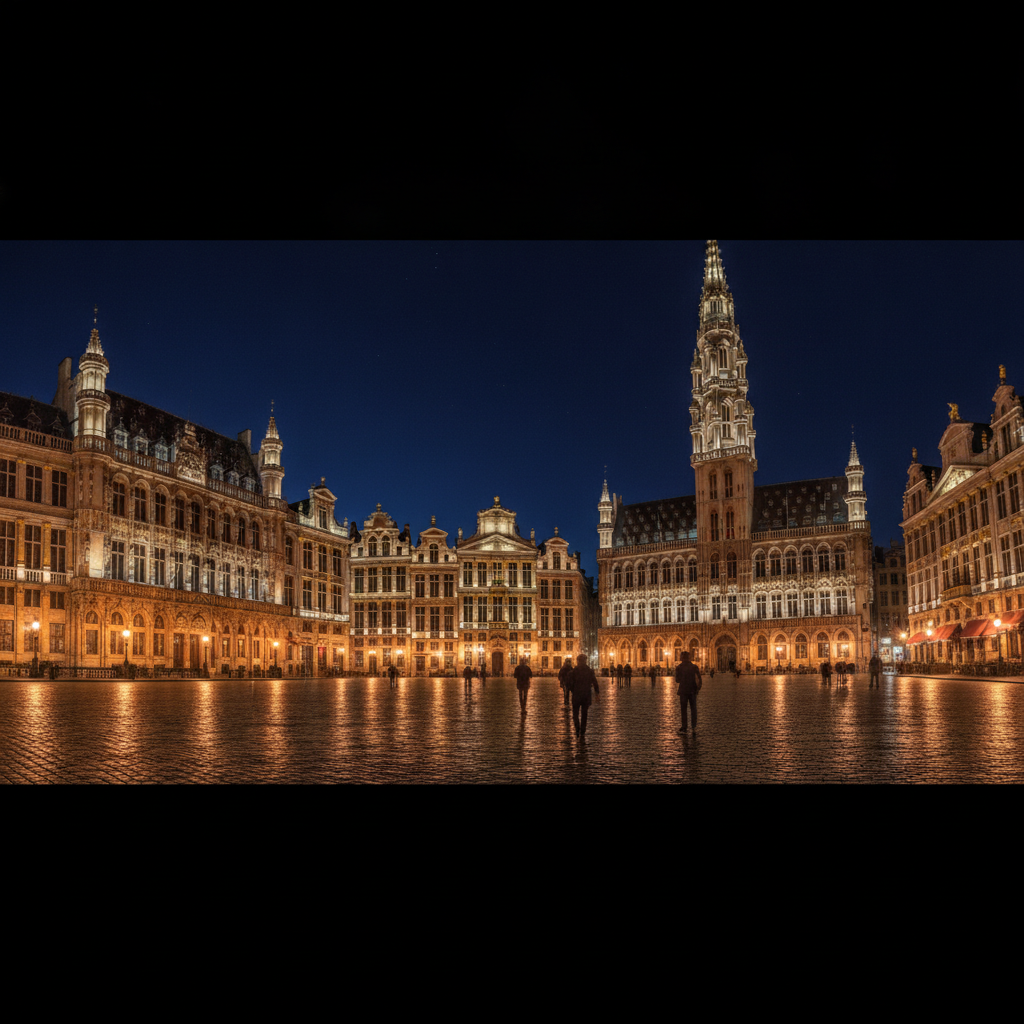
Grand-Place, Manneken Pis & die Unterstadt von Brüssel
Die Grand-Place — der zentrale Platz von Brüssel, UNESCO-Welterbe, von Victor Hugo als 'der schönste Platz der Welt' beschrieben, umgeben vom gotischen Rathaus und den außergewöhnlichen Barock-Zunfthäusern — ist das prägende Denkmal von Brüssel.
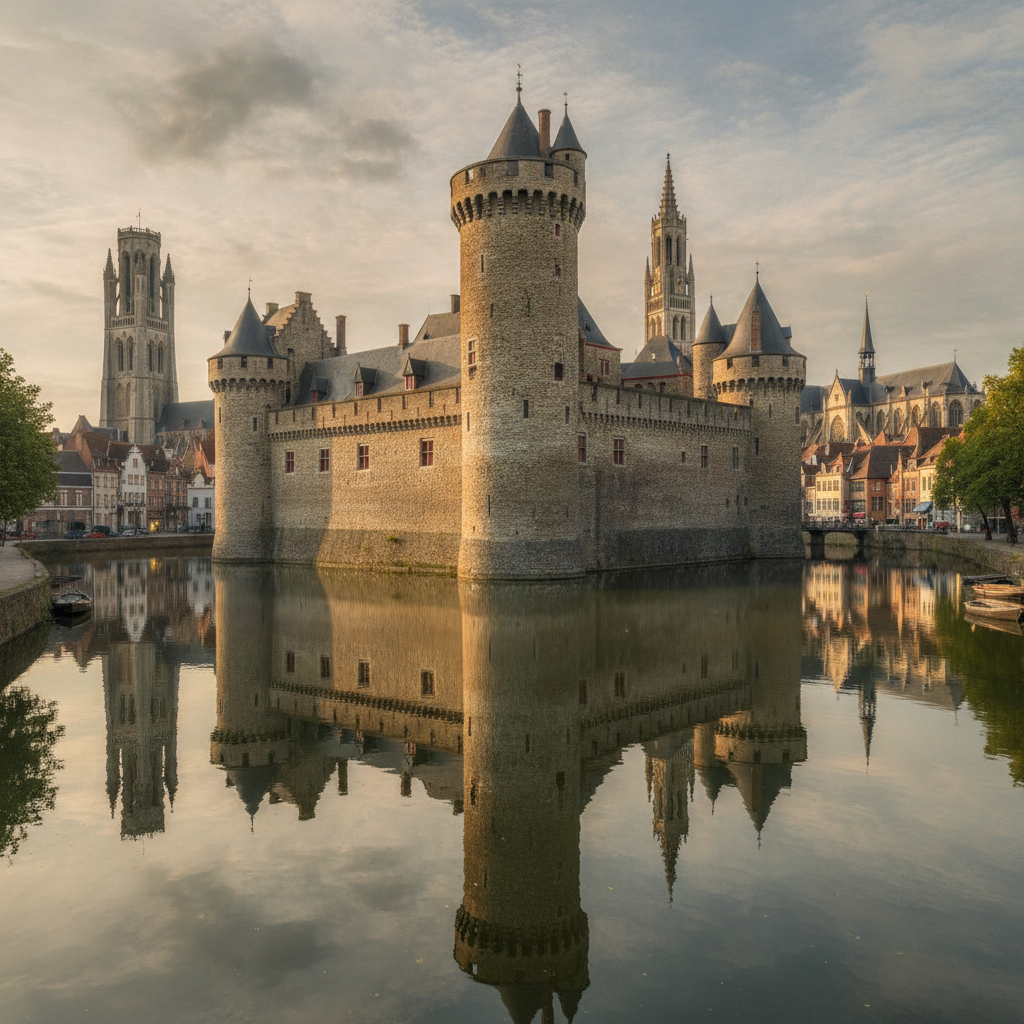
Gent-Tagesausflug — Gravensteen-Burg, der Genter Altar & Mittelalterliche Kanäle
Ghent (Gent — the medieval city 55 km northwest of Brussels, 30 minutes by train, the capital of the Counts of Flanders and the largest city in medieval Flanders): Ghent's three medieval towers (St. Bavo's Cathedral, the Belfry, and St. Nicholas' Church) rising above the Graslei (the medieval quayside harbour) are the defining image of Flemish medieval history; the city's greatest treasure is the Ghent Altarpiece (the Adoration of the Mystic Lamb, completed 1432 by the brothers Hubert and Jan van Eyck, in the Cathedral of St. Bavo) — the most important painting in Northern European art history.
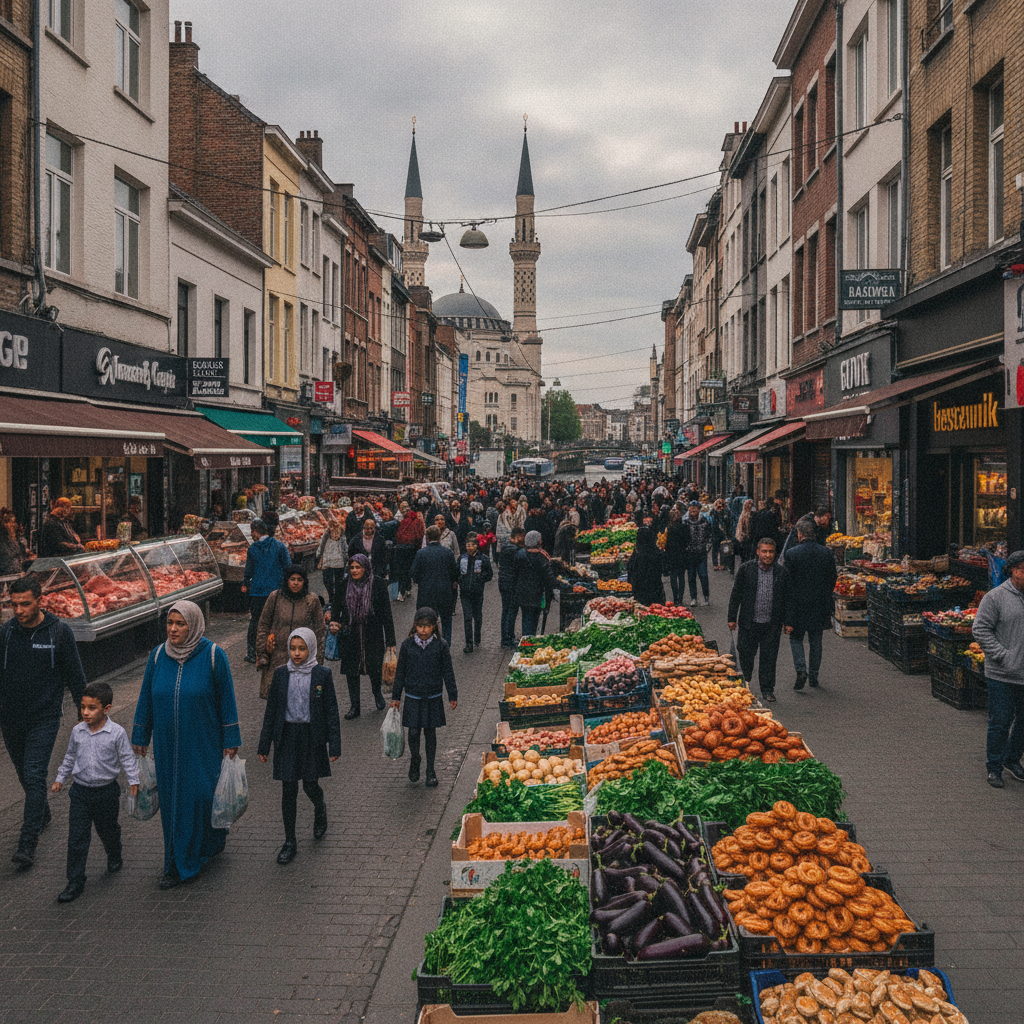
Molenbeek, Anderlecht & das Multikulturelle Brüssel
Brussels is one of the most ethnically diverse cities in Europe — approximately 35% of Brussels residents were born outside Belgium, with the largest communities from Morocco, Turkey, the Democratic Republic of Congo, and the EU member states; the working-class communes of Molenbeek (Sint-Jans-Molenbeek) and Anderlecht immediately west of the city centre are the heart of Brussels' North African and Turkish communities and some of the most economically deprived areas in Belgium, but also among the most culturally vibrant, with their mosques, Moroccan restaurants and pastry shops, Turkish grocery stores, and emerging creative community.
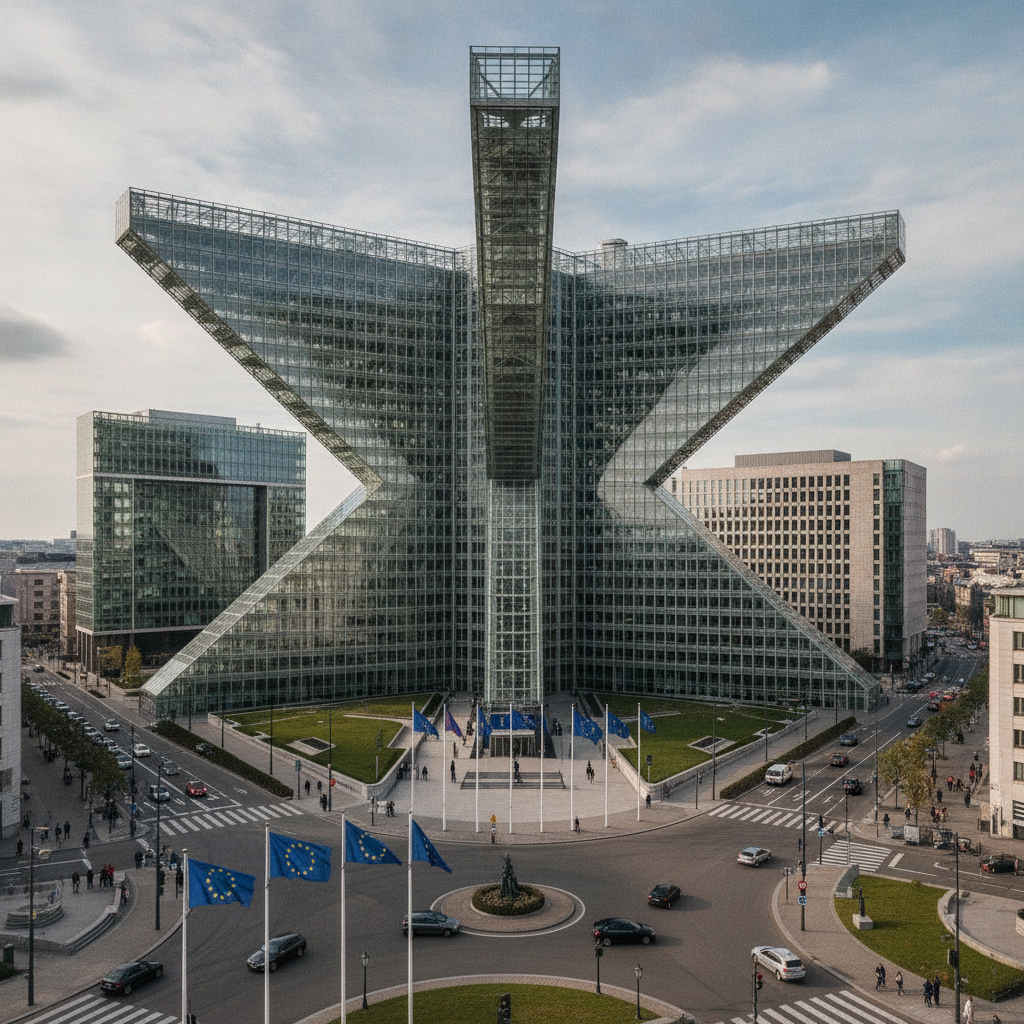
Das Europaviertel — EU-Institutionen & die Hauptstadt Europas
Brussels is the de facto capital of the European Union — the seat of the European Commission (the executive body of the EU), the Council of the European Union, the European Parliament (which sits in both Brussels and Strasbourg), and approximately 1,000 other European and international institutions, plus over 1,400 lobbyist organizations: the European Quarter (Quartier Européen/Europese Wijk) — the dense cluster of EU institution buildings in the Ixelles/Etterbeek communes east of the historic centre — is the most important political neighbourhood in Europe.
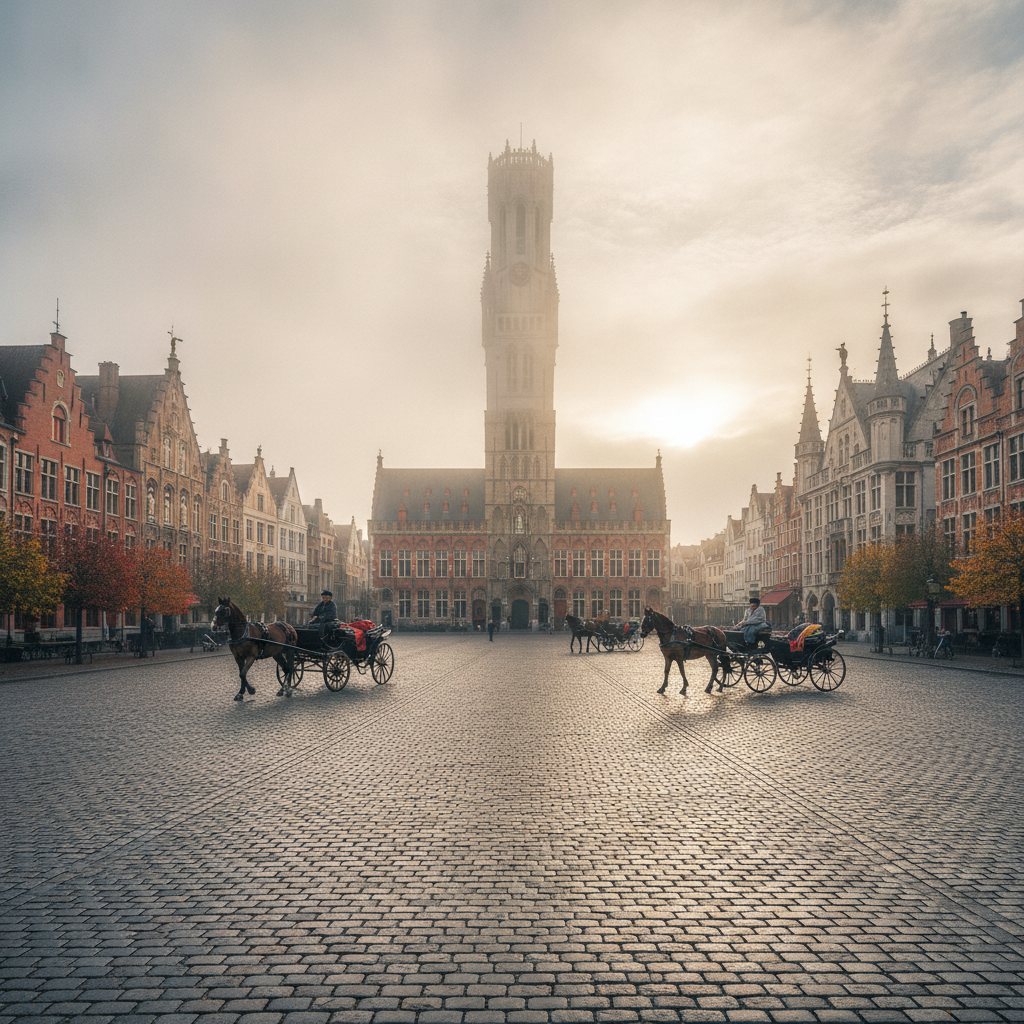
Brügge-Tagesausflug — Das Venedig des Nordens & die UNESCO-Mittelalterstadt
Bruges (Brugge — the medieval city in West Flanders, 55 km west of Brussels, 1 hour by train — UNESCO World Heritage Site 2000): the historic centre of Bruges is the best preserved medieval trading city in northern Europe, with its network of canals (earning it the 'Venice of the North' nickname), cobblestone streets, Gothic churches, medieval guild halls, and the extraordinary 83-metre Gothic Belfry (Belfort, built 1240-1486) that dominates the Market Square — the most visited city in Belgium after Brussels.
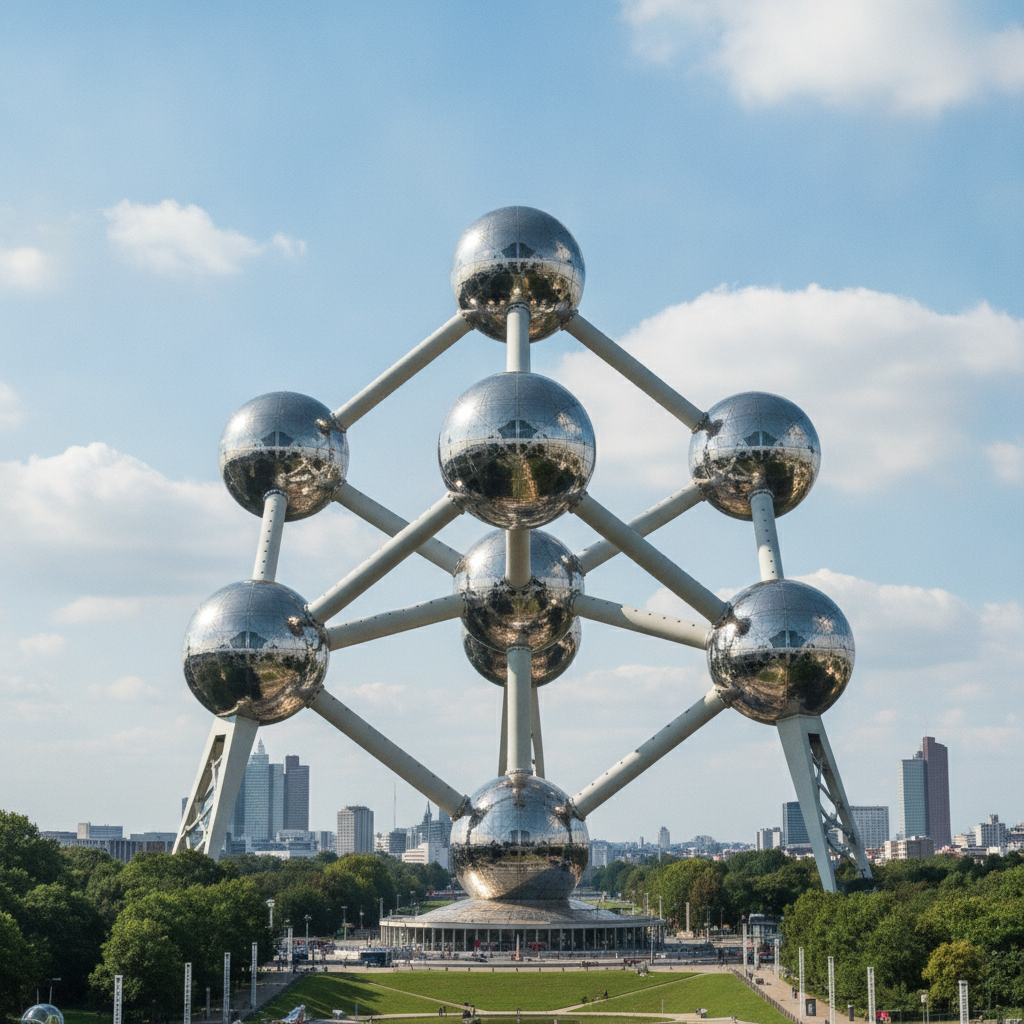
Das Atomium, Expo 58 & das Königliche Domäne Laeken
Das Atomium — die ikonische 102 Meter hohe Struktur, die für die Weltausstellung Brüssel 1958 gebaut wurde und eine Einheitszelle eines Eisenkristalls, 165 Milliarden Mal vergrößert, darstellt — ist das prägende Modernismusmerkmal von Brüssel.
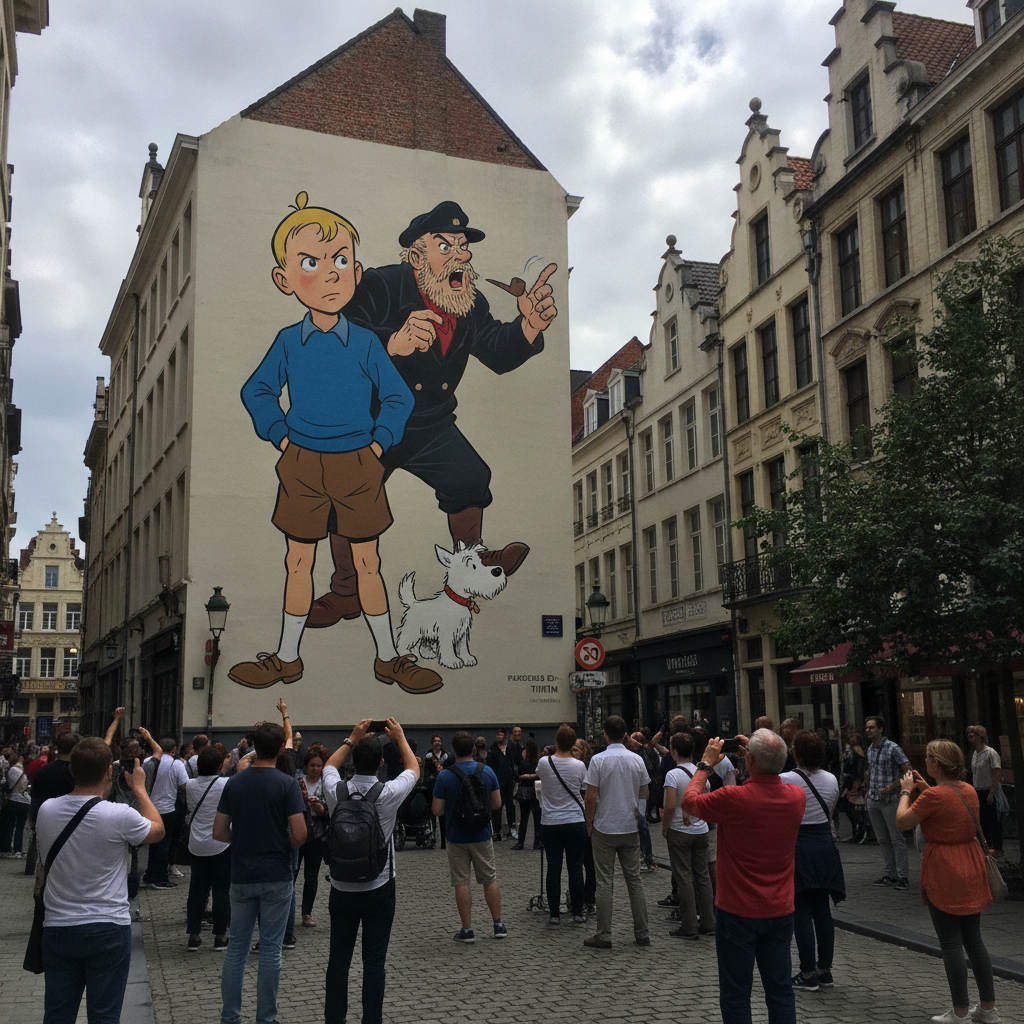
Brüssel Comic-Streifen-Route — Tim und Struppi, Schlümpfe & Bemalte Wände
The Brussels Comic Strip Route (Parcours BD — the network of approximately 55 large-scale painted comic strip murals on the facades of buildings across central Brussels, initiated in 1991 by the City of Brussels and the Belgian Comic Strip Centre as a way of transforming blank walls into tributes to the Belgian comic strip heritage): the murals depict characters from Belgian and international comic strips, including Tintin and Milou (Hergé), the Smurfs (Peyo), Lucky Luke (Morris), Blake and Mortimer (E.P. Jacobs), Gaston Lagaffe (Franquin), and dozens of others — turning Brussels into the world's largest open-air comic strip museum.
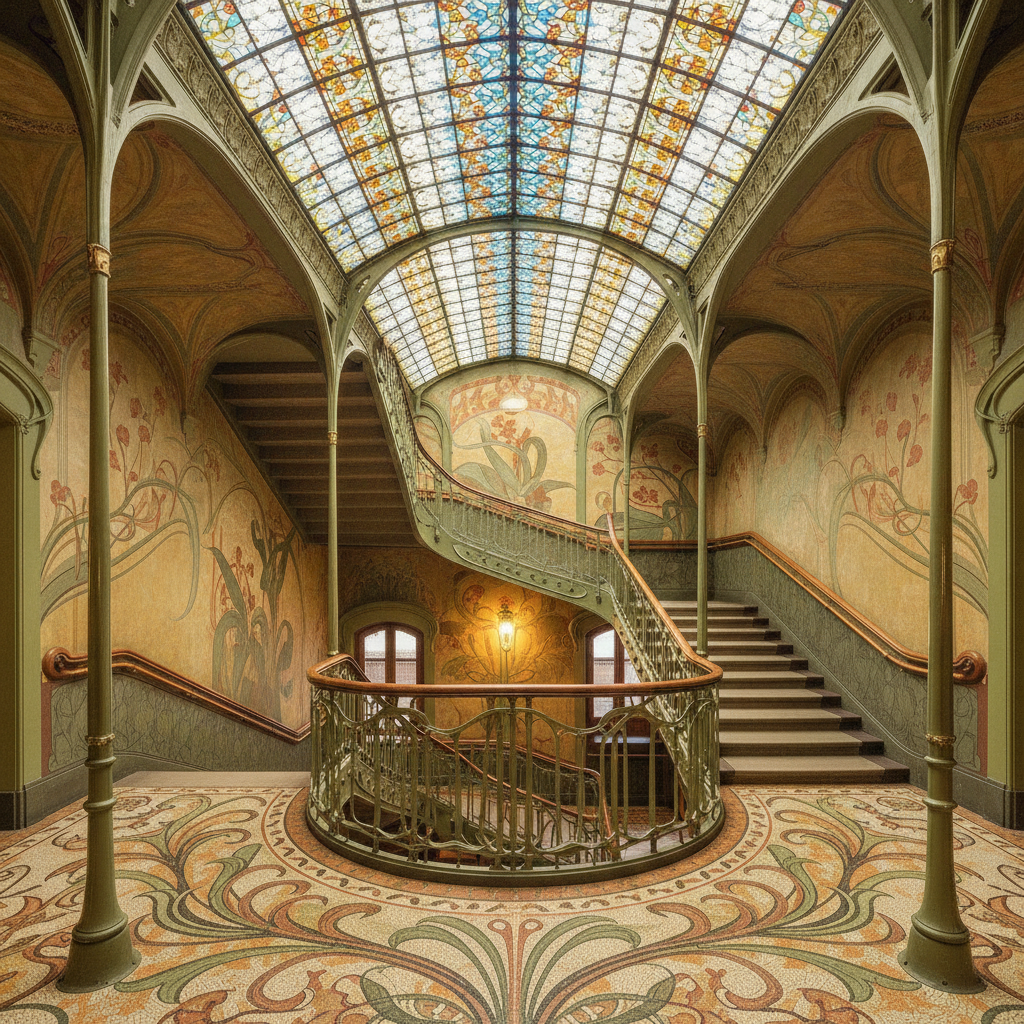
Brüsseler Jugendstil — Horta-Museum, Ixelles & die Oberstadt
Brüssel ist die Welthauptstadt des Jugendstils — der revolutionären Architekturstil, der in den 1890er Jahren in Brüssel entstand: Architekt Victor Horta erfand die Sprache des Jugendstils mit dem Hôtel Tassel (1893-1894, das erste Jugendstilgebäude der Welt) und entwickelte eine Reihe außergewöhnlicher Privathäuser in Ixelles und Saint-Gilles.
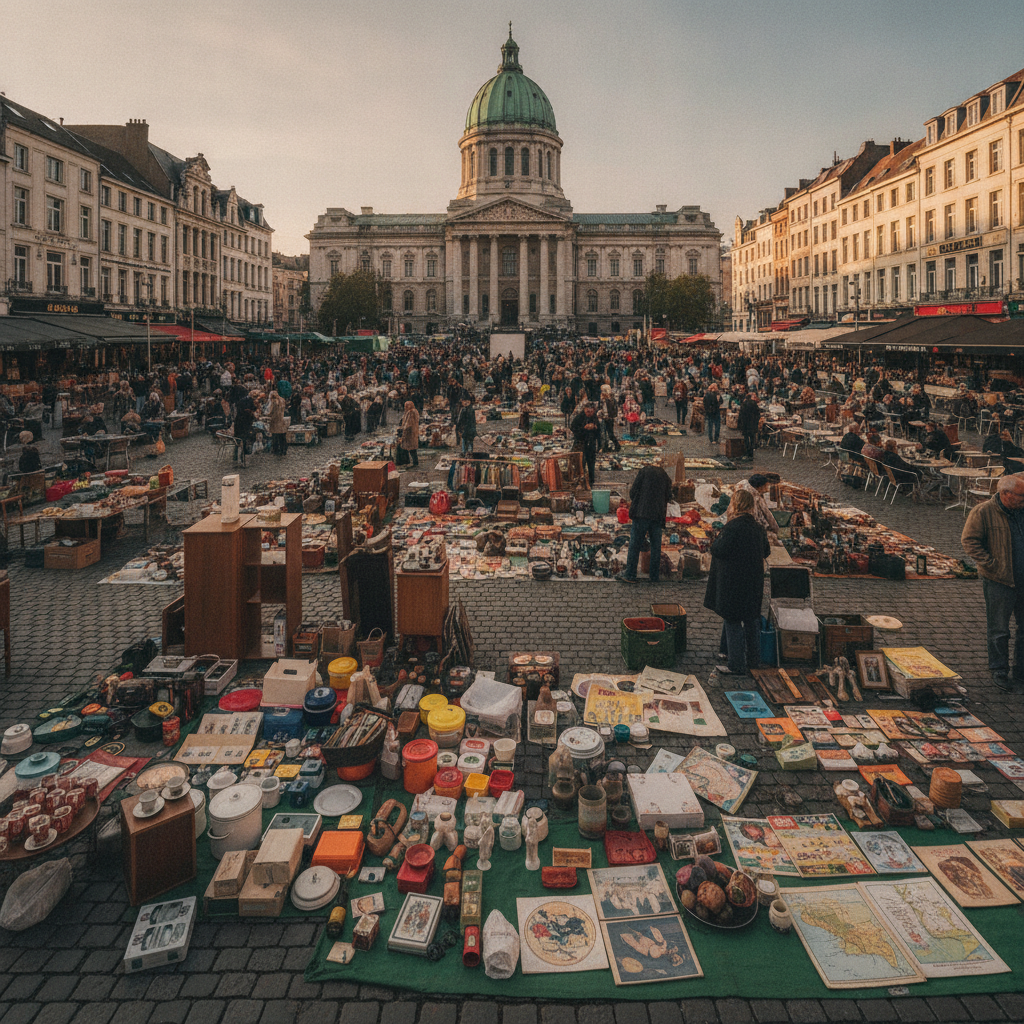
Les Marolles — Der Flohmarkt, Justizpalast & das Arbeiterviertel Brüssel
Les Marolles (the historic working-class neighbourhood south of the Grand-Place, below the Palais de Justice — the most authentically Brussels neighbourhood remaining in the city centre, with its distinctive Bruxellois dialect (Brusseleer, a mix of French and Dutch with archaic elements), its neighbourhood bars, its artisan workshops, and its extraordinary daily flea market (the Vieux Marché/Rommelmarkt on Place du Jeu de Balle)): the Marolles neighbourhood survived the 19th-century demolitions that cleared most of the historic lower city (to build the large law courts) and preserves something of the flavour of pre-modern Brussels.