Andijan Fergana Valley Agricultural Heartland
Explore the agricultural landscape around Andijan — the most densely settled agricultural zone in Central Asia, the small farms of the eastern Fergana Valley producing cotton, vegetables, fruit, and mulberry in a patchwork of intensively worked fields fed by the ancient irrigation system that has sustained settled civilization in this valley for over two millennia.
- 1
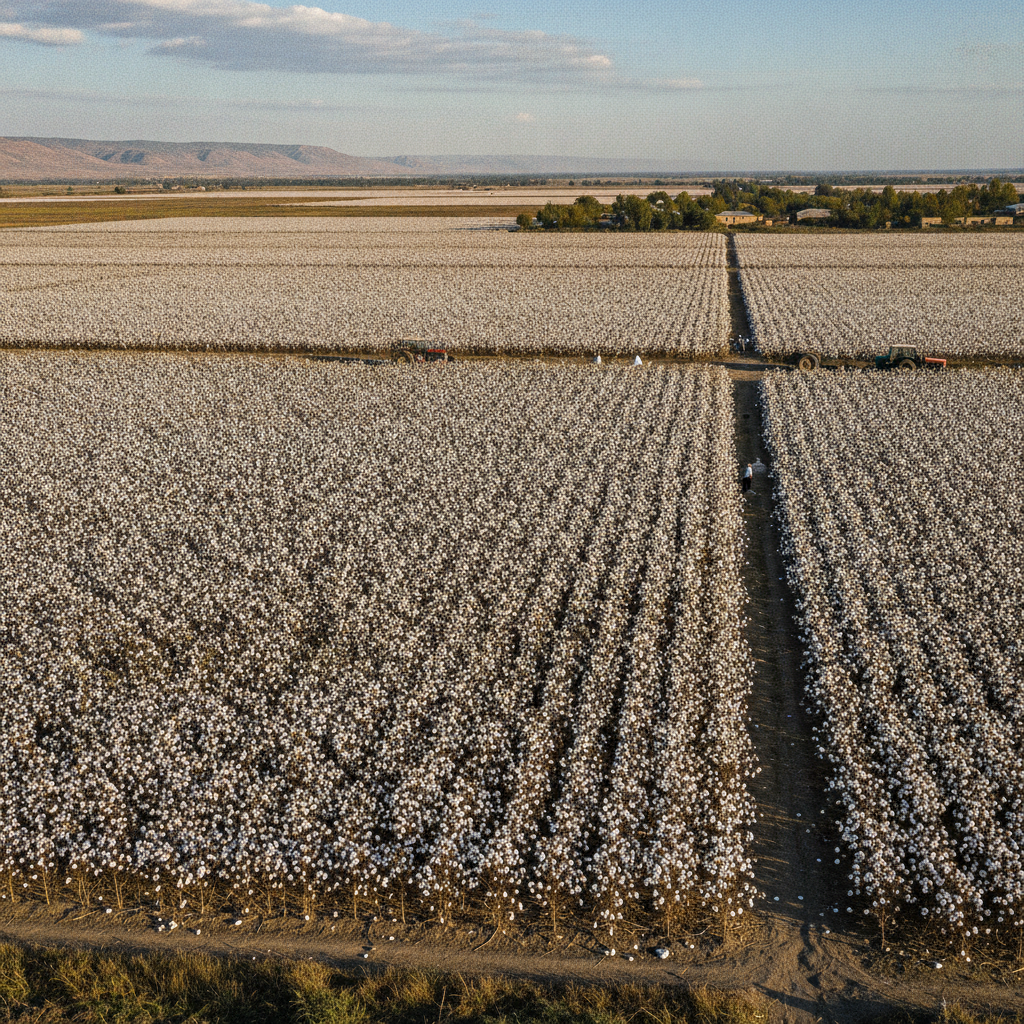
Cotton Fields Eastern Valley
The cotton fields of the eastern Fergana Valley around Andijan — the white bolls of the cotton harvest visible in the autumn across the flat valley floor, the crop that became the monoculture of the Soviet period and which still dominates the agricultural economy despite efforts to diversify, the cotton gin facilities at the edge of the city processing the harvest.
- 2
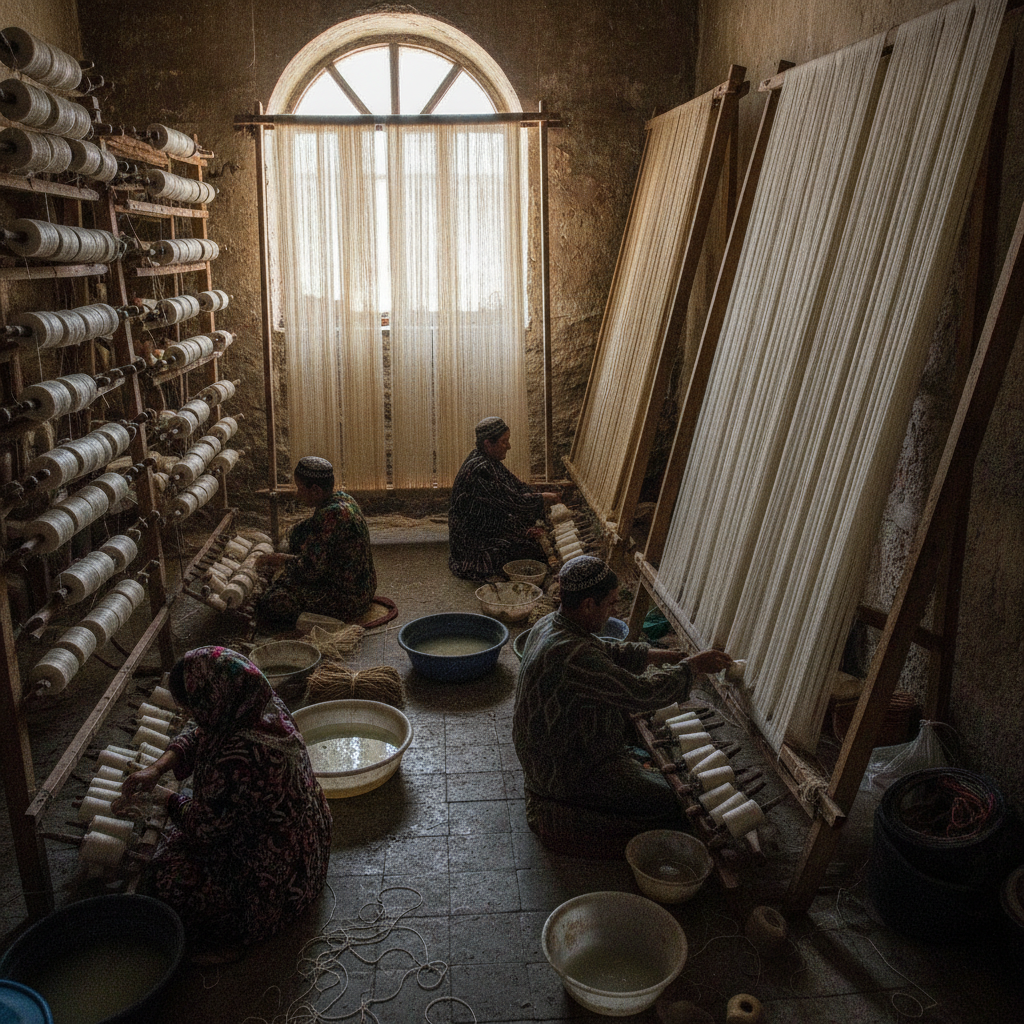
Mulberry Orchards Silk Economy
The mulberry orchards around Andijan — the trees whose leaves feed the silkworms of the cottage silk industry, the orchards planted along field edges and roadsides as well as in dedicated groves, the mulberry harvest in spring triggering the silkworm rearing season in the villages where the silk cocoon production supplements agricultural income.
- 3
Village Irrigation Canals
The village irrigation canals visible around Andijan — the secondary distribution canals branching from the main irrigation channels to reach individual farm plots, the water sharing system managed by traditional water distribution councils (mirob) whose authority predates the Russian conquest, the canals lined with the willows and poplars planted to reduce evaporation.
- 4
Fruit Orchards Market Garden
The fruit orchards and market gardens around Andijan — the apricots, peaches, grapes, pomegranates, and melons for which the Fergana Valley is famous, the flavor intensity of fruit grown in the continental climate with its hot summers and the irrigation water of the Tian Shan snowmelt producing what Central Asians consider the finest fruit in the world.
- 5
Village Livestock Markets
The village livestock markets around Andijan — the weekly gatherings where farmers trade cattle, sheep, and goats alongside agricultural tools and supplies, the markets following the traditional weekly cycle of different village bazaars on different days to serve the dispersed rural population of the valley without everyone having to travel to the city.
- 6
Rural Architecture Courtyard Houses
The rural architecture of the villages around Andijan — the mud-brick courtyard houses with their blank exterior walls and inner garden-courtyard filled with grape vines, fruit trees, and the summer dwelling space of the extended family, the architectural form perfectly adapted to the hot continental summer and the social organization of the valley's agricultural communities.
Walk this route with audio
Stories play automatically as you reach each stop — no tapping needed.
More in andijan
Andijan Mountain Nature Day Trips Eastern Valley
Andijan Kokand Khanate Eastern Frontier Heritage
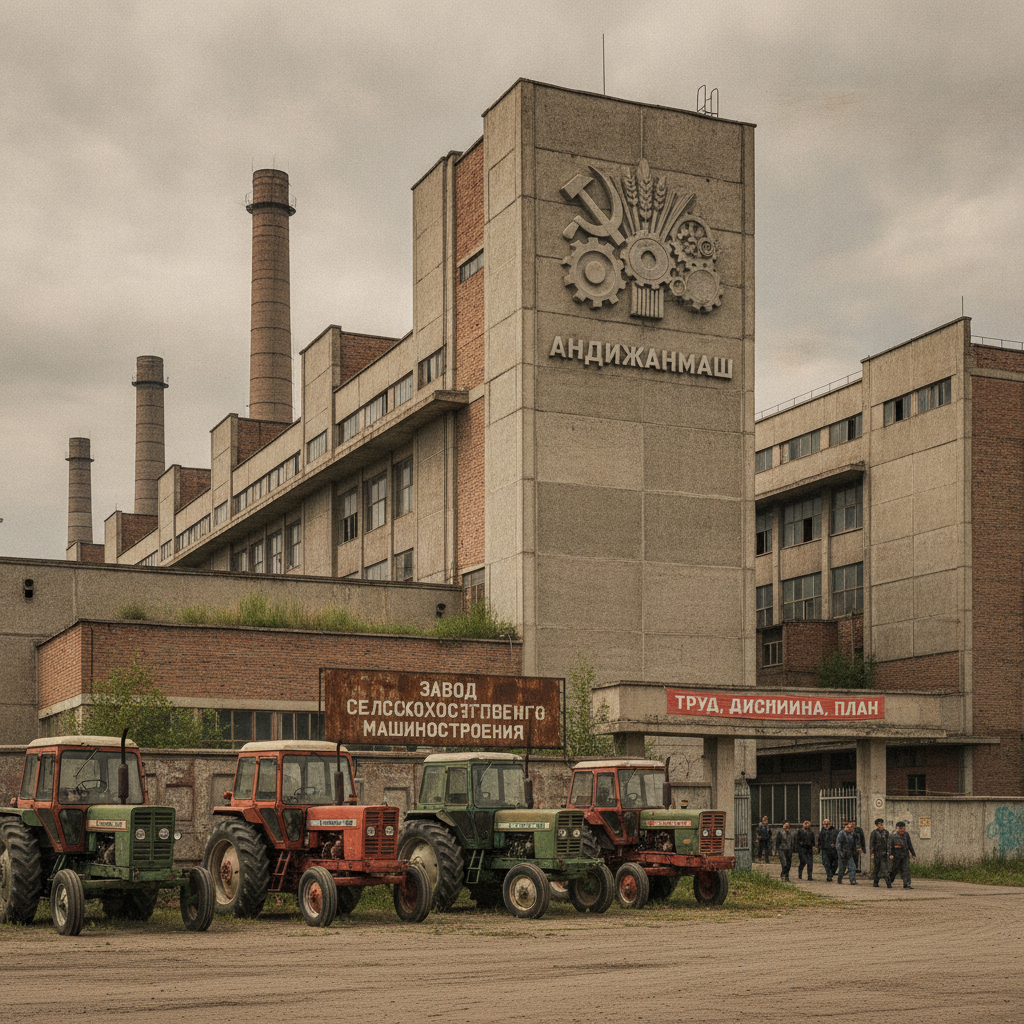
Andijan Khanabad Industrial Heritage District
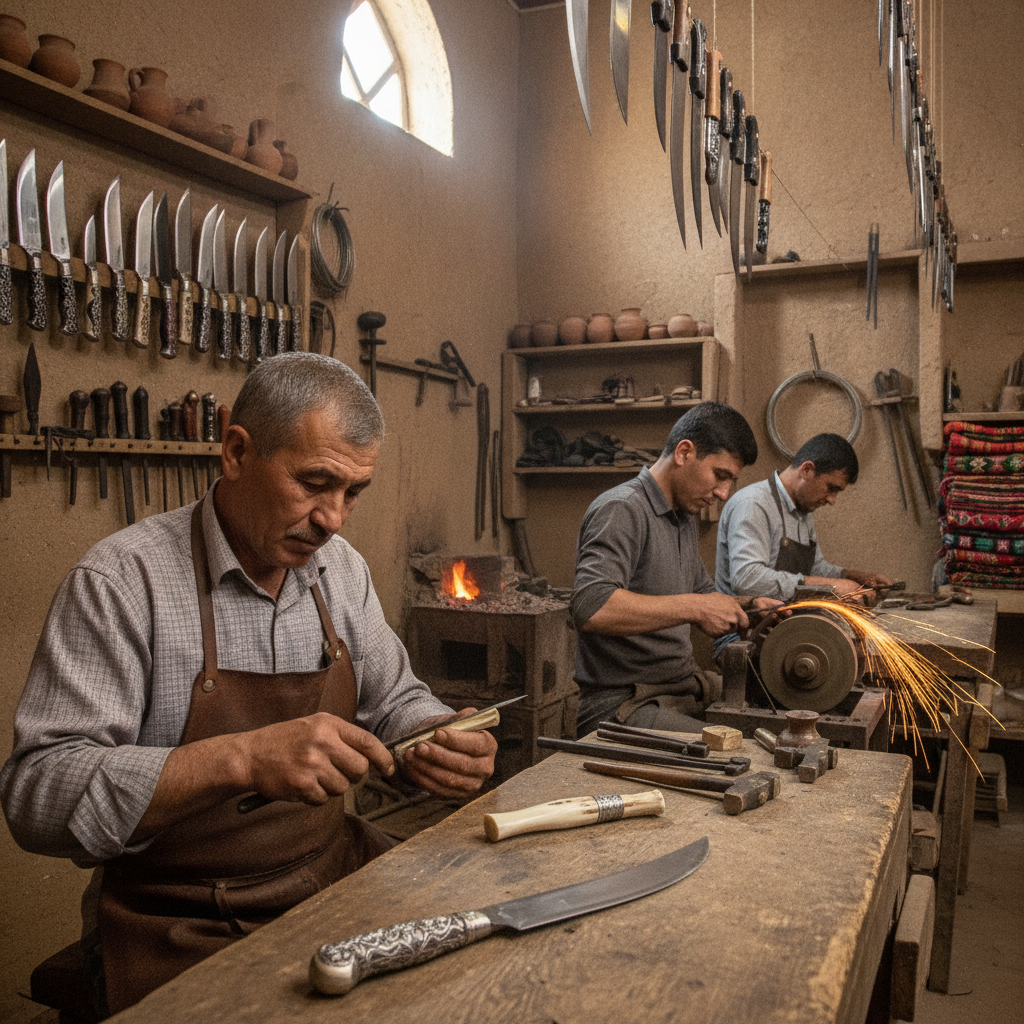
Andijan Traditional Craft Workshops Knife Making
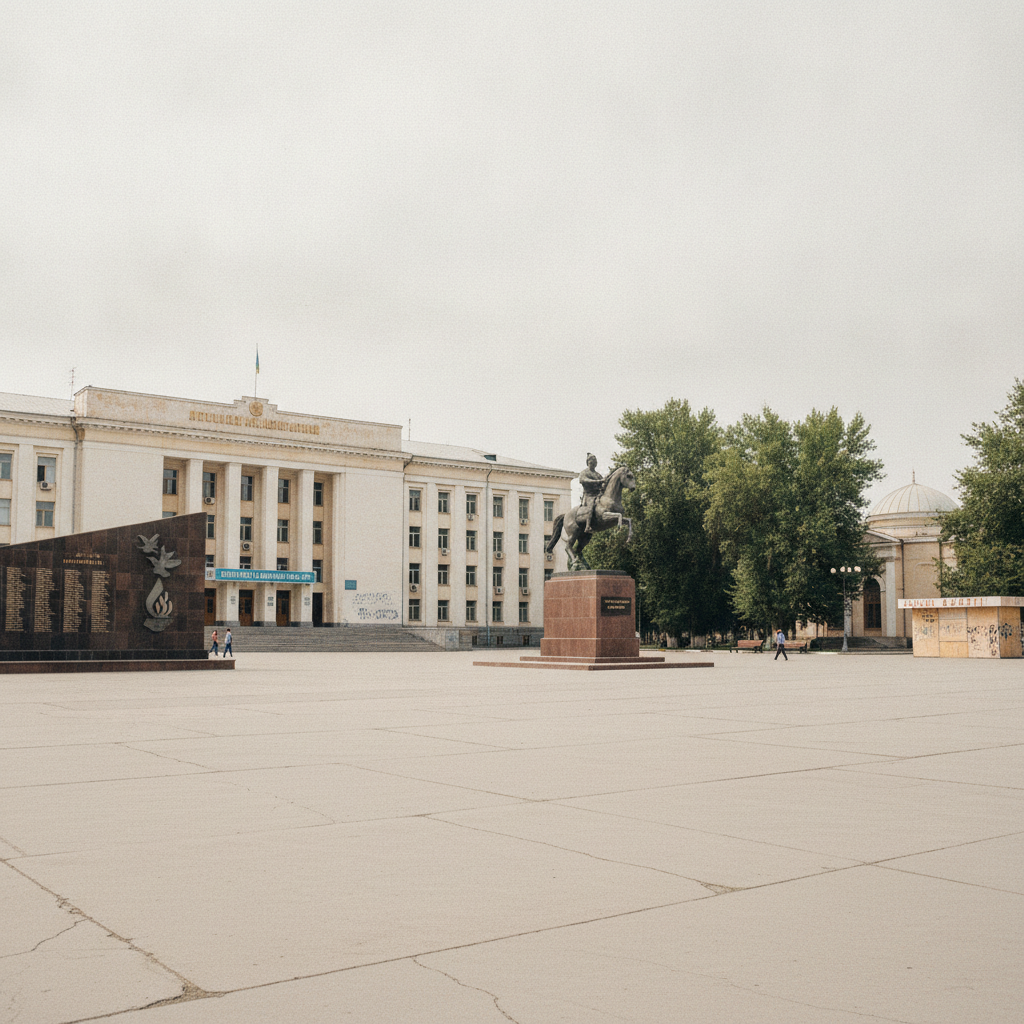
Andijan 2005 Memorial and Political History