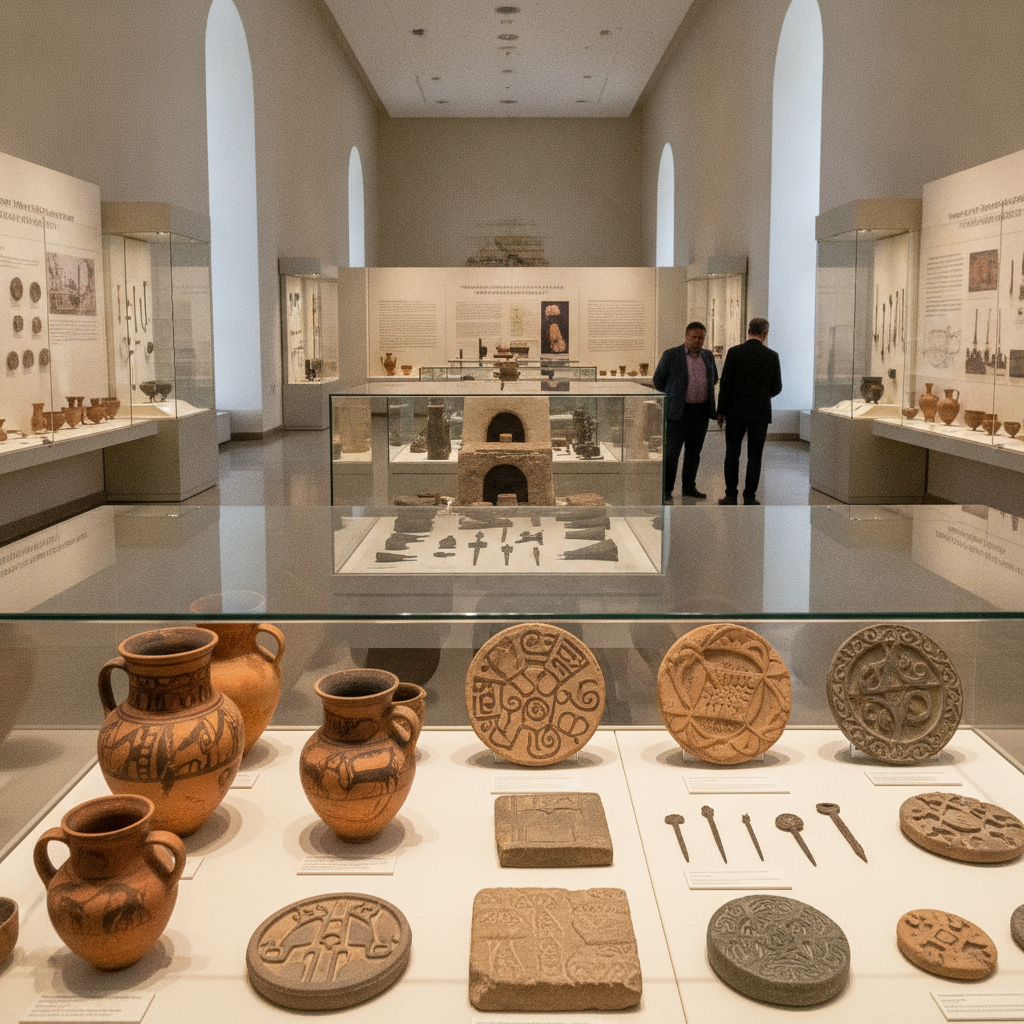
Ashgabat National Museum Turkmen History
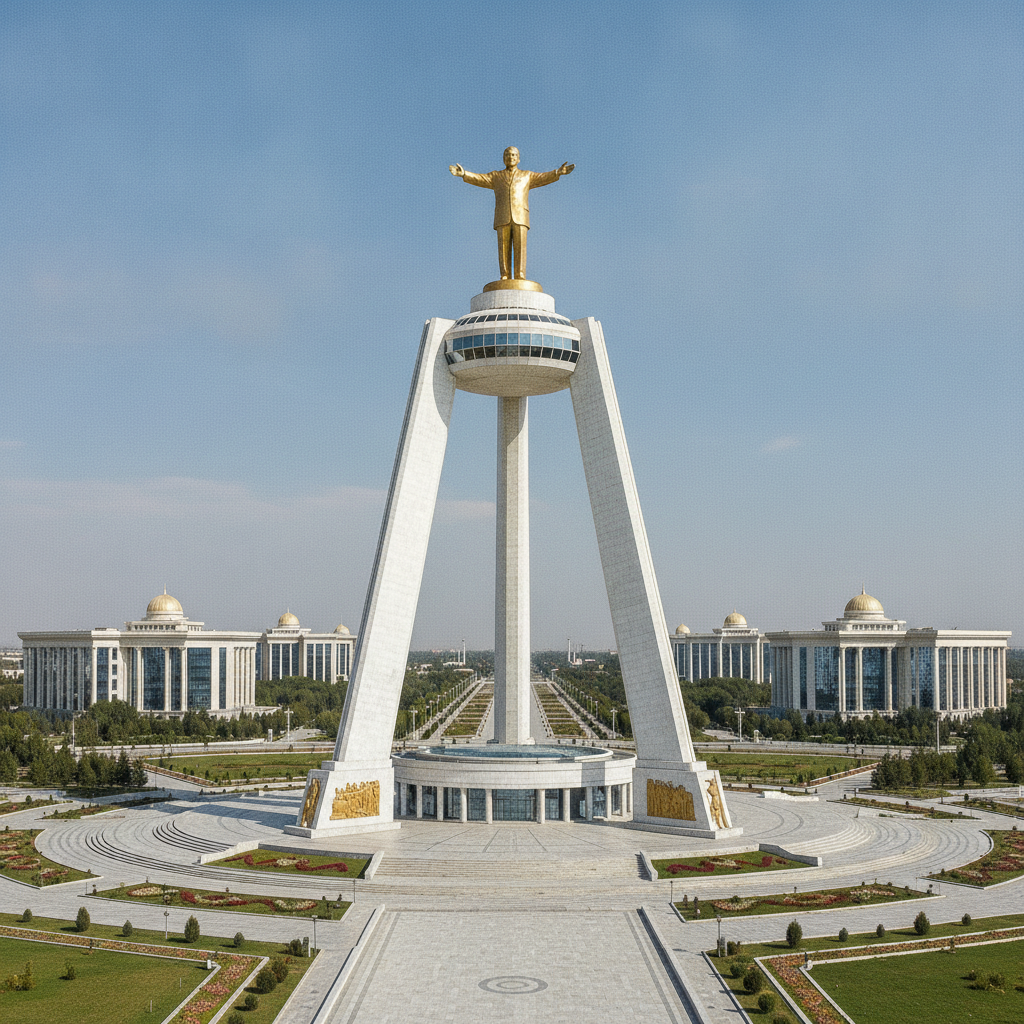
Visit the National Museum of Turkmenistan — the massive building housing the country's collection of artifacts spanning 4,000 years of Turkmen history from the Bronze Age Gonur Tepe civilization through the Parthian Empire, the Silk Road period, and the Soviet era, one of the most comprehensive collections of Central Asian material culture.
- 1
Gonur Tepe Bronze Age Gallery
The Gonur Tepe Bronze Age gallery — the artifacts from the 3rd-2nd millennium BCE urban civilization discovered in the Murghab delta, the pottery, seals, and bronze objects showing a sophisticated urban culture contemporary with early Mesopotamian civilization that flourished in the Turkmen desert before the city was abandoned around 1500 BCE.
- 2
Parthian Empire Nisa Collection
The Parthian Empire collection from ancient Nisa — the artifacts from the first capital of the Parthian Empire located 18 kilometers from Ashgabat, the rhytons (drinking horns) of carved ivory decorated with Greek mythological scenes representing the fusion of Greek and Iranian artistic traditions under the Parthian kings (247 BCE - 224 CE).
- 3
Silk Road Merv Artifacts
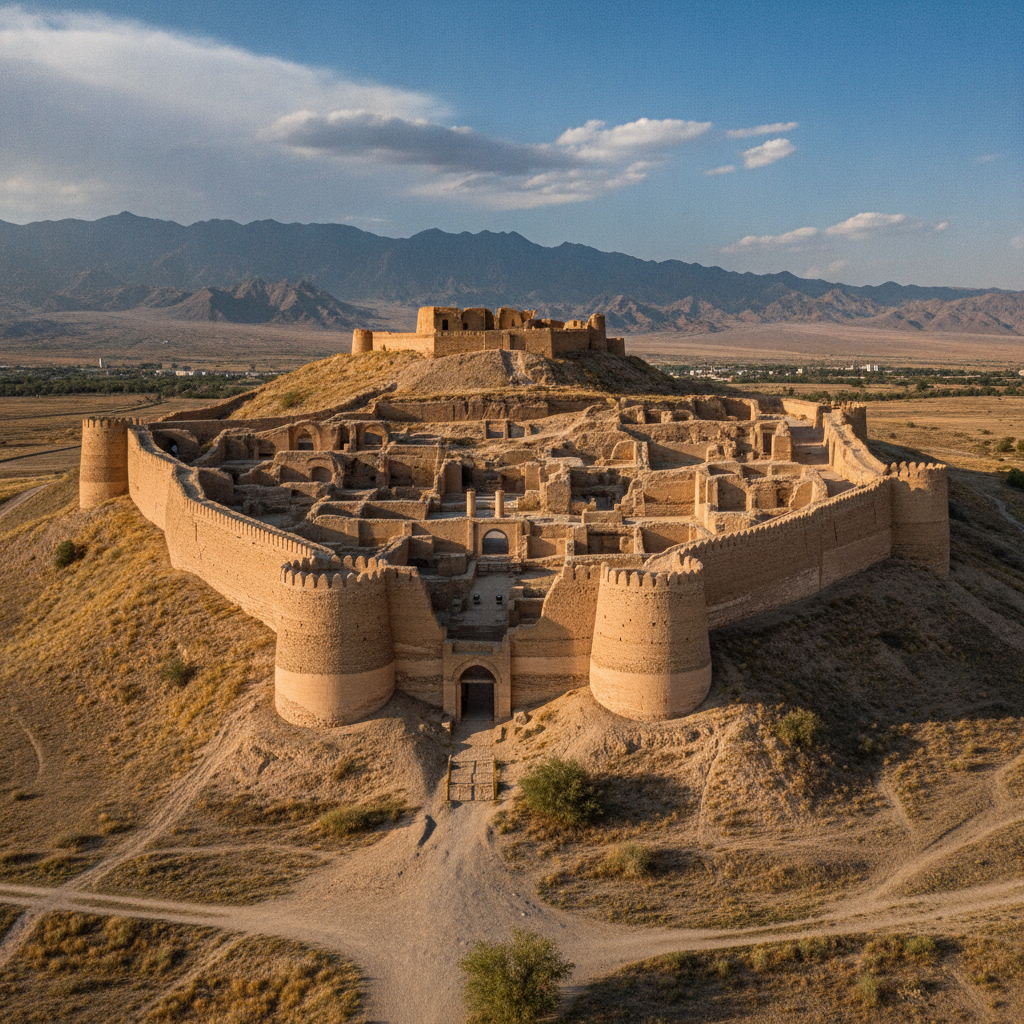
The artifacts from ancient Merv — the Silk Road city that was one of the largest in the medieval Islamic world before its destruction by the Mongols in 1221, the pottery, glassware, and architectural elements from the multiple city layers at Merv showing 5,000 years of continuous urban occupation at this oasis site.
- 4
Turkmen Carpet Collection
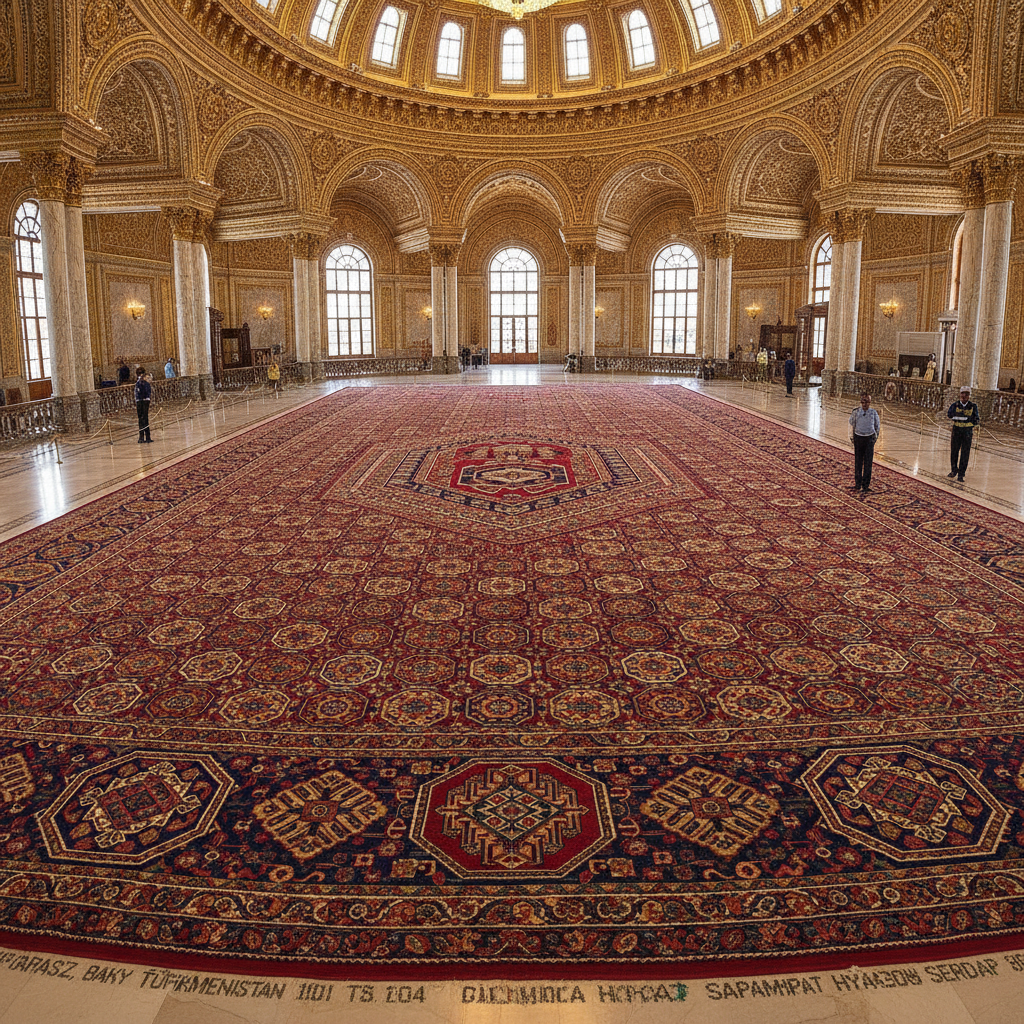
The Turkmen carpet collection — the flat-woven and pile carpets of the five main Turkmen tribes (Tekke, Yomut, Ersari, Salor, Saryk) each with their distinctive design vocabulary, the collection representing the textile tradition that is the most internationally recognized expression of Turkmen cultural identity.
- 5
Soviet Era Turkmenistan Gallery
The Soviet era gallery tracing Turkmenistan's history from 1924 to 1991 — the collectivization of the nomadic tribes, the cotton monoculture, and the natural gas development that transformed Turkmen society, the official presentation showing the Soviet narrative of modernization alongside the material culture of the transition period.
- 6
Traditional Costume Collection
The traditional costume collection of Turkmenistan's ethnic groups — the elaborate embroidered silk dresses of Tekke women, the decorated felt hats of nomadic herders, and the jewelry of silver and carnelian that forms the traditional wealth display of Turkmen women, the costumes showing the regional variations within a broadly shared Turkic material culture.
Walk this route with audio
Stories play automatically as you reach each stop — no tapping needed.