Ashgabat Nisa Ancient Parthian Empire Capital
Visit ancient Nisa — the UNESCO World Heritage site 18 kilometers west of Ashgabat that served as the first capital and royal treasury of the Parthian Empire, the dynasty that controlled an empire stretching from Mesopotamia to eastern Iran for over 400 years and successfully resisted Roman expansion eastward.
- 1
Old Nisa Fortified Complex
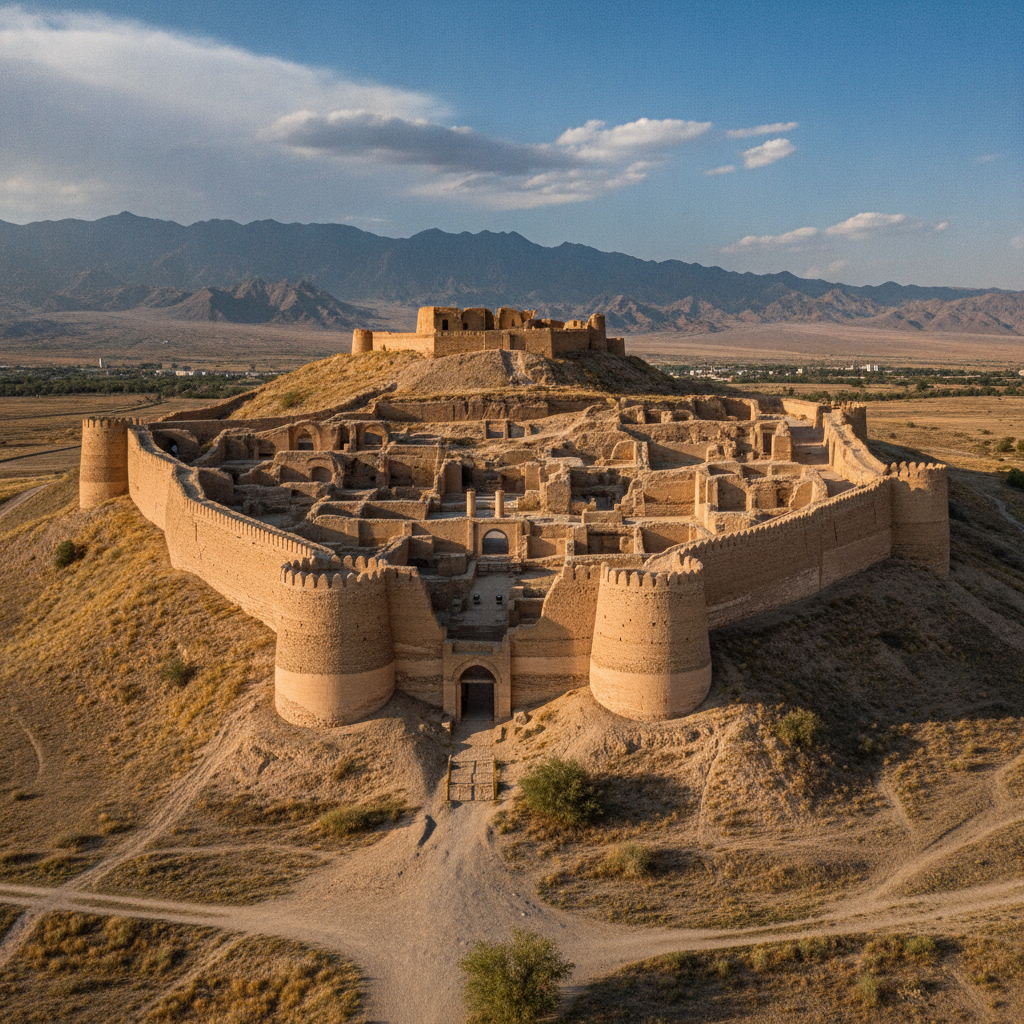
Old Nisa — the fortified royal complex on a natural hill where the Parthian kings stored their treasury and held religious ceremonies, the massive mud-brick walls enclosing a complex of ceremonial buildings, wine cellars, and administrative quarters, the structure dating to the 3rd century BCE at the founding of the Parthian dynasty.
- 2
Round Hall and Square Hall
The Round Hall and Square Hall of Old Nisa — the two ceremonial structures at the heart of the royal complex, the round building unique in its circular plan for the ancient Near East, the architectural evidence of the Parthian artistic tradition combining Greek, Iranian, and indigenous Central Asian elements.
- 3
Rhyton Collection Find Site
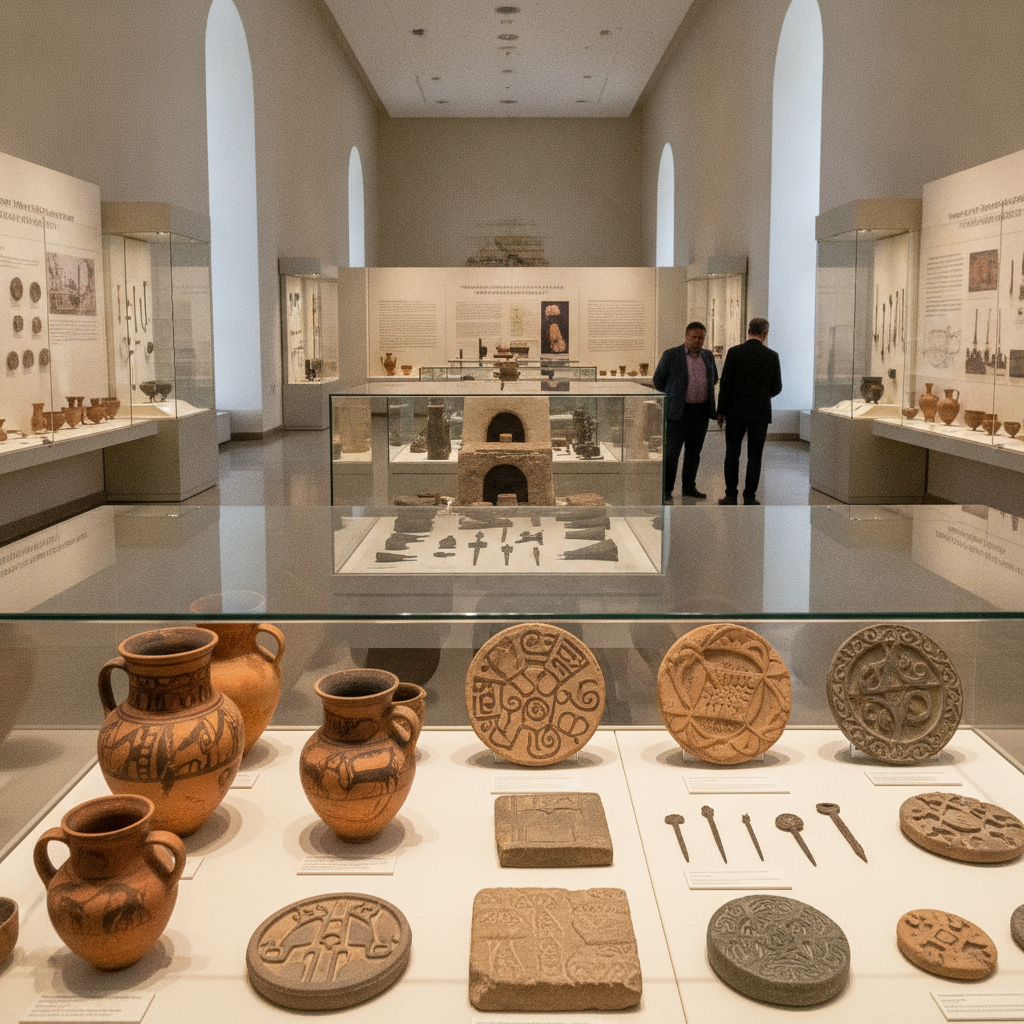
The site of the famous rhyton discovery — the location in Old Nisa where 40 carved ivory drinking horns were found in 1948, decorated with scenes of Greek mythology and Dionysian revelry, the objects showing that the Parthian kings participated in the Hellenistic cultural world while ruling an Iranian empire.
- 4
New Nisa Settlement
New Nisa — the settlement that grew adjacent to the royal complex to house the population that supported the royal court, the archaeological remains of the city showing the urban layout of a Parthian administrative center with its workshops, residences, and commercial spaces.
- 5
Steppe Landscape Context
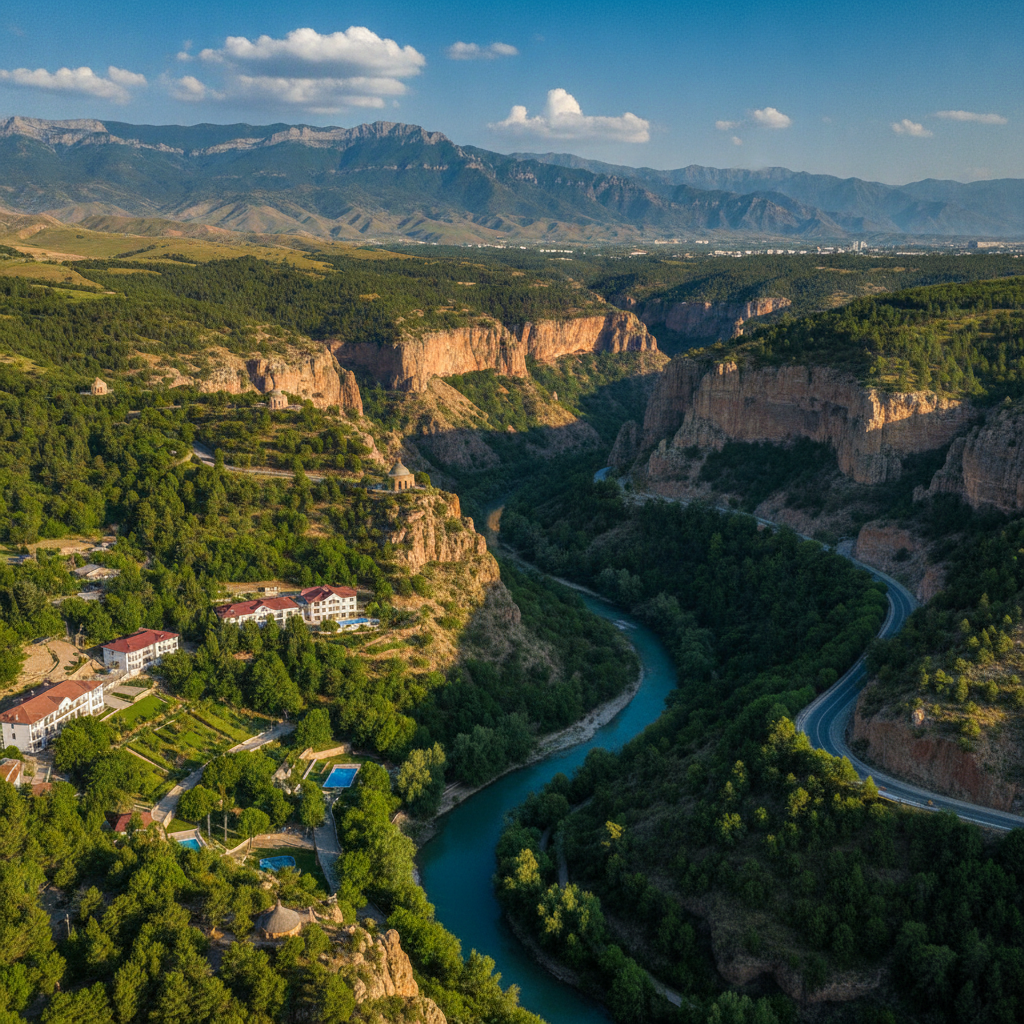
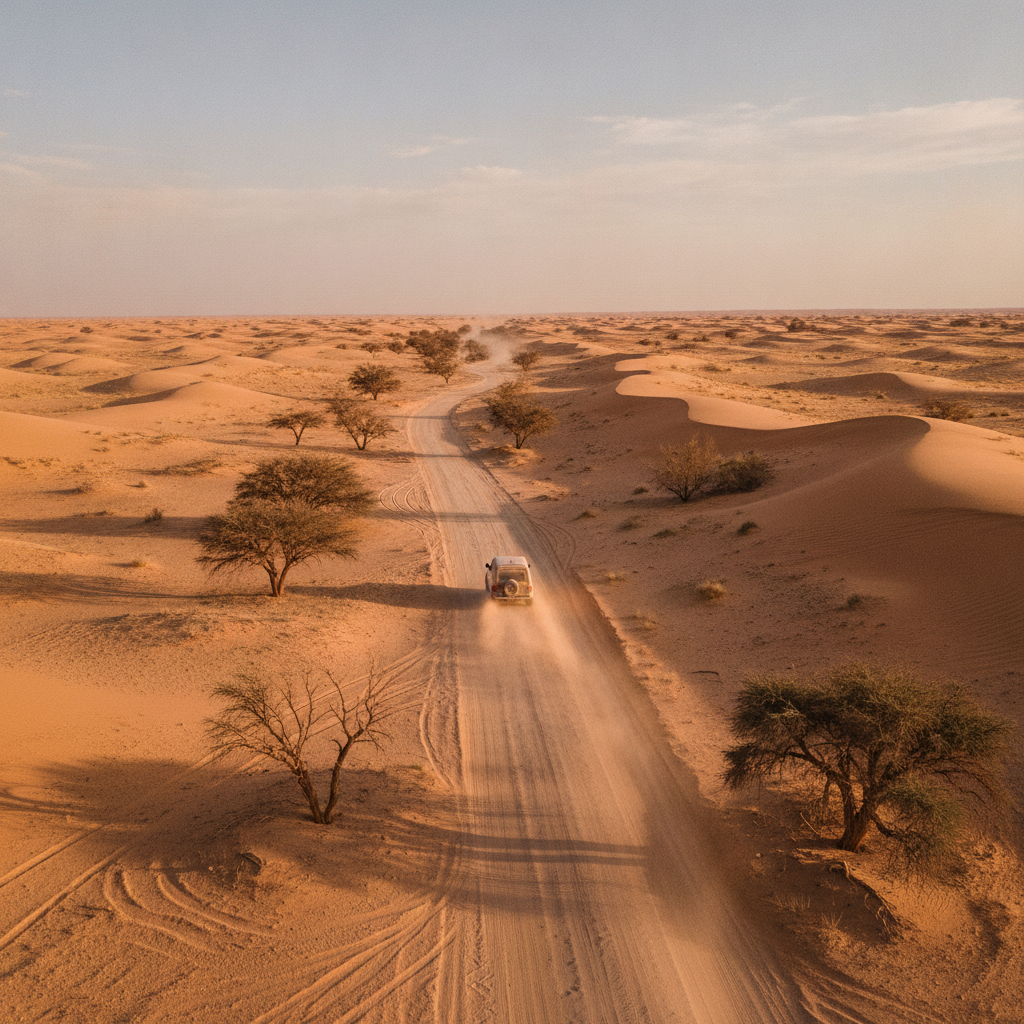
The steppe landscape context of Nisa — the site positioned at the edge of the Kopet Dag mountains where the arid Turkmen steppe meets the foothills, the landscape explaining the strategic position of the site controlling the pass routes through the mountains to Parthia proper in what is now northeastern Iran.
- 6
UNESCO Heritage Preservation
The UNESCO preservation work at Nisa — the conservation efforts protecting the mud-brick structures from erosion, the documentation of the site that led to UNESCO World Heritage designation in 2007, the ongoing archaeological research that continues to reveal new information about the Parthian imperial capital.
Walk this route with audio
Stories play automatically as you reach each stop — no tapping needed.