Atacama Desert: Moon Valley, El Tatio Geysers, Flamingo Lagoons, and the World's Best Stargazing
The Atacama Desert, the driest non-polar desert on Earth and one of the most geologically dramatic landscapes in the world, offers an experience of extreme natural phenomena that includes the otherworldly erosion forms of the Valle de la Luna, the world's highest geyser field at El Tatio, the flamingo-inhabited salt lakes of Los Flamencos reserve, and the clearest skies on Earth for astronomical observation.
- 1
San Pedro de Atacama: The Desert Oasis Base
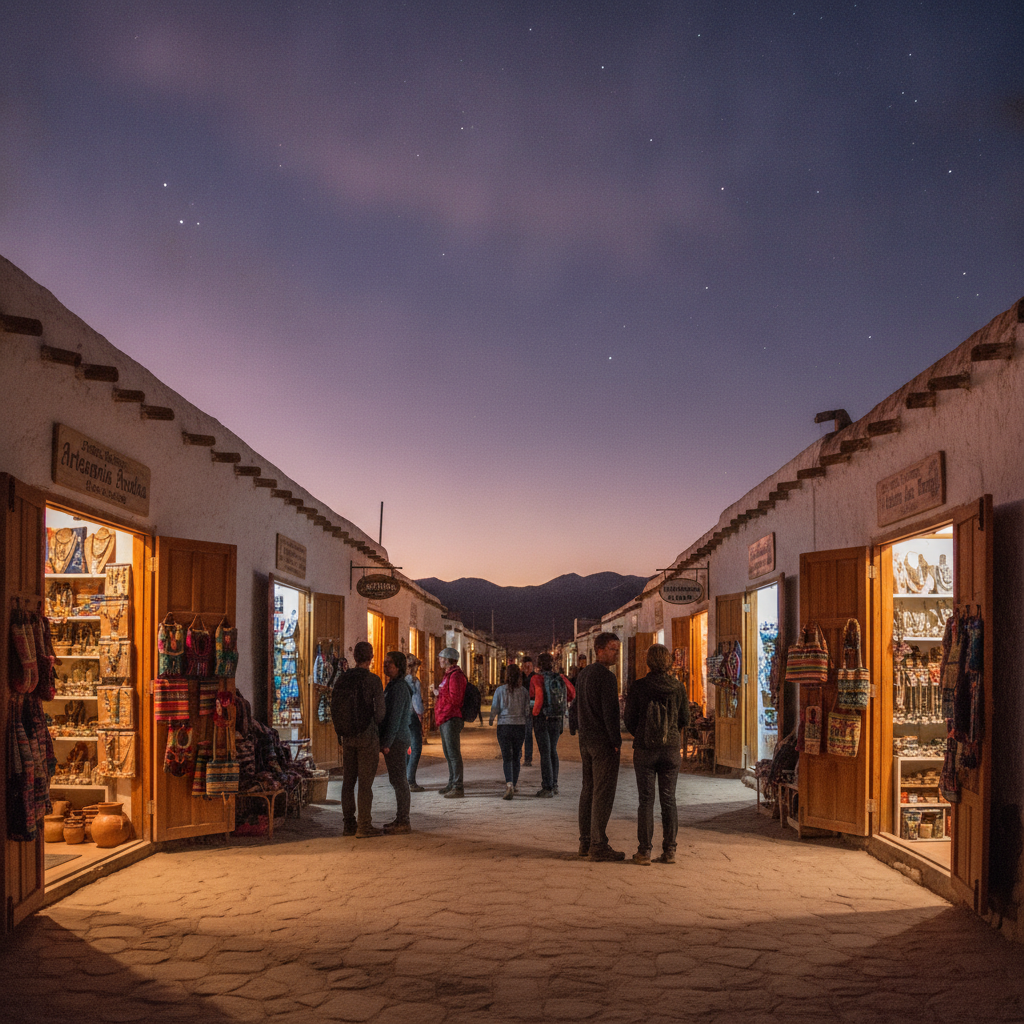
San Pedro de Atacama, a village of adobe houses at 2,400 meters in the heart of the Atacama, is the primary base for exploring the surrounding desert and has developed from a small Atacameno indigenous community into a sophisticated tourism hub with international restaurants, boutique hotels, and a concentration of tour operators covering every significant attraction within the desert region. The village center around the Plaza de Armas and the colonial church maintains enough character to reward an evening walk despite the tourist infrastructure.
- 2
Valle de la Luna: Sculpted Salt and the Martian Landscape
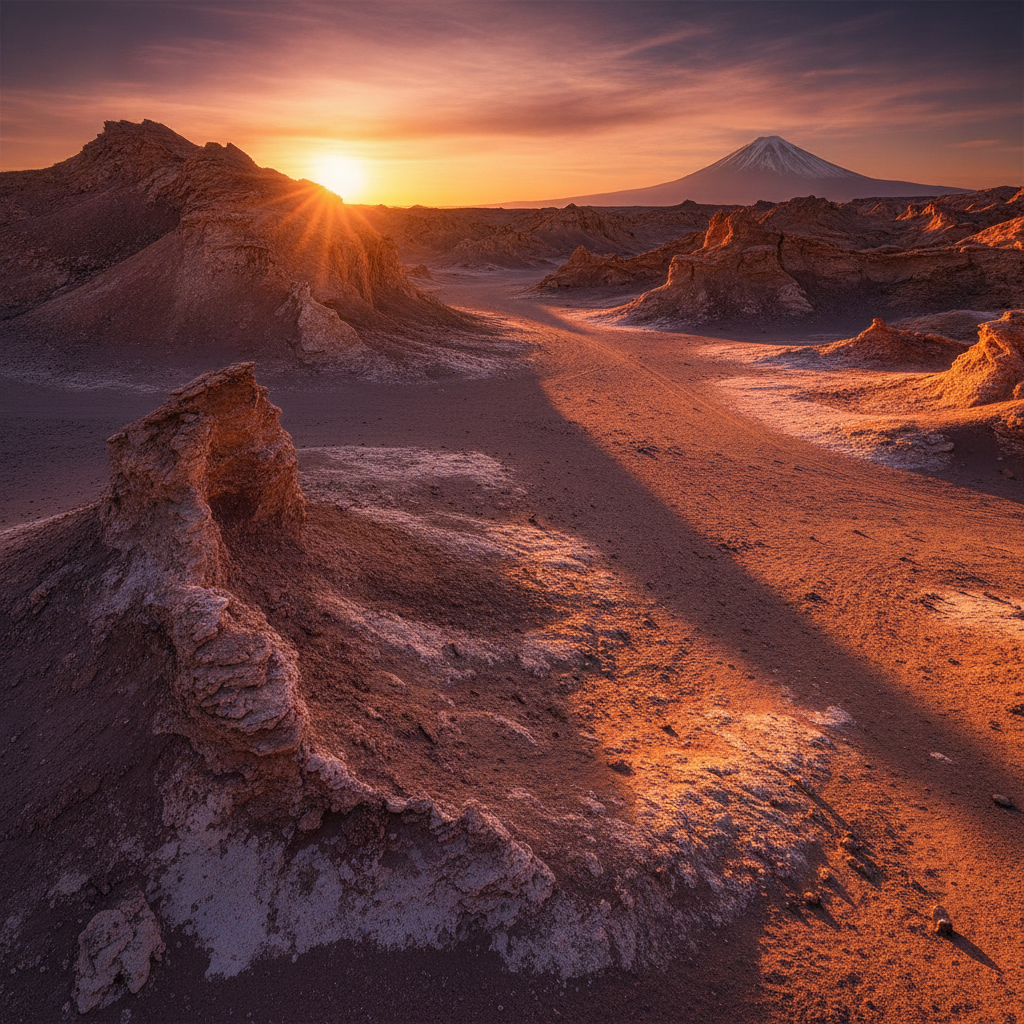
The Valle de la Luna, a depression in the Cordillera de la Sal west of San Pedro carved by wind and water erosion from the ancient salt deposits of the Atacama basin, contains the most dramatic and frequently photographed erosion landscape in the Atacama, with towering salt formations, sand dunes, and canyon walls in shades of ochre, grey, and violet that change color dramatically as the sun descends toward the Andes. The valley is best visited at sunset when the light creates the most dramatic tonal variations.
- 3
El Tatio Geyser Field: Altitude Steam at Dawn
The El Tatio geyser field at 4,320 meters elevation on the Andean plateau, the highest geyser field in the world and one of the largest in the southern hemisphere, is visited at dawn when the cold air of the high puna creates the maximum contrast between the hot steam and the surrounding air temperature, producing the most dramatic geyser display. The 80 active geysers and more than 60 boiling mud pools of El Tatio operate continuously, fed by the geothermal heating of the subterranean water table beneath the volcanic Andean plateau.
- 4
Flamingo Lagoons: Los Flamencos National Reserve
The Salar de Atacama, the largest salt flat in Chile, contains the Laguna Chaxa and the Lagunas Miscanti and Miniques within the Los Flamencos National Reserve; these high-altitude salt lakes support breeding colonies of all three South American flamingo species, including the rare Puna flamingo, in a landscape of pink flamingos reflected in mineral-rich turquoise water against the backdrop of snow-capped volcanoes on the Bolivian border.
- 5
Stargazing: The Clearest Skies on Earth
The Atacama Desert has the clearest skies on Earth due to the combination of extreme dryness, high altitude, stable air masses, and minimal light pollution; the atmospheric conditions that make the Atacama the most productive astronomical observatory location in the world also make it the finest destination for naked-eye and telescope stargazing available anywhere on the planet. The Milky Way core is visible with the naked eye on every clear night throughout the year, and the Magellanic Clouds are a constant feature of the southern night sky.
- 6
Atacameno Culture: The Original Desert Peoples
The Atacameno or Lickanantay people have inhabited the Atacama basin for approximately 10,000 years, developing the agricultural and herding systems that sustained settled communities in one of the most extreme arid environments inhabited by any human population. The Museum of Atacameno Peoples in San Pedro de Atacama contains the most significant collection of pre-Columbian Atacameno material culture in Chile, including the mummified remains and grave goods of ancient burials that document the sophistication of the desert civilization.
Walk this route with audio
Stories play automatically as you reach each stop — no tapping needed.
More in Atacama
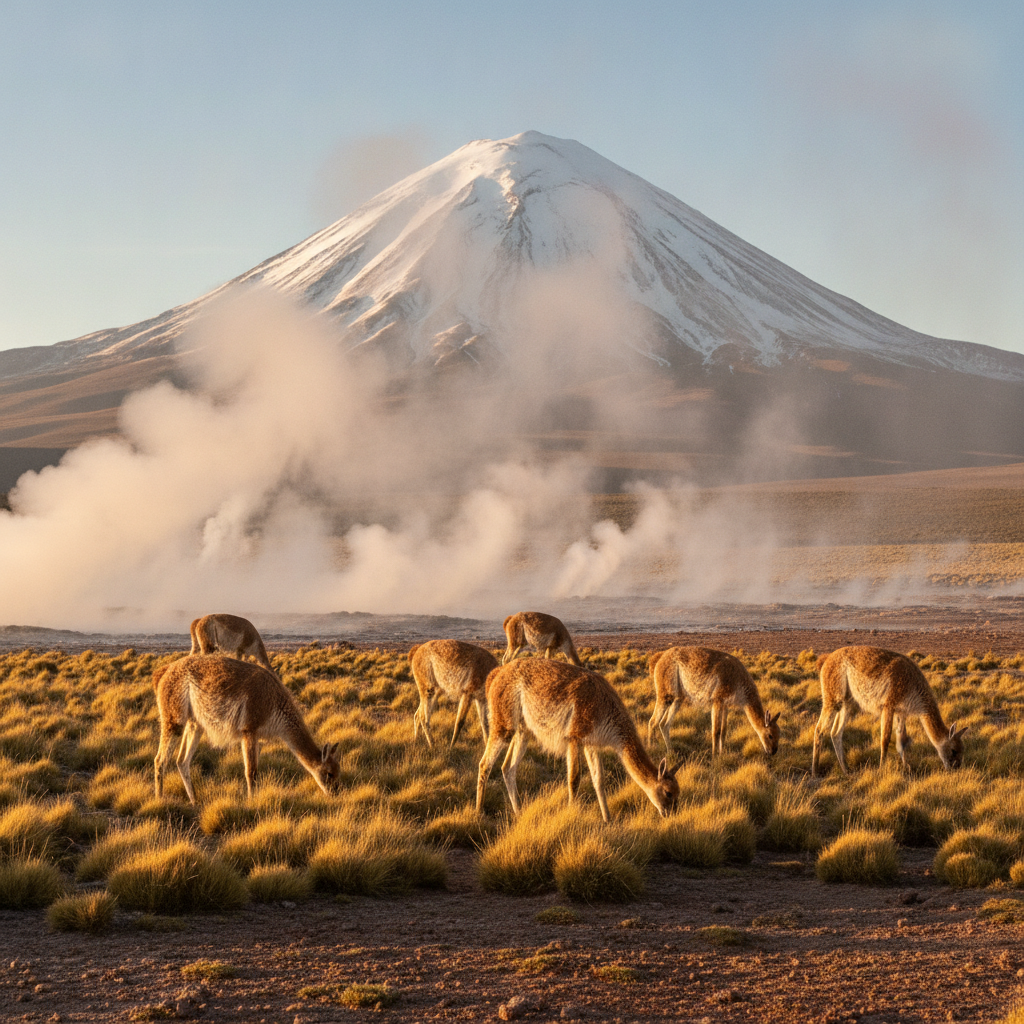
Atacama Wildlife: Vicunas, Flamingos, Viscachas, and the Andean Cat
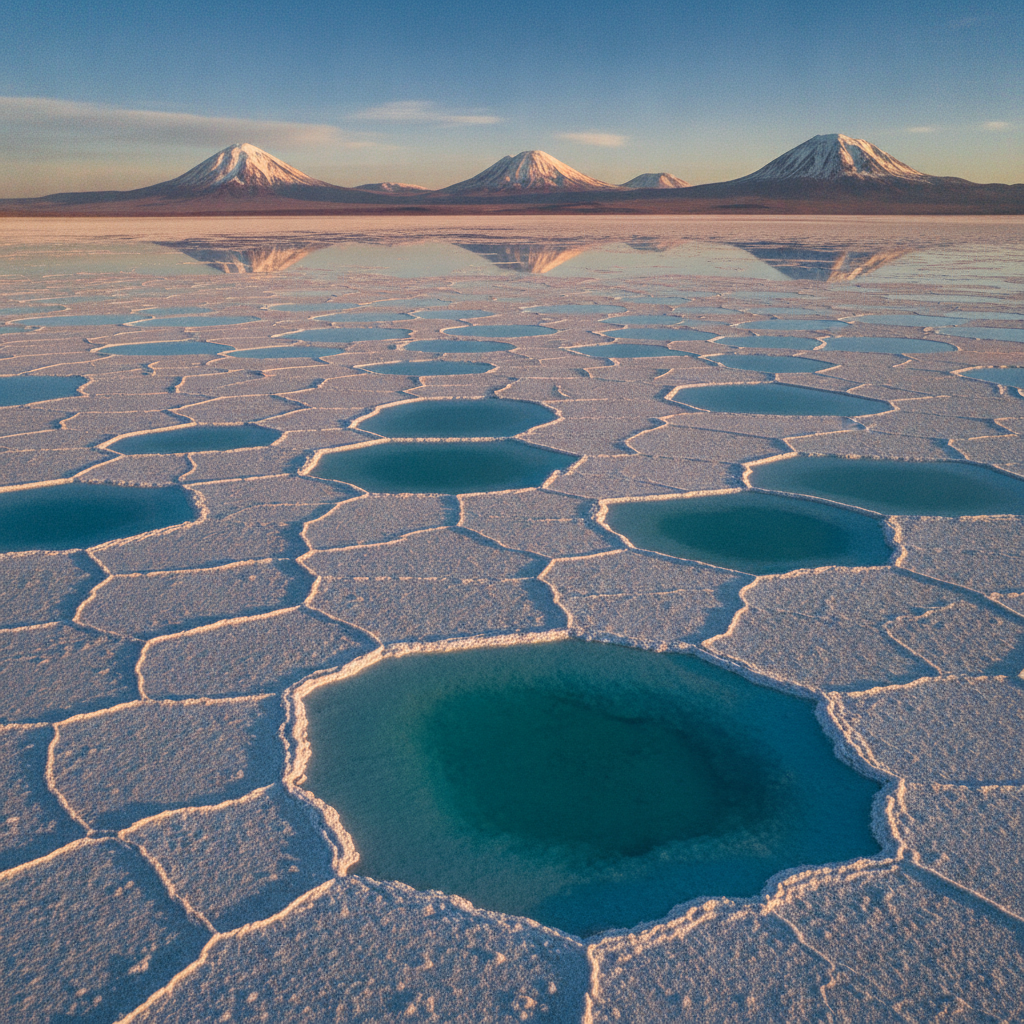
Atacama Geology: Salt Flats, Volcanoes, and the Science of the World's Driest Desert
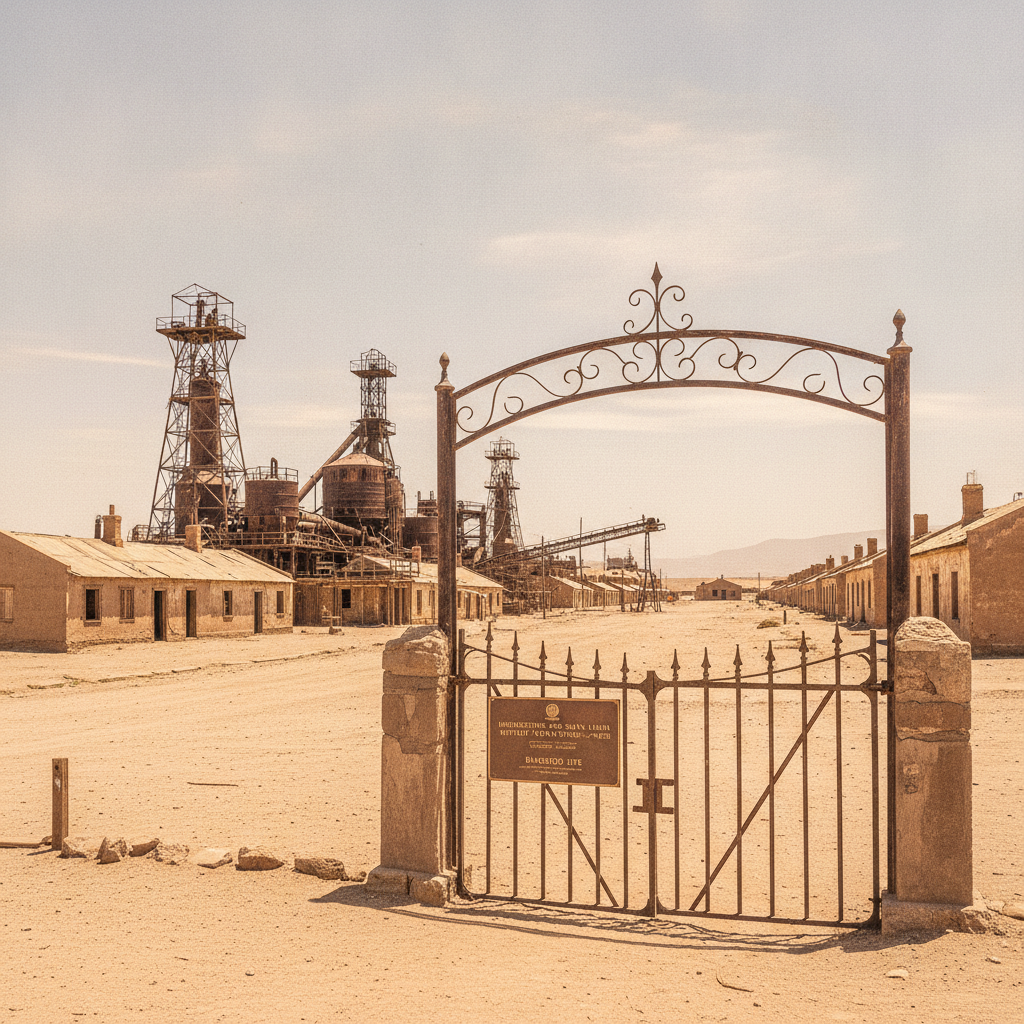
Atacama Nitrate Era: Ghost Towns, Humberstone, and the Rise and Fall of White Gold
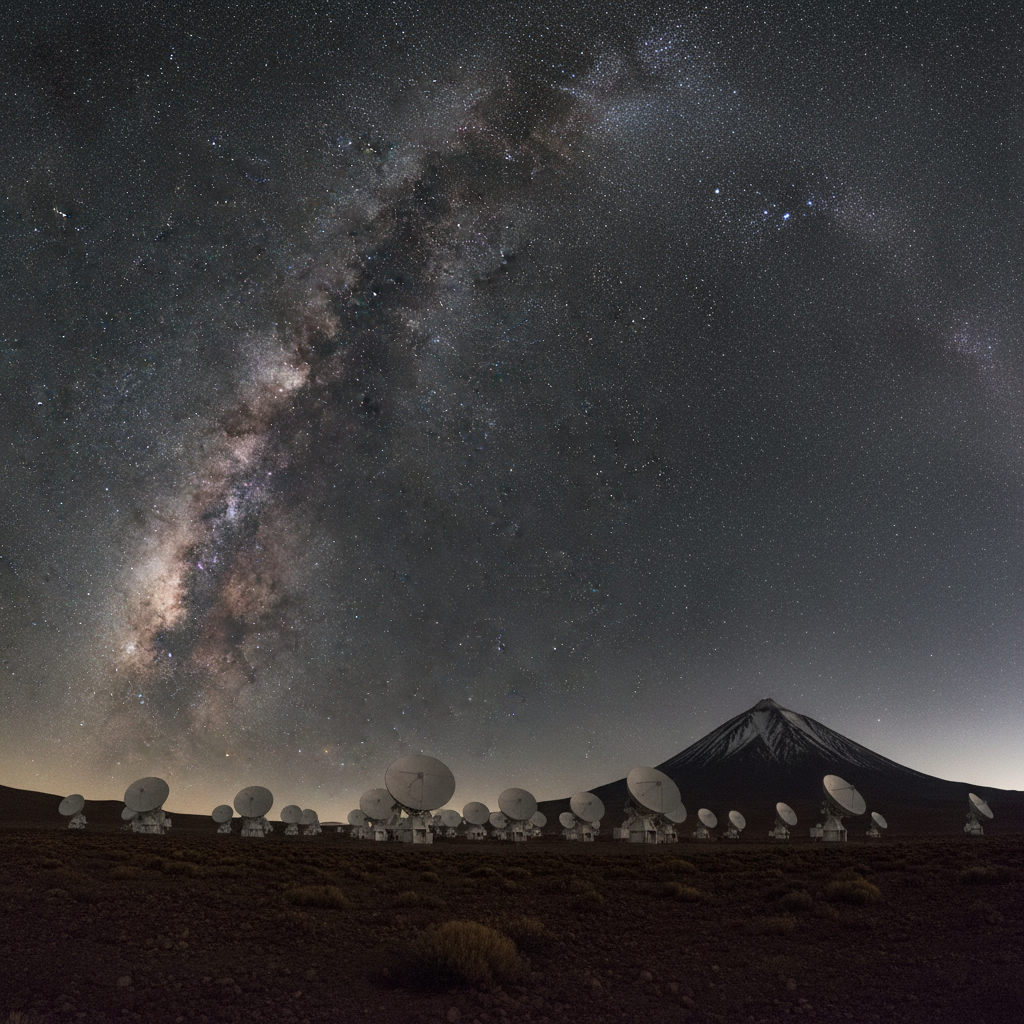
Atacama Astronomy: ALMA, World-Class Observatories, and Astrophotography
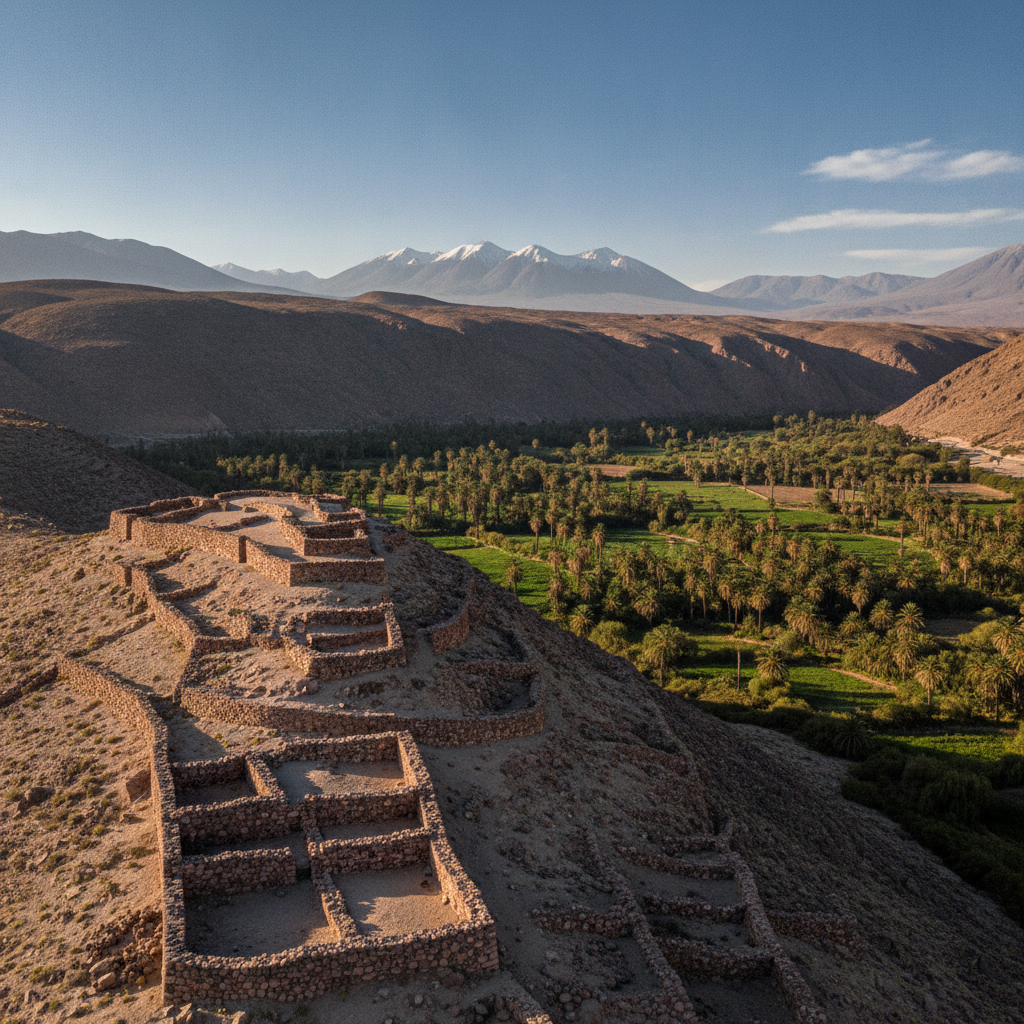
Atacameno Culture: Pukara Fortresses, Village Traditions, and 10,000 Years of Desert Life