Bamyan Giant Buddha Niches UNESCO Heritage
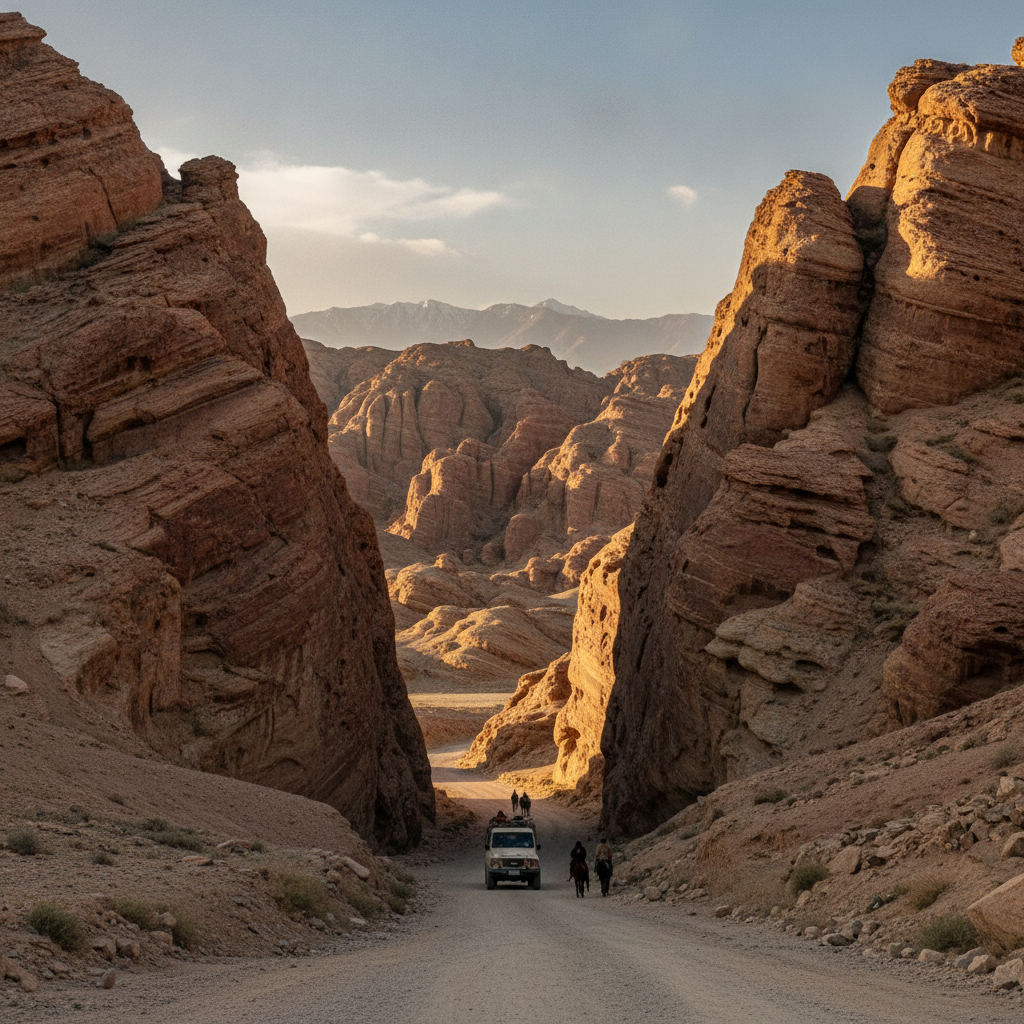
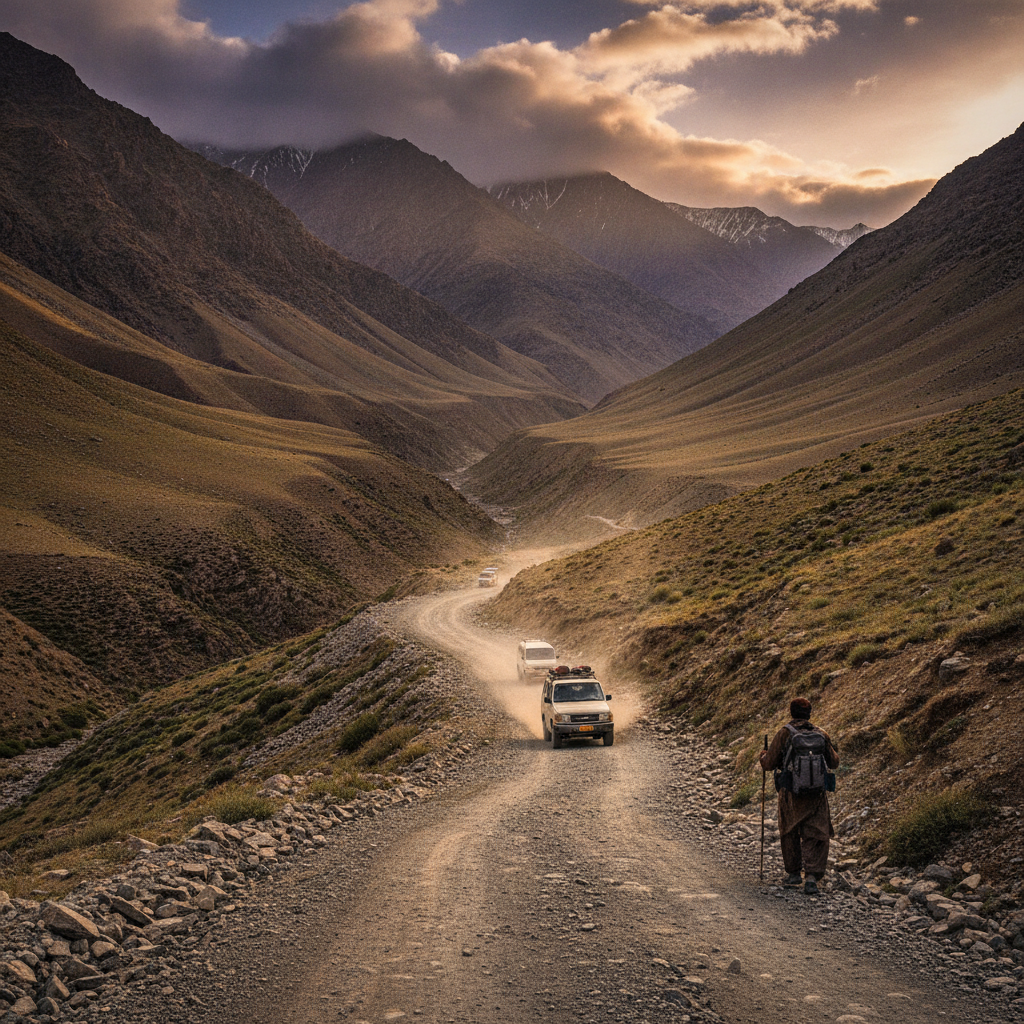
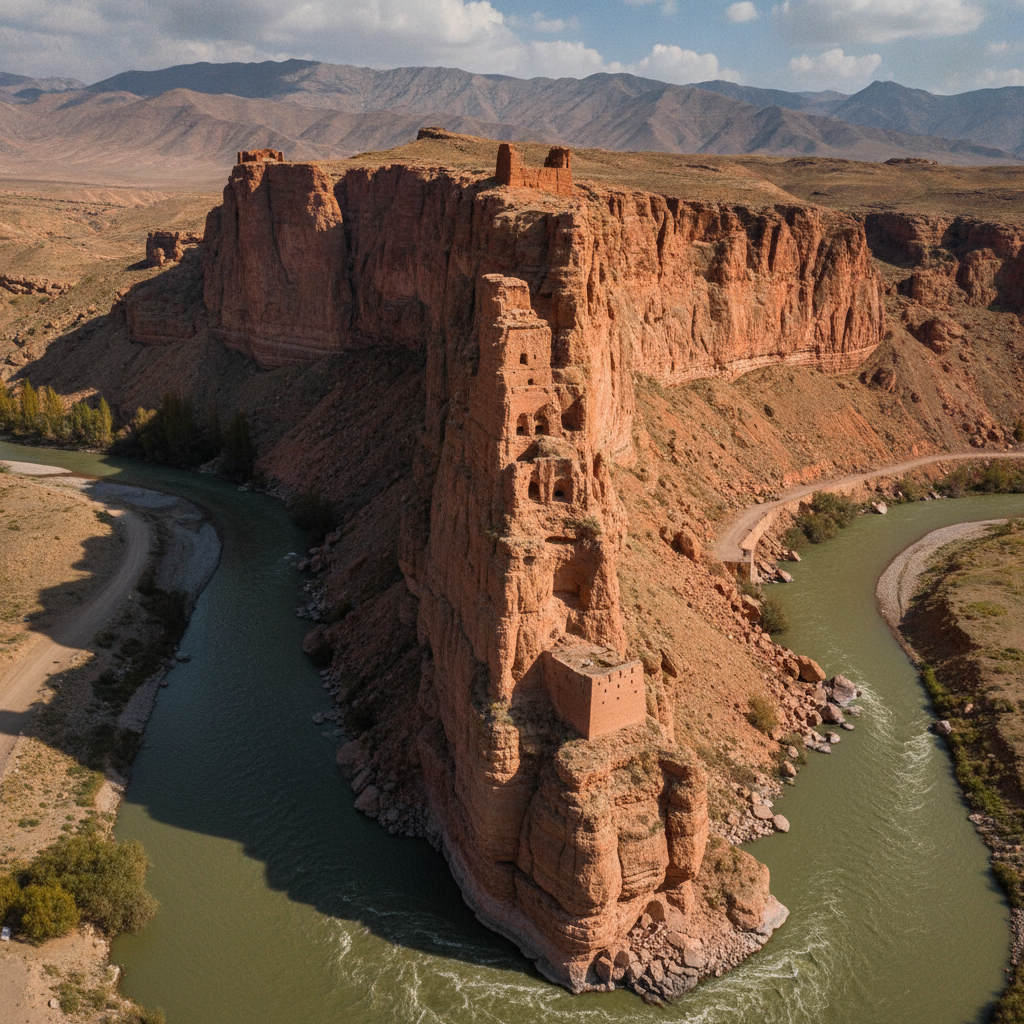
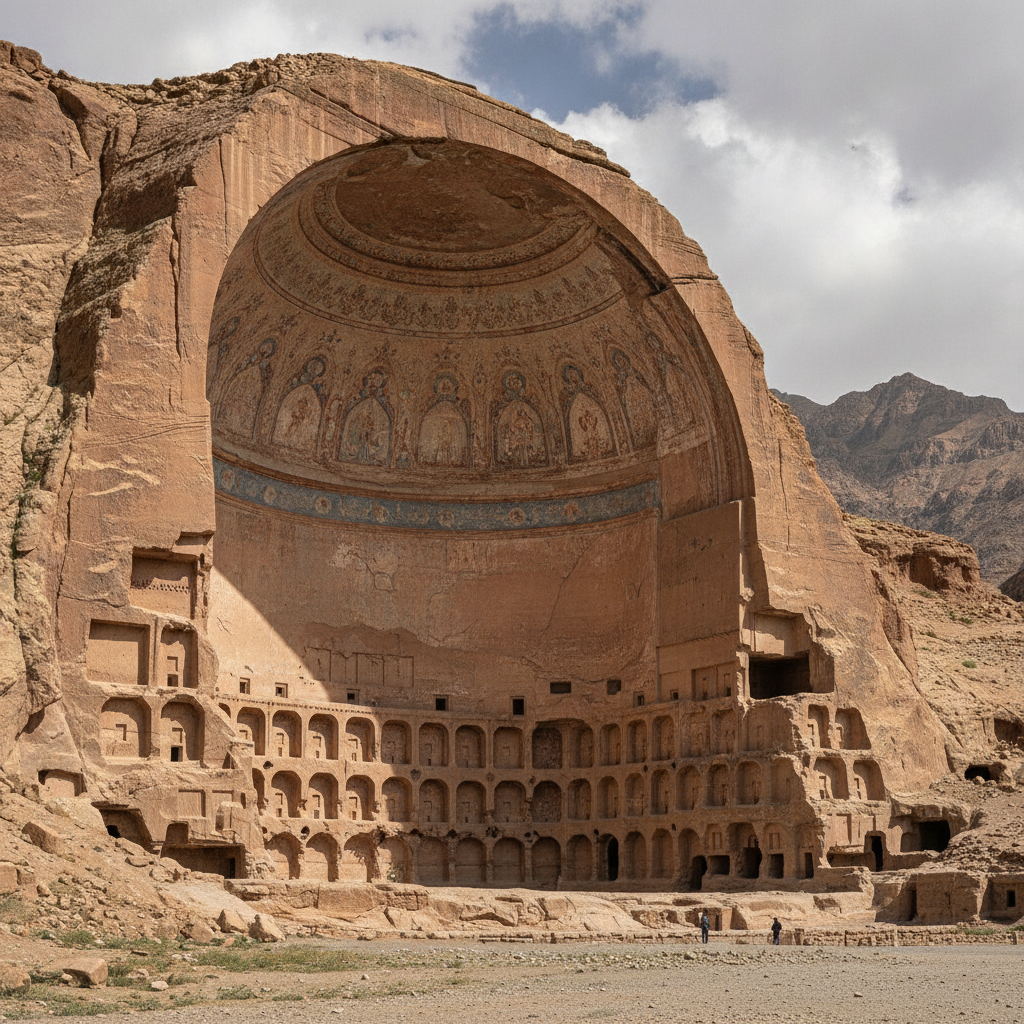
Stand before the giant niches of the Bamyan Buddhas — the two monumental recesses carved into the sandstone cliff that once held the 55-meter and 38-meter standing Buddhas, the largest carved Buddha statues in the world until their deliberate demolition by the Taliban in 2001, now a UNESCO World Heritage site and one of the most poignant cultural heritage losses of modern times.
- 1
Eastern Small Buddha Niche
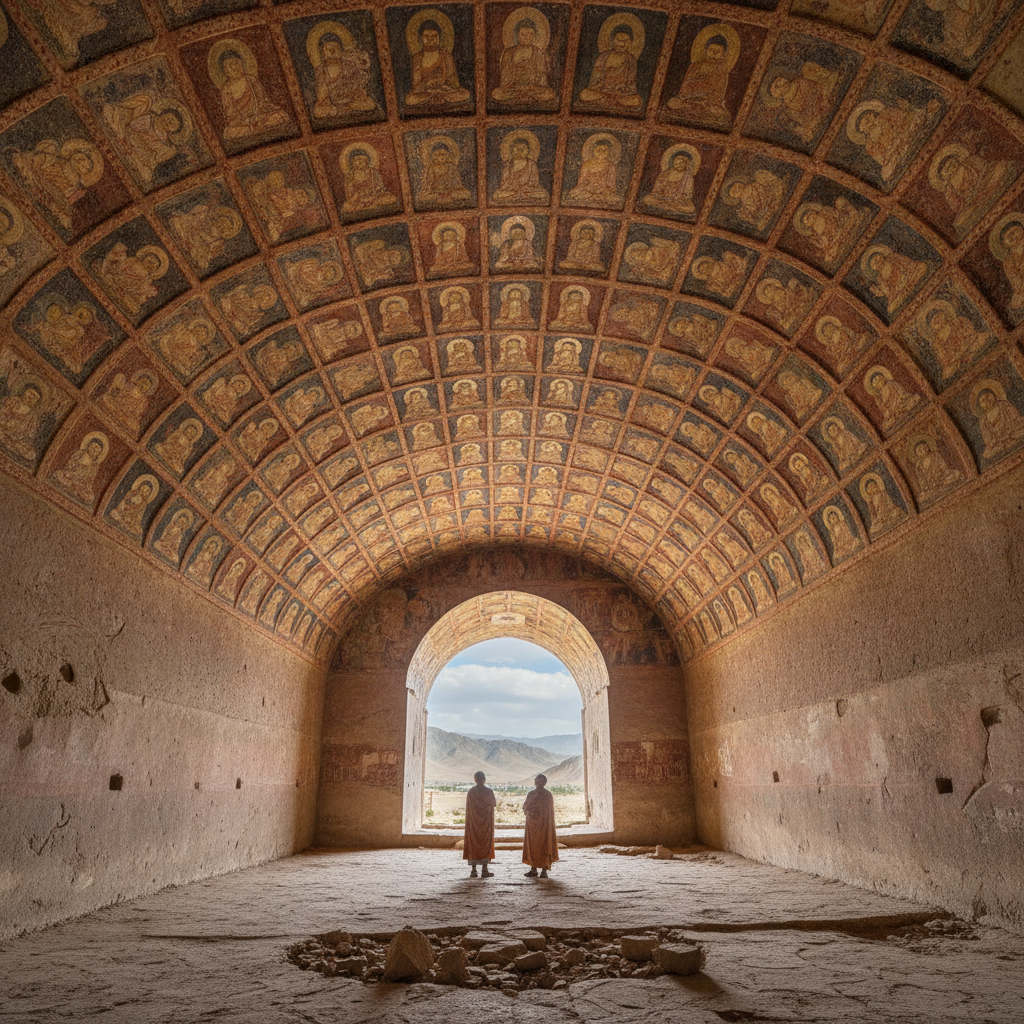
The eastern niche that held the 38-meter standing Buddha — the carved cliff recess with its faint traces of the original painted plaster decoration still visible on the walls and ceiling, the honeycomb of monk caves surrounding the niche showing the monastic complex that accompanied the great statue carved in the 6th century CE.
- 2
Western Large Buddha Niche
The western niche that held the 55-meter standing Buddha — the taller of the two great statues, the niche still preserving traces of the elaborate painted vault decoration showing the sun deity Surya on a chariot, the scale of the recess giving some sense of the colossal presence the statue commanded in the valley for 1,400 years.
- 3
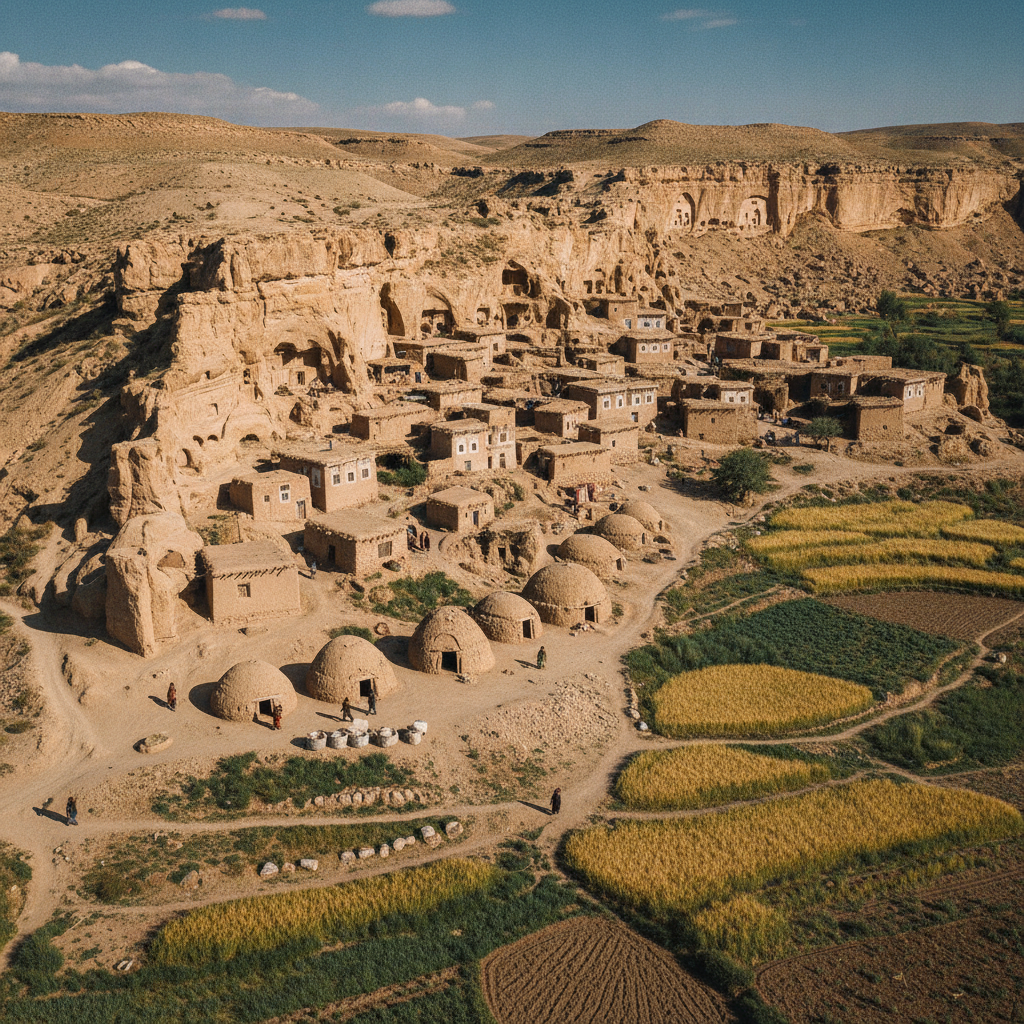
Cliff Face Cave Network
The network of caves cut into the sandstone cliff face — the hundreds of monk cells, meditation chambers, and assembly halls carved into the cliff surrounding the Buddha niches, the rooms decorated with wall paintings in the Central Asian Buddhist style connecting the Bamyan tradition to the art of Dunhuang and Ajanta.
- 4
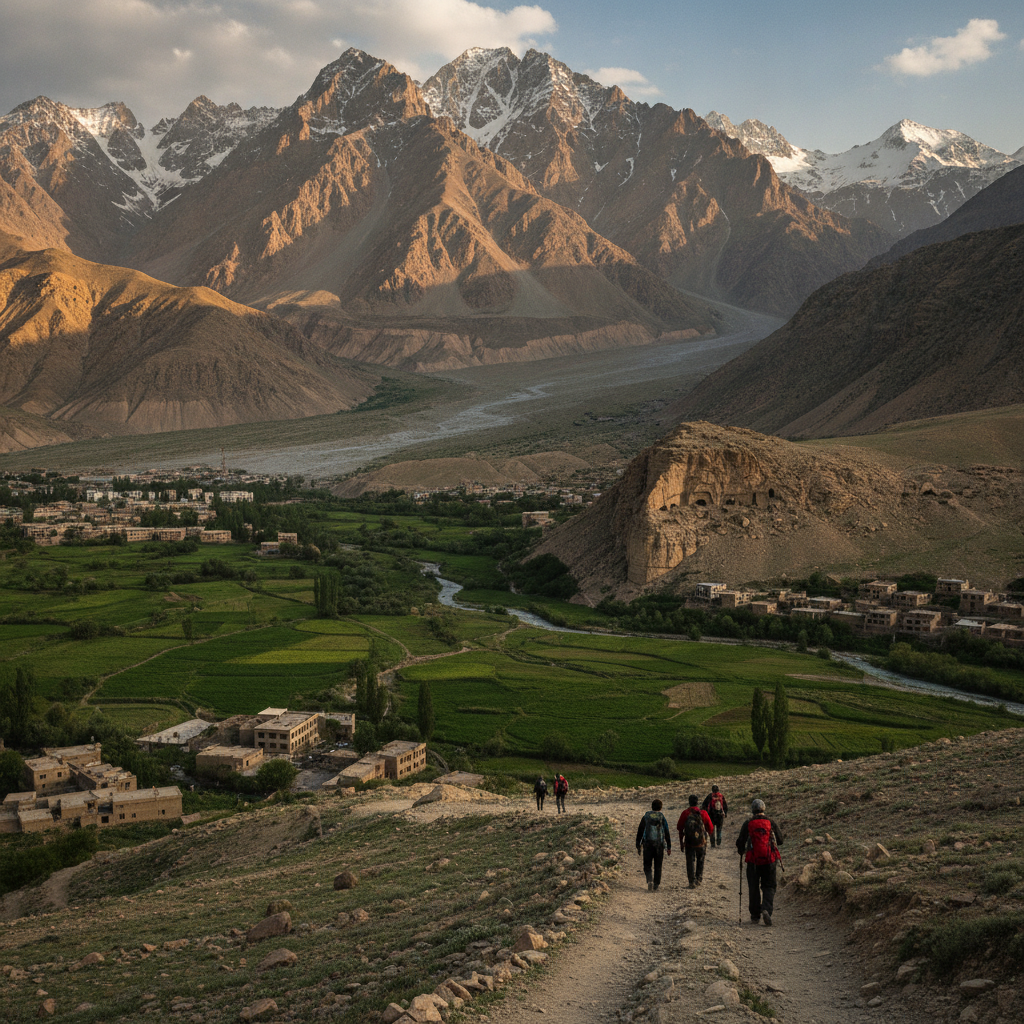
Bamyan Valley View from Cliff
The view from the cliff face level across the Bamyan valley — the broad flat valley floor at 2,500 meters with the Bamyan river threading through cultivated fields, the town visible below, and the snow-capped Band-e-Amir mountains rising behind, the setting that made Bamyan one of the most dramatically beautiful Buddhist sites in Asia.
- 5
Restoration Debate Site
The ongoing restoration debate at the Bamyan site — the discussion among UNESCO, the Afghan government, and international heritage experts about whether to reconstruct the Buddhas using 3D laser scanning data, the debate touching on questions of authenticity, memory, and the ethics of reconstructing deliberately destroyed heritage.
- 6
Shahr-e-Gholghola Ruins
The ruins of Shahr-e-Gholghola (City of Screams) on the hilltop above the valley — the city sacked by Genghis Khan in 1221 after the siege in which his grandson was killed, the ruins of the Ghurid-period city preserving the street pattern and building foundations of a medieval Afghan city, the name commemorating the cries of the massacred population.
Walk this route with audio
Stories play automatically as you reach each stop — no tapping needed.