Cameron Highlands British Colonial History Walk
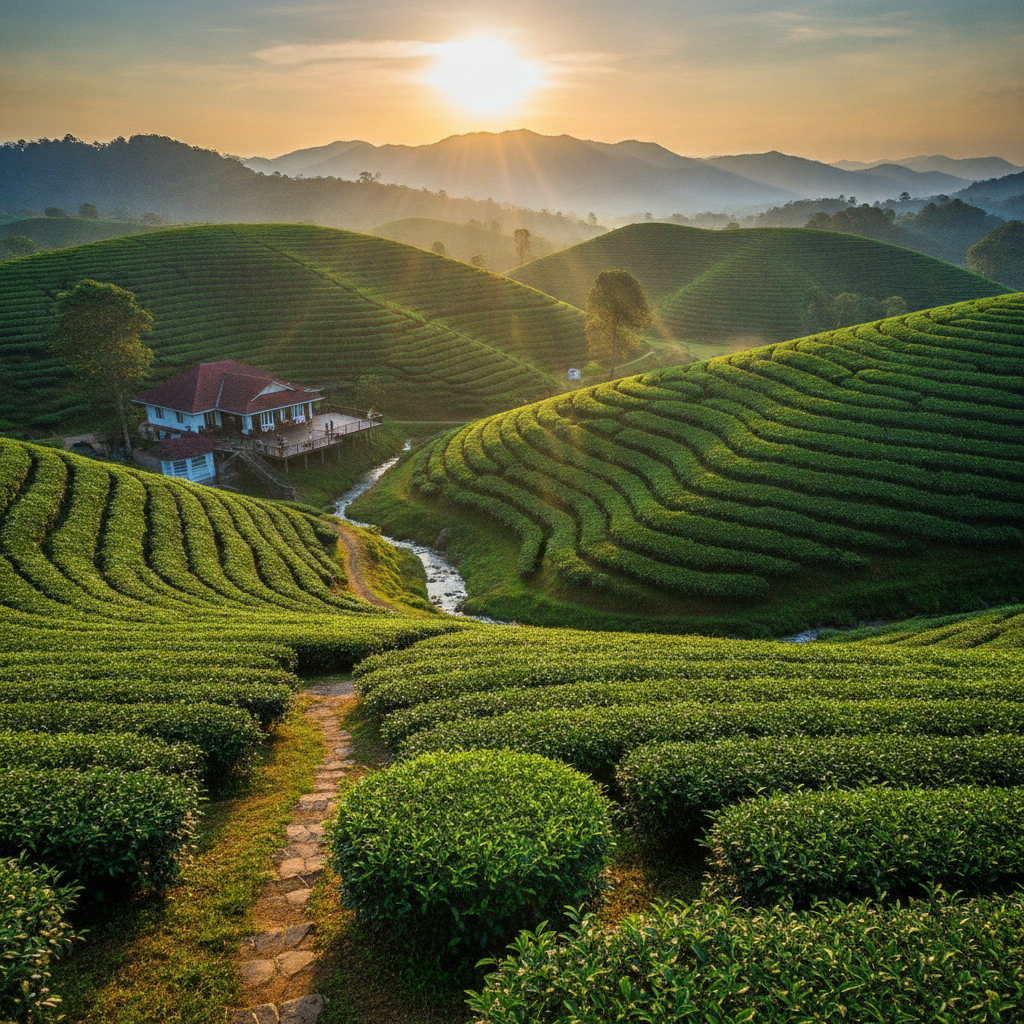
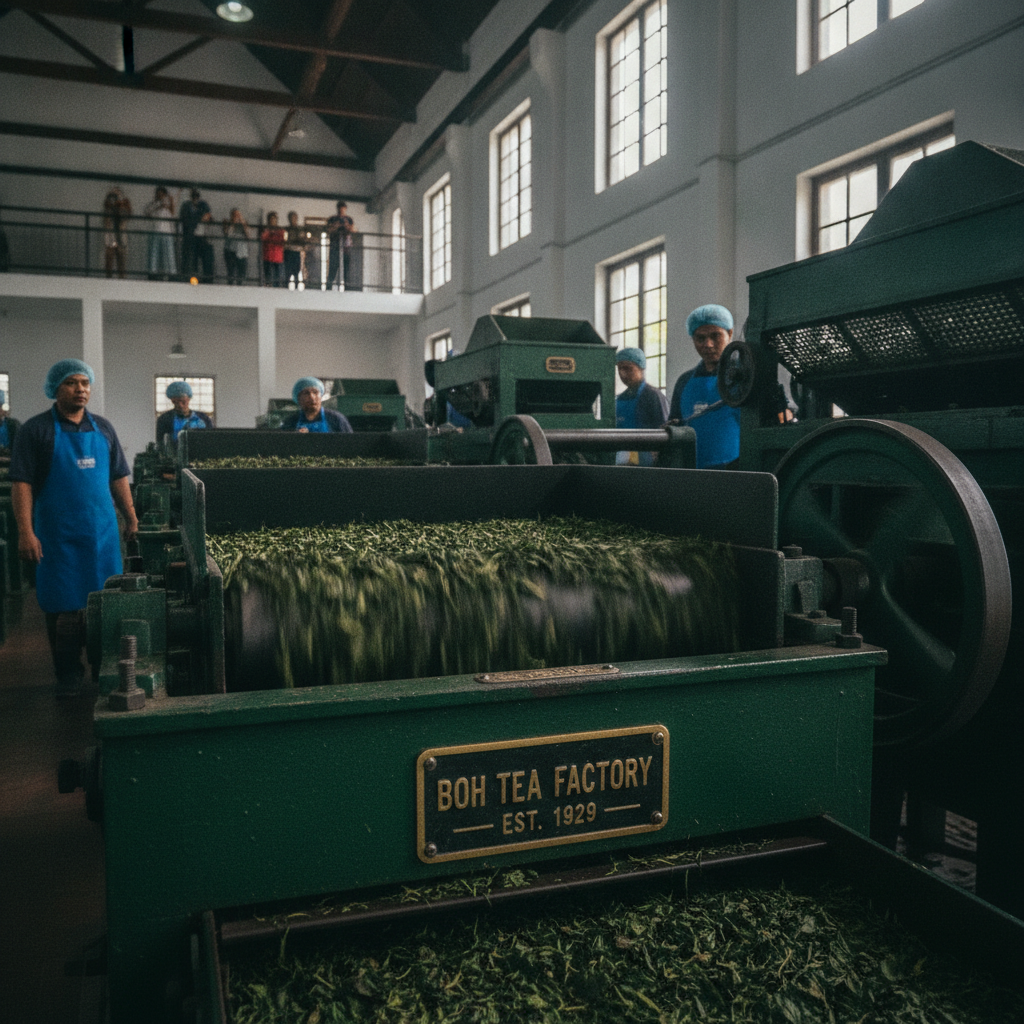
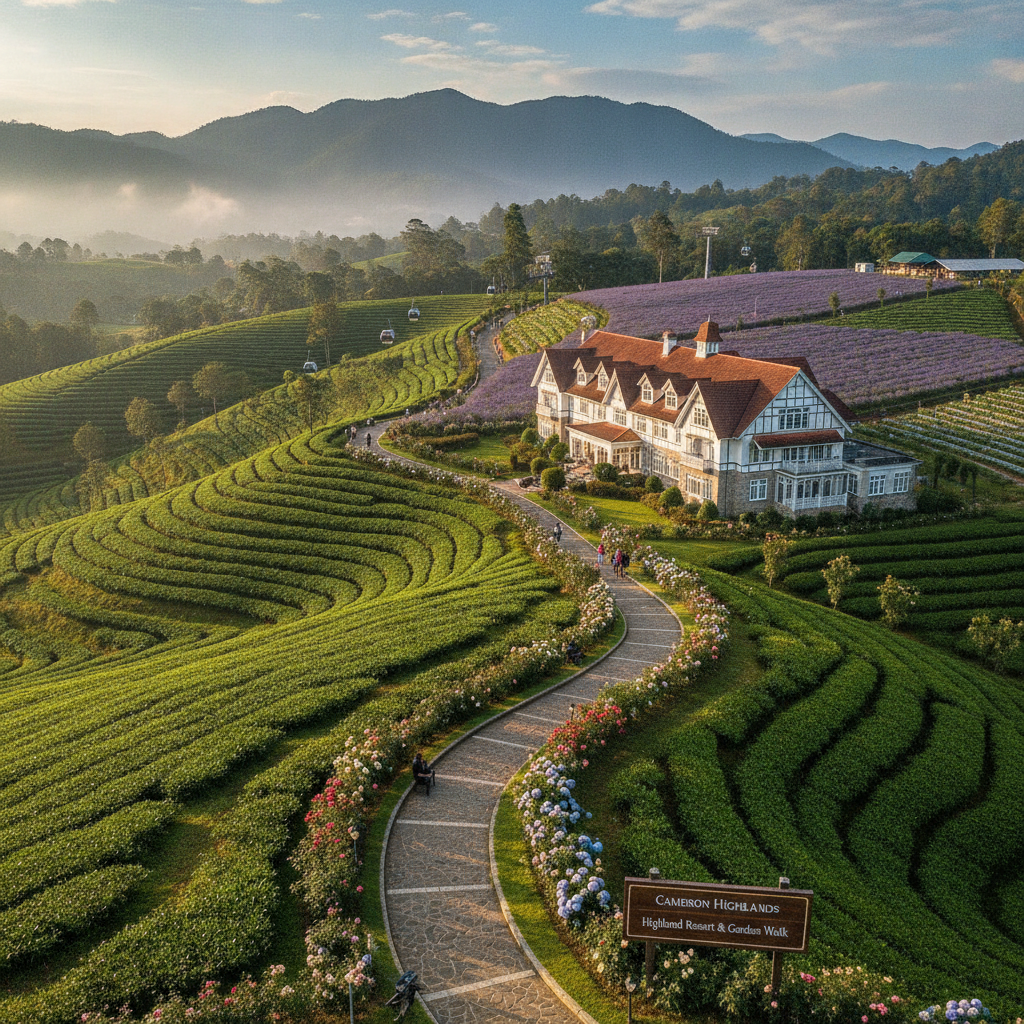
Trace the British hill station legacy — Cameron Highlands was surveyed by William Cameron in 1885 and developed from the 1920s as the premier highland retreat for British colonial administrators and planters, creating the infrastructure of bungalows, golf courses, and tea estates that remain the defining characteristics of the contemporary highland landscape.
- 1
Smokehouse Hotel Heritage
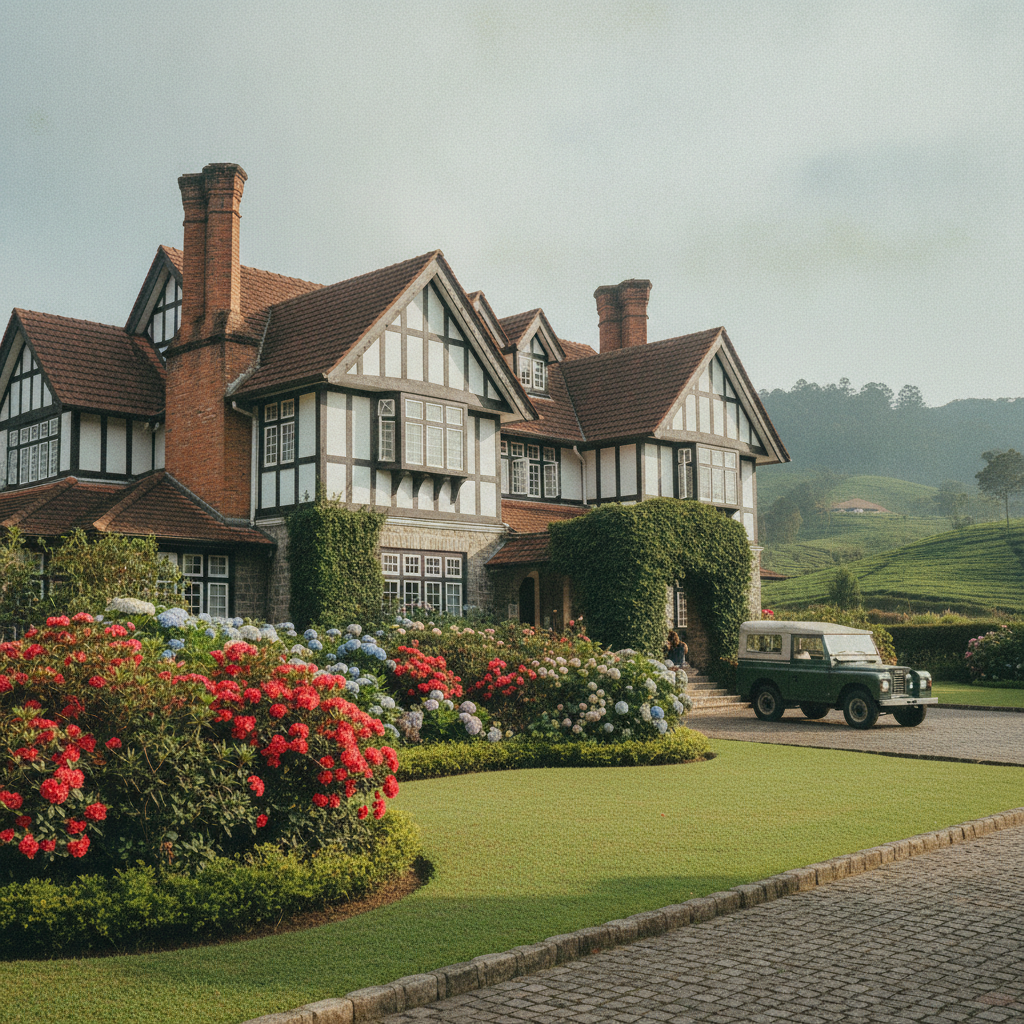
The Smokehouse Hotel in Cameron Highlands is the most complete surviving example of English Tudor architecture in Malaysia — the colonial-era country house hotel built in the 1930s with its exposed timber beams, brick fireplaces, English garden, and the afternoon tea service (with scones, clotted cream, and strawberry jam from the highland farms) maintains the most faithful physical recreation of the English country hotel tradition in tropical Asia. The Smokehouse was built for the British planters and colonial officials who treated Cameron Highlands as a piece of England transported to the equatorial highlands, and its continued operation as a working hotel allows contemporary visitors to experience the same fantasy of English domesticity in a tropical mountain setting.
- 2
William Cameron Survey Legacy
William Cameron, a British government surveyor, was the first European to map the Cameron Highlands plateau in 1885 during a survey expedition through the interior of the Malay peninsula — his report describing a 'fine plateau with gentle slopes, shut in by the lofty mountains' at an altitude providing relief from the tropical lowland heat prompted the subsequent development of the area as a hill station. Cameron himself never returned to the area named after him, and the development of the highlands as a tea-producing and recreational hill station was the work of the subsequent generation of British administrators and planters who built on his survey report.
- 3
Ye Olde Smokehouse Garden
The English garden at the Smokehouse Hotel — with its rose beds, herbaceous borders, and the lawns where afternoon tea is served in summer weather that mimics an English garden party — is the most theatrical expression of the colonial nostalgia that the Cameron Highlands hill station was designed to provide for homesick British administrators. The garden's success in maintaining temperate-climate plants (roses, sweet peas, pansies) in the highland climate demonstrates the botanical basis for the hill station concept: the cool temperatures that allow British plants to thrive also allow British social customs to be performed in botanical settings that support the performance.
- 4
Time Tunnel Cameron Highlands
The Time Tunnel museum in Cameron Highlands documents the history of the hill station from the British colonial period to the present — the collection of colonial-era photographs, plantation equipment, British colonial memorabilia, and historical documents about the development of the highlands provides context for the contemporary landscape of tea estates, bungalows, and vegetable farms that visitors encounter. The museum's documentation of the darker colonial history (the Japanese occupation during World War II, when Cameron Highlands was used as a prisoner of war camp) alongside the more conventionally celebrated aspects of the hill station history provides a more complete picture of the highlands' past.
- 5
Jim Thompson Disappearance Site
The mystery of Jim Thompson's disappearance from Cameron Highlands on Easter Sunday 1967 is one of the great unsolved mysteries of Southeast Asian history — Thompson, the American businessman who revived the Thai silk industry and became one of the most celebrated expatriate figures in postwar Southeast Asia, disappeared during an afternoon walk near the Moonlight bungalow in Cameron Highlands and was never found. The disappearance, which has generated dozens of theories ranging from CIA assassination to tiger attack to voluntary disappearance, brought international attention to the Cameron Highlands and remains the single most discussed event in the highlands' modern history.
- 6
Highland Agriculture Legacy
The Cameron Highlands today produces approximately one-third of Malaysia's vegetables — the cool highland climate that made the area attractive to British colonials as a recreational retreat has made it equally valuable as the main source of the cool-climate vegetables (Chinese cabbage, broccoli, cauliflower, capsicum, tomatoes, lettuce) that would be impossible to grow in the lowland tropics. The vegetable farms that have expanded across the highlands since independence, sometimes at the cost of forest clearance and soil erosion, represent the agricultural transformation of a colonial recreational landscape into a working food production zone whose economic importance to peninsular Malaysia's food supply is substantial.
Walk this route with audio
Stories play automatically as you reach each stop — no tapping needed.