Casablanca History: The Ancient Anfa Foundation, the Portuguese Casa Branca, the French Protectorate Transformation, the Casablanca Conference 1943, the Independence, and the Modern Economic Capital
The Casablanca history route covers the ancient Anfa Berber city, the Portuguese Casa Branca, the French Protectorate urban transformation from 1912, the 1943 Casablanca Conference between Roosevelt and Churchill, the 1952 Casablanca massacre and independence, and the emergence as Morocco modern economic capital.
- 1
Ancient Anfa: The Berber City Before Morocco
Anfa, the ancient Berber settlement on the Atlantic coast that the Arabic geographers described as the most commercially important single Atlantic port in the western Maghreb in the 10th and 11th centuries, was the dominant port city of the Zenata Berber Banu Ifran confederacy before the Almoravid conquest and the subsequent Almohad dynasty that marginalized the Atlantic coastal trade in favor of the Mediterranean. The 1468 Portuguese sack of Anfa, provoked by Anfa-based piracy on the Portuguese Atlantic trading routes, initiated the Portuguese period that gave the city the name Casa Branca (White House).
- 2
Portuguese Casa Branca: The 1515 Fortification
The Portuguese rebuilt the destroyed Anfa as the fortified Casa Branca trading post in 1515, constructing the sea wall fortification that still forms the base of the Casablanca old medina perimeter and establishing the Atlantic coast commercial infrastructure that the subsequent Moroccan and European port development built upon. The Portuguese Casa Branca was abandoned after the 1755 Lisbon earthquake-induced tsunami damaged the fortification and the resident Portuguese population withdrew to the more secure Mazagan (El Jadida). The Alaouite sultan Sidi Mohammed Ben Abdallah rebuilt the abandoned city as Casablanca in 1770.
- 3
French Protectorate: The Urban Transformation 1912-1956
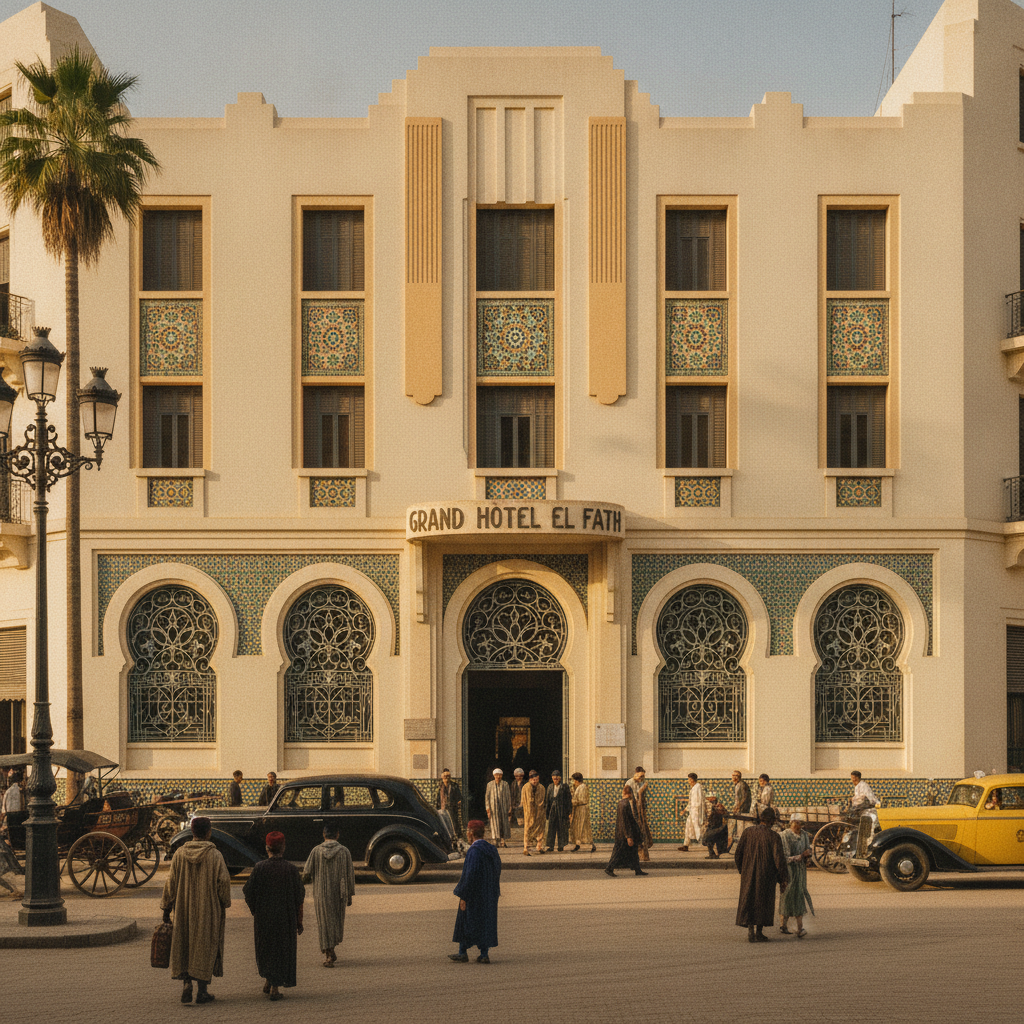
The French Protectorate arrival in 1912 transformed Casablanca from a city of 20,000 to a metropolis of 700,000 in 40 years through the most ambitious single urban construction program in colonial Africa. The Protectorate resident Hubert Lyautey's urban plan separated the new French commercial city from the old medina and built the port infrastructure, the rail network, the industrial zones, and the residential quarters that created the most rapidly urbanized single colonial city in the world. The Casablanca of 1956 at independence was already the most economically productive single city in North Africa outside Egypt.
- 4
Casablanca Conference 1943: The WWII Meeting
The Casablanca Conference of January 14-24, 1943, in the Anfa Hotel suburb of Casablanca, was the most strategically significant single Allied meeting of World War II before the Teheran Conference with Roosevelt and Churchill deciding the unconditional surrender doctrine, the North Africa-Sicily-Italy invasion sequence, and the post-war international order framework. The Anfa Hotel was demolished in 1970 but the Casablanca Conference site is the most historically significant single WWII diplomatic location in Africa and the meeting that produced the most consequential single military strategy decision of the European theater of the war.
- 5
1952 Casablanca Massacre: The Independence Prelude
The December 7, 1952 Casablanca massacre in which French security forces and settler civilians killed between 40 and several hundred Moroccan workers during the riots following the assassination of the Tunisian trade union leader Ferhat Hached is the most politically consequential single event in the Moroccan independence history because it radicalized the urban Moroccan working class and the Istiqlal Party leadership toward the immediate independence demand that led to the 1956 French withdrawal. The 1952 massacre is the most directly related single urban violence event to the Moroccan independence achievement.
- 6
Casablanca as Economic Capital: The Post-Independence Success
The Casablanca post-independence economic success is the most remarkable single economic transformation in the Maghreb with the city maintaining and expanding the French-built industrial and commercial infrastructure to become the center of 50 percent of Morocco's industrial production, 70 percent of its financial activity, and the primary destination of the rural-to-urban migration that brought the city population from 700,000 at independence to 4.5 million today. The Casablanca economic model - the private sector-led growth with the state infrastructure investment - is the most successful single development model in North Africa outside Egypt.
Walk this route with audio
Stories play automatically as you reach each stop — no tapping needed.
More in Casablanca
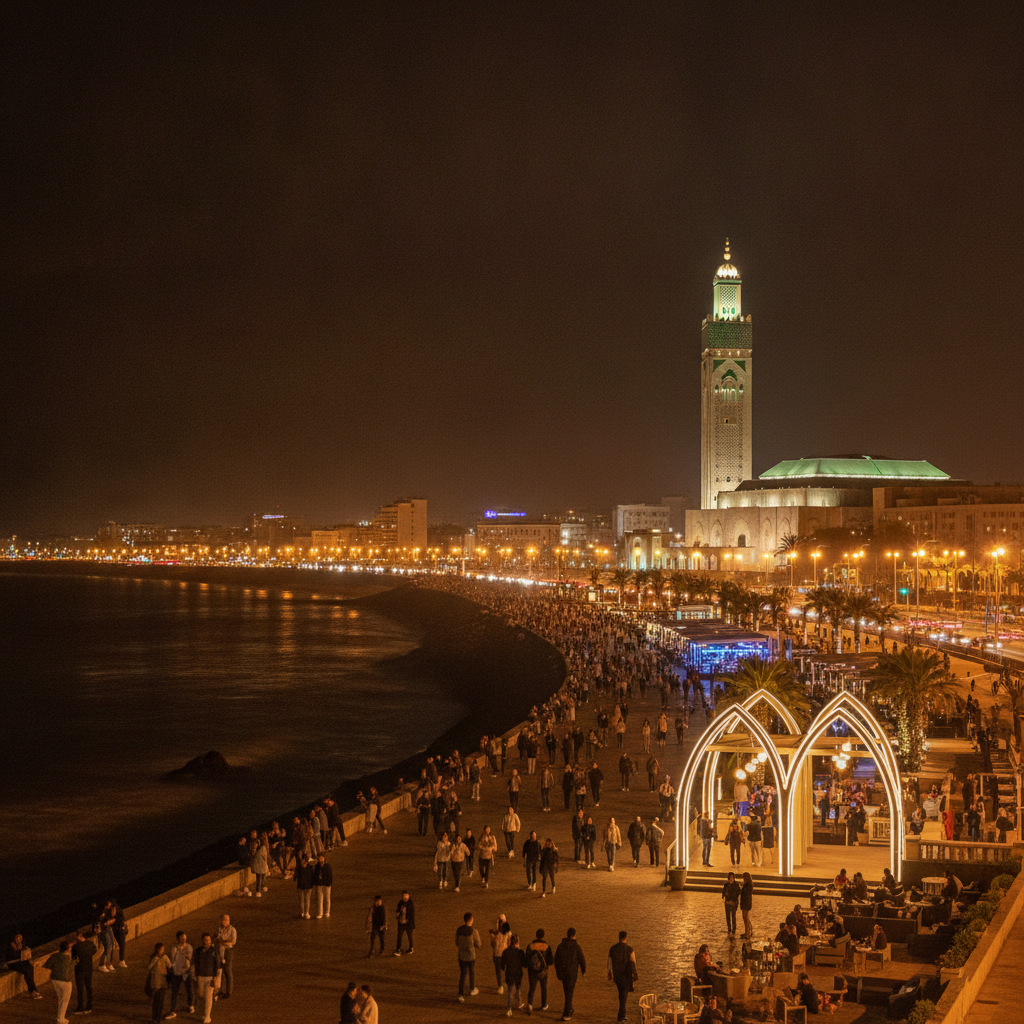
Casablanca Lifestyle: Ain Diab Beach, the Corniche Restaurant Scene, the Morocco Nightlife Capital, the Luxury Hotel Strip, and the Casablanca Urban Middle Class Culture
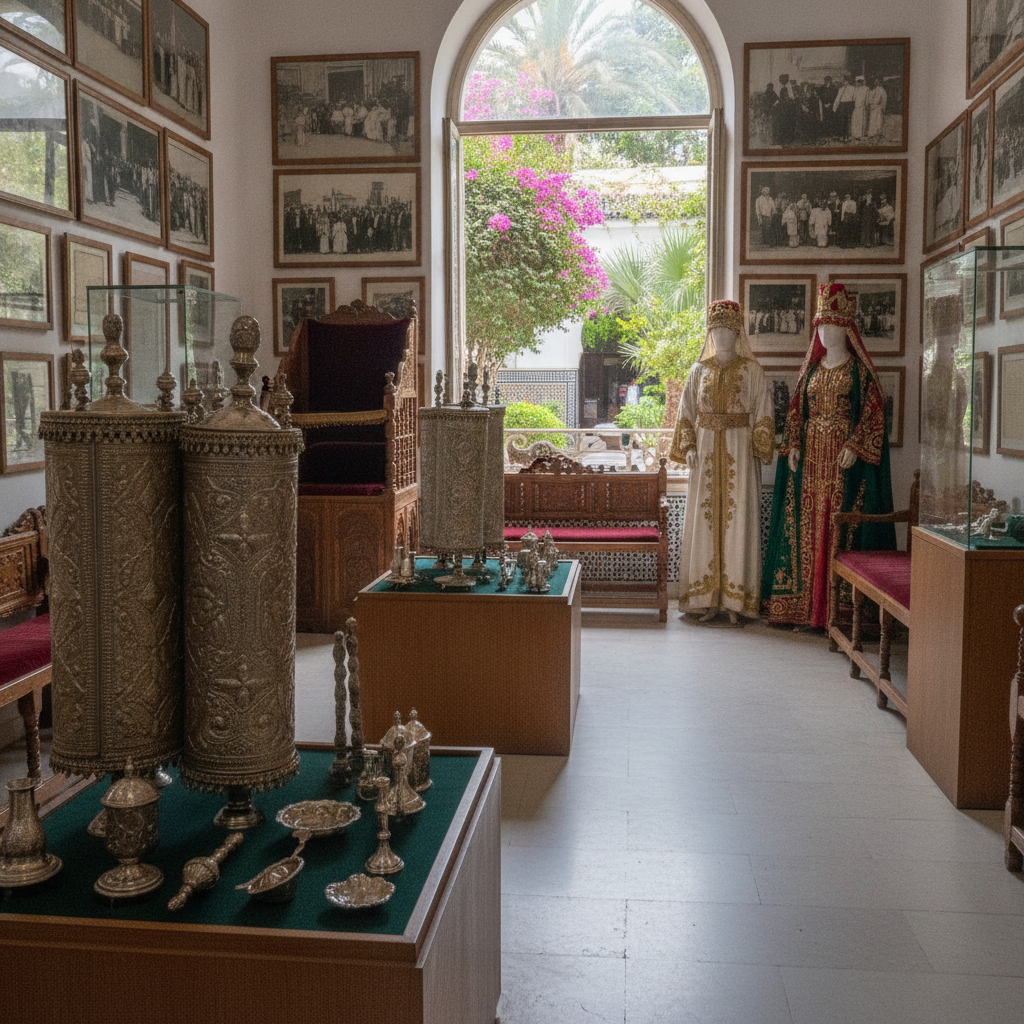
Casablanca Jewish Heritage: The Mellah District, the Miara Cemetery, the Museum of Moroccan Judaism, the Sephardic Cultural Legacy, and the Moroccan Jewish Community Today
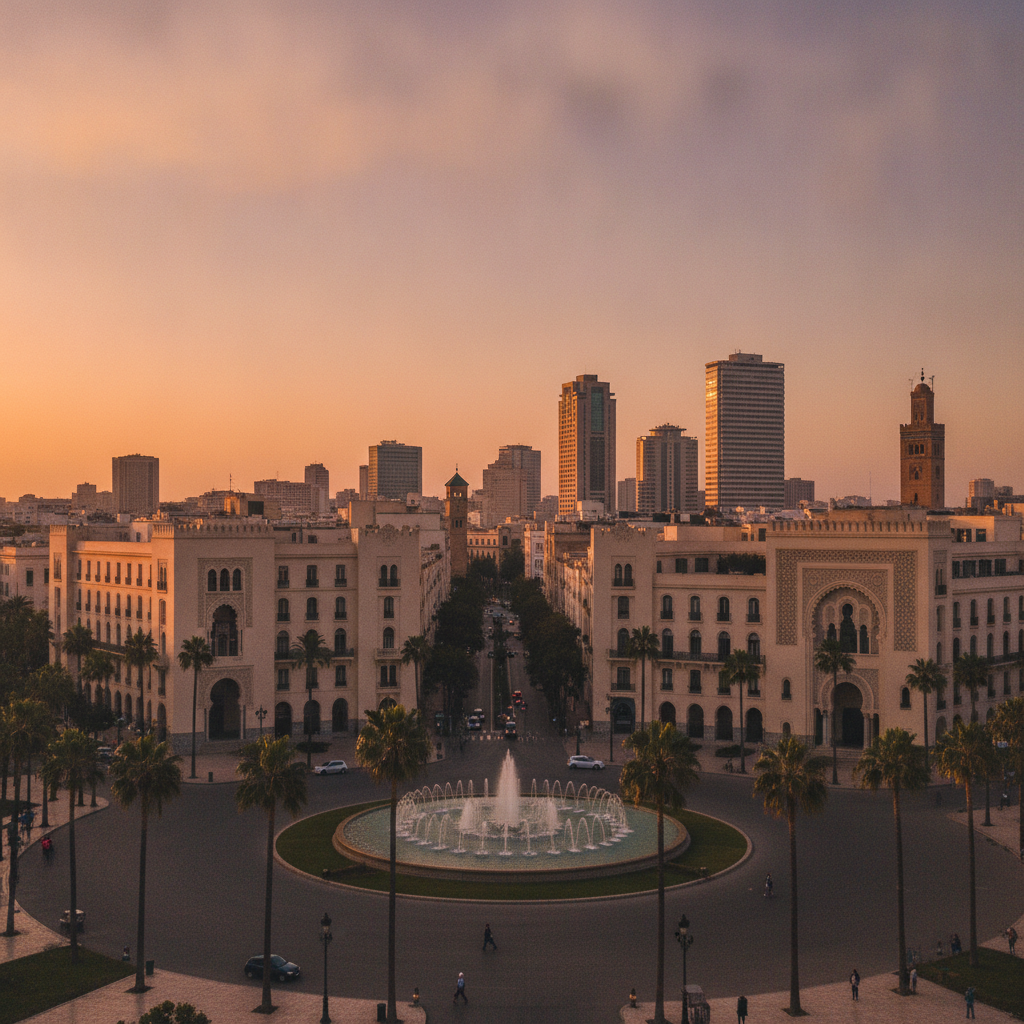
Casablanca Modern City: Mohammed V Square, the Habous New Medina, the Villa des Arts, the Casablanca Financial Centre, and the Contemporary Moroccan Art Scene
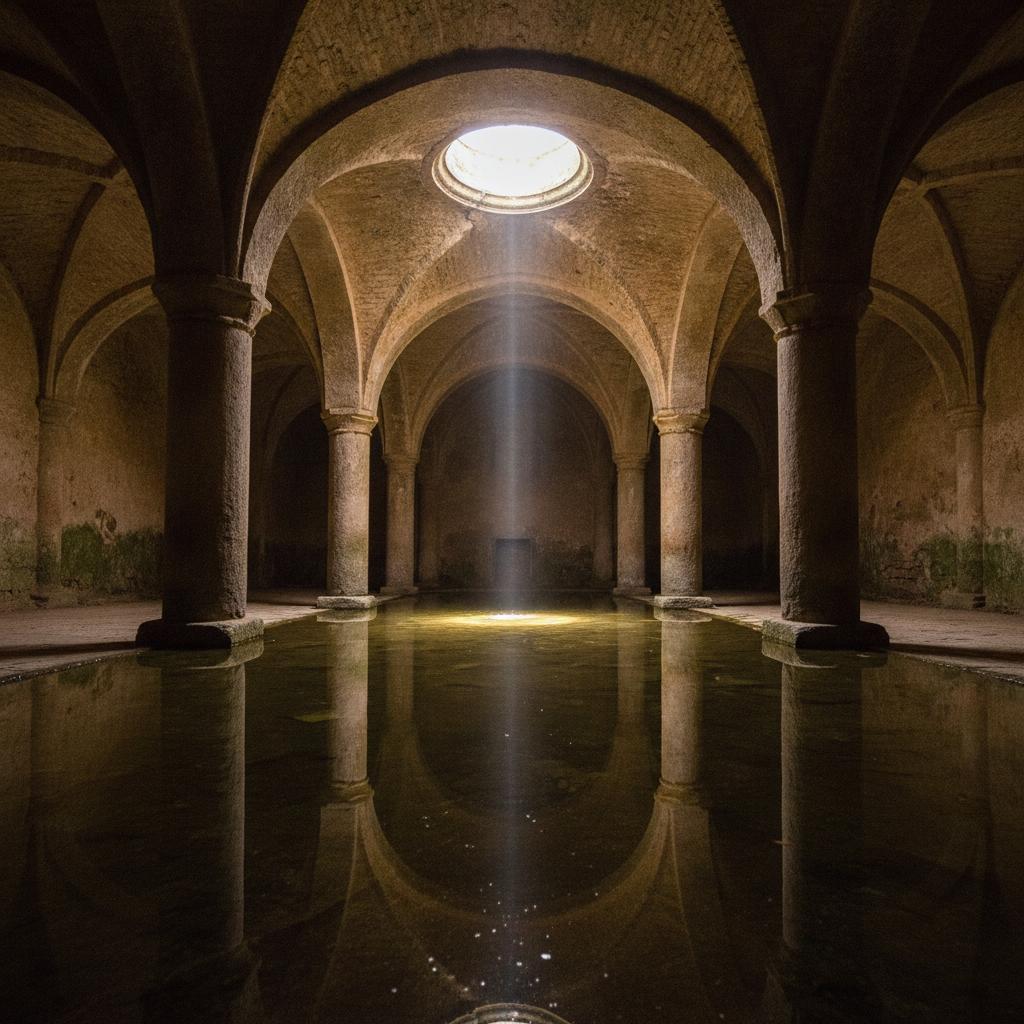
Casablanca Region: El Jadida and the Portuguese Cistern, the Mazagan Coastal Drive, the Oualidia Oyster Lagoon, and the Atlantic Coast South of Casablanca
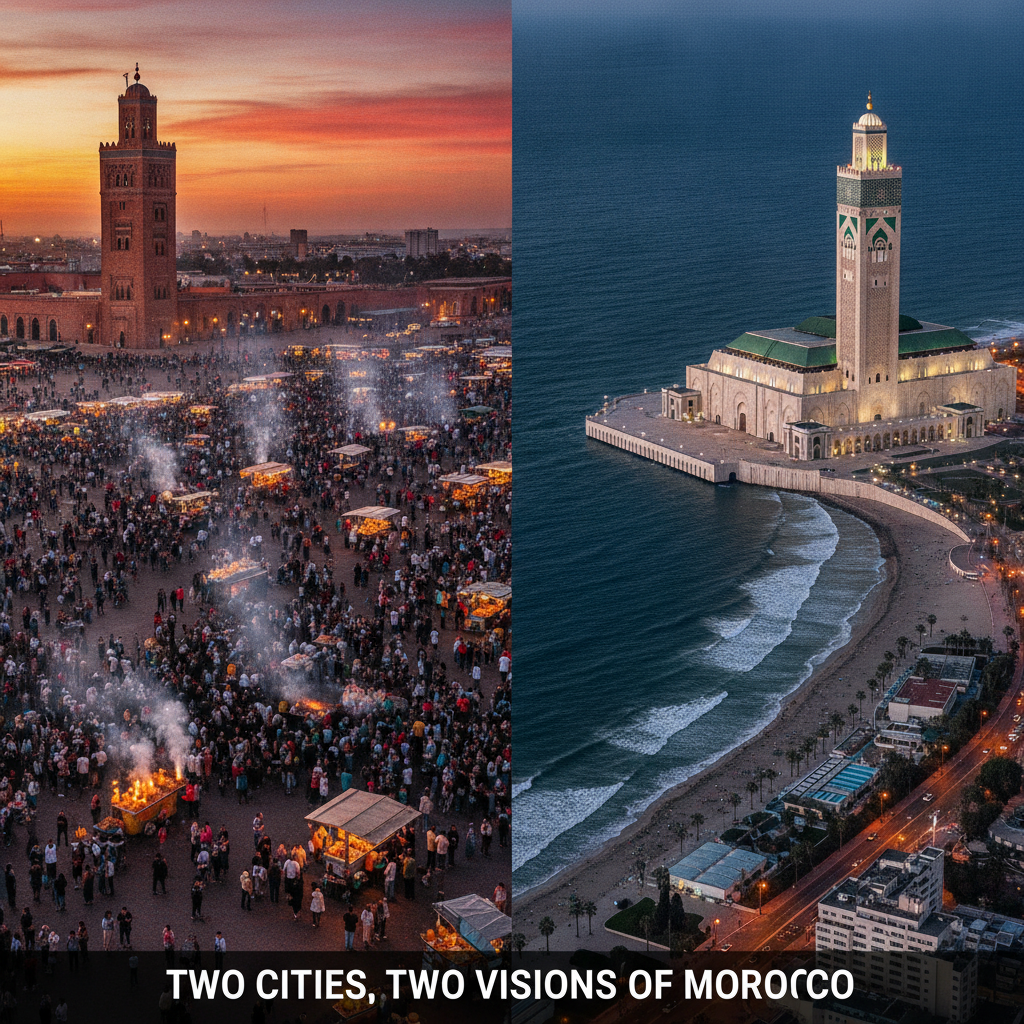
The 1942 Casablanca Film Was Shot Entirely in Hollywood by Filmmakers Who Had Never Visited Morocco Yet Accidentally Captured a Real Wartime Dynamic; The Bou Craa Phosphate Mine in Moroccan-Administered Western Sahara Is One of the World's Largest Phosphate Deposits; Moroccan Argan Oil Has Grown From a Cottage Industry to an Approximately USD 10 Billion Annual Global Market