Casablanca Practical: Airport Connections, the Train to Marrakech and Fes, Hotel District Guide, the Morocco Circuit Starting Point, and the Departure Summary
The Casablanca practical route covers the Mohammed V Airport train connection, the Al Boraq high-speed train to Marrakech, the intercity train to Fes and Rabat, the hotel district selection between the city center and the Corniche, the optimal Casablanca stay duration, and the departure summary.
- 1
Mohammed V Airport: The Morocco International Gateway
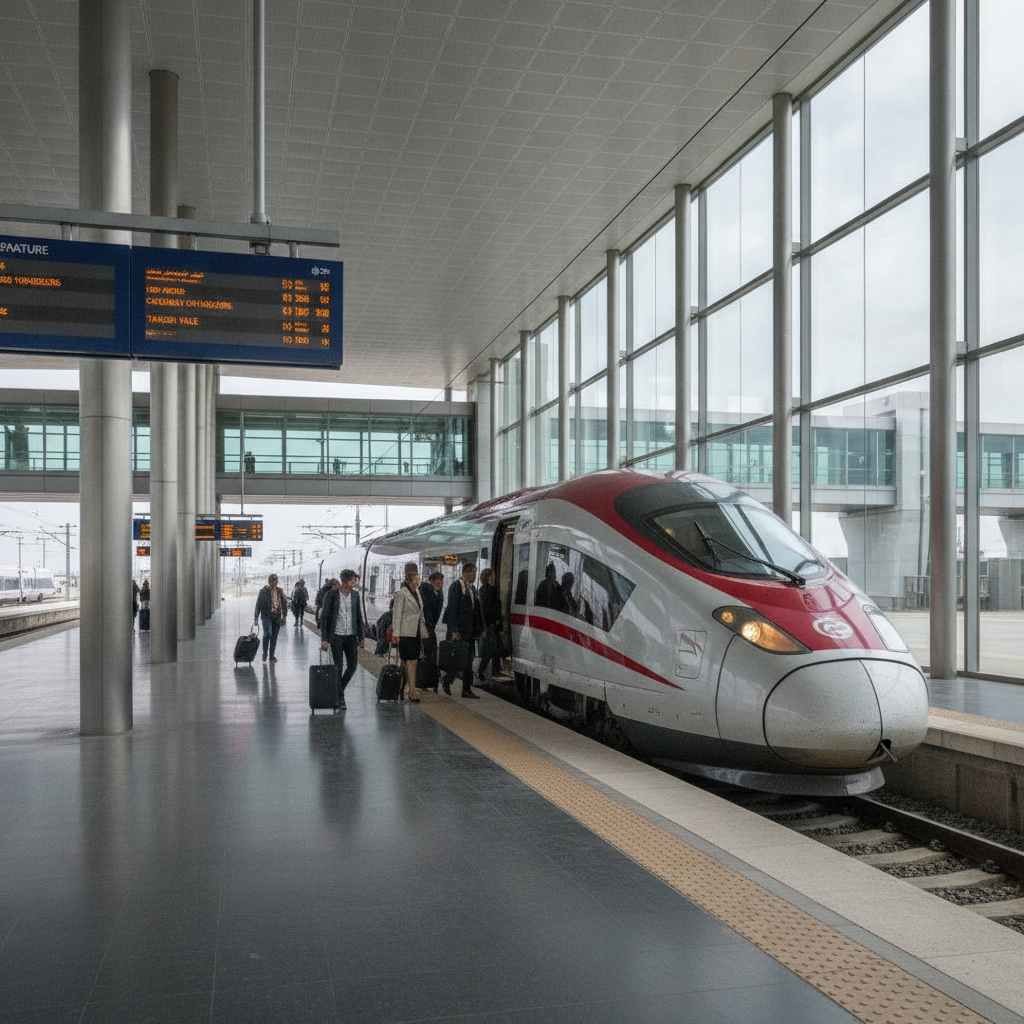
Casablanca Mohammed V International Airport, the primary international gateway for Morocco, receives direct flights from 100 international destinations including the most comprehensive single North Africa route network with connections to 50 European, 15 North American, 20 African, and 10 Middle Eastern cities. The ONCF train from the airport terminal direct to Casa Voyageurs station in the city center (45 minutes, the most efficient single airport-to-city rail connection in Africa) and the direct train from the airport to Marrakech (3 hours 15 minutes) make the Mohammed V Airport the single most well-connected transport hub in the Maghreb.
- 2
Al Boraq High-Speed Train: Casablanca to Marrakech
The Al Boraq high-speed rail (TGV Maroc), the first high-speed rail in Africa launched in 2018, connects Casa Voyageurs to Marrakech in 2 hours 40 minutes at 320 km/h on the most technologically advanced single rail infrastructure in North Africa. The Al Boraq business class service with the reclining seats, the onboard dining, and the most comfortable single rail journey in Morocco is the preferred transport for the Casablanca to Marrakech business and leisure market. The extension of the high-speed rail to Fes (currently under construction) will be the most consequential single Moroccan infrastructure investment of the 2020s.
- 3
Intercity Trains: Rabat, Fes, and Tangier
The ONCF intercity train from Casa Voyageurs to Rabat (45 minutes), Meknes (2 hours 40 minutes), Fes (3 hours 50 minutes), Tangier (4 hours 45 minutes with change at Sidi Kacem), and Oujda (8 hours) provides the most reliable single intercity transport in Morocco with the most frequent departure schedule and the most comfortable single journey experience outside the Al Boraq service. The Casablanca to Fes train through the Meknes stop allows the single most efficient Morocco grand circuit combination with the Casablanca arrival, the Rabat day trip, the Meknes afternoon, and the Fes overnight in the most culturally concentrated single Morocco rail journey.
- 4
Casablanca Hotel Districts: City Center vs Corniche
The Casablanca hotel decision between the city center district (the Hyatt Regency, the Kenzi Tower, and the mid-range business hotels near Mohammed V Square and Casa Voyageurs station) and the Corniche district (the Four Seasons, the Sofitel, and the boutique hotels near the Hassan II Mosque and the Ain Diab beach) reflects the visitor purpose: business visitors are best served by the city center proximity to the Financial City and the train station, while leisure visitors are best served by the Corniche location and the Hassan II Mosque morning walk. The price differential between the two districts is minimal at the 4-star level.
- 5
Optimal Casablanca Stay: 1 to 2 Days
The optimal Casablanca visit is 1 to 2 days positioned as the Morocco circuit entry or exit: the Day 1 afternoon arrival, the Hassan II Mosque guided tour (2pm to 4pm), the Corniche sunset walk, and the Central Market restaurant dinner; Day 2 the Habous New Medina morning, the Art Deco walking tour of Mohammed V Square, and the Casa Voyageurs train to the next destination. The Casablanca visit as a Morocco circuit component is more rewarding than the Casablanca visit as a primary destination, because the city character is most clearly understood in comparison with the Marrakech medina, the Fes heritage, and the Essaouira coast that the Morocco circuit provides.
- 6
Casablanca Departure: The Morocco Summary Conclusion
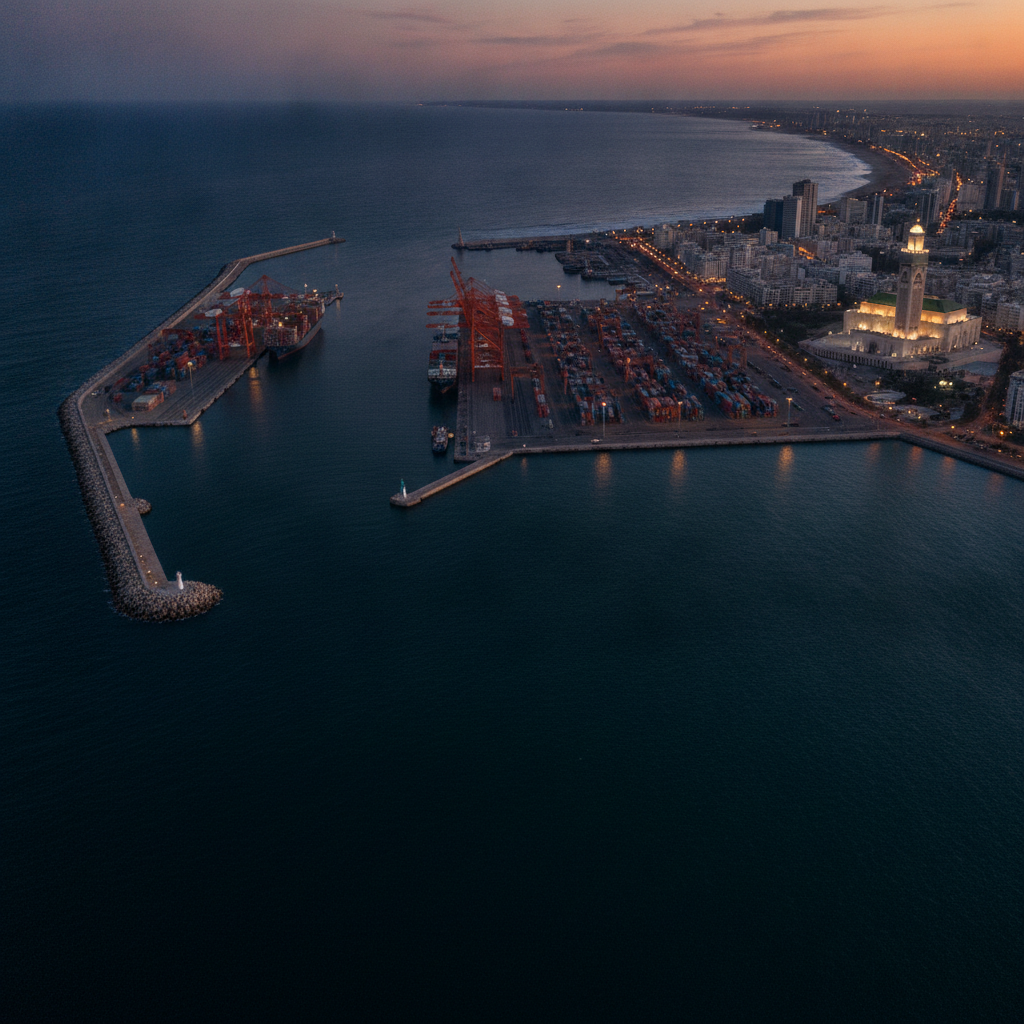
Casablanca, the city that the Humphrey Bogart film made internationally mythological and the economic engine that the French Protectorate built and independent Morocco expanded, is the single most strategically important Moroccan city and the least romantically celebrated in the international travel imagination. The visitor who leaves Casablanca having seen the Hassan II Mosque, the Art Deco commercial district, the Jewish Museum, and the Corniche evening understands the contemporary Morocco that the Marrakech medina visitor does not: the secular, commercially dynamic, cosmopolitan, and economically productive Morocco that the 36 million Moroccan citizens inhabit in their daily lives.
Walk this route with audio
Stories play automatically as you reach each stop — no tapping needed.
More in Casablanca
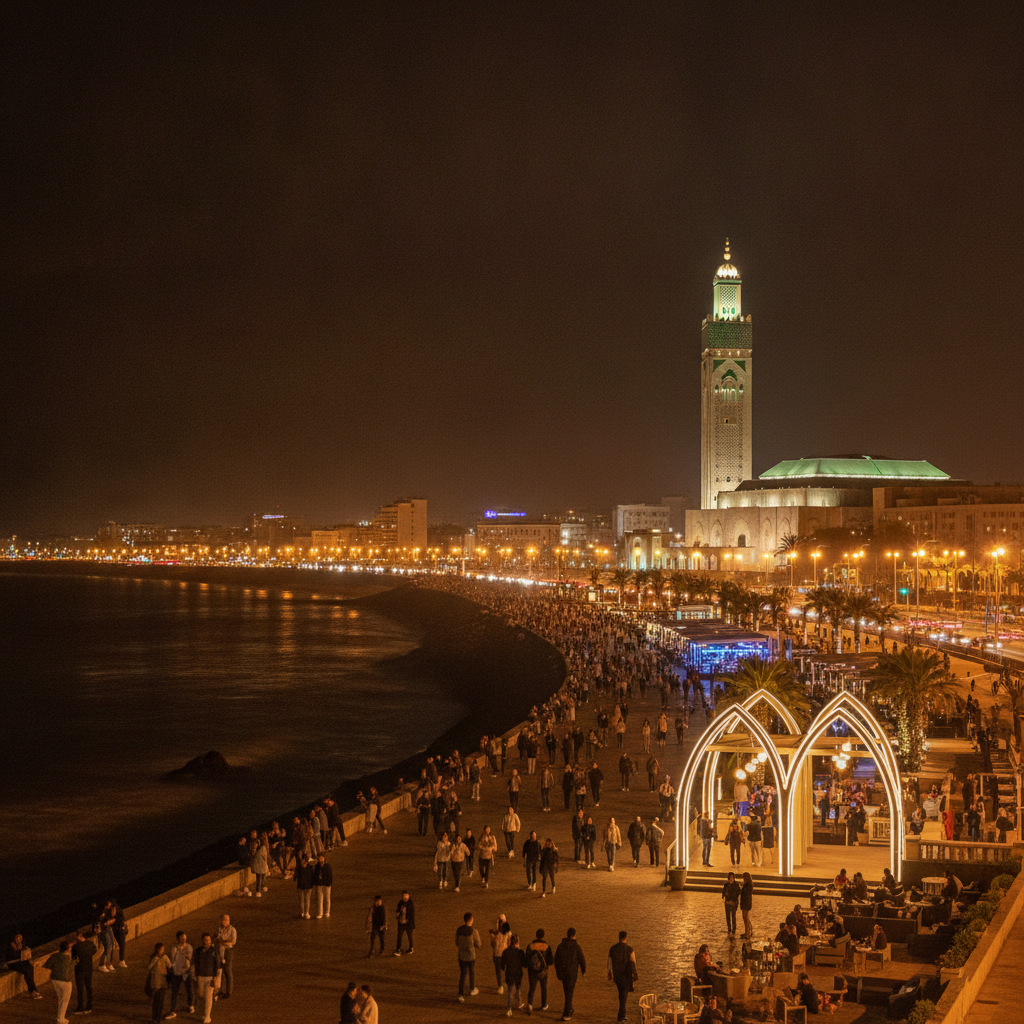
Casablanca Lifestyle: Ain Diab Beach, the Corniche Restaurant Scene, the Morocco Nightlife Capital, the Luxury Hotel Strip, and the Casablanca Urban Middle Class Culture
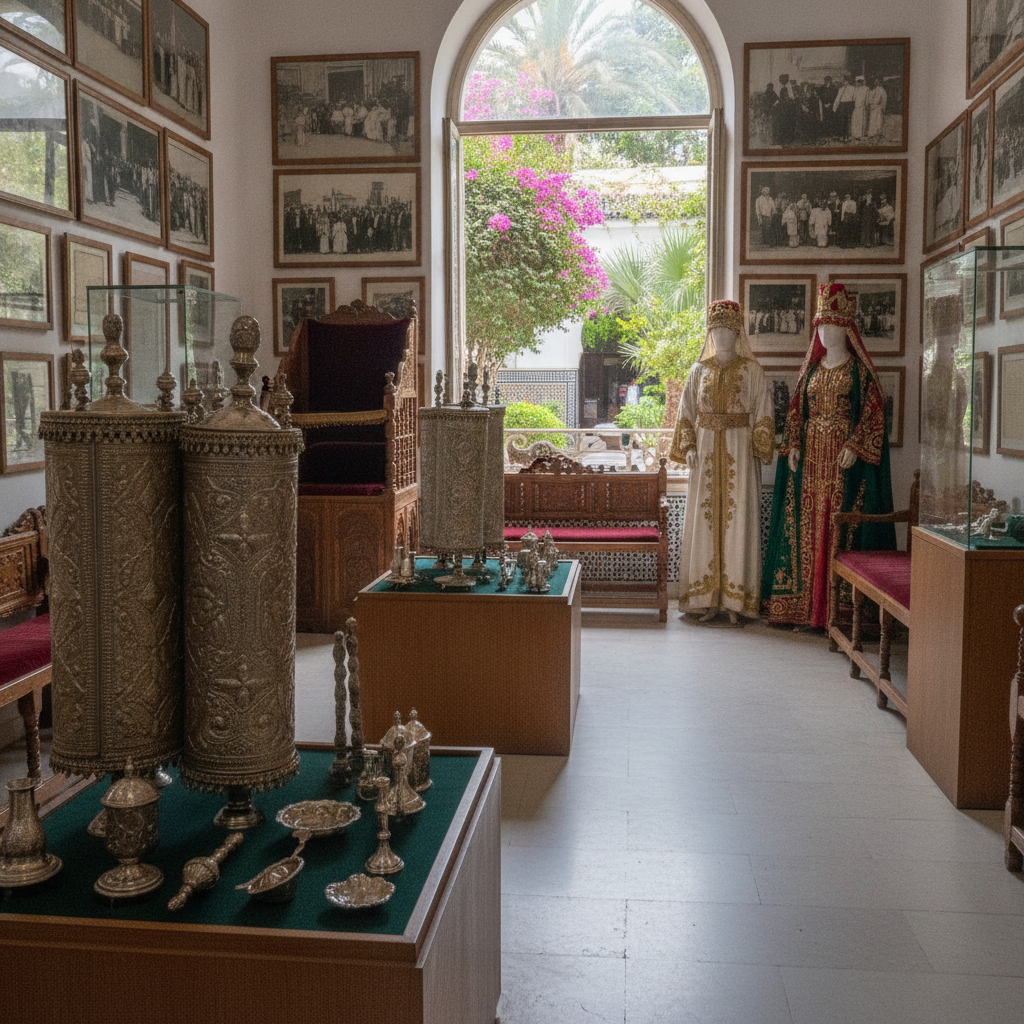
Casablanca Jewish Heritage: The Mellah District, the Miara Cemetery, the Museum of Moroccan Judaism, the Sephardic Cultural Legacy, and the Moroccan Jewish Community Today
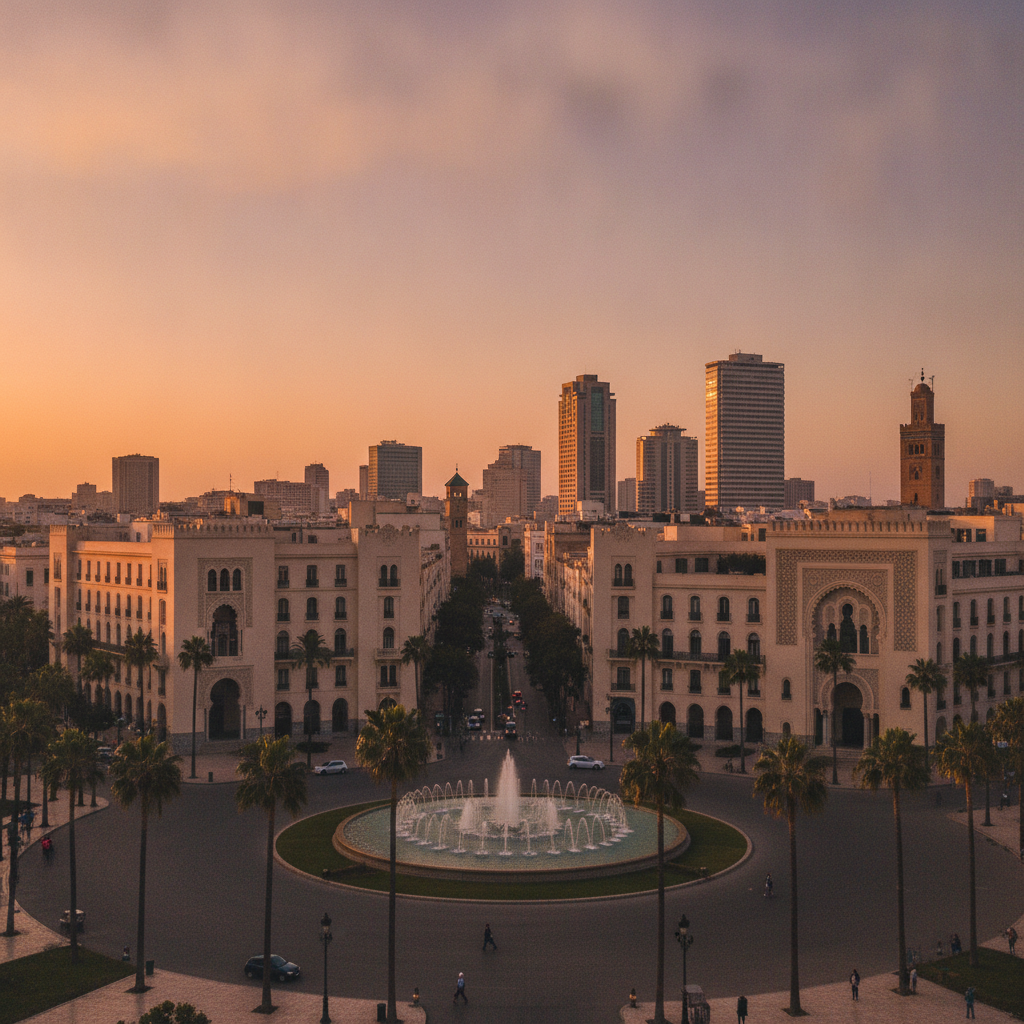
Casablanca Modern City: Mohammed V Square, the Habous New Medina, the Villa des Arts, the Casablanca Financial Centre, and the Contemporary Moroccan Art Scene
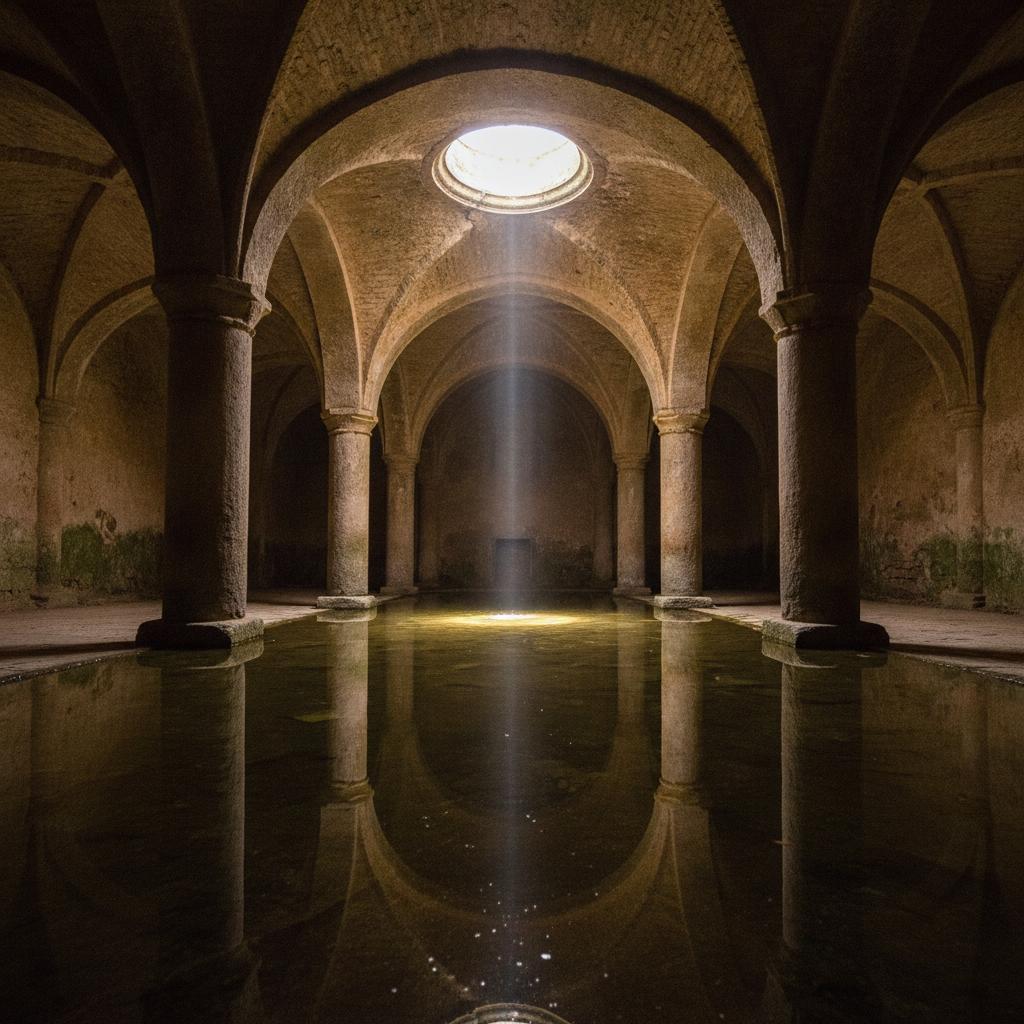
Casablanca Region: El Jadida and the Portuguese Cistern, the Mazagan Coastal Drive, the Oualidia Oyster Lagoon, and the Atlantic Coast South of Casablanca
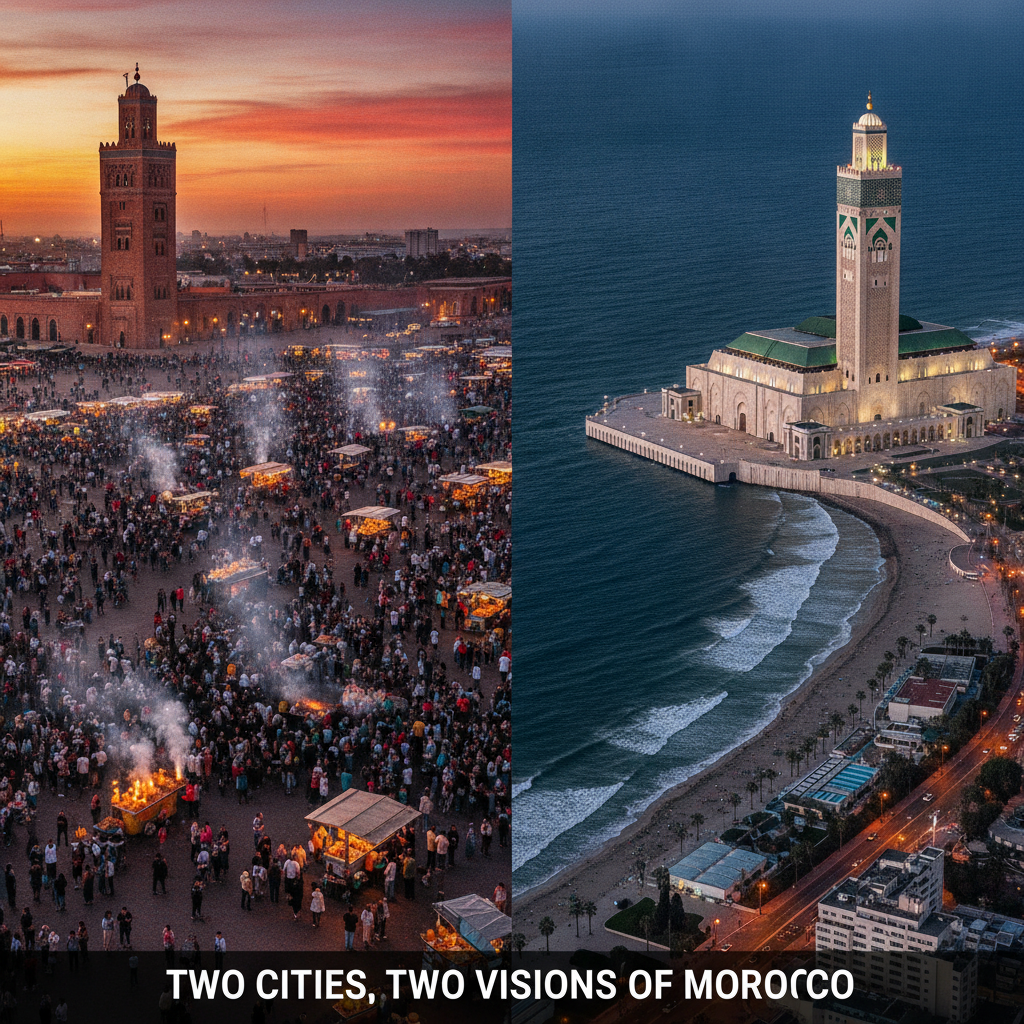
The 1942 Casablanca Film Was Shot Entirely in Hollywood by Filmmakers Who Had Never Visited Morocco Yet Accidentally Captured a Real Wartime Dynamic; The Bou Craa Phosphate Mine in Moroccan-Administered Western Sahara Is One of the World's Largest Phosphate Deposits; Moroccan Argan Oil Has Grown From a Cottage Industry to an Approximately USD 10 Billion Annual Global Market