Honolulu: Koko Head Crater Trail and Sandy Beach, Kailua Beach and Lanikai Pillbox Hike, Haleiwa North Shore Town (surf culture, Matsumoto Shave Ice), Waimea Valley Sacred Cultural Site, Dole Plantation Pineapple History, and Hawaii Volcanoes National Park Big Island Day Trip
Oahu outer adventures: Koko Head Crater 1048 stairs and Sandy Beach shore break, Kailua and Lanikai Beach (best swimming on Oahu), Haleiwa surf town (shave ice, garlic shrimp trucks, surf shops), Waimea Valley cultural preserve and swimming hole, Dole Plantation pineapple history and world largest hedge maze, and Hawaii Volcanoes National Park Big Island day trip (Kilauea active lava lake, Chain of Craters Road, Thurston Lava Tube).
- 1
Koko Head Crater Trail and East Oahu Coastline
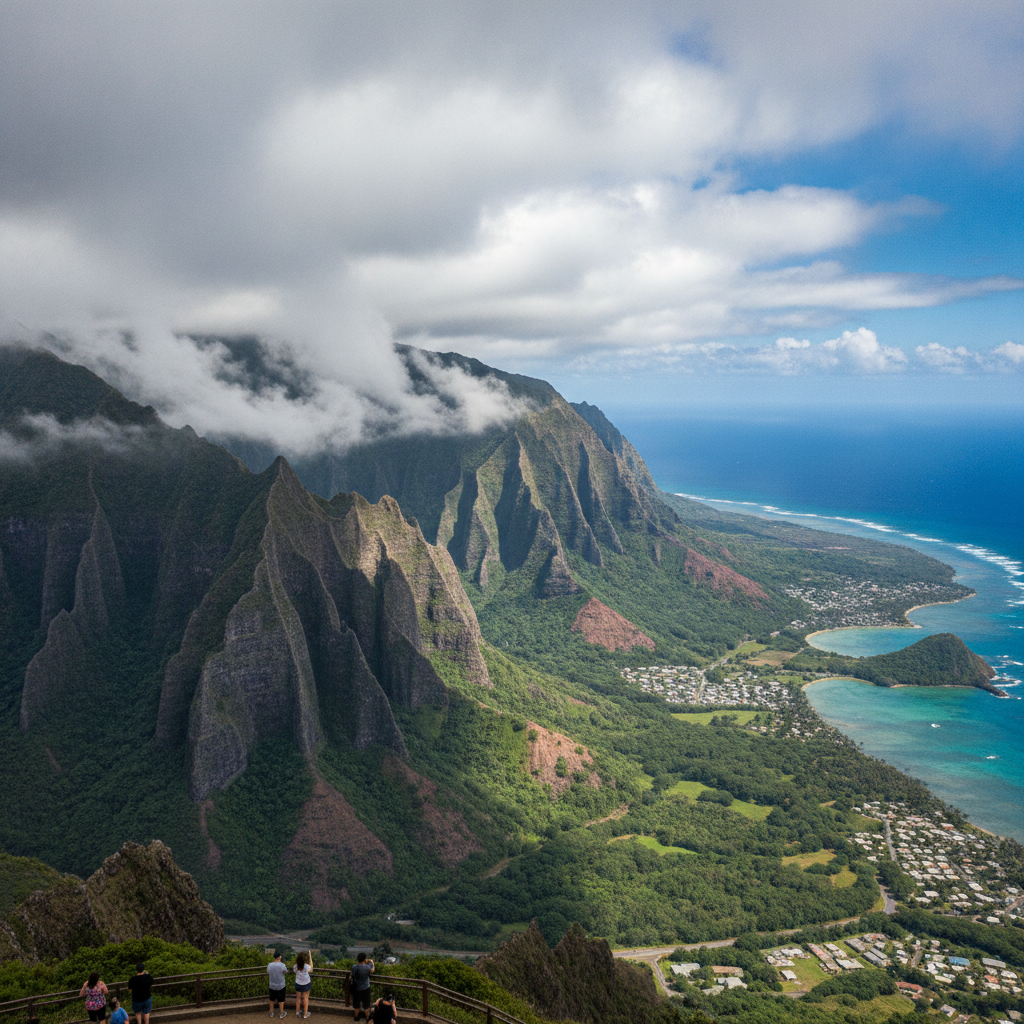
Koko Head Crater Trail (at Koko Head Regional Park, on the southeast coast of Oahu, approximately 20 km east of Waikiki): the most challenging popular hike on Oahu, climbing 1,048 former WWII military railroad ties up the outer rim of the Koko Crater (a volcanic tuff cone) to the rim at 368 m. The hike is steep and exposed, taking 45-90 minutes to ascend, with panoramic views of Hanauma Bay, Sandy Beach, the Molokai Channel, and the Koolau Range from the summit. Sandy Beach (directly below Koko Head): the most dangerous beach on Oahu for swimming, with powerful shore break that produces spine and neck injuries; the beach is beloved by bodysurfers and bodyboarders who know how to read the waves. Makapuu Point and Makapuu Lighthouse Trail (at the easternmost point of Oahu): the flat 4 km round-trip paved trail to the historic lighthouse (built 1909) with views of the Molokai Channel and winter humpback whale sightings (January-April). Sea Life Park (at Makapuu Point): the Hawaii marine animal park with dolphin shows and penguin exhibits, and the location where wolphin (whale-dolphin hybrids) were first documented in captivity. Waimanalo Beach (on the Windward Coast north of Makapuu): the longest continuous beach on Oahu (6 km), with fine white sand and views of the Koolau pali. The drive from Waikiki to Waimanalo via Koko Head and Makapuu is one of the most scenic coastal drives in the Pacific.
- 2
Kailua Town and Windward Oahu - Lanikai Beach and Pillbox Hike
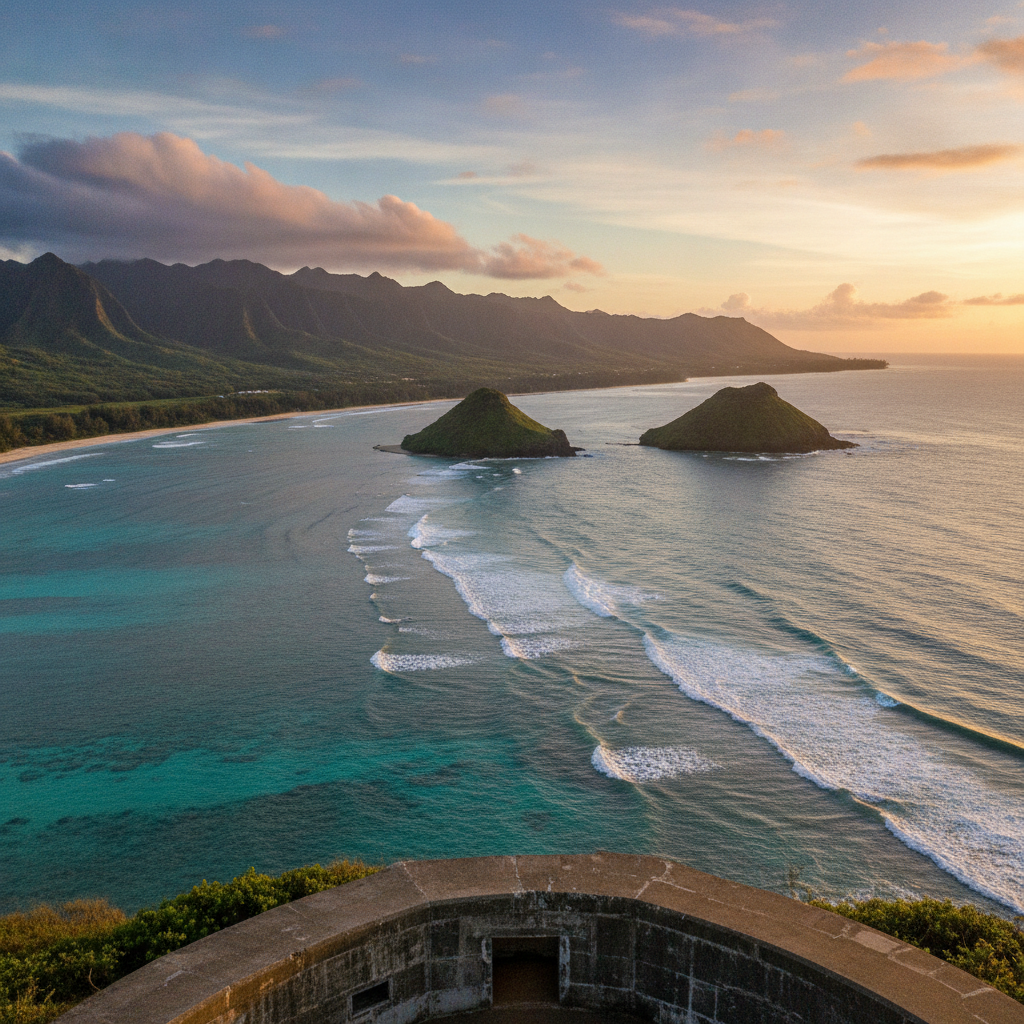
Kailua (a Windward Coast town approximately 20 km northeast of Honolulu, 25 minutes via the H-3 freeway through the Koolau Tunnel): the most beloved beach town on Oahu, with a relaxed, local atmosphere and two of the finest beaches in Hawaii. Kailua Beach (the 3 km beach at the edge of Kailua town): one of the most consistently beautiful beaches on Oahu, with fine white sand, calm turquoise water (protected by the offshore reef), consistent east wind, and views of the Mokulua Islands. Kailua is the premier windsurfing and kitesurfing location on Oahu (the consistent tradewinds and the flat water of the Kailua Bay make ideal conditions). Lanikai Beach (the 800 m beach south of Kailua Beach, accessed through the Lanikai residential neighborhood): widely considered the most beautiful beach on Oahu. Lanikai is a calm swimming beach with fine white sand, the turquoise water of the Moana Channel, and the views of the twin Mokulua Islands (Moku Nui and Moku Iki). The Lanikai Pillbox Hike (the 3 km round-trip trail from the Kaelepulu Drive trailhead to two WWII military observation bunkers on the ridge above Lanikai): the best viewpoint over Lanikai Beach and the Mokulua Islands, with sunrise hikers making it the most popular pre-dawn trail on Oahu. The Kailua food scene: Kalapawai Market (a beloved neighborhood deli), Agnes Bake Shop (the Portuguese malasada doughnuts), Cinnamon Restaurant (the massive loco moco and Hawaiian breakfasts).
- 3
Haleiwa Town - North Shore Surf Culture and Local History
Haleiwa (the historic surf town at the western entrance to the North Shore, approximately 55 km from Waikiki): the cultural capital of North Shore surf culture and one of the most charming towns on Oahu. Haleiwa history: Haleiwa was founded as a tourist destination in 1899, with the Hotel Haleiwa as the destination for Honolulu society arriving by the Oahu Railway (the narrow-gauge railroad that connected Honolulu to Haleiwa until 1947). The old Haleiwa town: the restored plantation-era buildings on Kamehameha Highway house a collection of surf shops (Surf N Sea, Northshore Boardriders), art galleries, and restaurants. The Matsumoto Shave Ice (on Kamehameha Highway in Haleiwa): the most famous shave ice shop in Hawaii, established 1951, with the fine-shaved ice topped with tropical syrups (lilikoi, pineapple, guava, lychee) and optional azuki bean paste, mochi, and condensed milk at the bottom. The Rainbow Bridge (the historic 1921 single-lane bridge on the Kamehameha Highway through Haleiwa, a beloved landmark); the bridge was scheduled for replacement but preserved after community protest. The Liliuokalani Protestant Church (on Kamehameha Highway, founded 1832): the oldest church on the North Shore, where Queen Liliuokalani worshipped during her summer residences; the church clock was a gift from the queen. Aoki Shrimp (the original garlic shrimp truck at the Haleiwa Shrimp Truck Row, on Kamehameha Highway north of Haleiwa): the progenitor of the North Shore shrimp truck tradition.
- 4
Waimea Valley and Sacred Hawaiian Cultural Site
Waimea Valley (at 59-864 Kamehameha Highway, Haleiwa, approximately 3 km north of Haleiwa town): a 681-acre botanical garden and cultural preserve in the Waimea Valley, managed by the Office of Hawaiian Affairs. Waimea Valley history: the valley (known in Hawaiian as Waimea Kai) was a significant sacred site and agricultural valley for the Ko Olau and later the Kamehameha dynasty Hawaiians; the valley floor contains extensive archaeological remains of Hawaiian heiau (temple platforms), terraced taro gardens, and habitation sites. The botanical collections: the Waimea Valley arboretum (established 1971) contains over 5,000 tropical and subtropical plant species from around the world in themed gardens along the 1.6 km trail to the Waihi Falls. The Waihi Falls (at the head of the valley, the 15 m falls on the Waimea Stream): swimming is permitted in the large pool at the base of the falls (one of the few legal swimming holes on Oahu); life vests are provided. The hula and Hawaiian cultural programs (at the Hale o Lono ceremonial site in the valley): the Waimea Valley presents ongoing programs in hula, Hawaiian games (haka moa, the stone throwing game), and traditional canoe paddling. The Waimea Bay beach park (at the mouth of the Waimea Valley, on the ocean side of Kamehameha Highway): the most famous big-wave surf break on the North Shore in winter; in summer the bay is flat and calm, with the best swimming conditions on the North Shore.
- 5
Dole Plantation and Oahu Pineapple History
The Dole Plantation (at 64-1550 Kamehameha Highway, Wahiawa, in the central Oahu agricultural plateau, approximately 35 km from Waikiki): the visitor center for the Dole Food Company, the largest producer of pineapple in the United States, located on the Oahu pineapple plantation that was established by James Dole (a cousin of Hawaii Republic president Sanford Dole) in 1900. Hawaiian pineapple history: the pineapple (Ananas comosus, native to South America) was introduced to Hawaii in the early 19th century; James Dole established the Hawaiian Pineapple Company in 1900 and the Wahiawa cannery in 1906, expanding to create the worlds largest pineapple canning operation. At the peak of Hawaii pineapple production in the mid-20th century, Hawaii produced 80% of the worlds canned pineapple. The Dole Plantation Pineapple Garden Maze (the 4.7-hectare hedge maze planted with over 14,000 native Hawaiian plants): listed in the Guinness World Records as the worlds largest maze. The pineapple express train (the 1.5 km narrated garden tour on a narrow-gauge plantation train): the agricultural tour of the Dole Plantation grounds. The pineapple soft serve (the Dole Whip pineapple soft-serve ice cream): the most iconic food souvenir of Oahu and now sold at Disney Parks worldwide. The central Oahu plateau (the plateau between the Waianae Range and the Koolau Range, at approximately 250 m elevation, where the pineapple fields are located): also the location of Schofield Barracks (the largest US Army installation in the Pacific) and Wheeler Army Airfield (attacked simultaneously with Pearl Harbor on 7 December 1941).
- 6
Hawaii Volcanoes National Park and Big Island Day Trip
Hawaii Volcanoes National Park (on the Big Island of Hawaii, approximately 48 km southwest of Hilo): one of the most geologically active places on earth and a UNESCO World Heritage Site, accessible from Honolulu by a 45-minute flight to Hilo or Kona. The park encompasses two active volcanoes: Kilauea (the most active volcano on earth, with nearly continuous eruption since 1983 from the Halemaumau Crater, the home of Pele the volcano goddess) and Mauna Loa (the largest volcano on earth by volume, rising 4,169 m above sea level but measuring over 9,000 m from the ocean floor, and covering half the Big Island). The current eruption activity: Kilauea erupted dramatically in 2018, destroying over 700 homes in Leilani Estates in the lower East Rift Zone, with lava flows reaching the Pacific at Kapoho Bay, filling the bay with new land. The Halemaumau Crater lava lake (the active lava lake in the Halemaumau Crater within the Kilauea caldera): visible from the Jaggar Museum overlook (now closed due to the 2018 eruptions and 2018 caldera collapse); the best current view is from the Kilauea Overlook. The Chain of Craters Road (the 32 km road descending from the crater rim to the coast): passes past pit craters and lava fields to the ocean entry where lava has historically reached the sea. The Thurston Lava Tube (Nahuku): a 165 m lit tunnel through a lava tube formed approximately 500 years ago.
Walk this route with audio
Stories play automatically as you reach each stop — no tapping needed.
More in honolulu
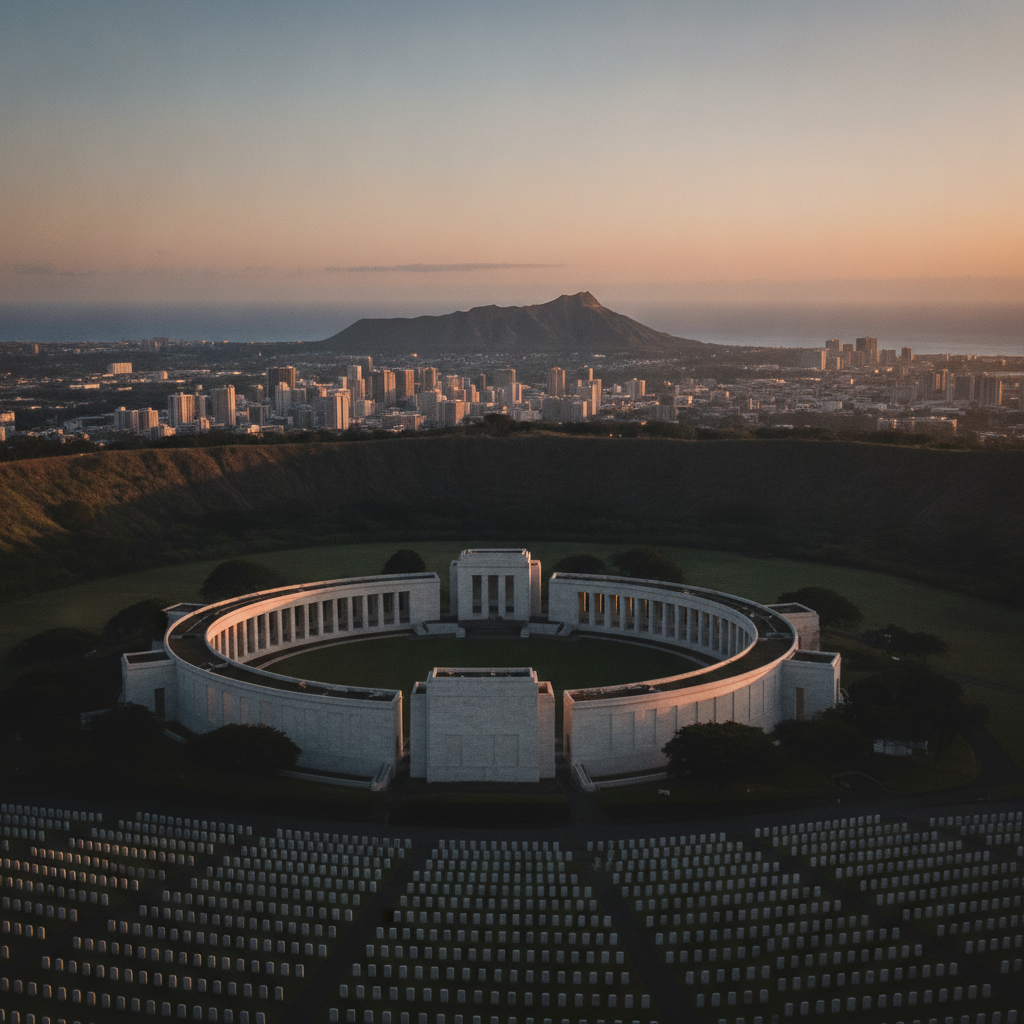
Honolulu: Kamehameha Dynasty History and Kapu Abolition, Ala Moana Center (world largest outdoor mall), Aloha Stadium Swap Meet and Spam Musubi, Luau and Sunset Cocktail Scene (House Without a Key), Punchbowl National Memorial Cemetery (From Here to Eternity), and Island Hopping Guide to Maui, Kauai, Molokai, and Big Island
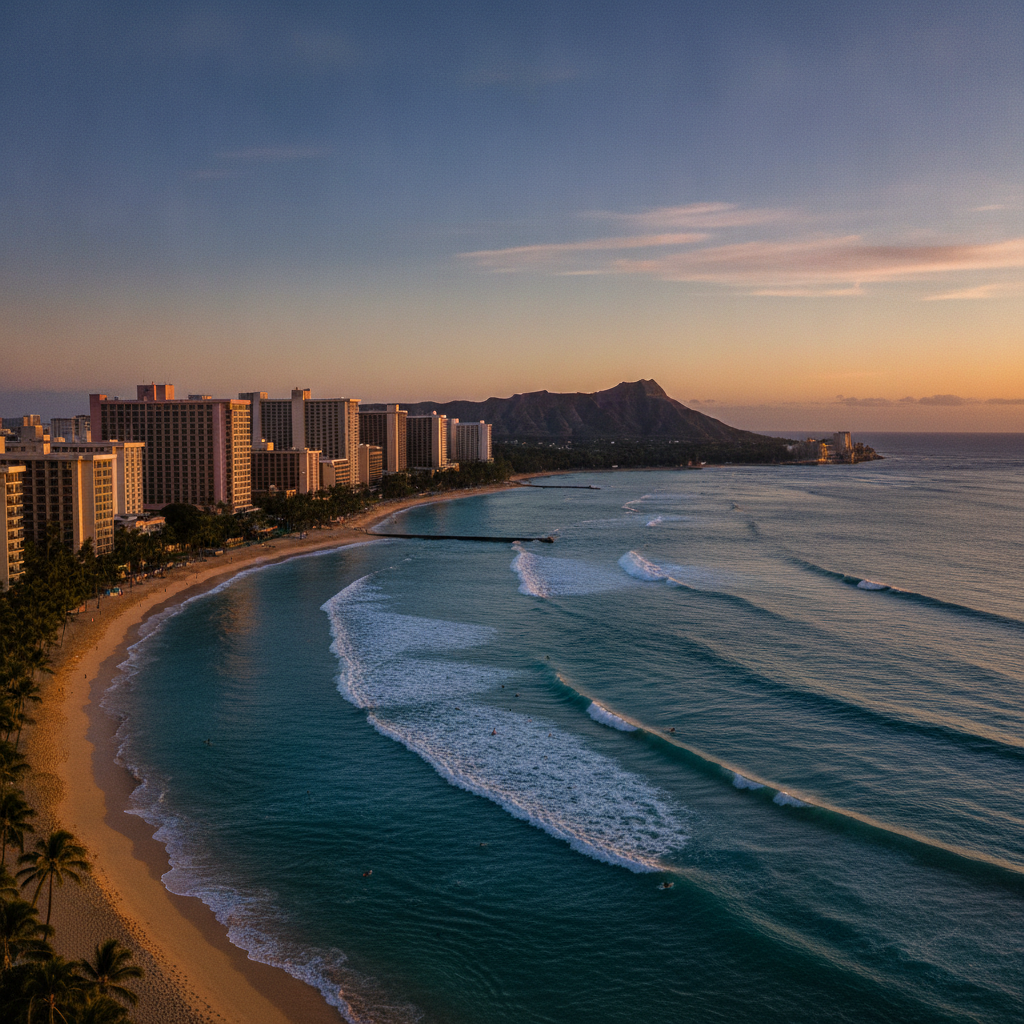
Honolulu: Waikiki Beach and Diamond Head Summit Hike, Pearl Harbor National Memorial (USS Arizona and USS Missouri), North Shore Seven Mile Miracle Surf (Pipeline, Sunset Beach), Polynesian Cultural Center, Hawaiian Plate Lunch and Practical Guide
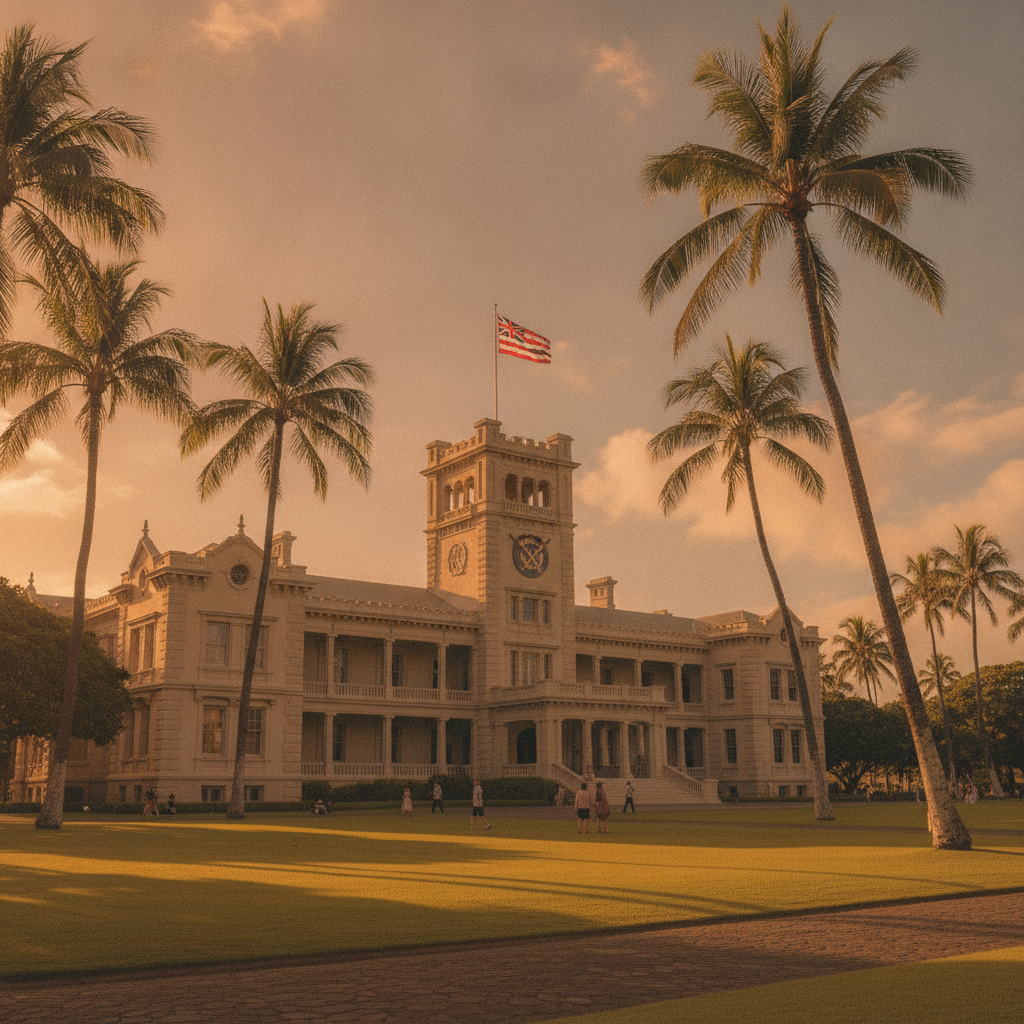
Honolulu: Iolani Palace (Hawaiian Kingdom overthrow 1893), Bishop Museum (Pacific natural and cultural history), Nuuanu Pali Lookout (Battle of Nuuanu 1795), Manoa Falls Rainforest Trail, Hanauma Bay Snorkeling Reserve, and Chinatown Asian Food Scene