Ipoh New Town & Garden City Walk
Explore Ipoh's new town and the garden city character that distinguishes it from other Malaysian cities — Ipoh's relatively low population density, its wide tree-lined roads, the absence of the extreme high-rise development that characterises Kuala Lumpur, and its reputation as a relaxed, liveable city has attracted a significant number of Malaysian urban migrants seeking a lower cost and higher quality of life.
- 1
Ipoh Garden City Character
Ipoh is often described as Malaysia's most liveable city — the combination of the colonial-era wide roads and generous public spaces, the absence of the extreme traffic congestion of Kuala Lumpur, the lower cost of living, and the exceptional food culture has made the city attractive to Malaysian professionals who have relocated from the capital to take advantage of what is perceived as a higher quality of daily life. The 'Ipoh mali' (Ipoh people, in the Cantonese dialect) pride in their city's food, architecture, and relaxed pace represents one of the strongest local identity narratives in Malaysia.
- 2
Ipoh Padang Public Square
The Ipoh Padang (public square) in front of the railway station is the most historically charged public space in Perak — the formal open space flanked by the railway station, the town hall, and the colonial club buildings was the site of the colonial community's public events, military parades, and the social rituals that defined the colonial public sphere. The padang's conversion into a public park with a fountain and walking paths represents the transition from colonial public space to democratic urban amenity, but the surrounding buildings maintain the colonial grandeur that makes the Ipoh padang one of the most architecturally impressive public spaces in provincial Malaysia.
- 3
Ipoh Arts and Cultural Centre
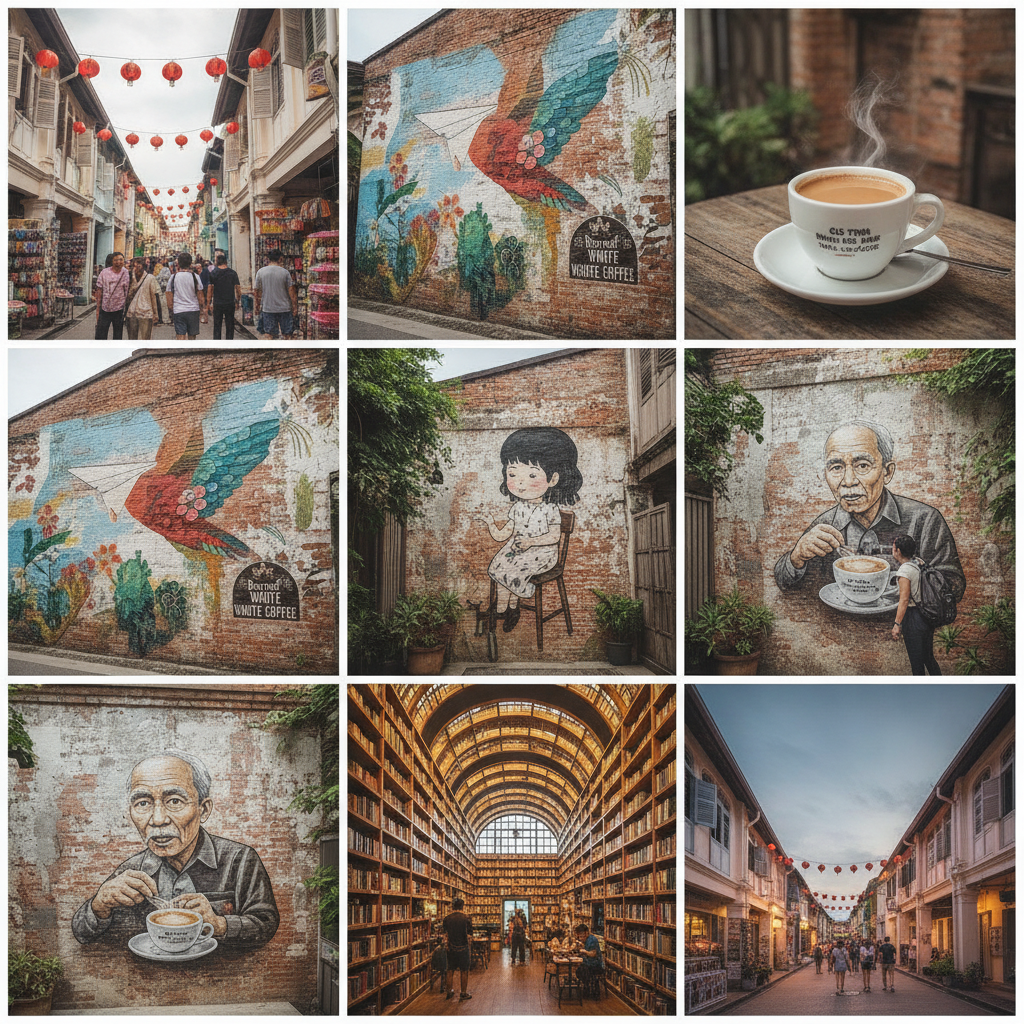
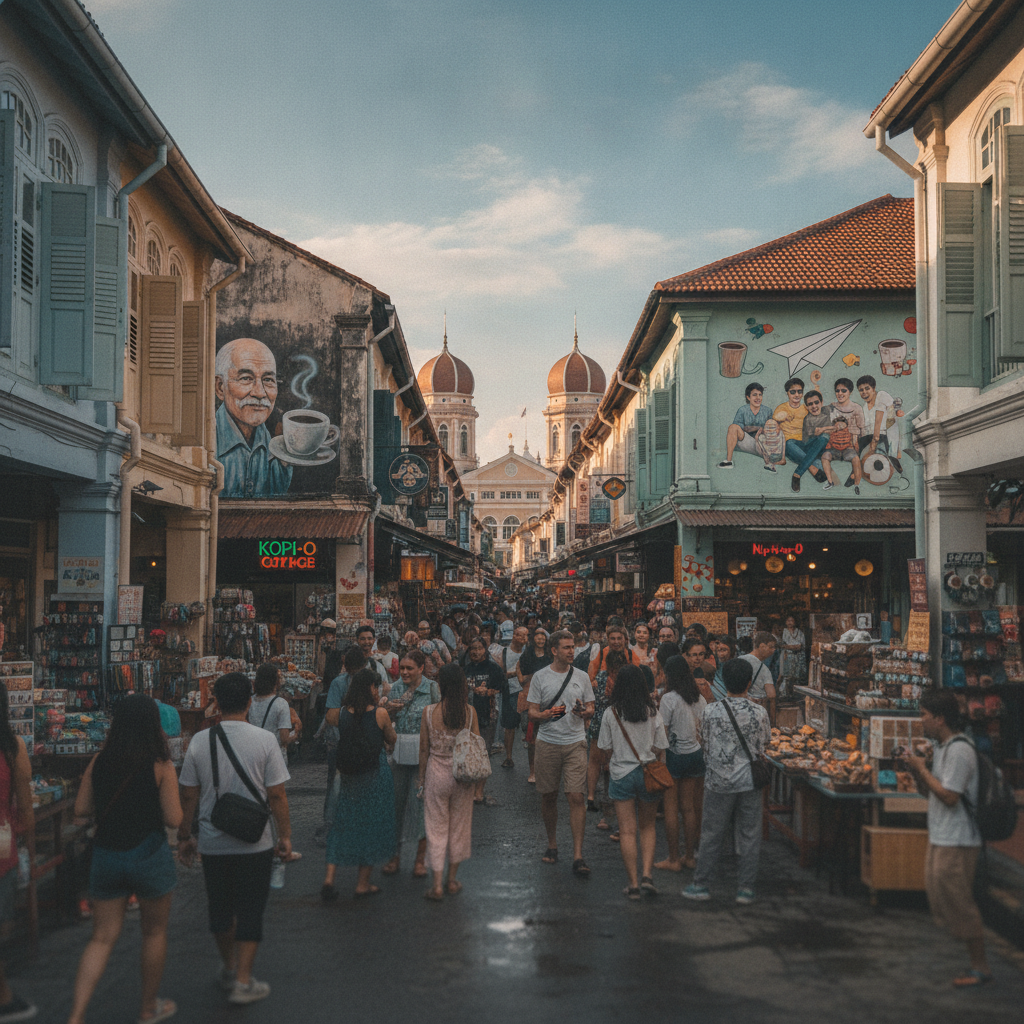
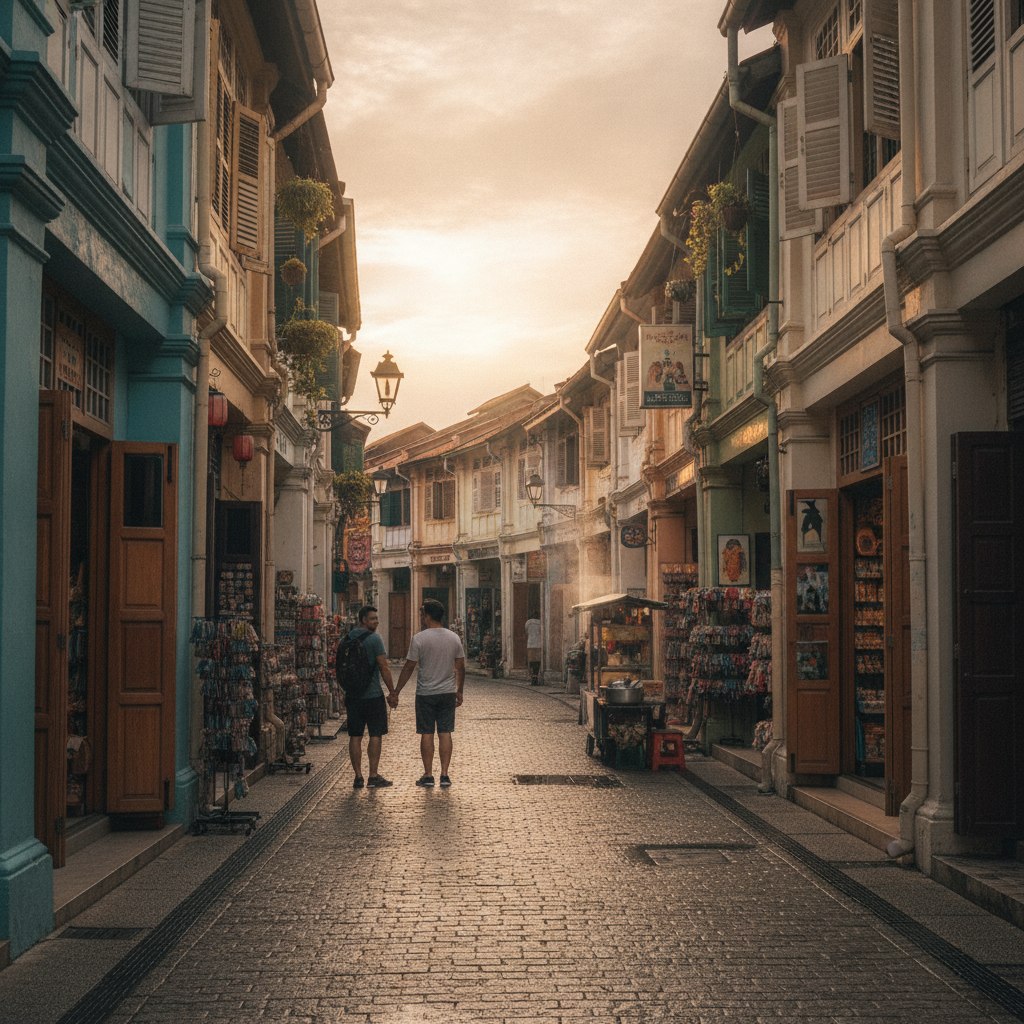
The heritage buildings of Ipoh's old town have been converted into a cultural quarter hosting art galleries, craft workshops, heritage cafes, and the street art installations that have transformed the old commercial district into a creative hub. The conversion of the colonial shop-houses into spaces for creative industries (coffee roasters, artisanal food producers, independent galleries, and design studios) follows the heritage tourism and creative economy model pioneered in Penang's Georgetown and adapted in Ipoh's old town, providing a contemporary economic function for the historic buildings that preserves their architectural fabric.
- 4
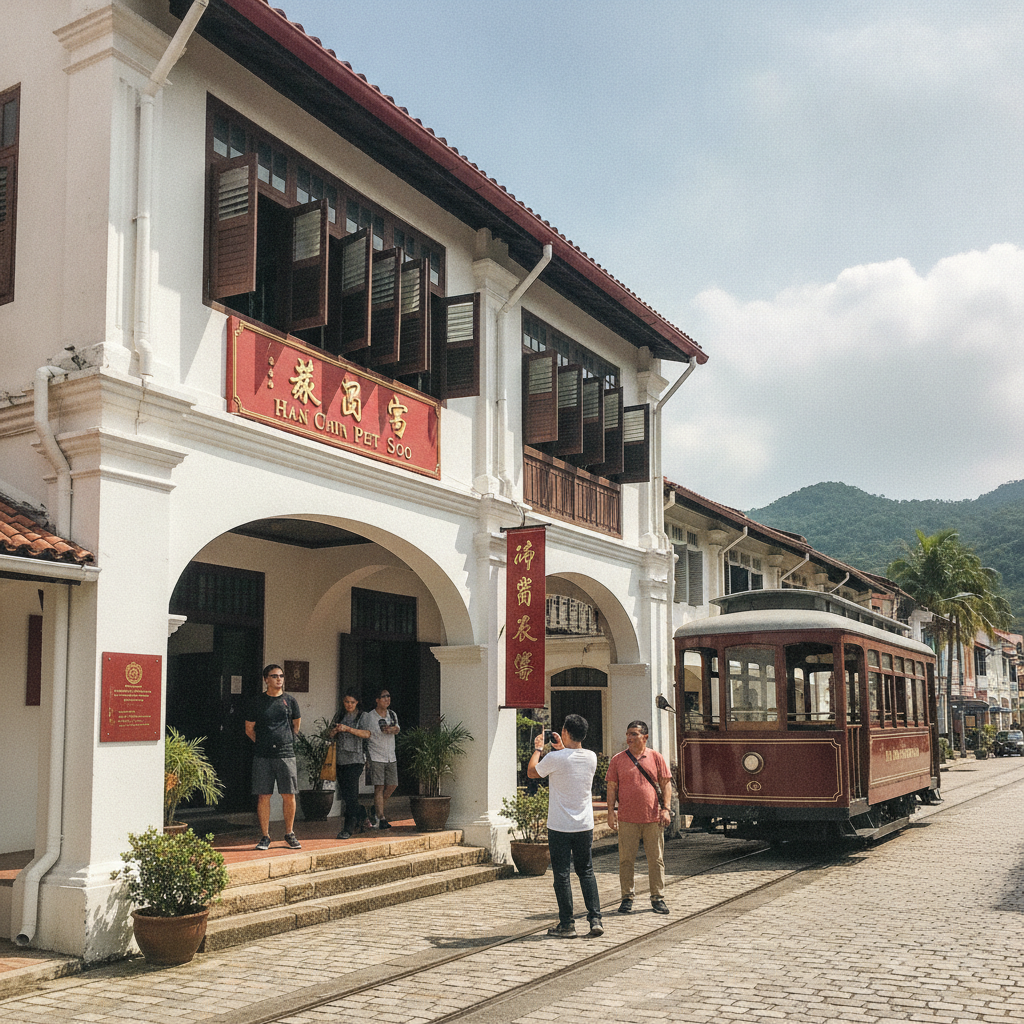
Han Chin Pet Soo Hakka Museum
Han Chin Pet Soo is a meticulously restored heritage building in Ipoh's old town housing the museum of the Hakka tin mining community — the former exclusive social club of the Hakka Chinese tin miners (Han Chin Pet Soo translates roughly as 'Chinese Miners' Club') has been restored to its 1920s condition and interprets the social world of the Hakka community that dominated Ipoh's tin mining industry. The museum's collections document the domestic life, gambling culture, social hierarchy, and community governance of the Hakka miners who came from the Guangdong province of southern China to work in the Kinta Valley mines.
- 5
Ipoh Market Produce
The morning market (pasar pagi) of Ipoh's new town is one of the liveliest in Perak — the market selling the fresh produce from the surrounding agricultural areas (vegetables from Cameron Highlands, pomelo from Tambun, fresh water fish from the highland rivers, tropical fruits from the lowland orchards) represents the daily food supply system for Ipoh's population and provides the freshest ingredients for the home cooks who maintain the city's celebrated food culture. The market is also the best place to observe the Ipoh community's morning routine — the teh tarik (pulled tea) stalls, the noodle breakfast vendors, and the fruit sellers who have occupied the same market positions for generations.
- 6
Perak Museum Taiping
The Perak Museum in Taiping (50km north of Ipoh) is the oldest museum in Malaysia, established in 1883 — the museum's ethnographic collections documenting the Orang Asli, Malay, and Chinese communities of Perak, the natural history collection of Malaysian fauna and flora, and the tin mining artefacts that document the economic basis of Perak's colonial wealth represent the most comprehensive single museum collection in Peninsular Malaysia outside Kuala Lumpur. Taiping itself, once the capital of Perak before Ipoh grew to prominence through the tin boom, has the oldest municipal park and the oldest railway in Malaysia, making it a complementary heritage destination to Ipoh.
Walk this route with audio
Stories play automatically as you reach each stop — no tapping needed.