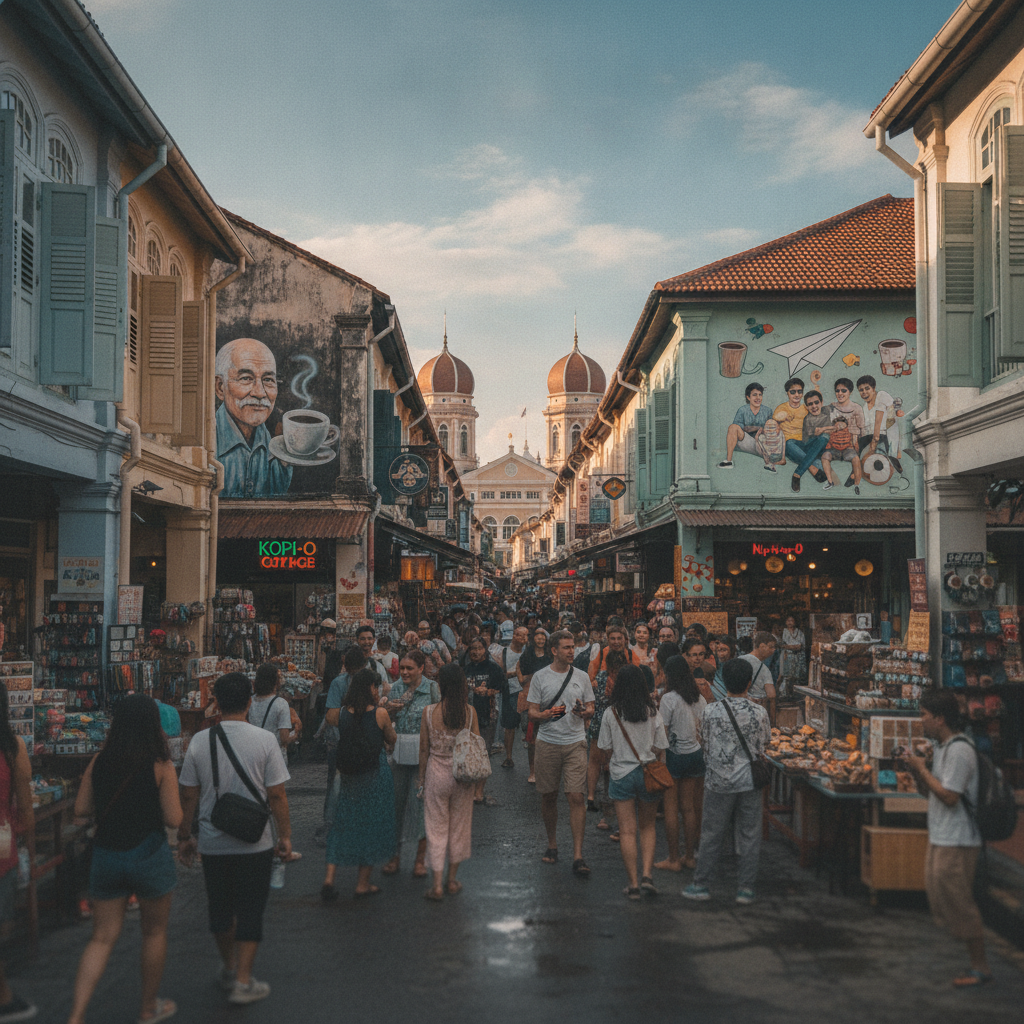
Ipoh Old Town Heritage & Street Art Walk
Walk through Ipoh's extraordinary old town — the capital of Perak state was the wealthiest city in colonial Malaya during the tin mining boom (1880s-1930s), and the colonial architecture of its old town is among the finest in Malaysia, complemented by a contemporary street art scene that has transformed the heritage district into one of Southeast Asia's most photographed old town walks.
- 1
Ipoh Railway Station
Ipoh Railway Station (1935) is considered the most beautiful railway station in Malaysia — the Moorish-influenced colonial building with its white facade, arched colonnades, and the grand central hall designed by the colonial architect A.B. Hubback (who also designed the Kuala Lumpur railway station) was built during the peak of the tin mining wealth that made Ipoh the most prosperous city in British Malaya. The railway station that was once the gateway through which Ipoh's tin wealth flowed south to the port of Penang and north to Bangkok continues to operate as a working railway station, allowing visitors to arrive by train and be greeted by the colonial grandeur that earned it the nickname 'The Taj Mahal of Malaysia'.
- 2
Concubine Lane
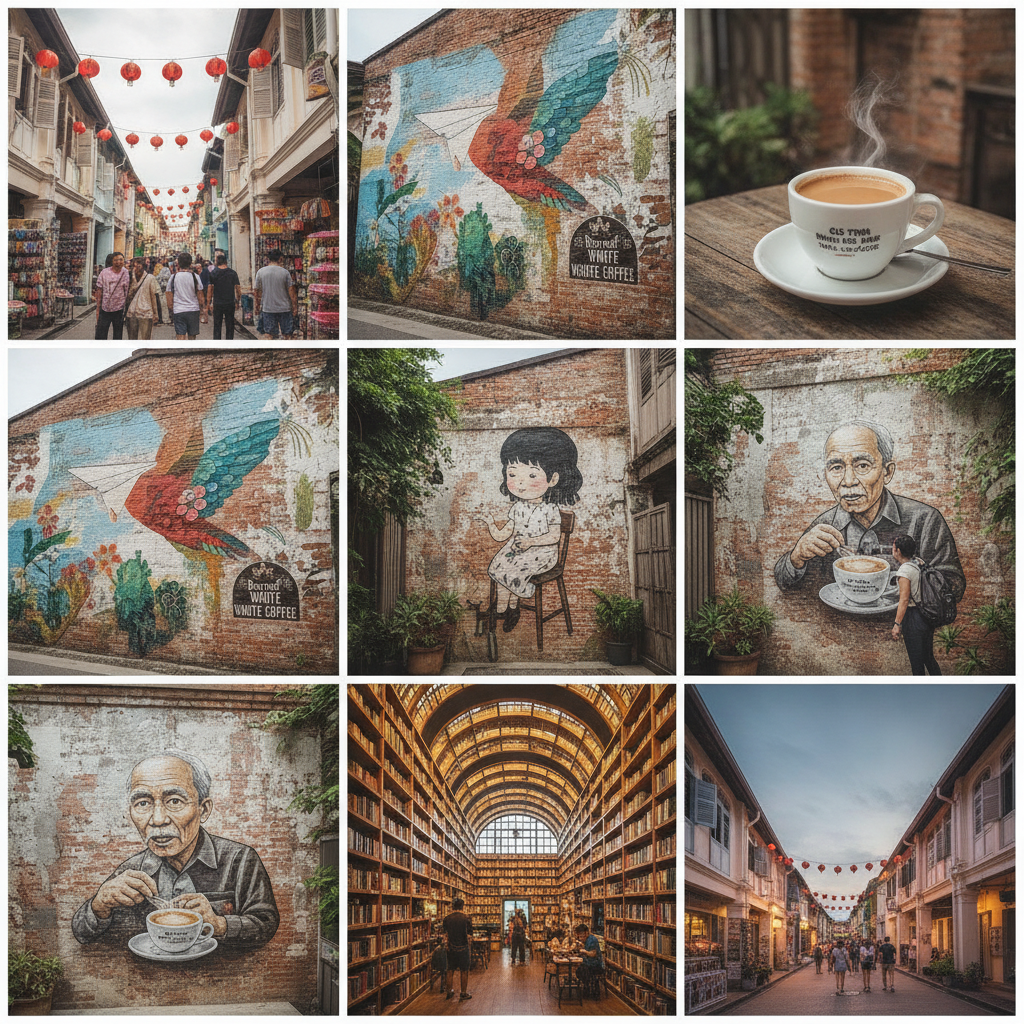
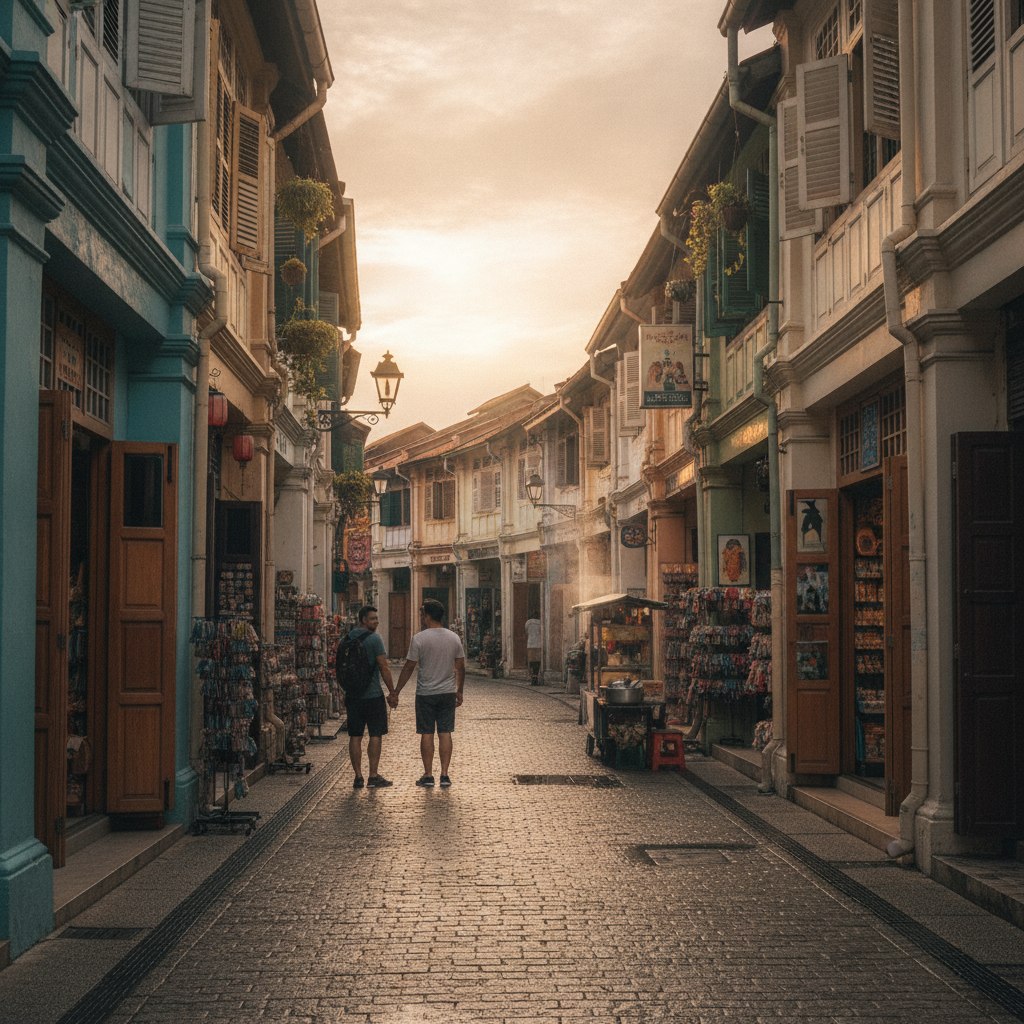
Concubine Lane (Lorong Panglima) in Ipoh old town is the most photographed alleyway in Perak — the narrow lane flanked by colonial shop-houses takes its name from the local legend that the wealthy Chinese tin mining towkays (bosses) housed their concubines in the rooms above the ground-floor shops of this and the adjacent Elbow Lane. The lane today is lined with shops selling the artisanal products, craft items, and local delicacies that the heritage tourism economy has brought to the old town, alongside the cafes and heritage hotels that have been converted from the original shop-house premises.
- 3
Old Town White Coffee Stall
Ipoh is famous throughout Malaysia for its white coffee — the coffee roasted without sugar or wheat (roasted with margarine only) that produces a lighter-coloured brew with a less bitter flavour than the standard Malaysian kopitiam coffee was developed by the Hailanese coffee shop owners of Ipoh's old town and has become the city's most celebrated culinary export. The original white coffee shops in the old town — Sin Yoon Loong and Foh San are the most celebrated — serve the coffee with kaya toast and the dim sum (yum cha) breakfast that is the standard morning ritual of the Ipoh Chinese community.
- 4
Ipoh Street Art Trail
Ipoh's old town street art has become one of the most visited attractions in Perak — the murals painted on the colonial shop-house walls by the Lithuanian artist Ernest Zacharevic (who also painted the famous street art in Penang's Georgetown) and subsequent Malaysian artists document the history of Ipoh's communities, its tin mining heritage, and scenes of everyday life in witty and visually striking compositions. The street art trail through Concubine Lane, Elbow Lane, and the surrounding old town streets allows visitors to follow a self-guided map discovering the murals in sequence, with the most celebrated pieces depicting a boy on a bicycle, a girl on a swing, and the scenes of the old kopitiam life.
- 5
FMS Bar Building Heritage
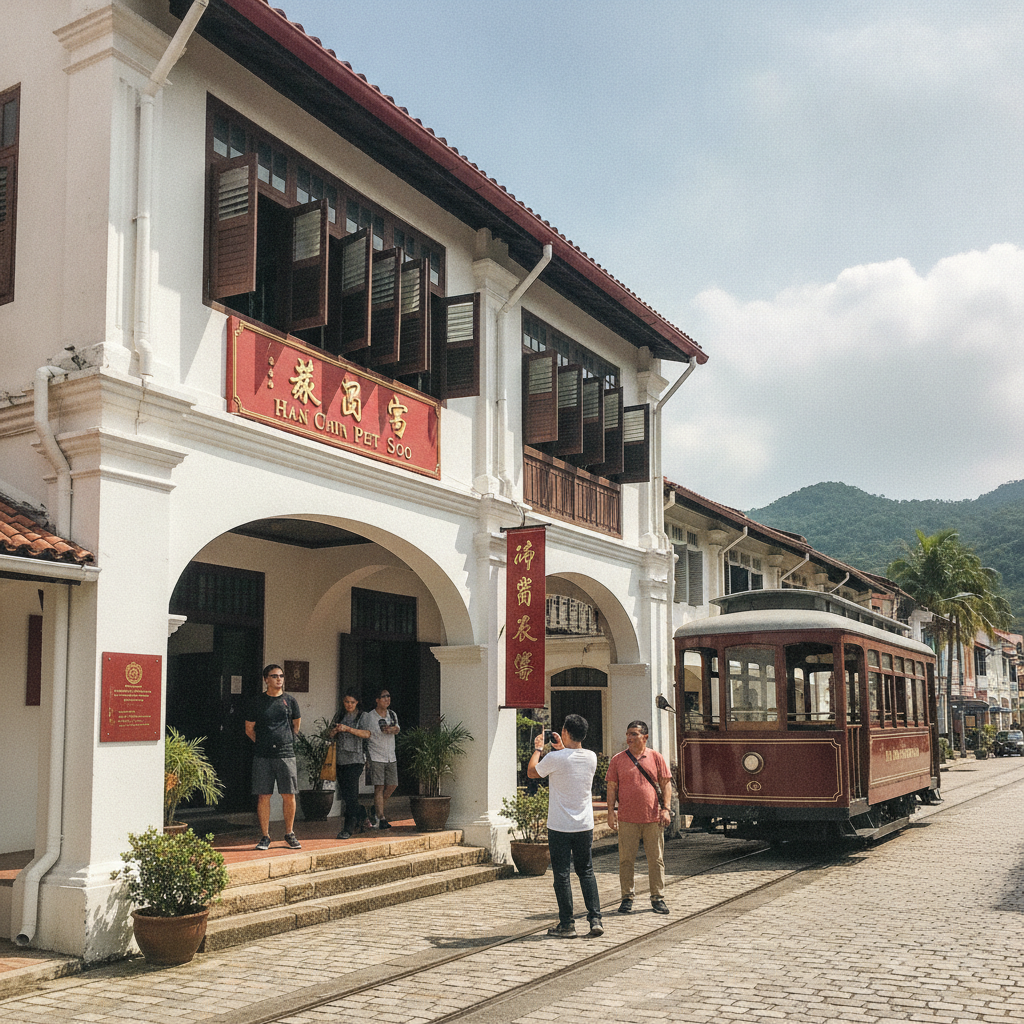
The FMS (Federated Malay States) Bar and the surrounding colonial buildings of the old town document the administrative and commercial infrastructure of the tin mining boom era — the colonial-era buildings that housed the banks, the offices of the tin mining companies, the social clubs, and the commercial establishments of British Malaya's most prosperous inland city represent the architectural ambitions of a colonial society that expected its prosperity to be permanent. The subsequent decline of Ipoh after the collapse of tin prices in the 1980s has left much of this colonial architecture intact through underinvestment, making Ipoh's old town one of the most complete surviving examples of British Malayan commercial architecture.
- 6
Birch Memorial Clock Tower
The J.W.W. Birch Memorial Clock Tower at the Padang (parade ground) opposite the Ipoh Railway Station commemorates the first British Resident of Perak, James W.W. Birch, who was assassinated in 1875 — the assassination of Birch by Malay chiefs opposed to British interference in Perak's internal affairs triggered the Perak War and the subsequent British military occupation that established the colonial administration under whose rule Ipoh's tin wealth was developed. The memorial clock tower, erected by the colonial government, stands beside the padang that was the social centre of colonial Ipoh life, and its presence as a monument to a colonial official killed by Malay resisters creates one of the more complex heritage interpretations in contemporary Malaysia.
Walk this route with audio
Stories play automatically as you reach each stop — no tapping needed.