Iquique Historic Center: Plaza Prat, the Clocktower, the Casino Español, and the Georgian-Era Nitrate Boom Architecture
Iquique's historic center route covers Plaza Prat as the most architecturally eclectic single colonial square in northern Chile combining Moorish, Georgian, and Neoclassical styles from the 1880s nitrate boom, the Torre del Reloj clocktower as the city's most iconic single landmark, the Casino Español as the most architecturally extraordinary single private club building in Chile, the Calle Baquedano pedestrian boulevard as the most intact single Victorian wooden-facade street in South America, and the Teatro Municipal as the most elaborate single public theater surviving from the nitrate era.
- 1
Plaza Prat: The Nitrate Boom Civic Square
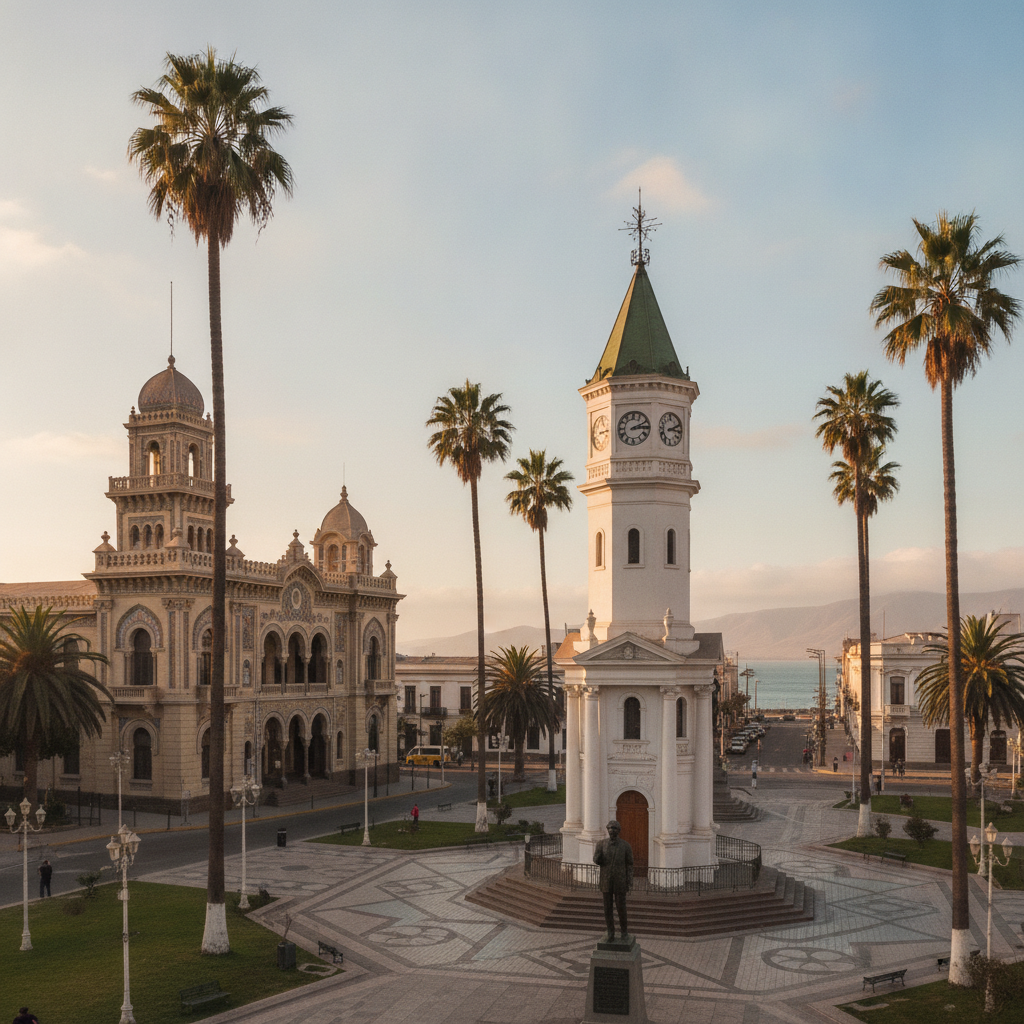
Plaza Prat in the center of Iquique is the most architecturally eclectic single civic square in northern Chile and the best-preserved single visual record of the extraordinary wealth generated by the 1880-1930 nitrate boom that made Iquique the most prosperous single city in Chile per capita during the peak years of the saltpeter trade. The Torre del Reloj clocktower (1877), the Casino Español with its Moorish arches and tilework, the Teatro Municipal's neoclassical facade, and the palm-lined plaza garden create the most stylistically diverse single colonial square assemblage in the entire Pacific coast of South America.
- 2
Torre del Reloj: The Iquique Clocktower
The Torre del Reloj (Clocktower), the white wooden Victorian clocktower built in 1877 on the south side of Plaza Prat, is the most photographically iconic single landmark in Iquique and the most widely reproduced single architectural image from the Norte Grande of Chile, combining the most delicate single Victorian timber construction with the most prominent single central plaza position of any clocktower in northern Chile. The tower's four clock faces, the wooden observation gallery, and the contrast between the white painted timber and the blue Pacific sky create the most visually striking single architectural detail in the Iquique historic center.
- 3
Casino Español: The Moorish Palace
The Casino Español of Iquique, built in 1904 by the Spanish immigrant community at the height of the nitrate boom, is the most architecturally extraordinary single private club building in Chile and arguably the most elaborate single example of Mudéjar-revival architecture in South America, combining Moorish pointed arches, intricate tilework, stained glass ceilings, and painted plaster ornamentation in the most lavishly decorated single interior space in northern Chile. The ground-floor restaurant, the main hall with its painted tile dados and gilded plasterwork, and the exterior facade overlooking Plaza Prat constitute the most opulent single heritage building experience available in Iquique.
- 4
Calle Baquedano: The Victorian Wooden Boulevard
Calle Baquedano, the pedestrianized boulevard extending five blocks north from Plaza Prat lined with two-story Georgian and Victorian wooden commercial buildings built during the nitrate boom, is the most intact single Victorian wooden-facade commercial street in South America and the most completely preserved single architectural ensemble from the era when Iquique was the wealthiest single city per capita in South America. The continuous wooden galleries, the restored paint schemes in deep Victorian colors, and the street-level cafes and artisan shops within the historic structures create the most atmospherically complete single nitrate-era streetscape experience in Chile.
- 5
Teatro Municipal de Iquique: The Nitrate Opera House
The Teatro Municipal de Iquique, built in 1890 at the height of the nitrate boom, is the most elaborately decorated single public theater surviving from the nineteenth-century nitrate prosperity of northern Chile, with the most ornate single painted ceiling, the most complete original stage machinery, and the most historically preserved single Victorian theater interior in the Norte Grande. The theater hosted the most celebrated single touring opera companies of the nitrate era including performances attended by Chilean President Balmaceda, and the current cultural programming maintains the most active single heritage theater calendar in northern Chile.
- 6
Palacio Astoreca: The Nitrate Merchant Mansion
The Palacio Astoreca, the 1903 Georgian-style wooden mansion built for nitrate merchant Orlando Astoreca and now housing the city museum, is the most completely preserved single nitrate-era private residence in Iquique and the best single example of the extraordinary domestic architecture that the saltpeter fortunes enabled. The 34-room mansion with its grand staircase, the imported English oak paneling, the Italian marble fireplaces, and the original furnishings constitute the most complete single window into the domestic life of Iquique's nitrate aristocracy available in any single museum in northern Chile.
Walk this route with audio
Stories play automatically as you reach each stop — no tapping needed.
More in Iquique
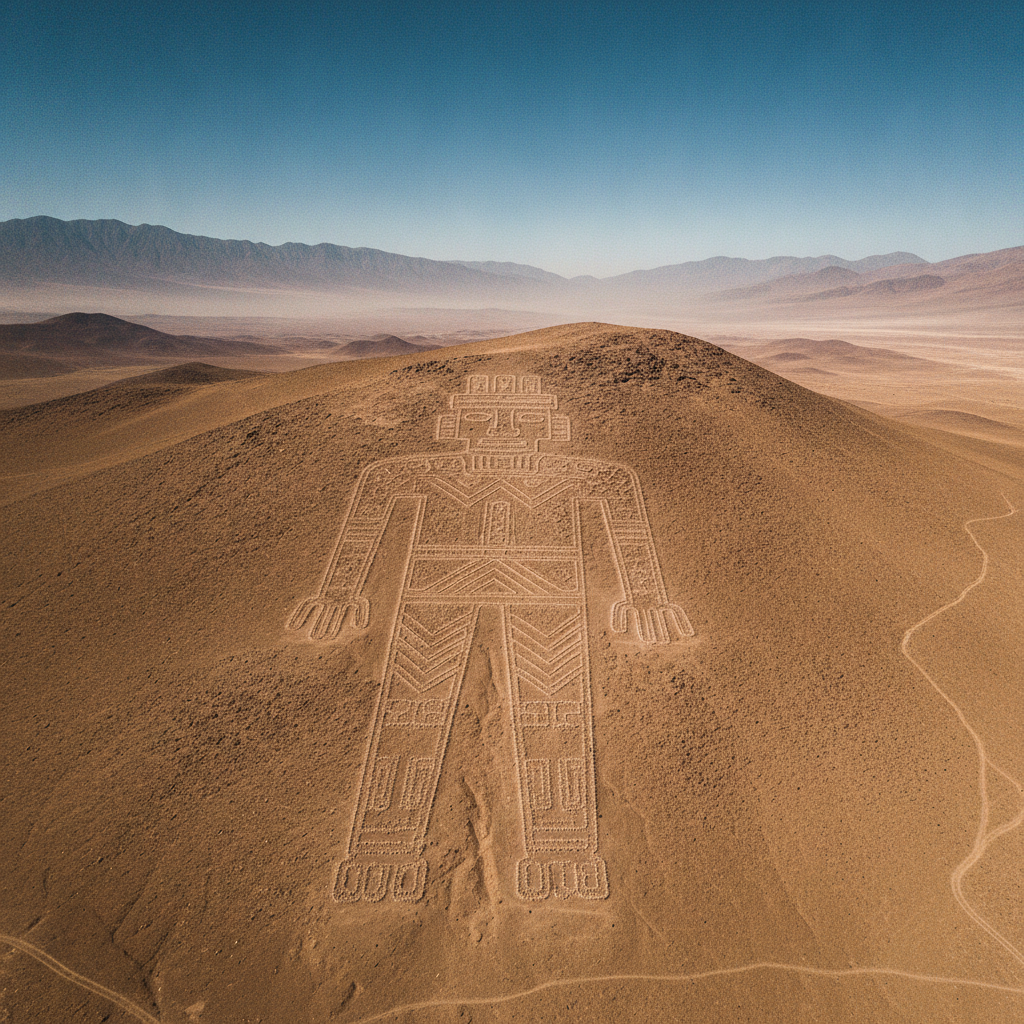
Norte Grande Archaeology: The Gigante de Atacama Geoglyph, Pisagua Historical Port, the Atacama Salt Flat, and the Pre-Hispanic Cultural Landscape
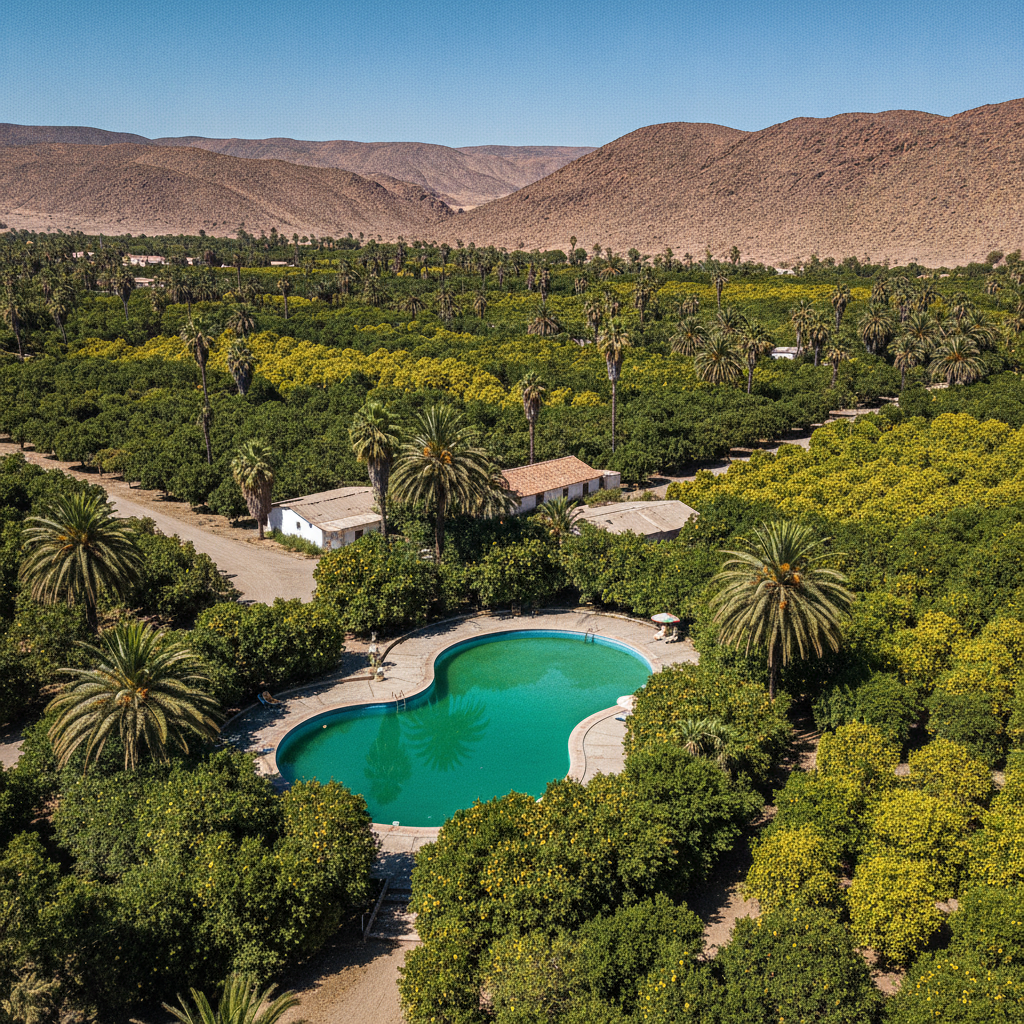
Pica Oasis Day Trip: The Desert Spring Pool, Matilla Colonial Village, the Citrus Orchards, and the Norte Grande Highland Circuit
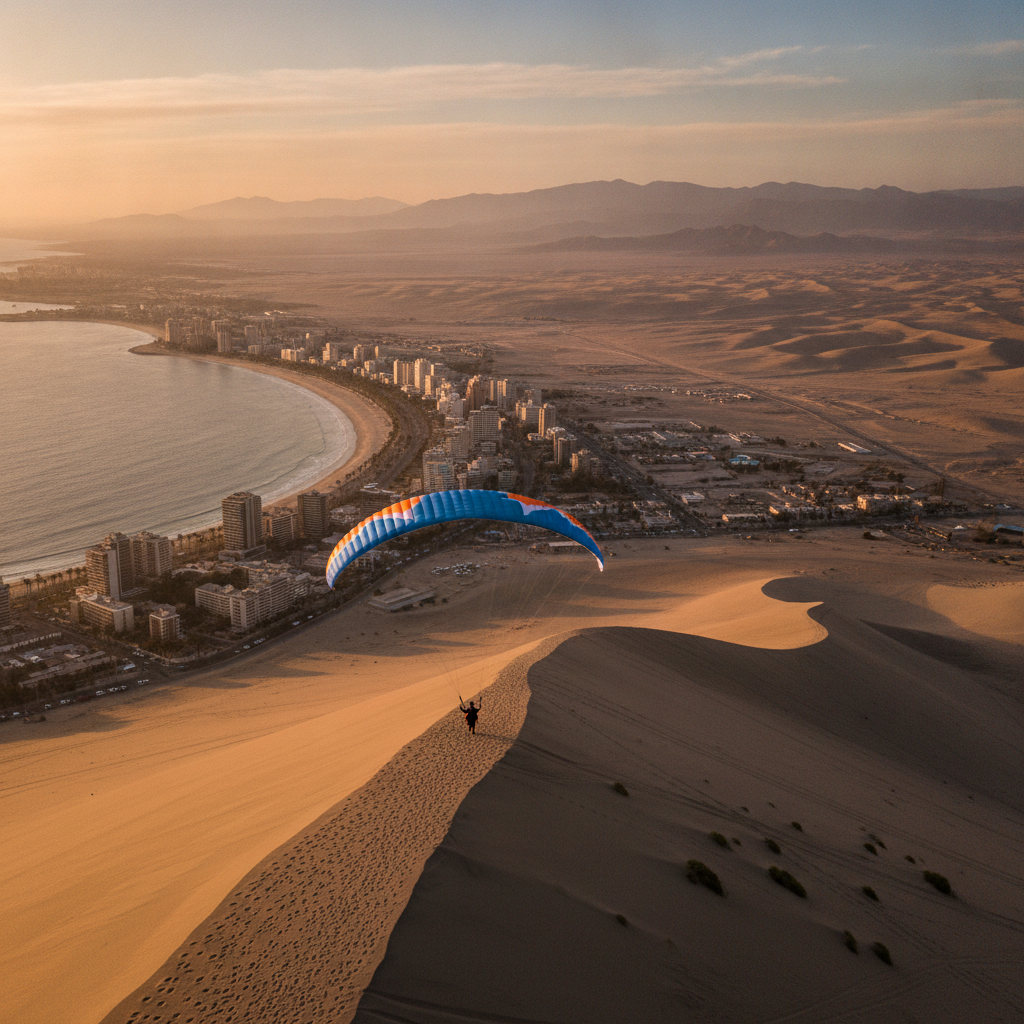
Iquique Adventure Sports: Sandboarding, Paragliding, Desert Trekking, Surfing, and the Atacama Outdoor Circuit
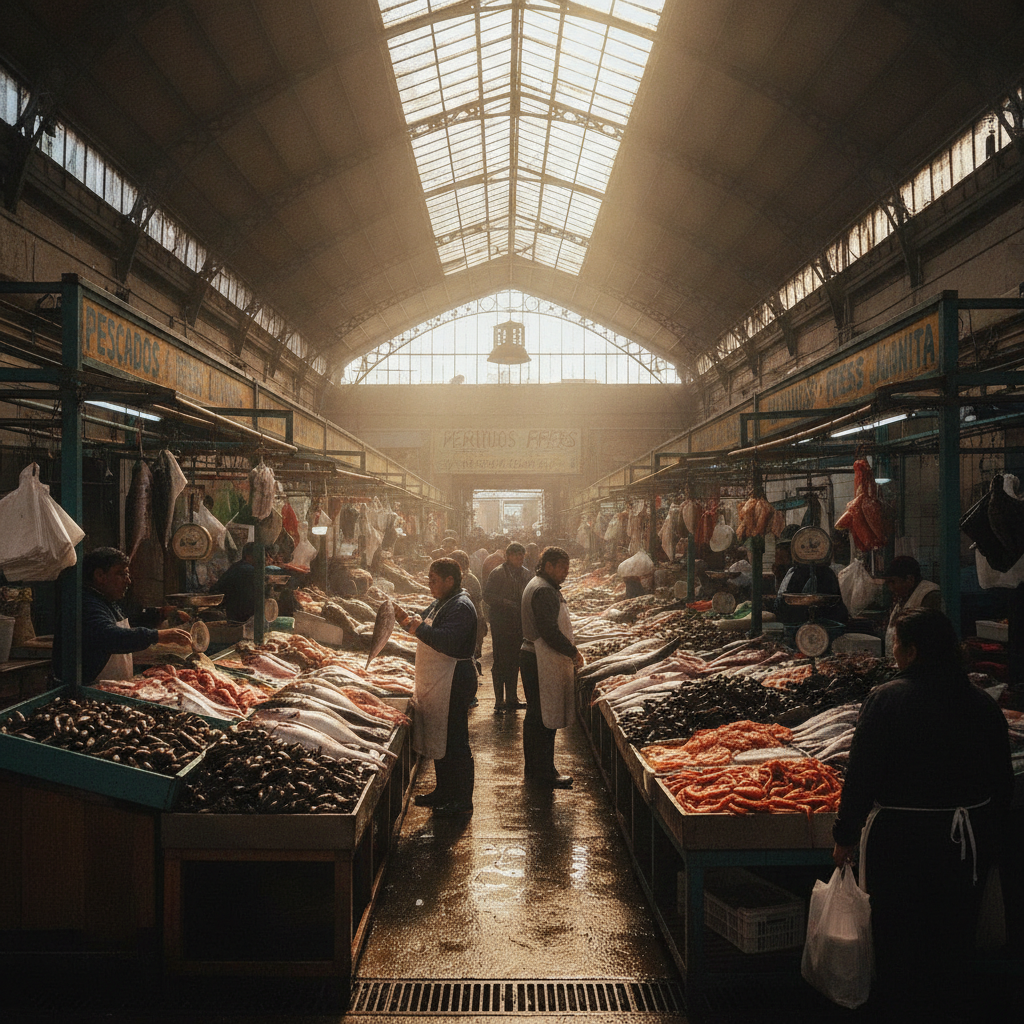
Iquique Food Culture: The Mercado Centenario, Pacific Seafood, Peruvian-Chilean Fusion Cuisine, and the Norte Grande Food Identity
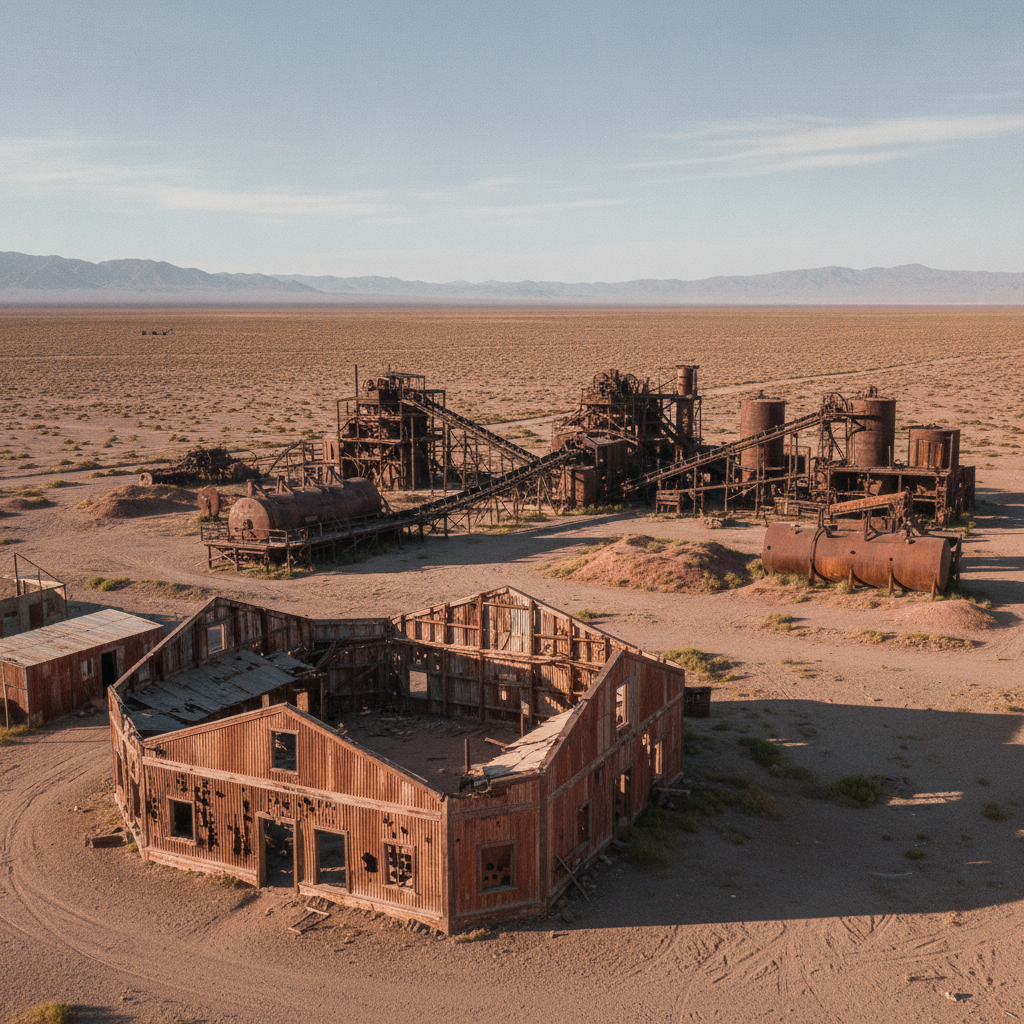
Humberstone and Santa Laura: The UNESCO Nitrate Ghost Towns, the Pampa del Tamarugal, and the Atacama Saltpeter Desert