Iquique Cultural Heritage: The Museo Regional de Tarapacá, the Nitrate Social History, the Atacameño Ceramics, and the War of the Pacific Legacy
The Iquique cultural heritage route covers the Museo Regional de Tarapacá as the most comprehensive single collection of Norte Grande archaeology, nitrate-era social history, and War of the Pacific military heritage in northern Chile, the nitrate social history as the most class-conflicted single industrial labor heritage in the country including the Escuela Santa María massacre of 1907, and the Atacameño ceramic collection as the most artistically significant single pre-Hispanic pottery assemblage in the Tarapacá region.
- 1
Museo Regional de Tarapacá: The Regional Collection
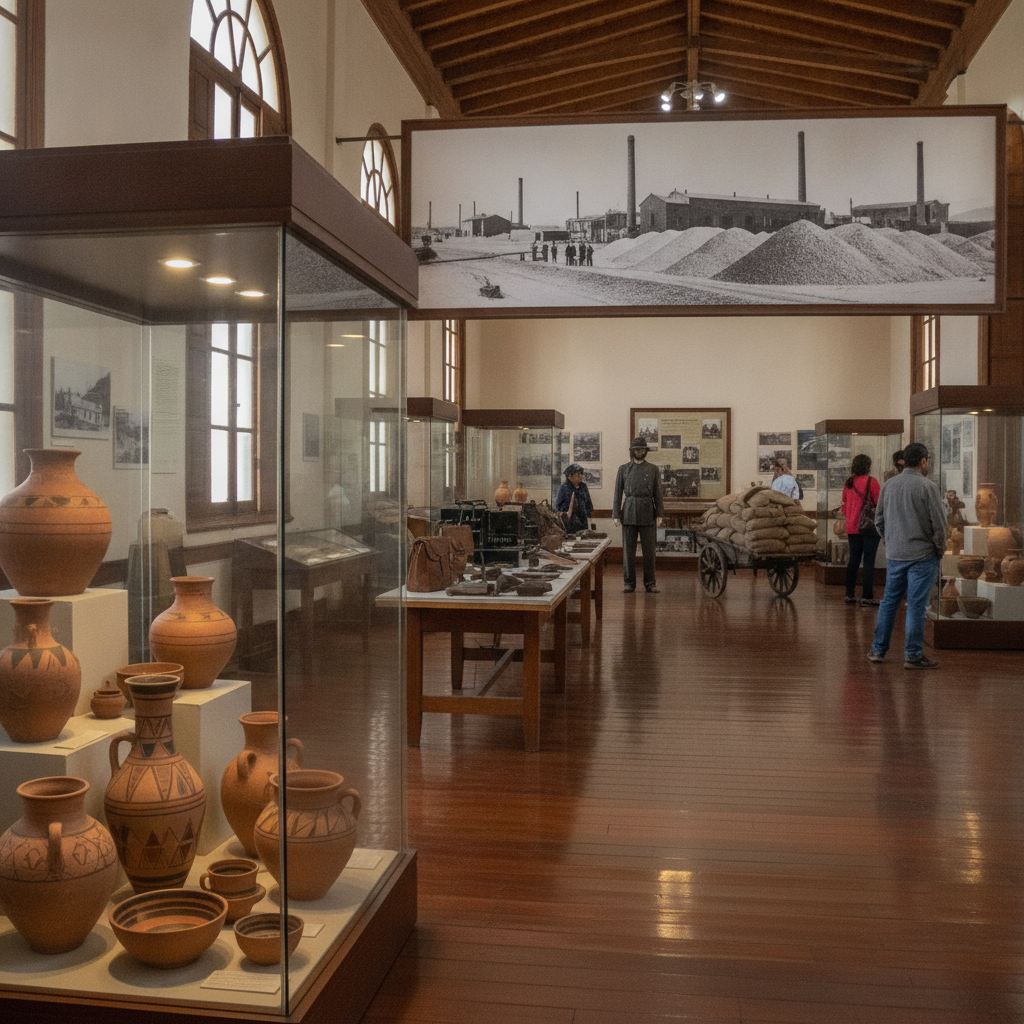
The Museo Regional de Tarapacá in the former Iquique intendencia building is the most comprehensive single museum of Norte Grande history in Chile, housing the most complete single assemblage of Atacameño pre-Hispanic ceramics, textiles, and mummies from the Tarapacá Region alongside the most extensive single photographic archive of nitrate oficina life, the most complete single War of the Pacific military artifact collection in northern Chile, and the most detailed single documentary record of the Iquique nitrate-era social history available in any regional museum in the country.
- 2
Escuela Santa María: The 1907 Massacre Site
The Escuela Santa María school building in Iquique, the site of the December 1907 massacre where the Chilean army killed between 2,200 and 3,600 nitrate workers and their families who had marched from the Atacama pampa to demand better labor conditions, is the most historically tragic and politically significant single site in Iquique and the location of what was the most deadly single labor repression event in South American history. The commemorative plaque, the school building now operating as a primary school, and the adjacent Plaza Arturo Prat memorials create the most politically charged single historical heritage experience in northern Chile.
- 3
War of the Pacific Heritage: The 1879 Naval Battle
Iquique's role in the War of the Pacific as the site of the May 21, 1879 naval Battle of Iquique, where Chilean naval commander Arturo Prat died boarding the Peruvian ironclad Huáscar in the most celebrated single act of individual heroism in Chilean military history, makes the city the most emotionally significant single War of the Pacific heritage site in Chile outside Valparaíso. The naval battle memorial on the Iquique waterfront, the Prat memorial with the most visited single military hero monument in northern Chile, and the replica of the Esmeralda corvette constitute the most complete single War of the Pacific heritage experience in the Norte Grande.
- 4
Atacameño Pre-Hispanic Heritage: The Desert Cultures
The pre-Hispanic Atacameño, Tiwanaku, and Inca cultural layers in the Tarapacá region documented in the Museo Regional collection represent the most chronologically deep single indigenous cultural sequence in northern Chile, spanning from the Chinchorro mummy tradition (the oldest single intentional mummification practice in the world, predating Egyptian mummies by 2,000 years) through the Atacameño ceramic tradition to the Inca administrative presence in the most remote single Andean frontier in the Tahuantinsuyu empire. The Chinchorro mummy display, the Tiwanaku textile collection, and the Inca khipu records constitute the most archaeologically significant single museum collection in the Tarapacá Region.
- 5
Barrio Industrial: The Nitrate Processing Quarter
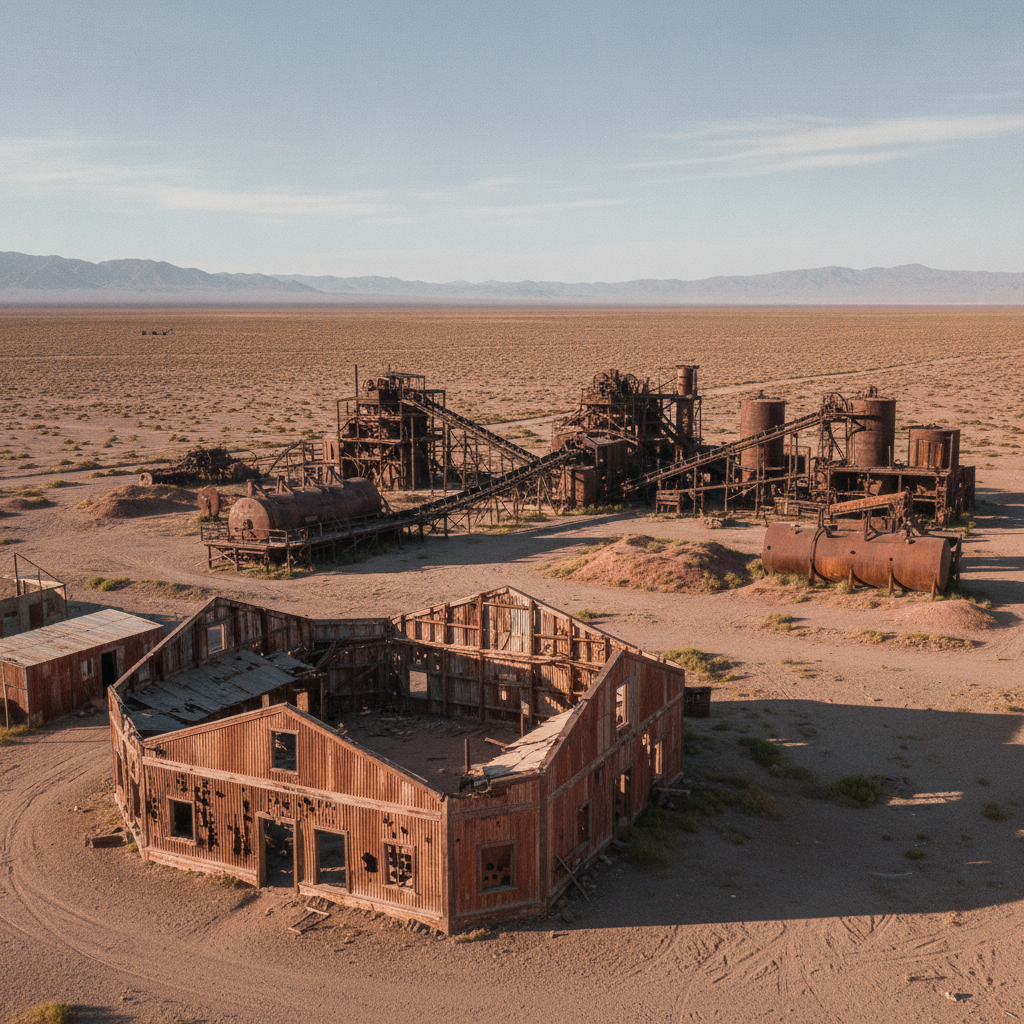
The Barrio Industrial, the former industrial processing quarter of Iquique adjacent to the port where the saltpeter from the Atacama oficinas was refined, graded, and loaded for export, preserves the most complete single urban industrial archaeology of the nitrate trade in Chile with the surviving processing buildings, the tramway tracks, and the cargo loading infrastructure documenting the most economically significant single export commodity operation in South American history. The converted heritage buildings now housing restaurants, arts spaces, and the most atmospheric single craft beer venue in Iquique create the most industrially layered single neighborhood heritage experience in the city.
- 6
Colectivos and Local Transport: The Nitrate Town Rhythm
The colectivo shared taxi culture of Iquique, operating the most extensive single shared taxi network in northern Chile with fixed routes and flagged stops in the most efficient single urban mobility system in the Norte Grande, represents the most socially authentic single transportation experience in the city and the most direct single access route to the residential barrios beyond the tourist center. The colectivo routes to Alto Hospicio, to Cavancha beach, and to Zofri provide the most economical single alternative to tourist transport and the most immersive single experience of everyday Iquique urban life.
Walk this route with audio
Stories play automatically as you reach each stop — no tapping needed.
More in Iquique
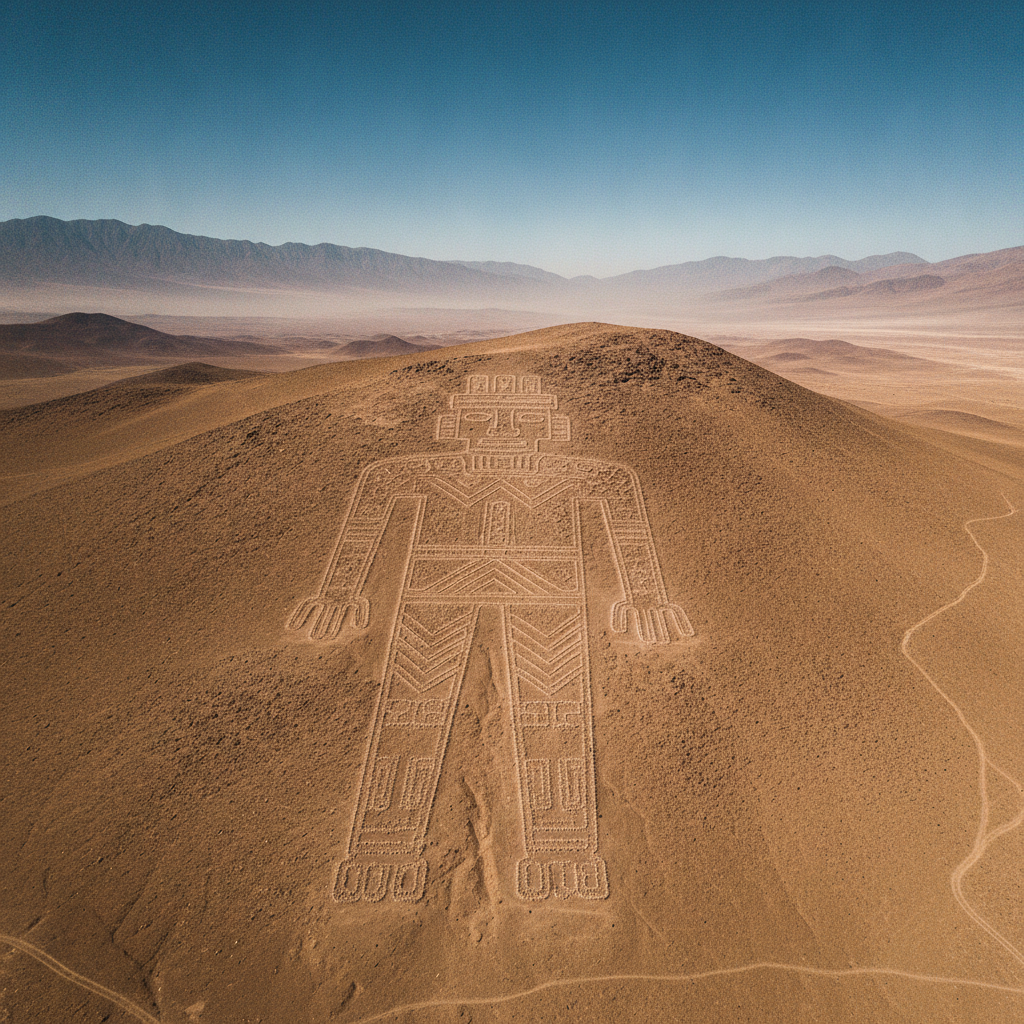
Norte Grande Archaeology: The Gigante de Atacama Geoglyph, Pisagua Historical Port, the Atacama Salt Flat, and the Pre-Hispanic Cultural Landscape
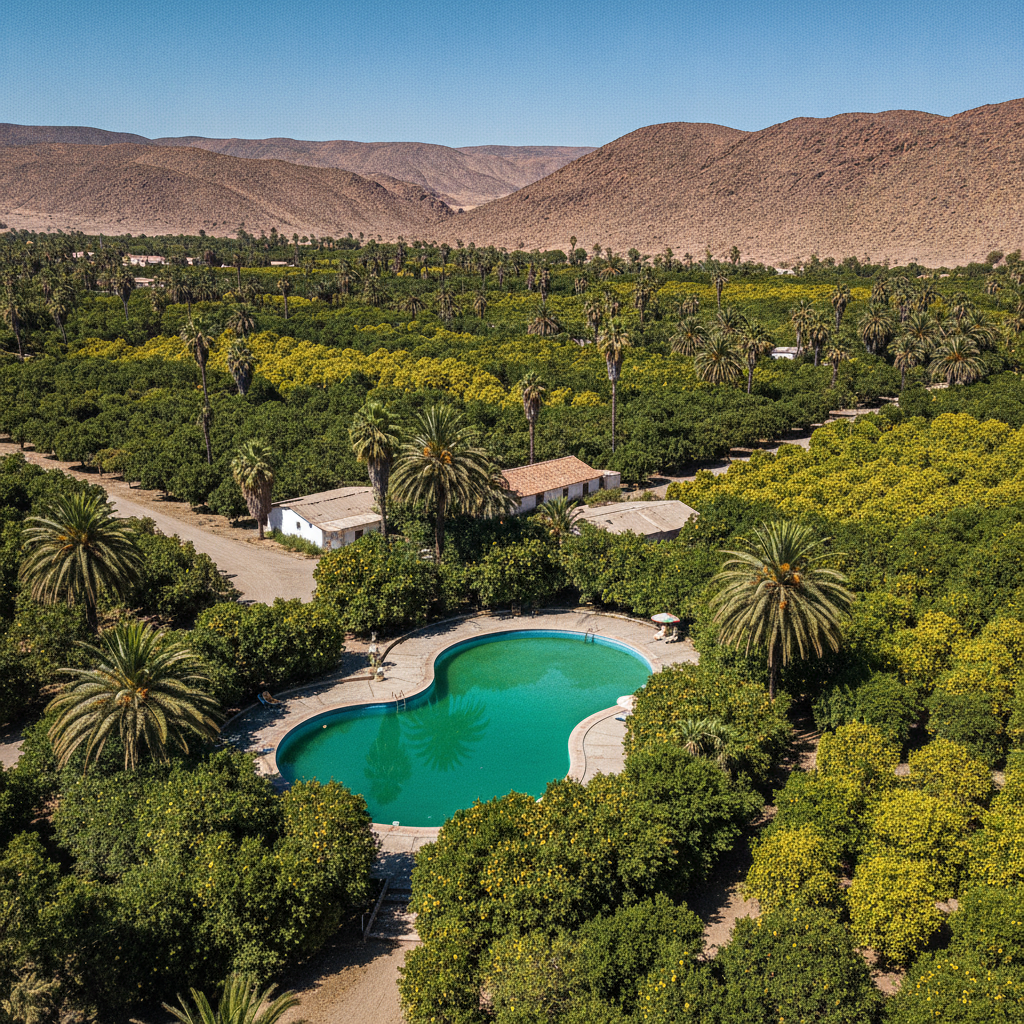
Pica Oasis Day Trip: The Desert Spring Pool, Matilla Colonial Village, the Citrus Orchards, and the Norte Grande Highland Circuit

Iquique Adventure Sports: Sandboarding, Paragliding, Desert Trekking, Surfing, and the Atacama Outdoor Circuit
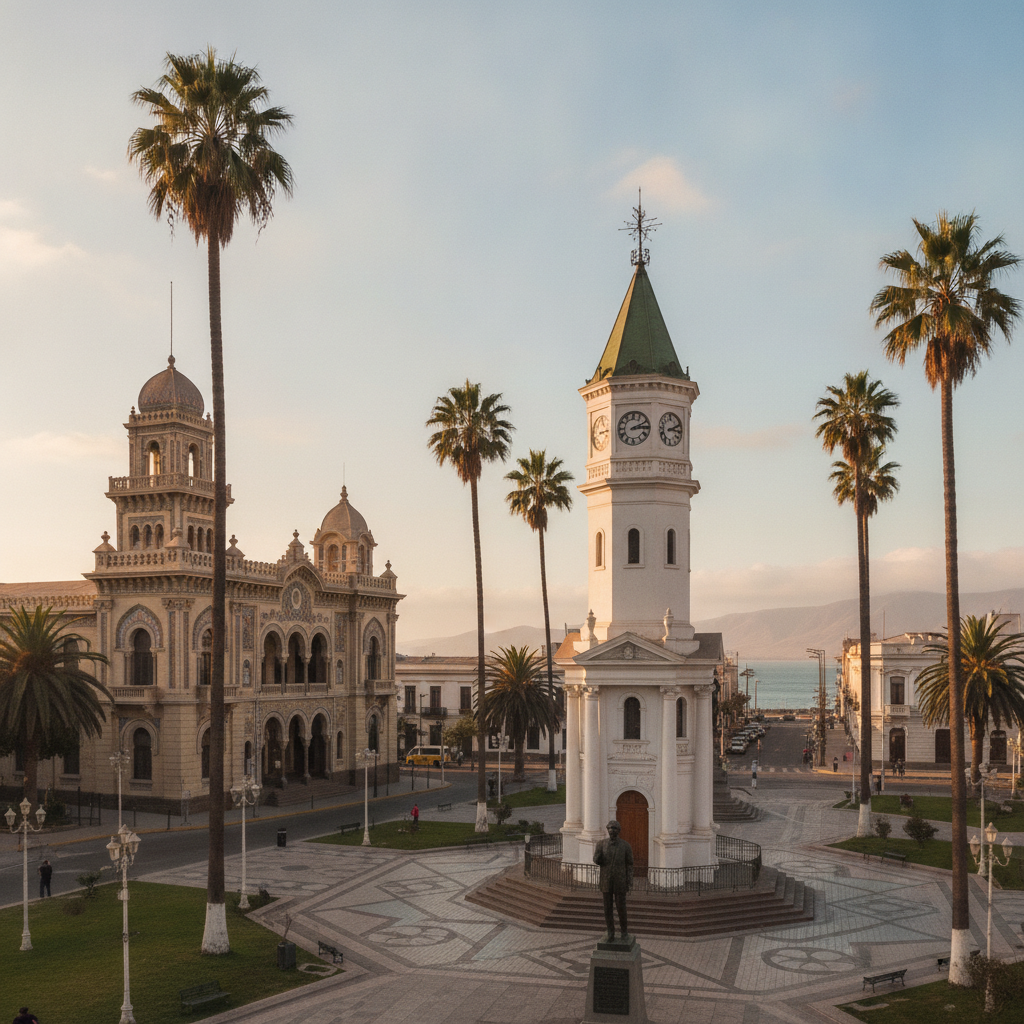
Iquique Historic Center: Plaza Prat, the Clocktower, the Casino Español, and the Georgian-Era Nitrate Boom Architecture
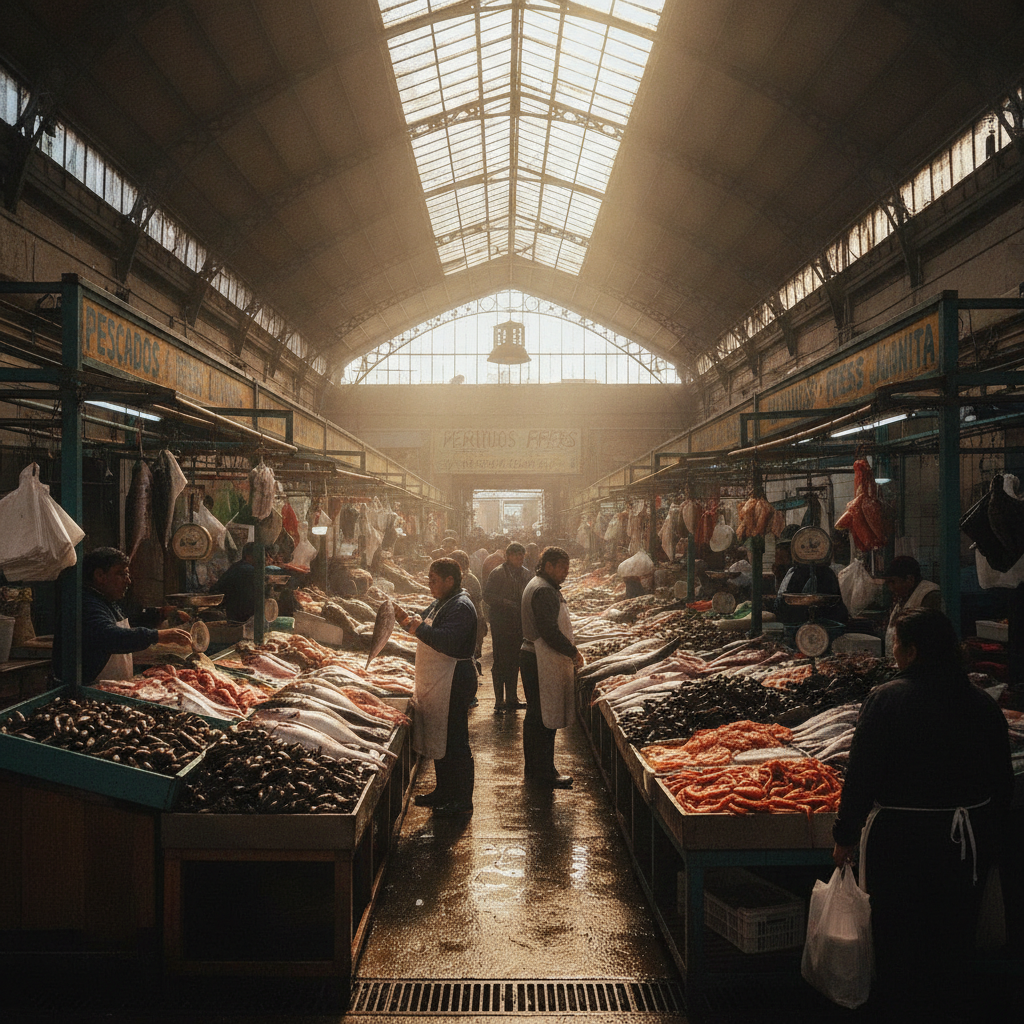
Iquique Food Culture: The Mercado Centenario, Pacific Seafood, Peruvian-Chilean Fusion Cuisine, and the Norte Grande Food Identity