Humberstone and Santa Laura: The UNESCO Nitrate Ghost Towns, the Pampa del Tamarugal, and the Atacama Saltpeter Desert
The Humberstone and Santa Laura route covers the UNESCO World Heritage nitrate ghost towns as the most completely preserved single industrial heritage landscape in Latin America, documenting the social world of the saltpeter (salitre) mining communities that sustained the Chilean economy from 1880 to 1930, the Pampa del Tamarugal national reserve as the most botanically anomalous single forest in the Atacama Desert, and the nitrate processing infrastructure as the most industrially significant single abandoned landscape in South America.
- 1
Humberstone: The UNESCO Ghost Town
Humberstone, the nitrate company town 46 kilometers east of Iquique on the Atacama pampa, is the most completely preserved and most visited single nitrate ghost town in Chile and, together with Santa Laura, the UNESCO World Heritage Site that best documents the social and industrial world of the saltpeter workers who transformed the Atacama Desert into the most economically productive single landscape in South America from 1880 to 1930. The intact company theater, the swimming pool, the market square, the worker housing rows, the school, and the church constitute the most complete single company-town social infrastructure surviving in the hemisphere.
- 2
Santa Laura: The Processing Plant Ruins
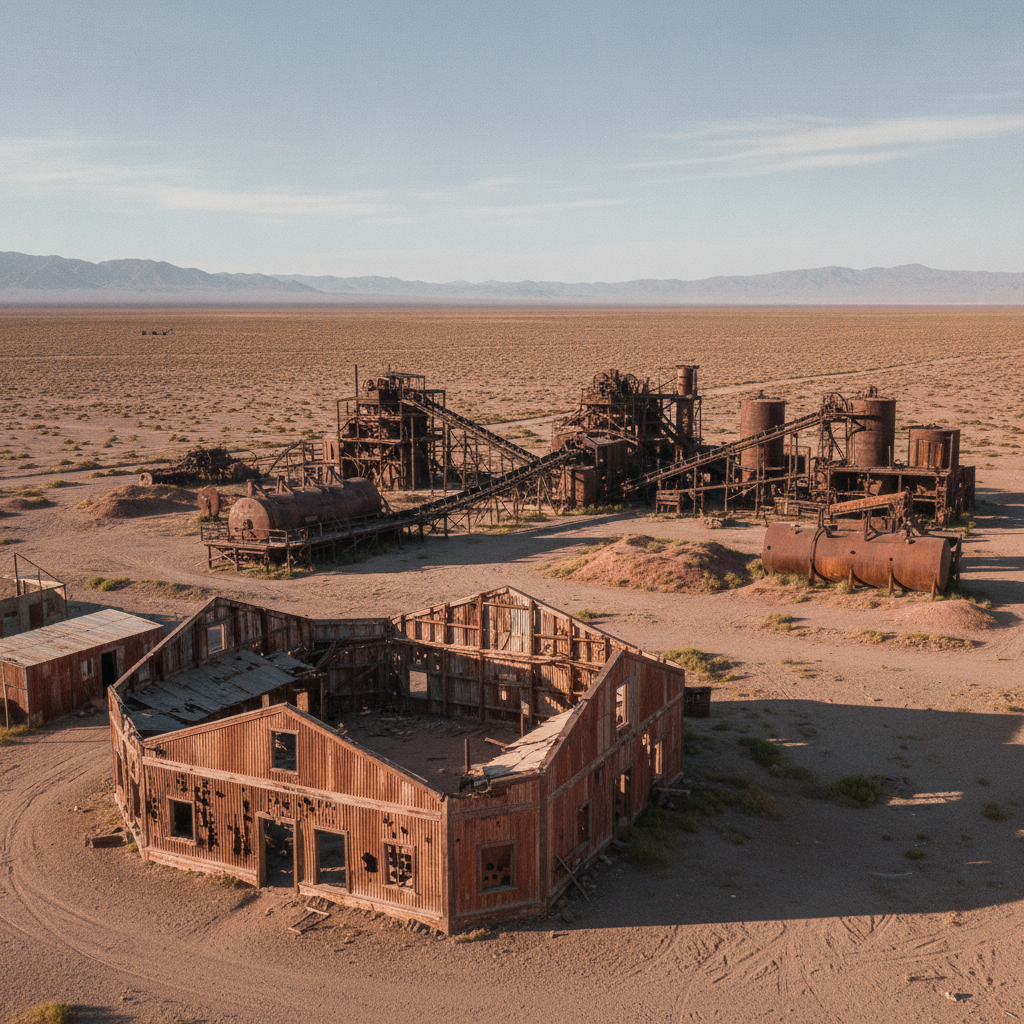
Santa Laura nitrate oficina, 1 kilometer from Humberstone on the pampa, preserves the most complete single nitrate processing plant machinery in Chile: the leaching tanks, the crystallization vats, the mechanical crushers, and the drying sheds all surviving in the most remarkably intact single industrial ruin state of any nitrate works in the Atacama. The Santa Laura processing plant as the most mechanically complete surviving example of the Shanks leaching system used across the Atacama nitrate industry, and the adjacent worker village ruins create the most industrially educational single complementary experience to the social heritage of Humberstone.
- 3
Pampa del Tamarugal: The Desert Forest
The Pampa del Tamarugal National Reserve, the protected area of tamarugo tree woodland 50 kilometers east of Iquique on the Atacama pampa, is the most botanically anomalous single landscape in the Atacama Desert: a natural forest of the Prosopis tamarugo tree that extracts moisture directly from the saline subsoil water table in the most extreme single plant water-harvesting adaptation in South America, surviving in the most arid single non-polar surface on Earth. The tamarugo tree groves, the viscacha colonies sheltering in the root zones, and the flamingo-visited saline ponds create the most unexpectedly verdant single landscape in the Chilean Atacama.
- 4
Pozo Almonte: The Oasis Town Gateway
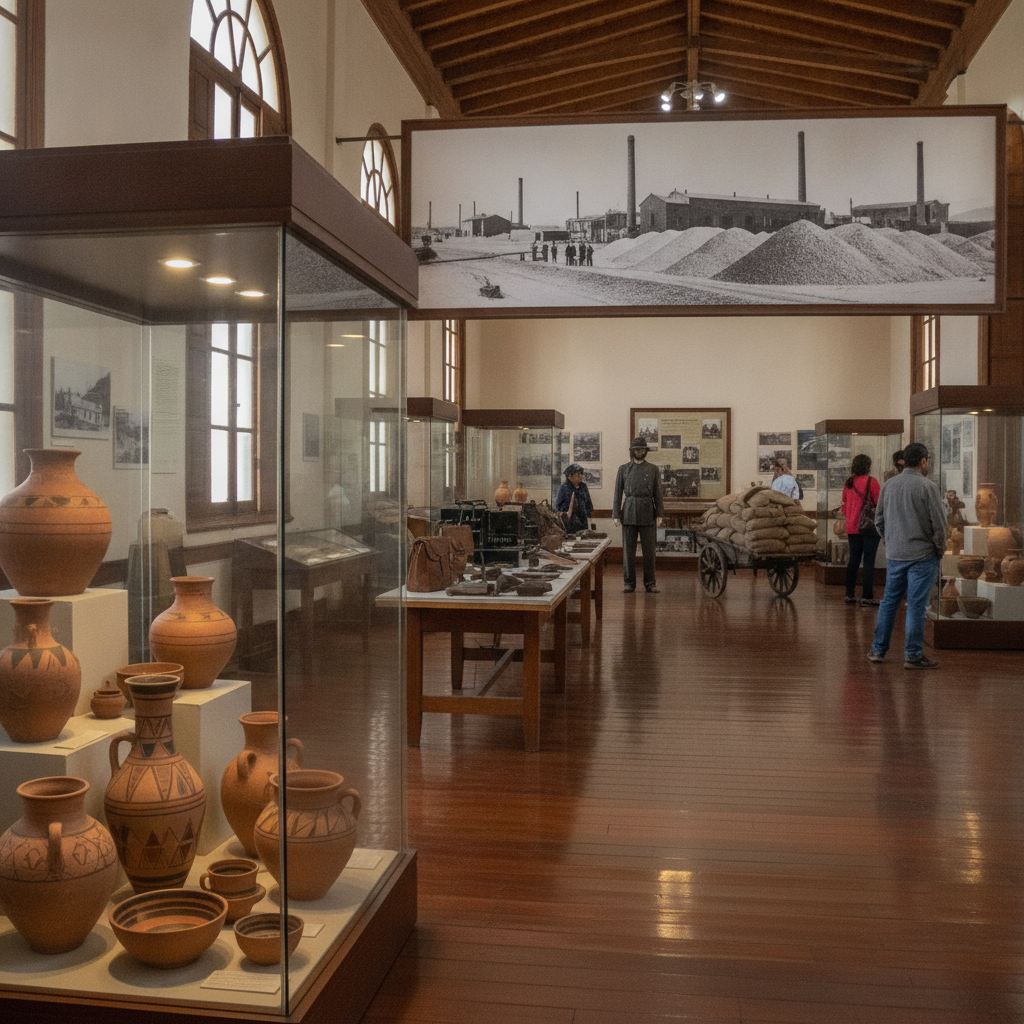
Pozo Almonte, the 25,000-inhabitant regional service town 50 kilometers east of Iquique at the junction of the Atacama pampa highway, serves as the administrative and commercial gateway to the most concentrated single nitrate ghost town cluster in Chile and the starting point for the most archaeologically rich single pre-Hispanic geoglyph circuit in the Norte Grande. The Pozo Almonte museum of nitrate history, the thermal springs at Mamiña 74 kilometers to the northeast, and the Cerro Pintados geoglyph site 50 kilometers to the south combine the most culturally diverse single interior excursion options accessible from Iquique.
- 5
Cerro Pintados Geoglyphs: The Desert Canvas
The Cerro Pintados geoglyph site within the Pampa del Tamarugal national reserve 50 kilometers south of Pozo Almonte is the largest single concentration of pre-Hispanic geoglyphs in South America, with over 400 figures including human forms, animals, and geometric designs covering the most extensive single hillside geoglyph surface in the Americas. The Cerro Pintados figures, created between 900 and 1400 CE by Atacameño and Tiwanaku-affiliated cultures as the most systematic single roadway marker system in the Atacama, constitute the most archaeologically significant single open-air rock art site in northern Chile.
- 6
La Tirana: The Religious Festival Town
La Tirana, the small desert town 73 kilometers east of Iquique, hosts the most attended single religious festival in Chile on the feast of the Virgin del Carmen each July 16, when up to 200,000 pilgrims and masked dancers arrive from across the Norte Grande and Bolivia for the most visually spectacular single folk-religious celebration in South America. The Bailes Religiosos dance troupes in the most elaborate single handmade costumes in Chilean popular culture, the two-week festival market, and the colonial church of the Virgin del Carmen create the most culturally immersive single popular festival experience in northern Chile.
Walk this route with audio
Stories play automatically as you reach each stop — no tapping needed.
More in Iquique
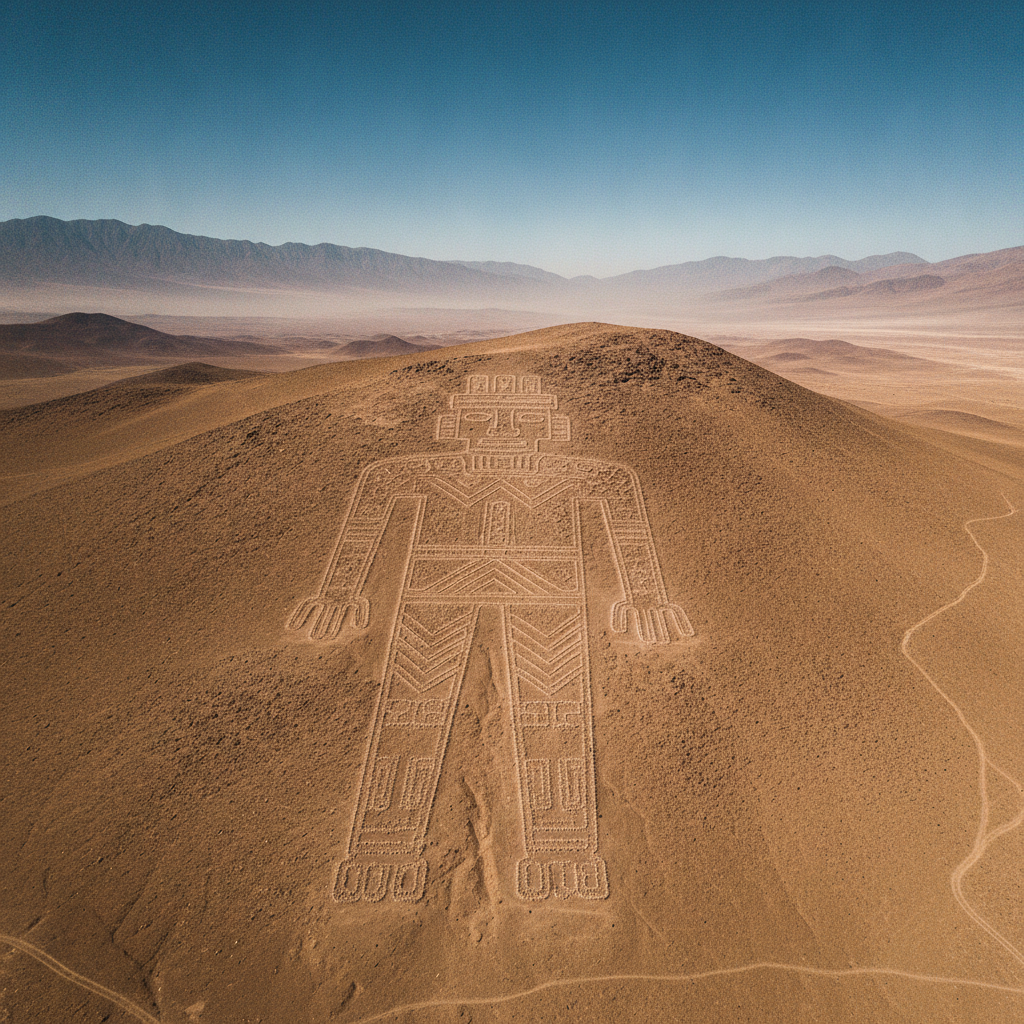
Norte Grande Archaeology: The Gigante de Atacama Geoglyph, Pisagua Historical Port, the Atacama Salt Flat, and the Pre-Hispanic Cultural Landscape
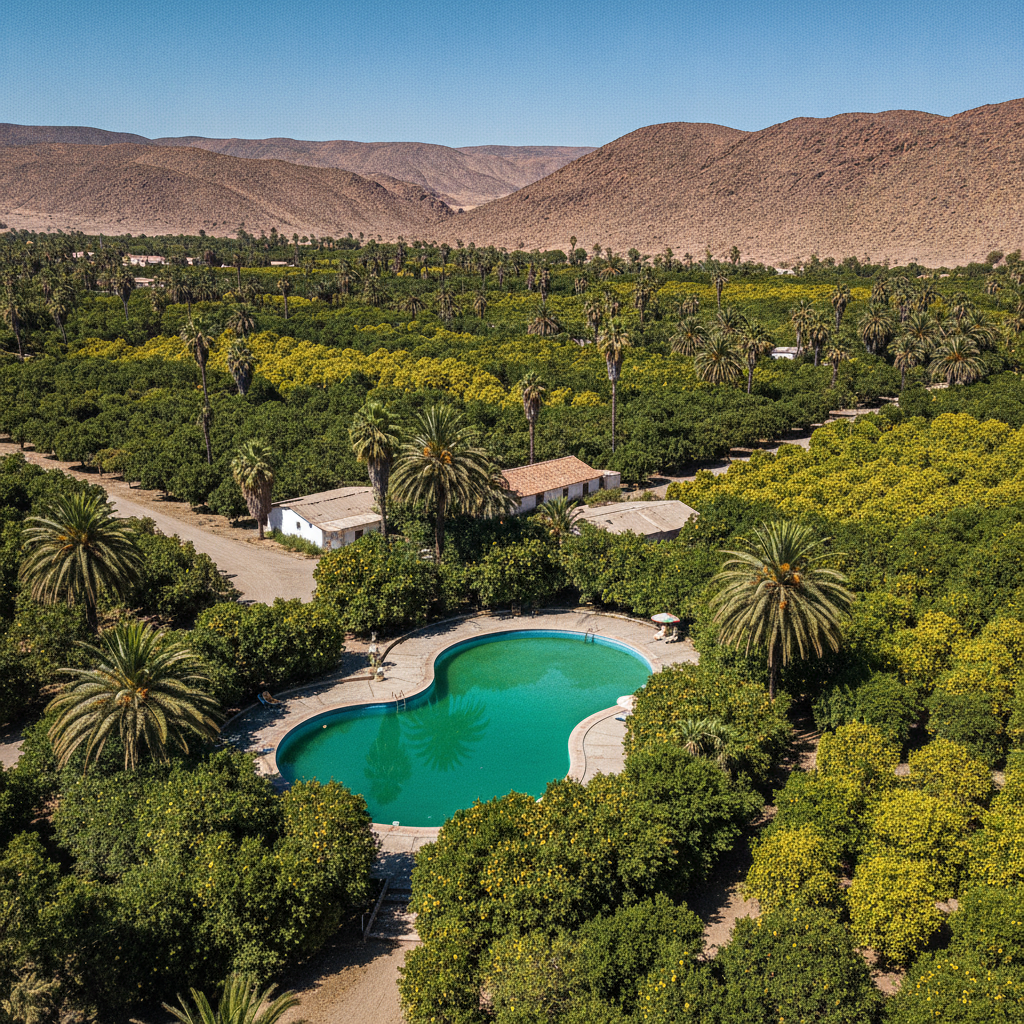
Pica Oasis Day Trip: The Desert Spring Pool, Matilla Colonial Village, the Citrus Orchards, and the Norte Grande Highland Circuit

Iquique Adventure Sports: Sandboarding, Paragliding, Desert Trekking, Surfing, and the Atacama Outdoor Circuit
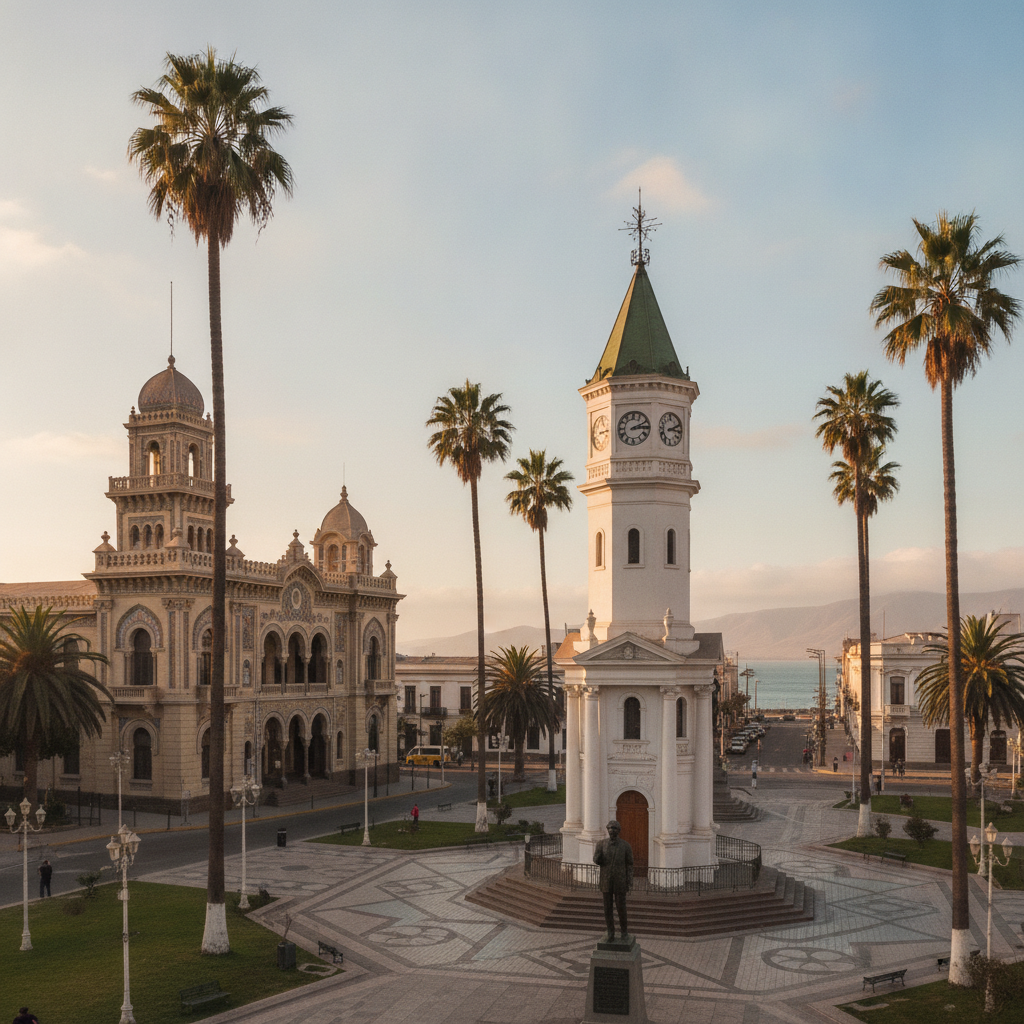
Iquique Historic Center: Plaza Prat, the Clocktower, the Casino Español, and the Georgian-Era Nitrate Boom Architecture

Iquique Food Culture: The Mercado Centenario, Pacific Seafood, Peruvian-Chilean Fusion Cuisine, and the Norte Grande Food Identity