Belén Market: The Amazon's Pantry
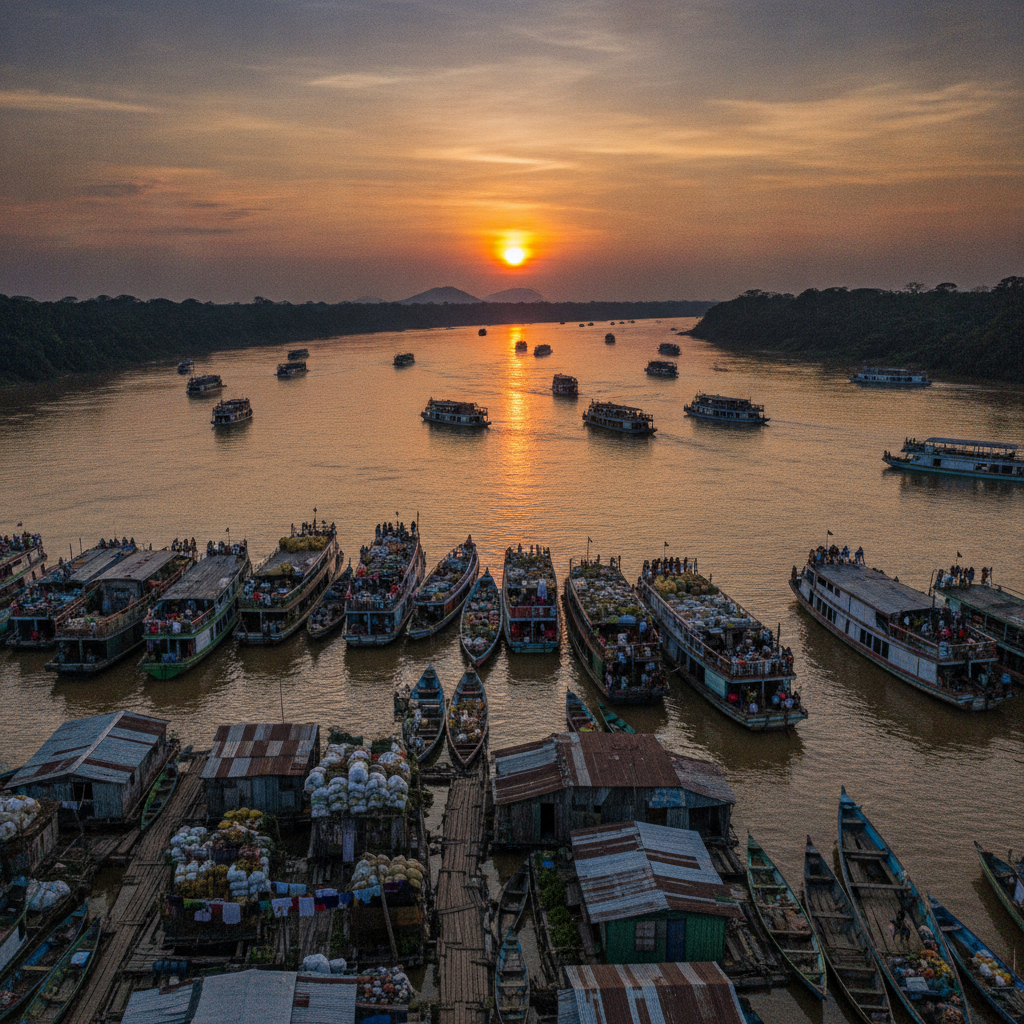
The Belén market in Iquitos is the Amazon's most extraordinary market — a labyrinth of stalls selling everything from live anacondas to bushmeat to hallucinogenic plants; it is also a floating market, with the lower section built on rafts that rise and fall with the Amazon's seasonal flooding
- 1
Floating Market
The lower part of the Belén market – built on wooden rafts moored on the riverbank – rises and falls with the Amazon's seasonal floods; in high water season (January-April), the lower market is navigated by canoe; the wooden houses, shops, and restaurants of the Belén neighborhood float on the river
- 2
Exotic Amazon Products
The produce section of the Belén market is different from any other market — only Amazon fruits (aguaje, camu camu, cocona, arazá, macambo, huito) require a guide to identify; the bushmeat section offers paca, armadillo, peccary, and caiman; the live animal section has birds, turtles, and primates (although many species are protected)
- 3
Medicinal plants
The Belén market's medicinal plants section – with hundreds of Amazonian plants, barks, roots and seeds used in traditional medicine – is where the curanderos (traditional healers) of the region source their materials; the plant knowledge encoded in the market is the accumulated pharmaceutical knowledge of Amazonian cultures over millennia
- 4
Ayahuasca Tourism
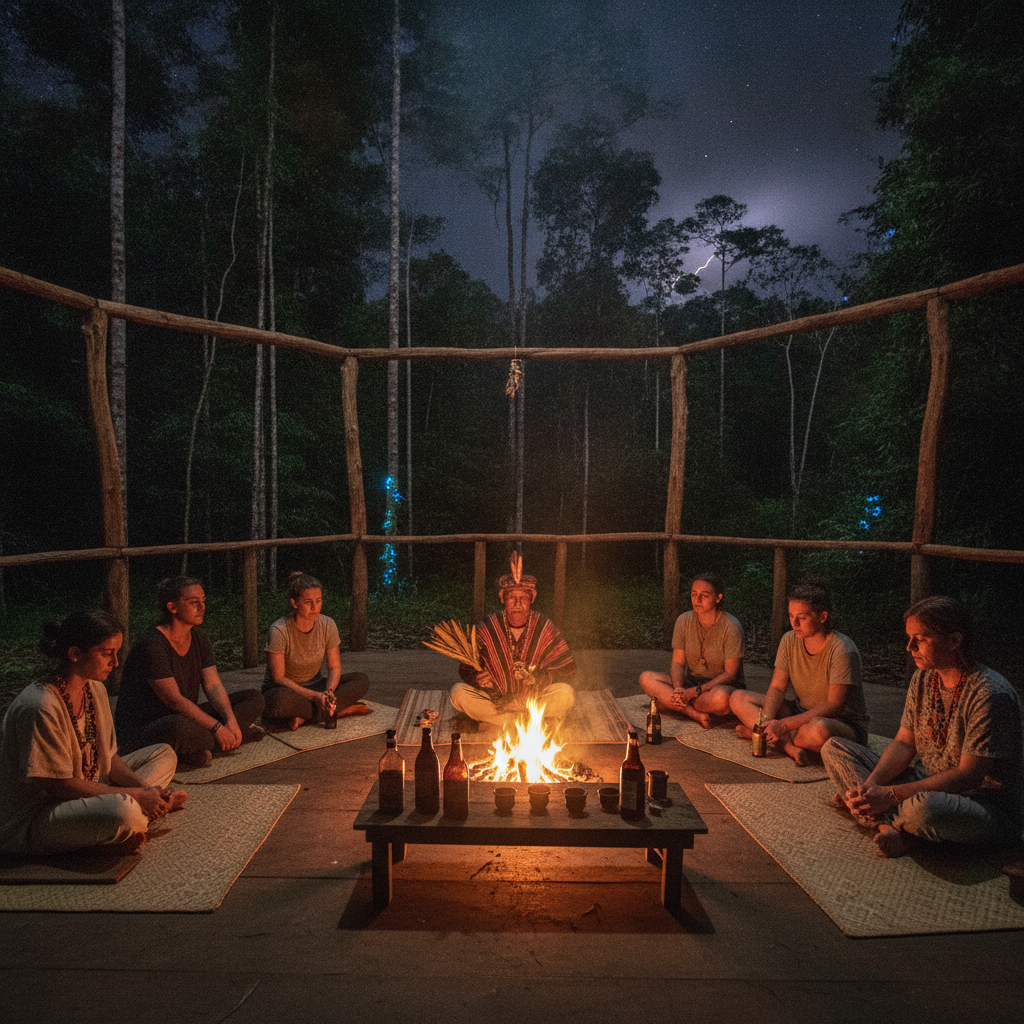
Iquitos is the global center of ayahuasca tourism - the ceremonial use of the ayahuasca vine (combined with chacruna) as a psychedelic healing experience; dozens of retreat centers around Iquitos offer ayahuasca ceremonies; the experience, guided by a curandero, involves hours of intense visionary experience and physical purging
- 5
Amazon Kitchen
Iquitos has a distinctive Amazon cuisine — tacacho (mashed plantain with pork), juanes (rice and chicken wrapped in bijao leaves), inchicapi (peanut soup with chicken), and patarashca (fish wrapped in bijao leaves and grilled over fire) are the main dishes; the use of yuca, plantain, and river fish distinguishes the cuisine from Andean Peruvian food
- 6
Iquitos Architecture
Iquitos has extraordinary rubber boom architecture — the Casa de Fierro (designed by Gustave Eiffel), the azulejo-tiled mansions on the Malecón, and the Victorian-influenced houses built during the 1880-1914 rubber boom tell the story of the city's extraordinary brief prosperity from rubber exploitation
Walk this route with audio
Stories play automatically as you reach each stop — no tapping needed.