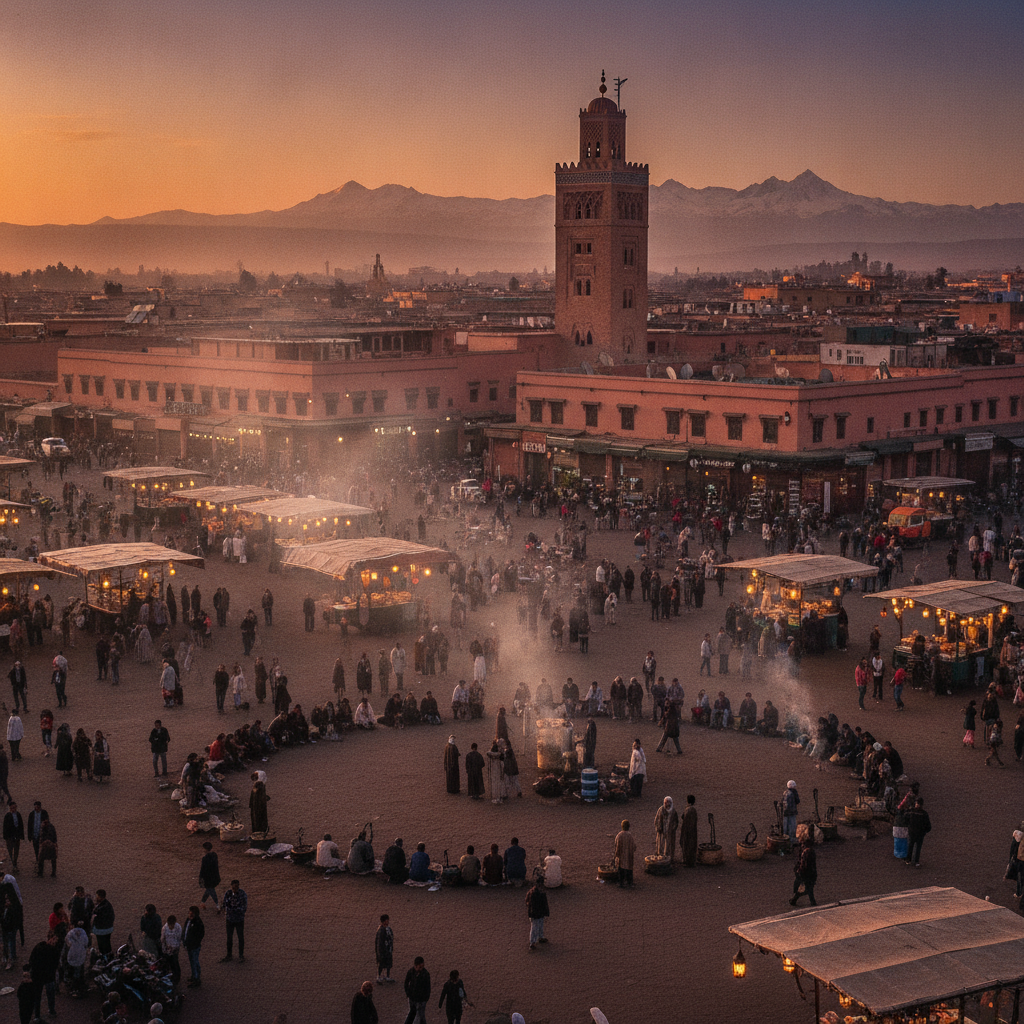
Marrakech Essential: Djemaa el-Fna the Living Square, the Medina Souks, the Koutoubia Mosque, the Bahia Palace, the Saadian Tombs, and the Pink City Character
The Marrakech essential circuit covers Djemaa el-Fna as the most theatrically alive public square in the world, the labyrinthine medina souks organized by craft, the Koutoubia Mosque minaret as the city skyline landmark, the Bahia Palace with its Andalusian courtyard gardens, the Saadian Tombs discovered in 1917, and the distinctive pink pise city character.
- 1
Djemaa el-Fna: The World Most Alive Public Square
Djemaa el-Fna, the main square of the Marrakech medina, is the most theatrically active public space in the world and the only urban square inscribed by UNESCO as an Intangible Cultural Heritage of Humanity (2001). The square transforms through the day from the morning fruit juice and snake charmer territory to the afternoon acrobat and henna tattoo marketplace to the evening outdoor restaurant and Gnawa music and Halqa storytelling circle that UNESCO cited as the most complete surviving example of the oral performing arts tradition in the Mediterranean world. The 200 food stalls that appear each evening in the same formation, the same performers in the same family traditions passed down for generations, make Djemaa el-Fna the most unchanged single urban performance space in any world city.
- 2
Marrakech Souks: The Craft Quarter Labyrinth
The Marrakech medina souks, the covered market streets organized by craft extending north of Djemaa el-Fna, constitute the most extensively organized single craft market in North Africa with separate streets for the leather goods (Souk Cherratin), the brass and copper (Souk Haddadine), the woven textiles (Souk des Tapis), the spices and herbs (Souk des Épices), the woodwork (Souk des Charpentiers), and the silver jewelry. The souk labyrinth covers approximately 3 square kilometers of roofed streets and the directional disorientation of the first-time visitor is the most intentional single marketing strategy in the Islamic commercial city plan.
- 3
Koutoubia Mosque: The Marrakech Skyline Minaret
The Koutoubia Mosque minaret, built in the 12th century by the Almohad caliph Yaqub al-Mansur and completed before 1199, is the landmark that defines the Marrakech skyline and the prototype for the Giralda in Seville and the Hassan Tower in Rabat - making it the most architecturally influential single minaret in the western Islamic world. The Koutoubia is closed to non-Muslim visitors but its 70-meter minaret visible from every part of the medina is the most useful single orientation landmark in Marrakech navigation and the minaret whose proportions (1:5 width to height ratio) established the standard for all subsequent Almohad minarets in Morocco and Andalusia.
- 4
Bahia Palace: The 19th Century Vizier Compound
The Bahia Palace (Palace of Brilliance), built in the 1860s and 1880s by the grand viziers Si Moussa and his son Ba Ahmed, is the most extensively decorated single Moroccan palace compound open to visitors with the 8,000 square meter palace complex of 160 rooms, the painted cedar ceilings, the zellige tile floors, the carved stucco walls, and the Andalusian-style riyad gardens with the orange and jasmine plantings. The Bahia was confiscated by Sultan Mouloud Abderrahmane after Ba Ahmed death in 1900 and became the most contested single property in 20th century Marrakech between the Protectorate French administration and the Moroccan royal family.
- 5
Saadian Tombs: The Rediscovered Royal Mausoleum
The Saadian Tombs, the 16th century royal mausoleum of the Saadian dynasty built by Sultan Ahmad al-Mansur in 1578, was sealed by Sultan Moulay Ismail of the Alaouite dynasty after the Saadians fell from power and remained unknown to the outside world until a French aerial photograph in 1917 revealed the walled garden enclosure. The interior of the tomb complex with the three mausoleum chambers, the Italian Carrara marble columns, the cedar wood muqarnas ceiling, and the zellige tile floors is the most ornately preserved single Moroccan royal burial chamber and the most dramatically rediscovered single architectural treasure in North Africa.
- 6
Marrakech Medina Character: The Pink City Identity
The Marrakech medina character - the distinctive pink-terracotta color of the pise (rammed earth) walls that give the city the name the Pink City, the mule-cart traffic on the medina streets, the call to prayer from 60 mosques echoing across the rooftop terrace cafes, and the resident population of 300,000 living in the densest single medina in Morocco - creates the most sensory overwhelming single urban environment in North Africa. The Marrakech medina founded in 1070 by the Almoravid Berber dynasty is the most historically continuous single Moroccan city in unbroken use from its foundation to the present.
Walk this route with audio
Stories play automatically as you reach each stop — no tapping needed.
More in Marrakech
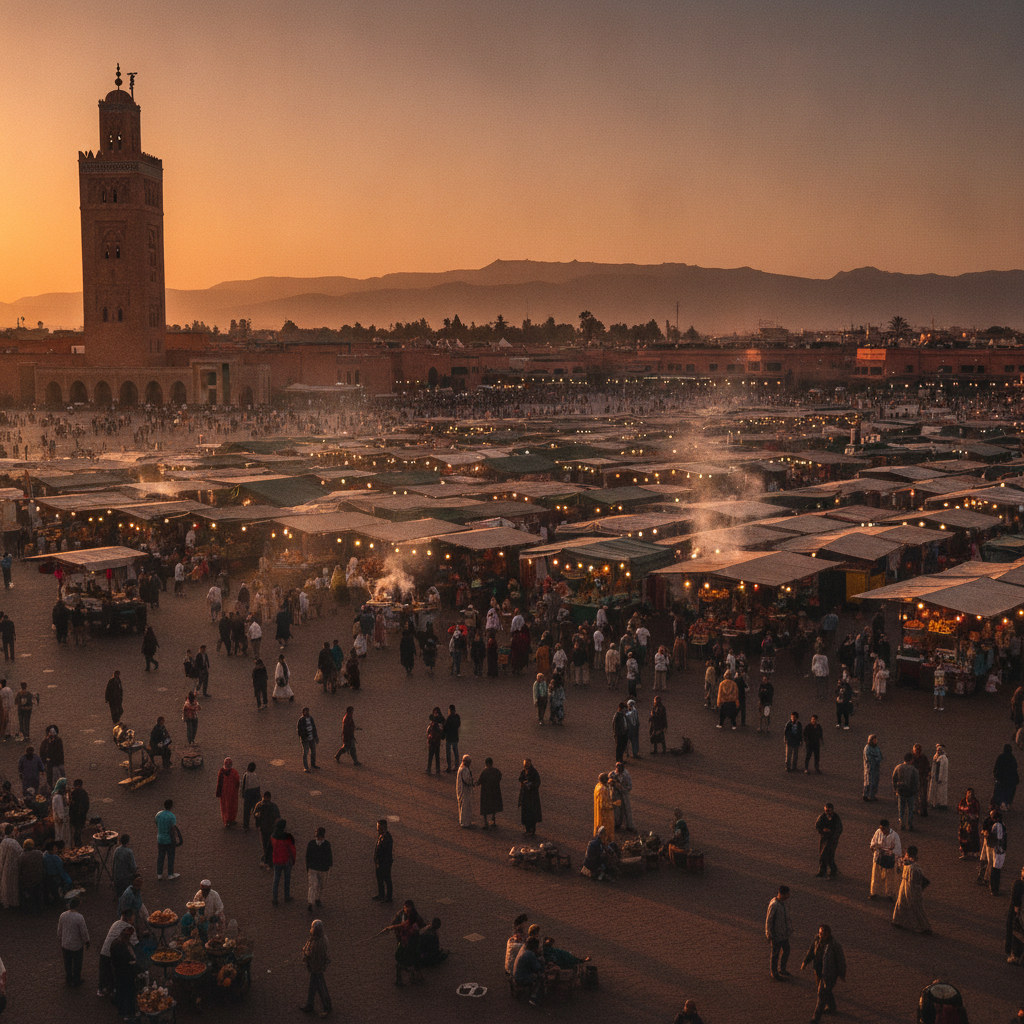
Djemaa el-Fna, the Medina & the Souks — Marrakech's Living UNESCO Heritage
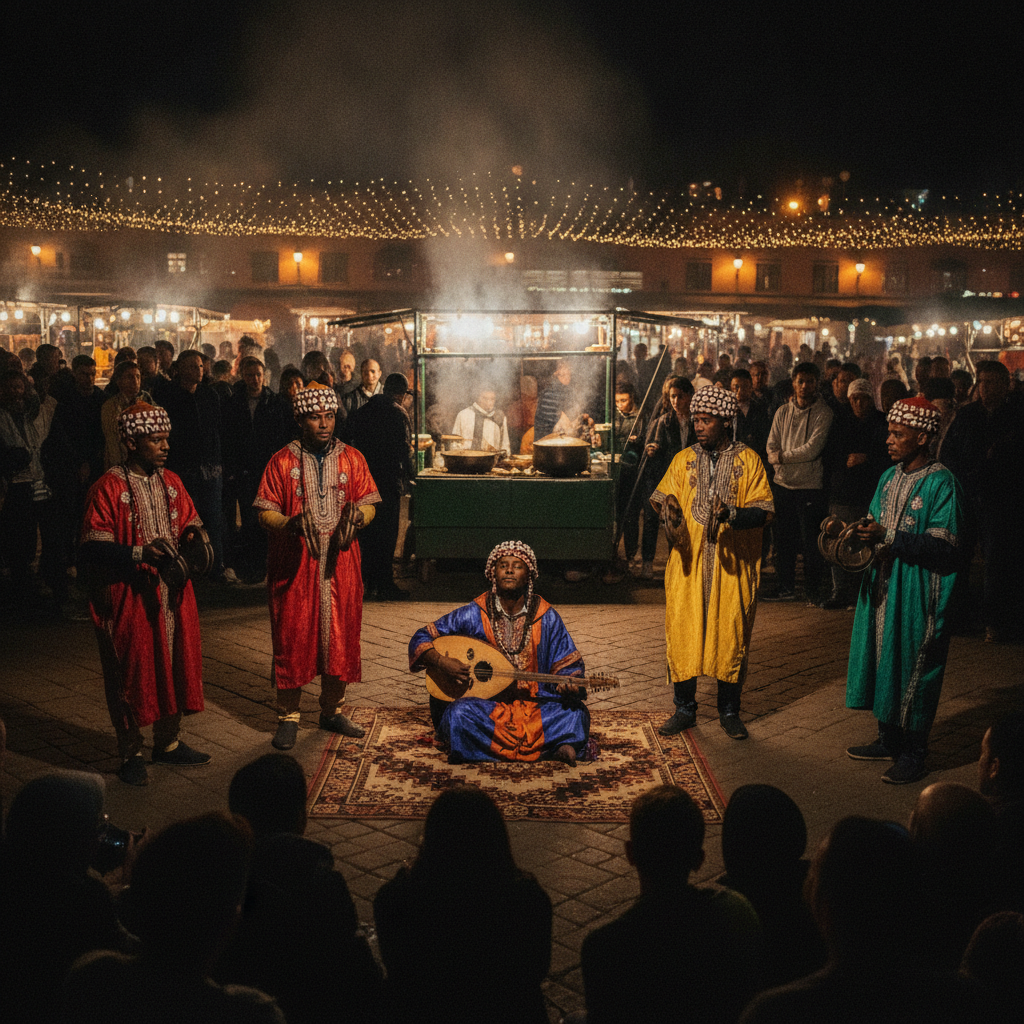
Gnawa Music, Sufi Culture & the Spiritual Heart of Marrakech
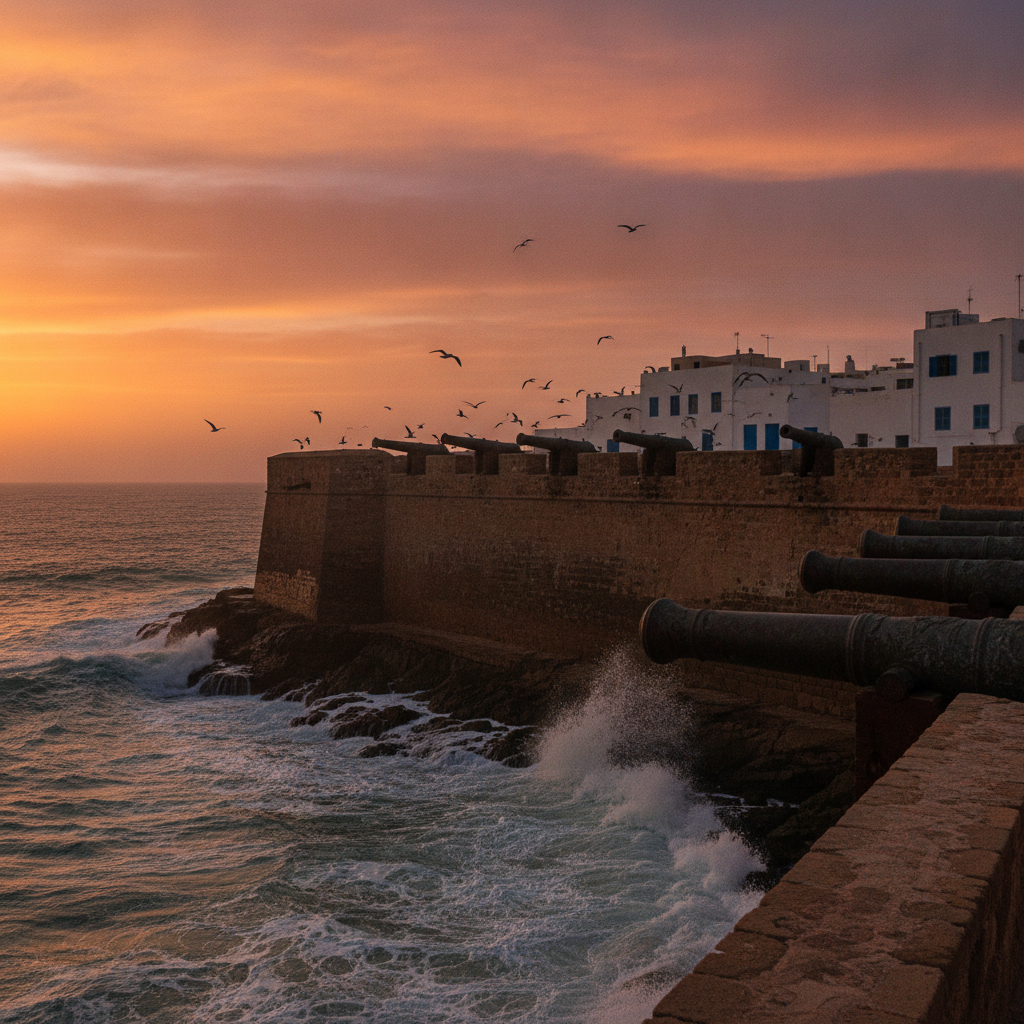
Essaouira — Marrakech's Atlantic Escape
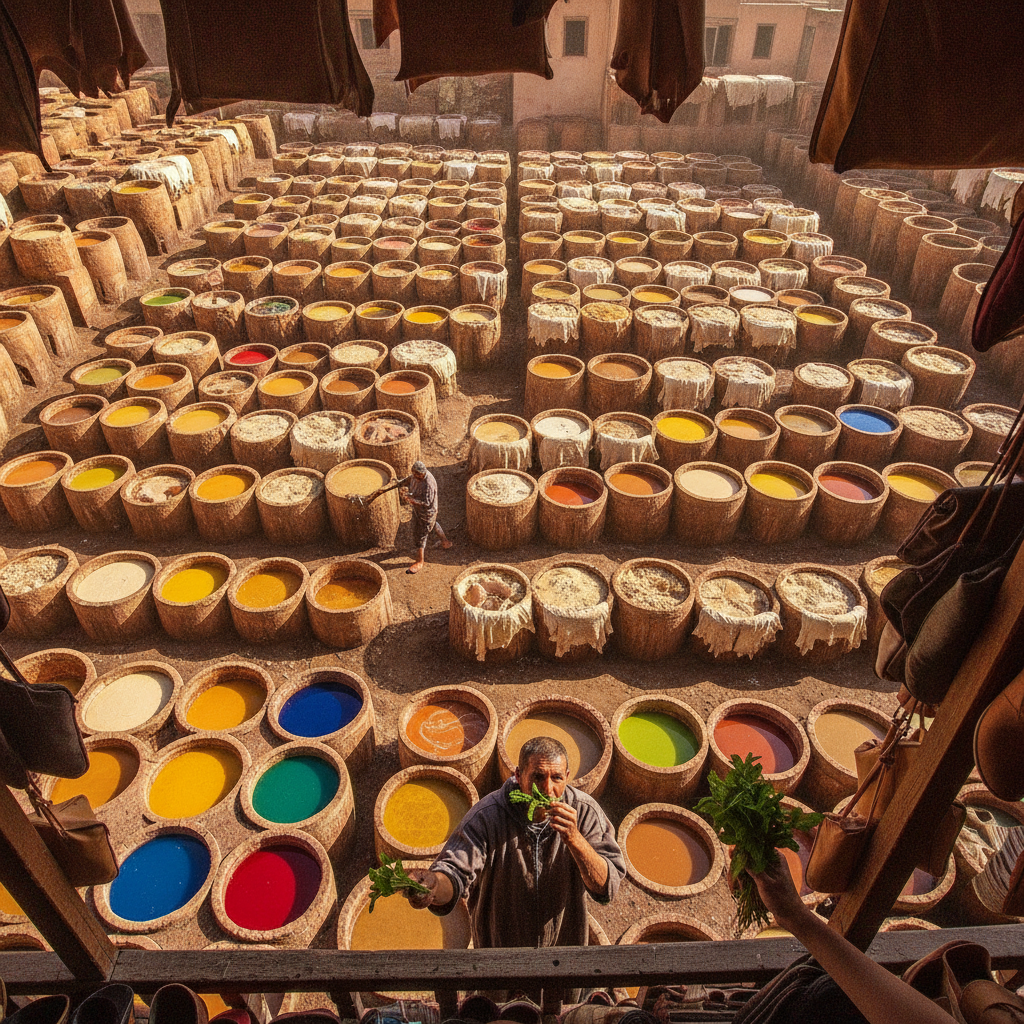
Moroccan Crafts — Leather Tanneries, Pottery & Artisans

Marrakech Wellness: The Hammam Ritual Bathing, the Riad Spa Culture, Argan Oil Beauty Tradition, the Moroccan Hospitality Ritual, the Henna Art, and the Wellness Tourism
