Mary Ancient Merv Silk Road UNESCO Heritage
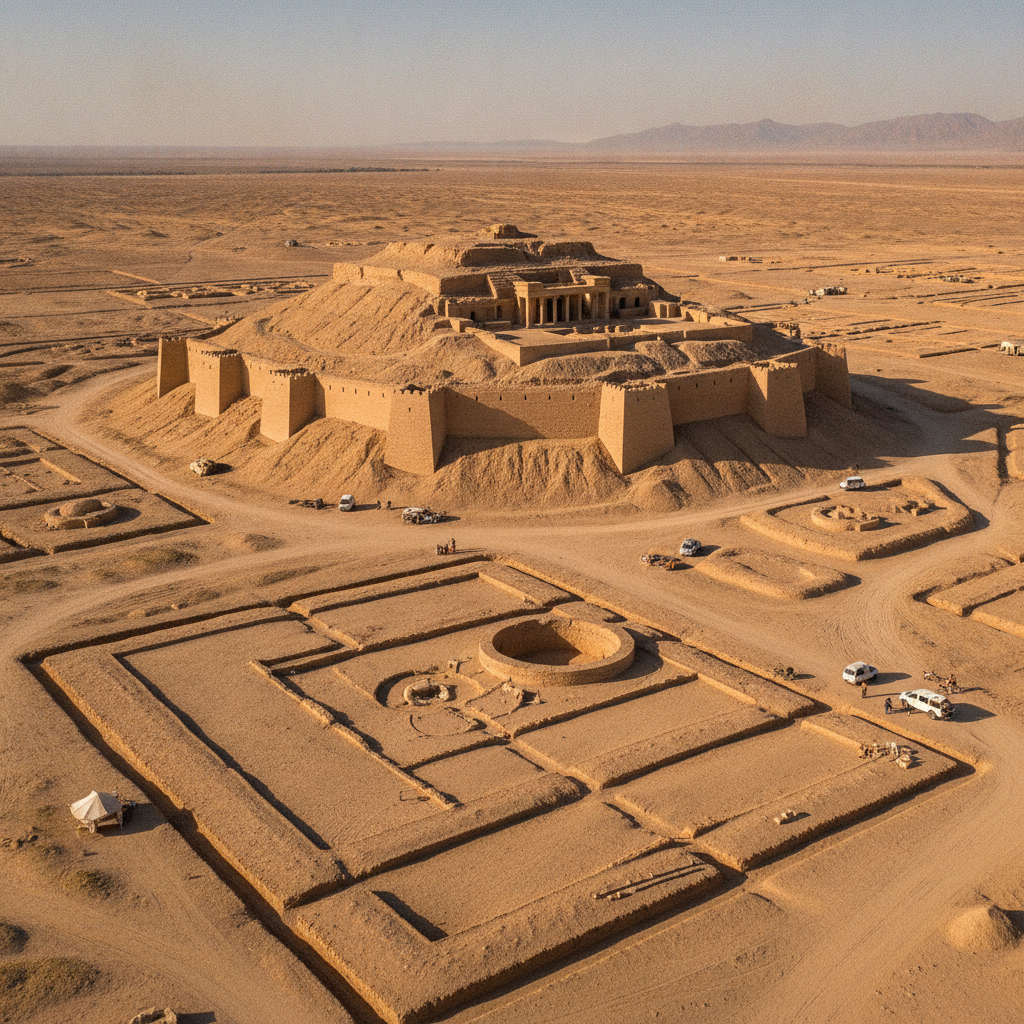
Visit Ancient Merv — the UNESCO World Heritage site near Mary city, one of the oldest and best-preserved oasis cities in Central Asia, whose successive city layers span 5,000 years from the Bronze Age through the Timurid period, the city that was one of the largest in the medieval Islamic world before the Mongol destruction of 1221.
- 1
Erk Kala Ancient Fortress
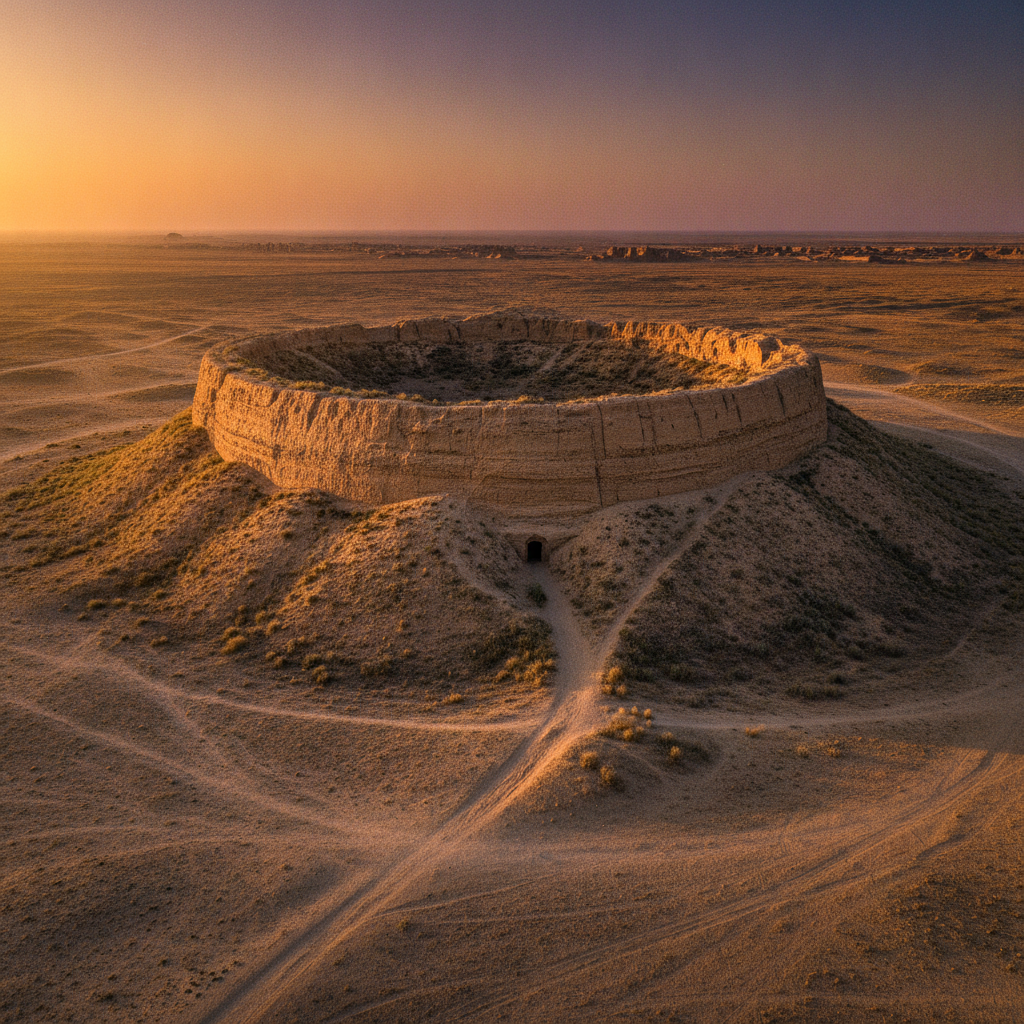
Erk Kala — the innermost citadel of ancient Merv dating to the 6th century BCE Achaemenid period, the circular earthen fortification rising above the desert floor as a massive natural-looking mound, the earliest settlement layer of the Merv oasis visible in plan as a perfect circle of defensive walls.
- 2
Gyaur Kala Hellenistic City
Gyaur Kala — the large rectangular Hellenistic and Parthian city enclosure established after Alexander the Great's conquest, the walls enclosing an area of 340 hectares, the archaeological remains of the city showing the grid street plan introduced by Hellenistic urban planning overlaid on the existing settlement pattern.
- 3
Sultan Kala Medieval Islamic City
Sultan Kala — the medieval Islamic city that was the largest of the Merv settlements, the city at its peak in the 11th-12th centuries under the Great Seljuk sultans when it may have been the largest city in the world with over 200,000 inhabitants, the ruins extending across several square kilometers of desert.
- 4
Mausoleum of Sultan Sanjar
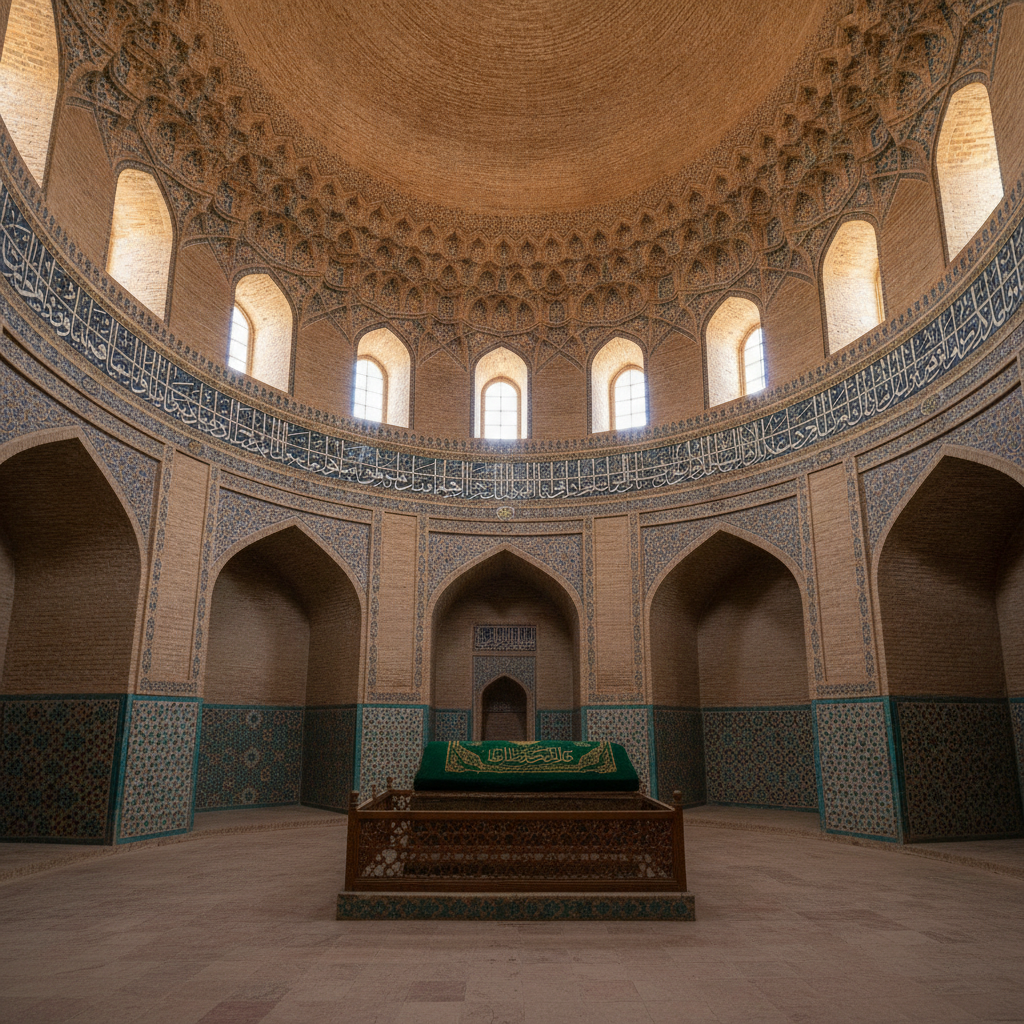
The Mausoleum of Sultan Sanjar — the 12th-century tomb of the last Great Seljuk sultan, the dome visible across the flat plain for many kilometers, the fired-brick construction with its double dome one of the finest examples of Seljuk funerary architecture, the building surviving the Mongol destruction better than the surrounding city.
- 5
Muhammad ibn Zayd Mausoleum
The Mausoleum of Muhammad ibn Zayd — the 12th-century domed tomb combining the distinctive Seljuk architectural vocabulary with local Central Asian building traditions, one of several medieval Islamic buildings preserved at Merv showing the architectural sophistication of the pre-Mongol city.
- 6
Mongol Destruction Evidence
The evidence of the Mongol destruction at Merv — the 1221 massacre by Tolui Khan's forces that killed an estimated 700,000 people and left the city permanently abandoned at its medieval scale, the archaeological evidence showing the destruction layer and the subsequent reduced settlement that never recovered the city's pre-Mongol grandeur.
Walk this route with audio
Stories play automatically as you reach each stop — no tapping needed.