Memphis: Soul Music, Civil Rights and the Taste of the South
Experience Stax Records soul music history, stand at the Lorraine Motel balcony, trace cotton commerce at the Cotton Museum, explore Shelby Farms Park, visit the Memphis Zoo, and discover the pit masters who made Memphis barbecue world famous.
- 1
Stax Museum of American Soul Music
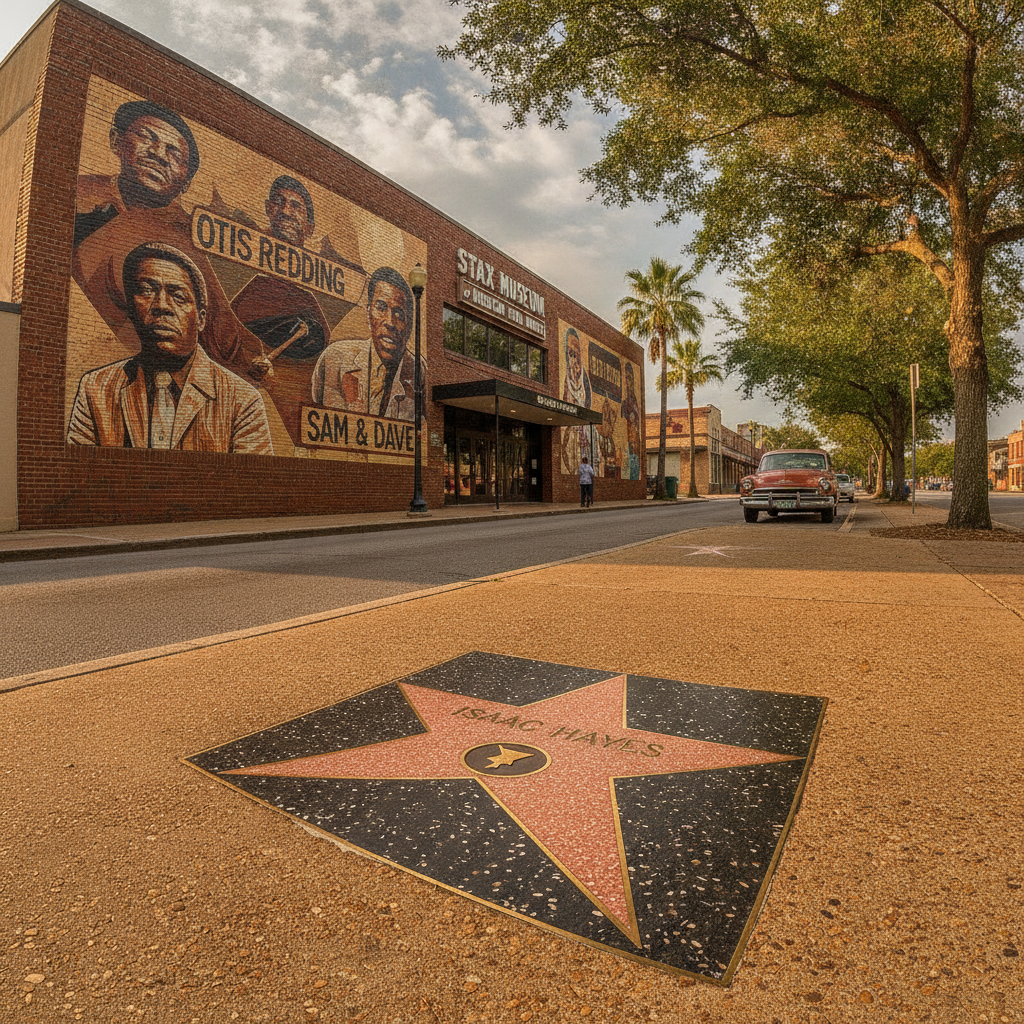
The Stax Museum of American Soul Music at 926 East McLemore Avenue stands on the original site of Stax Records, founded in 1957 by Jim Stewart and Estelle Axton. Stax produced artists including Otis Redding, Sam and Dave, Booker T. and the MGs, Isaac Hayes, and the Staple Singers, defining the Memphis soul sound through a racially integrated workforce that was extraordinary for the segregated South. The label closed in 1975 after bankruptcy and the original building was demolished in 1989. The museum, opened in 2003, was built as a replica of the original studio and contains artifacts including Isaac Hayes 1972 gold-plated Cadillac El Dorado. The adjacent Stax Music Academy provides music education to underserved youth.
- 2
National Civil Rights Museum at the Lorraine Motel
The National Civil Rights Museum occupies the former Lorraine Motel where Dr. Martin Luther King Jr. was assassinated on April 4, 1968 on the balcony outside Room 306. The museum opened in 1991 and was substantially expanded in 2014 at a cost of 27.5 million dollars. The permanent collection traces the American civil rights movement from the colonial era through the present, with particularly strong galleries on the Montgomery Bus Boycott, the Birmingham Campaign, and the Freedom Rides. Over 400,000 visitors attend annually. The building across Mulberry Street where James Earl Ray fired the shot is also part of the museum campus and contains exhibits on the assassination investigation and legacy.
- 3
Memphis Cotton Museum and Delta Trade
The Memphis Cotton Museum at 65 Union Avenue occupies the former Memphis Cotton Exchange building where cotton prices were set for the Mid-South region from 1873 to 2003. Memphis served as the largest inland cotton market in the world during the late 19th and early 20th centuries, a position built on the labor of enslaved people and later sharecroppers in the Mississippi Delta. The exchange trading floor, restored with period equipment, is the centerpiece of the museum. Exhibits trace cotton from West African origins through the plantation system, the Great Migration, and the mechanization that transformed agriculture and displaced millions of Delta workers northward in the mid-20th century. The museum connects cotton commerce directly to the blues music that grew from Delta communities.
- 4
Shelby Farms Park and Greenline Trail
Shelby Farms Park, one of the largest urban parks in the United States at 4,500 acres, sits five miles east of downtown Memphis. The site was a county workhouse farm until the 1960s and is now managed by the Shelby Farms Park Conservancy following a 2006 Master Plan. The park contains 40 miles of trails, a 80-acre lake, and a bison herd of roughly 100 animals that has grazed the grounds since the 1970s. The Shelby Farms Greenline, a 10.6-mile paved trail completed in 2010, connects Shelby Farms to the Midtown neighborhood. The park draws over 3 million visitors annually and a 2020 renovation added a treehouse village, pump track, and expanded water recreation area.
- 5
Memphis Zoo and Overton Park
Memphis Zoo in Overton Park houses more than 3,500 animals representing 500 species across 76 acres. It opened in 1906 and maintains one of only four Giant Panda exhibits in the United States, though its panda agreement with China expired in 2023. Overton Park itself is a 342-acre urban park that became the center of a landmark 1971 US Supreme Court case, Citizens to Preserve Overton Park v. Volpe, which established legal precedent protecting parkland from highway construction. The Park Commission had opposed an interstate highway corridor through the park, and the Supreme Court ruled unanimously that the government had failed to consider all alternatives. The decision shaped environmental law and urban planning policy for decades.
- 6
Memphis Barbecue Culture and Pit Masters
Memphis is considered one of the four capitals of American barbecue alongside Kansas City, Texas, and the Carolinas. The Memphis style emphasizes dry rubs of spices applied to pork ribs and shoulders, with sauce served on the side rather than cooked on. The Memphis in May World Championship Barbecue Cooking Contest, held annually since 1978 in Tom Lee Park on the Mississippi River, draws over 250 teams and 100,000 visitors and is considered the most prestigious barbecue competition in the world. Cozy Corner Restaurant, operating since 1977, and Charlie Vergos Rendezvous, open since 1948 in a basement alley off Monroe Avenue, are the most historically significant Memphis barbecue institutions. Interstate Barbecue, founded in 1980, is known for its wet ribs.
Walk this route with audio
Stories play automatically as you reach each stop — no tapping needed.
More in Memphis
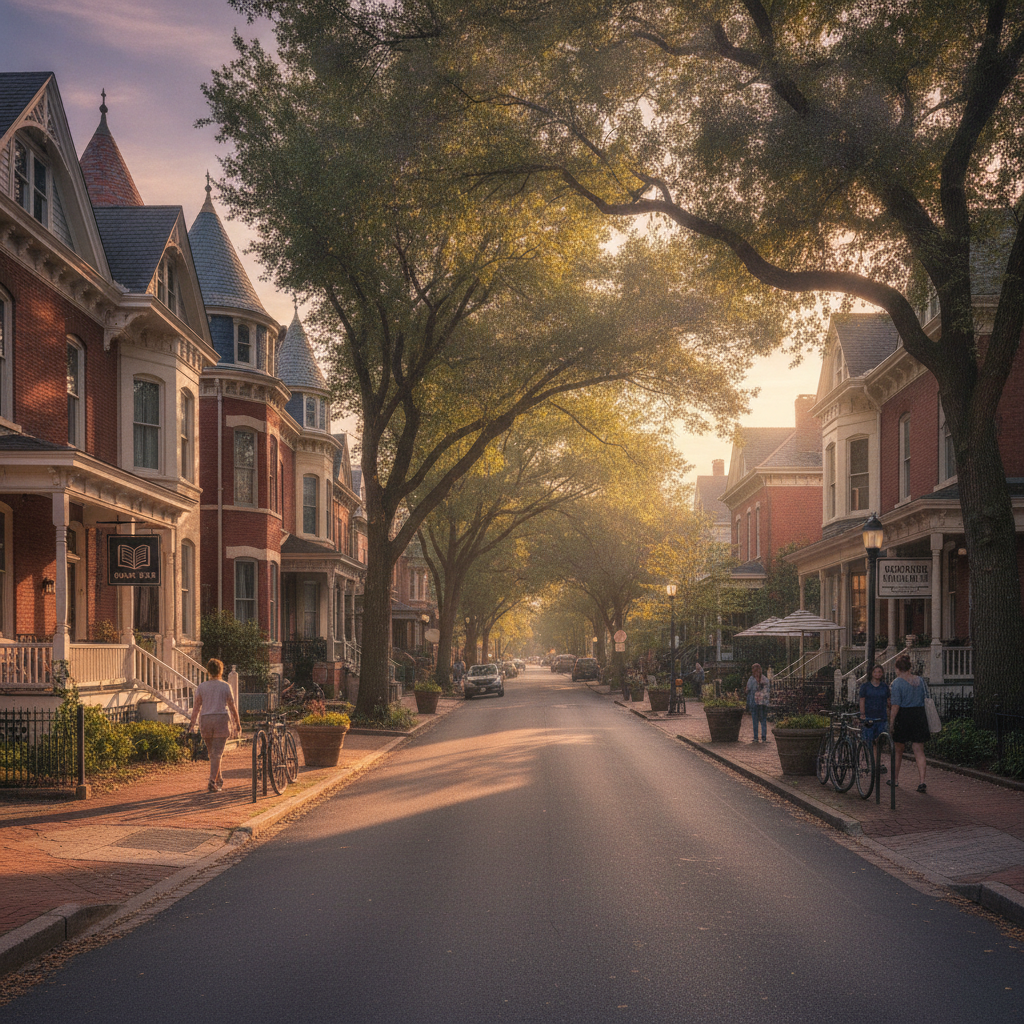
Memphis R3: Sanitation Strike (February 12 1968 65 days, Cole and Walker crushed in truck February 1, I Am a Man signs, King Mountaintop speech April 3 1968, Loeb capitulated April 16 after assassination), Rockabilly (Cash born 1932 died 2003, Jerry Lee Lewis died October 28 2022 last Sun Records survivor, Perkins Carl died 1998, Al Green pastor Full Gospel Tabernacle 1976 hot grits incident 1974), Soul food (Four Way Restaurant 1946 South Memphis MLK Civil Rights musicians, Gus Fried Chicken 1953 Napoleon Vanderbilt, Cozy Corner Raymond Robinson 1977), Neighborhoods (Midtown Cooper-Young Novel bookstore Cooper-Young Festival 110,000 September, Overton Park v Volpe 1971 Supreme Court landmark urban park protection, Orange Mound 1890 oldest Black-developed US neighborhood 45% poverty), Shelby Farms (1800 acres 3x Central Park 50km trails 30 bison, Greenline 10.65km rail-to-trail, Mississippi River Trail 3000km cycling headwaters Minnesota to Gulf), Architecture (Pink Palace Piggly Wiggly Saunders 1916 self-service grocery inventor went bankrupt 1923, Memphis Brooks Museum 9000 works 5000 years, Memphis Zoo panda Ya Ya repatriated April 2023, Autozone Park Triple-A Cardinals).
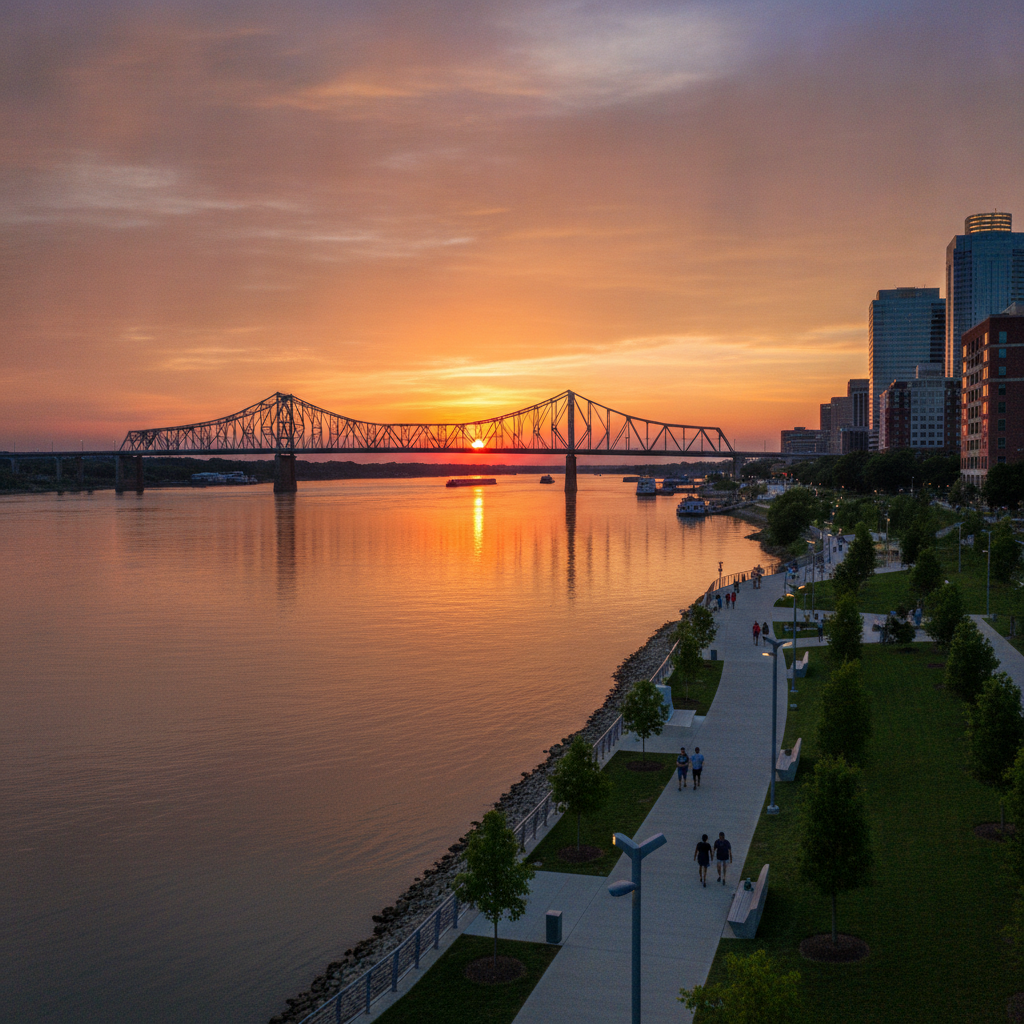
Memphis: Creative Districts, River Festivals and Living Music
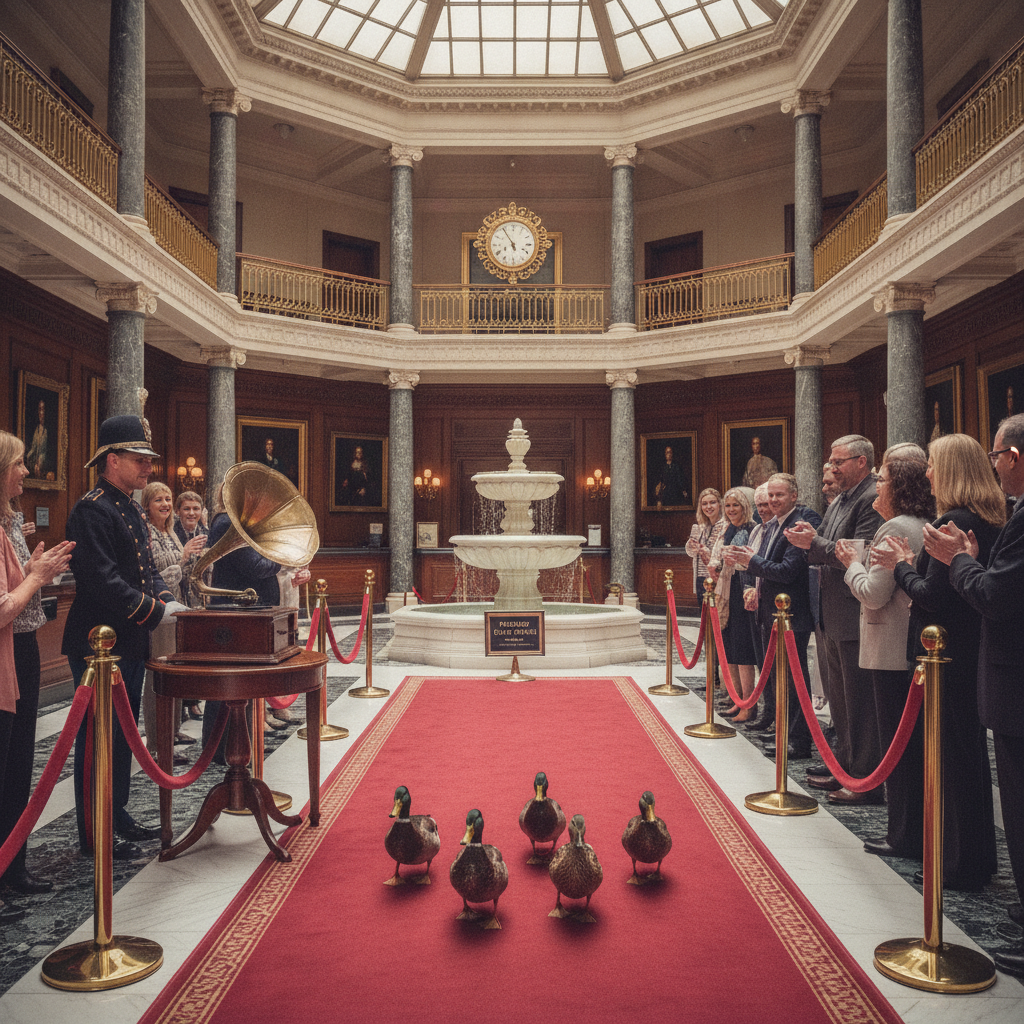
Memphis R4: Yellow fever epidemics (1873 1878 1879, 5000 dead 1878, population 40,000 to 14,000, municipal charter revoked 1879 operating as taxing district until 1893, Sisters St Mary Episcopal nursed dying, George Waring Memphis Sewer System 1880-1890 first modern US sanitary sewer), Cotton Exchange (84 Union Avenue, 2.2M bales/year 1920s-1930s, cotton compression 40% volume reduction, FedEx founded 1971 Frederick Smith MEM 4th busiest cargo world), Literature and film (Faulkner Oxford 100km south Memphis symbol of urban corruption in Sanctuary Sound and Fury, Guralnick Last Train to Memphis 1994 Careless Love 1999 finest rock biography, Hustle and Flow 2005 Craig Brewer Three 6 Mafia Oscar), African American history (Ida B Wells Memphis Free Speech 1889-1892 anti-lynching journalism exiled after mob destroyed office 1892 Pulitzer Prize 2020 posthumous, Robert Church Sr 1839 first Black millionaire South yellow fever real estate, Church Park 1899 first safe Black public gathering), Music economy (Beale Street USD 150M tourist economy cover bands, Soulsville Charter School 300 students South Memphis, Royal Studios 1320 Soul Avenue Willie Mitchell Al Green Hi Records, GloRilla born 2000 Memphis 2022 national attention, Julien Baker born 1995), Practical (MEM 4M passengers FedEx hub 4th cargo world, Peabody Hotel USD 300-450, April-May Memphis in May best season, 38C summer humidity).
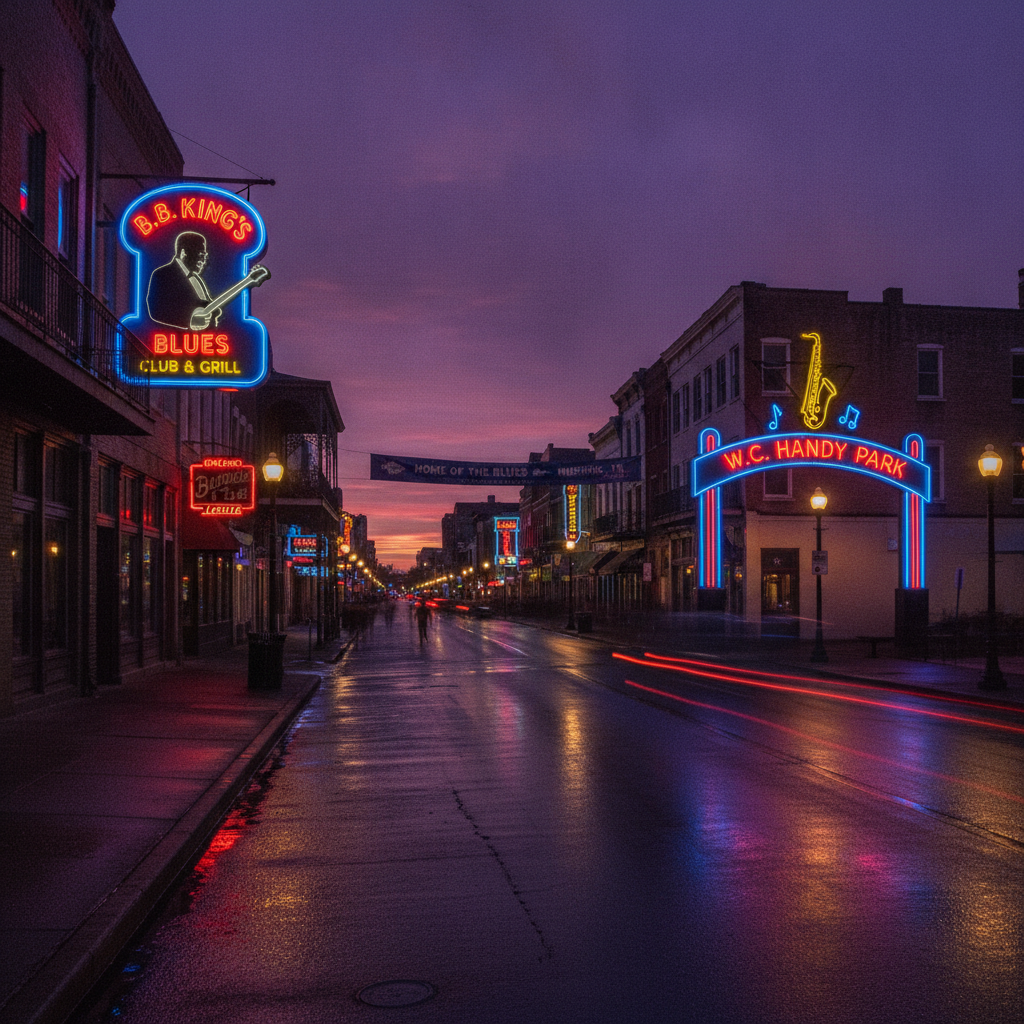
Memphis: Beale Street, Sun Studio, Stax Museum, National Civil Rights Museum, Graceland, and BBQ
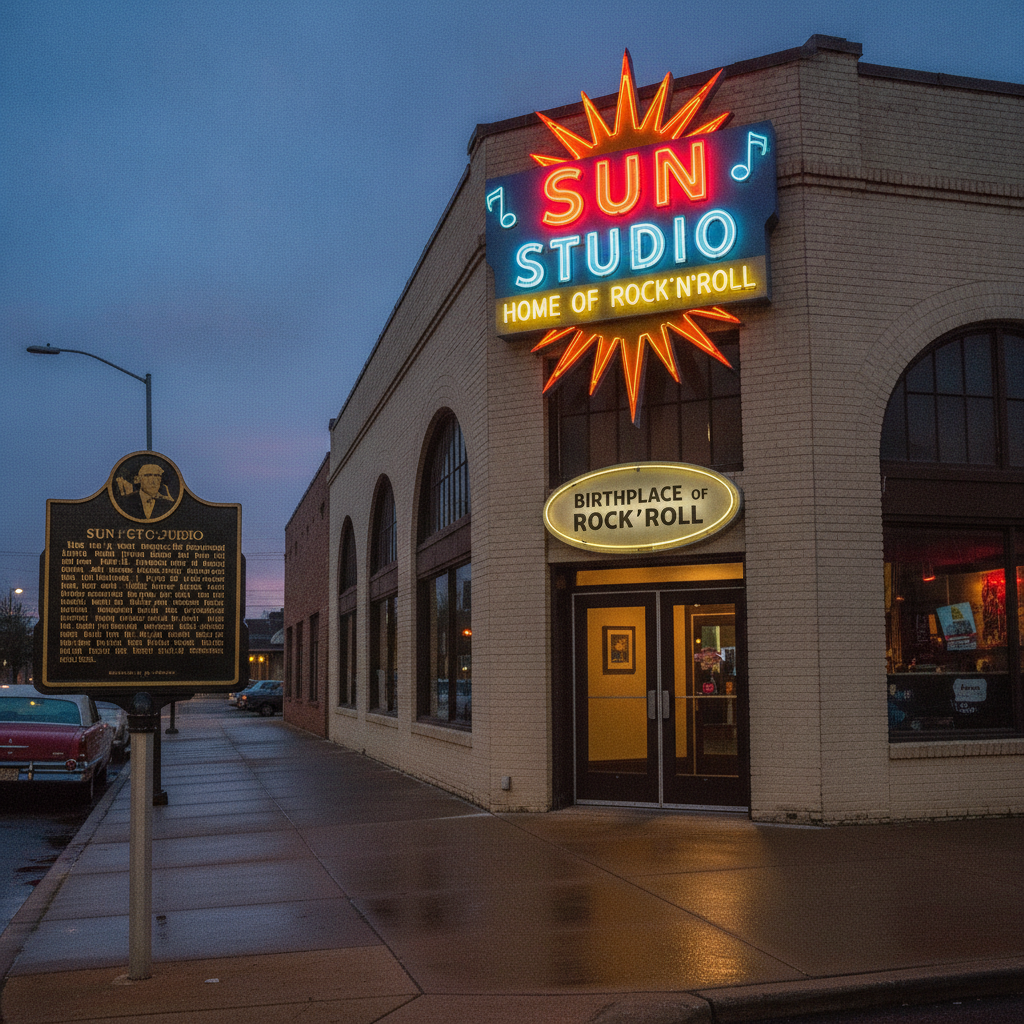
Memphis: River Science, Rock and Roll Origins and Medical Miracles