Oranjestad Context and Departure: Venezuela as Neighbor, Dutch Kingdom Investment Stability, ATA Tourism Excellence, Beach Safety, Water Desalination Technology, and the Final Afternoon Shopping
The Oranjestad geopolitical and departure context covers the Venezuela refugee situation 27 kilometers south, the Dutch Kingdom investment stability advantage, the Aruba Tourism Authority marketing excellence, the rip-current-free leeward beach safety, the remarkable 100-percent desalination water system, and the practical final afternoon in the Oranjestad duty-free district.
- 1
Aruba and Venezuela: The Geopolitical Neighbor
Aruba lies 27 kilometers north of the Venezuelan Paraguana Peninsula, closer to the South American mainland than to any other Caribbean island, making the Venezuelan crisis of the past decade a direct geopolitical and humanitarian issue for the Aruba population. The significant Venezuelan refugee and migrant population in Aruba, the abandoned Venezuelan oil refinery operations, and the coastguard management of the small boat crossings create the border security and humanitarian issues that are the most pressing political challenge in contemporary Aruba.
- 2
Aruba Investment: The Dutch Kingdom Advantage
Aruba benefits from the financial stability and the investment environment provided by the Dutch Kingdom membership, including the access to Netherlands financial regulation and the euro-aligned economic framework of the Dutch Caribbean financial system, making Aruba the most stable investment destination in the southern Caribbean for the international real estate and resort development market. The Aruba real estate market, dominated by the North American second-home buyer, has maintained values significantly higher than the Dominican Republic and Jamaica resort alternatives.
- 3
The Aruba Tourism Authority: The Marketing Machine
The Aruba Tourism Authority, one of the most professionally managed tourism marketing organizations in the Caribbean, has built the Aruba brand of One Happy Island through consistent messaging focused on the safety, the sunshine guarantee, the water sports excellence, and the food and entertainment quality that differentiates Aruba from the mass-market Dominican Republic and the cultural-but-complex Jamaica in the North American vacation market. The ATA annual visitor survey consistently produces the highest satisfaction ratings in the Caribbean.
- 4
Aruba Beach Safety: No Rip Currents
The Palm Beach and Eagle Beach leeward coast of Aruba is among the safest swimming water in the Caribbean, with the reef barrier and the leeward location providing complete protection from the Atlantic swell and the absence of rip currents that make the Atlantic-facing beaches of Barbados and Tobago hazardous for less experienced swimmers. The calm leeward water is the primary safety advantage of Aruba over the windward-facing Caribbean island destinations.
- 5
Water Desalination: The Aruba Water Miracle
Aruba produces 100 percent of its drinking water from seawater desalination, primarily using the reverse osmosis technology at the Balashi water and power company facility, making it one of the few countries in the world that is completely self-sufficient in potable water from non-natural sources. The Balashi facility, which also provides approximately 90 percent of the island electricity from the waste heat of desalination, represents one of the most efficient water and energy systems of any small island in the world.
- 6
Aruba Departure: The Last Afternoon
The final afternoon in Aruba after hotel checkout is optimally spent at the Oranjestad Wilhelmina Park and the duty-free shopping of the Main Street before the taxi to the Queen Beatrix Airport for the afternoon or evening departure. The Aruba duty-free stores offer the local aloe products, the Aruba Gold jewellery, and the Dutch ceramics at airport-equivalent prices in the comfort of the Oranjestad shopping environment rather than the terminal concession.
Walk this route with audio
Stories play automatically as you reach each stop — no tapping needed.
More in Oranjestad
Oranjestad History and Culture: Aruba Carnival, Film Festival, Fort Zoutman Museum, Alto Vista Chapel, Cunucu Architecture, and the Queen Beatrix Airport Departure Guide
Oranjestad and Aruba: Eagle Beach, Arikok Desert Park, the California Lighthouse, and Kitesurfing at Boca Grandi
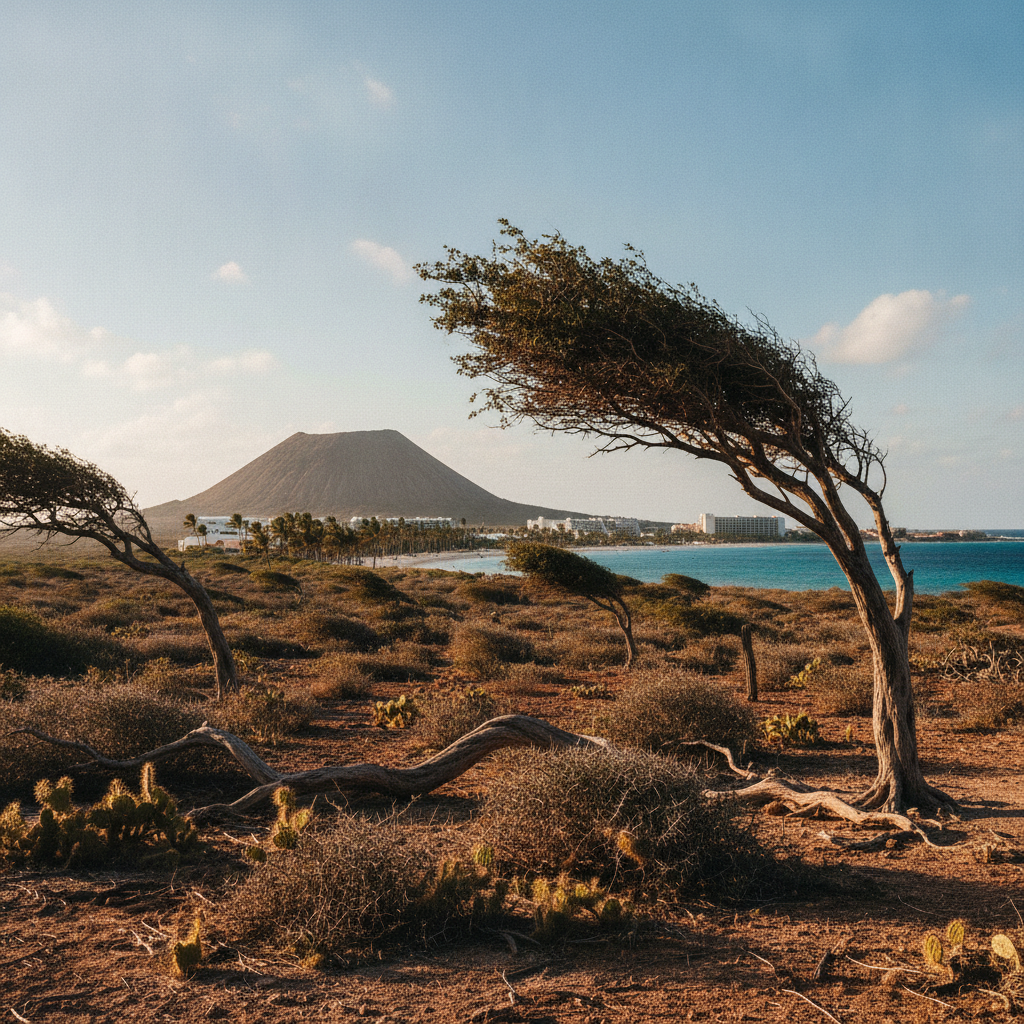
Oranjestad Character and Context: Authentic Aruba Beyond the Resort, Hooiberg Viewpoint, Hurricane Safety, Divi-Divi Symbol, Noord Restaurant Strip, and Family Destination Excellence
Oranjestad Complete: Sero Colorado Wilderness, Arikok Dark Sky Stargazing, Eagle Beach Sea Turtle Nesting, Culinaria Festival, Fort Zoutman History, and the Aruba Tourism Formula
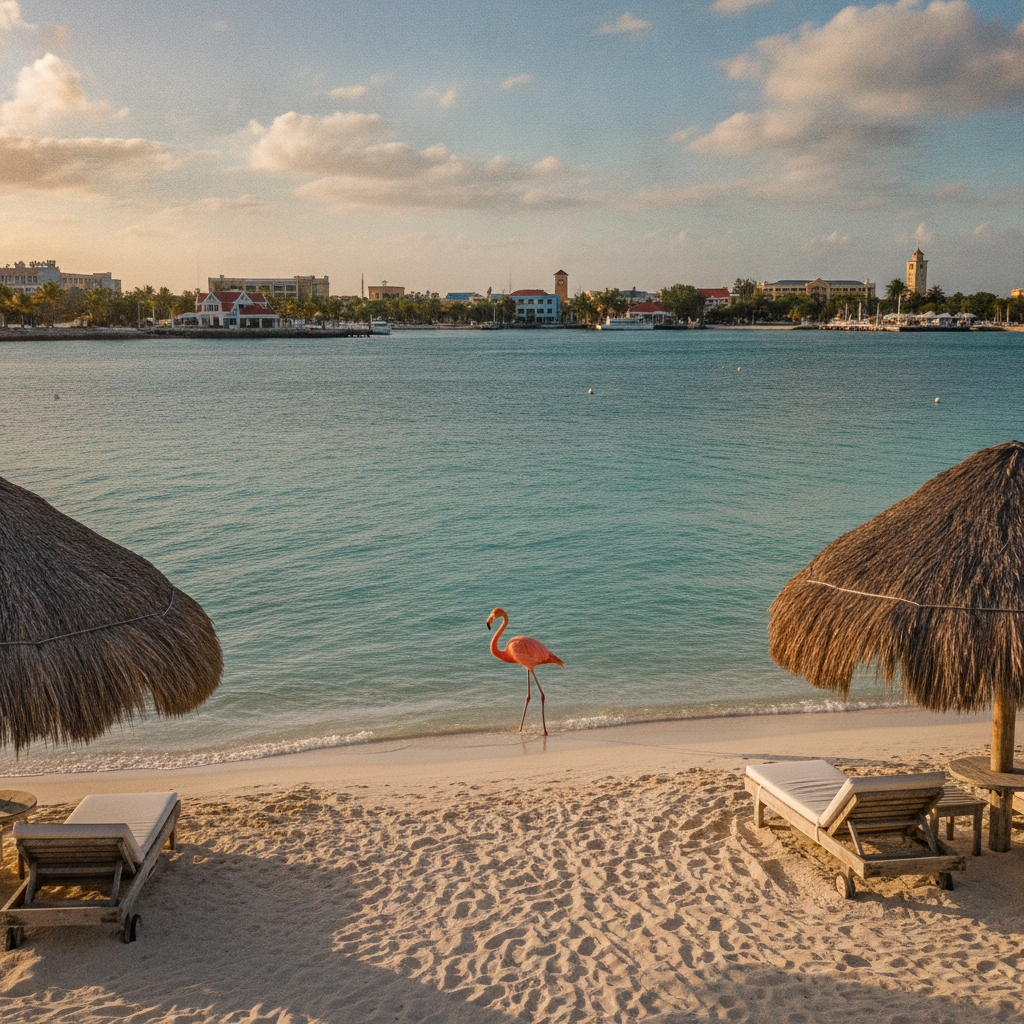
Oranjestad Culture and Nature: Druif Beach, Renaissance Private Island, Ayo Rock Formations, Casino Culture, Local Market, and Aruba Sustainable Tourism