Denizli Province: The Ancient Colossae Site, the Global Textile Industry, the Kaklik Cave Underground Pamukkale, the Lycus Valley Cotton Heritage, and the Modern Denizli City
The Denizli province route covers the unexcavated Colossae New Testament site, the Denizli textile industry supplying global brands, the Kaklik Cave underground thermal formation, the ancient Lycus Valley wool and cotton textile heritage, and the modern Denizli provincial capital.
- 1
Ancient Colossae: The Unexcavated New Testament Site
Colossae, the ancient city on the Lycus River 15 kilometers east of Pamukkale, is among the most important unexcavated sites in the world because it is the recipient of the Pauline Letter to the Colossians addressing the Colossian heresy - a Christological controversy representing the earliest documented theological dispute in Asian Christianity. The unexcavated mound at Honaz village has been surveyed since 2004 by a New Zealand-Australian archaeological project but no systematic excavation has yet begun, making this the most significant unexcavated New Testament site in Turkey and one of the most historically important unexcavated tells in the entire Mediterranean world.
- 2
Denizli Textile: The Global Production Center
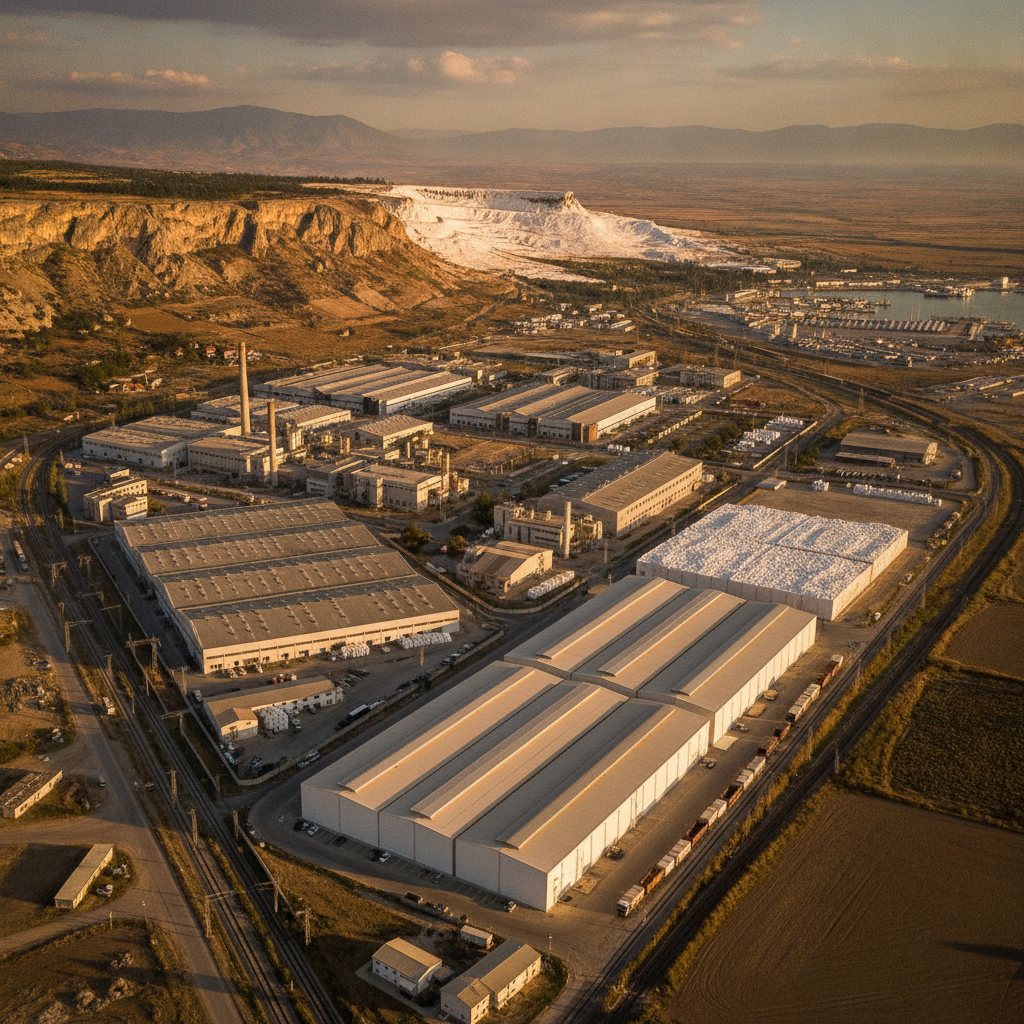
Denizli province is the most important single textile production center in Turkey with 1,200 textile factories employing 100,000 workers producing towels, bathrobes, bed linen, and apparel fabrics for major European and American brands. Denizli supplies more European hotel and hospitality textile than any other single province in the world, and the Denizli textile tradition is rooted in the ancient Lycus Valley wool trade where the soft black Laodicean wool was the most valued textile product in the Roman empire. The modern Denizli factory industry represents the most continuous single textile heritage in western Turkey, spanning three thousand years from ancient wool to modern cotton.
- 3
Kaklik Cave: The Underground Pamukkale
Kaklik Cave 25 kilometers north of Denizli is the underground version of the Pamukkale travertine phenomenon, where the same calcium-rich thermal springs have built white stalagmite formations inside a collapsed sinkhole cave, earning the local name Underground Pamukkale. The cave is significantly less visited than the main Pamukkale terrace and provides the most atmospherically enclosed version of the travertine calcium formation in the Denizli province. The boardwalk around the cave perimeter allows viewing of the underground thermal lake and the white calcium formations in the cavern walls with the cave acoustics adding the most distinctive sensory dimension to the travertine experience.
- 4
Lycus Valley Cotton and Wool Heritage
The Lycus Valley between Pamukkale and the Maeander junction was the most productive textile region in the ancient world because the black volcanic soil produced the softest local sheep wool, the Laodicean black dye was the most commercially sought color in Roman textile markets, and the river water was ideal for washing and processing fiber. The transition from ancient wool to modern cotton agriculture in the 20th century maintained the Denizli textile tradition with the Lycus Valley cotton fields now supplying the raw material for the modern Denizli towel and bathrobe industry that the ancient Laodicean wool trade founded.
- 5
Tripolis: The Maeander Junction Ancient City
Tripolis ad Maeandrum, the ancient city at the junction of the Maeander and Lycus rivers 35 kilometers north of Denizli, is the least visited and most recently excavated ancient site in the Denizli province with the 1st century AD theatre, Byzantine church, monumental fountain, and city wall circuit uncovered by Pamukkale University since 2012. Tripolis was the strategically important river junction city that controlled the trade route from the Maeander Valley to the Lycus Valley interior and it represents the most architecturally significant unexplored ancient city in the Denizli province for the visitor who has exhausted the main sites.
- 6
Modern Denizli: The Provincial City
Denizli city, 20 kilometers from Pamukkale with 600,000 inhabitants, is the most economically dynamic provincial city in southwestern Turkey with the textile industry, agricultural processing, and Pamukkale tourism creating the most diversified provincial economy in the Turkish Aegean region. The Denizli rooster - the famous Denizli chicken breed known for the longest crow in the world - is the city mascot and appears on the municipal coat of arms. The Denizli city museum, the modern pedestrian city center, and the covered bazaar represent the contemporary provincial culture that most visitors bypass in transit to the Pamukkale terraces.
Walk this route with audio
Stories play automatically as you reach each stop — no tapping needed.
More in Pamukkale

Pamukkale Practical: Transport from Istanbul and Izmir, the Ephesus Circuit, Accommodation Strategy, Optimal Visit Timing, the Day Trip Options, and the Departure Summary
Pamukkale Essential: Cotton Castle Travertine Terraces, Hierapolis Roman Spa City, Cleopatra Sacred Pool, Geological Wonder, Thermal Spring Culture, and the Denizli Gateway
Pamukkale Photography: Sunrise Terrace Walk, Blue Pool Reflections, Hierapolis Theatre Compositions, Aerial Perspectives, Seasonal Changes, and the Ethics of UNESCO Site Photography
Aphrodisias Day Trip: The Roman Sculpture Capital, the World Record Stadium, the Sebasteion Imperial Frieze, the On-Site Museum, the Temple of Aphrodite Conversion, and the Marble Quarry Source

Laodicea: The Lukewarm Church of Revelation, the Colossians Letter, the Syrian Agora, the Stadium, the Two-Source Water System, and the Active Turkish Excavation