Penang Malay Heritage & Balik Pulau Walk
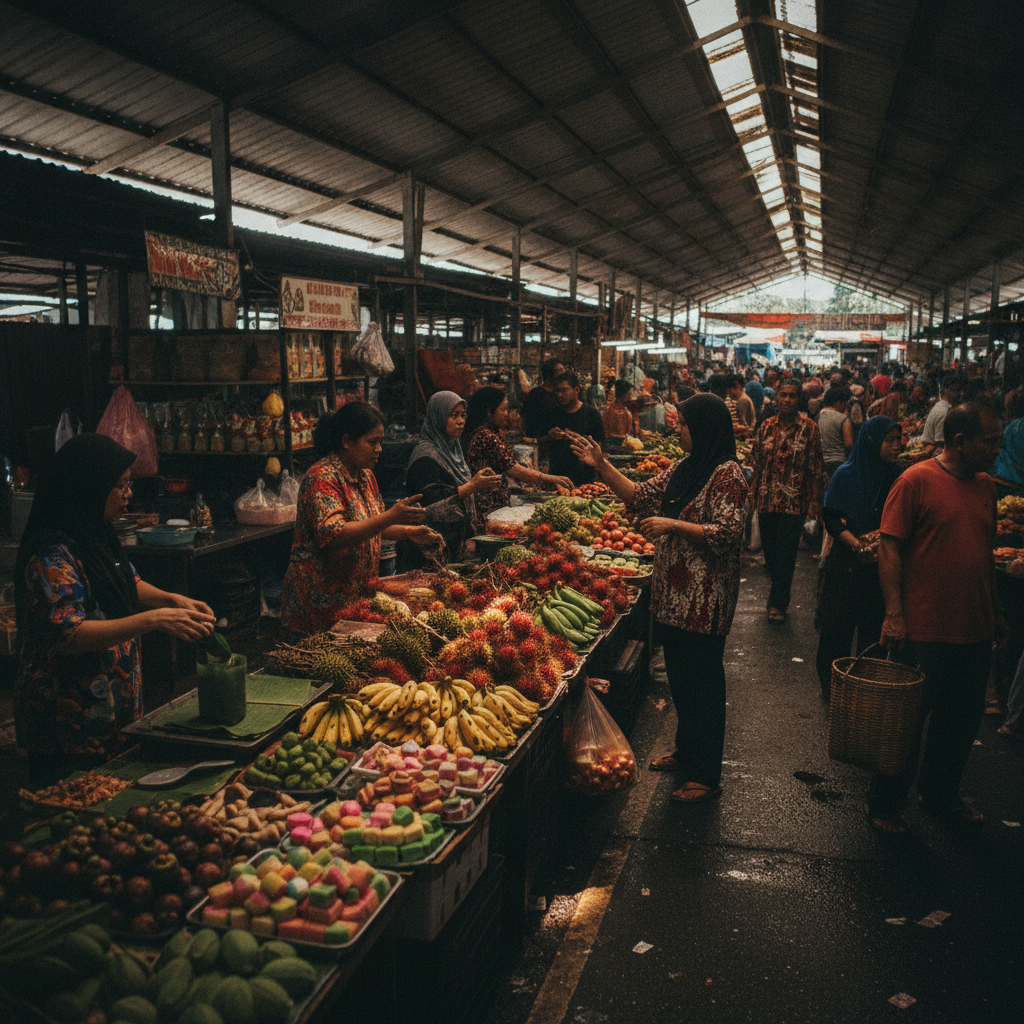
Discover Penang's Malay heritage — the Malay community predating the British settlement has its traditional areas in the south of the island, particularly in Balik Pulau (Back of the Island) where traditional Malay villages, durian orchards, and the fishing communities of the Straits maintain a connection to the island's pre-colonial identity.
- 1
Malay Heritage Museum Penang
Penang's Malay heritage museums document the culture of the indigenous Malay community that inhabited the island before Francis Light's 1786 landing — the traditional Malay village communities, the fishing culture of the Penang coastline, and the Islamic heritage of the Malay population who pre-date the British colonial city are most fully represented in the museum collections and in the traditional village areas that have survived the urban expansion of George Town. The Malay community's political and cultural relationship with the British colonial system and later with the Chinese commercial dominance of Penang's economy is a complex history that the heritage institutions are beginning to document.
- 2
Masjid Melayu Lebuh Aceh
Masjid Melayu Lebuh Aceh (Aceh Street Malay Mosque) is the oldest Malay mosque in Penang — built around 1808 by Tengku Syed Hussain Al-Aidid, a wealthy Arab-Malay merchant from Aceh, the mosque serving the Arab, Acehnese, and Malay Muslim community of the northern Penang Strait trading network documents the Islamic commercial networks that connected Penang to the wider Muslim world of the Indian Ocean trade. The mosque's Acehnese architectural style, distinct from the Mughal-inspired design of the Kapitan Keling Mosque, reflects the different Islamic cultural traditions represented in Penang's Muslim community.
- 3
Balik Pulau Malay Village
Balik Pulau (Back of the Island) on Penang Island's west coast has maintained the most authentic Malay village character on the island — the agricultural community of traditional Malay wooden houses surrounded by durian, mangosteen, and nutmeg orchards represents the rural Malay Penang that has been overshadowed by the heritage tourism focus on George Town's Chinese and colonial buildings. The Balik Pulau durian, considered by Penang food enthusiasts to be among the finest in Malaysia, grows in orchards whose varieties (D24, Musang King, Kampung) have been cultivated by the same families for generations.
- 4
Durian Season Balik Pulau
The Balik Pulau durian season (May-August) is one of Penang's most celebrated annual food events — the durian orchards of the Malay kampung communities on the island's south and west slopes produce fruit whose flavour is attributed to the combination of the island's volcanic soil, the sea breezes from two directions, and the specific microclimates created by the hills. Penang residents drive to Balik Pulau specifically during durian season to eat fruit directly from the orchard stalls, comparing the different farm varieties and the year's crop quality in the manner of wine enthusiasts discussing vintages.
- 5
Penang Fishing Village Teluk Kumbar
Teluk Kumbar at the southern tip of Penang Island is a traditional Malay fishing community — the village with its fish landing, the wooden fishing boats in the bay, and the lifestyle centred on the Malacca Strait fishery represents the traditional maritime Malay culture that has occupied the Penang coast for centuries before the British colonial city transformed the island's economic geography. The small mosque, the village market, and the afternoon gathering of fishermen represents a Malay social order organised around the rhythm of the tides and the prayer times.
- 6
Penang Malay Craft Traditions
Penang's Malay craft traditions include the boat-building skills of the coastal fishing communities, the traditional batik techniques distinct from the Javanese batik more commonly associated with Malaysian tourism, and the food preparation arts (the kuih making, the rendang and gulai cooking traditions of Malay women's domestic culture) that are most fully expressed in the homes and markets of the Malay village communities. These craft traditions, less visible in the George Town heritage tourism circuit focused on Chinese and colonial heritage, are the subject of increasing cultural documentation and preservation efforts by organisations focused on the Malay cultural component of Penang's heritage.
Walk this route with audio
Stories play automatically as you reach each stop — no tapping needed.