Perhentian Islands Seasonal & Monsoon Guide Walk
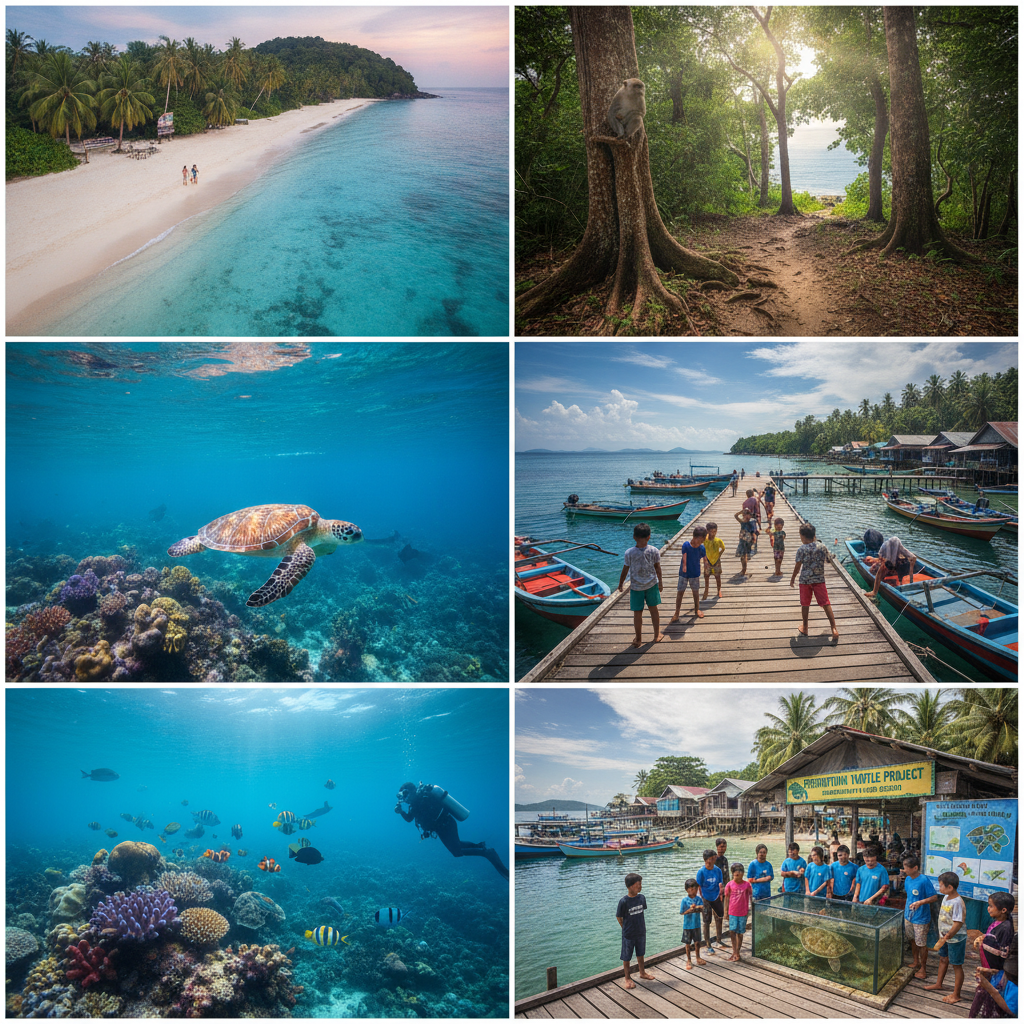
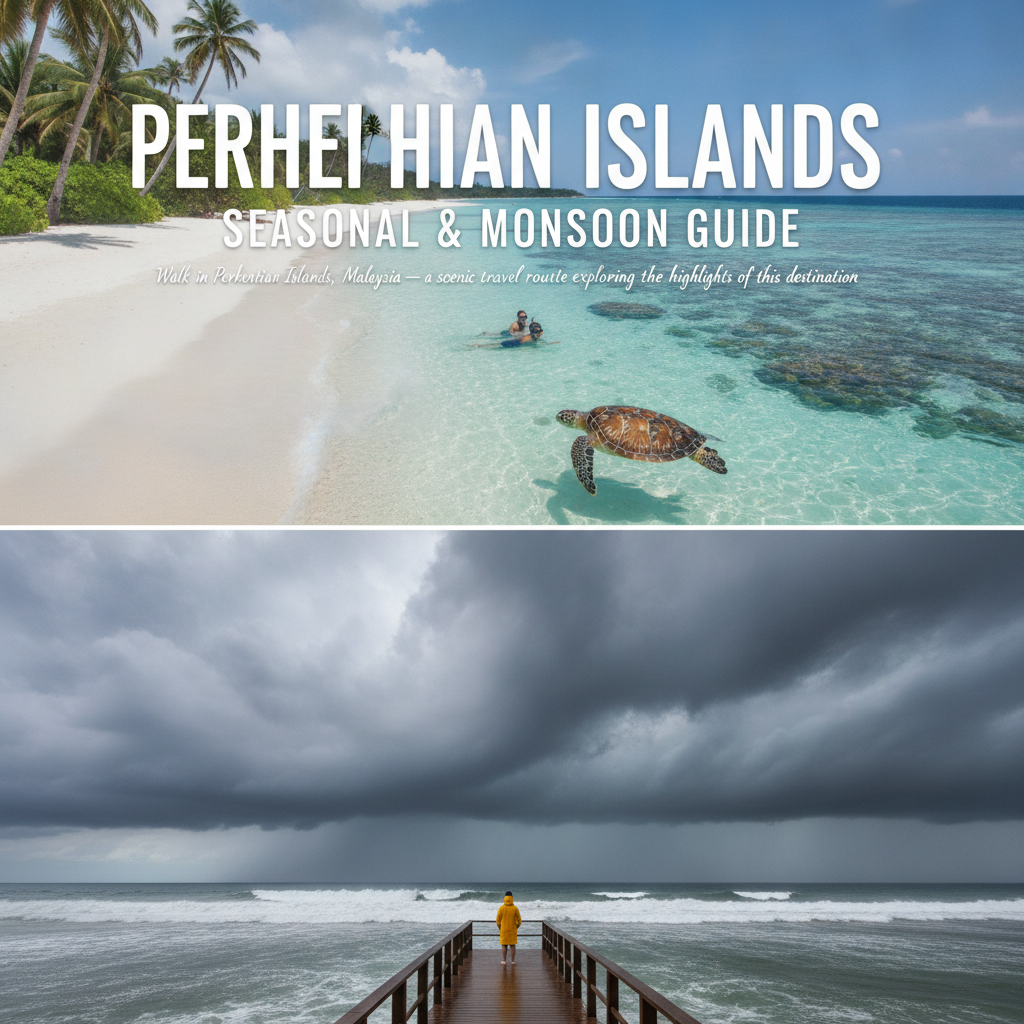
Understand the Perhentian Islands' seasonal rhythms — the islands are completely closed to visitors during the northeast monsoon (November to March), when rough seas and heavy rain make the crossing dangerous, and the seasonal closure has become an important factor in the reef's recovery from visitor pressure.
- 1
Northeast Monsoon Closure
The Perhentian Islands close entirely to visitors from November 1 to March 15 each year — during the northeast monsoon, the South China Sea off the Terengganu coast experiences sustained winds of 20-40 knots and wave heights of 2-5 metres that make the boat crossing from Kuala Besut impossible. The seasonal closure, enforced by the government and the resort operators, has the incidental conservation benefit of giving the reef ecosystem a complete break from snorkel and dive pressure for approximately five months each year, which research suggests contributes to the marine park's relatively healthy reef condition compared to continuously accessible dive destinations.
- 2
Peak Season April to August
The peak visitor season at the Perhentians runs from April to August, when the weather is most settled (the southwest monsoon that affects the west coast of Malaysia is blocked by the mainland from reaching the east coast, while the northeast monsoon has ended) — the best visibility and calmest sea conditions are typically found in April-May and in September-October (the inter-monsoon periods), while July-August brings the highest visitor numbers and the busiest resort period. The dive sites are at their most crowded during the July-August peak, and visitors who wish to have the best conditions combined with fewer crowds are advised to visit during the shoulder months of May or September.
- 3
Weather and Dive Conditions
Dive conditions in the Perhentians vary significantly within the open season — the calmest and clearest periods (April-May and September-October) provide the best visibility (typically 15-25 metres) and the most predictable marine life encounters, while the mid-season period (June-August) can have afternoon thunderstorms and reduced visibility from plankton blooms that follow the rains. The plankton blooms that temporarily reduce visibility are actually positive for the reef ecosystem (they feed the coral polyps and attract filter-feeding pelagics) but they reduce the photographic quality of dive encounters during affected periods.
- 4
Kuala Besut Boat Crossing
The boat crossing from Kuala Besut (the mainland embarkation point on the Terengganu coast) to the Perhentian Islands takes approximately one hour by speedboat — the crossing is straightforward in calm weather but can be rough during the transitional periods at the beginning and end of the open season, when morning calm can give way to afternoon swells. The speedboat operators at Kuala Besut jetty maintain their own crossing schedules and make safety decisions about when conditions are appropriate for the crossing, and visitors should plan for potential delays or the possibility of being stranded on the island if weather deteriorates unexpectedly.
- 5
Reef Recovery Monsoon Period
The coral reef research conducted in the Perhentian marine park has documented the importance of the monsoon closure for reef recovery — surveys comparing reef condition at the end of the tourist season with the condition after the monsoon closure show measurable improvement in coral cover, fish biomass, and the behaviour of normally shy species during the five-month visitor-free period. The evidence from Perhentian reef monitoring is increasingly used in policy discussions about reef conservation, supporting the argument that periodic visitor exclusion is an effective management tool for tropical marine parks.
- 6
Resorts Reopening Season
The reopening of the Perhentian Islands each April (when the resorts emerge from five months of closure, maintenance, and renovation) is marked by an immediate surge of visitors who have been waiting for the islands to reopen — the first weeks of the new season bring the freshest accommodation, the most recently maintained boats and dive equipment, and the reef that has recovered from the previous season's visitor pressure. The April opening also coincides with the best visibility of the year (before the mid-season plankton blooms) making the early season one of the optimal times to visit both for diving and snorkeling quality.
Walk this route with audio
Stories play automatically as you reach each stop — no tapping needed.