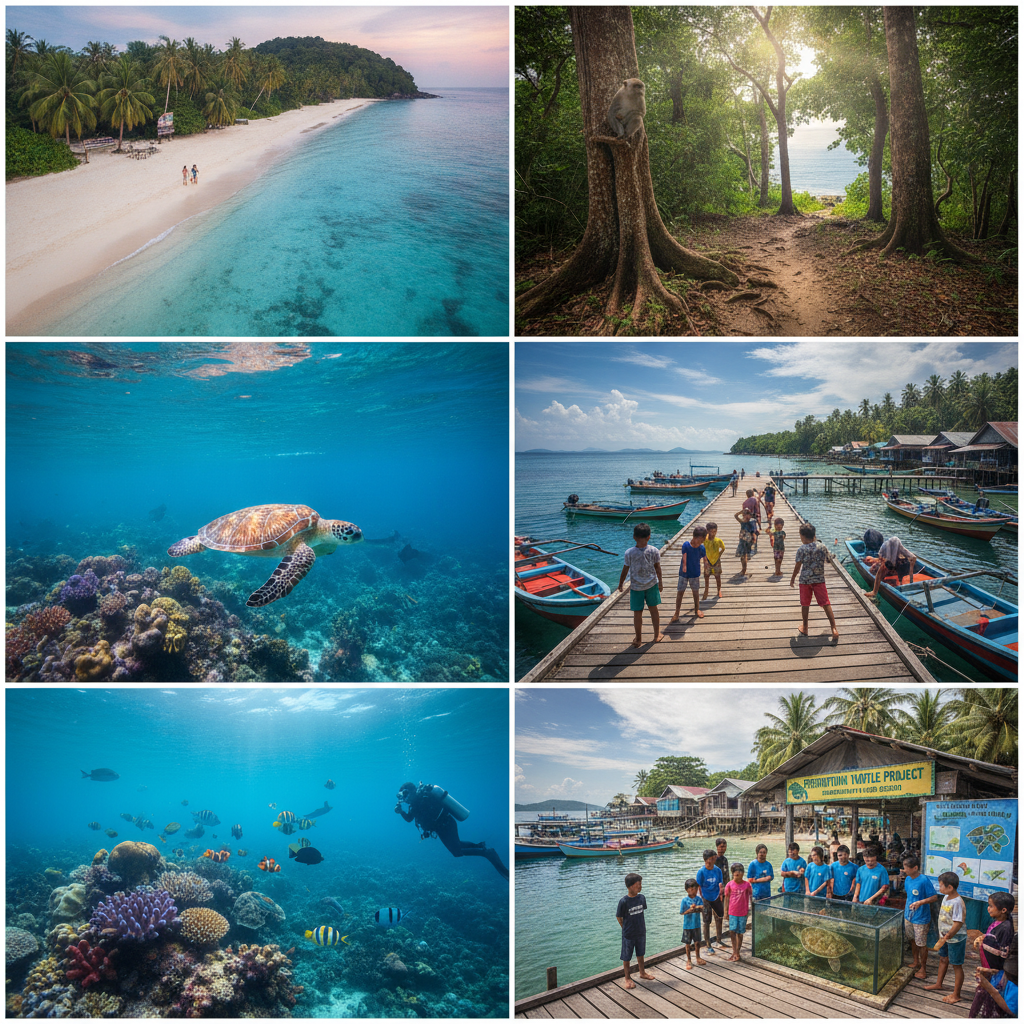
Perhentian Islands Turtle Conservation Walk
Learn about turtle conservation in the Perhentians — the green and hawksbill turtles of the Perhentian Islands are both year-round residents and seasonal nesters, and the marine park's turtle conservation programme and the volunteer research teams provide the most accessible turtle conservation engagement in Peninsular Malaysia.
- 1
Turtle Research Station
The turtle research station operated by the Lang Tengah Turtle Watch (LTTW) and associated conservation groups on the Perhentian Islands monitors the nesting population of green and hawksbill turtles — the research team tags nesting females, measures nest parameters, assesses hatching success, and tracks individual turtle movements using the flipper tags and satellite tracking deployed on selected individuals. Volunteers joining the research programme assist with night patrols, nest monitoring, hatchling release, and the data recording that builds the long-term population dataset essential for understanding turtle conservation trends in the Perhentian marine park.
- 2
Turtle Feeding Grounds
The seagrass beds in the shallow bays of both Perhentian islands are the primary feeding grounds for the resident green turtle population — the green turtle's diet of seagrass and algae requires the turtles to spend several hours each day grazing in the shallows, making them the most reliably visible large marine animal in the Perhentians. The turtles at Turtle Beach and at the seagrass beds off the main resort beaches of both islands graze at predictable times (most actively in the morning and late afternoon) and can be observed from the water surface at close range throughout the day.
- 3
Turtle Nesting Beach Night Patrol
The turtle nesting season in the Perhentians (April to September, peaking May-July) brings green and hawksbill turtles ashore on the island's quieter beaches to lay their eggs — the night patrol programme operated by conservation groups and the Department of Marine Parks allows volunteers and visitors to accompany trained rangers on the beach patrol that locates and monitors nesting turtles. The experience of observing a green turtle nesting in the darkness (the turtle's ancient instinct driving her through the laborious process of excavating a nest chamber, laying 80-120 eggs, refilling the nest, and returning to the sea) is one of the most moving wildlife encounters available in Malaysian nature tourism.
- 4
Marine Park Education Centre
The Marine Park information centre at the jetty area provides educational materials on the Perhentian marine ecosystem, the turtle conservation programme, and the marine park regulations that protect the island's wildlife — the displays on coral reef ecology, the life cycle of the sea turtle, and the threats facing both from fishing pressure, plastic pollution, and climate change provide the scientific context for the wildlife encounters visitors have on the reef and beach. The centre's information on the ongoing coral bleaching monitoring programme and the coral restoration work in the marine park demonstrates the active management required to maintain the reef ecosystem that makes the Perhentians a world-class snorkel and dive destination.
- 5
Hawksbill Turtle Encounters
The hawksbill turtle (Eretmochelys imbricata), less common than the green turtle in the Perhentians, is most often encountered on the deeper reef sections where it feeds on the sponges that are its primary food source — the hawksbill's pointed beak (adapted for extracting sponge from reef crevices) and the more elongated, narrow body shape distinguish it from the rounder green turtle. The hawksbill's population in the Perhentians is smaller than the green turtle population but the species is critically endangered globally (its shell was historically the 'tortoiseshell' of jewellery and ornament trade), making each hawksbill encounter on the reef particularly valuable from a conservation perspective.
- 6
Plastic-Free Perhentian Initiative
The Plastic-Free Perhentian initiative, launched by the resort operators, conservation groups, and the local government in recent years, aims to eliminate single-use plastics from the island's resort and restaurant operations — the initiative has resulted in the banning of plastic straws, plastic bags, and single-use plastic bottles from many Perhentian resorts, replaced with reusable alternatives and refillable water stations. The campaign represents the most significant environmental management initiative in the Perhentian Islands' history and reflects the growing awareness among island operators that the clean marine environment is the economic foundation of the entire tourism industry.
Walk this route with audio
Stories play automatically as you reach each stop — no tapping needed.
More in Perhentian Islands

Perhentian Islands Scuba Diving Walk

Perhentian Islands Snorkel & Reef Walk
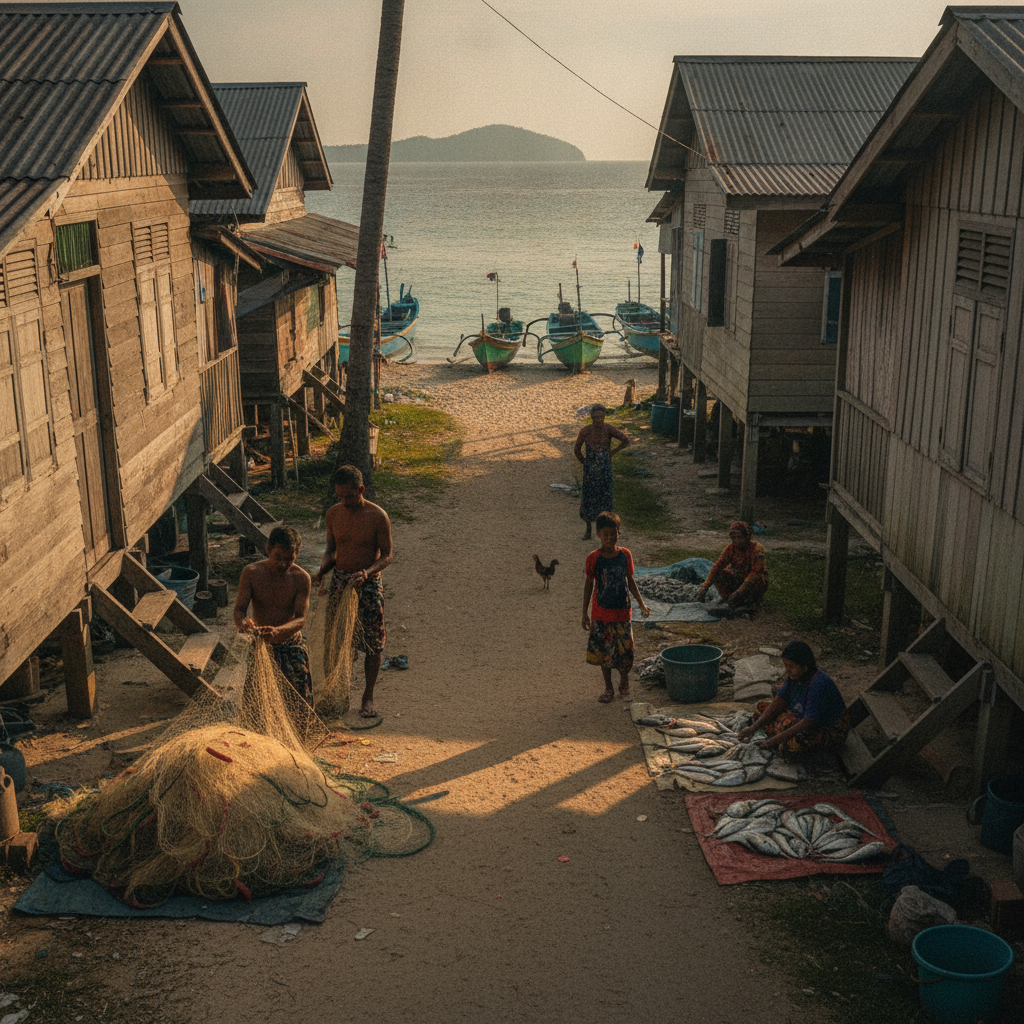
Perhentian Islands Local Culture & Fishing Village Walk
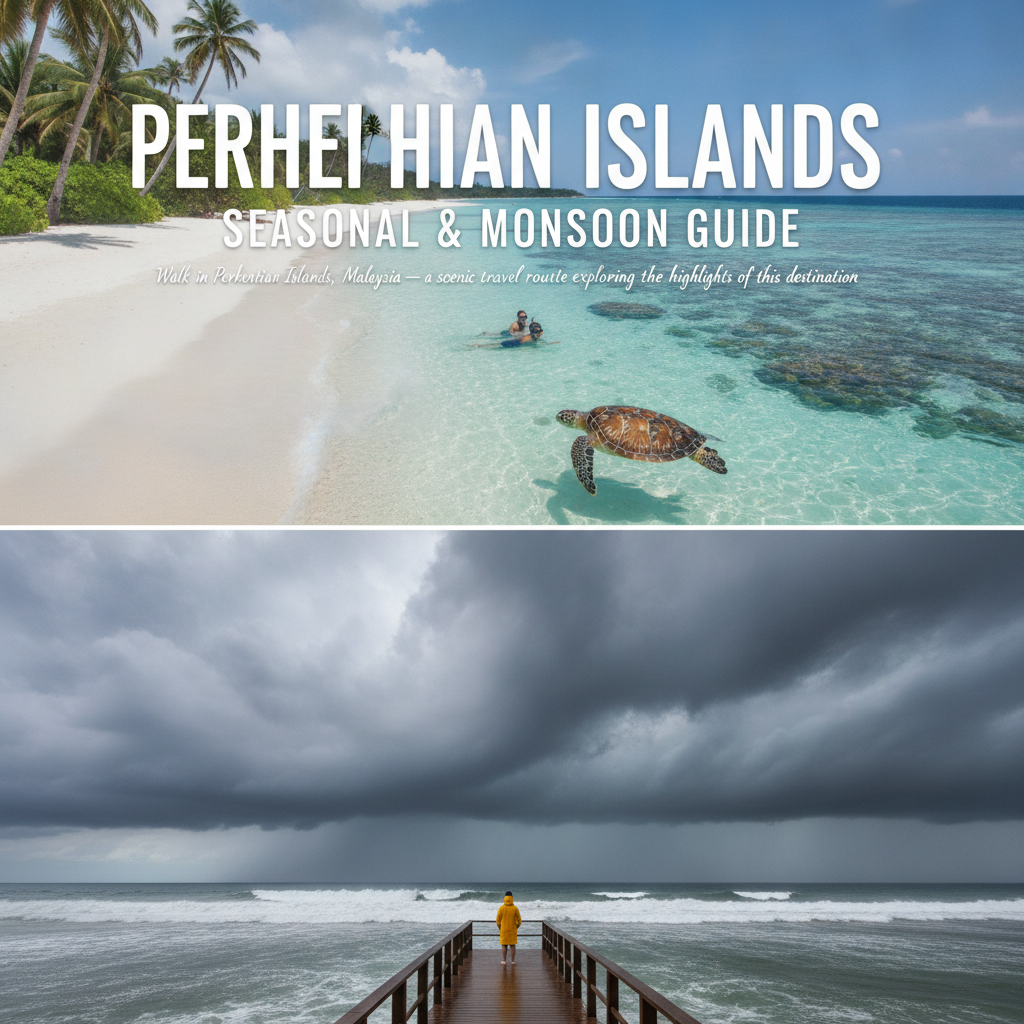
Perhentian Islands Seasonal & Monsoon Guide Walk
