
Perhentian Islands Snorkel & Reef Walk
Snorkel Perhentian's extraordinary reefs — the Perhentian Islands (Pulau Perhentian Besar and Pulau Perhentian Kecil) off the northeast coast of Peninsular Malaysia have some of the clearest water and most accessible coral reefs in Southeast Asia, with house reefs visible directly from the beach and turtles feeding in the shallows throughout the day.
- 1
Turtle Beach Kecil
Turtle Beach on Pulau Perhentian Kecil is the most celebrated snorkeling spot in the Perhentian Islands — the sheltered bay with its clear water (visibility typically 10-15 metres) has a permanent population of green turtles that feed on the seagrass beds and rest on the sandy bottom between the coral outcrops. The turtles at Turtle Beach are habituated to snorkelers and can be observed at close range from the surface, making this the most accessible wild turtle snorkeling site in Malaysian waters. The coral reef fringing the bay also supports hawksbill turtles, the rarer of the two Perhentian turtle species.
- 2
Long Beach Coral Garden
Long Beach on Pulau Perhentian Kecil is the most popular beach on the island, backed by the largest concentration of budget accommodation and beach bars in the Perhentians — the reef at the southern end of Long Beach, accessible by swimming directly from the beach, has hard coral formations in 3-8 metres of water with good reef fish diversity. The Long Beach reef encounter, combining the social atmosphere of the backpacker beach with the excellent marine life visible within minutes of entering the water, provides the archetypal Southeast Asian budget beach diving experience.
- 3
Shark Point Dive Site
Shark Point is one of the Perhentian Islands' most sought-after dive sites — the submerged pinnacle rising to within 5 metres of the surface has a resident population of blacktip reef sharks (Carcharhinus melanopterus) that are reliably visible circling the pinnacle throughout the day. The blacktip reef shark is the most common shark in the Perhentian marine park, present at several sites around both islands, and their graceful patrolling behaviour around the coral structures is the most commonly photographed wildlife encounter in Perhentian diving.
- 4
D'Lagoon Snorkel Site Kecil
D'Lagoon on the sheltered northwest side of Pulau Perhentian Kecil is one of the most protected and beautiful snorkeling bays in the Perhentians — the lagoon formed by the sheltering headlands has the calmest water on the island and a reef that extends from the beach edge to approximately 15 metres depth. The combination of calm conditions (suitable for novice snorkelers), good turtle sightings, and the relative lack of boat traffic in the lagoon compared to the main Long Beach area makes D'Lagoon consistently rated among the best snorkel sites in the Perhentians.
- 5
Perhentian Besar House Reef
Pulau Perhentian Besar (Big Perhentian) is the quieter and more upscale of the two Perhentian Islands — the house reef directly off the main beach on the western shore of Besar has excellent hard coral coverage and a fish population that includes the napoleon wrasse (humphead wrasse), one of the largest coral reef fish, as well as the regular turtle and blacktip shark sightings that have made the Perhentians famous. The beach of Perhentian Besar, wider and whiter than the beaches of Kecil, and the calmer, more resort-oriented atmosphere make it the preferred choice for visitors seeking a more relaxed Perhentian experience.
- 6
Marine Park Boundary Snorkel
The Perhentian Islands Marine Park, gazetted in 1994, encompasses both islands and the surrounding waters to a radius of 3km — the marine park boundary marks the transition from the protected coral reef ecosystem to the open sea where fishing continues to operate. Snorkeling along the outer reef edge where the shallow reef drops off into deeper water reveals the pelagic species that visit the reef wall — the large schools of batfish, the barracuda that hover in the current, and the occasional passing manta ray that sweeps along the reef edge before disappearing into the blue water.
Walk this route with audio
Stories play automatically as you reach each stop — no tapping needed.
More in Perhentian Islands
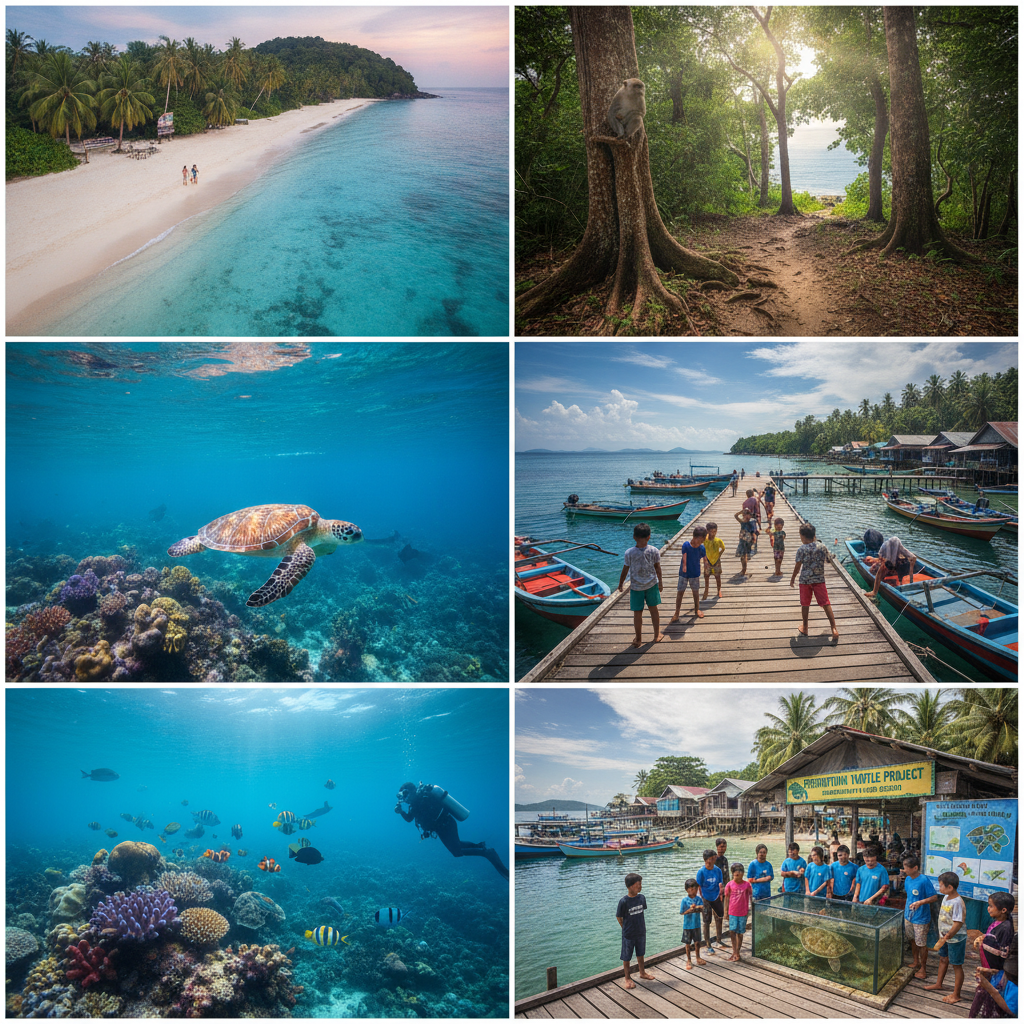
Perhentian Islands Turtle Conservation Walk
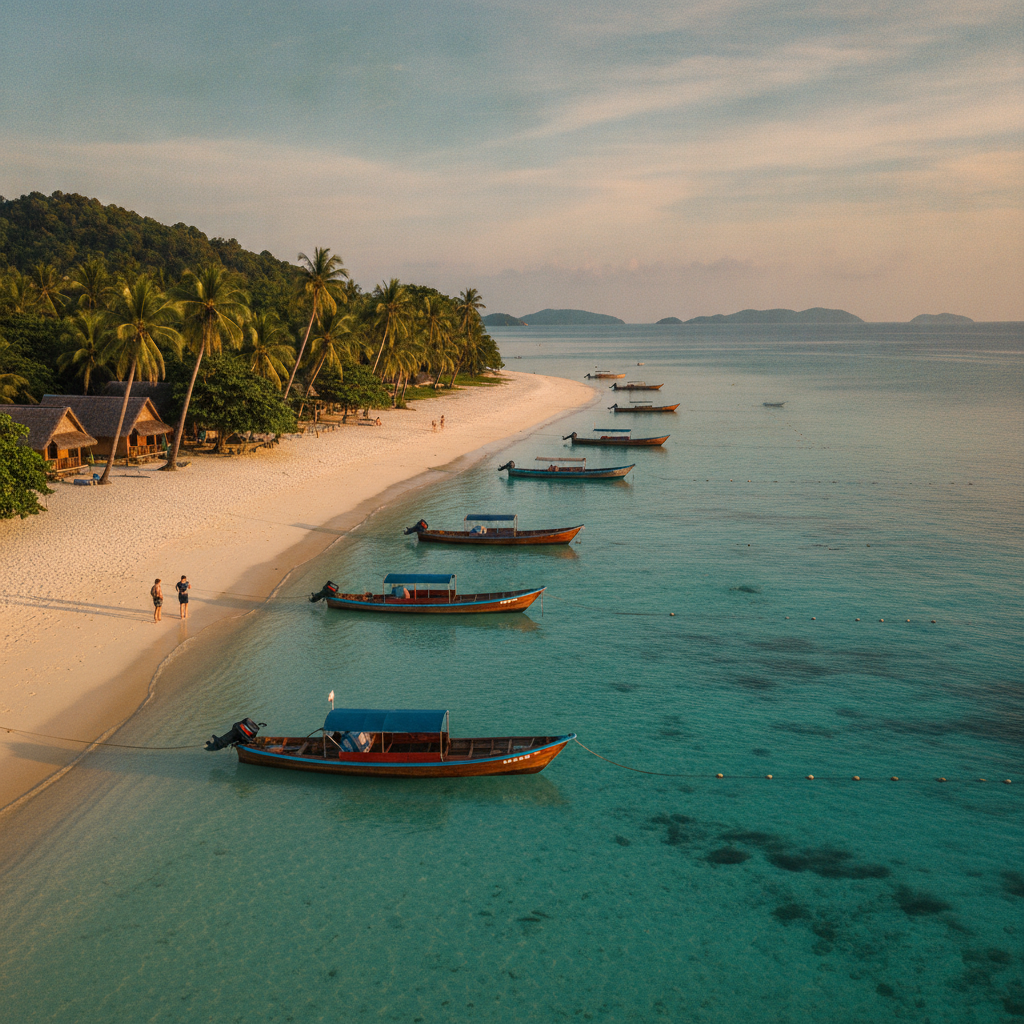
Perhentian Islands Scuba Diving Walk
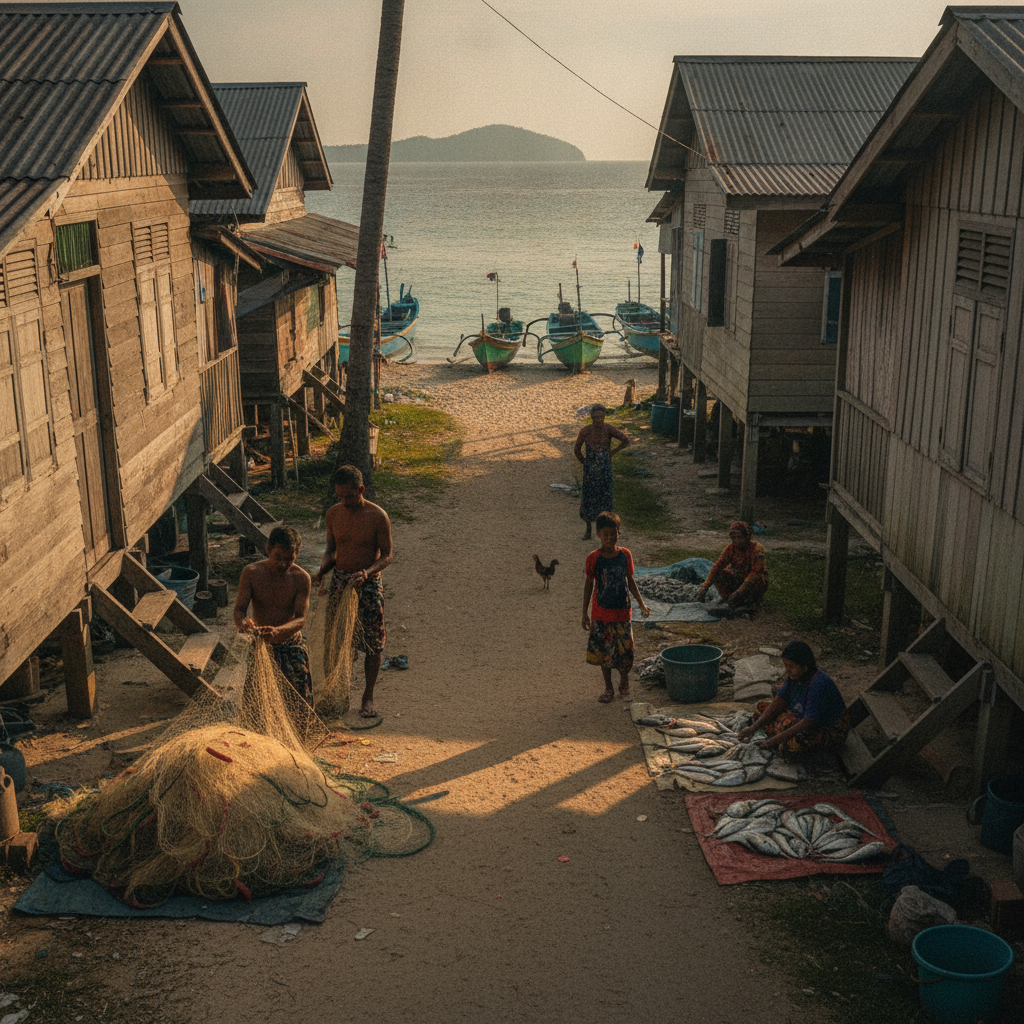
Perhentian Islands Local Culture & Fishing Village Walk
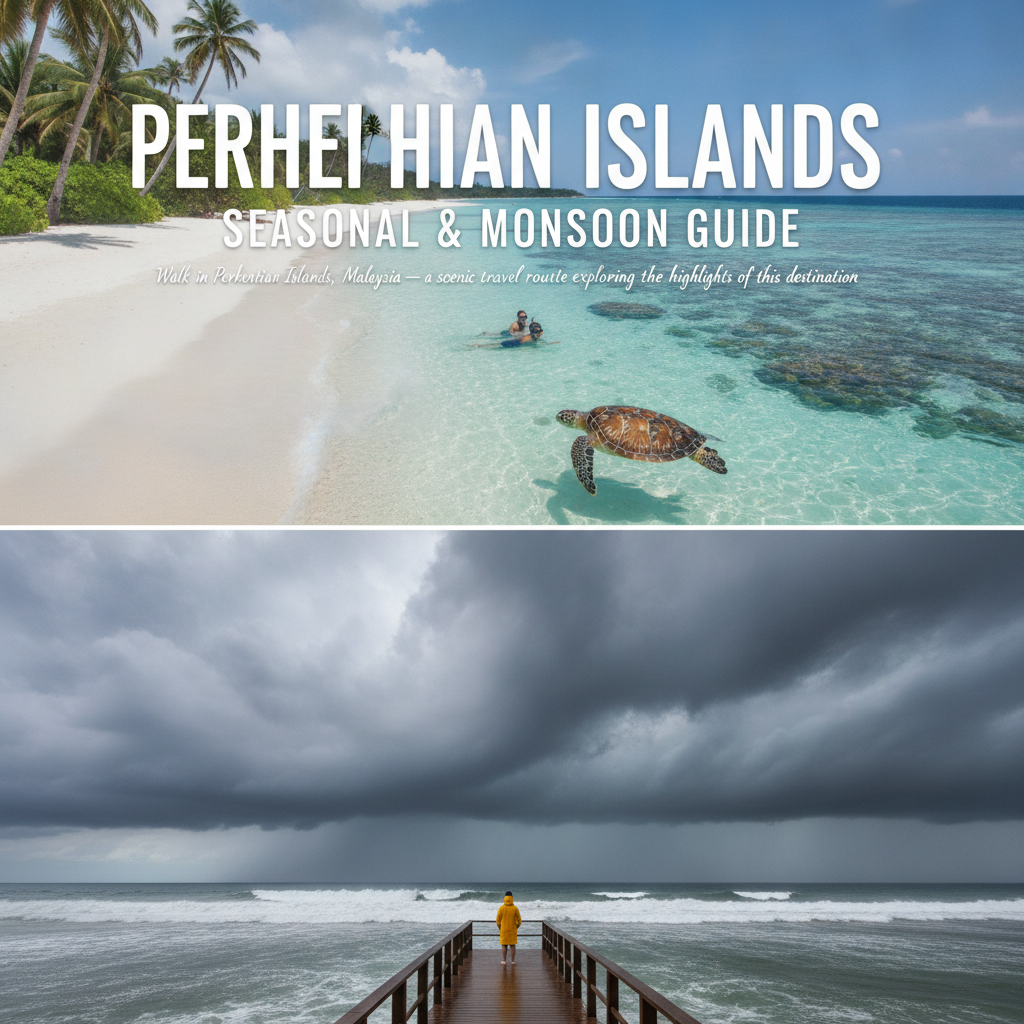
Perhentian Islands Seasonal & Monsoon Guide Walk
