Perth: Wave Rock and Wheatbelt Granite, Esperance Lucky Bay (Whitest Sand in Australia), Perth CBD Culture Walk and Northbridge, Nullarbor Plain Crossing, Unique Western Australian Wildlife (Sea Lions, Numbat, Southern Right Whale), and Four-Route Final Verdict
Perth final: Wave Rock geological wonder and Wheatbelt, Esperance and Lucky Bay (consistently rated whitest sand in Australia, wild kangaroos on the beach), Perth CBD architecture and Northbridge arts, the Nullarbor crossing (Indian Pacific train, Bunda Cliffs, 146 km straight road), Western Australia unique wildlife (Australian sea lion, numbat, Augusta southern right whales), and the complete Perth four-route visitor verdict.
- 1
Wave Rock, Hyden, and the Wheatbelt
Wave Rock (approximately 340 km east of Perth, 4 hours by road, near the town of Hyden): the most distinctive granite rock formation in Western Australia. Wave Rock is a natural granite wall 15 m high and 110 m long, formed by the chemical weathering of the granite from below the surface over 2.7 billion years; the vertical face of the wave is stained with vertical stripes of red, brown, and grey from mineral leaching. The Wheatbelt (the agricultural region east of the Darling Scarp, stretching from Northam to Merredin and beyond): the primary wheat and canola farming zone of Western Australia, with the endless flat farming plains dotted with granite outcrops (inselbergs) and York gum woodlands. Mulka Cave (3 km from Wave Rock): the cave with Aboriginal rock art including hand stencils (made by pressing a hand against the rock surface and blowing pigment around it, a technique used across Australia). The Hyden Wildlife Park (adjacent to Wave Rock): the kangaroo, emu, and Australian native animal encounters. The York town (approximately 100 km east of Perth): the best-preserved colonial town in Western Australia, with the Heritage Town precinct, the Residency Museum, and the York Motor Museum.
- 2
Esperance and the Turquoise Coast of the Great Southern Ocean
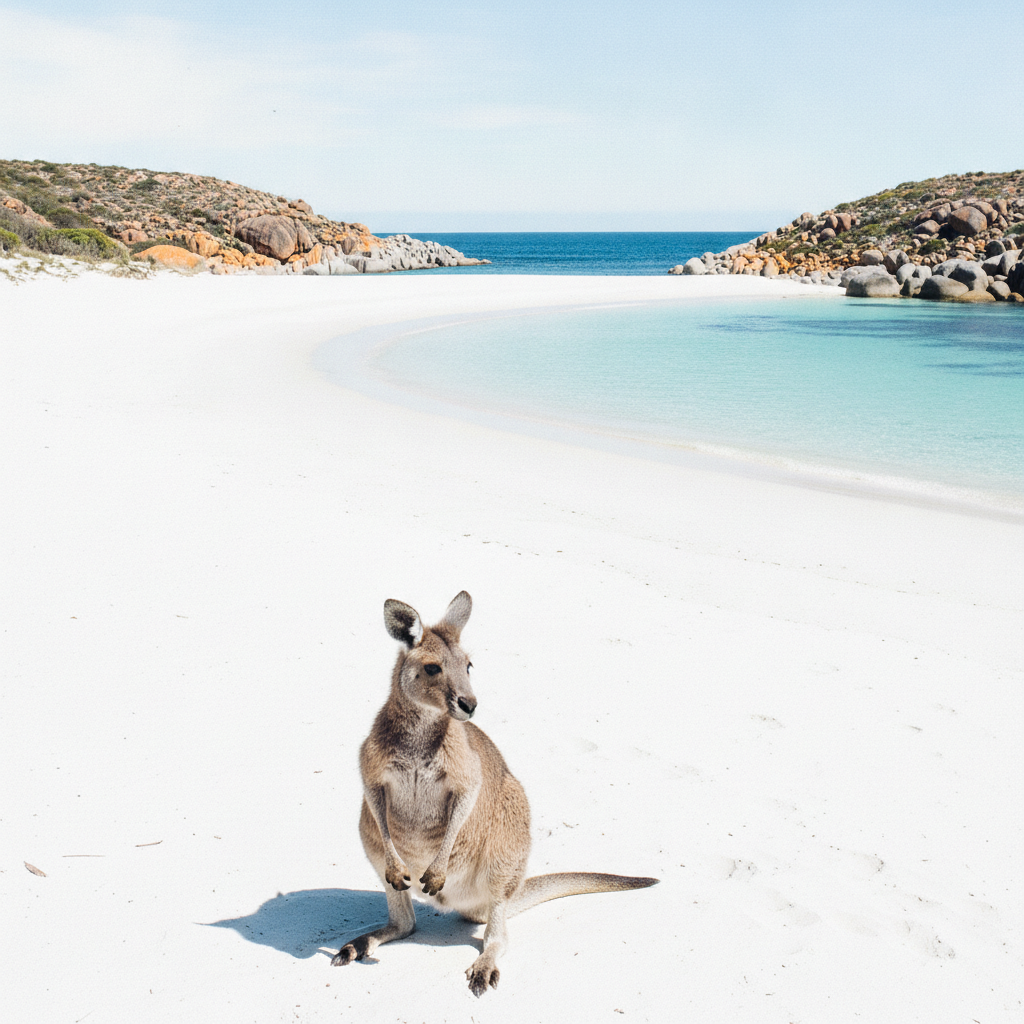
Esperance (approximately 720 km southeast of Perth, 7 hours by road): the most remote coastal town of any size in the southern half of Western Australia, with the most turquoise water of any beach in Australia. Lucky Bay (in the Cape Le Grand National Park, 60 km east of Esperance): consistently rated the whitest sand beach in Australia (the pure silica sand is ground from the granite of the Recherche Archipelago islands) and one of the most photogenic beaches in the world. The wild kangaroos at Lucky Bay: the eastern grey kangaroos are completely habituated to visitors on the Lucky Bay beach and can be photographed at extremely close range. The Cape Le Grand National Park: the coastal wilderness park with the granite peaks (Frenchman Peak, 262 m), the pristine white beaches (Lucky Bay, Thistle Cove, Hellfire Bay), and the diverse wildflowers. The Recherche Archipelago (the group of 105 islands offshore from Esperance): the sea lion colonies, Australian sea lions (the world rarest sea lion, found only on the southern coast of Australia), and the nesting seabirds. The Esperance town: the fishing port with the daily fresh fish market and the whale watching (southern right whales, June to October, in the bays near Esperance).
- 3
Perth CBD Architecture and Culture Walk
Perth city architecture: the Perth CBD contains an unusually complete collection of Australian colonial and inter-war architecture due to the distance from the architectural influences that led to rapid redevelopment in Sydney and Melbourne. The Perth Town Hall (the corner of Hay and Barrack Streets, built 1867-1870 by convict labour): the best-preserved colonial public building in Perth. The Old Perth Gaol (Beaufort Street, built 1856): the small stone gaol used until 1888, now a heritage museum within the Perth Cultural Centre. The Perth Cultural Centre (in Northbridge, adjacent to the CBD): the complex of cultural institutions including the Art Gallery of Western Australia (the permanent collection including the largest collection of Aboriginal art in any public gallery in Australia), the Western Australian Museum, the State Library of Western Australia, and the Perth Institute of Contemporary Arts (PICA). The Northbridge precinct (immediately north of the Perth CBD rail line): the nightlife, restaurant, and arts district of Perth, with the Chinese restaurant strip on James Street, the European cafe culture of Lake Street, and the Perth Cultural Centre. Perth street art: the Perth street art scene is centered on Northbridge and has grown significantly since 2010, with the City of Perth Street Art Trail highlighting the major works.
- 4
Perth to Adelaide - The Nullarbor Plain Crossing
The Nullarbor Plain crossing (from Norseman, 730 km east of Perth, to Port Augusta, 300 km north of Adelaide): one of the great road trips in Australia, crossing 2,700 km of the flattest and most treeless terrain on earth. The Nullarbor (Latin: no trees): the flat limestone plain of the Great Australian Bight, formed by the ancient seabed that emerged from the ocean approximately 14 million years ago. The Nullarbor statistics: the longest straight stretch of road in Australia is 146.6 km (the longest straight road in the world outside of Saudi Arabia), with no curves on the Eyre Highway between Balladonia and Caiguna. The Bunda Cliffs (the vertical limestone sea cliffs along the Great Australian Bight, accessible from the Nullarbor): up to 80 m high and 200 km long, with southern right whale viewing from the clifftop viewing platforms (May to October). The Indian Pacific train (Sydney to Perth, 4,352 km, 65 hours): the longest passenger rail journey in Australia, crossing the Nullarbor on the famous 478 km straight (the longest dead-straight section of railway in the world). The experience of the Nullarbor: the absolute flatness, the red desert earth, the treeless horizon, the overnight train with the changing sky, and the arrival into either Perth or Adelaide from the emptiness — one of the great Australian travel experiences.
- 5
Perth Wildlife Encounters Beyond Rottnest
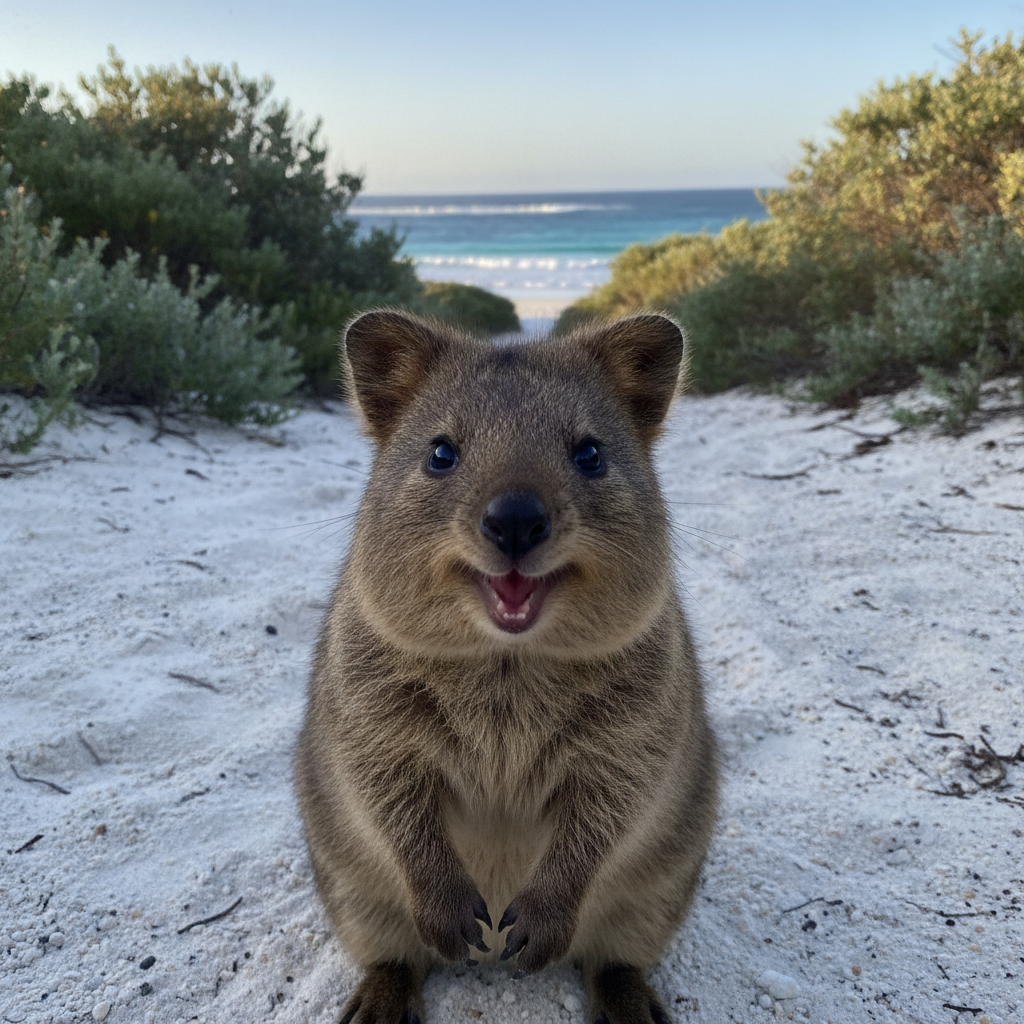
Western Australia unique wildlife beyond the quokka: the extraordinary biodiversity of the southwest produces wildlife encounters available nowhere else on earth. The southern right whale (at Augusta, the most southwestern point of WA, 320 km south of Perth): the southern right whale calves in the Flinders Bay at Augusta from June to September; the whales come within 50 m of the beach at Hardy Inlet. The whale shark at Ningaloo (1,250 km north): already covered in Route 2 — the whale shark season is March to July. The sea lion at Shoalwater Islands Marine Park (50 km south of Perth): the Australian sea lion colony at Seal Island, accessible by boat tour from Rockingham, with snorkeling alongside the sea lions in the wild. The Australian sea lion (Neophoca cinerea): the only pinniped species endemic to Australia, with a population of approximately 14,000; one of the rarest sea lions in the world. The numbat (Myrmecobius fasciatus, the marsupial anteater): critically endangered, with only approximately 800-1,000 remaining in the wild, primarily in the Dryandra Woodland (180 km southeast of Perth) and the Tone and Perup Nature Reserves. The Dryandra Woodland: the primary accessible numbat habitat within day-trip range of Perth, where numbat spotting walks are conducted by the Department of Biodiversity, Conservation and Attractions.
- 6
Perth Four-Route Final: Living List, Non-Negotiables, and Western Australia Summary
Perth four-route final verdict. Route 1: Fremantle, Rottnest quokkas, Margaret River wine, Pinnacles, Kings Park, practical. Route 2: Ningaloo whale sharks, Karijini gorges, southwest forests, Noongar country, Albany. Route 3: Perth beaches, craft beer, Broome and Kimberley, events, Perth living assessment. Route 4 (this route): Wave Rock and Wheatbelt, Esperance Lucky Bay (whitest sand in Australia), Perth CBD culture walk, Nullarbor crossing, and unique Western Australian wildlife. Perth non-negotiable list for the visitor with 4 days: Day 1 — Kings Park at sunrise, walk through Northbridge, Fremantle afternoon, sunset at Cottesloe or the Fishing Boat Harbour. Day 2 — Rottnest Island full day (early ferry, bicycle circuit, snorkel at Little Salmon Bay, quokka at settlement). Day 3 — Day trip to the Swan Valley (morning wine tasting, Caversham Wildlife Park) or Mandurah (dolphin cruise). Day 4 — Half-day to Margaret River region (wineries and the Cape Leeuwin Lighthouse, the meeting point of the Indian and Southern Oceans). Perth verdict in one sentence: the sunniest major city in Australia, the most isolated major city in the world, the gateway to the world largest fringing reef, the world most diverse temperate plant kingdom, and the home of the quokka — Perth consistently surprises visitors who arrive with low expectations and leave as converts.
Walk this route with audio
Stories play automatically as you reach each stop — no tapping needed.
More in perth
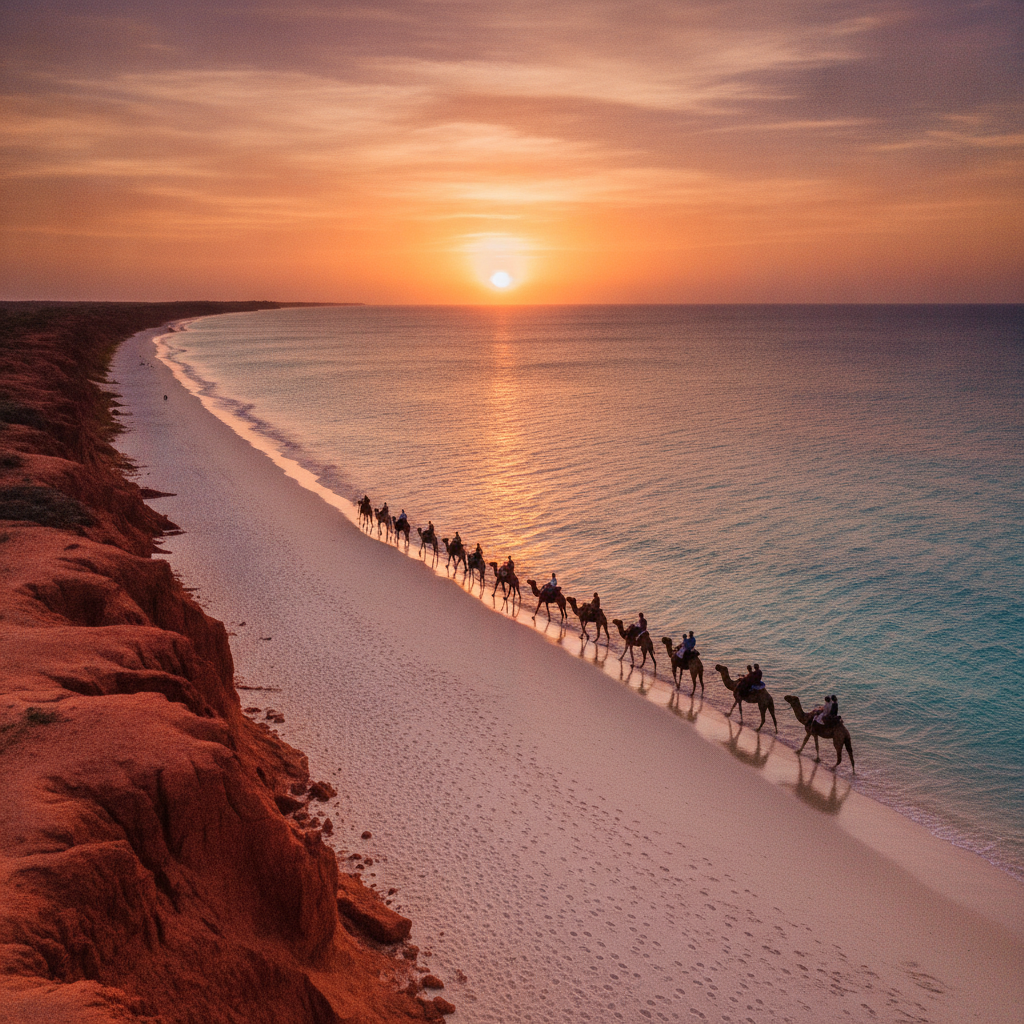
Perth: Beach Culture (Cottesloe, Scarborough, Marmion Reef), Craft Beer and Food Scene, Broome and the Kimberley Wilderness, Perth Events, and the Complete Western Australia Visitor Assessment
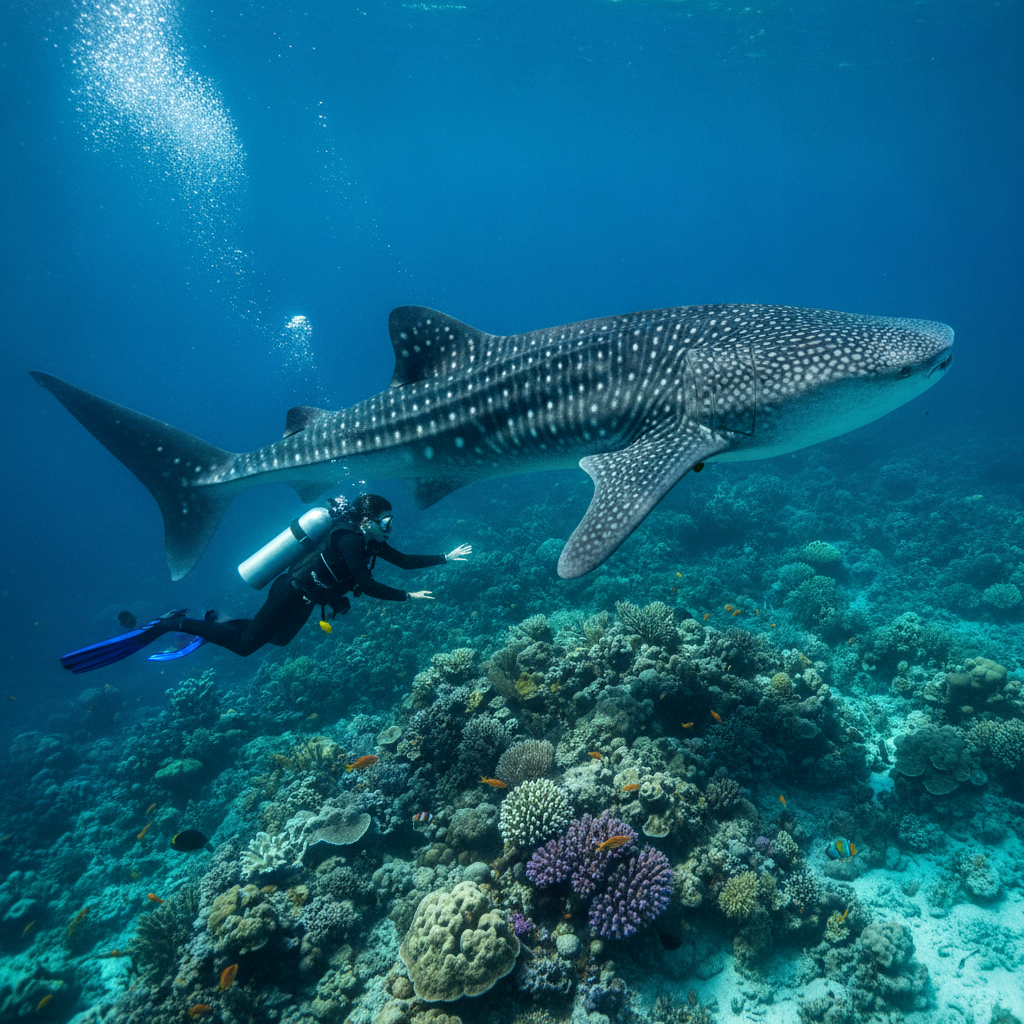
Perth: Ningaloo Reef Whale Shark Swimming, Karijini Ancient Gorges, Southwest Karri Forest Giants, Noongar Indigenous Country, Albany Historic Whaling and Stirling Range Wildflowers, Four-Route Perth Assessment