Petra History: The Nabataean Civilization, the Incense Road Trade Network, the Spice Merchant Economy, the Roman Annexation, and the Byzantine-Islamic Petra
The Petra history route covers the Nabataean civilization as the most commercially sophisticated single ancient Arab kingdom, the Incense Road trade network, the Roman annexation in 106 AD, the Byzantine Christian period, and the post-Islamic Petra.
- 1
Nabataean Civilization: The Desert Trade Empire
The Nabataean civilization (4th century BC - 106 AD), the most commercially sophisticated single ancient Arab kingdom centered on Petra as the most strategically positioned single caravan city at the junction of the Arabian, the Mediterranean, and the Egyptian trade routes, generated the most extensive single ancient trade network in the Middle East. The Nabataean water engineering (the most ingeniously designed single ancient desert water management system with the cisterns, the dams, and the ceramic pipe distribution network that made Petra the most densely inhabited single ancient desert city) is the most archaeologically admired single Nabataean technical achievement.
- 2
Incense Road: The Trade Route that Built Petra
The Incense Road (the Nabataean-controlled trade route from the Arabian frankincense and myrrh production zone in southern Arabia through Petra to the Mediterranean ports of Gaza and Alexandria) is the most commercially significant single ancient trade route in the Middle East and the economic engine that funded the most architecturally spectacular single rock-cut city in the ancient world. The Nabataean Petra controlled the most profitable single ancient trade toll junction in the Arabian peninsula.
- 3
Roman Annexation: The 106 AD Province
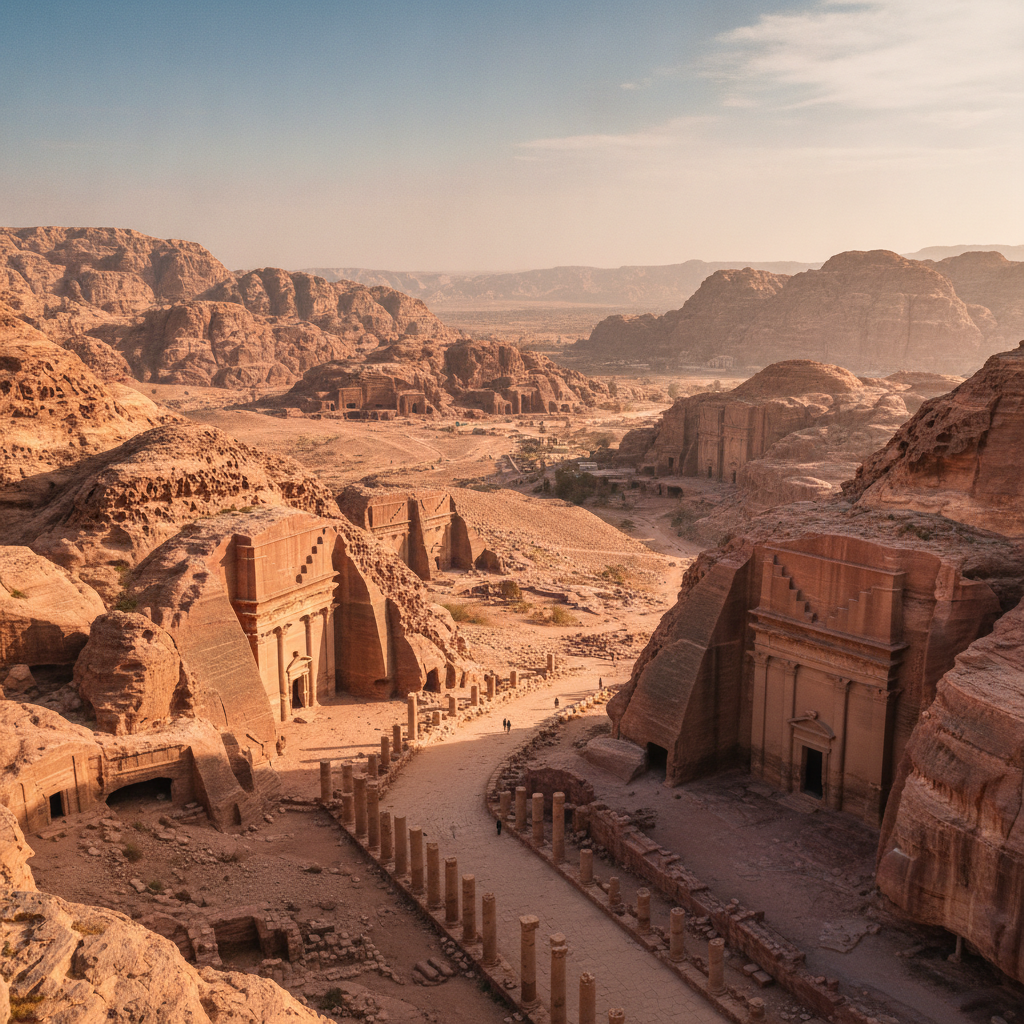
The Roman Emperor Trajan annexed the Nabataean Kingdom in 106 AD (the most peacefully achieved single Roman provincial annexation in the eastern Mediterranean) and created the Province of Arabia Petraea with Petra as the most architecturally important single Roman provincial capital in the Near East. The Roman colonnaded street in Petra (the cardo maximus, the most completely urban single Roman infrastructure addition to the Nabataean city) and the Hadrianic Arch represent the most visible single Roman contribution to the Petra cityscape.
- 4
Byzantine Petra: The Christian City
The Byzantine period Petra (4th-7th century AD) produced the most archaeologically significant single recent discovery in Petra: the Petra Papyri (the most complete single archive of 6th century Byzantine provincial documents found in the Petra church in 1993, providing the most detailed single insight into Byzantine provincial life in any single Near Eastern city). The Byzantine churches with the most beautifully preserved single Byzantine floor mosaic collection in Jordan were buried by the 749 AD earthquake.
- 5
Islamic Petra and the Crusaders: The Medieval City
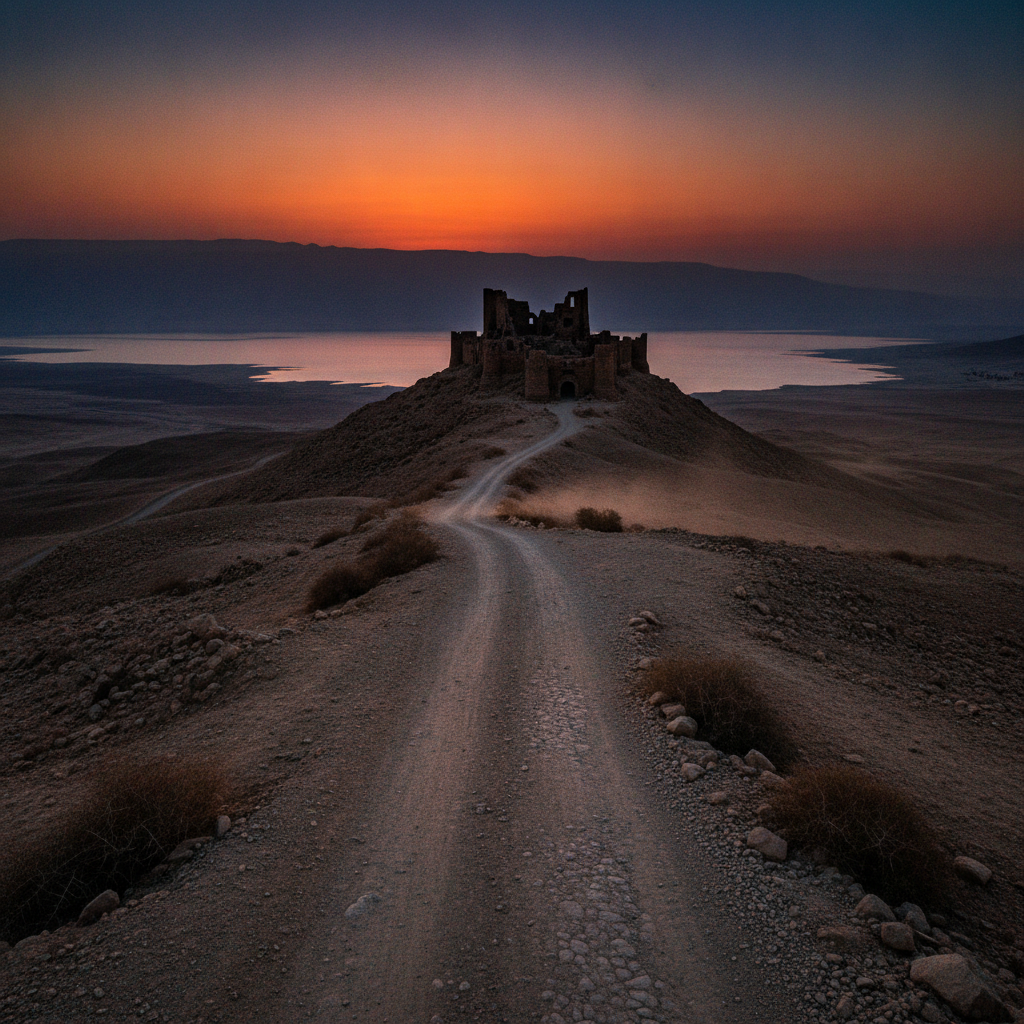
The early Islamic Petra (7th-12th century) maintained the most reduced single population of any former Roman provincial capital in the Near East until the Crusader occupation (the Wu ayra Castle above Petra is the most dramatically positioned single Crusader fortification in Jordan). The subsequent abandonment of Petra as a living city created the most completely preserved single ancient rock-cut city in the world by removing all later urban development.
- 6
Johann Ludwig Burckhardt: The Western Rediscovery
Johann Ludwig Burckhardt, the Swiss explorer who disguised himself as an Arab pilgrim and rediscovered Petra for the Western world in August 1812 (the most romantically disguised single European archaeological discovery in the 19th century), described it as the most completely surprising single ancient city he had encountered. Burckhardt report to the London Royal Geographical Society published in 1822 is the most historically consequential single European travel account of any Middle Eastern ancient city.
Walk this route with audio
Stories play automatically as you reach each stop — no tapping needed.
More in Petra

Petra Day Trips: Little Petra Free, Wadi Rum's Martian Landscape & Dana Canyon Trek
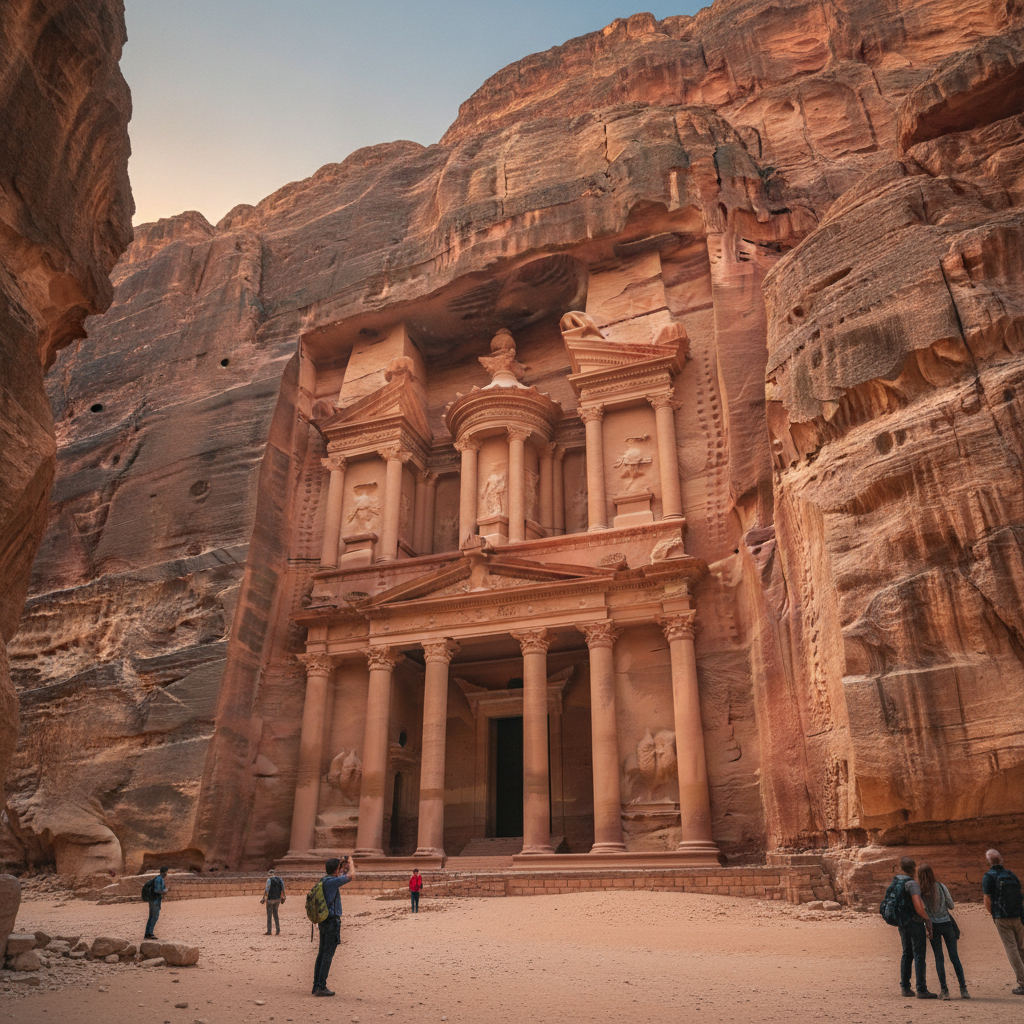
Petra Essential: The Siq Canyon, the Treasury Al-Khazneh, the Street of Facades, the High Place of Sacrifice, the Monastery Ad-Deir, and the Nabataean Capital
Petra's Jordan: The King's Highway, Byzantine Mosaics & the Grand Canyon of Wadi Mujib
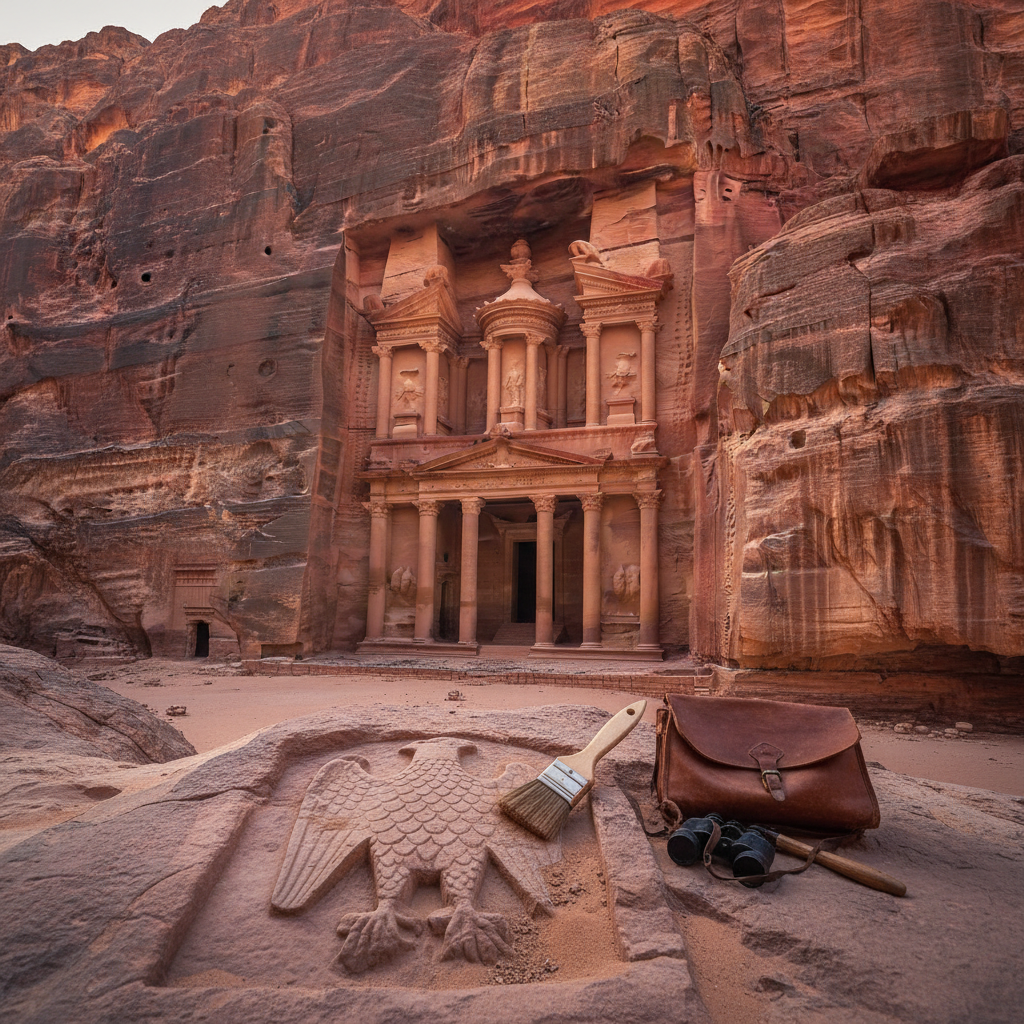
Petra Deep Dive: Only 15% Excavated, the Nabataean Water System & Indiana Jones

Petra Geology: The Rose-Red Sandstone Colors, the Nabataean Water Engineering, the Desert Ecology, and the Natural Environment