Serra da Capivara: The World's Oldest Human Art
The Serra da Capivara National Park — 500 km south of Teresina — contains over 30,000 prehistoric rock art sites and evidence that humans reached South America 50,000 years ago — reshaping our understanding of human history
- 1
Rock Art at Pedra Furada
The Pedra Furada site contains a sequence of rock art spanning 50,000 years - from the earliest known geometric marks to elaborate figurative paintings; radiocarbon dating has sparked a global debate about America's first people
- 2
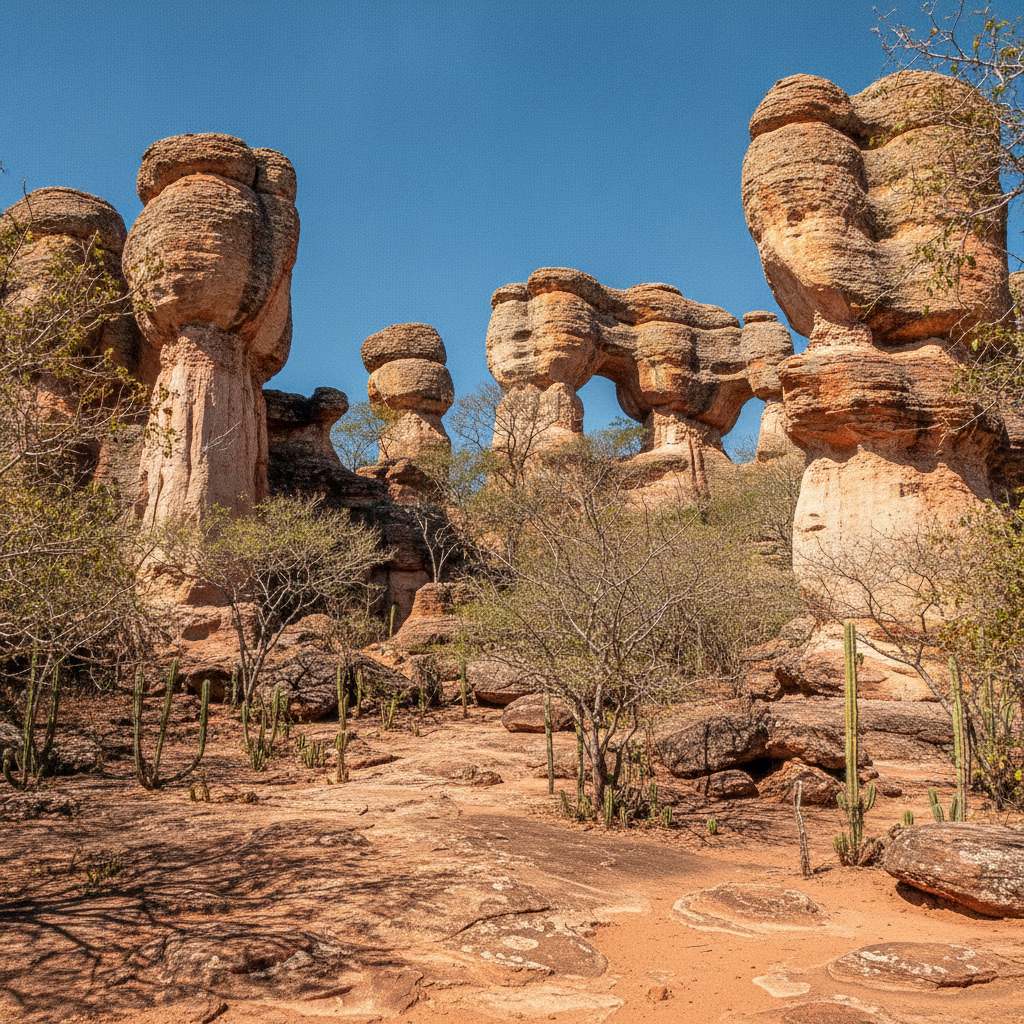
Capivara Canyon Landscape
Serra da Capivara's sandstone canyons – eroded by millennia of caatinga rains – create a dramatic red-walled landscape; the canyons were used by prehistoric people as shelter and the walls as canvases for their art
- 3
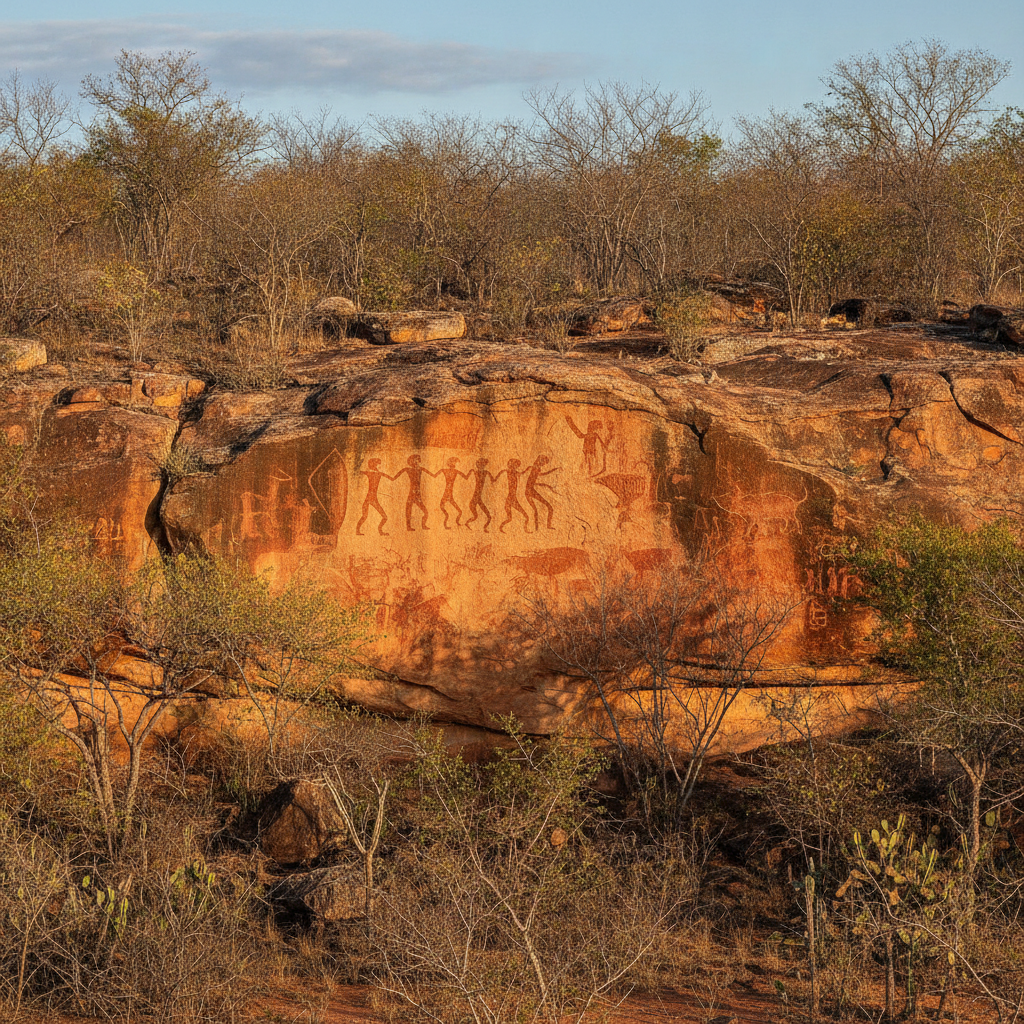
Prehistoric Human Figures
The Pedra Furada Phase paintings – dating to 12,000 years ago – depict human figures in dynamic poses: hunting, dancing, having sex and fighting; the detail and vibrancy of the images are extraordinary for their age
- 4
Palaeoanthropolgy Controversy
The research of French-Brazilian archaeologist Niède Guidon - arguing for a 50,000-year-old human presence at Serra da Capivara - contradicts the common Beringia hypothesis; the debate continues to generate great scientific interest
- 5
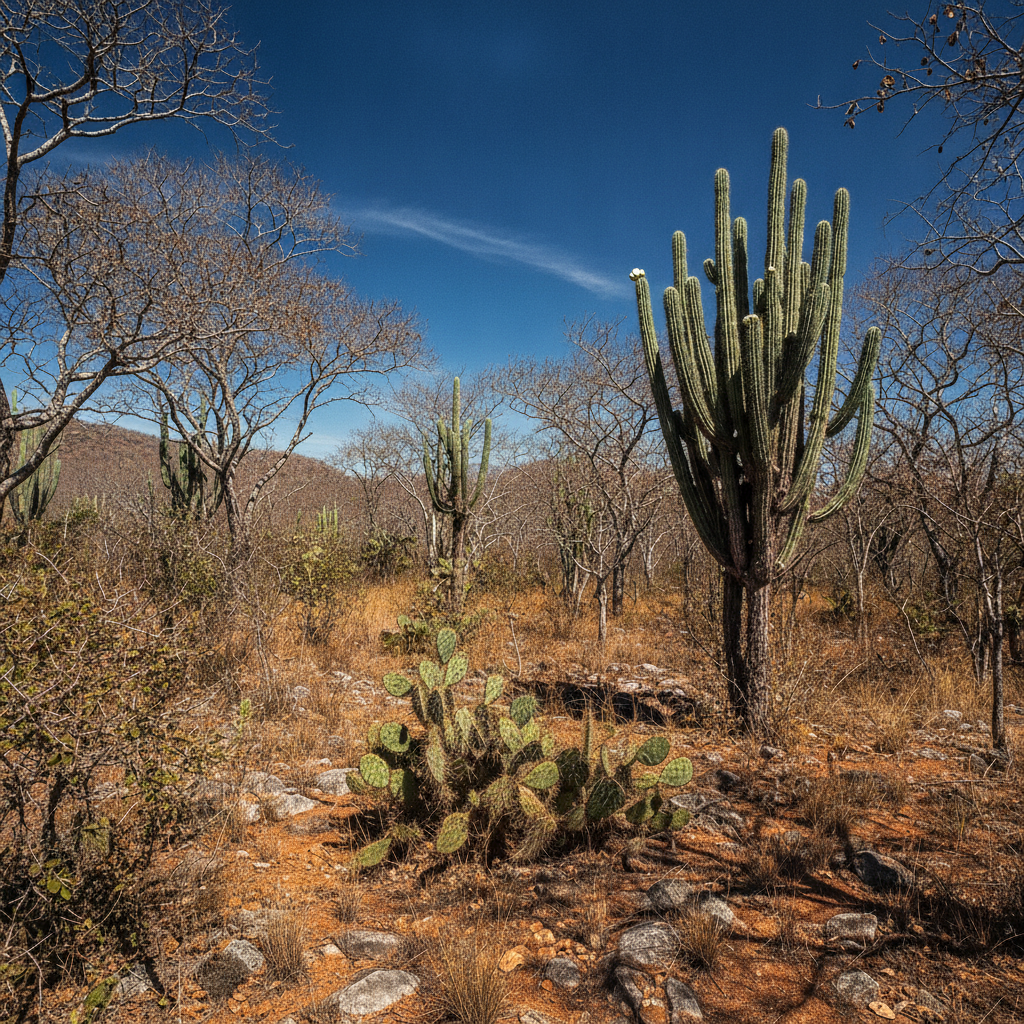
Caatinga Wildlife in the Park
Serra da Capivara Park protects one of the most intact caatinga ecosystems — with giant armadillos, collared wolves, maned wolves and an extraordinary variety of reptiles and birds in the thorny scrubland
- 6
UNESCO World Heritage Site
Serra da Capivara was designated a UNESCO World Heritage Site in 1991 for its outstanding universal value – the concentration and antiquity of rock art, and its importance for the understanding of human prehistory
Walk this route with audio
Stories play automatically as you reach each stop — no tapping needed.
More in Teresina
Piauí at the Table: Carne de Sol, Sarrabulho & River Fish
Parnaíba & Poti: Two Rivers at the Heart of Teresina
Piauí Crafts: Babaçu, Carnuba & the Art of the Interior
Sete Cidades: Piauí's Natural Rock Architecture
Teresina and the Caatinga: Life in Brazil's Dryland