Tioman Island Coral Reef & Snorkeling Walk
Explore Tioman's extraordinary coral reefs — Pulau Tioman off the east coast of Peninsular Malaysia is one of the world's top diving and snorkeling destinations, with UNESCO-recognised marine biodiversity, crystal-clear water visibility of 20-30 metres, and coral reefs supporting over 100 species of coral and 1,000 species of fish within swimming distance of the beach.
- 1
Tekek Bay Snorkel Site
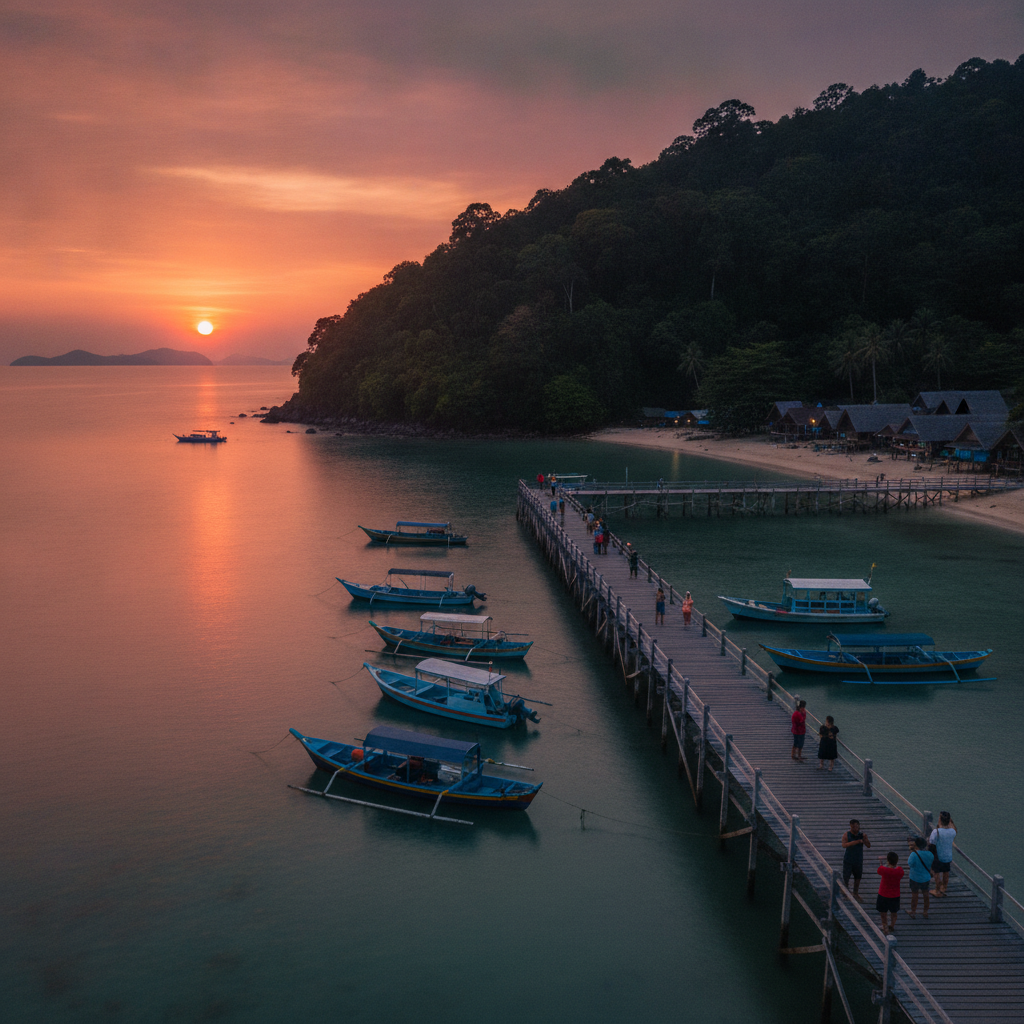
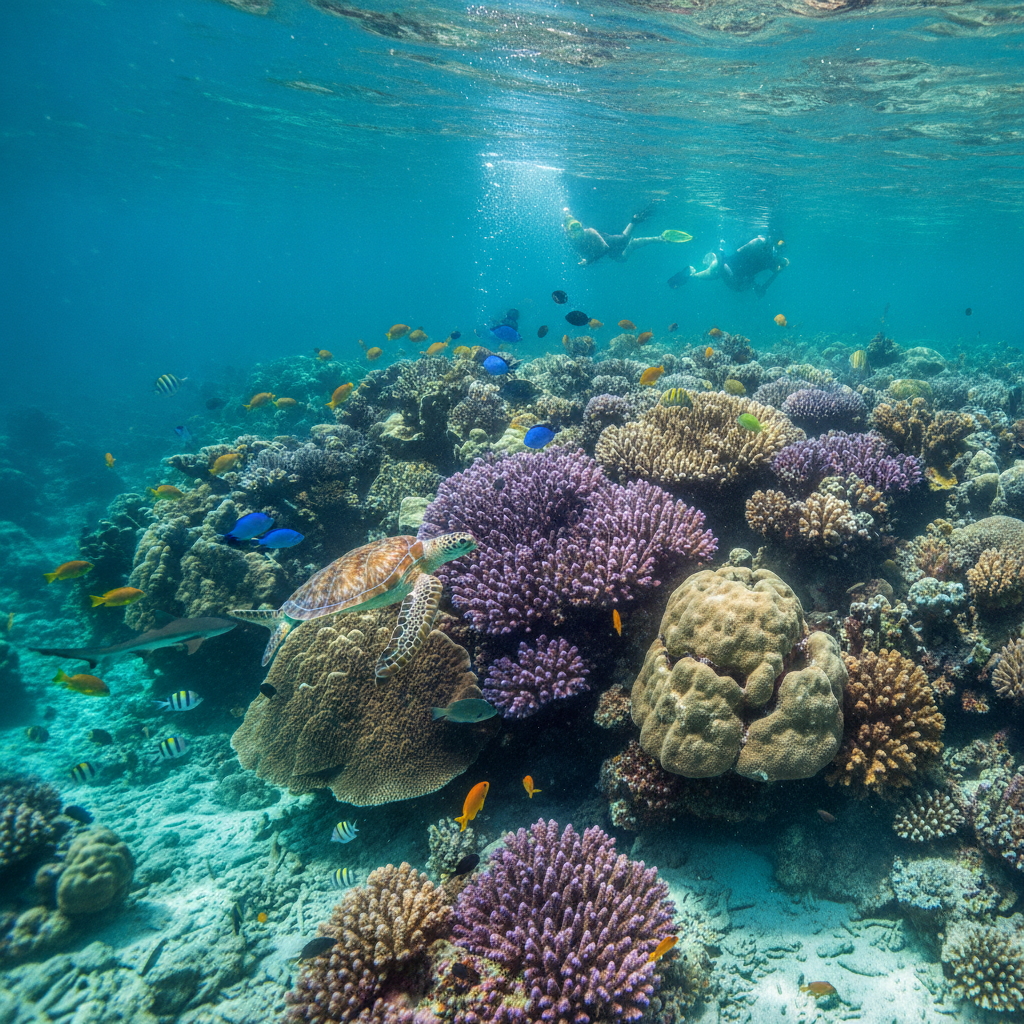
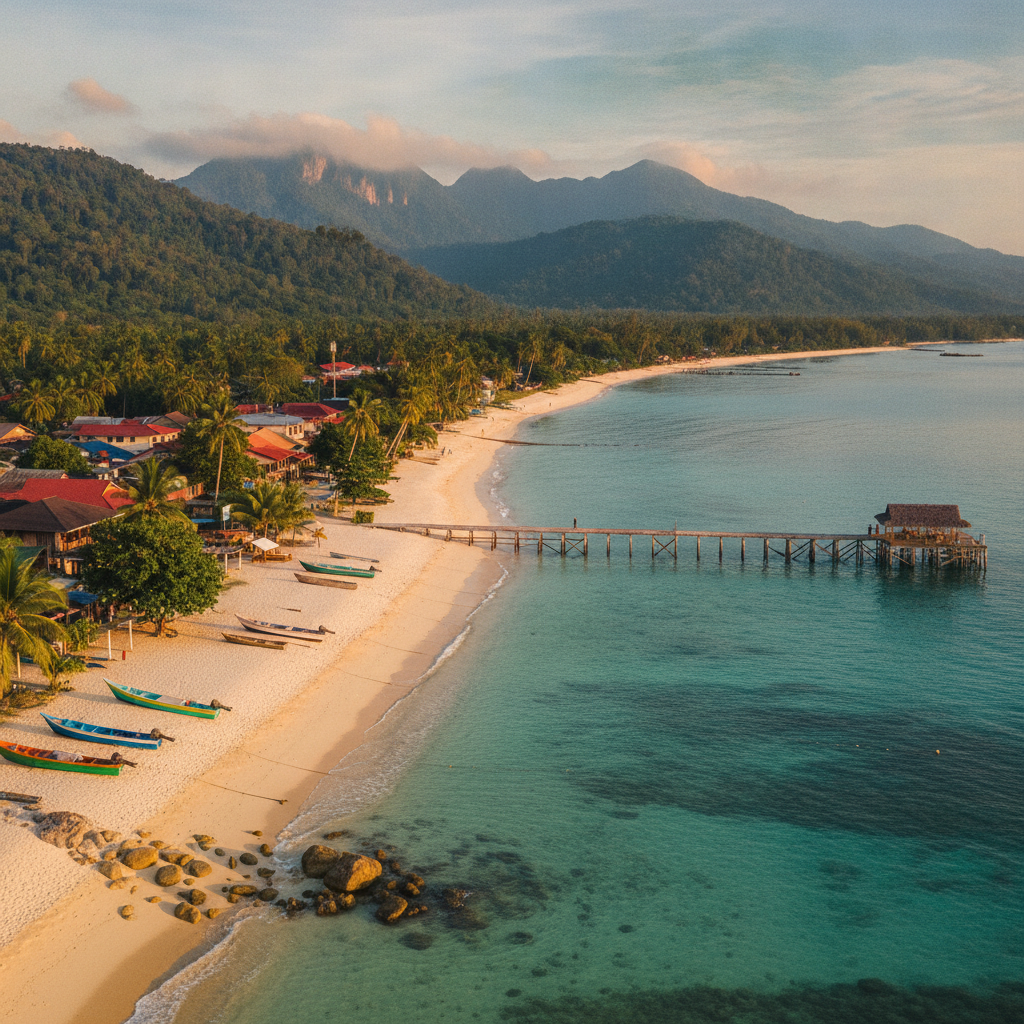
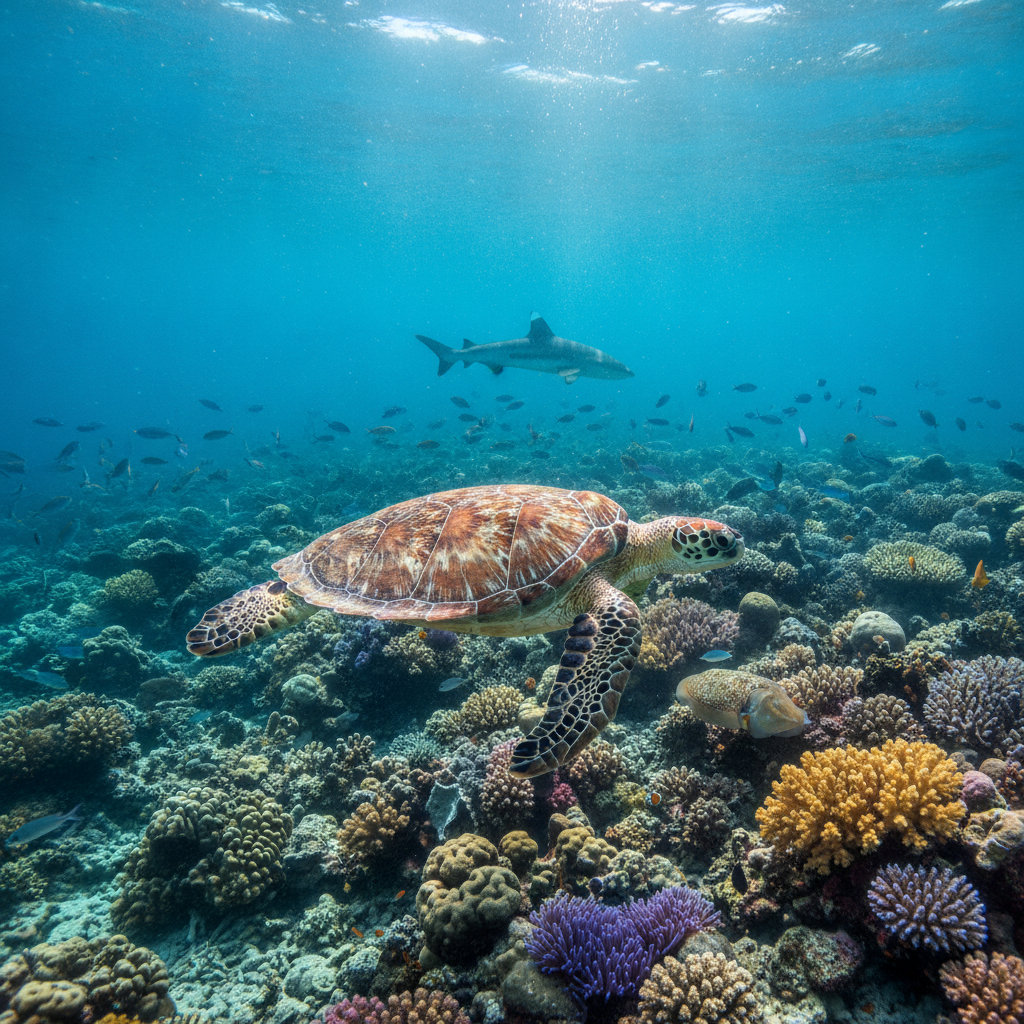
Tekek Bay is the main arrival point on Tioman Island and the starting point for most snorkeling excursions — the fringing coral reef along the bay's southern edge, accessible by swimming directly from the beach, has hard coral formations dominated by table corals (Acropora), brain corals (Platygyra), and boulder corals (Porites) in water 2-8 metres deep. The marine life visible from the surface at Tekek includes the banded sea krait (a venomous but docile sea snake found in tropical coral reef environments), the green sea turtle that feeds on the seagrass beds adjacent to the reef, and the large schools of sergeant major fish that mob snorkelers expecting food.
- 2
Coral Island (Pulau Tulai)
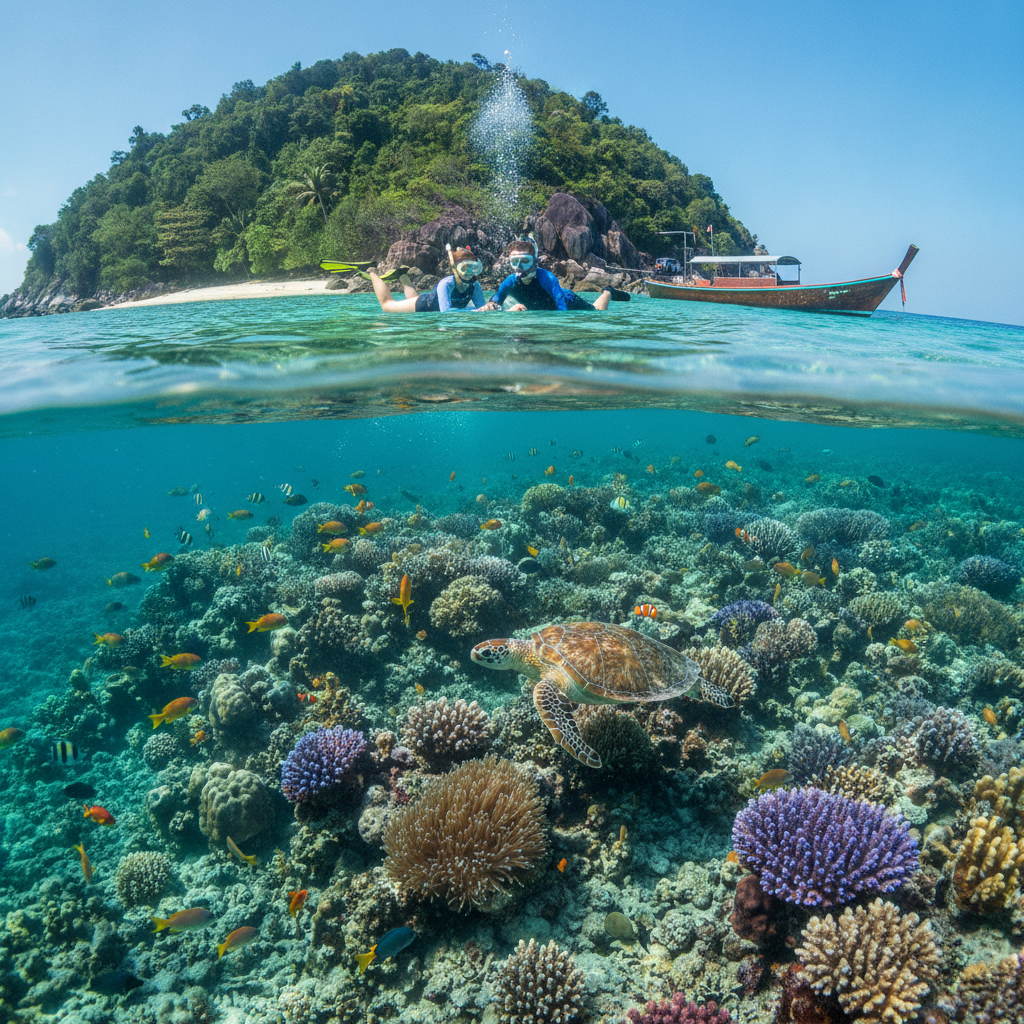
Pulau Tulai (Coral Island), a small uninhabited island northwest of Tioman's main beaches, is surrounded by the most pristine coral reef accessible from the island — the boat trip of approximately 20 minutes from Tekek brings snorkelers and divers to a circular island whose entire perimeter is fringed with coral reef in excellent condition. The clear water around Pulau Tulai (visibility frequently exceeding 20 metres) allows surface snorkelers to see the coral formations in 5-15 metres of water with unusual clarity, and the abundance of reef fish (parrotfish, butterflyfish, angelfish, surgeonfish, and the occasional reef shark) makes every snorkeling session productive.
- 3
Renggis Island Dive Site
Renggis Island off the west coast of Tioman is one of the most popular dive and snorkel sites in Malaysian waters — the small rocky island surrounded by coral reef at depths of 3-20 metres is accessible by a short boat ride from Air Batang or Tekek and has consistently clear water with healthy coral coverage. The marine life around Renggis includes the bumphead parrotfish that graze on coral in large schools, the giant moray eel that inhabits the reef crevices, and the leopard shark (zebra shark) that rests on the sandy bottom between the coral outcrops.
- 4
Tioman Marine Park Status
Tioman Island was designated a Marine Park in 1994, prohibiting fishing, coral collection, and anchoring within the protected zone — the marine park protection has allowed Tioman's reef ecosystem to recover from the coral bleaching events and recreational damage of the 1980s-90s period, and contemporary surveys show improving coral cover and fish biomass compared to the degraded state of the early 2000s. The marine park enforcement by the Department of Marine Parks Malaysia (patrolling the 1km protected zone around the island) and the volunteer coral restoration projects run by the dive centres represent a conservation success story in the Malaysian marine environment.
- 5
Tiger Shark Cave Dive Site
Tiger Shark Cave is one of Tioman's most celebrated dive sites — the underwater cavern on the island's southern tip at depths of 12-25 metres is named for the leopard sharks (mistakenly called tiger sharks by the local dive community) that congregate in and around the cave during the day. The dive through the cave's chambers, with their stalactites formed before sea level rise flooded the cavern, and the encounter with the resting sharks in the cave's dark interior, provides the most dramatic single dive experience on Tioman.
- 6
Tioman Night Snorkeling
Night snorkeling on Tioman's house reef (the fringing reef immediately adjacent to the island's accommodation) reveals a completely different ecosystem from the daytime reef — the nocturnal predators (moray eels, octopus, lionfish, and the luminescent flashlight fish whose photophores create moving points of light in the darkness) emerge after dark, and the coral polyps extend their tentacles to feed on the plankton that rises from deeper water at night. The night snorkel experience from Tekek or Air Batang jetties, requiring only a torch and mask, provides the most accessible encounter with the reef's hidden nocturnal life without requiring scuba equipment.
Walk this route with audio
Stories play automatically as you reach each stop — no tapping needed.