Tunis Food and Culture: The Brik, the Harissa, the Lablabi, the Malouf Andalusian Music, and the Tunis Cafe Culture
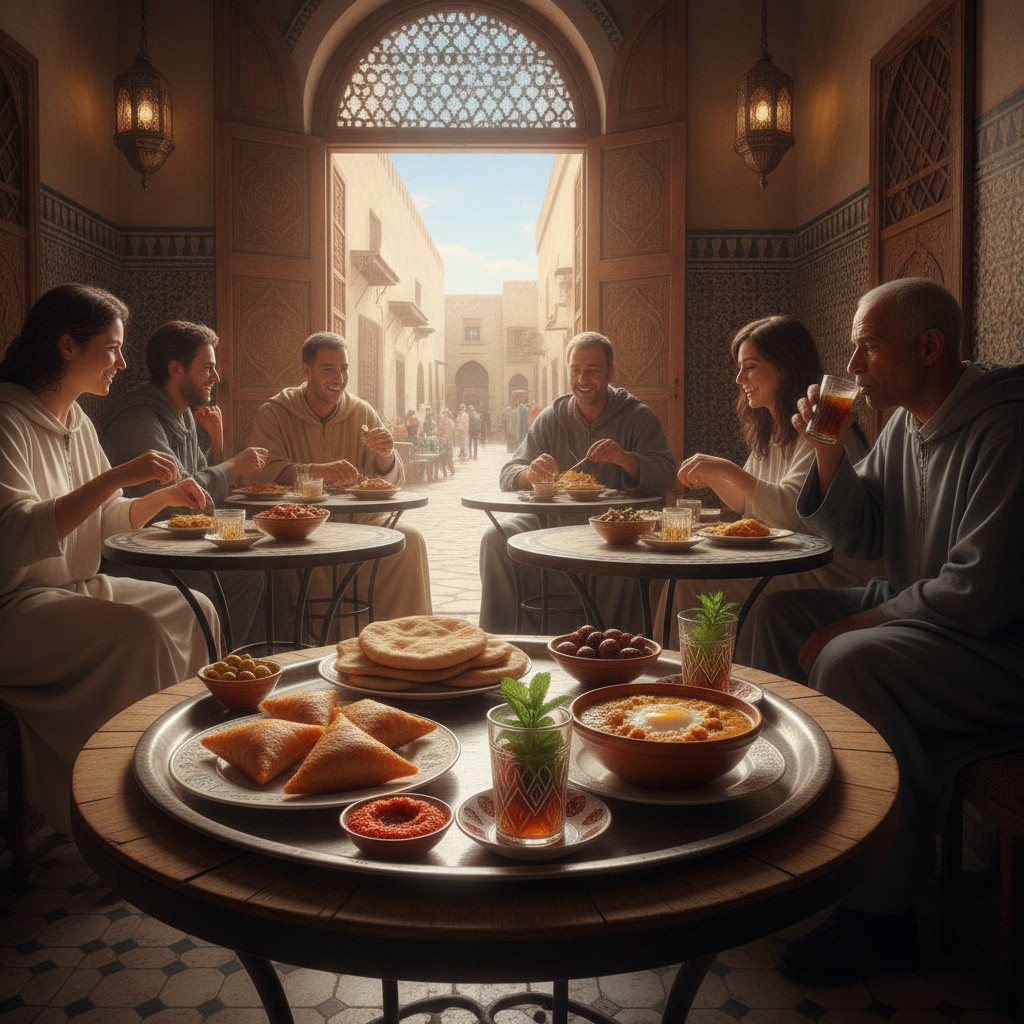
The Tunis food and culture route covers the brik as the most distinctively Tunisian single pastry, the harissa as the most internationally recognized single Tunisian condiment, the lablabi as the most working-class single Tunisian breakfast, the malouf Andalusian music tradition, and the Tunis cafe culture.
- 1
Brik: The Tunisian Egg Pastry
Brik, the most distinctively Tunisian single food preparation (the warqa pastry sheet wrapped around a whole egg, tuna, parsley, and capers and deep-fried in the most carefully timed single pastry technique that seals the egg white while leaving the yolk runny), is the most technically demanding single Tunisian street food and the preparation that most effectively demonstrates the Tunisian pastry skill. The brik is the most frequently cited single Tunisian food by the international visitor and the preparation most often attempted and most often failed in the home kitchen because the timing is the most exacting single Tunisian culinary challenge.
- 2
Harissa: The Tunisian Chili Paste
Harissa, the Tunisian rose chili and garlic paste (Capsicum annuum mixed with the coriander, the caraway, the garlic, and the olive oil in the most roasted single North African chili preparation), is the most internationally exported single Tunisian food product and the condiment that most completely defines the Tunisian kitchen as the most chili-forward single Maghrebi cuisine. The Tunis harissa market in the medina spice souk where the dried rose chilies and the caraway seeds are ground fresh to order is the most directly sensory single Tunisian food market experience.
- 3
Lablabi: The Working Class Breakfast
Lablabi, the most nutritionally complete single Tunisian working-class breakfast made from the chickpeas simmered in the garlic, the cumin, and the lemon juice broth poured over the torn stale bread and garnished with the harissa, the tuna, the capers, the poached egg, and the olive oil in the most compositionally layered single Tunisian street food bowl, is the most socially democratic single Tunisian food because it is served at the most basic single Tunis street stall from 6am and the most sophisticated single Tunisian brasserie for the upscale breakfast. The lablabi at the Tunis medina stalls at 7am is the most atmospherically authentic single Tunisian food experience.
- 4
Malouf: The Andalusian Musical Heritage
Malouf, the most formally structured single Tunisian classical music tradition (the Andalusian Arab-Berber musical form brought by the Morisco refugees expelled from Spain in 1609, using the ud, the violin, the derbouka, and the voice in the most structured single North African classical music form of 13 nawba suite cycles), is the most historically precious single Tunisian intangible cultural heritage and the musical tradition most endangered by the popular Arabic music competition. The Rashidiyya Institute in Tunis (founded 1934) is the most important single malouf preservation institution in Tunisia.
- 5
Tunisian Wine and Celtia Beer: The Secular Drink Culture
Tunisia has the most developed single secular drink culture in North Africa with the Tunisian wine tradition (the Chateau Mornag, the Muscat of Kelibia, and the Koudiat red representing the most complete single Tunisian wine range) and the Celtia beer (the most iconic single Tunisian commercial beer, the most widely consumed single alcoholic beverage in the country). The Tunis Avenue Habib Bourguiba bar and cafe culture is the most openly secular single North African city cafe circuit.
- 6
Tunisian Pastry: The Makroudh and Kak Warka
The Tunisian pastry tradition, the most North African-Arab-Andalusian single synthesis in the Maghrebi sweet food, includes the makroudh (the semolina pastry filled with the Deglet Nour date paste and fried in the olive oil then soaked in the honey, the most commercially sold single Tunisian sweet), the kak warka (the ring-shaped anise cookie, the most specifically Tunisian single Christmas and Eid cookie), and the bambalouni (the deep-fried doughnut ring, the most popular single Tunis street food at night). The Tunis patisserie circuit on the Avenue de Paris is the most complete single Tunisian pastry shopping experience.
Walk this route with audio
Stories play automatically as you reach each stop — no tapping needed.
More in Tunis
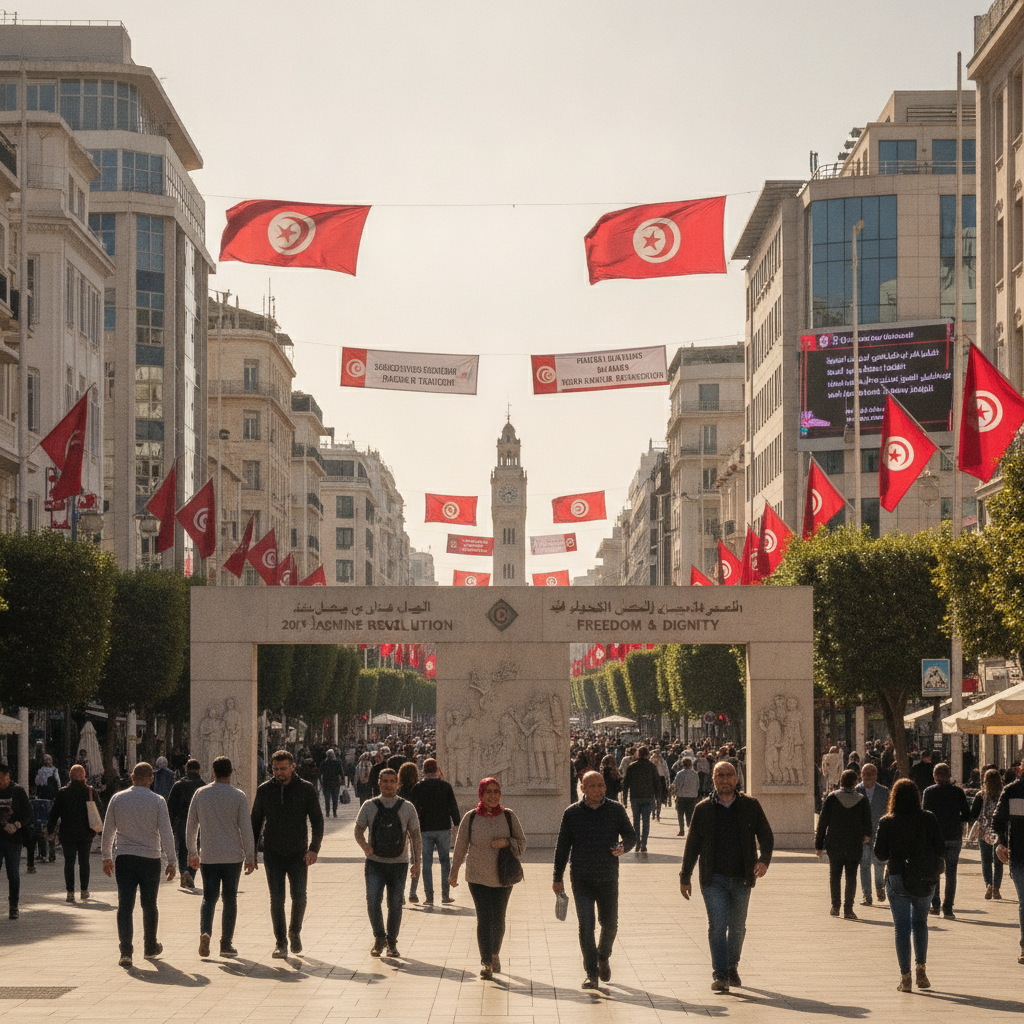
Tunis Modern History: The Arab Spring Jasmine Revolution, the Ben Ali Regime, the Bourguiba Legacy, the Transitional Democracy, and Contemporary Tunisia
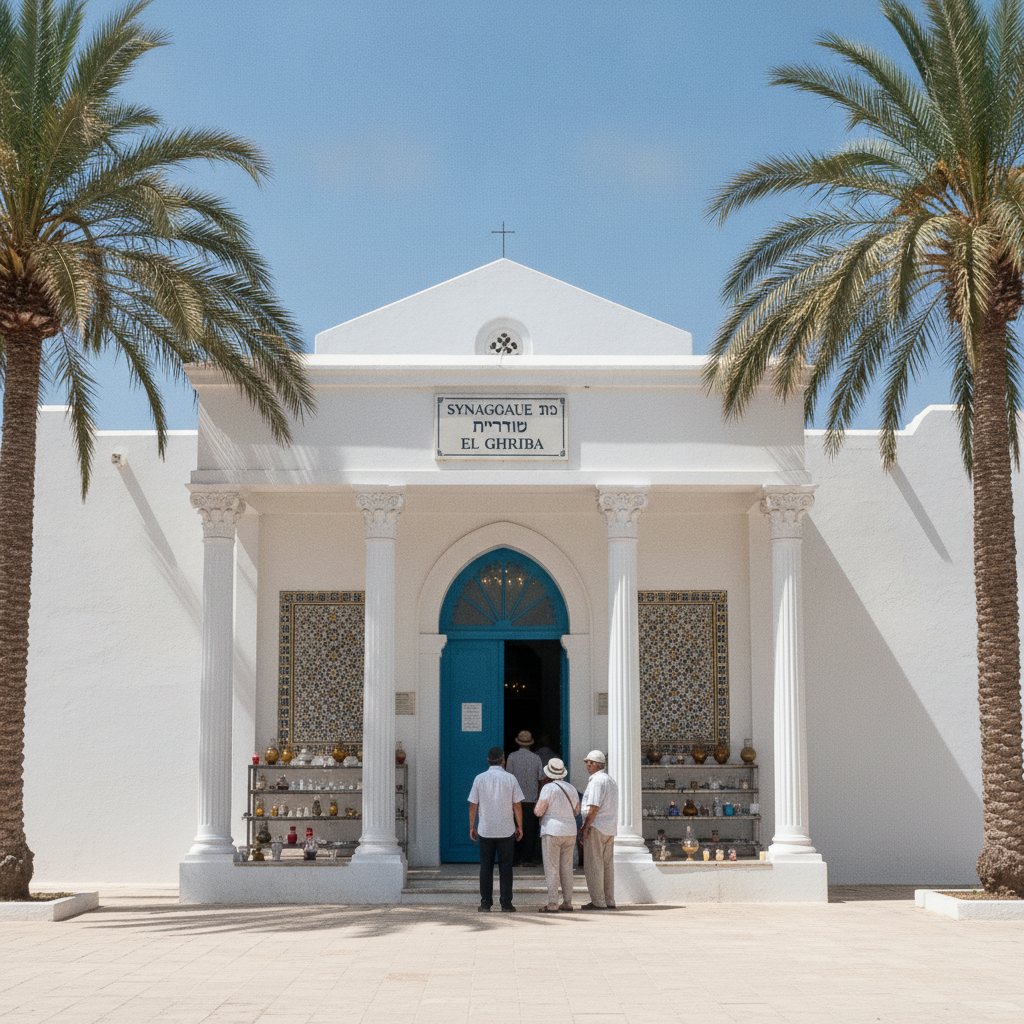
Mohammed Bouazizi Set Himself on Fire on December 17, 2010 and Ben Ali Fled Tunisia 28 Days Later Triggering Arab Spring Revolutions Across 6 Countries; El Ghriba Synagogue on Djerba Has a Legendary Founding Date of 586 BCE Making It the Oldest Synagogue in Africa; the Tunisian Rapper El General's Track Rayes Lebled Criticizing Ben Ali Became the Anthem of the Revolution After Going Viral on Facebook

The Punic Language Survived as a Spoken Vernacular in Roman North Africa Until the 5th Century CE When Augustine of Hippo Mentions Punic Speakers in His Parish; The Vandals Sacked Rome in 455 CE from Their Base in Carthage and May Have Taken the Temple Treasures of Jerusalem; the Arab Berber Queen Dihya (Kahina) Defeated an Arab Army and Is Honored Both as a Brave Enemy in Muslim Tradition and as a National Hero in Berber Tradition
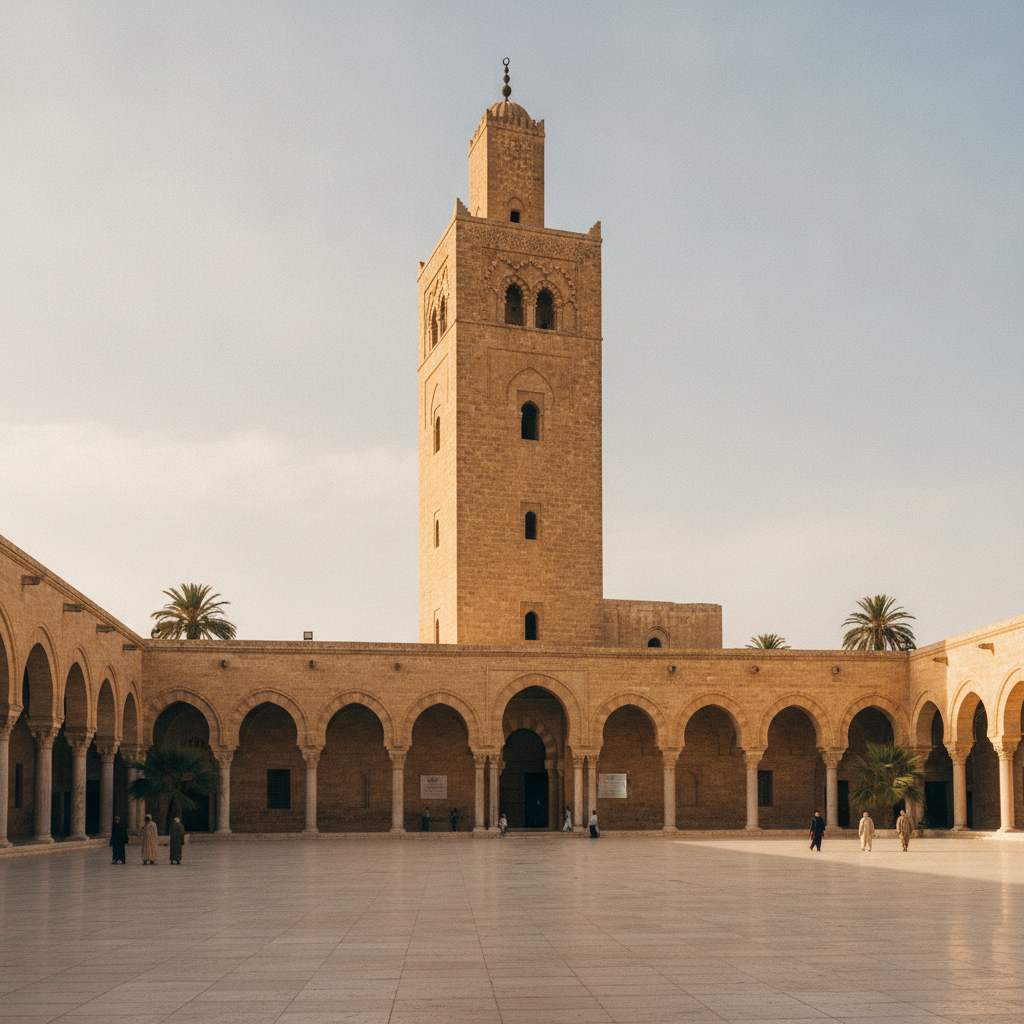
Tunis Day Trips: Kairouan the Holy City, the Great Mosque of Kairouan, the Aghlabid Basins, the Ribat of Monastir, and the Sahel Coast Circuit
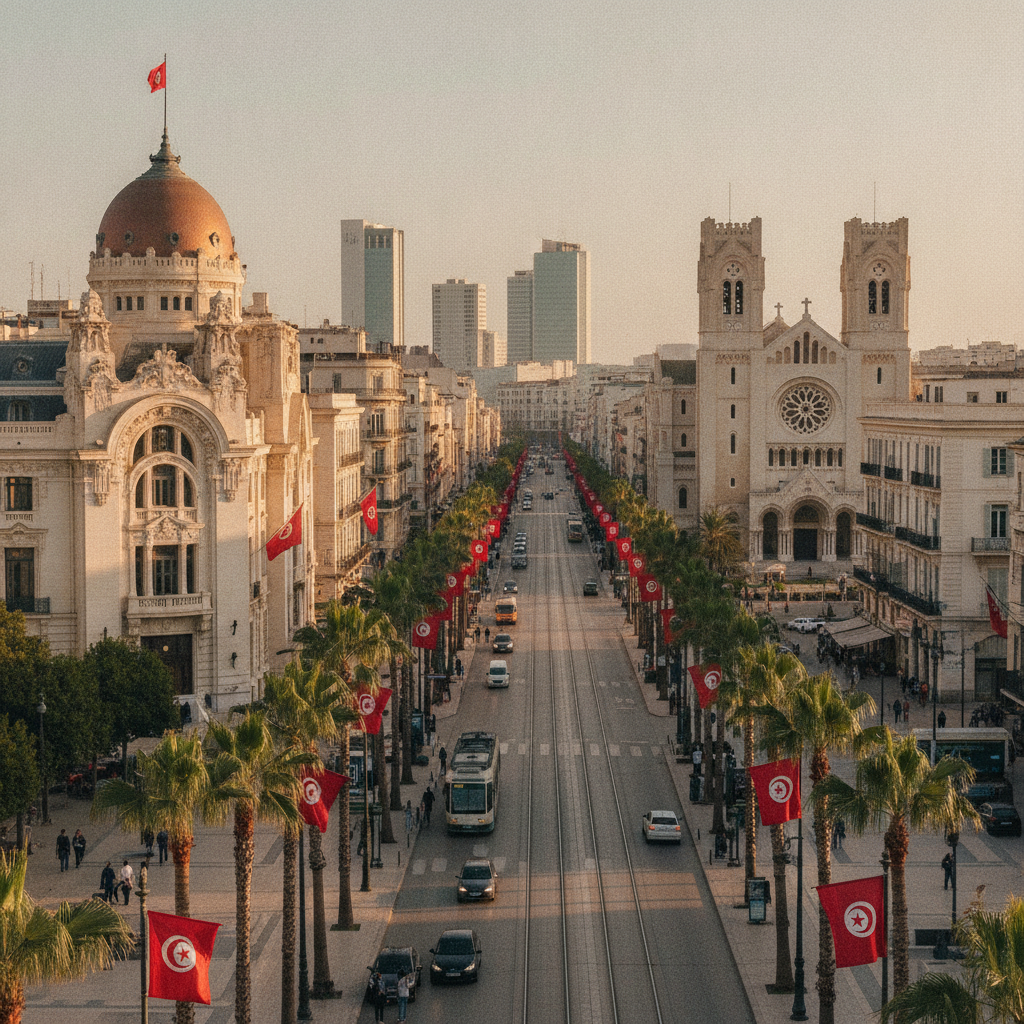
Tunis History: The Aghlabid Founders, the Hafsid Golden Age, the Ottoman Regency, the Husseinid Beys, and the French Protectorate Avenue Habib Bourguiba