Tunis Day Trips: Kairouan the Holy City, the Great Mosque of Kairouan, the Aghlabid Basins, the Ribat of Monastir, and the Sahel Coast Circuit
The Tunis day trip route covers Kairouan as the most sacred single Islamic city in North Africa and the fourth holiest city in Islam, the Great Mosque of Kairouan as the oldest single mosque in the Maghreb, the Aghlabid hydraulic basins, and the Ribat of Monastir as the most completely preserved single Islamic coastal fortress in the Mediterranean.
- 1
Kairouan: The Fourth Holiest City in Islam
Kairouan (founded 670 AD by Uqba ibn Nafi, the most militarily significant single Islamic general of the North African conquest), the most sacred single Islamic city in North Africa and the fourth holiest city in all of Islam after Mecca, Medina, and Jerusalem in the Maliki tradition, is the most historically important single city in Tunisian history and the city that established the Islamic urban civilization in the western Mediterranean. The Kairouan medina (UNESCO World Heritage Site) is the most completely preserved single early Islamic city in North Africa.
- 2
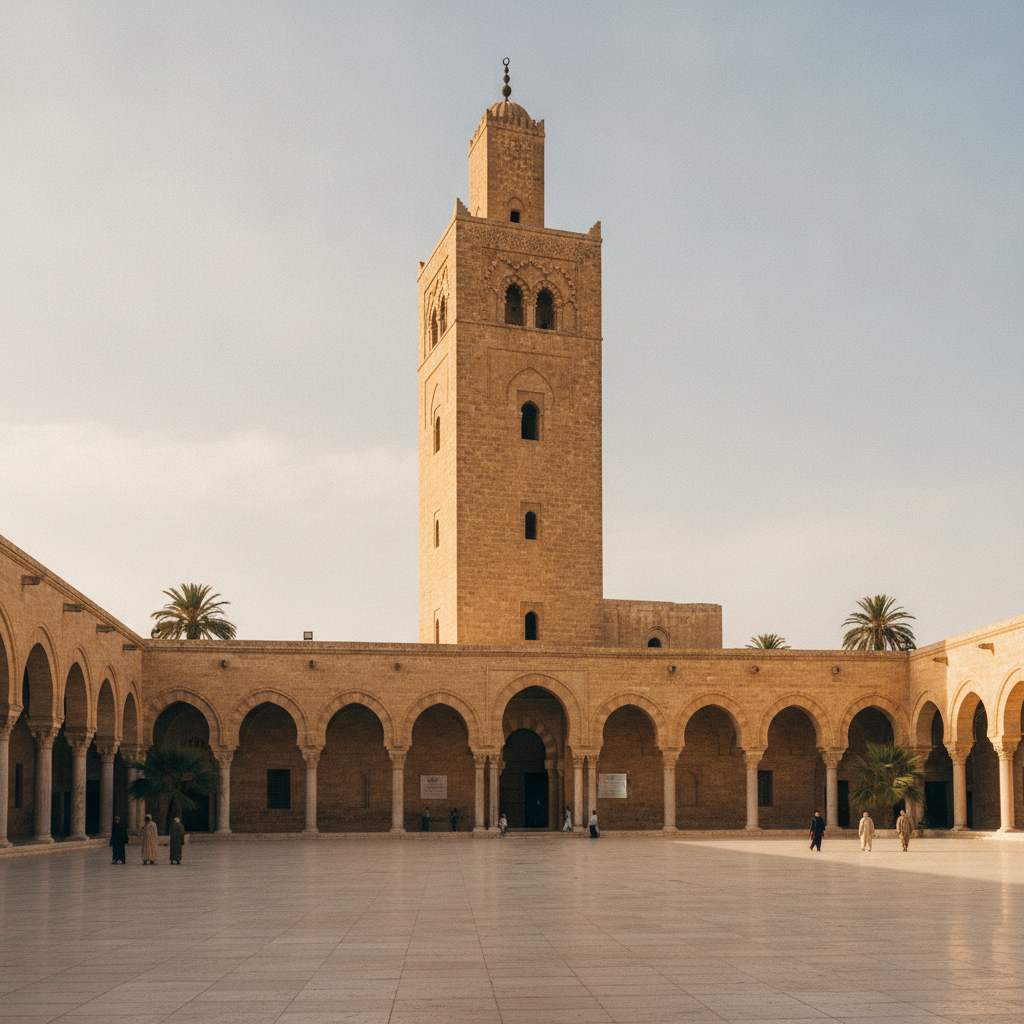
Great Mosque of Kairouan: The Oldest Maghreb Mosque
The Great Mosque of Kairouan (founded 670 AD, rebuilt by the Aghlabids 836 AD) is the oldest single mosque in the Maghreb and the mosque with the oldest single minaret in the world (the three-tier square tower, 836 AD, predating all other surviving minarets in North Africa). The prayer hall of the Great Mosque with the 414 columns (the most diverse single column collection in any mosque, recycled from Roman, Byzantine, and Aghlabid buildings) and the Byzantine marble mimbar (pulpit, 862 AD, the most artistically complete single carved wooden prayer pulpit in the Islamic world) is the most archaeologically complex single Islamic interior in Africa.
- 3
Aghlabid Basins: The 9th Century Water Engineering
The Aghlabid Basins at Kairouan (9th century, the most sophisticated single pre-modern water management system in North Africa) are two circular water storage reservoirs (the large basin 128 meters in diameter, the most extensively engineered single Aghlabid hydraulic structure) connected by the most ingeniously designed single settling tank that decanted the silt from the Kairouan plain flash flood water before storing it for the city supply. The Aghlabid Basins are the most technically impressive single early Islamic engineering achievement in the Maghreb.
- 4
Ribat of Monastir: The Mediterranean Islamic Fortress
The Ribat of Monastir, 60 kilometers east of Kairouan on the Mediterranean coast, is the most completely preserved single Islamic coastal ribat (warrior-monk fortress) in the Mediterranean and the building most used by the international film industry to represent the ancient Jerusalem (most famously in Monty Python's Life of Brian, 1979, and Franco Zeffirelli's Jesus of Nazareth, 1977). The Ribat tower provides the most panoramically complete single Mediterranean coast view from a single Islamic fortress in North Africa.
- 5
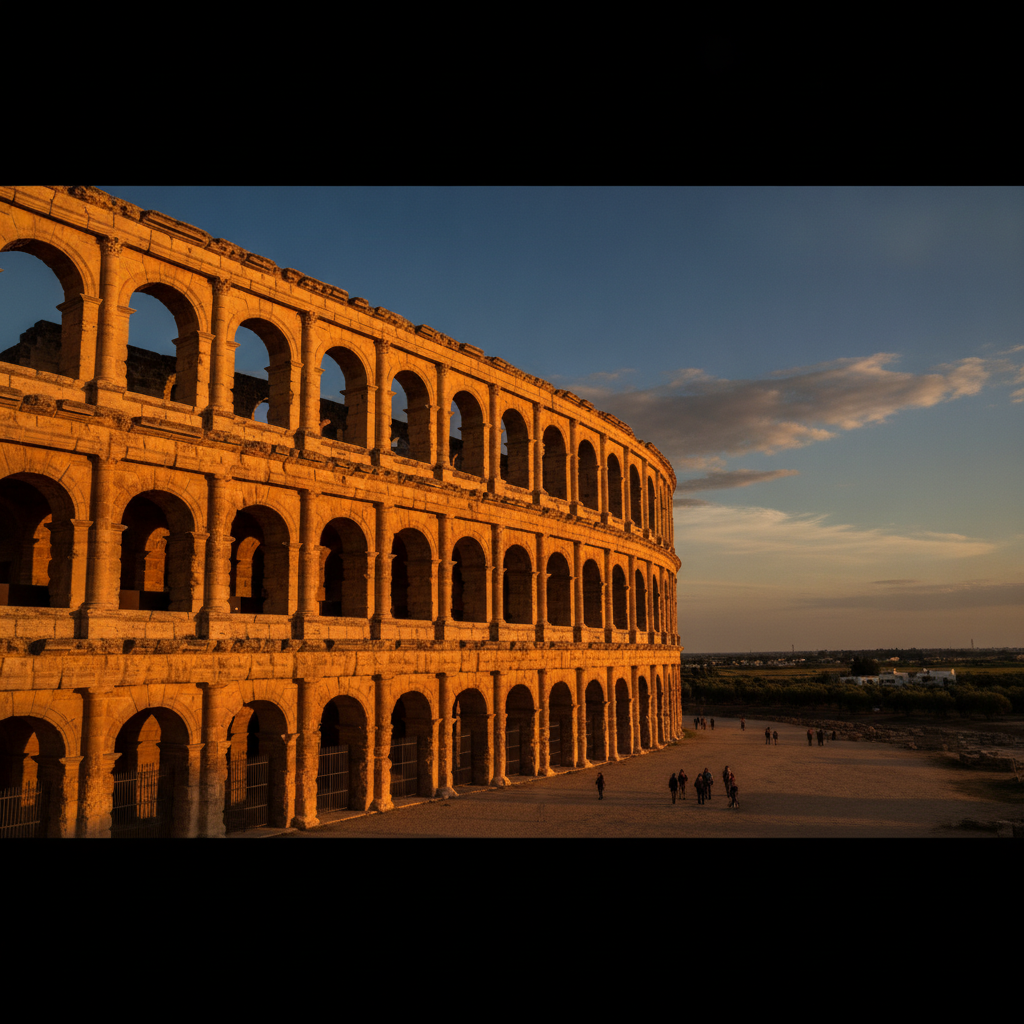
El Djem: The African Colosseum
El Djem, 60 kilometers south of Sousse, contains the most impressive single Roman monument in Africa: the El Djem Amphitheatre (3rd century AD, the third largest Roman amphitheatre in the world with a capacity of 35,000 spectators, larger than the Colosseum in Rome) standing in near-complete preservation on the Sahel plain in the most dramatically isolated single Roman monument location in North Africa. The El Djem Museum adjacent to the amphitheatre holds the most regionally specific single Roman mosaic collection in Tunisia.
- 6
Sbeitla: The Roman Temple Precinct
Sbeitla (ancient Sufetula), 100 kilometers southwest of Kairouan, is the most spectacularly preserved single Roman temple precinct in Tunisia with the three Capitol temples (the most architecturally balanced single Roman triple-temple complex in North Africa, dedicated to Jupiter, Juno, and Minerva) standing in the most complete single Roman forum in Tunisia. The Sbeitla temple precinct at the golden hour light is the most photogenically complete single Roman archaeological site in the Maghreb outside of the Tunisian coast.
Walk this route with audio
Stories play automatically as you reach each stop — no tapping needed.
More in Tunis
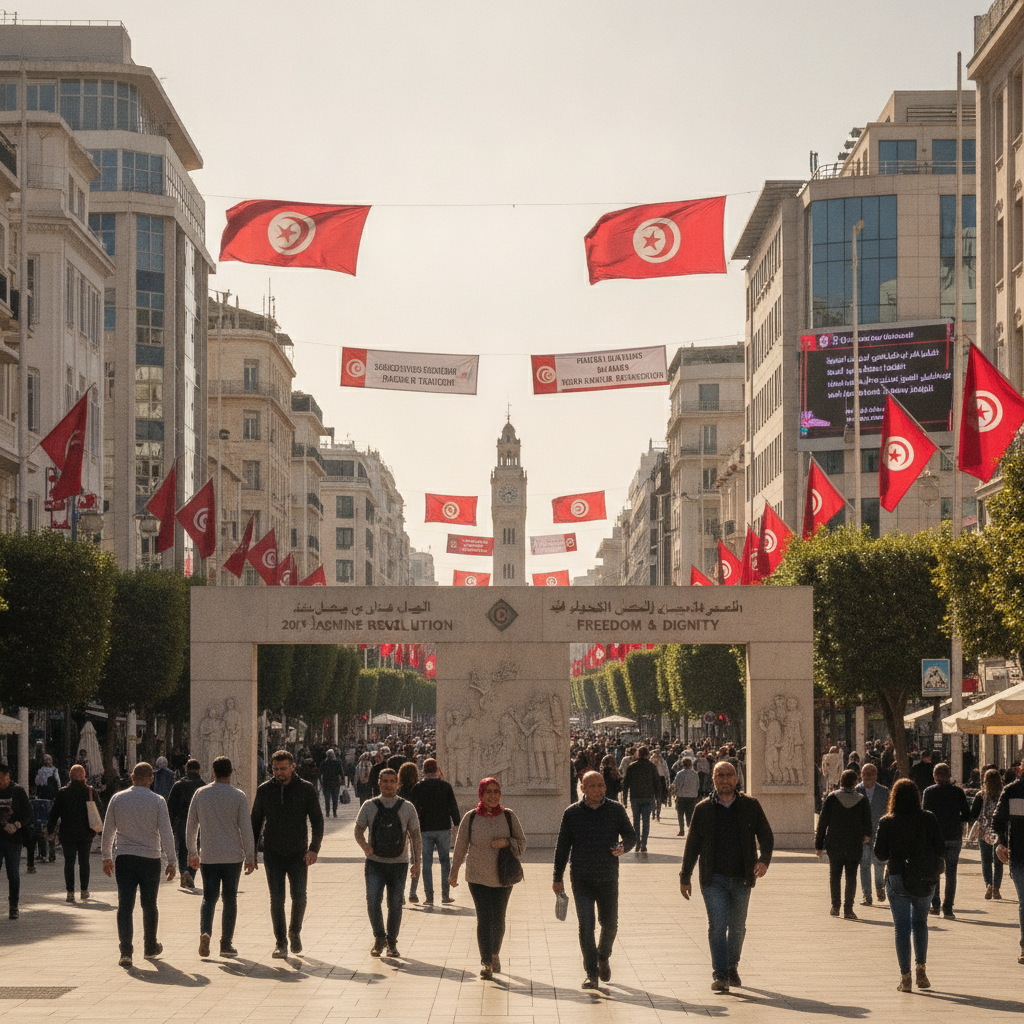
Tunis Modern History: The Arab Spring Jasmine Revolution, the Ben Ali Regime, the Bourguiba Legacy, the Transitional Democracy, and Contemporary Tunisia
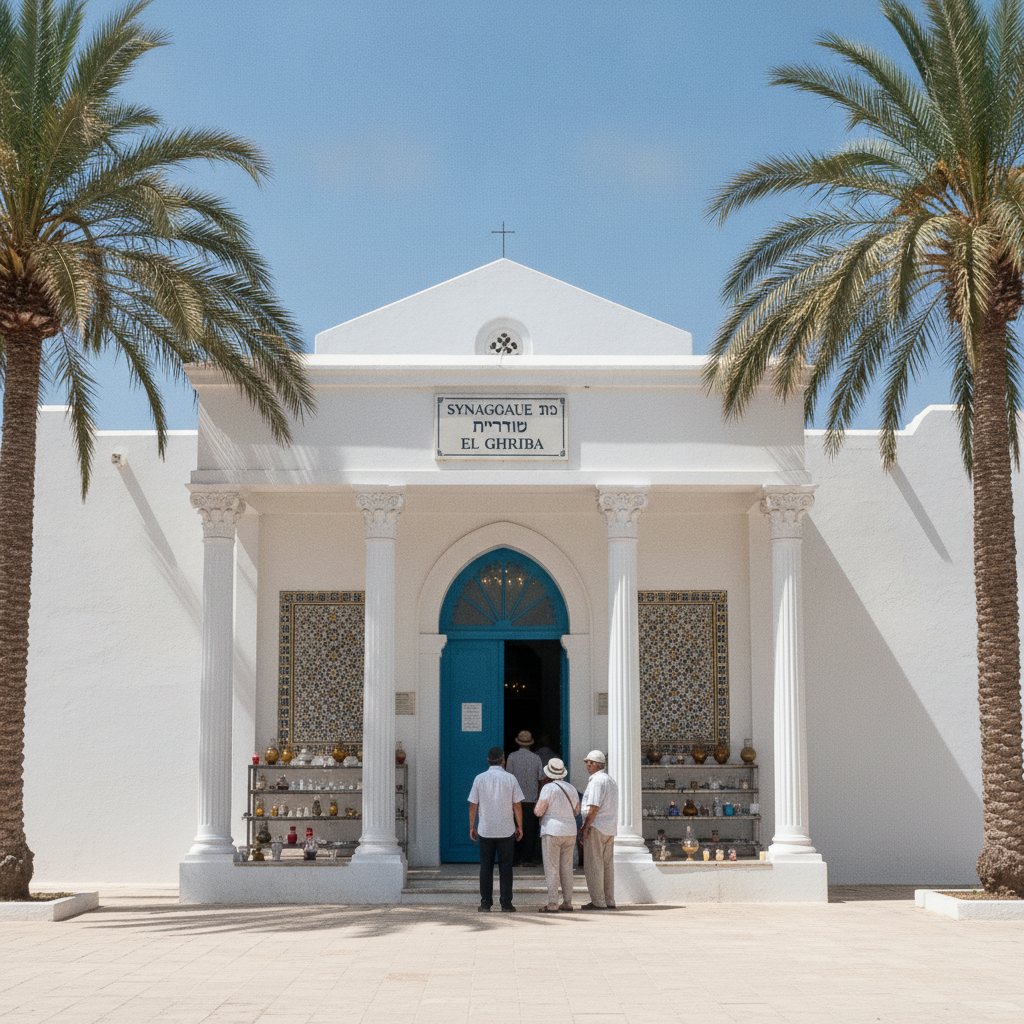
Mohammed Bouazizi Set Himself on Fire on December 17, 2010 and Ben Ali Fled Tunisia 28 Days Later Triggering Arab Spring Revolutions Across 6 Countries; El Ghriba Synagogue on Djerba Has a Legendary Founding Date of 586 BCE Making It the Oldest Synagogue in Africa; the Tunisian Rapper El General's Track Rayes Lebled Criticizing Ben Ali Became the Anthem of the Revolution After Going Viral on Facebook
The Punic Language Survived as a Spoken Vernacular in Roman North Africa Until the 5th Century CE When Augustine of Hippo Mentions Punic Speakers in His Parish; The Vandals Sacked Rome in 455 CE from Their Base in Carthage and May Have Taken the Temple Treasures of Jerusalem; the Arab Berber Queen Dihya (Kahina) Defeated an Arab Army and Is Honored Both as a Brave Enemy in Muslim Tradition and as a National Hero in Berber Tradition
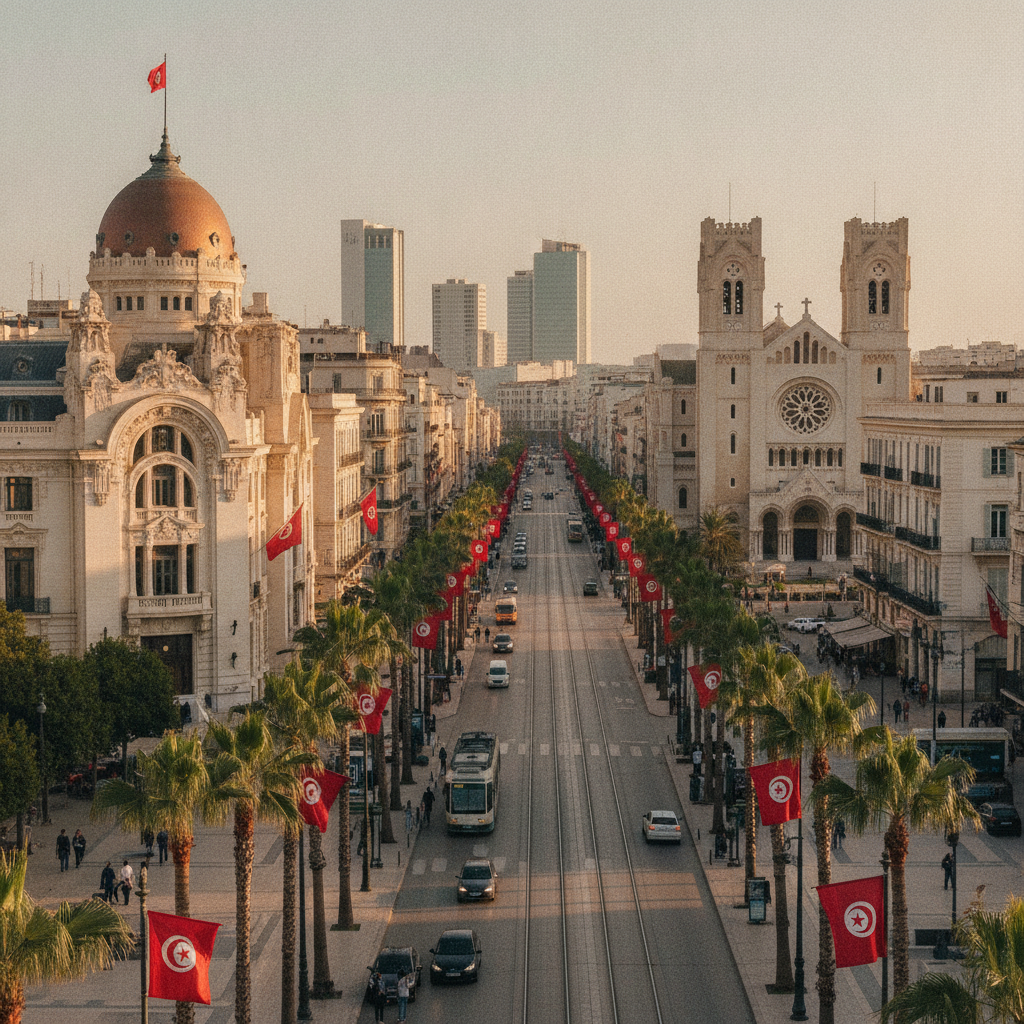
Tunis History: The Aghlabid Founders, the Hafsid Golden Age, the Ottoman Regency, the Husseinid Beys, and the French Protectorate Avenue Habib Bourguiba
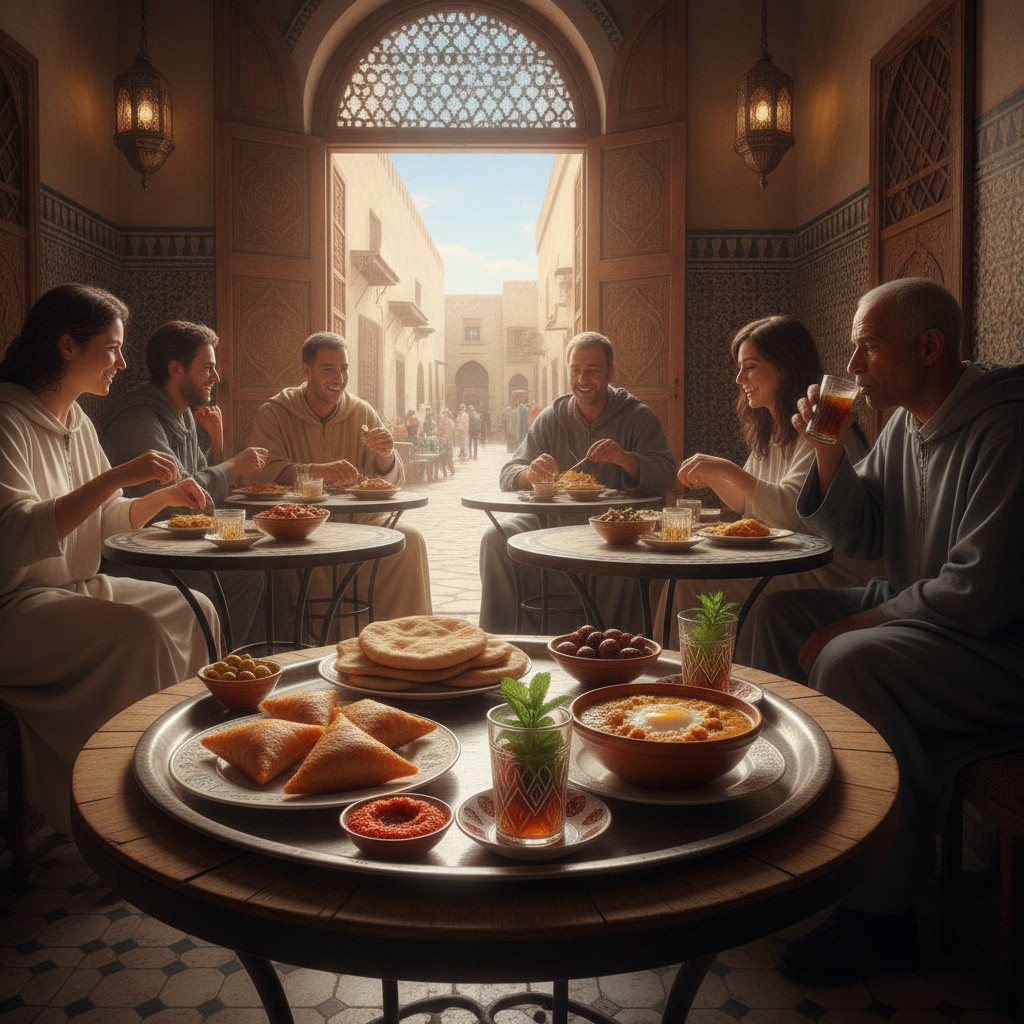
Tunis Food and Culture: The Brik, the Harissa, the Lablabi, the Malouf Andalusian Music, and the Tunis Cafe Culture