Tunis Practical: Tunis-Carthage Airport, the Train to Sousse and Hammamet, the Medina Accommodation, the Optimal Visit Timing, and the Tunisia Circuit Summary
The Tunis practical route covers the Tunis-Carthage Airport as North Africa most accessible single capital airport, the train connection to Sousse and Hammamet, the medina accommodation, the optimal April-May and October-November visit timing, and the Tunisia circuit summary.
- 1
Tunis-Carthage Airport: The North Africa Gateway
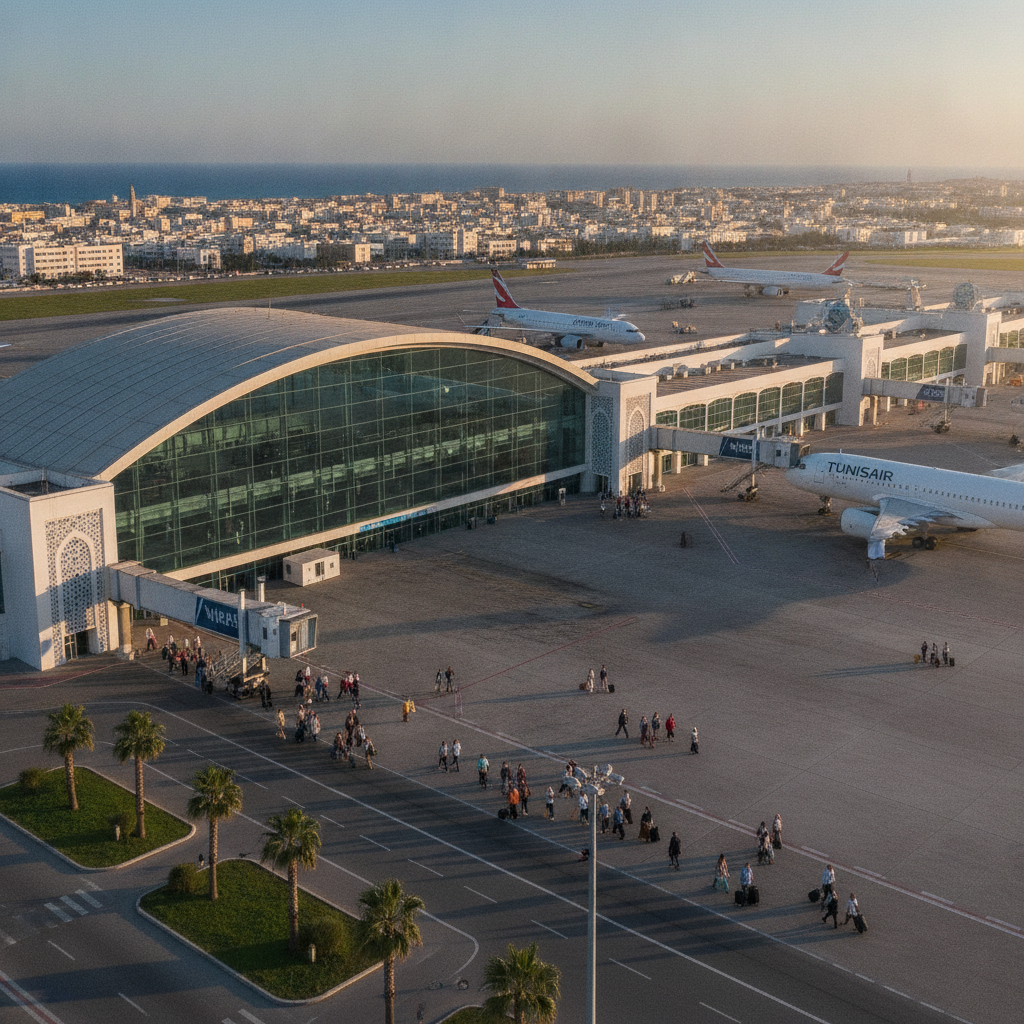
The Tunis-Carthage International Airport (TUN), the most centrally located single North African capital airport at 8 kilometers from the city center (the most convenient single Maghrebi airport proximity), serves 30+ European cities with direct flights and is the most accessible single North African capital for the European visitor in terms of flight frequency, duration, and price. The TRANSTU light rail (the Tunis suburban train) connects the airport to the Tunis Ville city center station in 20 minutes on the most conveniently timed single North African airport rail link.
- 2
Tunis Tram and Metro: The City Transport
The Tunis Light Rail (Metropolitain leger de Tunis, MLT), the oldest single light rail network in Africa (inaugurated 1985) with 6 lines covering the most extensive single Tunis suburban area, is the most cost-effective single Tunis city transport and the network most convenient for the visitor staying in the medina area. The Tunis-Carthage suburban rail line (connecting the Tunis city center to the La Marsa and the Sidi Bou Said stations in 25 minutes) is the most useful single Tunis public transport line for the cultural visitor.
- 3
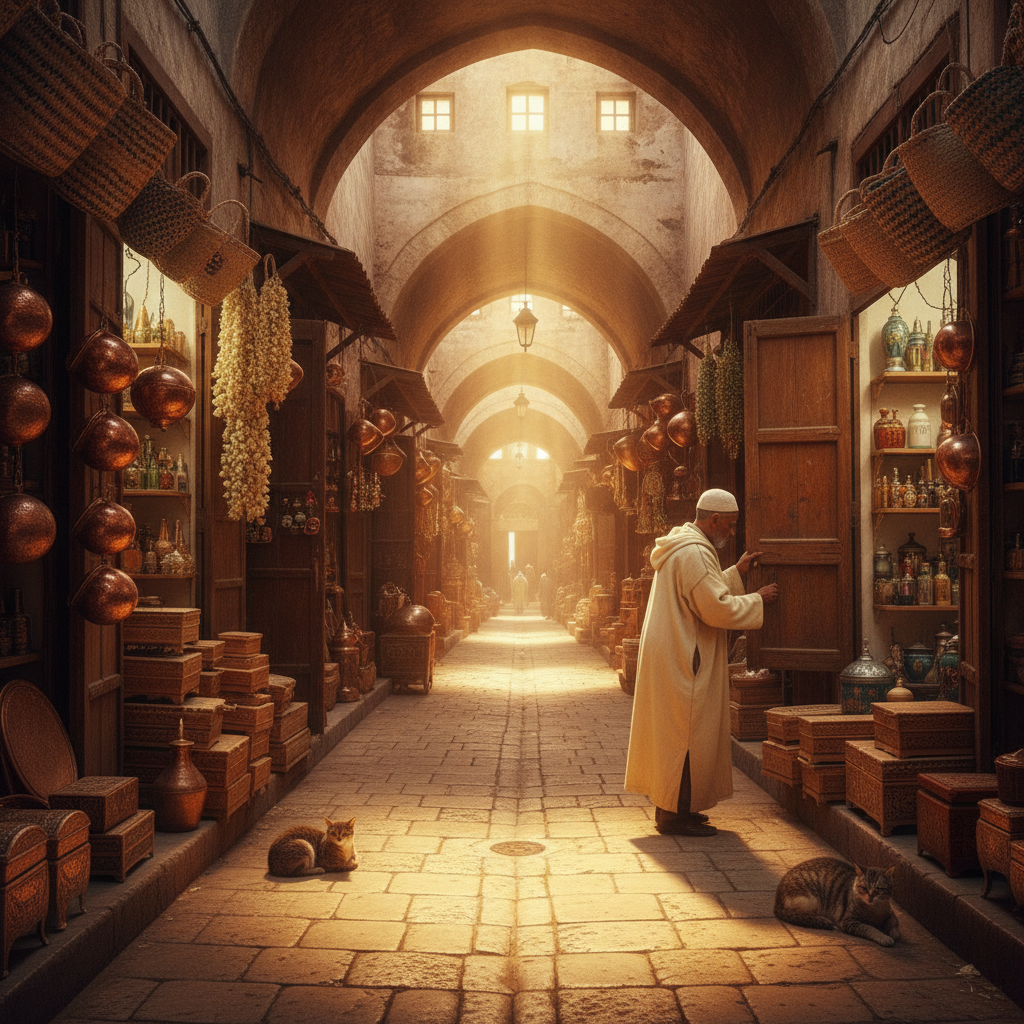
Medina Accommodation: The Dar and the Boutique Hotel
The Tunis medina boutique hotel accommodation in the converted dar (traditional Tunisian courtyard house) is the most atmospherically complete single Tunis lodging option and the most directly comparable single experience to the Marrakech riad at 30-40% of the Marrakech price. The Dar Ben Gacem, the Dar El Medina, and the Dar Soukaina are the most consistently reviewed single Tunis medina boutique hotels with the traditional courtyard, the rooftop terrace, and the most centrally located single Tunis accommodation for the medina exploration.
- 4
Train to Sousse and Hammamet: The Coast Circuit
The SNCFT train from Tunis to Sousse (2 hours, the most comfortable single Tunisian intercity train journey on the most punctual single Tunisian rail service) and the Tunis to Hammamet grand taxi (1 hour, the most flexible single departure timing) provide the most convenient single Tunis-to-coast transport for the visitor who wants to combine the capital cultural circuit with the most developed single Tunisian beach resort. The Tunis-Sousse-El Djem-Kairouan circuit in 4-5 days is the most logistically efficient single Tunisia essential circuit.
- 5
Optimal Visit Timing: Spring and Autumn
The optimal Tunis visit timing is April-May and October-November when the air temperature (20-26 degrees) is the most comfortable single Mediterranean range, the sea temperature (18-22 degrees) allows the Sidi Bou Said and the Cap Bon coastal swimming, and the summer tourist volume at Carthage and the Bardo has receded. The Carthage International Festival (July-August, the most important single Tunisian performing arts festival, using the Carthage Roman Theatre as the most atmospherically dramatic single performance venue in Africa) is the most culturally compelling single reason to visit in the summer despite the 35-degree heat.
- 6
Tunisia Circuit: The Complete Country Summary
The Tunisia essential circuit from Tunis (2 days: medina, Bardo, Carthage, Sidi Bou Said) to Kairouan (1 day: Great Mosque, Aghlabid Basins) to El Djem (half day: Roman Amphitheatre) to Sousse (1 day: medina, Ribat) to Djerba (2 days: Houmt Souk, El Ghriba Synagogue, beach) covers the most geographically comprehensive single Tunisia cultural and beach circuit in the most time-efficient single 7-day itinerary. Tunisia is the most comprehensively rewarding single North African country for the first-time Maghreb visitor because the most content-varied single circuit is the most geographically compact.
Walk this route with audio
Stories play automatically as you reach each stop — no tapping needed.
More in Tunis
Tunis Modern History: The Arab Spring Jasmine Revolution, the Ben Ali Regime, the Bourguiba Legacy, the Transitional Democracy, and Contemporary Tunisia
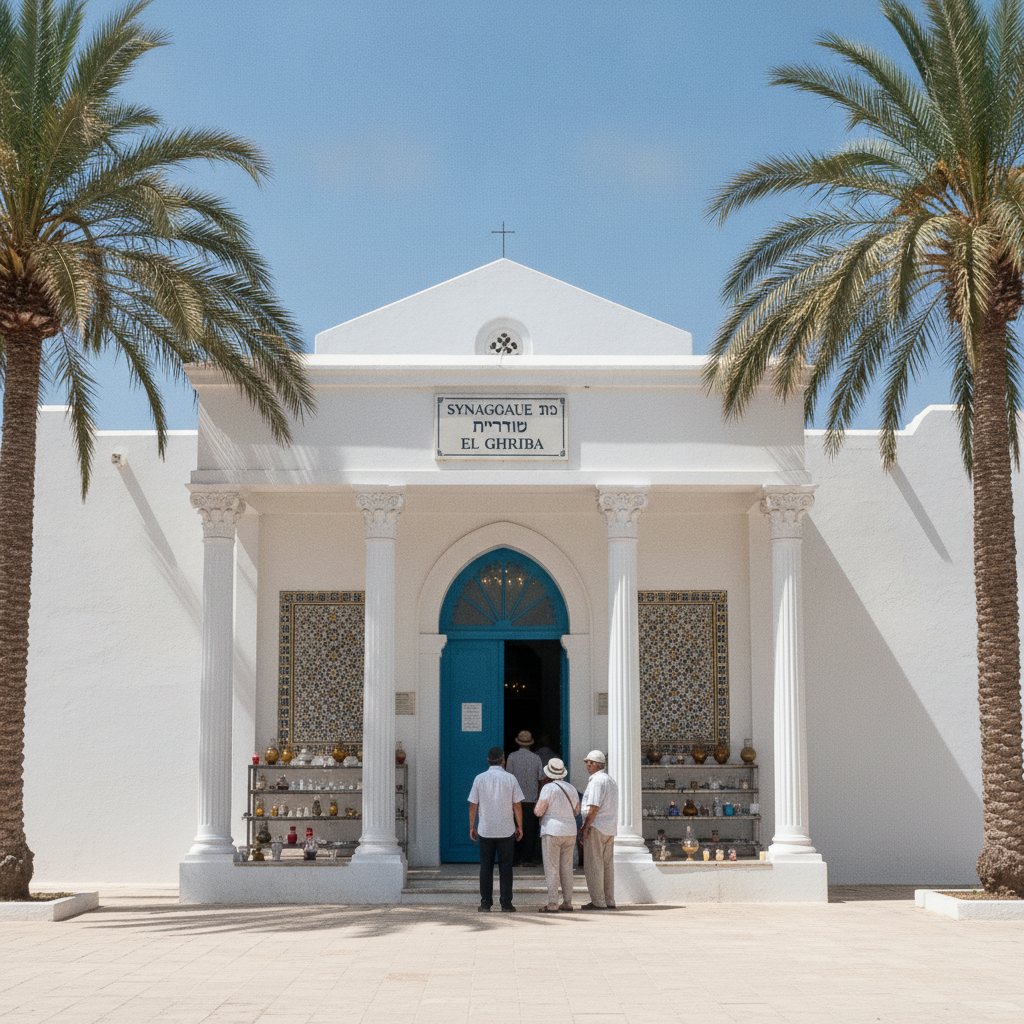
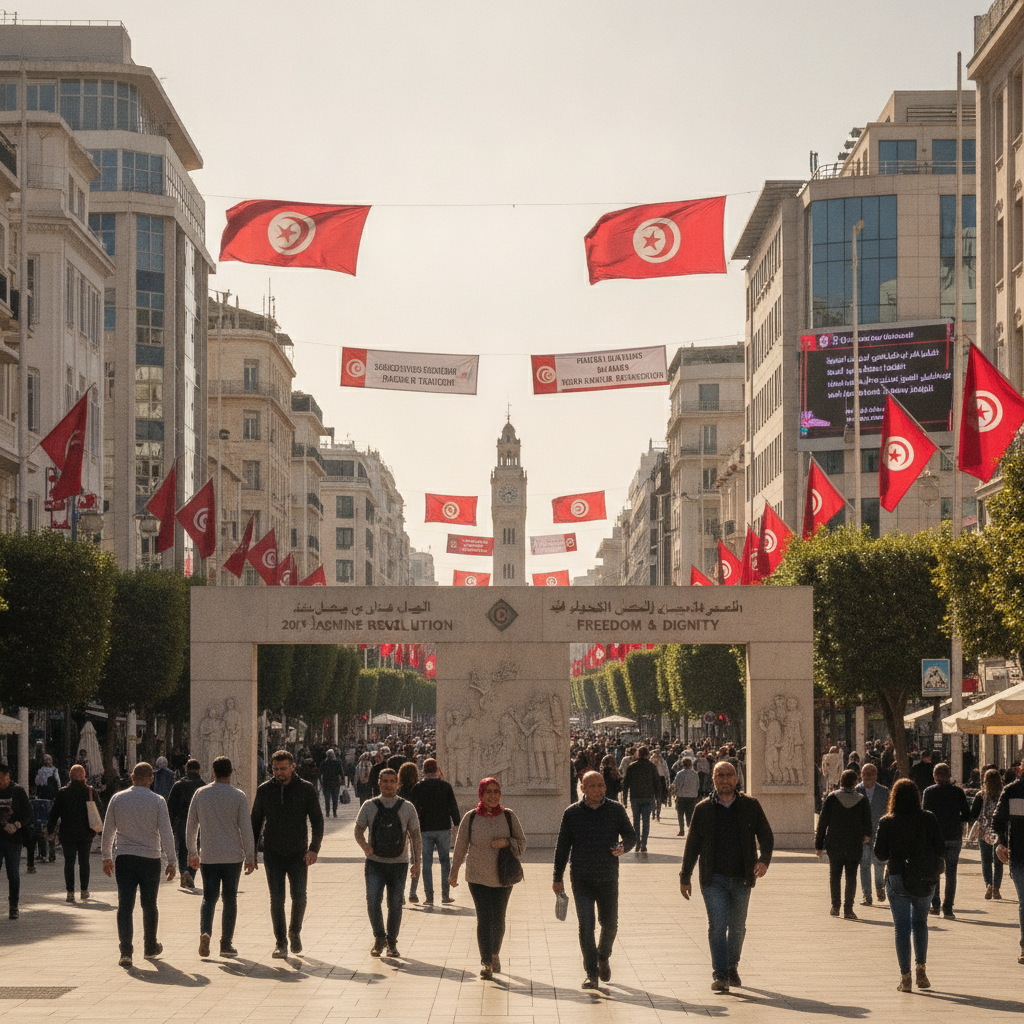
Mohammed Bouazizi Set Himself on Fire on December 17, 2010 and Ben Ali Fled Tunisia 28 Days Later Triggering Arab Spring Revolutions Across 6 Countries; El Ghriba Synagogue on Djerba Has a Legendary Founding Date of 586 BCE Making It the Oldest Synagogue in Africa; the Tunisian Rapper El General's Track Rayes Lebled Criticizing Ben Ali Became the Anthem of the Revolution After Going Viral on Facebook
The Punic Language Survived as a Spoken Vernacular in Roman North Africa Until the 5th Century CE When Augustine of Hippo Mentions Punic Speakers in His Parish; The Vandals Sacked Rome in 455 CE from Their Base in Carthage and May Have Taken the Temple Treasures of Jerusalem; the Arab Berber Queen Dihya (Kahina) Defeated an Arab Army and Is Honored Both as a Brave Enemy in Muslim Tradition and as a National Hero in Berber Tradition
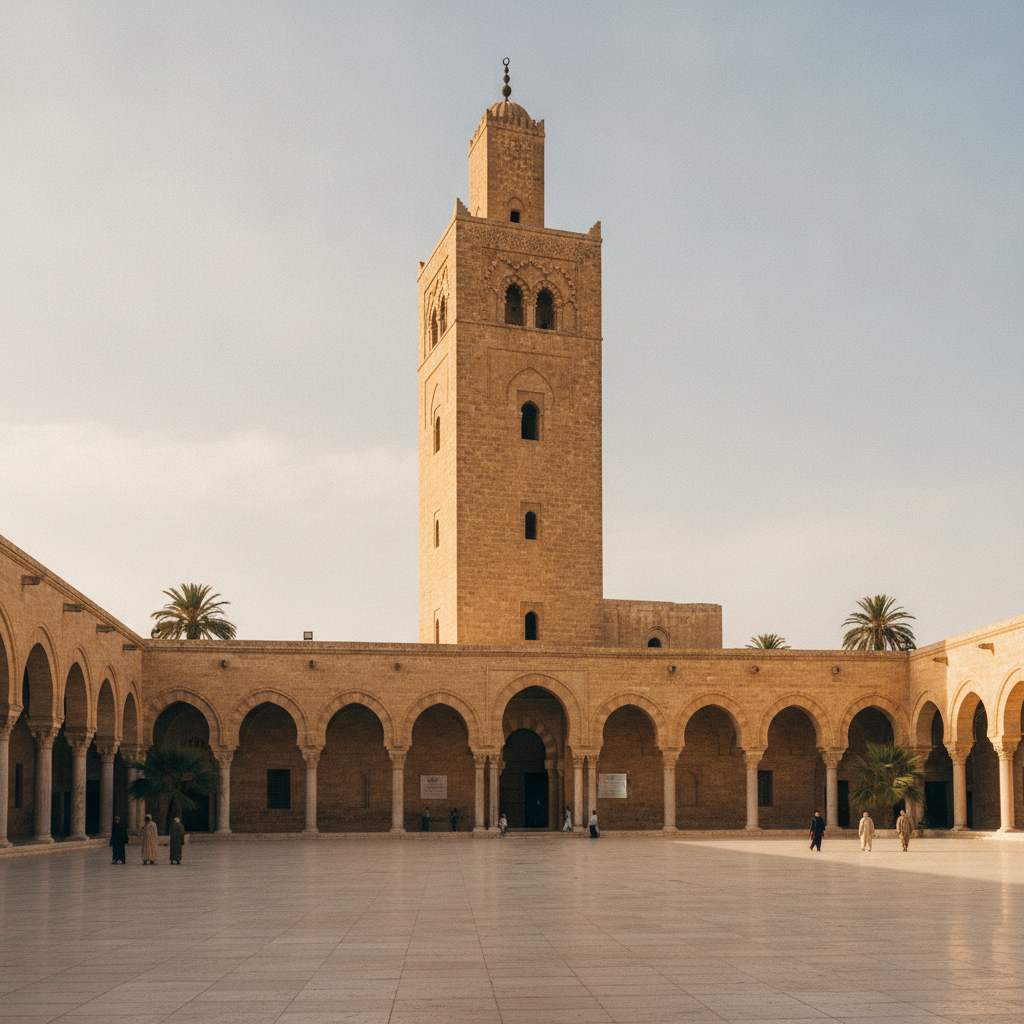
Tunis Day Trips: Kairouan the Holy City, the Great Mosque of Kairouan, the Aghlabid Basins, the Ribat of Monastir, and the Sahel Coast Circuit
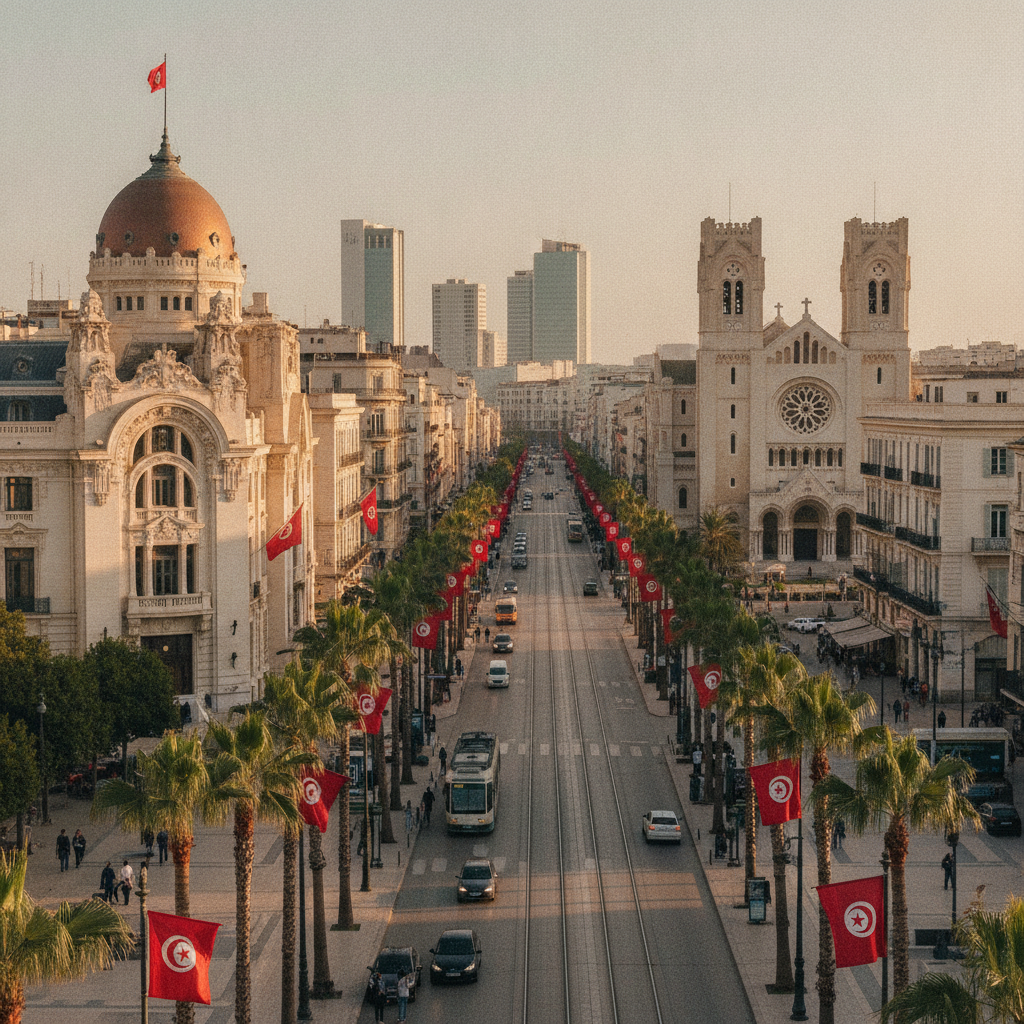
Tunis History: The Aghlabid Founders, the Hafsid Golden Age, the Ottoman Regency, the Husseinid Beys, and the French Protectorate Avenue Habib Bourguiba