Vientiane French Colonial Heritage Walk
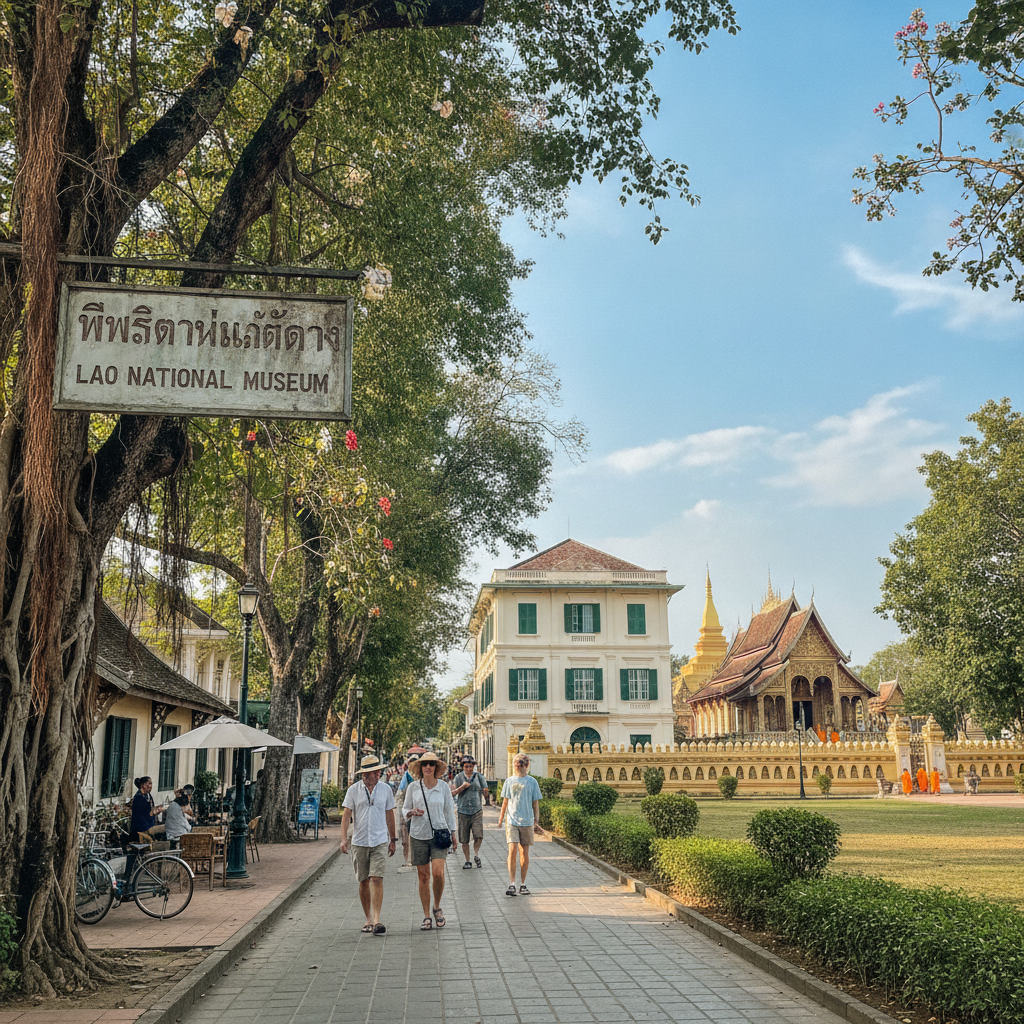
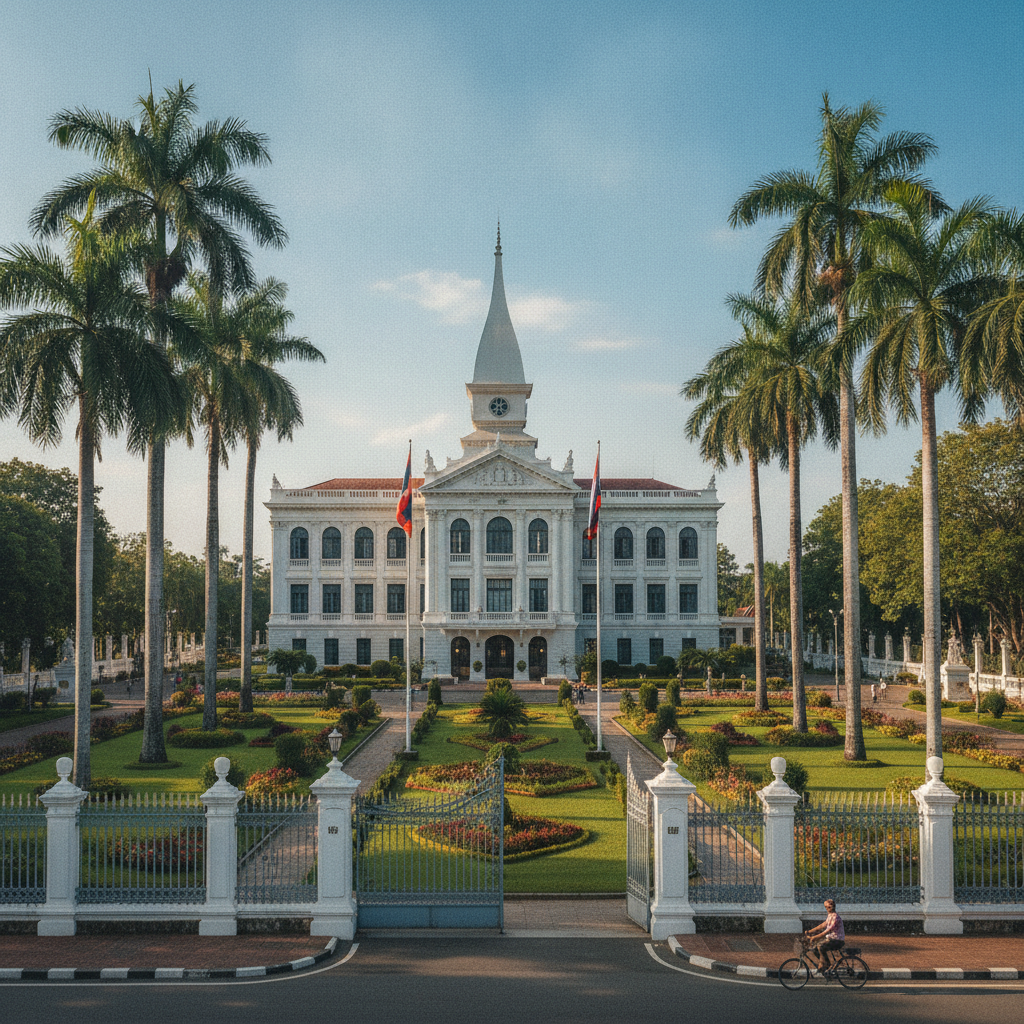
Stroll Vientiane's colonial district — the Lao capital has the most intact French colonial urban fabric in Southeast Asia, with its tree-lined boulevards, the riverside promenade, the French administrative buildings, and the café culture that has been maintained with particular fidelity to the original French model.
- 1
Lan Xang Boulevard
Lan Xang Avenue (Avenue Lane Xang, named for the Lan Xang kingdom of medieval Laos) is the grand ceremonial boulevard of the Vientiane colonial plan — the broad tree-lined road (modelled on the Champs-Élysées and constituting the most direct French urban planning intervention in the Lao capital) runs from Patuxai at one end to the National Assembly and the Mekong River at the other, passing through the administrative centre of the colonial and contemporary Lao government. The avenue's mature trees (the rain trees and tamarinds planted during the French period creating a continuous canopy over the wide road) are the most important single urban landscape feature in Vientiane, providing the shade that makes the boulevard walk manageable even in the Lao dry season heat.
- 2
Mekong River Promenade
The Mekong River promenade (the riverside road along the southern edge of the Vientiane city, where the capital faces across the river toward Thailand) is the most atmospheric riverside urban environment in mainland Southeast Asia — the Mekong at Vientiane is 800 metres wide in the wet season (the vast river visible across the full width from the Vientiane bank, with the Thai town of Nong Khai visible on the opposite bank), and the riverside promenade's sunset gathering (the families, the food vendors, the exercise groups, and the tourists who come to the Mekong bank every evening to watch the sun set over the river) creates the most important public social gathering in the Vientiane daily rhythm. The sand bars visible in the river during the dry season (the broad sandy islands that emerge from the Mekong as the water level drops, used for temporary restaurants and beach volleyball courts by the Vientiane community) are the most distinctive seasonal feature of the Vientiane riverside landscape.
- 3
French Colonial Villas
The French colonial villa district in the northern streets of the Vientiane centre (the residential streets where the French colonial officials lived in the stately villas that are now occupied by embassies, international organisations, and the most prestigious hotels and restaurants) preserves the most complete residential colonial urban fabric in any Southeast Asian capital. The villas' characteristic features (the shuttered windows, the deep verandahs designed to shade the interior from the tropical sun, the garden walls with the ornate iron gates, and the mango and frangipani trees that were planted as shade trees during the colonial period) create the most consistently European colonial residential atmosphere accessible in Laos. The embassy quarter's conversion of the colonial residential fabric into the contemporary diplomatic infrastructure has provided the resources for the maintenance of the buildings that other capital cities have lost to redevelopment.
- 4
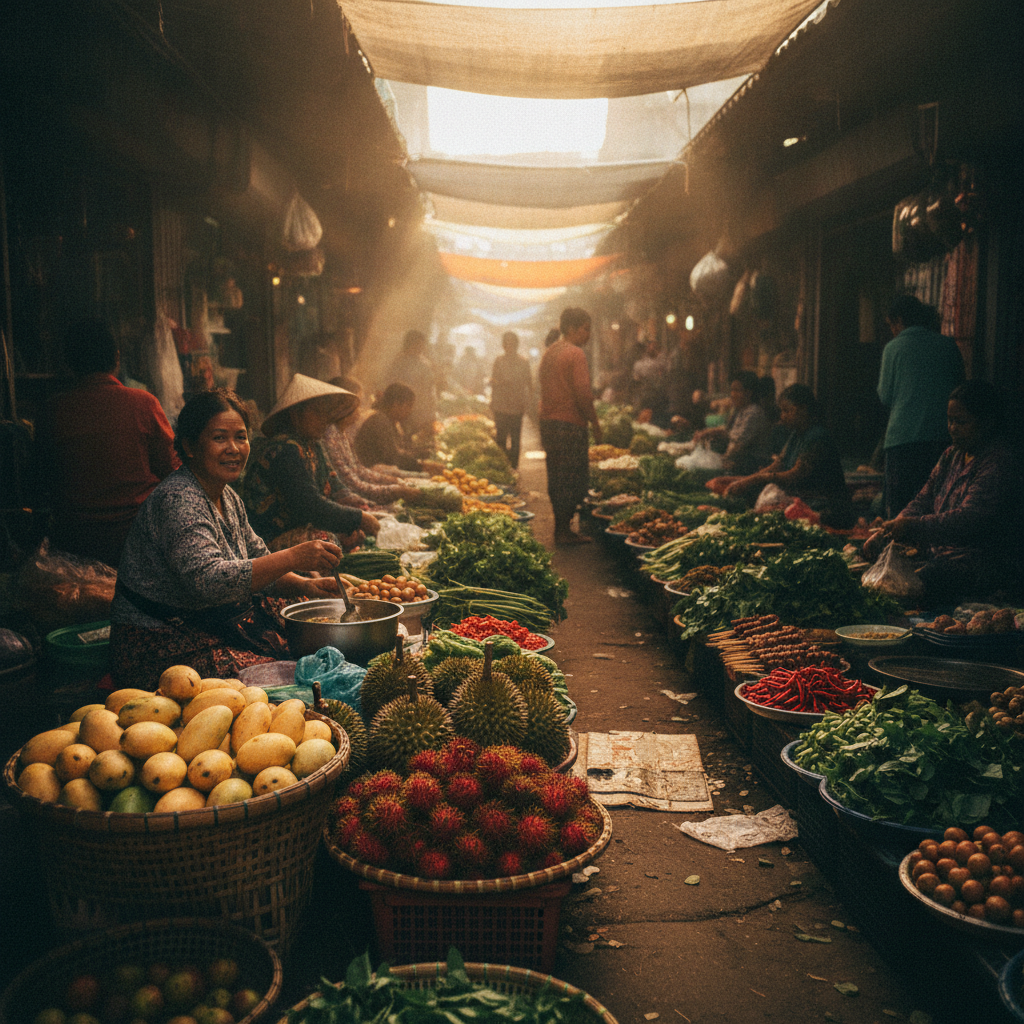
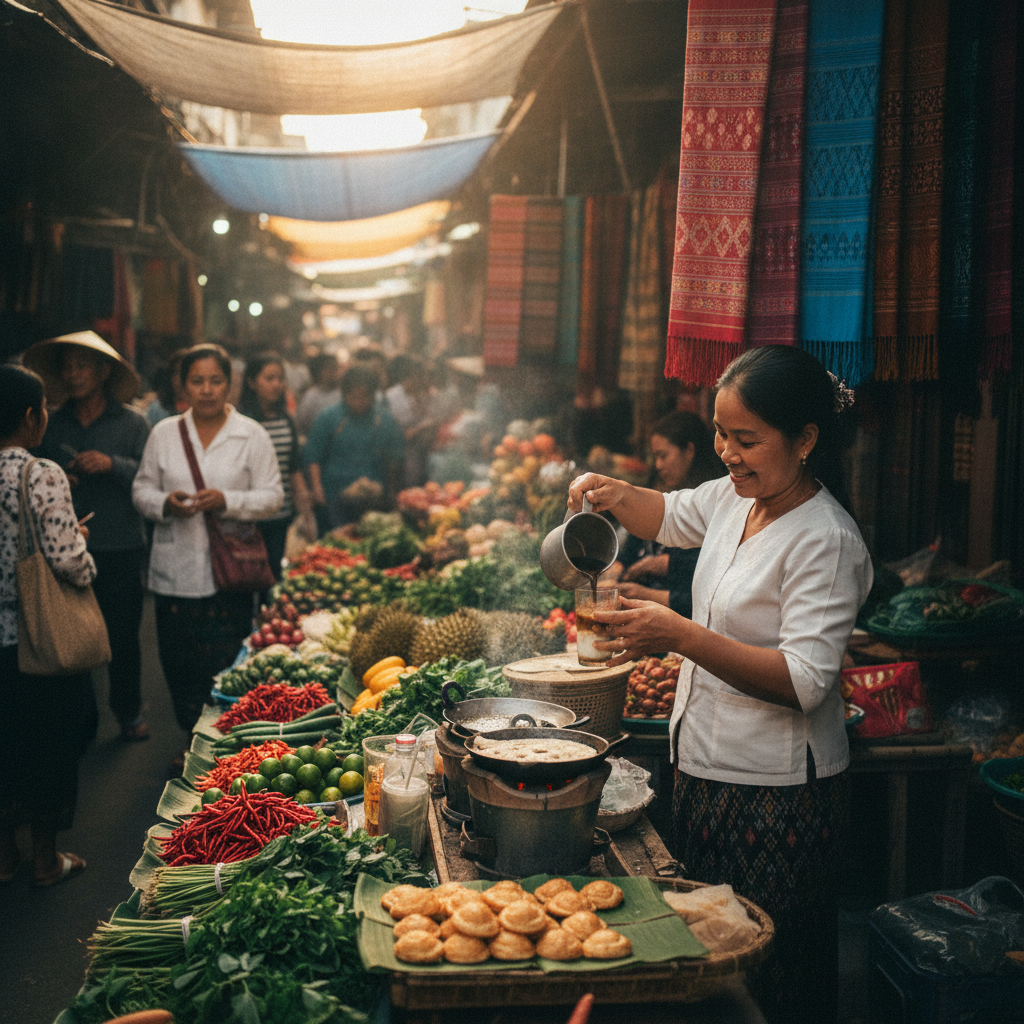
Vientiane Morning Baguette
The morning baguette culture of Vientiane (the French bread tradition maintained with greater fidelity in Laos than in any other former French Indochina territory) is most visible at the morning market stalls along the Setthathirath Road and the Nam Phou fountain area — the fresh baguettes (baked in the small bakeries that begin production from 3am and are sold from the vendor's baskets from 5am) are the most enduring French culinary legacy in Lao daily food culture. The Lao morning baguette preparation (the traditional bánh mì-style filling adapted with Lao ingredients — the pâté, the fresh vegetables, the chilli sauce, and the condensed milk for the morning tea) creates a uniquely Lao-French breakfast culture that is the most practical expression of the colonial food heritage accessible in the Vientiane street food environment.
- 5
Nam Phou Fountain Square
The Nam Phou fountain square (the circular fountain at the centre of the colonial urban plan, now surrounded by the French-style café and restaurant terraces that constitute the most European urban gathering space in the Lao capital) is the social centre of the Vientiane expatriate and tourist community — the evening café culture at Nam Phou (the outdoor terrace restaurants serving the French-influenced Lao cuisine alongside the imported French wine and beer that reflect the colonial food legacy) is the most characteristic expression of the Vientiane colonial heritage as a living cultural environment rather than a historical exhibit. The fountain square's position at the intersection of the colonial street grid creates the most clearly European urban experience accessible in Southeast Asia outside the Vietnamese colonial cities.
- 6
COPE Visitor Centre
The COPE Visitor Centre (Cooperative Orthotic and Prosthetic Enterprise) in the Vientiane hospital district documents the most devastating single legacy of the American bombing of Laos during the Vietnam War — Laos is the most heavily bombed country per capita in history (more bombs were dropped on Laos between 1964 and 1973 than on Germany and Japan combined during World War II), and the unexploded ordnance (UXO) that remains in the soil continues to kill and maim Lao people decades after the war's end. The COPE centre's exhibition (the prosthetics displayed alongside the personal histories of the UXO survivors, the documentation of the bombing campaign's scale and its continuing consequences, and the COPE programme's work providing prosthetic limbs to the UXO victims) is the most important single educational site about the war's legacy accessible in Vientiane.
Walk this route with audio
Stories play automatically as you reach each stop — no tapping needed.