Vientiane Morning Alms & Market Walk
Start the Vientiane day at dawn — the morning alms giving, the fresh market, and the breakfast food culture of the Lao capital create the most specifically Lao morning experience accessible in mainland Southeast Asia.
- 1
Pre-Dawn Alms Giving
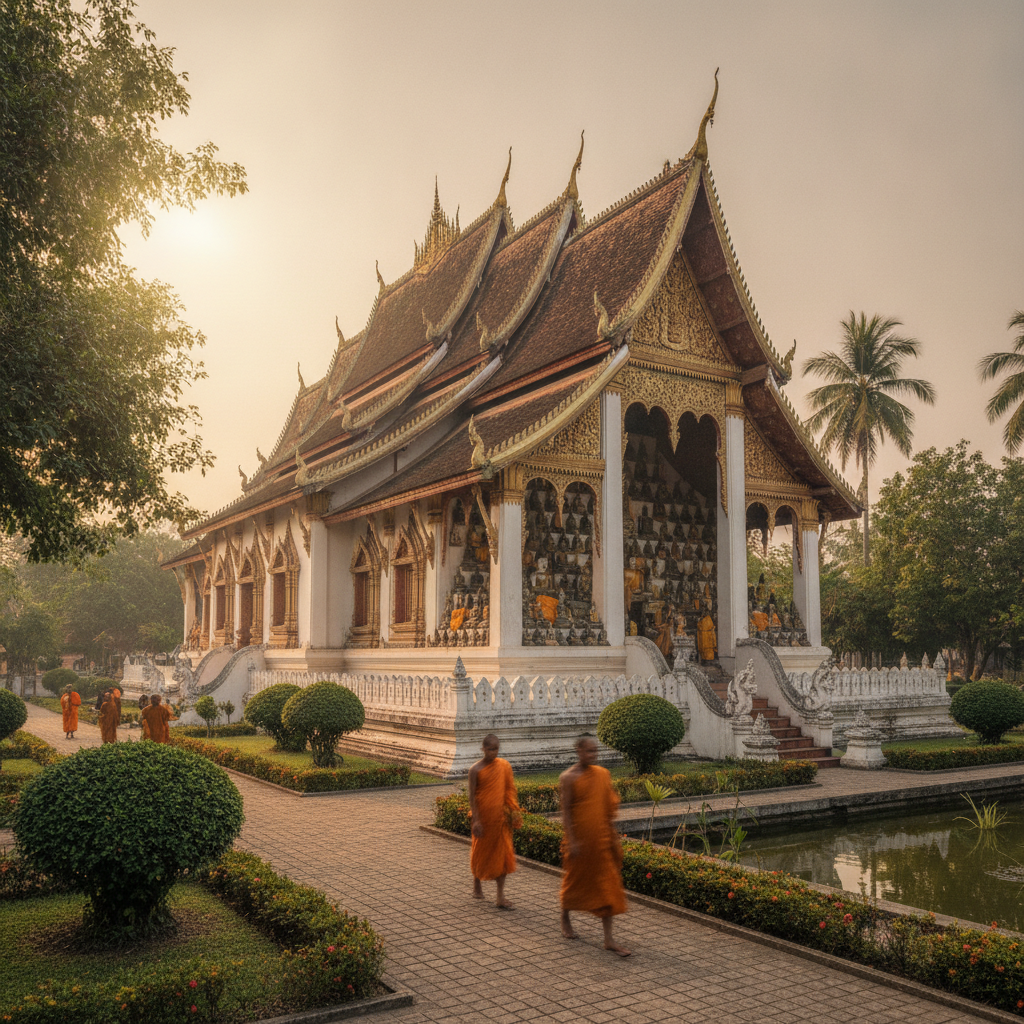
The tak bat (morning alms giving) in Vientiane (the procession of orange-robed monks moving through the city streets from the pre-dawn hours to collect the sticky rice and food offerings from the lay devotees who kneel at the roadside with their offering baskets) is the most directly observable daily Buddhist practice accessible in the Lao capital — the Vientiane tak bat occurs throughout the city's temple districts from approximately 5:30am to 7am, with the largest processions visible on the streets nearest the major temple compounds. The Vientiane tak bat is less formalised and less tourist-oriented than the Luang Prabang version (which has become a major tourist spectacle and the subject of ongoing discussion about its commercialisation), but is consequently a more authentic expression of the daily monastic practice and the lay devotional tradition.
- 2
Talat Khua Din Market
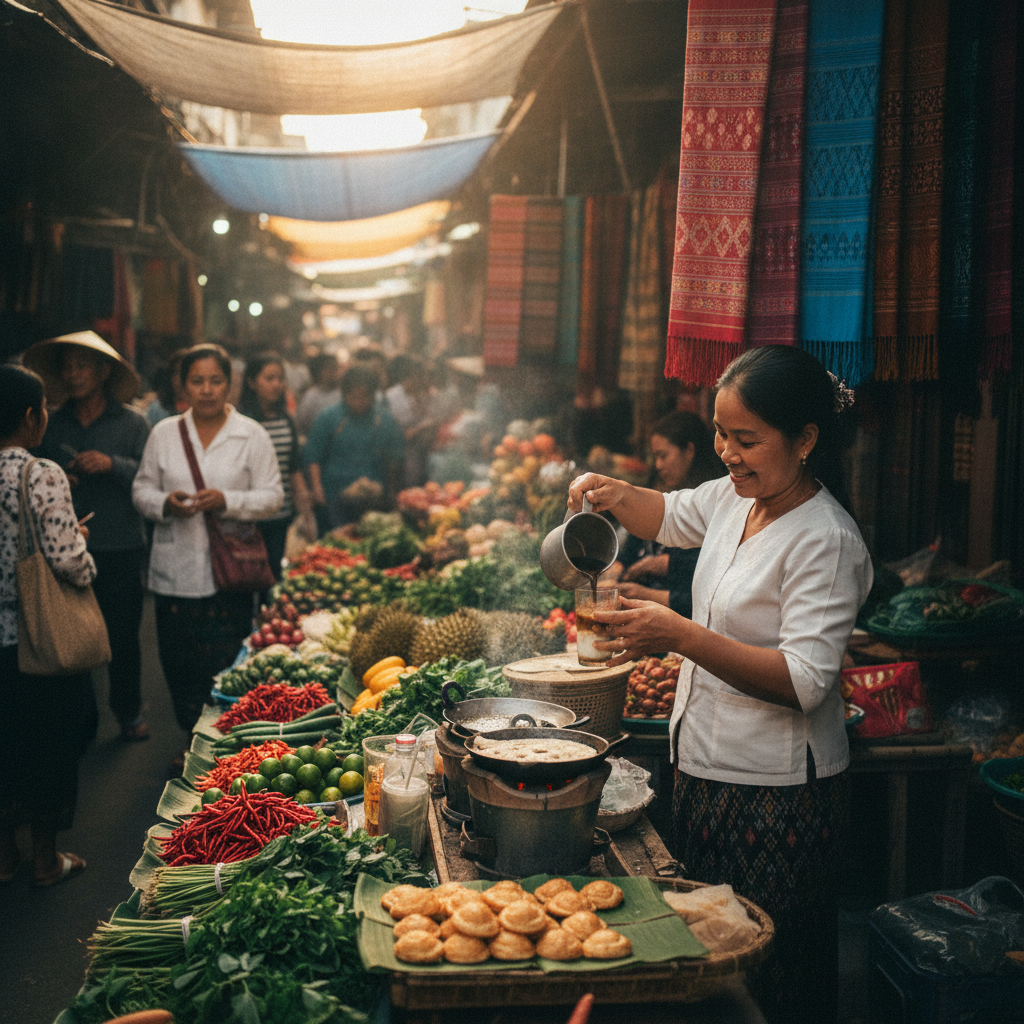
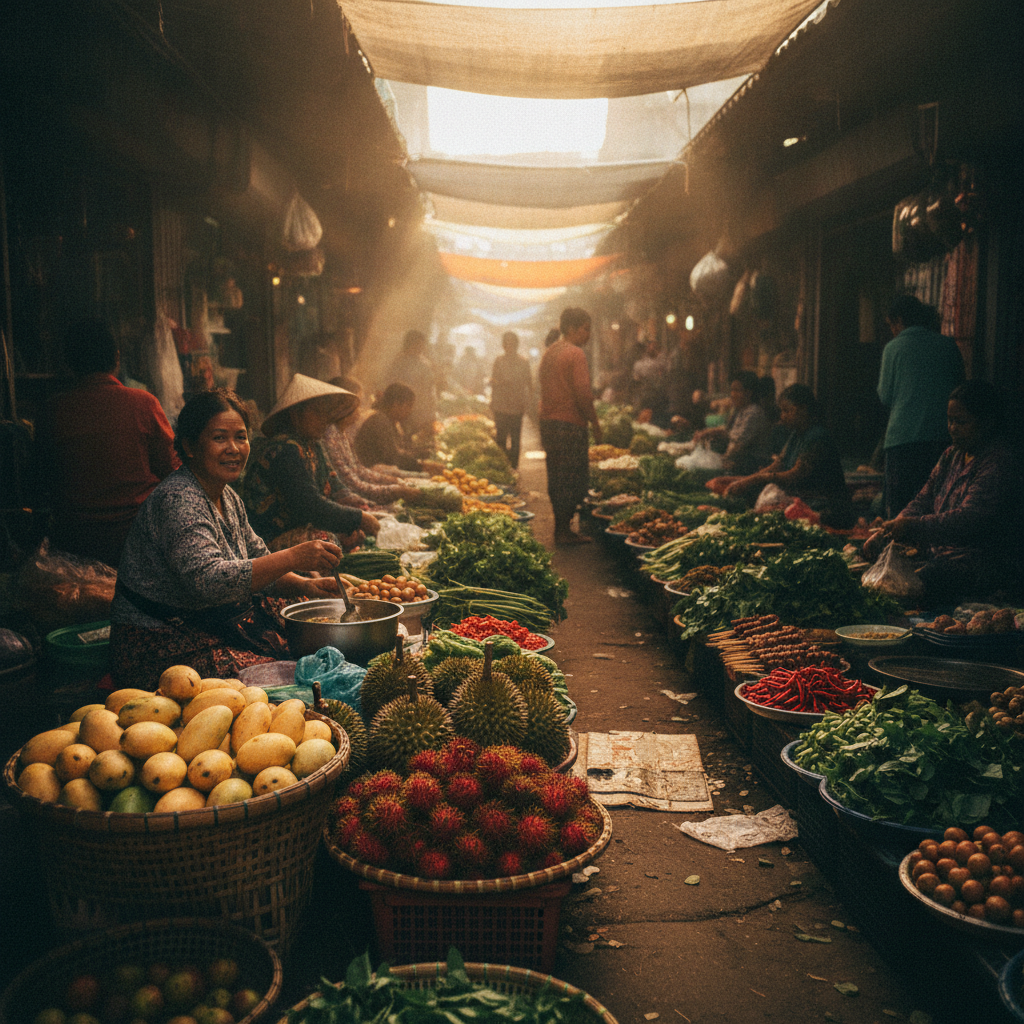
Talat Khua Din (the main fresh produce market in the southern Vientiane district near the bus station) is the most important single food market in the city for the local resident community — the market's fresh fish (the Mekong species, the farmed fish from the river ponds, and the dried and smoked fish products that are the most distinctive Lao preserved fish preparations), the fresh vegetables from the agricultural communities surrounding the city, and the morning prepared food vendors serving the market workers and the early shoppers create the most complete picture of the Lao daily food provisioning accessible in Vientiane. The market's pre-dawn arrival of the agricultural produce (the village farmers arriving from 3am with their truck loads of fresh vegetables for the wholesale buyers) is the most active and most photographically dramatic market hour accessible in the capital.
- 3
Lao Coffee Ritual
The Lao coffee culture (the traditional Lao coffee, grown in the Bolaven Plateau in southern Laos and roasted with butter and sugar in the traditional preparation, served in the small glass with the condensed milk already poured in the bottom and the hot black coffee poured on top) is one of the most distinctive morning rituals accessible in the Lao capital — the traditional Lao coffee shop (the small pavement shop with the low plastic chairs and the simple equipment for the filter coffee preparation) serves a fundamentally different beverage from the espresso and international coffee culture that has arrived in the Vientiane café district. The Bolaven Plateau coffee (considered among the finest single-origin coffees in Southeast Asia, with the distinctive body and flavour notes of the high-altitude Arabica production) is most accessibly available at the specialist coffee shops in the Vientiane market area.
- 4
Khao Tom Breakfast Village
The khao tom (rice porridge) breakfast vendors in the Vientiane morning market streets provide the most warming and most authentically Lao breakfast experience accessible in the capital — the Lao rice porridge (a thicker, more substantial preparation than the Chinese congee tradition, served with the ground pork, the preserved egg, and the fresh ginger and spring onion garnish) is the most comforting cold-season breakfast in the Lao morning food culture. The khao tom vendors (typically the older women who have maintained the same rice porridge production in the same spot for decades, serving the neighbourhood residents and the market workers from the first light of day until the mid-morning when the porridge is exhausted) are the most deeply rooted commercial food practitioners accessible in the Vientiane market environment.
- 5
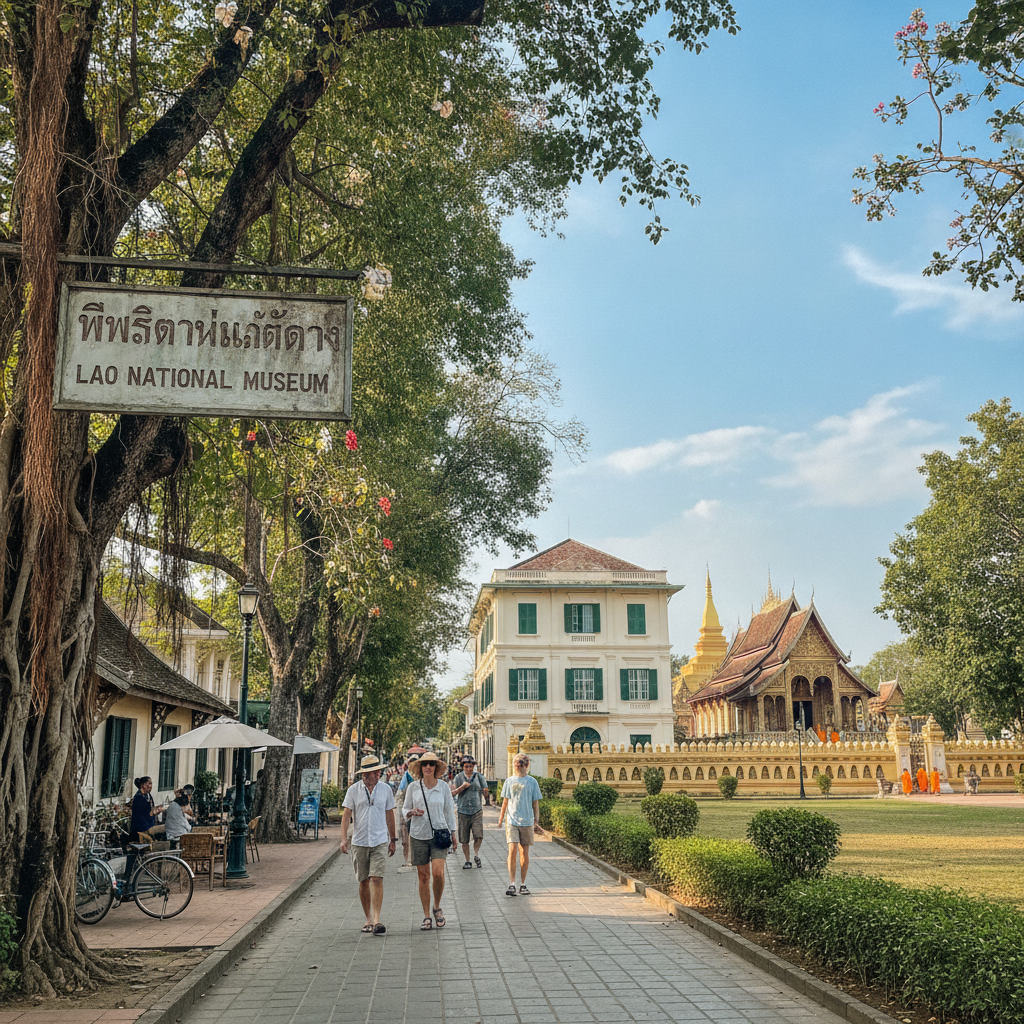
Temple Garden Morning
The Wat Sisaket temple garden in the early morning (the temple compound before the tourist crowds arrive, when the monks are completing their morning duties in the cloisters and the light enters the garden at the angle that best illuminates the thousands of Buddha images in the niched gallery walls) provides the most contemplative encounter with the temple's extraordinary art collection accessible at any time of day — the morning's cooler temperature, the bird activity in the mature trees of the temple compound, and the absence of the midday tourist groups create the most peaceful version of the Wat Sisaket experience available. The monks visible in the cloister at this hour (sweeping the tiled floor, arranging the flowers at the Buddha image shrines, and preparing for the morning prayer session) are the most directly observable expression of the daily monastic life that gives the temple its living character.
- 6
Sunrise Mekong Walk
The Mekong River at sunrise (the river bank most accessible in the early morning before the heat of the day makes the exposed riverside uncomfortable) provides the most peaceful and most atmospheric encounter with the great river accessible from the Vientiane urban environment — the early morning river (the mist sometimes visible above the water in the cool season, the first fishing boats moving out from their night moorings, and the Thai bank gradually becoming distinct as the light increases) is completely different in character from the social gathering and the evening food market that characterises the same riverside at sunset. The morning joggers and the exercise groups who use the riverside promenade from 5:30am onwards are the most consistent human presence in the early morning Mekong landscape.
Walk this route with audio
Stories play automatically as you reach each stop — no tapping needed.