buenos-aires
Scopri percorsi, attrazioni e guide a Buenos Aires.
9 percorsi
Floralis Genérica, Sculture Monumentali e la Buenos Aires Moderna
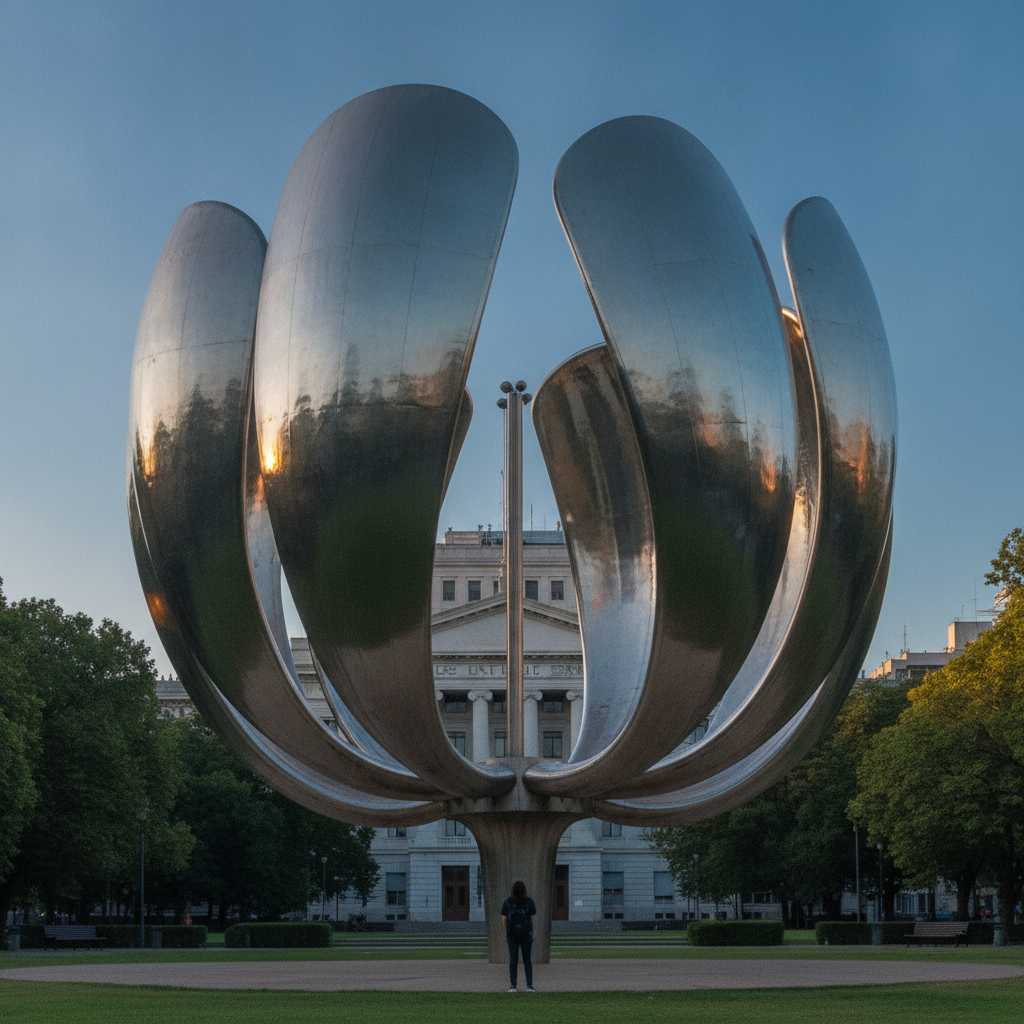
Floralis Genérica (the monumental stainless steel and aluminum kinetic sculpture by Argentine architect Eduardo Catalano, donated to the city of Buenos Aires in 2002, standing 23 metres tall and weighing 18 tonnes in Plaza de las Naciones Unidas (United Nations Square) in Recoleta): the sculpture is designed with hydraulic petals that open at dawn and close at dusk (and during certain national commemorations), creating a giant mechanical flower that tracks the daily rhythm of light — one of the most beloved public sculptures in South America.
La Vita Notturna di Buenos Aires — La Città Che Non Dorme Prima delle 4 di Mattina
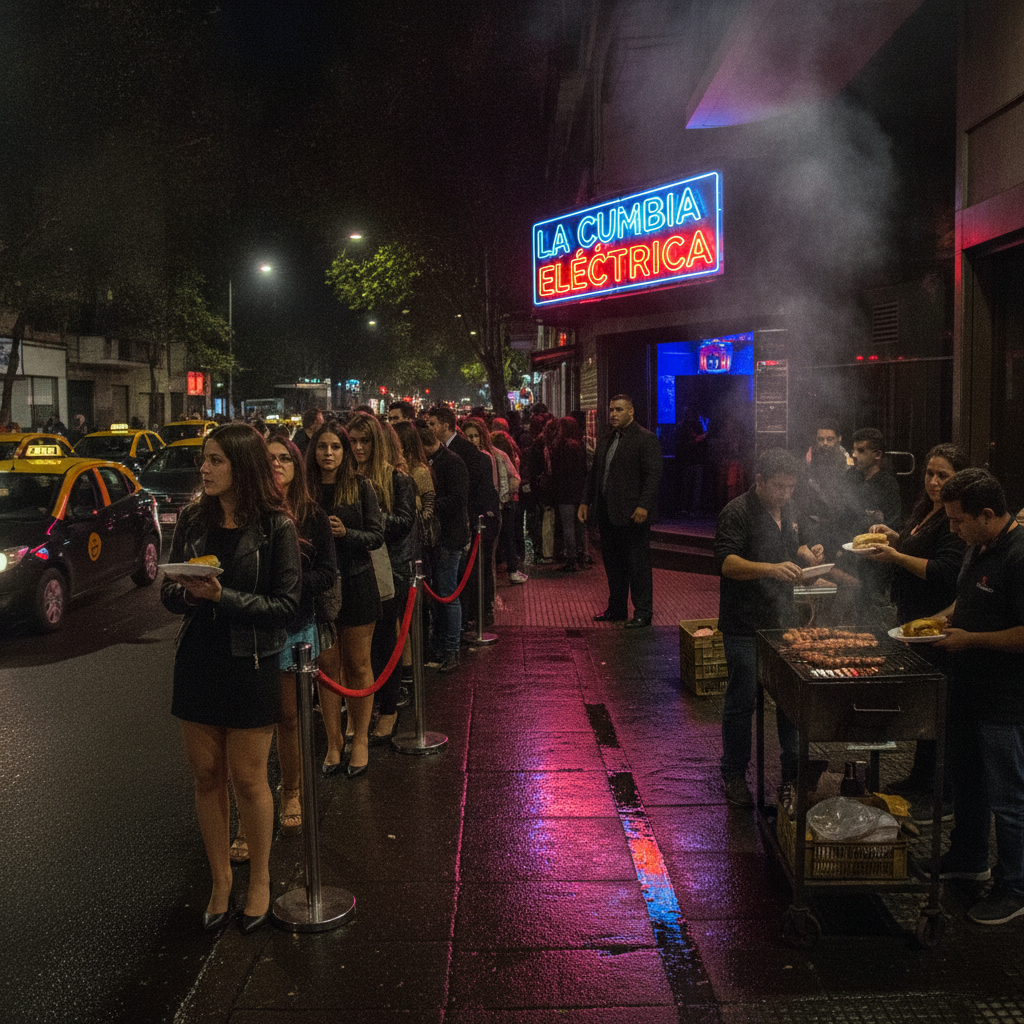
Buenos Aires nightlife operates on a schedule unlike any other city in the world: dinner typically begins at 10pm, restaurants remain fully occupied until after midnight, clubs (boliches) do not open their doors until 1am and do not reach peak capacity until 3-4am, with many operating until 7-8am; the city's extraordinary nightlife culture is a consequence of the late dinner tradition (itself a product of the long Spanish siesta tradition and the Argentine summer heat), the social centrality of the night (la noche) in Carioca culture, and the concentration of young people in Buenos Aires.
Tigre e il Delta del Paraná — Corsi d'Acqua, Circoli di Canottaggio e Fughe del Fine Settimana
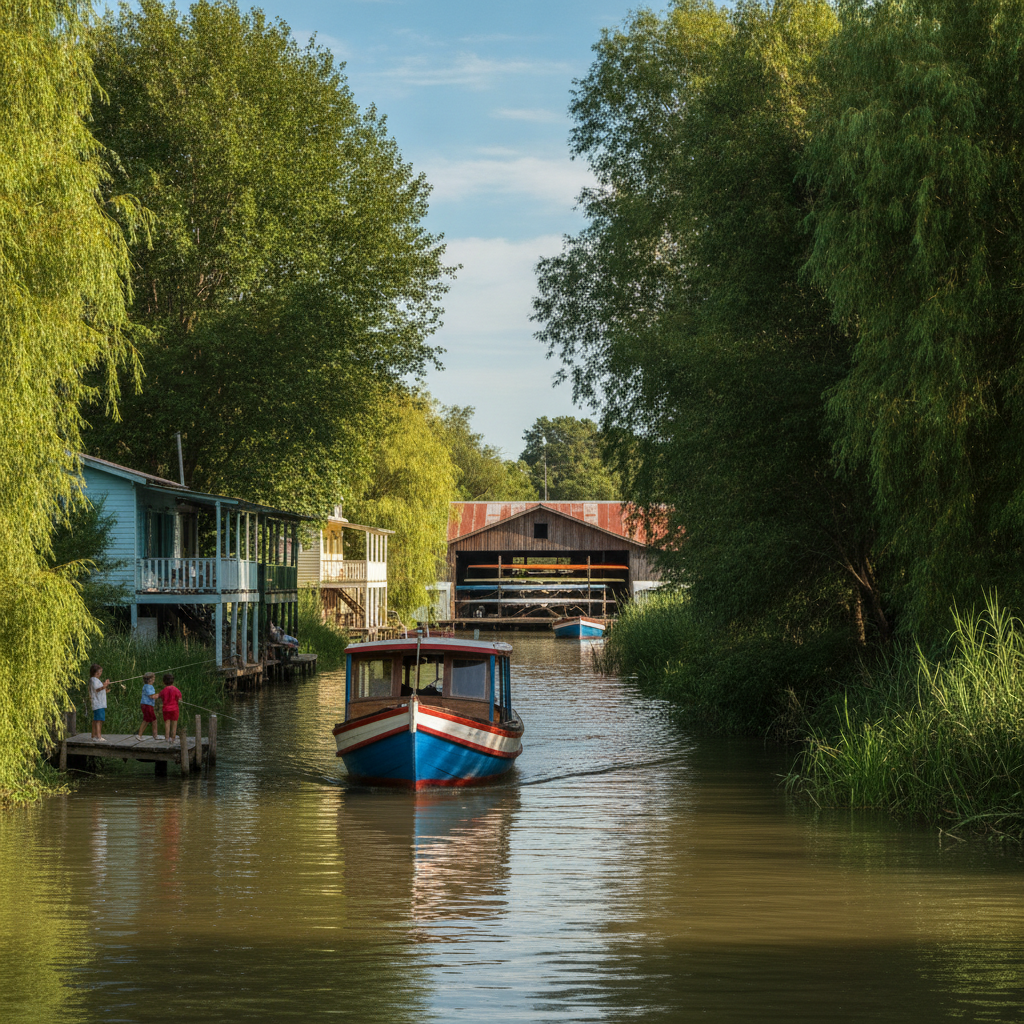
Tigre and the Paraná Delta (the town of Tigre, 30 kilometres north of Buenos Aires by suburban train or boat, at the point where the Paraná river system splits into hundreds of channels and islands forming the Paraná Delta — a vast wetland of approximately 14,000 square kilometres of river islands, floating vegetation mats, willow-lined channels, and wooden houses on stilts): the Paraná Delta is the weekend escape destination of choice for millions of porteños, with hundreds of rowing and sailing clubs, waterfront restaurants, campgrounds, and private weekend houses accessible only by boat.
Cimitero della Recoleta, la Tomba di Evita e i Parchi di Palermo
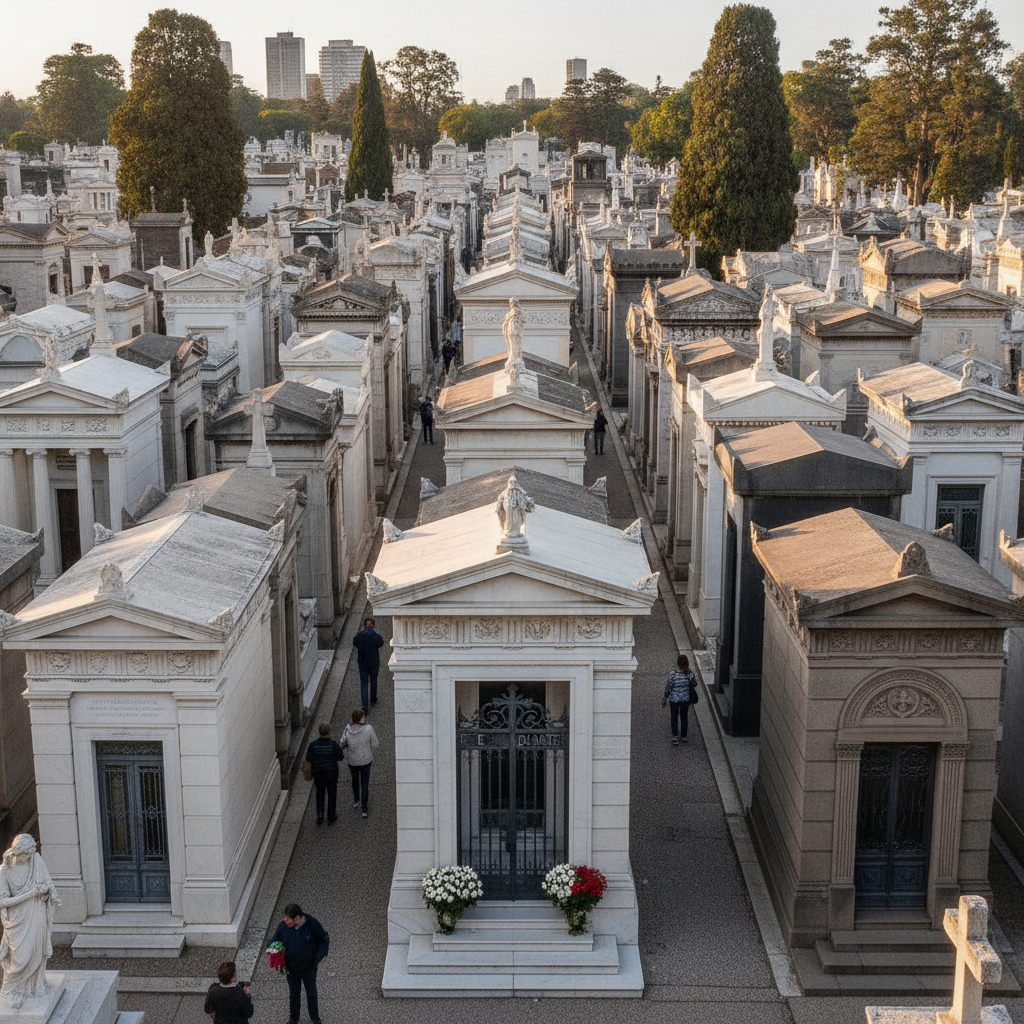
La Recoleta — il quartiere più esclusivo di Buenos Aires, incentrato sul Cimitero della Recoleta, l'ornato cimitero neoclassico dove sono sepolti Evita e praticamente tutti i personaggi storici dell'Argentina — e i parchi di Palermo formano il cuore culturale e naturale del nord della città.
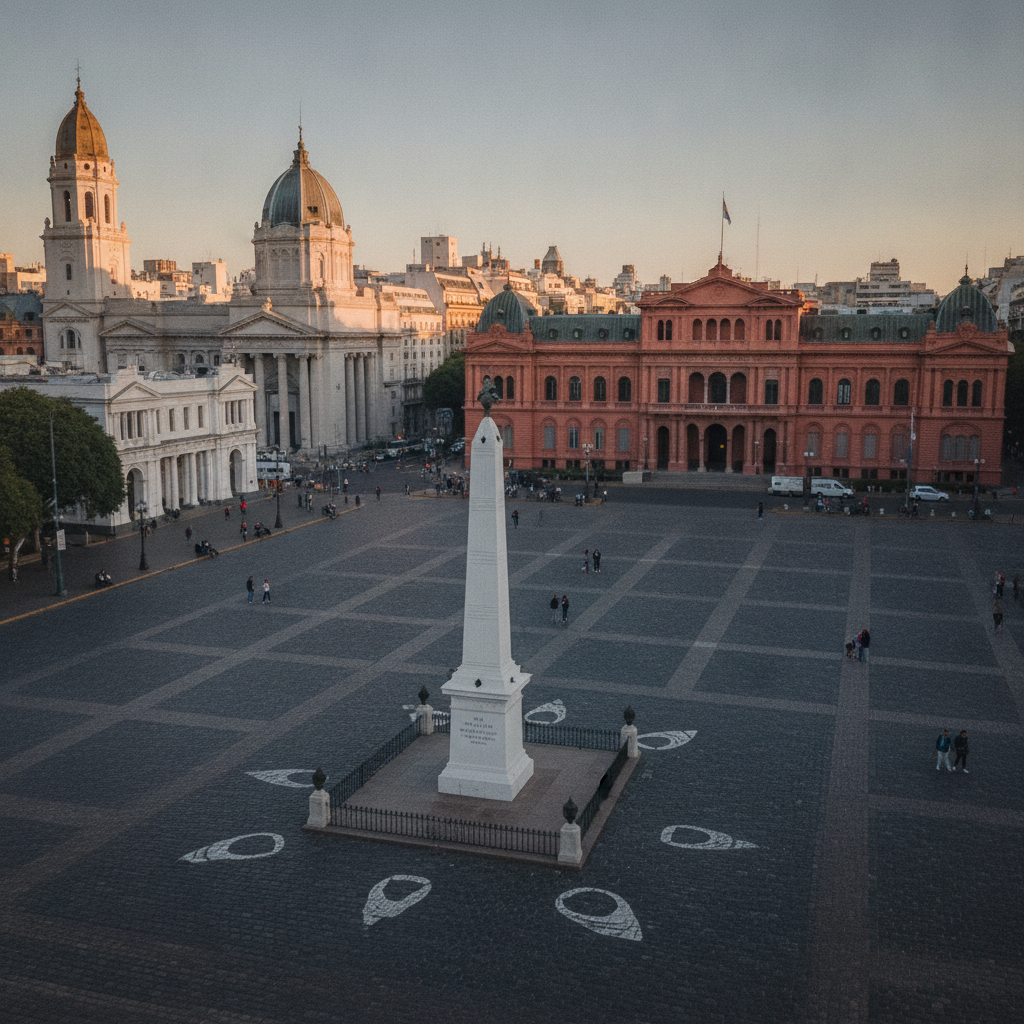
Plaza de Mayo, la Casa Rosada e il Centro Storico di Buenos Aires
La Plaza de Mayo — la piazza centrale di Buenos Aires, teatro di quasi tutti i principali eventi della storia argentina — circondata dalla Casa Rosada, dalla Cattedrale Metropolitana e dal Cabildo, è il cuore simbolico e storico dell'Argentina.
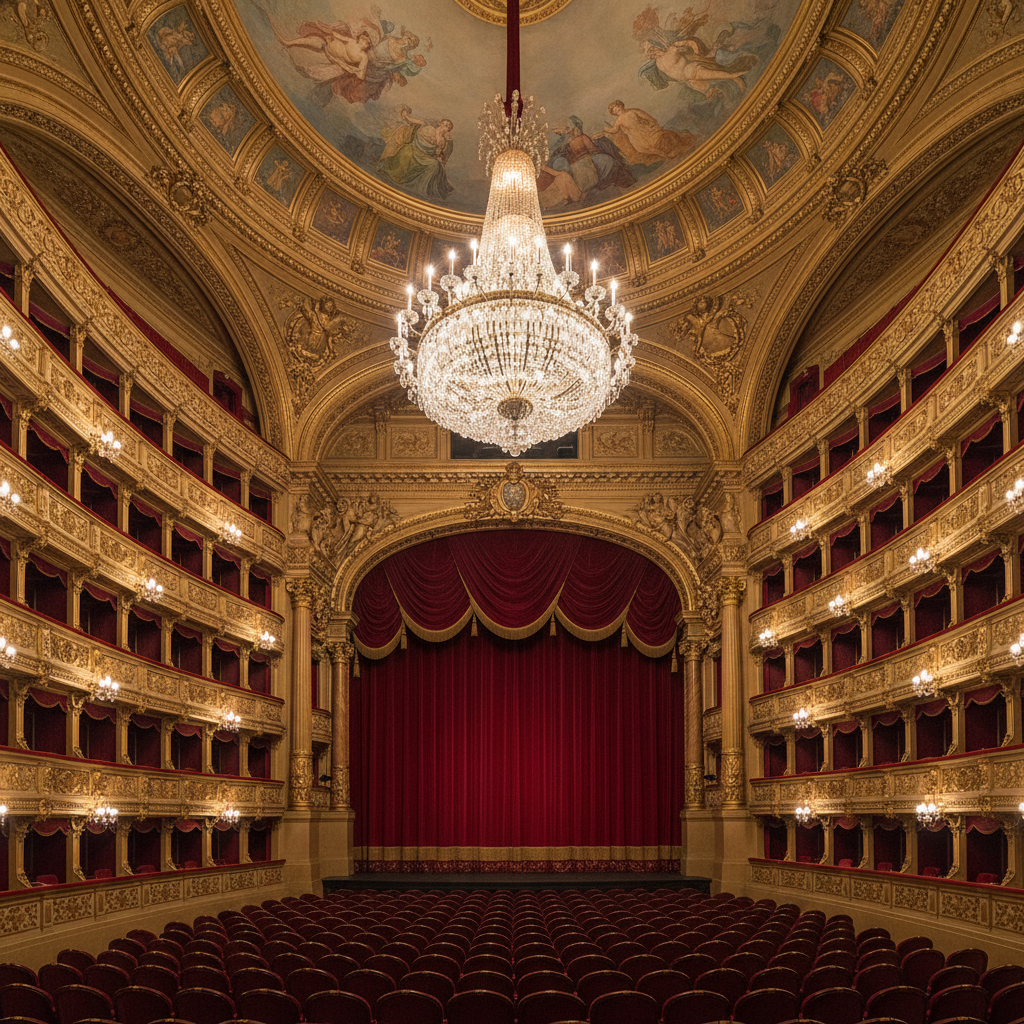
Teatro Colón — Una delle Grandi Case d'Opera del Mondo
Teatro Colón (Cerrito 628, Buenos Aires — the national opera house of Argentina, built 1889-1908, seating 2,478, one of the five acoustically finest opera houses in the world alongside La Scala in Milan, the Vienna State Opera, the Paris Opera Garnier, and the Royal Opera House in London): the Teatro Colón is the most important performing arts venue in the Southern Hemisphere and the largest opera house in the Americas, with a 35-metre-wide stage, a seven-storey fly tower, an auditorium with perfect sight lines from all levels, and acoustic properties that the German manufacturer Siemens measured as among the three finest in the world.
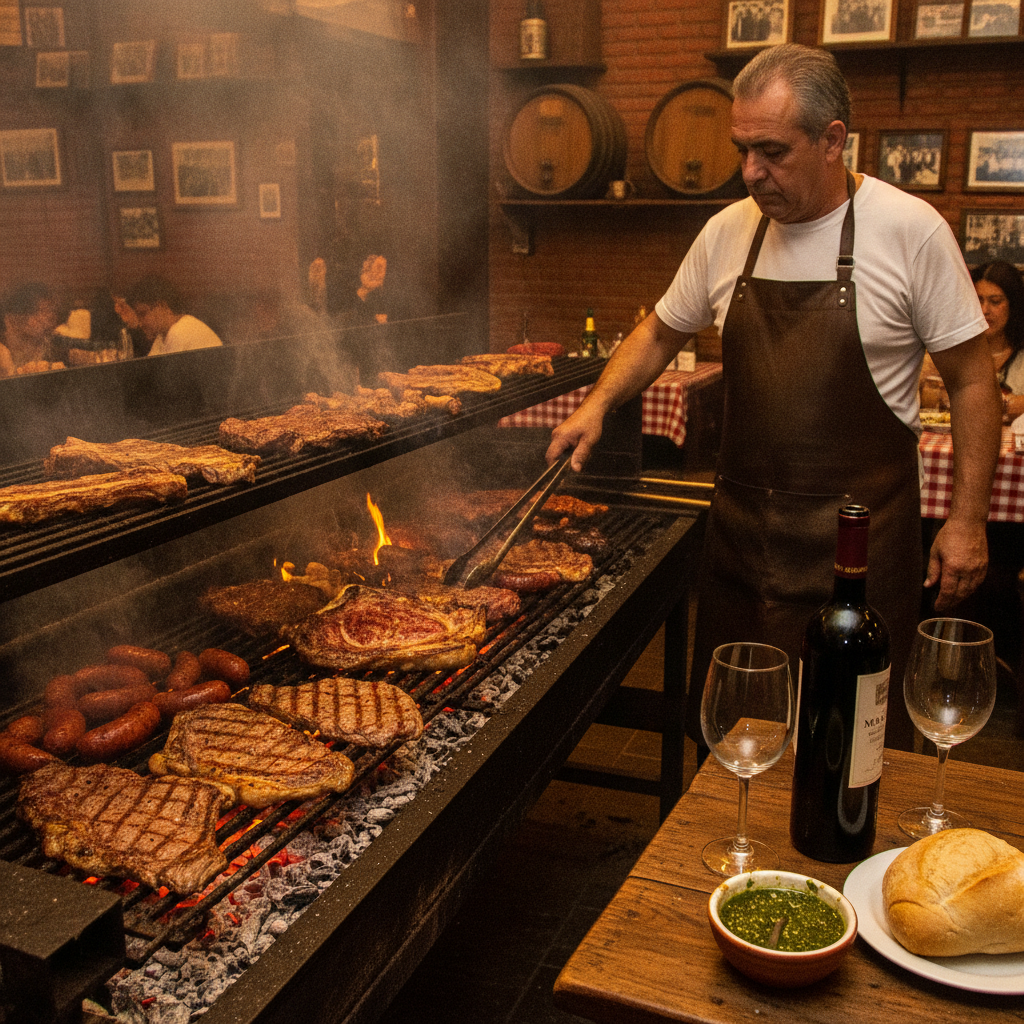
Asado Argentino, Vino Malbec e la Gastronomia di Buenos Aires
Argentine cuisine — shaped by the extraordinary cattle-ranching tradition of the Pampas (the vast grasslands of central Argentina, home to the world's finest grass-fed beef), the Italian immigrant influence on pasta and pizza culture, the Spanish colonial foundation, and the Mendoza wine tradition (Argentina is the fifth largest wine producer in the world, and Malbec — the deep, plummy red grape variety that has become Argentina's signature — is widely regarded as one of the great red wines of the world) — is one of the great meat-based cuisines of the world.
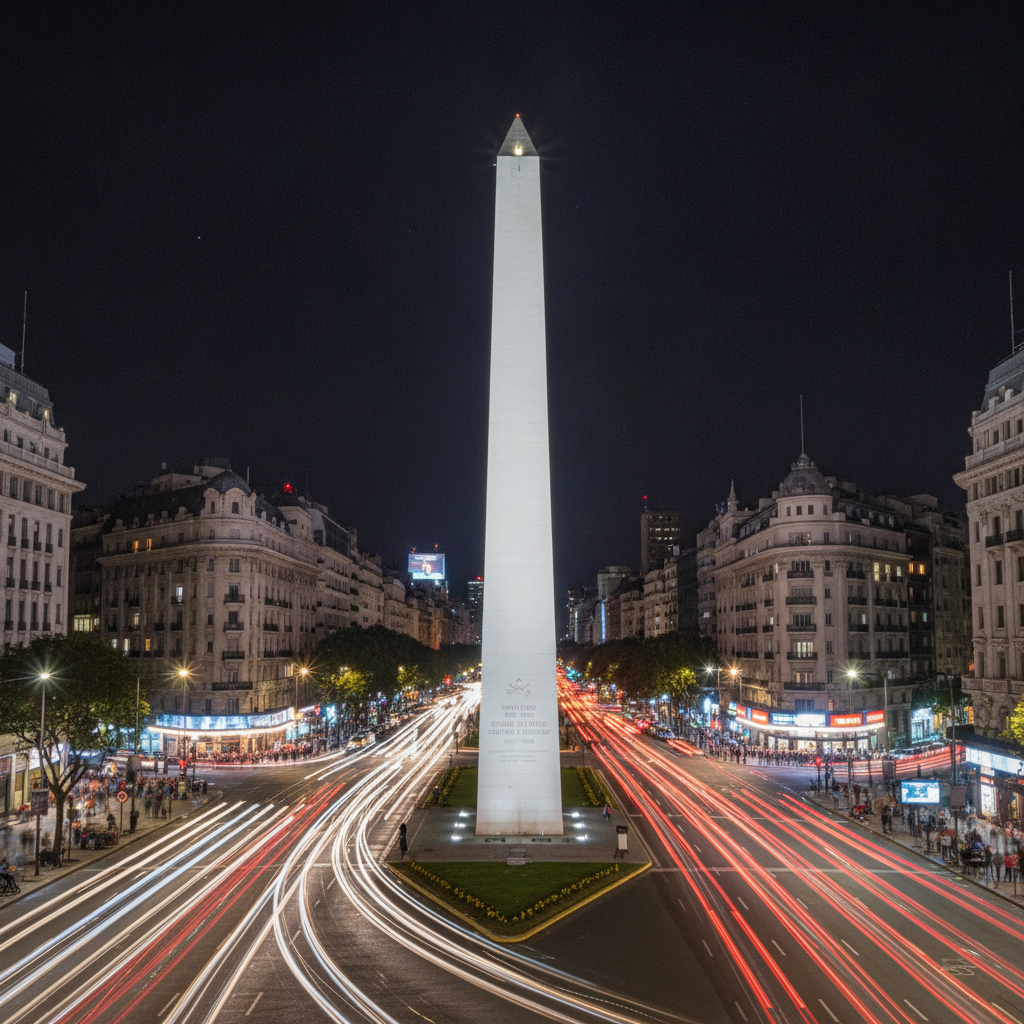
Avenida 9 de Julio, l'Obelisco e il Grande Viale di Buenos Aires
Avenida 9 de Julio (the main north-south artery of Buenos Aires, claimed to be the widest avenue in the world at its widest point (140 metres, 14 lanes of traffic plus two footpaths and a dividing median), running approximately 3 km through the heart of the city from Constitución in the south to Retiro in the north): at the intersection of Avenida 9 de Julio and Avenida Corrientes stands the Obelisco de Buenos Aires (the 67.5-metre white obelisk built 1936 to commemorate the 400th anniversary of the first founding of the city in 1536 and the site of the first raising of the Argentine flag) — the most recognizable landmark of modern Buenos Aires.
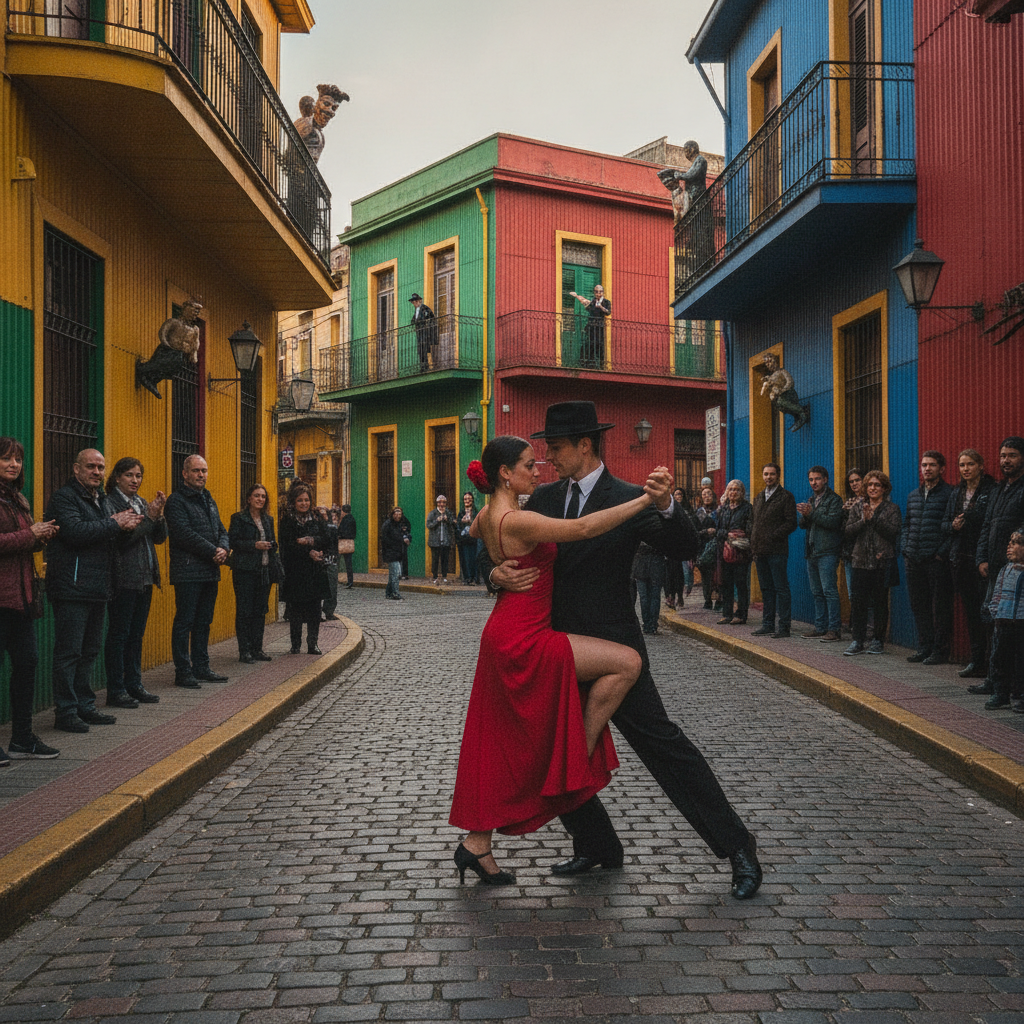
Tango, San Telmo e La Boca — I Quartieri dell'Anima di Buenos Aires
San Telmo — il quartiere più antico di Buenos Aires, con i suoi sampietrini, il mercato delle antichità e le milonghe — e La Boca — il quartiere portuale operaio, patria della strada dipinta Caminito e del Club Boca Juniors — sono i due quartieri storici più caratteristici e visitati di Buenos Aires, centrali nelle origini del tango.