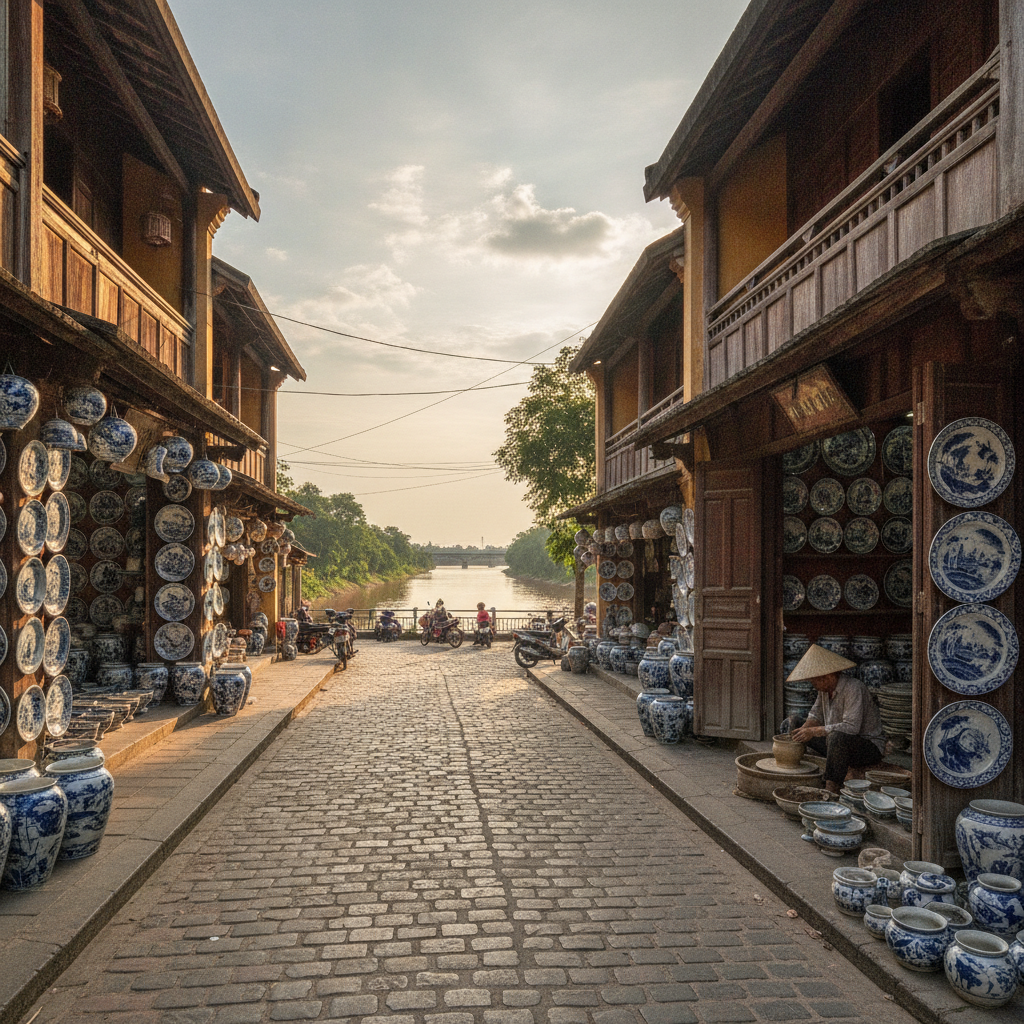
Seta di Van Phuc, Ceramica di Bat Trang e gli Antichi Villaggi Artigianali di Hanoi
Hanoi's ancient craft villages (làng nghề truyền thống — the villages surrounding Hanoi that have maintained traditional craft industries for centuries, many of them established over 500-1000 years ago): the two most celebrated are Van Phuc (Làng lụa Vạn Phúc — the silk weaving village 10 km southwest of Hanoi in the Ha Dong district, the oldest silk production centre in northern Vietnam) and Bat Trang (Làng gốm Bát Tràng — the ceramics village 13 km east of Hanoi on the Red River, producing Vietnamese ceramics continuously for approximately 500 years).
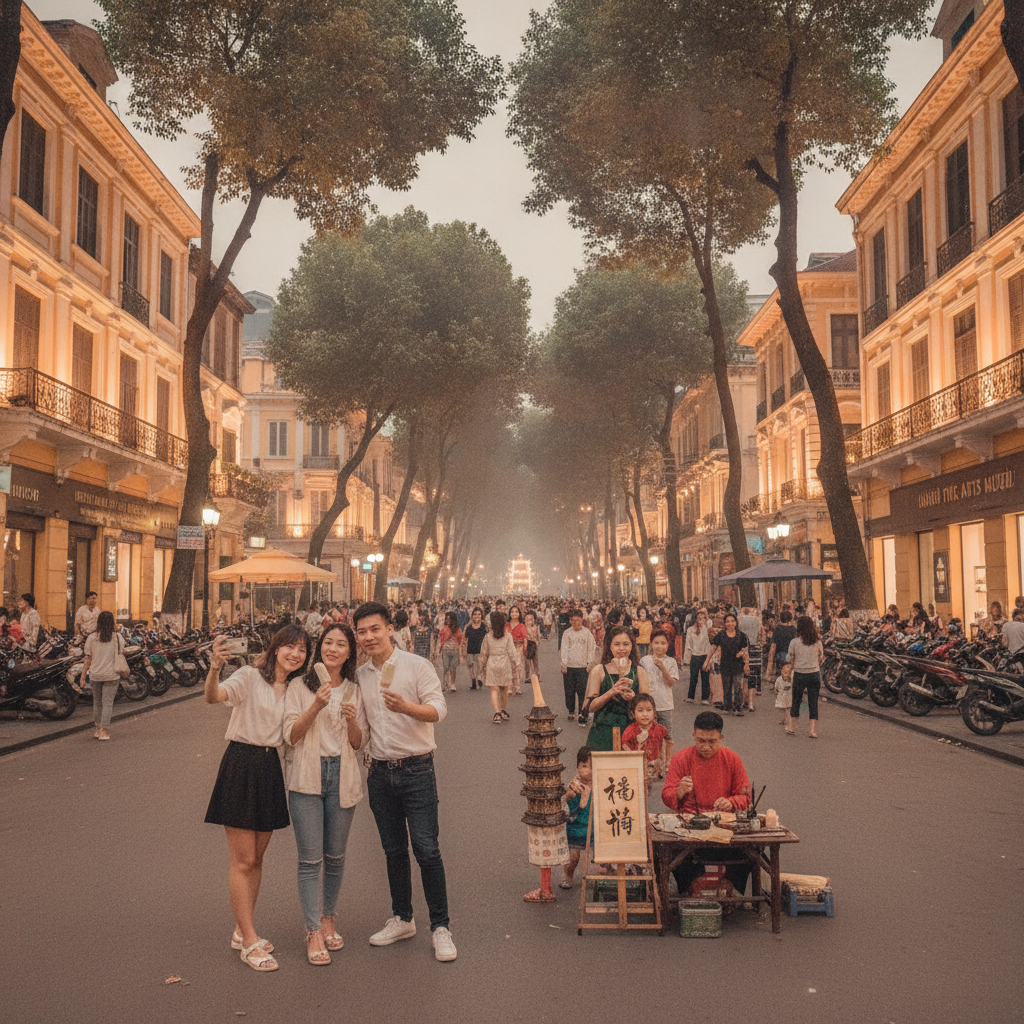
Hanoi Contemporanea — Gallerie d'Arte, Street Art e la Nuova Capitale Vietnamita
Contemporary Hanoi (the Vietnamese capital in its 21st-century incarnation — the city of the post-Đổi Mới generation, the Vietnamese millennials and Gen Z who have grown up in a Vietnam open to the world, economically dynamic, and culturally self-confident): Hanoi has developed a sophisticated contemporary art and design scene, with a growing number of galleries, creative studios, and cultural events that reflect the city's new self-confidence.
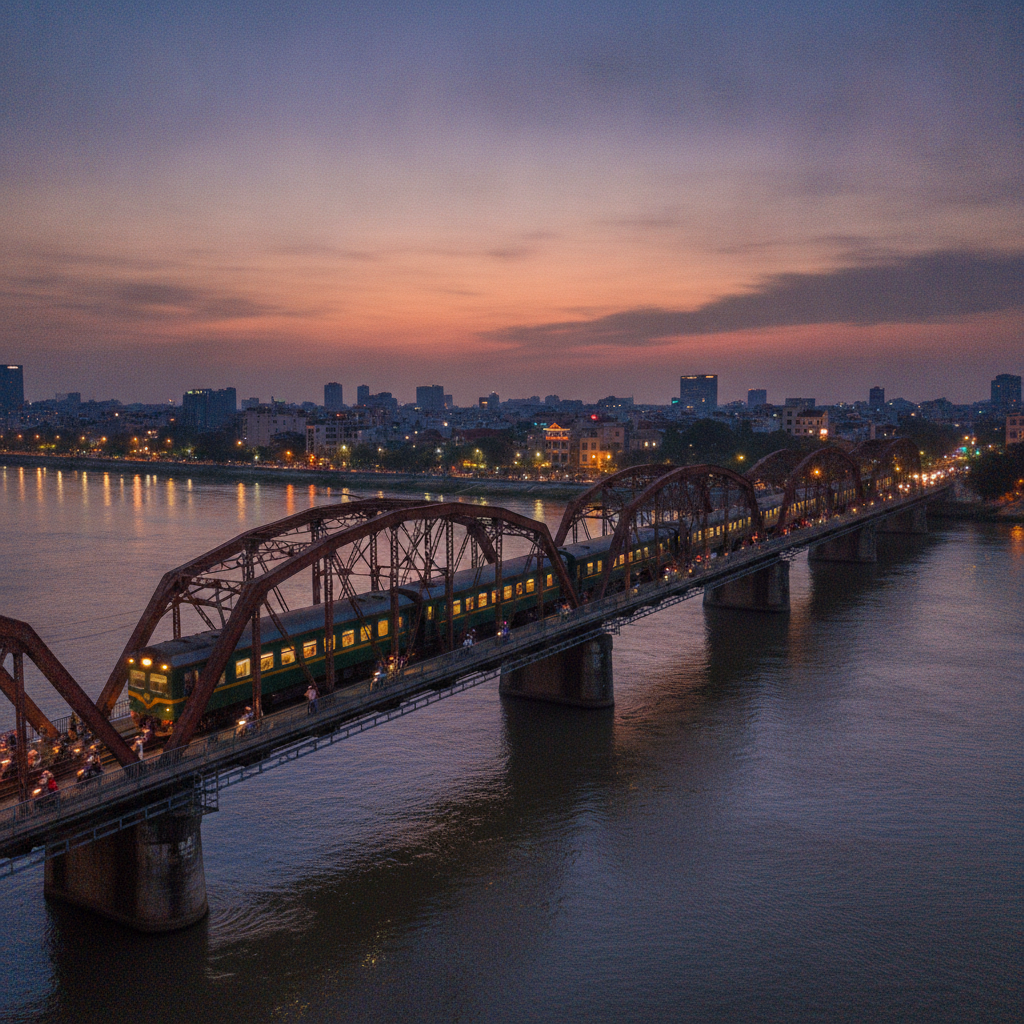
Ponte Long Bien, Fiume Rosso e gli Strati della Storia di Hanoi
Long Bien Bridge (Cầu Long Biên — the historic cantilevered railway and road bridge across the Red River (Sông Hồng) in Hanoi, connecting the Hoan Kiem district to the Long Bien district — the most historically significant bridge in Vietnam): built 1899-1902 by the French colonial administration (designed by the Daydé & Pillé company and frequently (but incorrectly) attributed to Gustave Eiffel), the Long Bien Bridge was the longest bridge in Indochina at the time of its completion and the most important infrastructure project of the French colonial period in Vietnam.
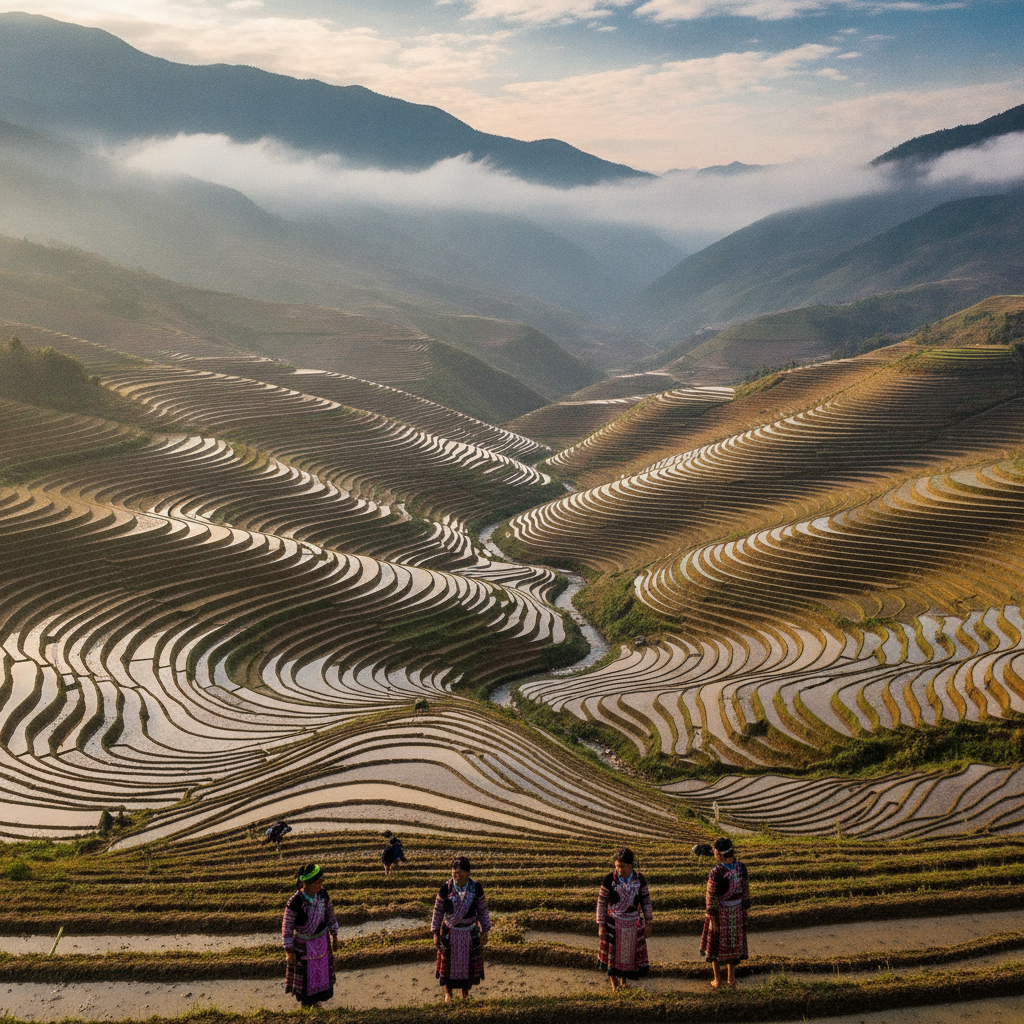
Sapa, Fansipan e gli Altopiani del Nord — Il Tetto del Mondo del Vietnam
Sapa (Sa Pa — la città di montagna nella Provincia di Lao Cai, 380 km a nord-ovest di Hanoi) è la destinazione montana più spettacolare del Vietnam e la base per il trekking tra gli straordinari paesaggi delle risaie terrazzate e i villaggi delle minoranze etniche degli altopiani settentrionali.
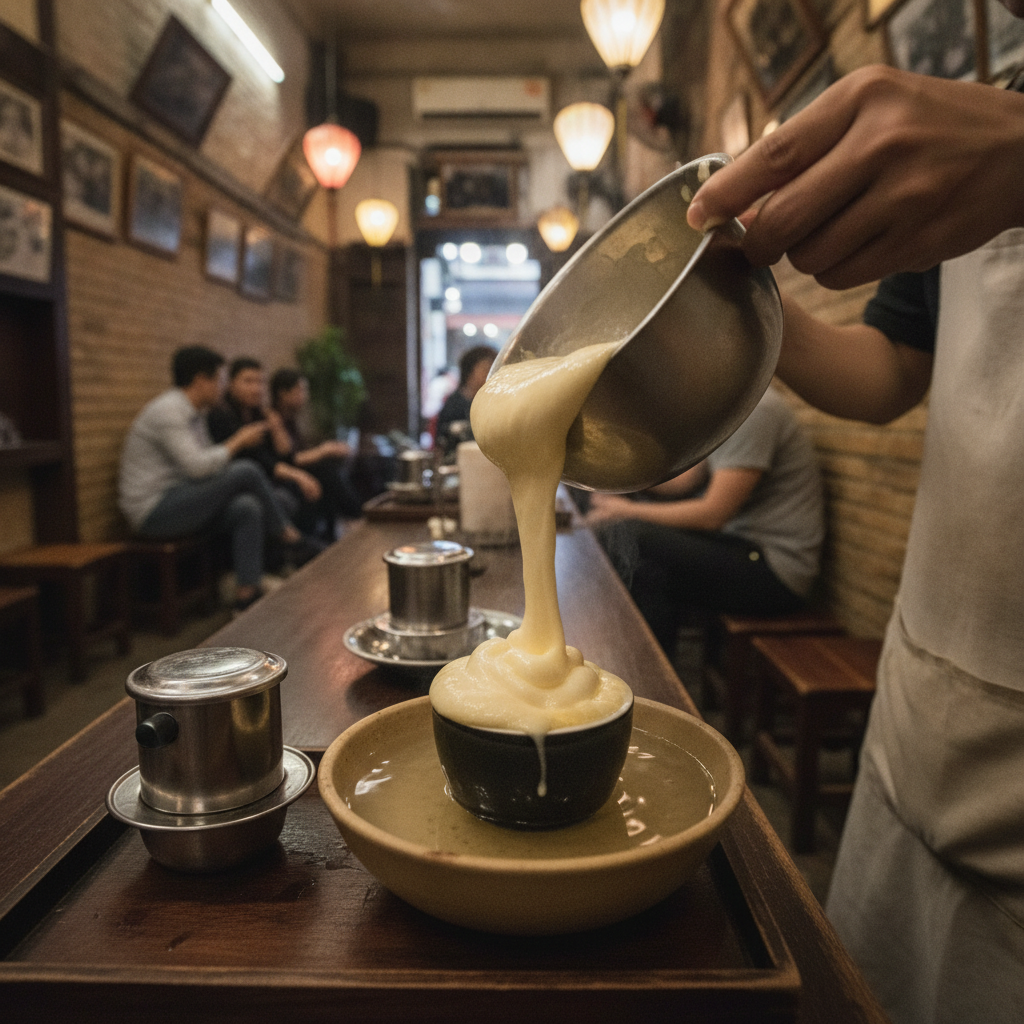
Street Food di Hanoi — Phở, Bún Chả, Bánh Mì e Caffè all'Uovo
Hanoi cuisine (the northern Vietnamese culinary tradition, distinct from Saigon cuisine in its greater restraint with sweetness and garnishes, its stronger emphasis on the broth itself, and its unique northern specialties): the most internationally celebrated Hanoi food are the phở Hà Nội (the northern-style clear beef broth noodle soup), bún chả (grilled pork in dipping broth with vermicelli), and cà phê trứng (egg coffee — a Hanoi invention of the 1940s).
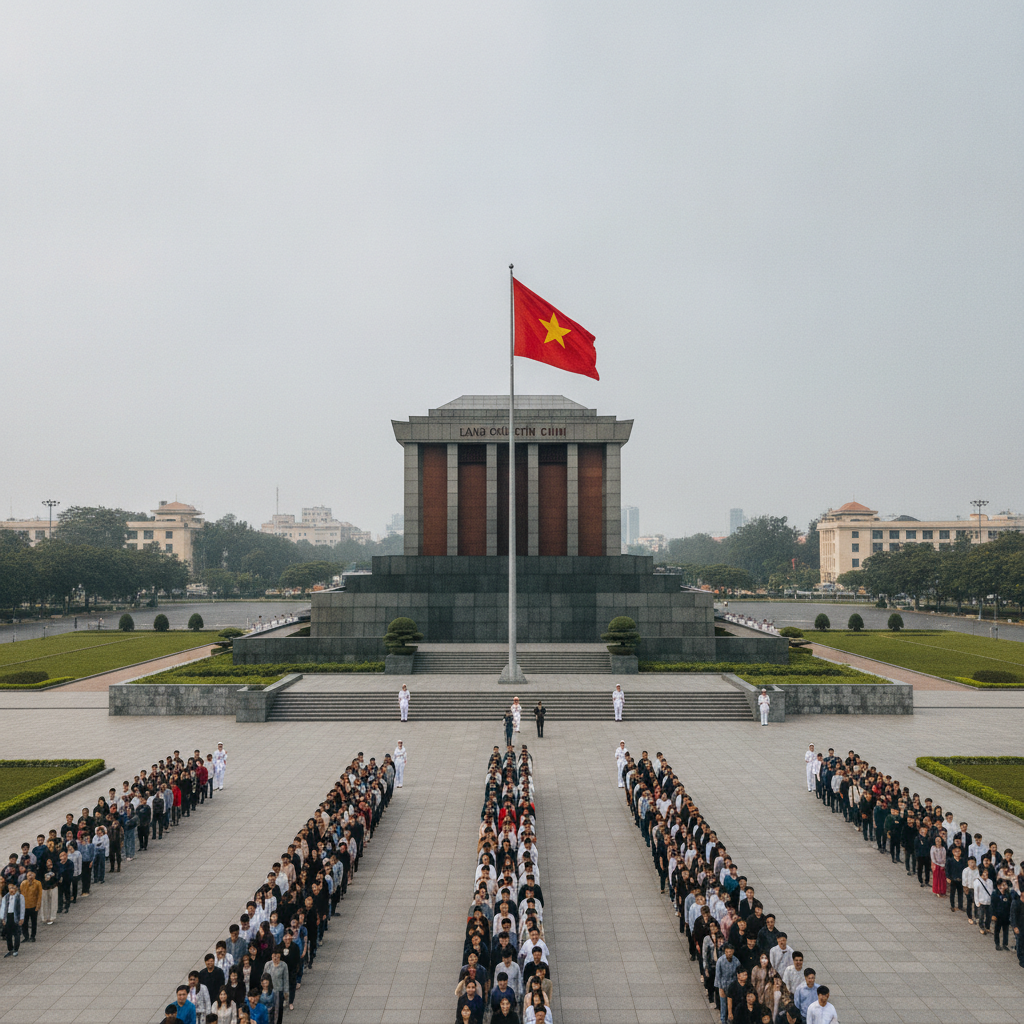
Mausoleo di Ho Chi Minh, Ba Dinh e il Tempio della Letteratura
Il distretto di Ba Dinh (Ba Đình — il distretto politico e amministrativo di Hanoi, contenente il Mausoleo di Ho Chi Minh, il Palazzo Presidenziale, la Pagoda del Pilastro Unico e il Tempio della Letteratura) è l'area storicamente e politicamente più significativa di Hanoi.
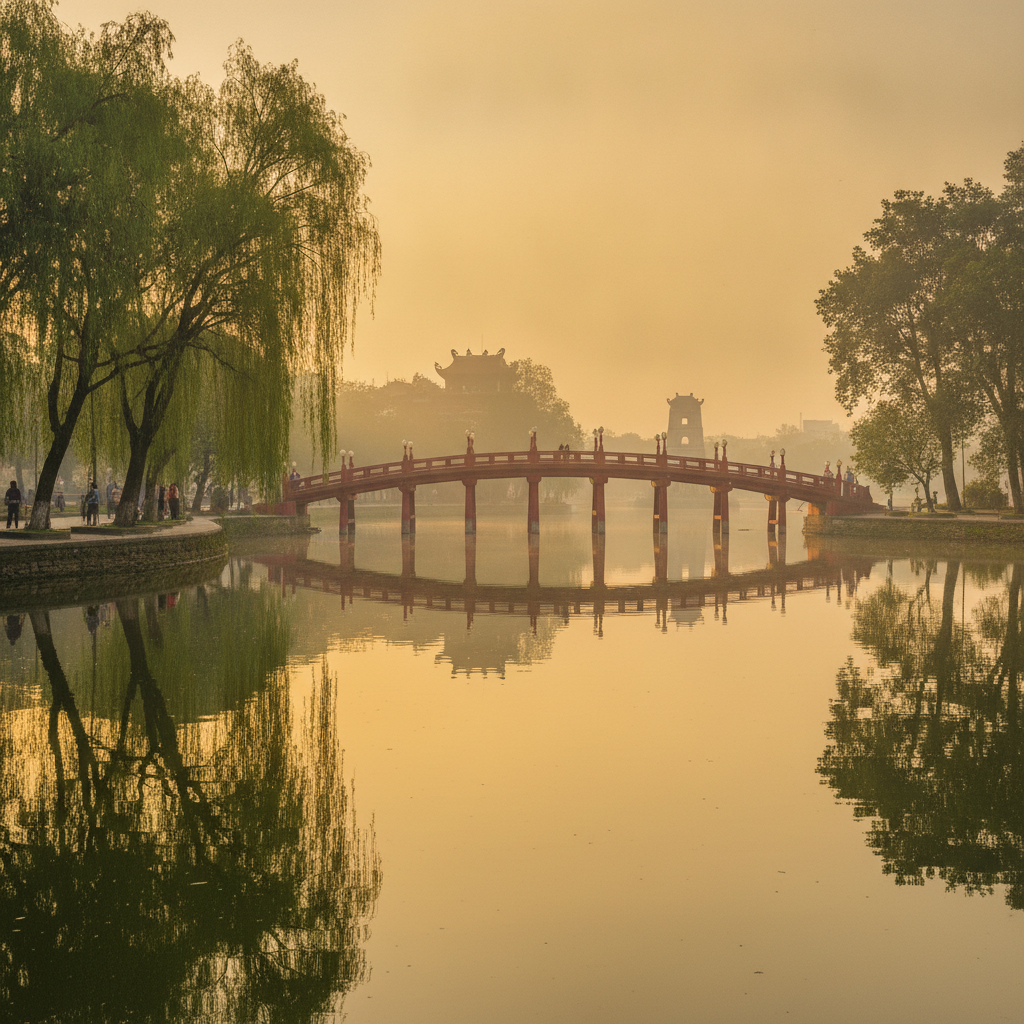
Lago Hoan Kiem, Quartiere Antico e il Cuore dell'Antico Hanoi
Hanoi — la capitale della Repubblica Socialista del Vietnam, con circa 8 milioni di abitanti, fondata nel 1010 CE come Thang Long — ha nel Lago Hoan Kiem e nel Quartiere Antico il cuore storico ed emotivo della città.
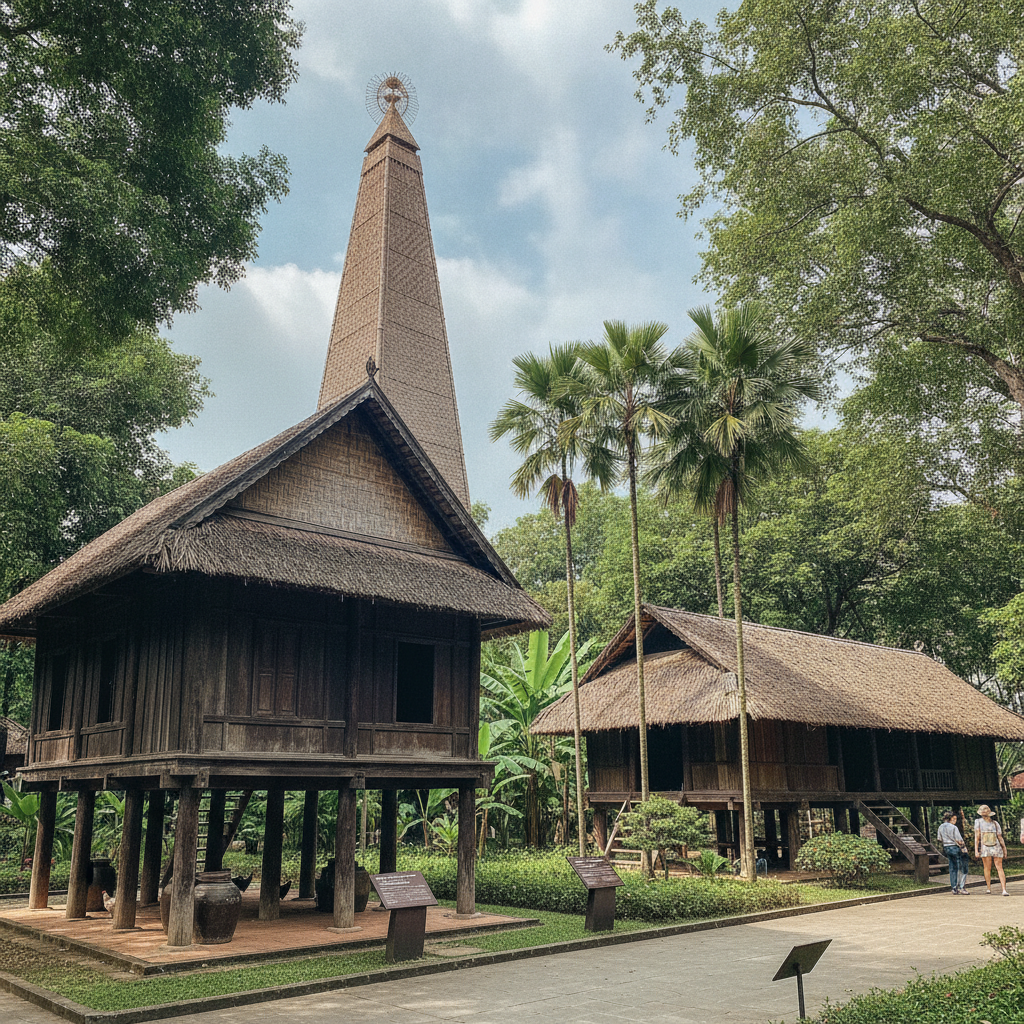
Museo di Etnologia del Vietnam — Il Mosaico Culturale dei 54 Popoli del Vietnam
Vietnam Museum of Ethnology (Bảo tàng Dân tộc học Việt Nam — in the Cau Giay district of Hanoi, approximately 8 km from the city centre — the finest museum in Vietnam and one of the finest ethnographic museums in Asia): the museum documents the material culture, traditions, and lifeways of all 54 officially recognized ethnic groups (dân tộc) of Vietnam, of which the Kinh (ethnic Vietnamese) are the largest at approximately 85% of the population.

Baia di Ha Long, Ninh Binh e le Meraviglie Naturali vicino a Hanoi
I drammatici paesaggi carsici calcarei del Vietnam settentrionale — la Baia di Ha Long (Patrimonio Mondiale UNESCO, una delle Sette Meraviglie della Natura) e Ninh Binh (la 'Baia di Ha Long sulla terraferma') — sono le escursioni naturali essenziali da Hanoi.