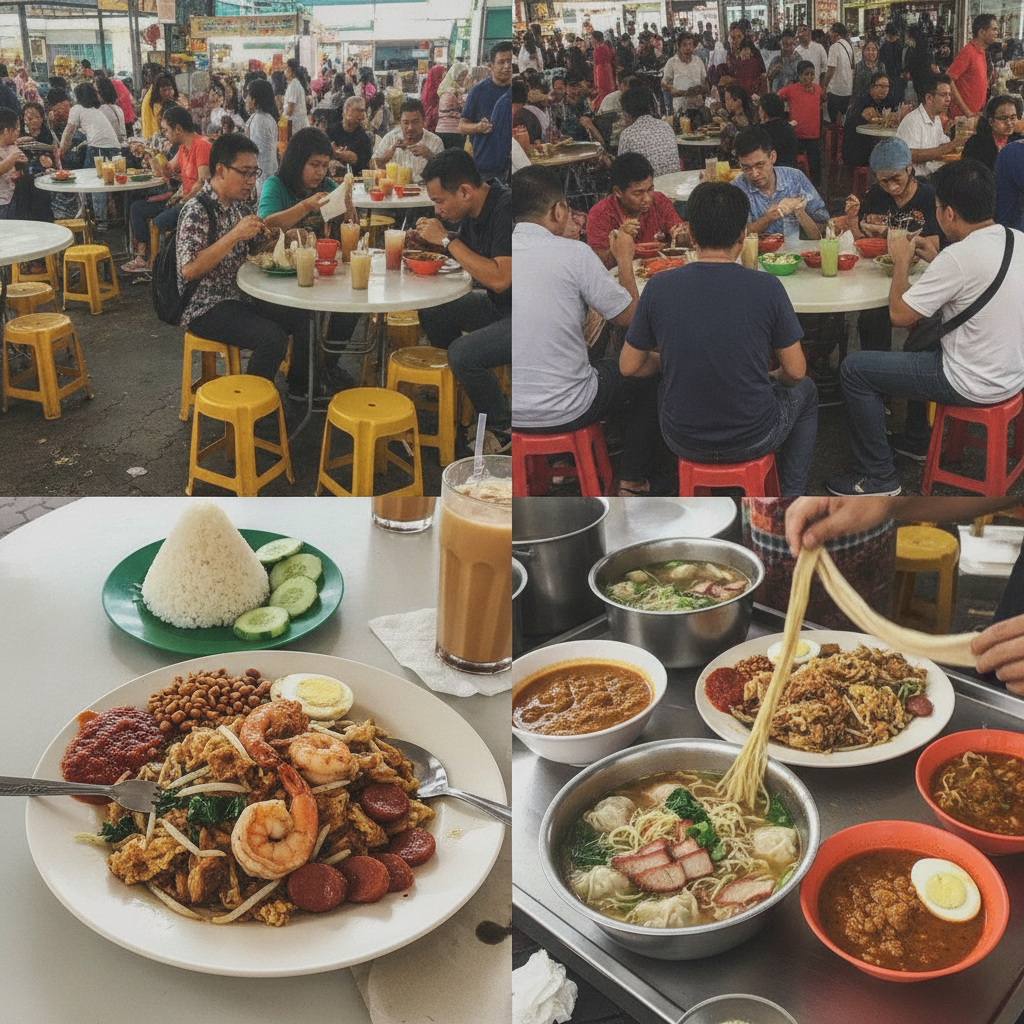
Cultura Gastronomica Malese — Nasi Lemak, Centri Hawker e il Crogiolo Culinario di KL
Malaysian cuisine is one of the most diverse and complex national cuisines in the world — a direct reflection of Malaysia's extraordinary multicultural composition (Malay, Chinese, Indian, and indigenous communities each contributing distinct culinary traditions that have also combined into uniquely Malaysian fusion dishes over centuries of coexistence); the hawker centre (or coffee shop, kopitiam) is the primary institution of Malaysian food culture — an open-air or semi-enclosed space with multiple food stalls each specializing in one or two dishes.
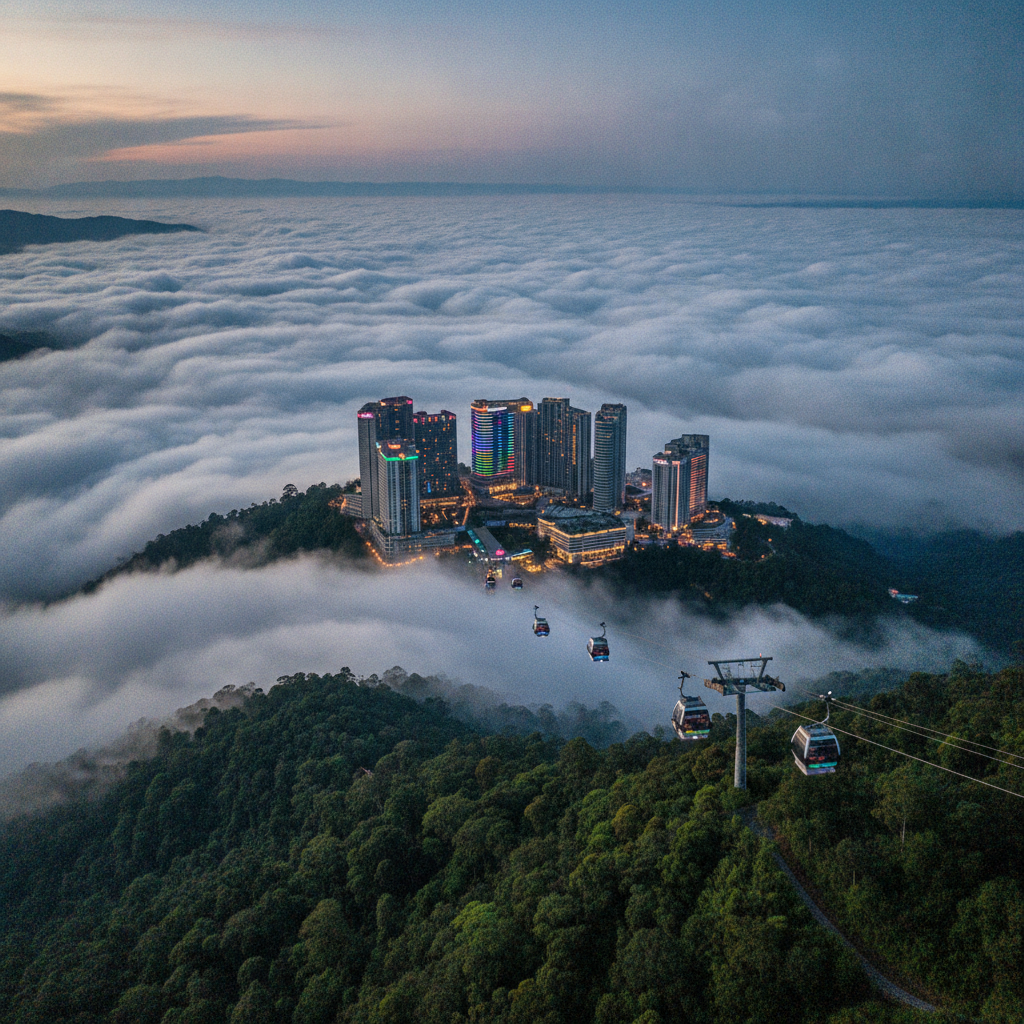
Sunway Lagoon, Genting Highlands e le Fughe di Intrattenimento di KL
The entertainment resorts accessible from Kuala Lumpur — Sunway Lagoon (one of Southeast Asia's largest theme parks, in the Sunway City integrated development 20 kilometres from KL) and Genting Highlands (the mountain resort 51 kilometres northeast of KL, at 1,800 metres altitude, home to the Resorts World Genting casino resort — the only legal casino in Malaysia) — represent the entertainment economy of the Malaysian capital's hinterland.
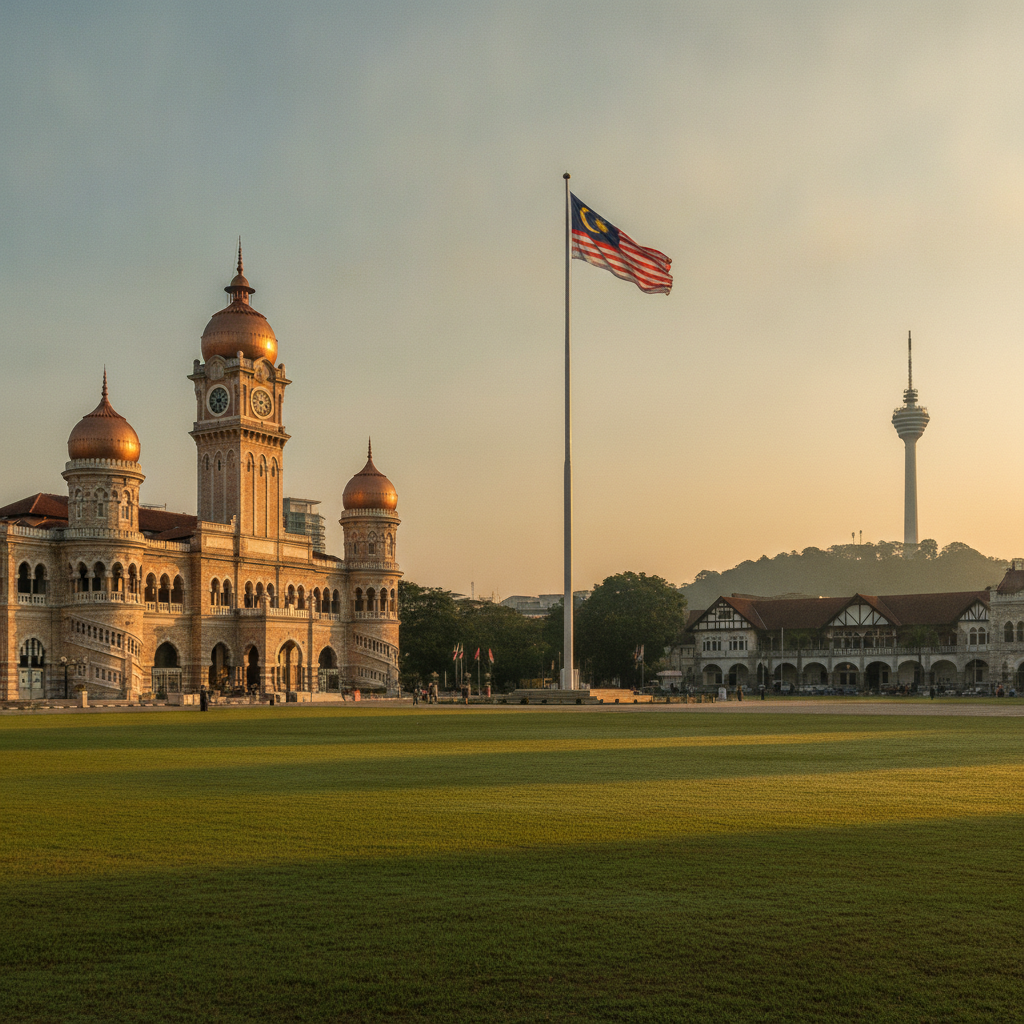
Chinatown, Petaling Street, Piazza Merdeka e la Vecchia Kuala Lumpur
Le parti più antiche di Kuala Lumpur — il Chinatown intorno a Petaling Street, la Piazza Merdeka (dove fu proclamata l'indipendenza malese nel 1957) e i distretti storici di Masjid India — preservano la stratificata storia multiculturale della capitale malese.
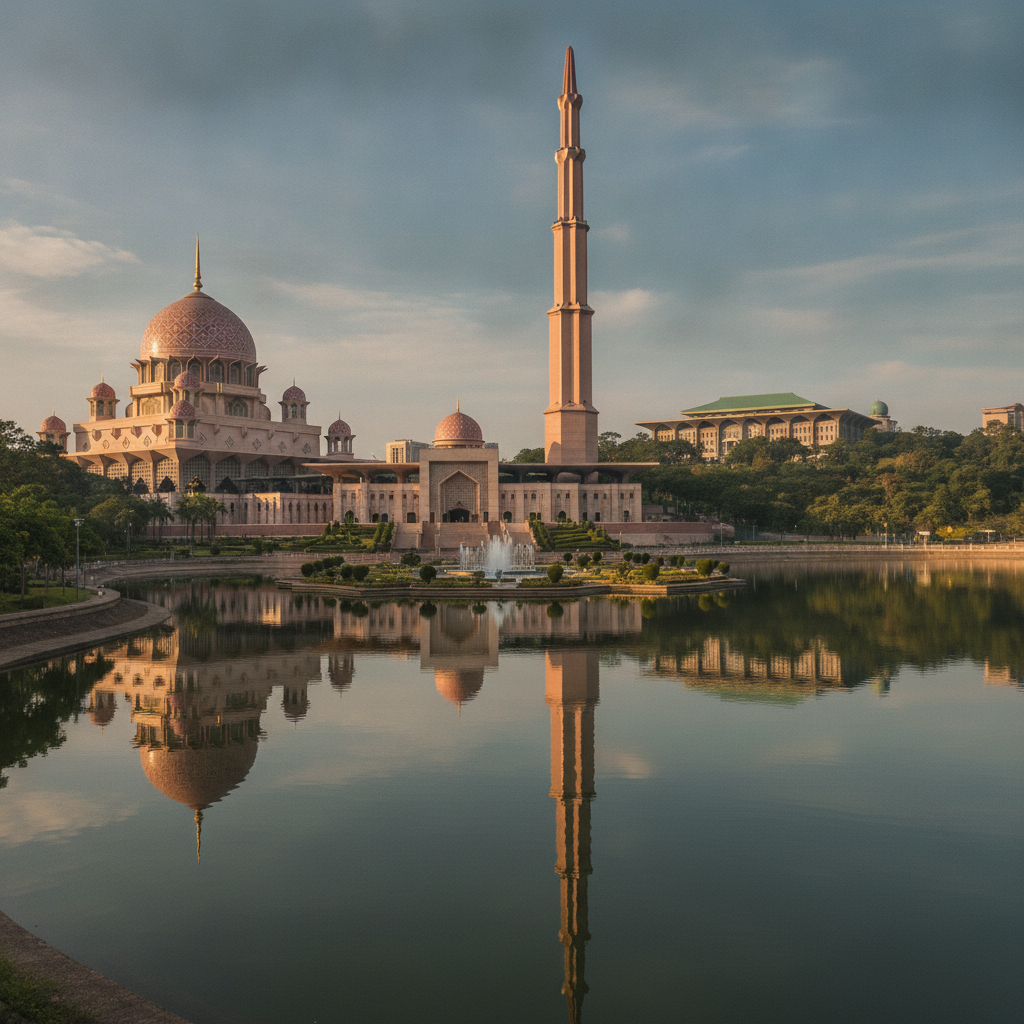
Putrajaya — La Capitale Federale Pianificata della Malesia e la Moschea Putra
Putrajaya (25 kilometres south of Kuala Lumpur city centre — the planned administrative capital of Malaysia, developed from scratch from 1995 onwards on former palm oil plantation land in the Corridor Raya Multimedia (MSC Malaysia) as part of Prime Minister Mahathir Mohamad's Vision 2020 programme of transforming Malaysia into a fully developed nation): Putrajaya is one of the largest planned city developments in Southeast Asian history, eventually encompassing 4,931 hectares of government offices, official residences, a large artificial lake, botanical gardens, and monumental civic architecture.
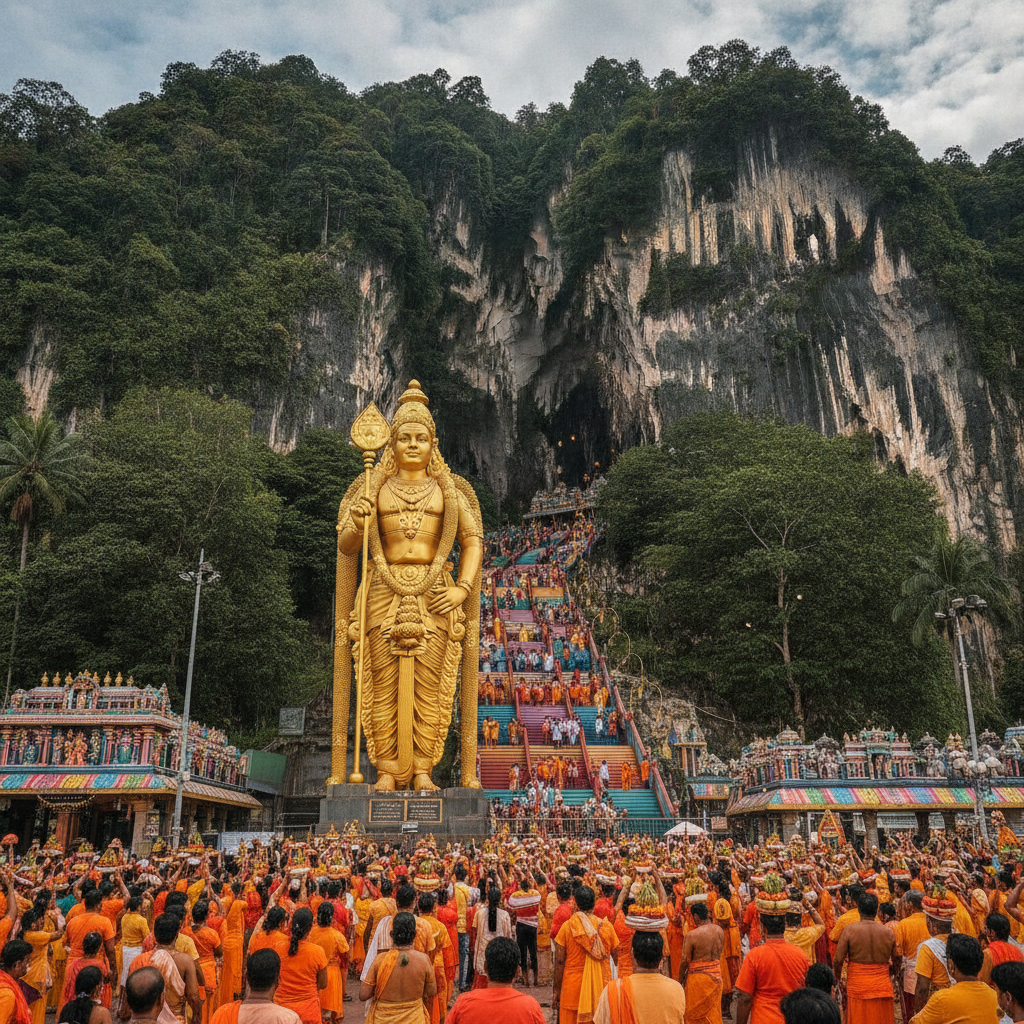
Batu Caves, Festival Thaipusam e la Cultura Indù Tamil in Malesia
Batu Caves — la collina calcarea a 13 chilometri a nord di Kuala Lumpur contenente uno dei santuari indù più importanti al di fuori dell'India, raggiungibile tramite 272 gradini dipinti ad arcobaleno — è l'attrazione turistica più visitata al di fuori di KL e il teatro dello spettacolare festival Thaipusam.
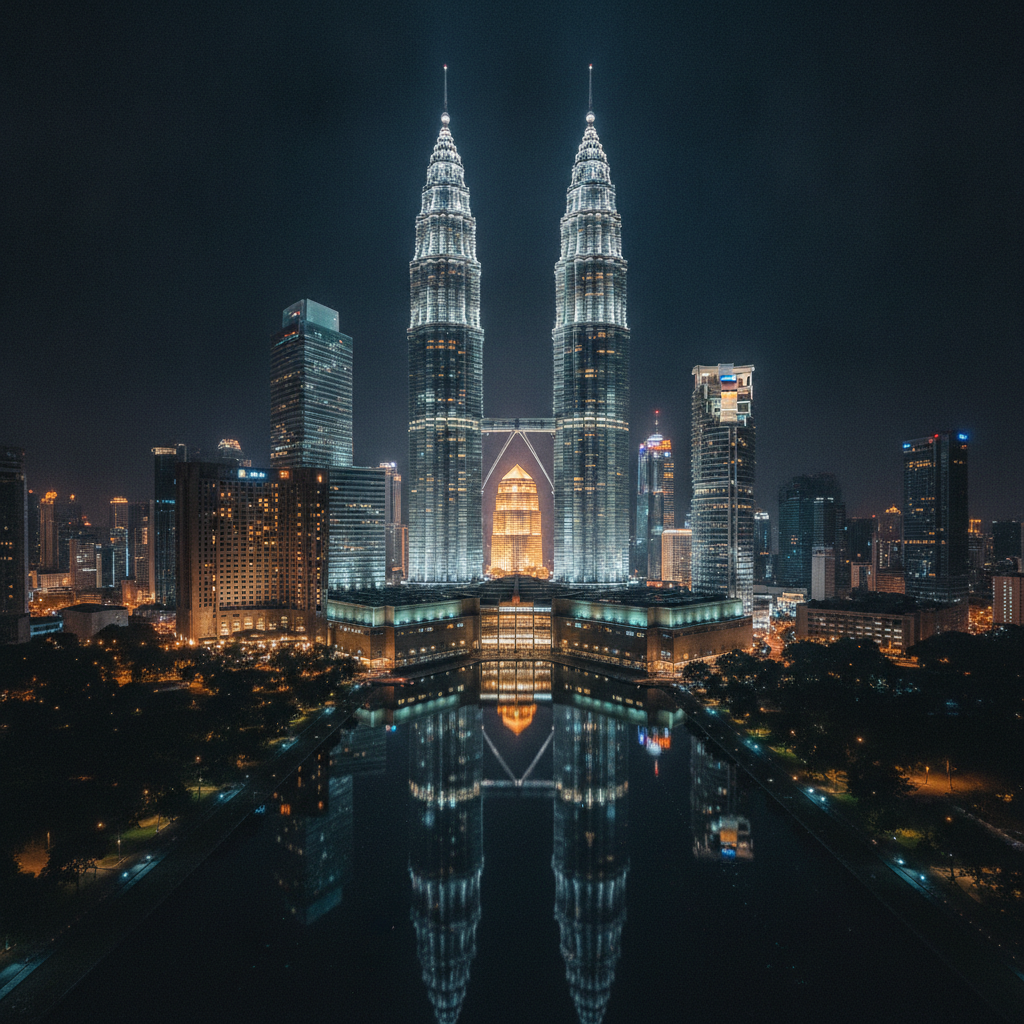
Torri Gemelle Petronas, KLCC e Bukit Bintang — Il Triangolo d'Oro di KL
Le Torri Gemelle Petronas — il simbolo definitorio della Malesia moderna, gli edifici più alti del mondo dal 1998 al 2004 e ancora le torri gemelle più alte del mondo — ancorano lo sviluppo KLCC che forma il nucleo del Triangolo d'Oro di Kuala Lumpur.
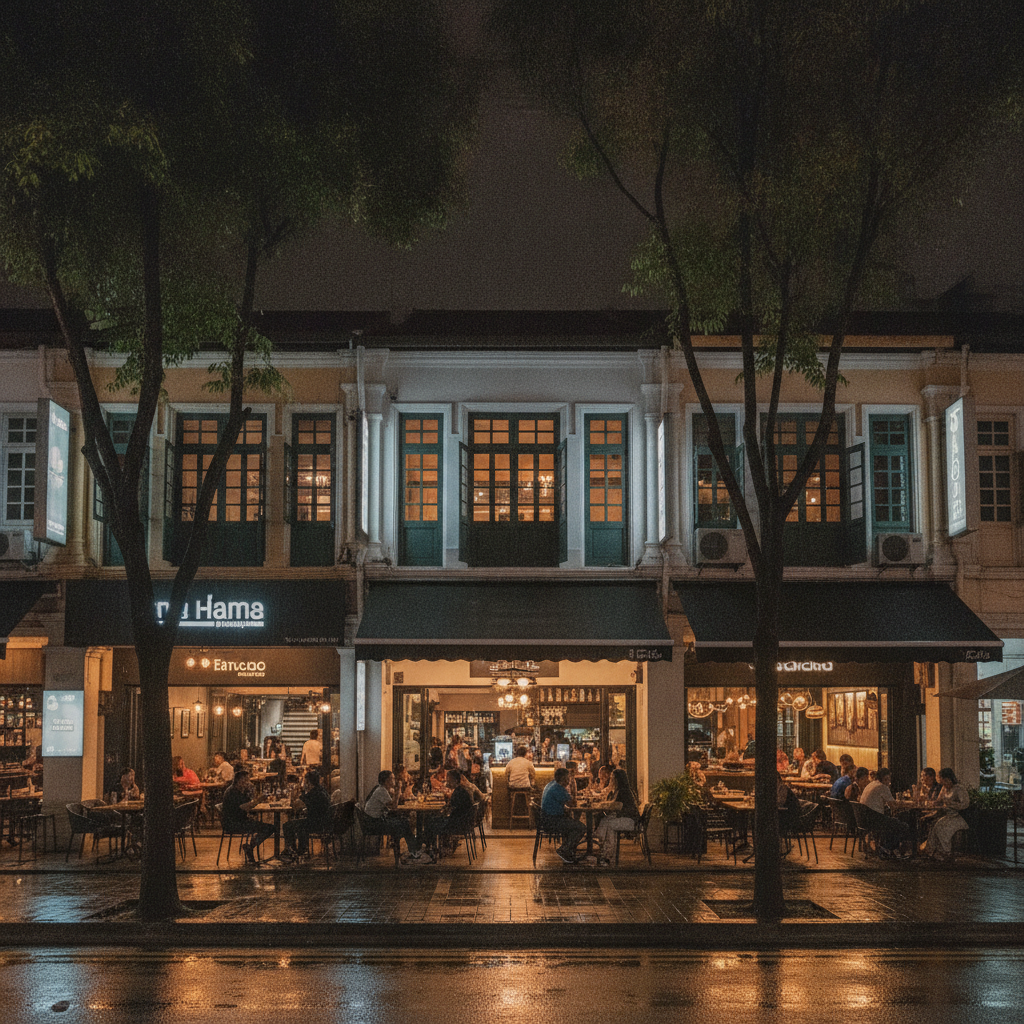
Bangsar, Mont Kiara e la KL Moderna — La Città degli Espatriati e dei Millennial
The modern residential and lifestyle districts of Bangsar and Mont Kiara — approximately 5-10 kilometres southwest of the city centre, developed from the 1990s onwards as the primary addresses for Kuala Lumpur's professional class, expatriate community, and young urban Malaysians — represent the face of contemporary affluent Malaysia: tree-lined streets of mid-rise condominiums and linked malls, rooftop bars, artisanal coffee shops, fitness studios, and international restaurants.
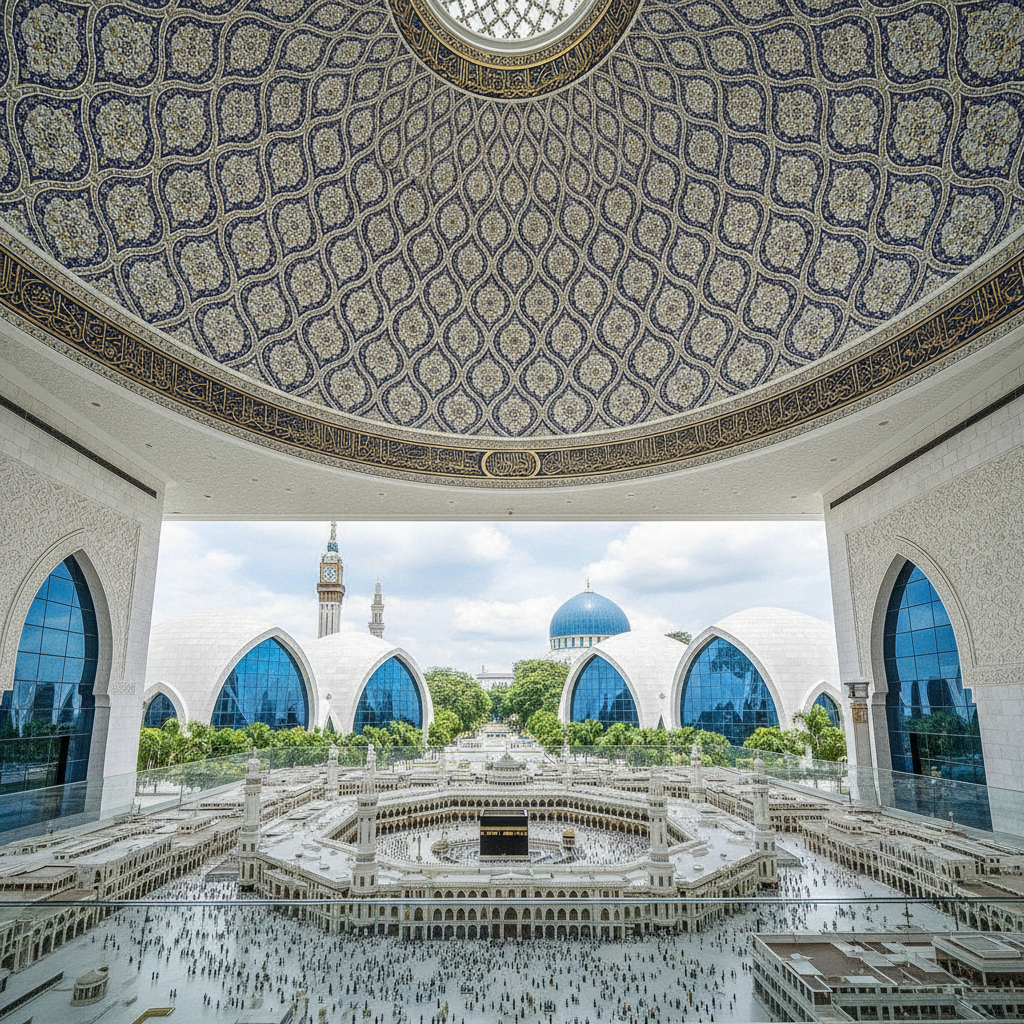
Museo delle Arti Islamiche, Museo Nazionale e Istituzioni Culturali di KL
Kuala Lumpur's major cultural institutions — the Islamic Arts Museum Malaysia (the finest Islamic art museum in Southeast Asia, with the largest collection of Islamic art and artefacts in the region), the National Museum of Malaysia (documenting the full history of Malaysia from prehistoric times to independence), and the Perdana Botanical Gardens (the former Lake Gardens, a 91.6-hectare botanical garden containing the National Planetarium, National Monument, and Deer Park) — constitute the cultural centre of Malaysia's capital.
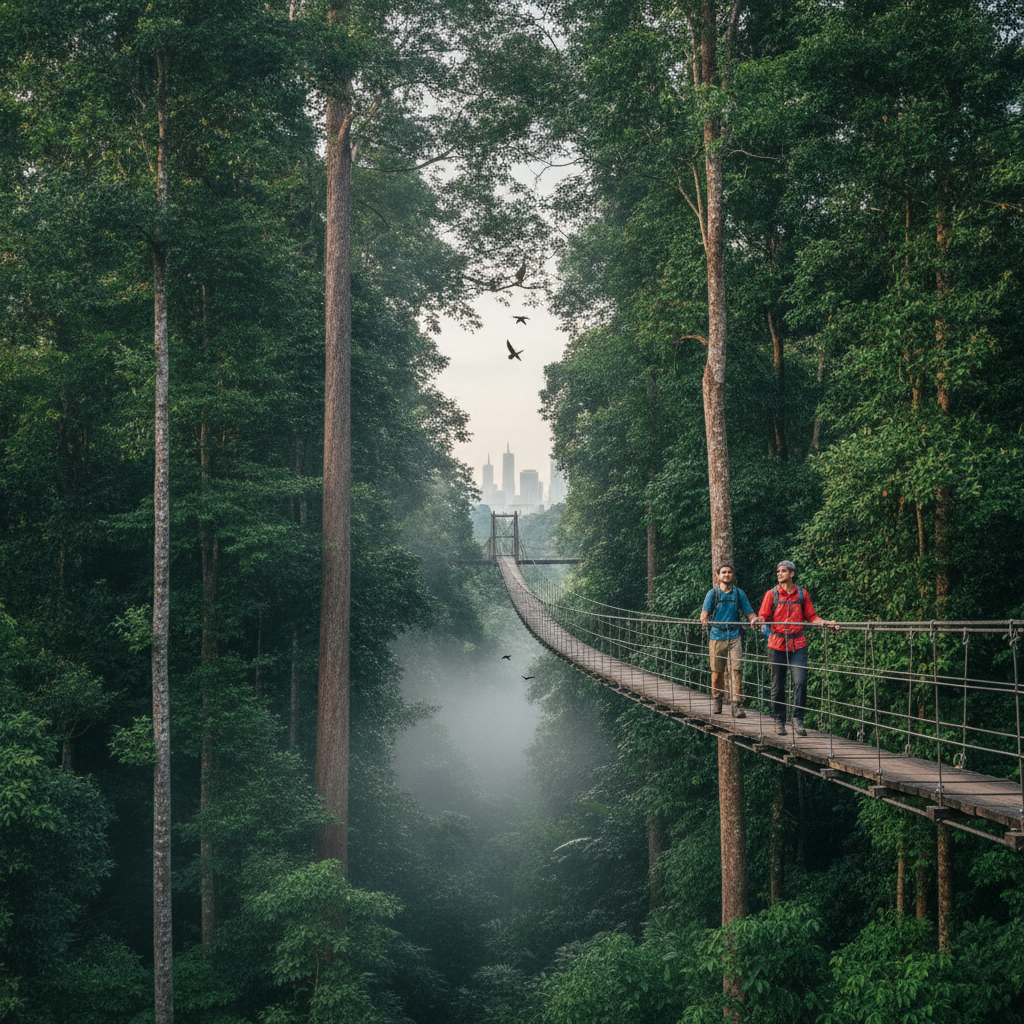
FRIM — Passeggiata nel Baldacchino della Foresta Pluviale e l'Istituto di Ricerca Forestale Tropicale
The Forest Research Institute Malaysia (FRIM, Kepong, Selangor — approximately 16 kilometres northwest of Kuala Lumpur city centre) is a 544-hectare research forest containing one of the most accessible secondary rainforest experiences near a major Southeast Asian city, including the famous canopy walkway (a suspension bridge system through the forest canopy at 30 metres height) and extensive nature trails through lowland dipterocarp forest.