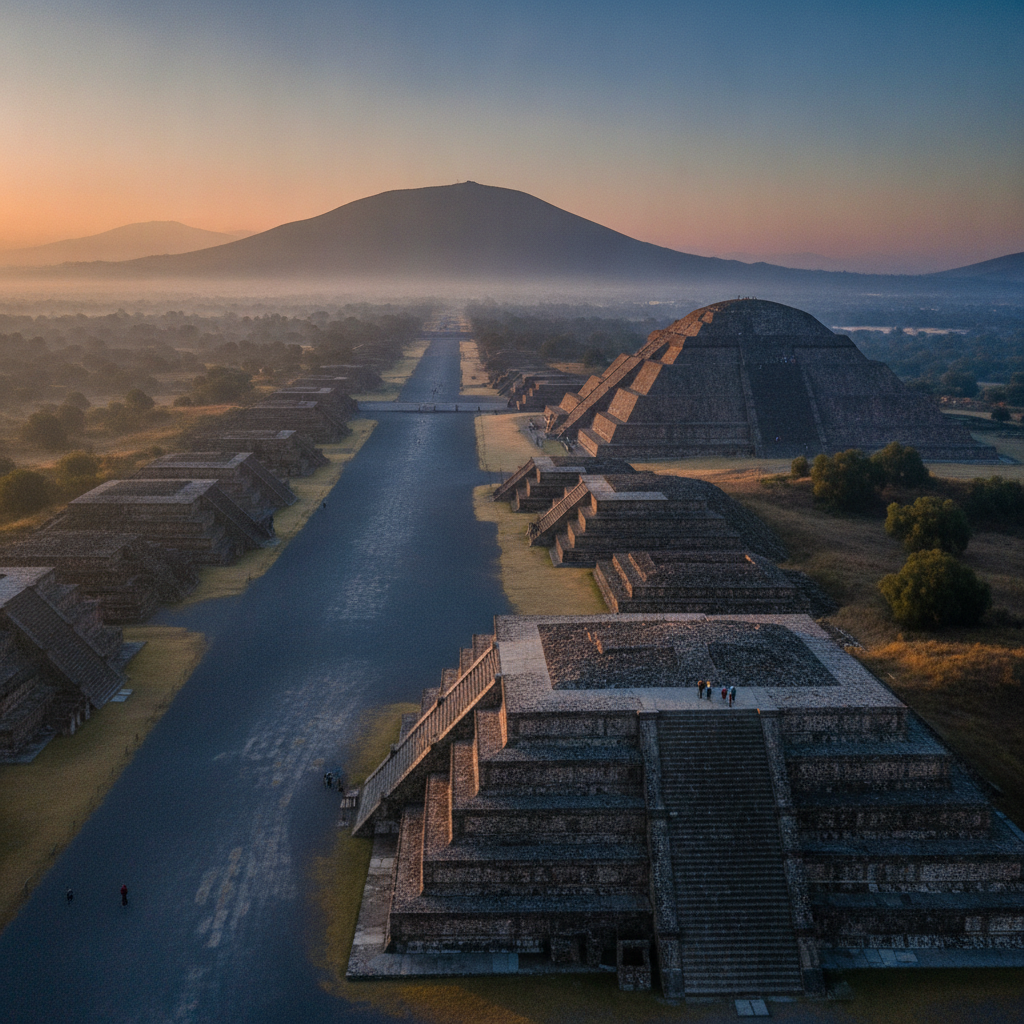
Teotihuacan — Le Piramidi del Sole e della Luna
Teotihuacan ('il luogo dove gli dèi furono creati', 50 chilometri a nordest di Città del Messico, Sito del Patrimonio Mondiale dell'UNESCO) era la città più grande delle Americhe precolombiane; le sue due grandi piramidi e il Viale dei Morti costituiscono uno dei siti archeologici più straordinari del mondo.
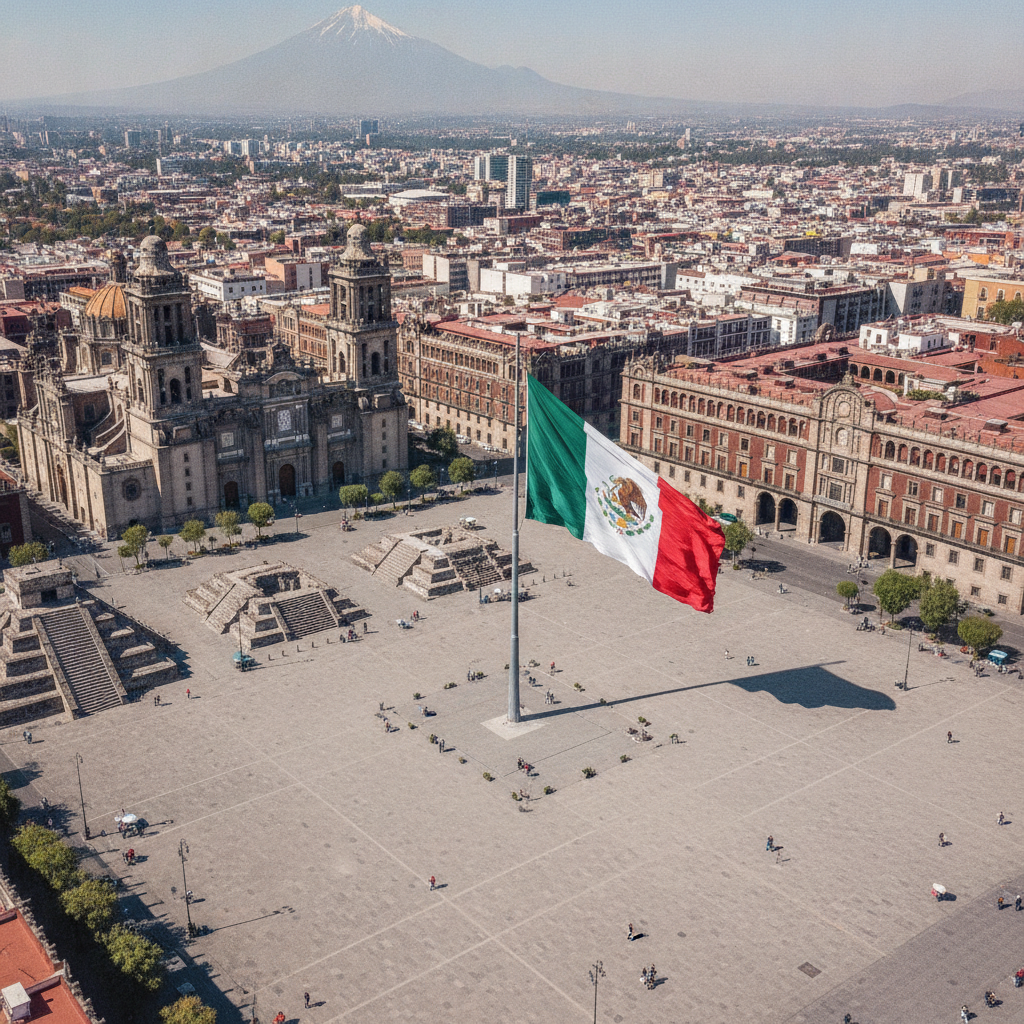
Zócalo, Templo Mayor e il Centro Storico — Città del Messico Azteca e Coloniale
Il centro storico di Città del Messico occupa il sito di Tenochtitlan, la capitale azteca fondata nel 1325 — la storia urbana più stratificata delle Americhe, dove le rovine dell'Impero Azteco giacciono sotto la più grandiosa architettura barocca coloniale del Nuovo Mondo.
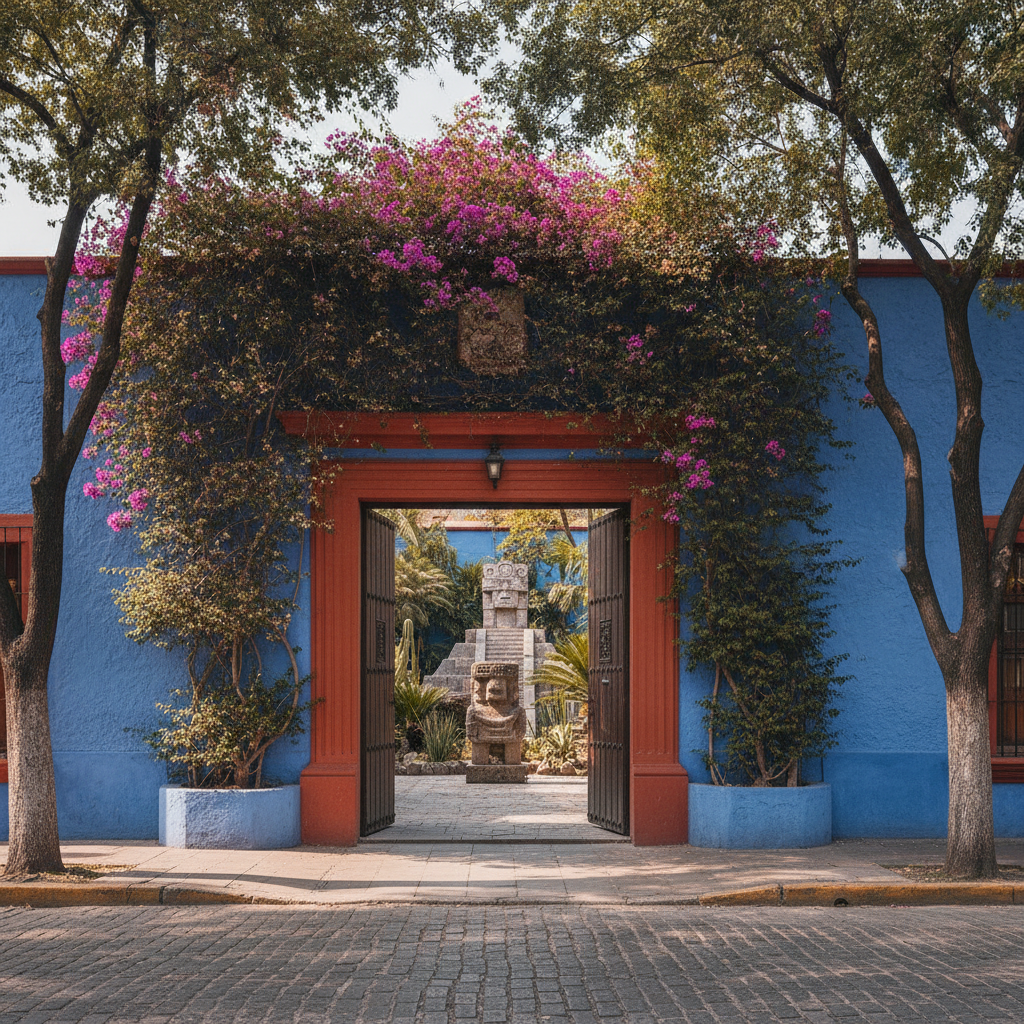
Frida Kahlo, Diego Rivera, Coyoacán e Xochimilco
I quartieri meridionali di Città del Messico — l'enclave coloniale bohémien di Coyoacán (sede del museo Casa Blu di Frida Kahlo), la rete di canali di Xochimilco (Sito del Patrimonio Mondiale dell'UNESCO) e il Museo Anahuacalli — rappresentano le radici culturali e storiche dell'identità messicana.
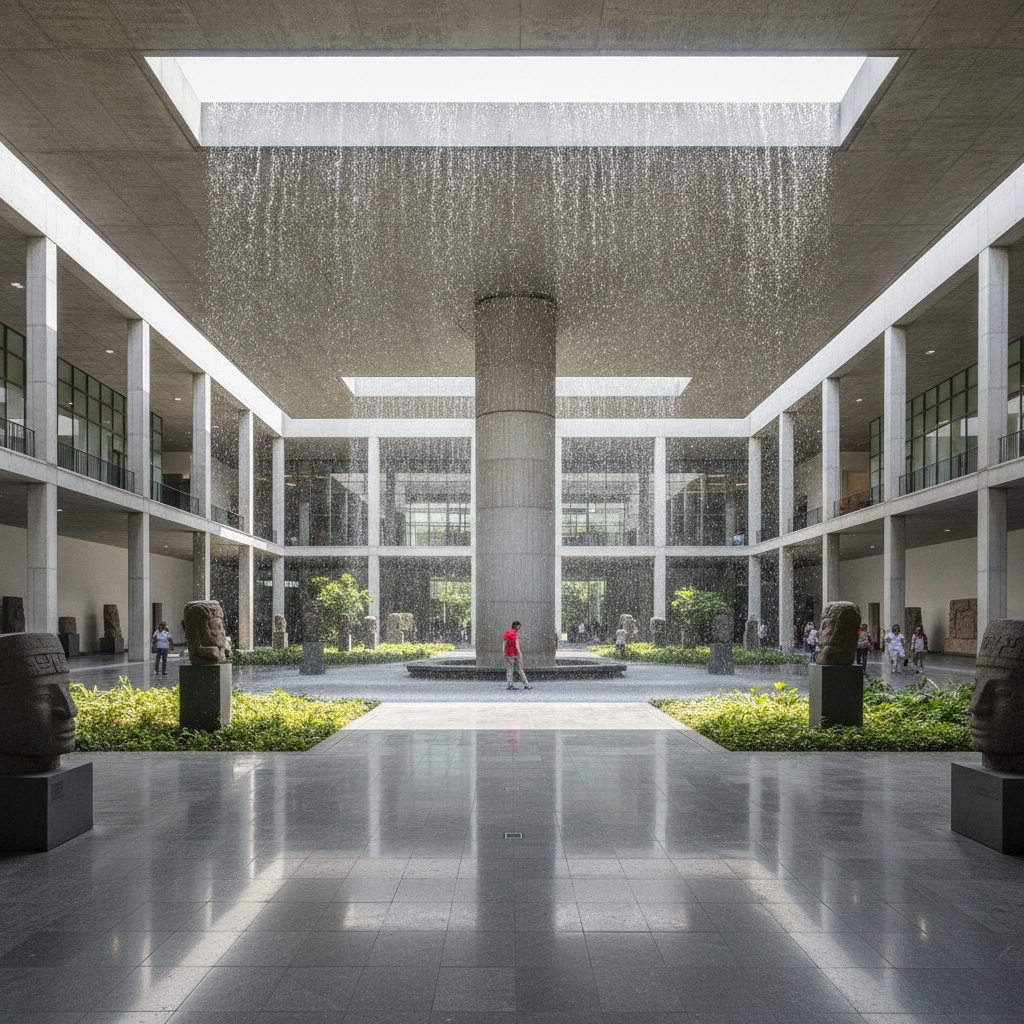
Museo Nazionale di Antropologia e Castello di Chapultepec
The National Museum of Anthropology (Museo Nacional de Antropología, Paseo de la Reforma, Bosque de Chapultepec) — universally considered the greatest pre-Columbian art museum in the world — and Chapultepec Castle (the hill-top castle in the Bosque de Chapultepec, the 686-hectare forest park that is Mexico City's equivalent of Central Park) together form the cultural centrepiece of the Paseo de la Reforma, Mexico City's grand 19th-century ceremonial boulevard.
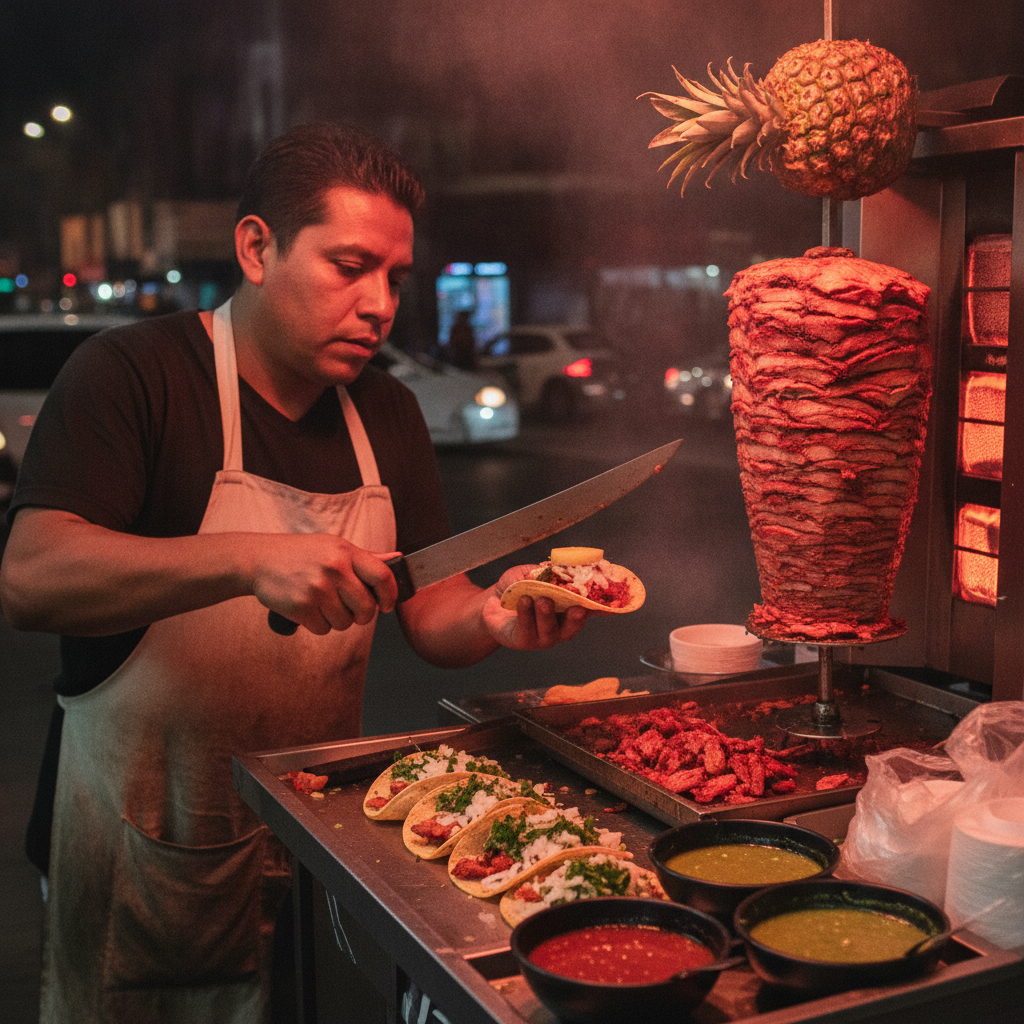
Cultura Gastronomica Messicana — Tacos, Tamales, Mole e la Tradizione del Mercato
Mexican cuisine (listed by UNESCO as an Intangible Cultural Heritage of Humanity since 2010) is one of the world's great food traditions — a synthesis of indigenous Mesoamerican cooking techniques and ingredients (corn, chiles, tomatoes, chocolate, vanilla, avocado, squash) with Spanish colonial influences, producing a culinary tradition of extraordinary depth, regionalism, and complexity that goes far beyond the simplified Mexican-American versions known internationally.
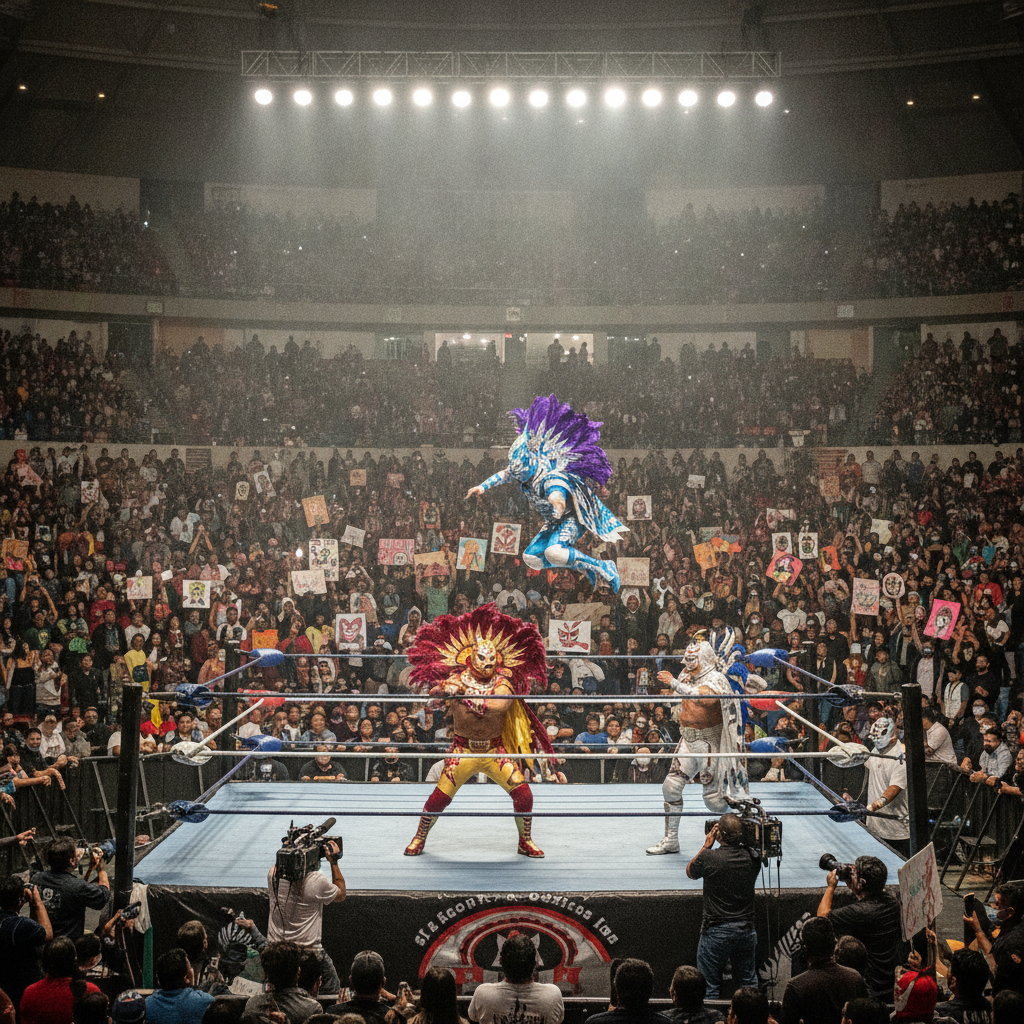
Lucha Libre — Arena México e l'Arte della Lotta Messicana
Lucha libre (Mexican professional wrestling, literally 'free fighting') is one of the most distinctive and beloved popular cultural traditions of Mexico — a theatrical athletic spectacle combining acrobatic high-flying moves, dramatic masked personas (luchadores enmascarados), complex multi-generational storylines, and intense audience participation into a uniquely Mexican performance art form that has been a fixture of Mexican popular culture since the 1930s.
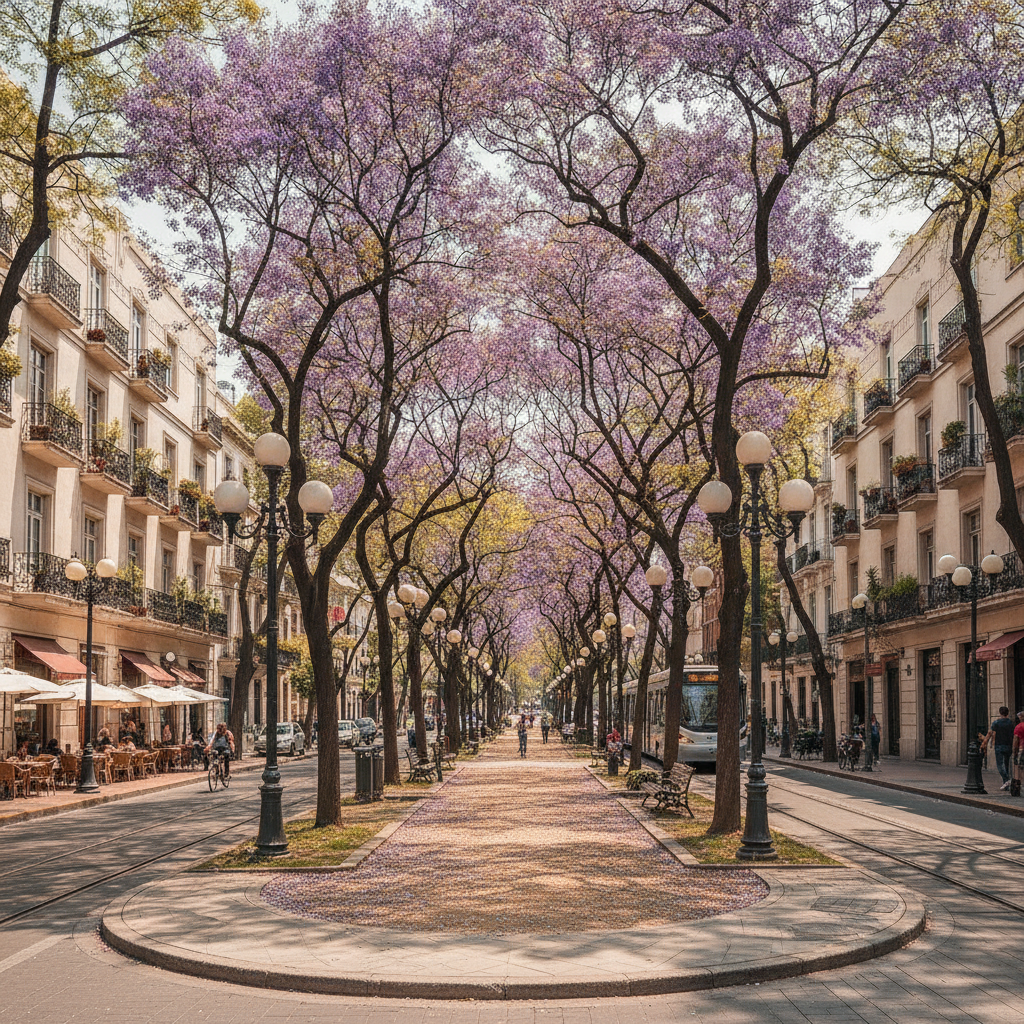
Polanco, Condesa e Roma — La Città del Messico Contemporanea
The neighbourhoods of Polanco, Condesa, and Roma — the modern, cosmopolitan, and architecturally distinguished western and central neighbourhoods of Mexico City — collectively represent the face of contemporary urban Mexico: Polanco with its luxury hotels, international restaurants and high-end boutiques along Presidente Masaryk; Condesa with its Art Deco architecture, tree-lined oval park, and café culture; Roma with its restored Porfiriato-era mansions, independent galleries, and the highest concentration of mezcal bars and contemporary restaurants in the city.
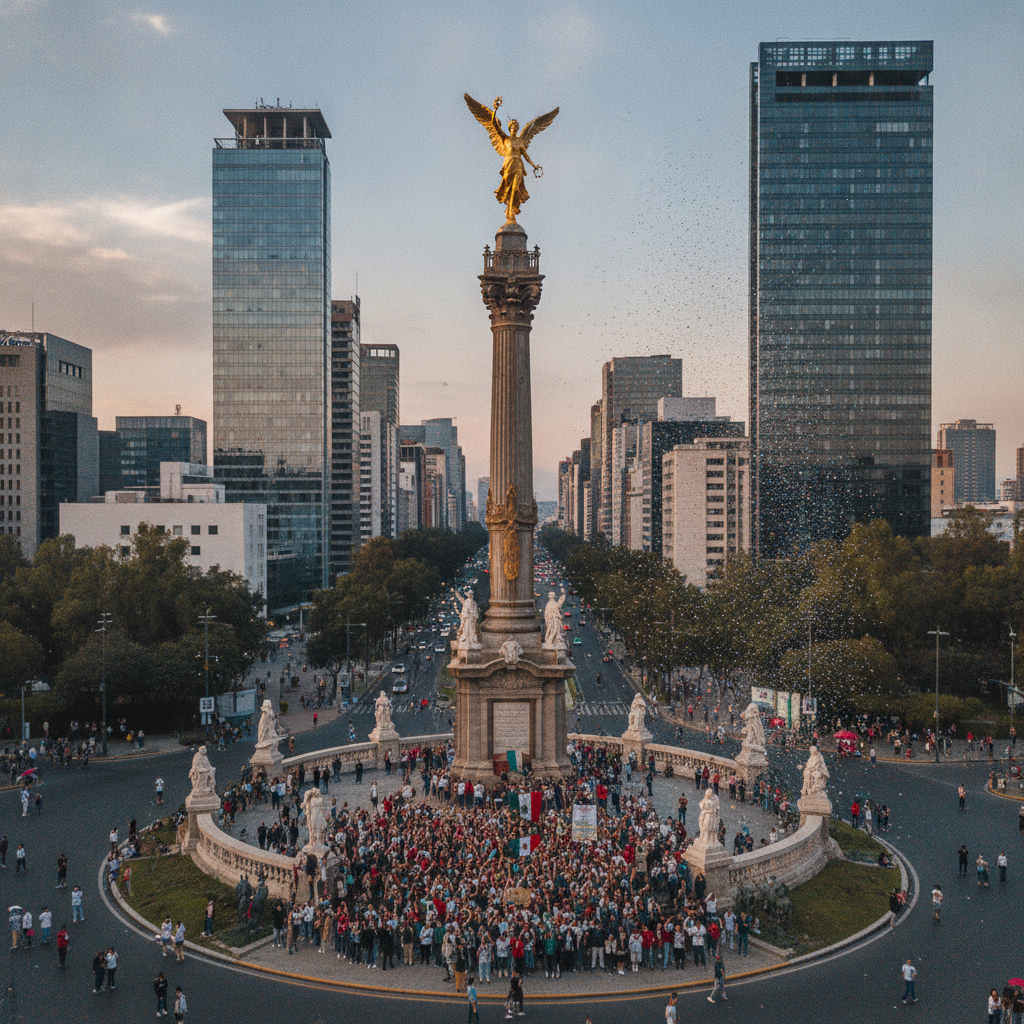
Paseo de la Reforma, Angelo dell'Indipendenza e Museo Soumaya
Paseo de la Reforma (the grand 12-lane ceremonial boulevard running diagonally from the historic centre northwest through Chapultepec to the western suburbs — designed by Emperor Maximilian I and modeled on the Haussmanian boulevards of Paris, lined with sculptures, embassies, luxury hotels, corporate headquarters, and cultural institutions) is the symbolic spine of Mexico City and the stage on which the city celebrates and mourns its greatest moments.
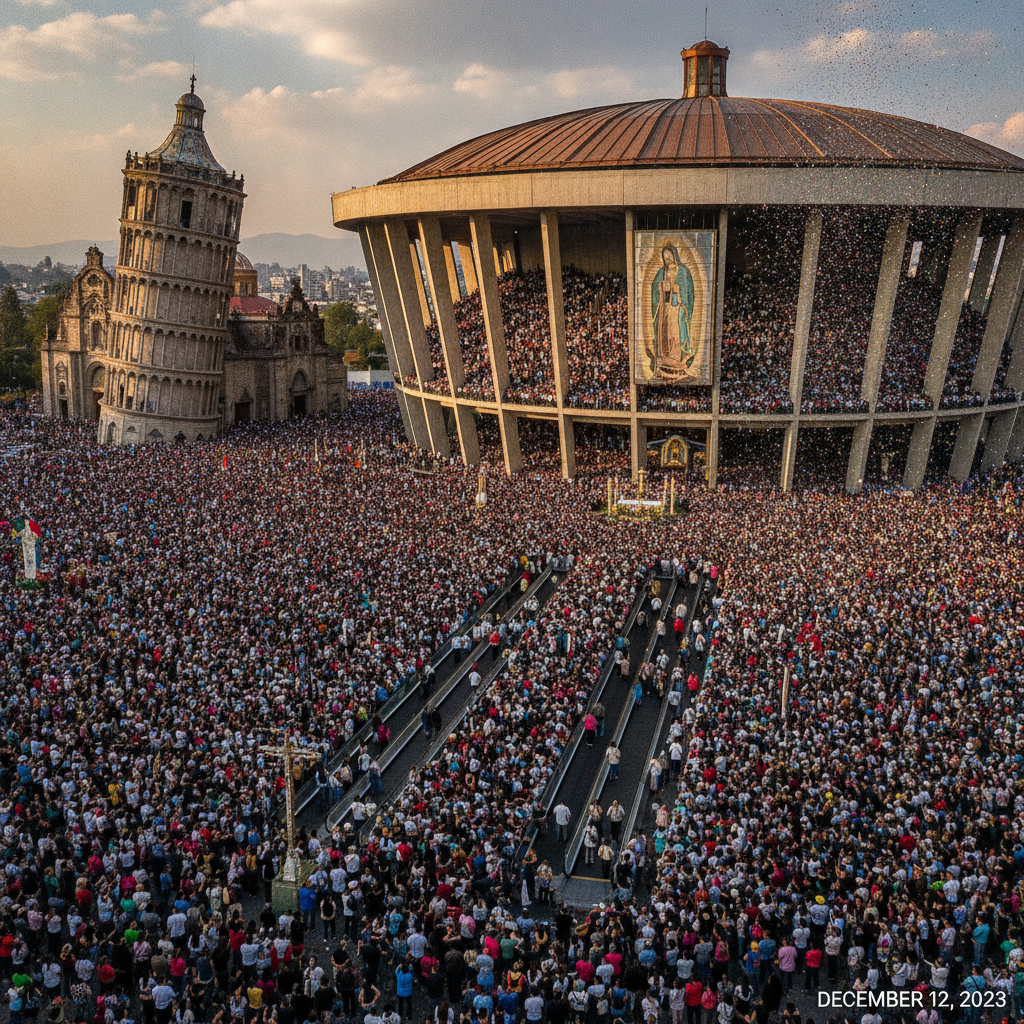
Basilica di Guadalupe, Tlatelolco e il Cuore Spirituale del Messico
The Basilica of Our Lady of Guadalupe (north of Mexico City's historic centre, on the Cerro del Tepeyac) is the most visited Catholic pilgrimage site in the world, receiving approximately 20 million pilgrims annually — more than Vatican City or Lourdes; the Virgin of Guadalupe (the apparition of the Virgin Mary reported to indigenous Mexican Juan Diego in December 1531, ten years after the Spanish Conquest) is the central symbol of Mexican national identity, transcending the religious to become the most powerful cultural symbol of Mexico.