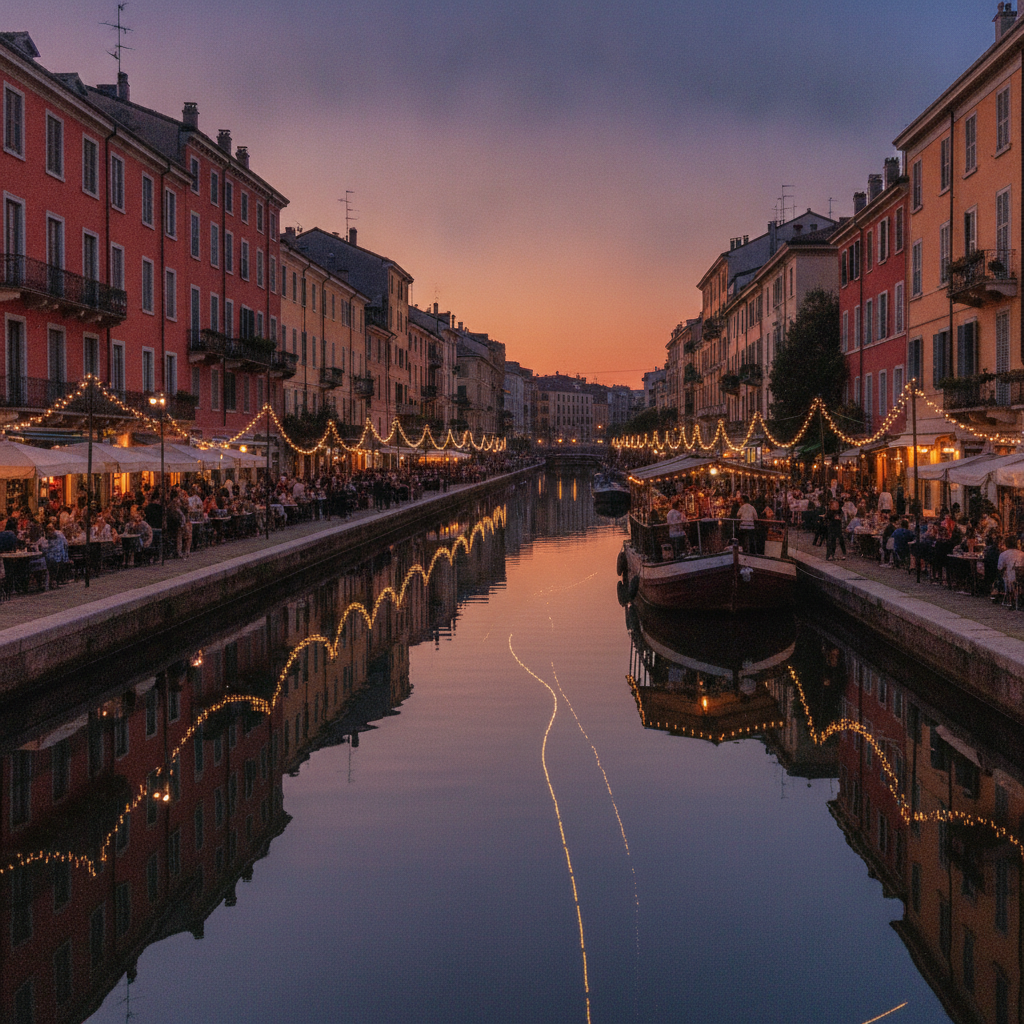
I Navigli, la Darsena e la Porta Ticinese — Il Quartiere dei Canali di Milano
The Navigli district — the canal quarter of southwestern Milan, centered on the Naviglio Grande and Naviglio Pavese canals — is the most atmospheric and bohemian neighbourhood in the city, the remnant of an extraordinary medieval and Renaissance hydraulic engineering system that once connected Milan with the Po valley, the Alps, and the sea, and that Leonardo da Vinci helped to improve during his time at the Sforza court.
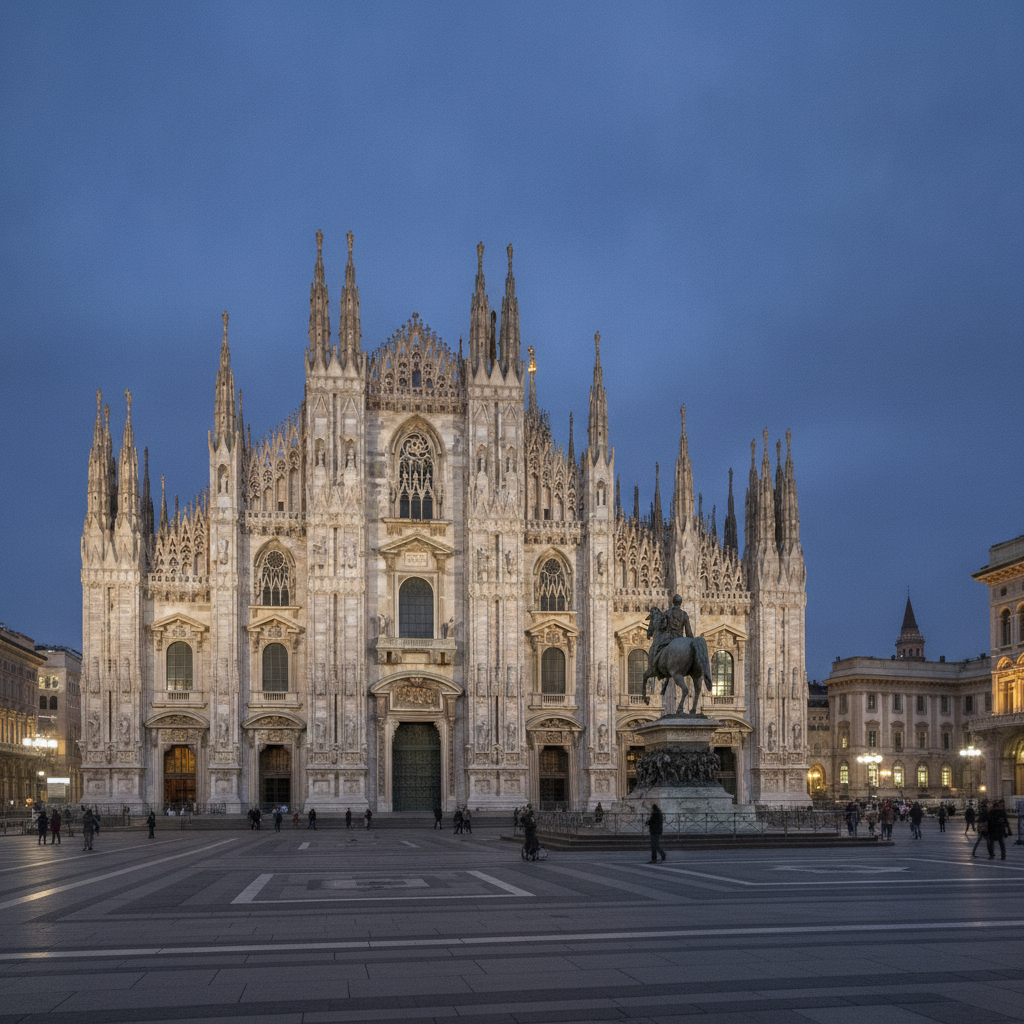
Il Duomo, la Galleria Vittorio Emanuele II e la Piazza del Duomo
La Piazza del Duomo — la piazza centrale di Milano, dominata dalla più grande cattedrale gotica del mondo e fiancheggiata dalla più magnifica galleria commerciale dell'Ottocento in Europa — è il cuore fisico e simbolico della città.
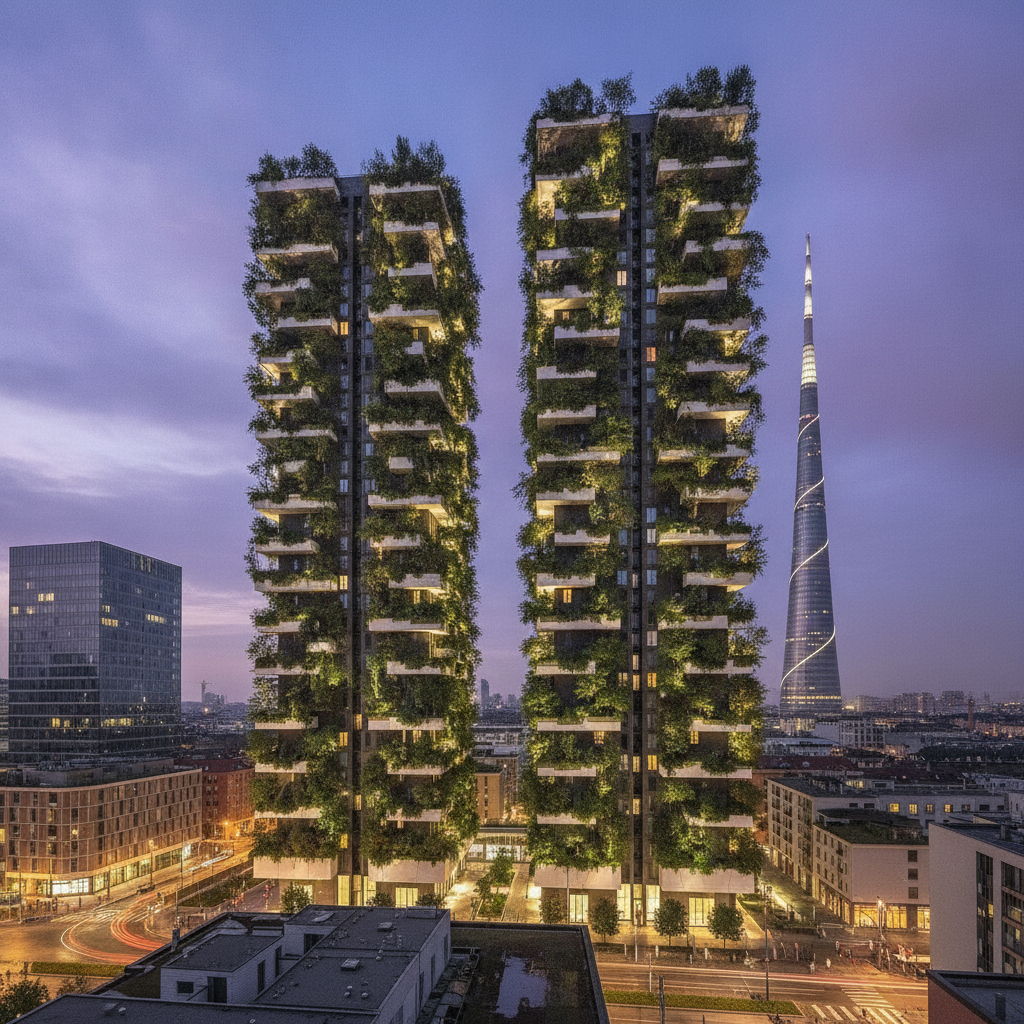
Isola, Porta Nuova e il Bosco Verticale — Il Nuovo Skyline di Milano
The Porta Nuova development — the 2000s-2010s urban regeneration project that transformed the former industrial and railway land north of the historic city centre into Milan's most ambitious contemporary architectural district — has fundamentally altered the skyline of the city and established Milan as the most architecturally adventurous major city in Italy.
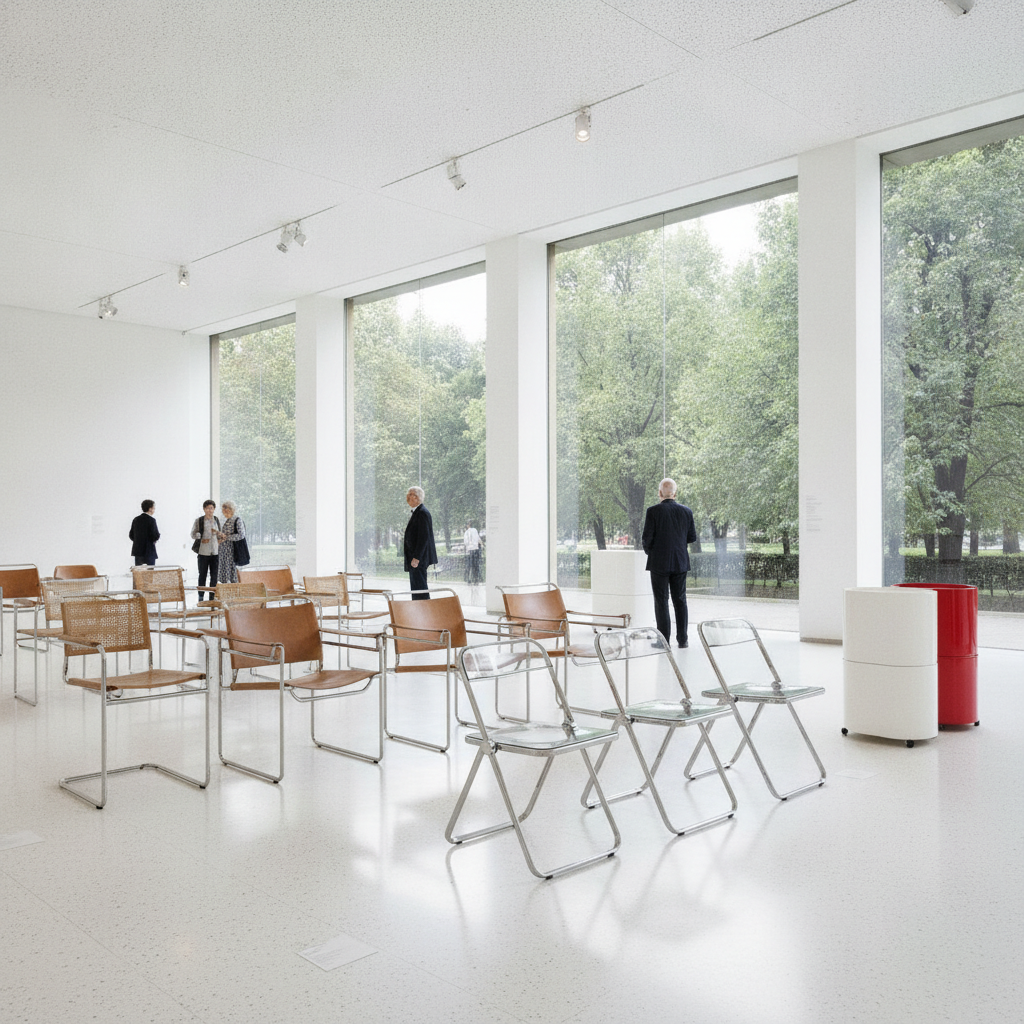
Il Museo del Design della Triennale, il Salone del Mobile e l'Eredità del Design Milanese
Milan is the global capital of furniture and industrial design — a position it has held since the post-war 'Italian economic miracle' of the 1950s-60s when Milanese designers, engineers and manufacturers collaborated to create the most influential body of modern furniture design in the world, establishing brands like Cassina, B&B Italia, Zanotta, Kartell, Driade and Arteluce as the global leaders of high-end furniture and lighting.
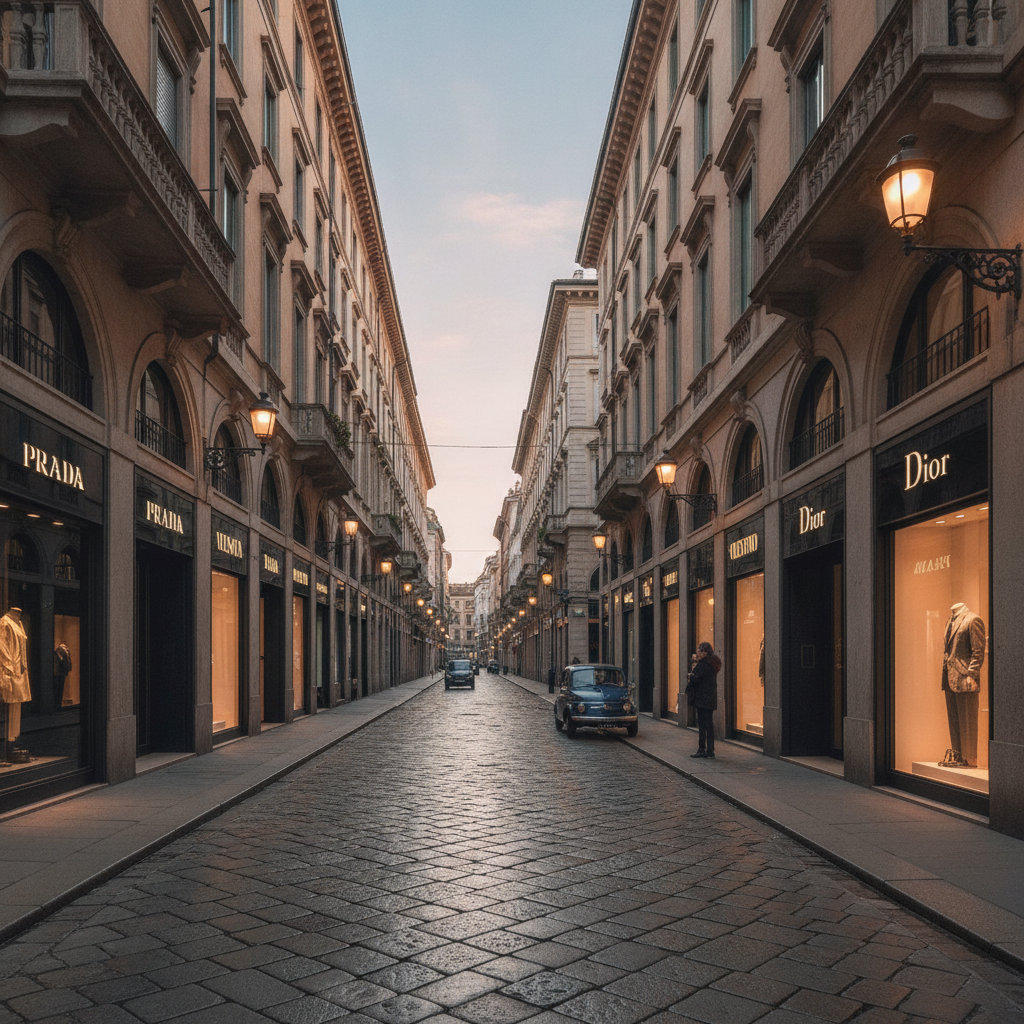
Il Quadrilatero della Moda — Via Montenapoleone, Via della Spiga e il Cuore del Lusso Milanese
Il Quadrilatero della Moda è il distretto commerciale di lusso più prestigioso del mondo — una concentrazione di alta moda italiana e internazionale e beni di lusso senza eguali per densità o prestigio in nessun'altra città.
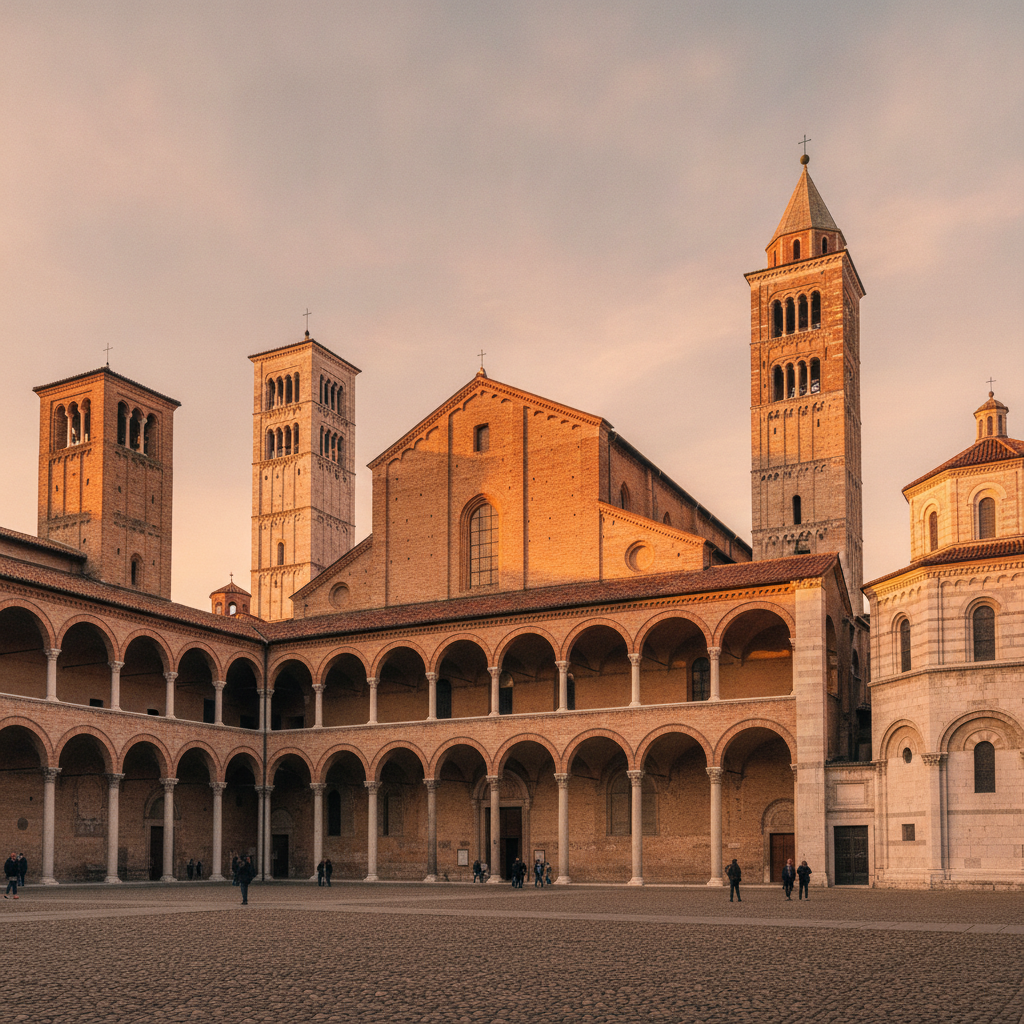
La Basilica di Sant'Ambrogio, le Colonne di San Lorenzo e il Quartiere Ticinese
The Ticinese quarter of southwestern Milan — the area between the Navigli canals and the Duomo, centered on the ancient pilgrimage road (now the Corso di Porta Ticinese) — contains the two most important early Christian and Romanesque monuments in Milan: the Basilica di Sant'Ambrogio (the 4th-century foundation of Milan's patron saint, one of the oldest churches in Christendom) and the Columns of San Lorenzo (the only surviving Roman monument in Milan above ground).
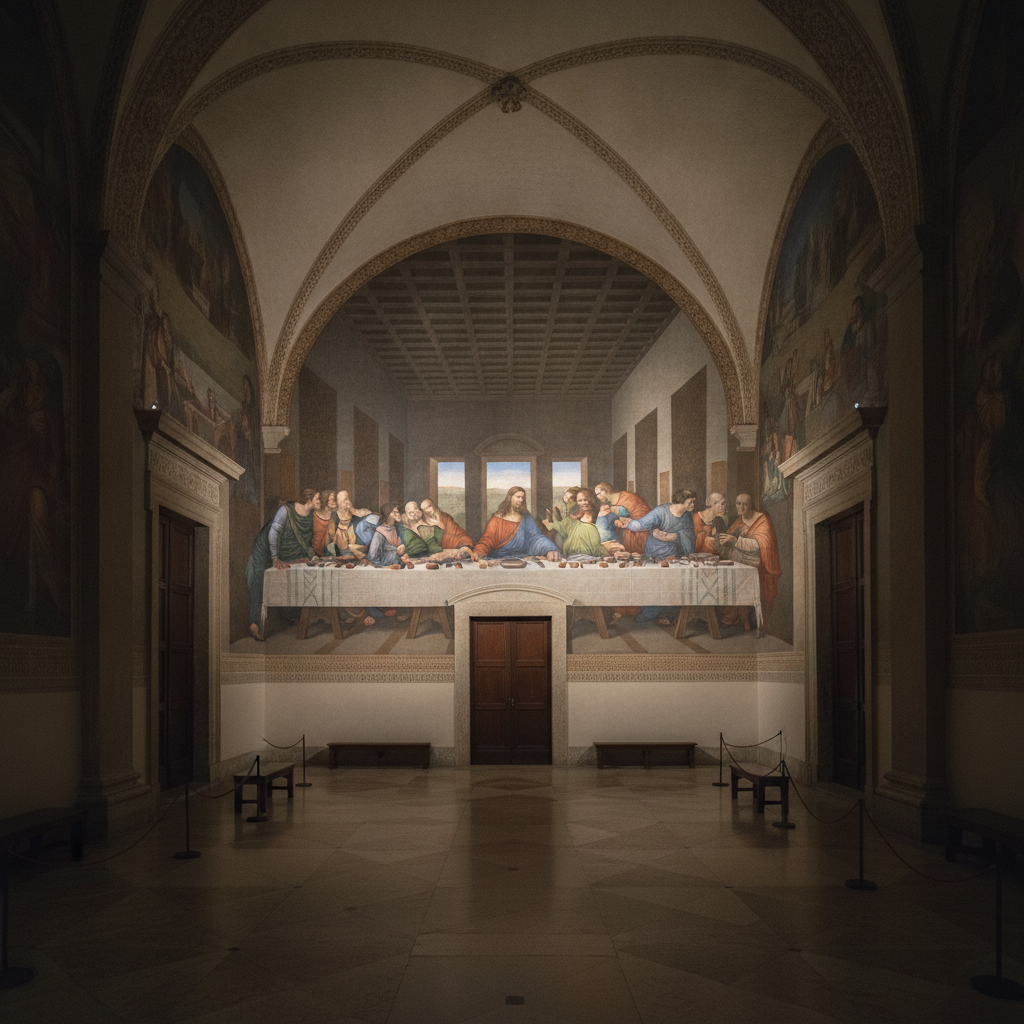
L'Ultima Cena di Leonardo, Santa Maria delle Grazie e il Castello Sforzesco
Il quartiere ovest del centro di Milano contiene due dei più grandi monumenti della cultura rinascimentale milanese: l''Ultima Cena' di Leonardo da Vinci (considerata uno dei più grandi dipinti mai realizzati) e il Castello Sforzesco (la massiccia fortezza del XV secolo che ospita il più importante complesso di musei civici di Milano).
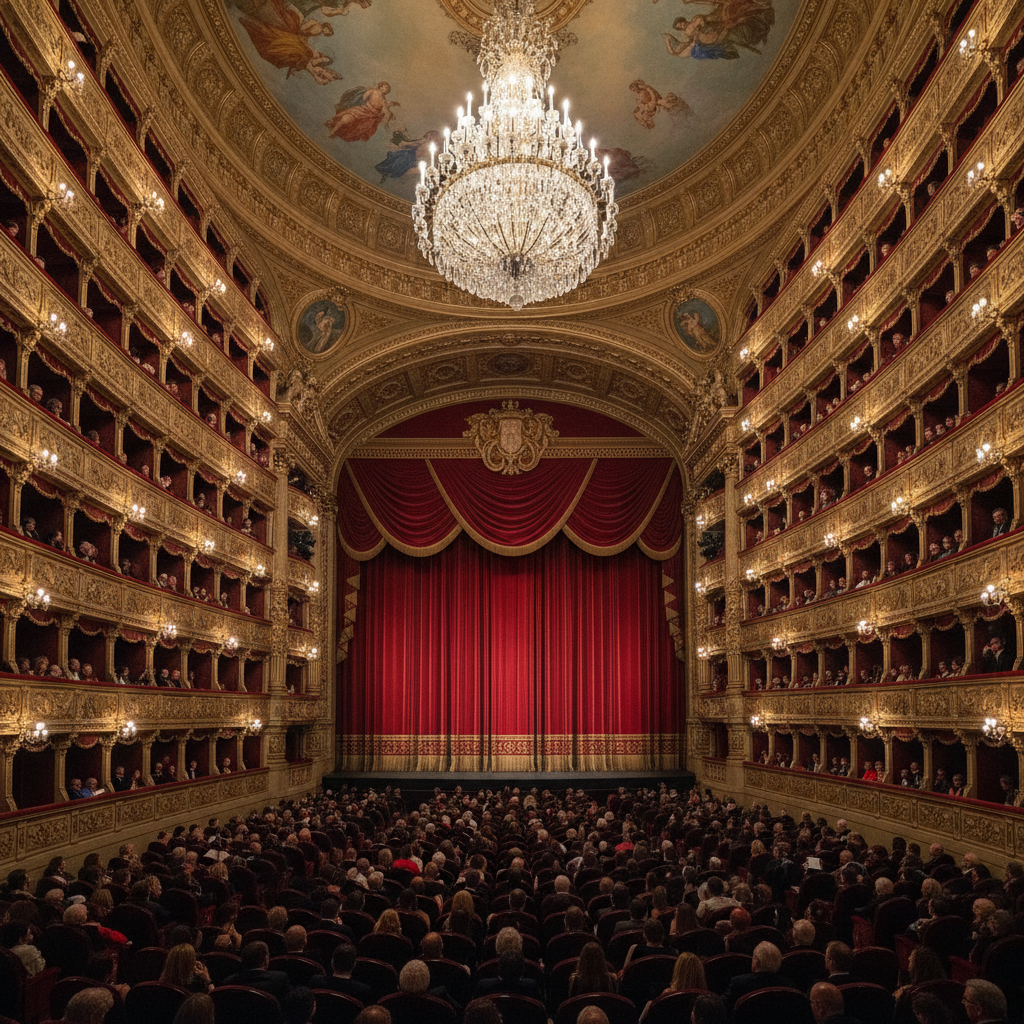
Teatro alla Scala — Il Più Grande Teatro d'Opera del Mondo
The Teatro alla Scala (La Scala, Piazza della Scala, the opera house built 1776-1778 by Giuseppe Piermarini for Maria Theresa of Austria and inaugurated in August 1778 with a performance of Antonio Salieri's 'Europa riconosciuta') is the most important and most celebrated opera house in the world — the institution where the careers of Verdi, Puccini, Toscanini, Callas, and virtually every major singer and conductor of the 19th and 20th centuries were made and defined.
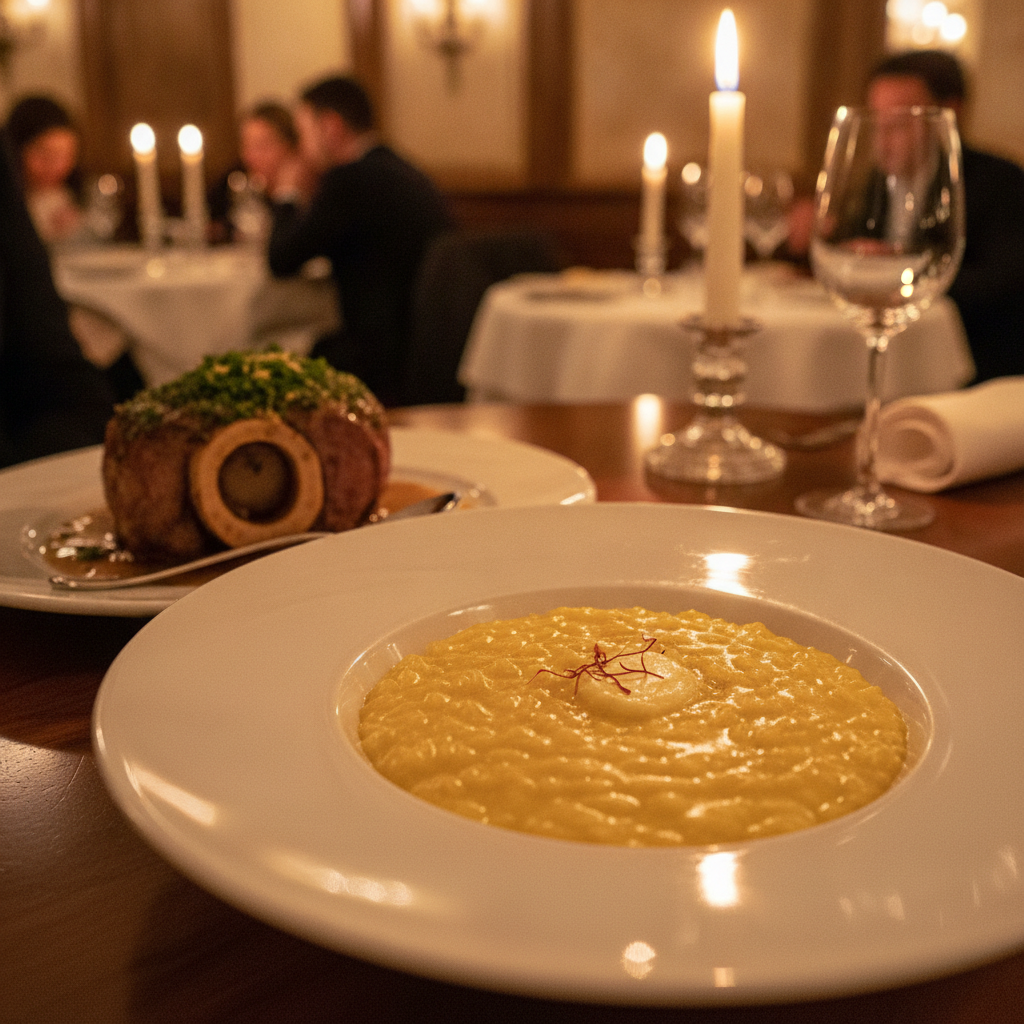
La Cucina Milanese — Risotto alla Milanese, Ossobuco e i Mercati Alimentari
Milan's culinary tradition is one of the most distinctive in Northern Italy — a cuisine shaped by the Po valley agricultural landscape, Alpine proximity, French influence (during the centuries of Spanish and Austrian rule), and the city's unique position as Italy's financial and industrial capital: richer, more butter-based, and more international in flavour than the tomato-and-olive-oil cooking of central and southern Italy.