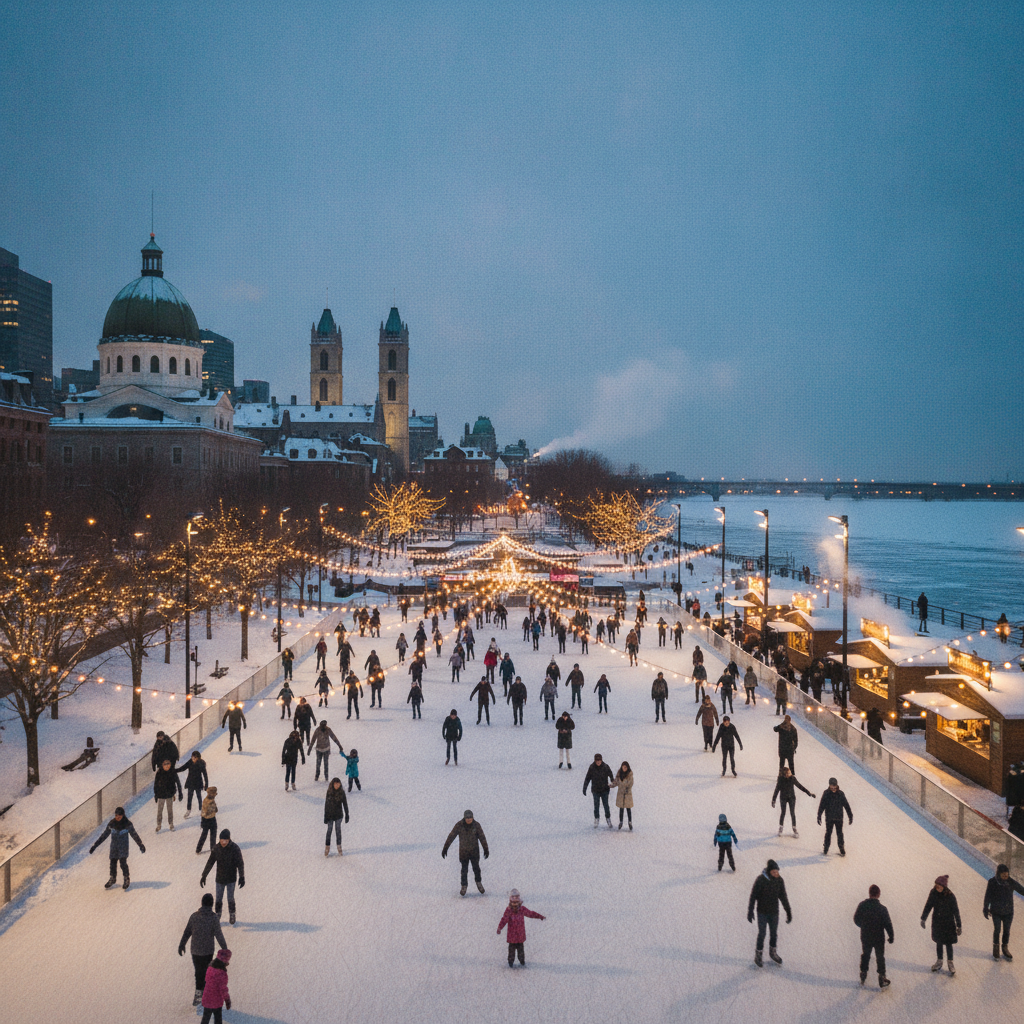
Montréal in Inverno — Pattinaggio, Racchette da Neve e Abbracciare il Freddo
L'inverno di Montréal — la stagione da dicembre a marzo in cui la città riceve in media 235 cm di neve e i suoi residenti rispondono non rifugiandosi all'interno ma abbracciando l'inverno con un'intensità di attività invernali all'aperto che non ha eguali in nessun'altra grande città del mondo.
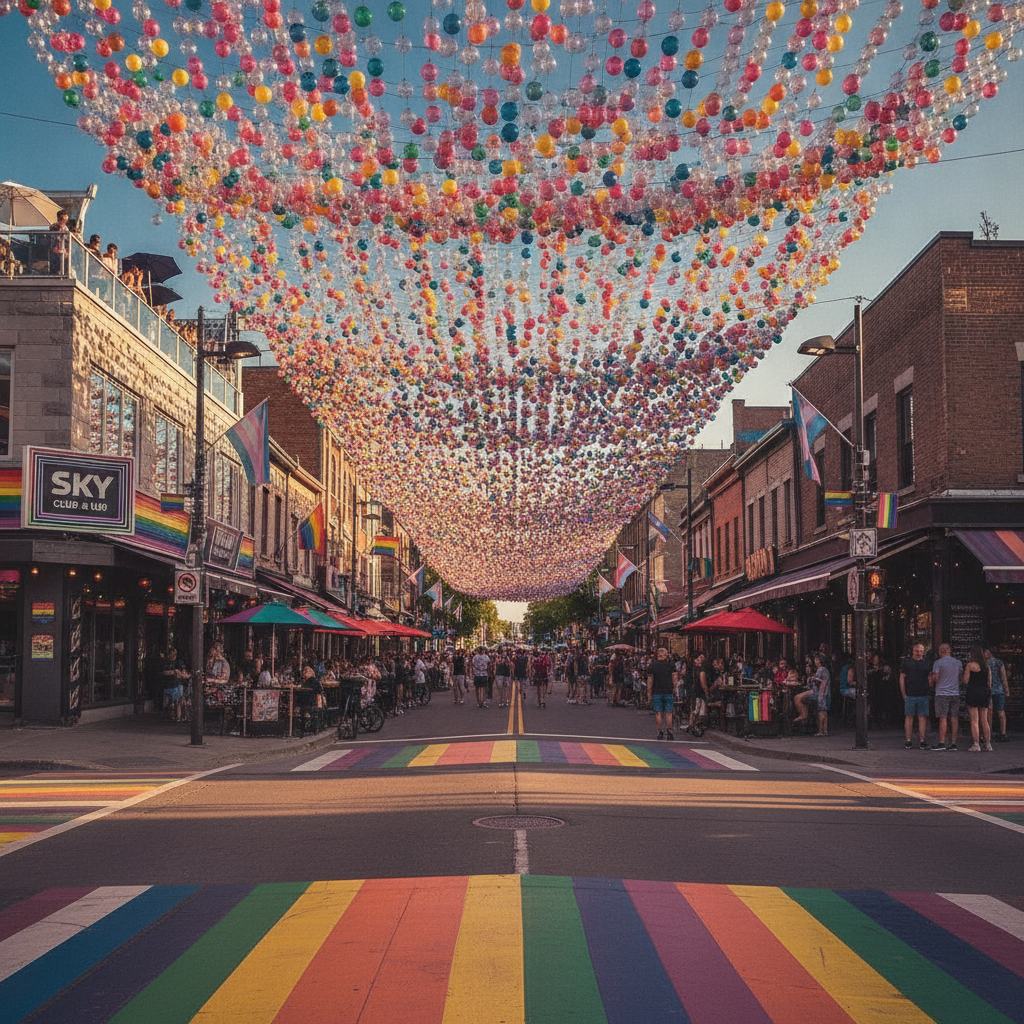
Il Villaggio Gay di Montréal, il Festival Pride e la Cultura LGBTQ+
Montreal's Gay Village (Le Village — the stretch of Rue Sainte-Catherine between Rue Amherst and Rue Papineau in the Centre-Sud neighbourhood — the largest and most vibrant gay neighbourhood in Canada, and one of the most internationally celebrated LGBTQ+ cultural districts in the world) and the Fierté Montreal Pride Festival (the annual LGBTQ+ Pride festival held in late July and early August — the largest Pride festival in francophone North America and consistently ranked among the top 5 Pride festivals in the world) define Montreal's extraordinary LGBTQ+ culture.
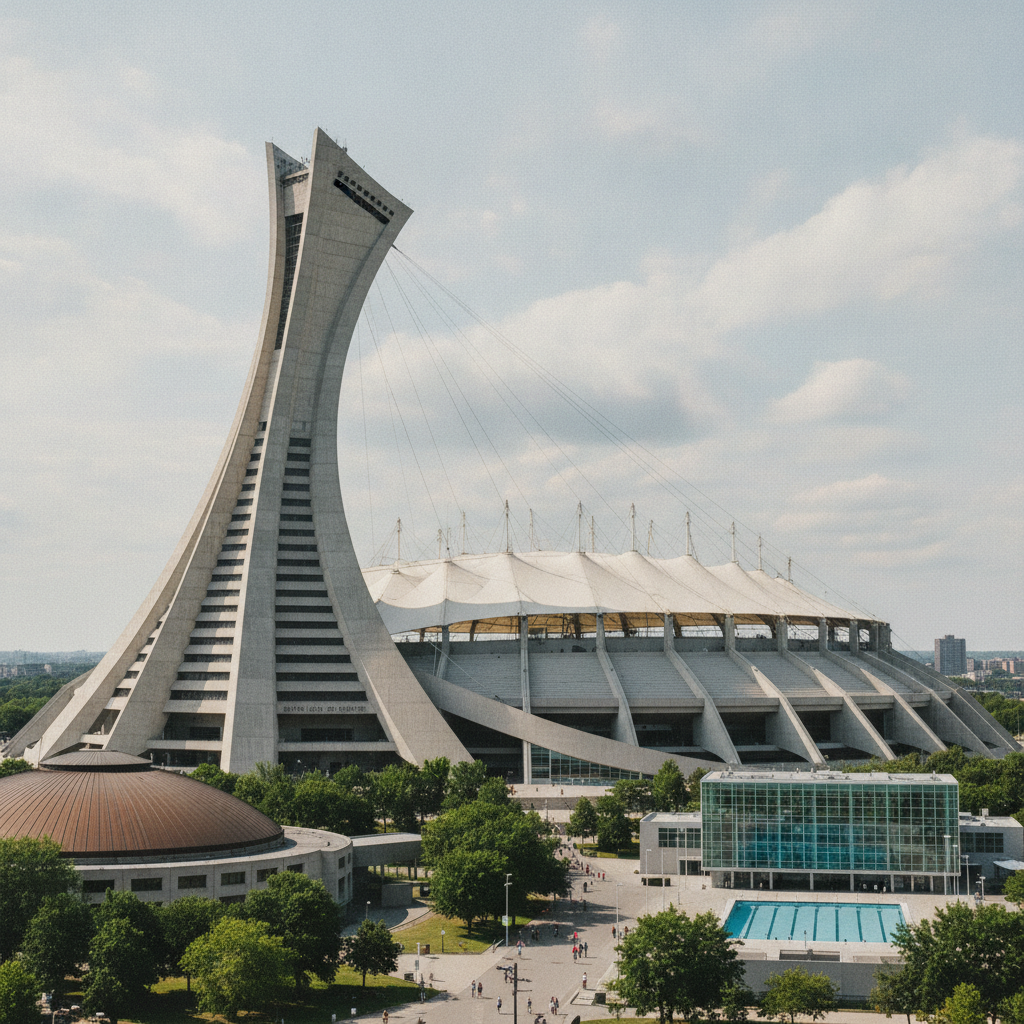
Lo Stadio Olimpico, il Biodôme e il Parco Jean-Drapeau
The Montreal Olympic Stadium (Stade olympique de Montréal — the inclined-tower domed stadium designed by French architect Roger Taillibert and built for the 1976 Summer Olympics, the most controversial and most architecturally distinctive sports stadium in Canada) and the Biodôme (the indoor nature museum that occupies the former Olympic Velodrome, home to 4 replica North American ecosystems with 4,500 animals and 750 plant species) anchor the Olympic Park complex in the Hochelaga-Maisonneuve neighbourhood.
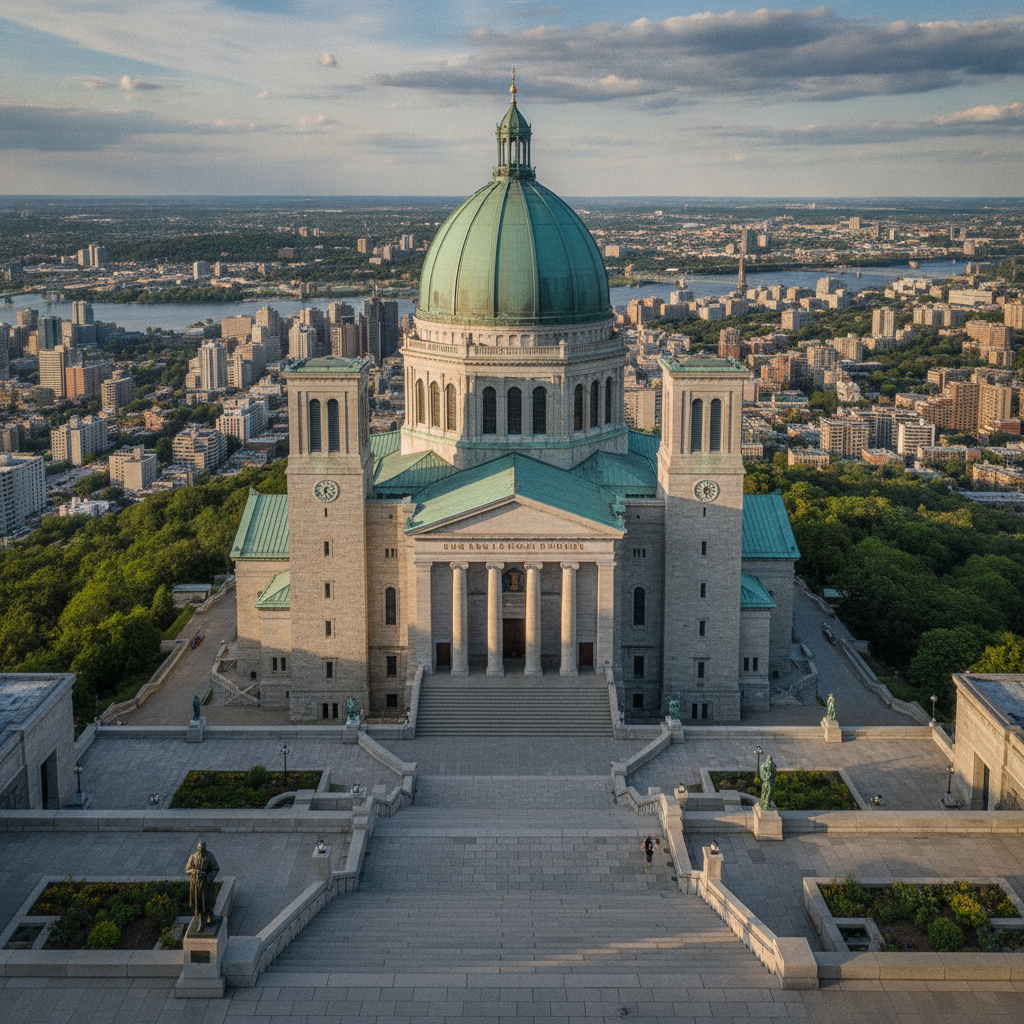
L'Oratorio di San Giuseppe, Fratello André e il Patrimonio Religioso di Montréal
L'Oratorio di San Giuseppe del Mont-Royal — la basilica cattolica romana sul versante nord-occidentale del Mont-Royal, la chiesa più grande del Canada e la chiesa più grande dedicata a San Giuseppe nel mondo.
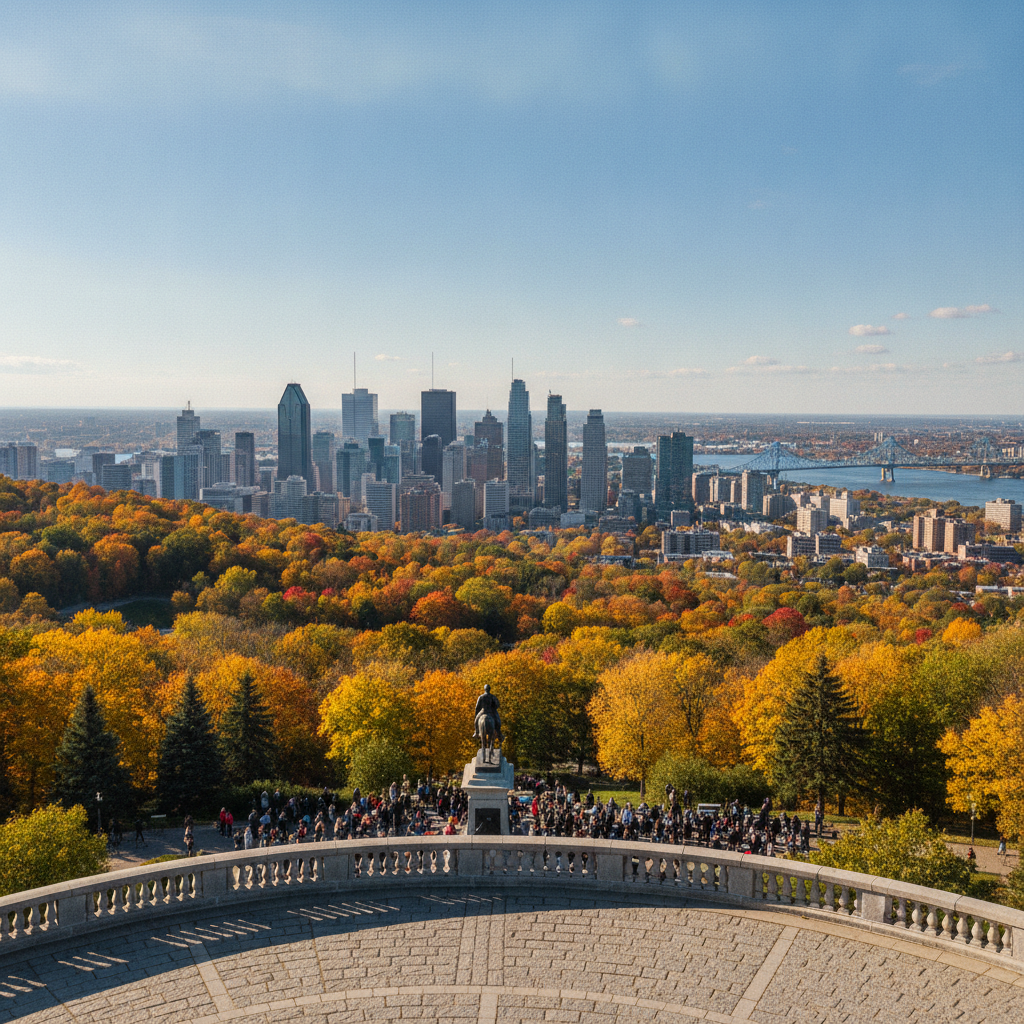
Il Parco Mont-Royal, il Plateau e il Cuore Bohémien di Montréal
Mont-Royal — la collina di 233 metri al centro dell'isola di Montréal che dà il nome alla città — è il più amato punto di riferimento naturale di Montréal, e il quartiere del Plateau-Mont-Royal ai suoi piedi orientali è il quartiere culturalmente più vivace della città.
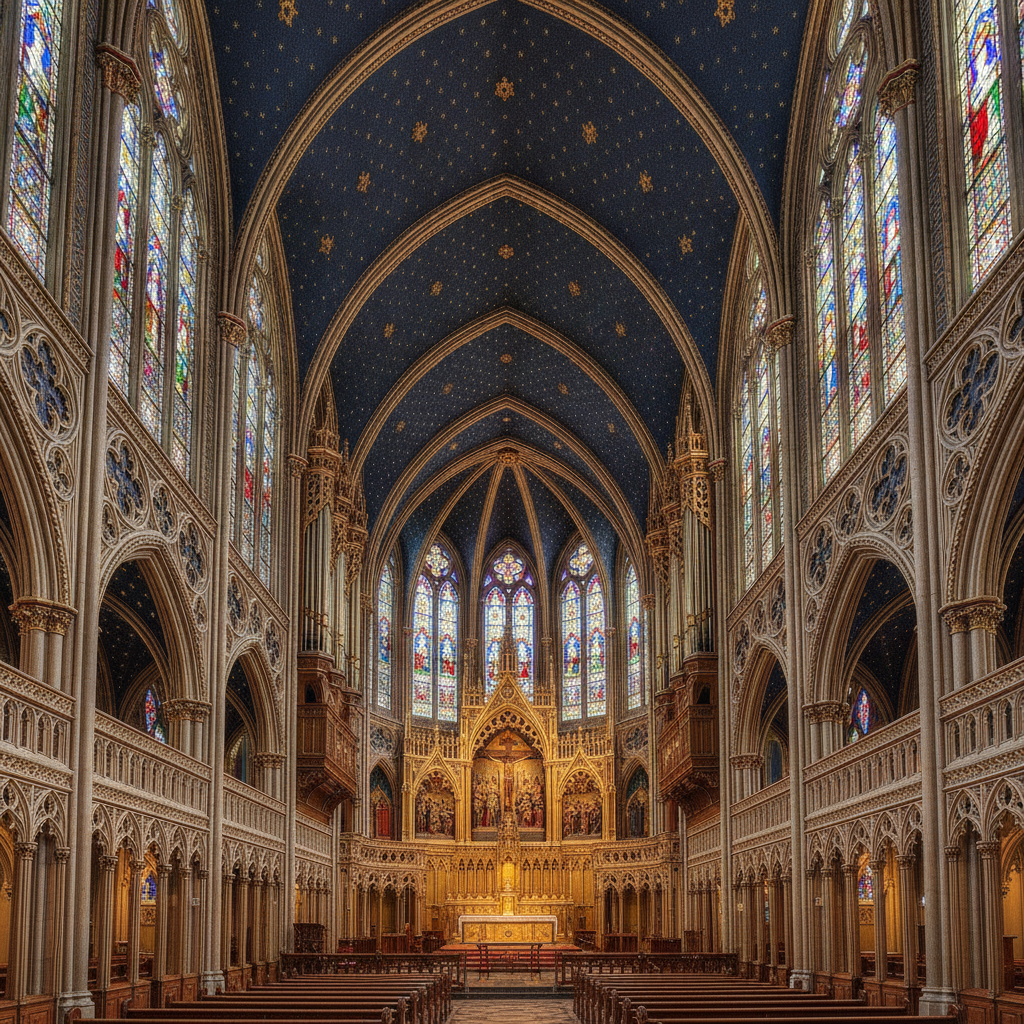
La Vecchia Montreal, la Basilica Notre-Dame e la Storia della Nuova Francia
Montréal — la città più grande della provincia del Quebec, Canada, con circa 2,1 milioni di abitanti in città e 4,2 milioni nella Grande Montreal — la città più europea del Nord America, la cui lingua e cultura francese le conferiscono un carattere del tutto distinto da qualsiasi altra città nordamericana.
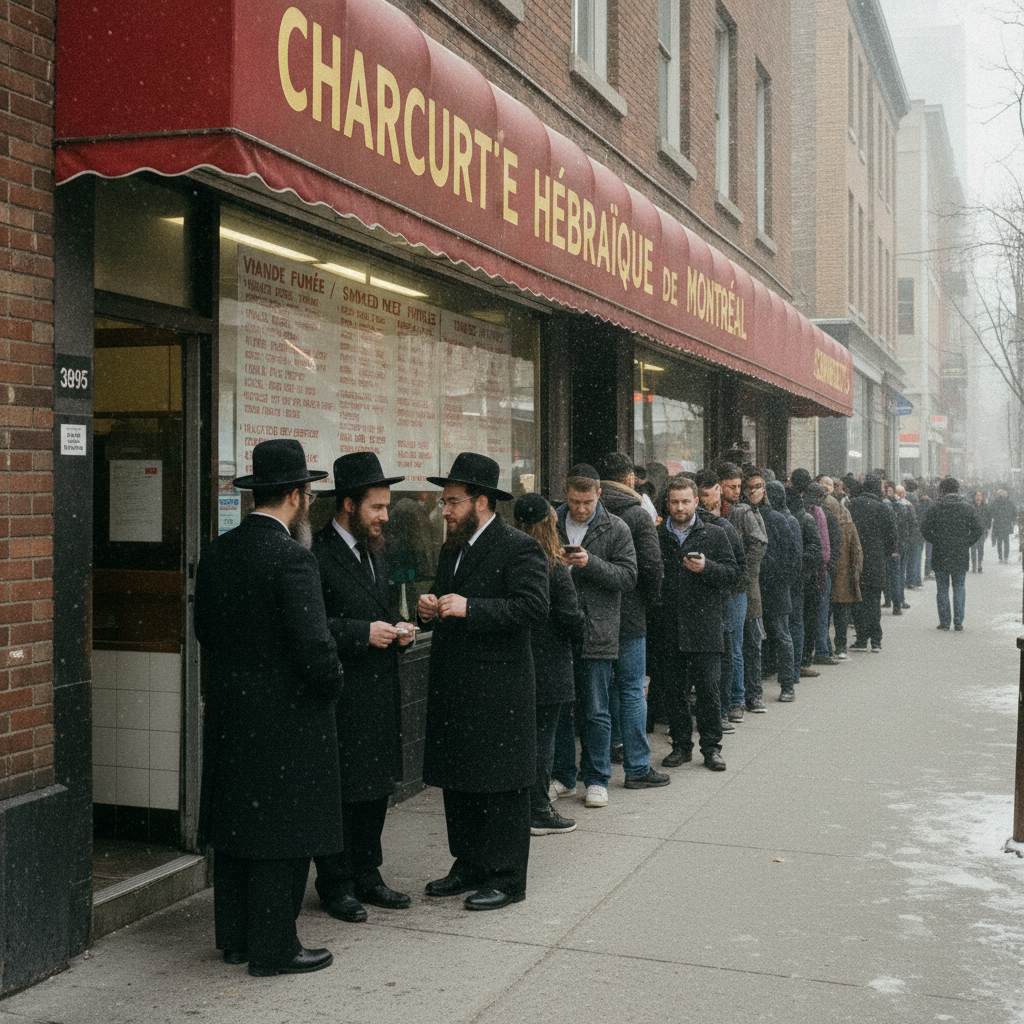
Poutine, Carne Affumicata e la Straordinaria Cultura Gastronomica di Montréal
La cultura gastronomica di Montréal — la tradizione culinaria di una città che ha prodotto due dei cibi più distintamente canadesi (la poutine e il sandwich di carne affumicata di Montréal), i migliori bagel del mondo e una scena ristorativa di qualità eccezionale.
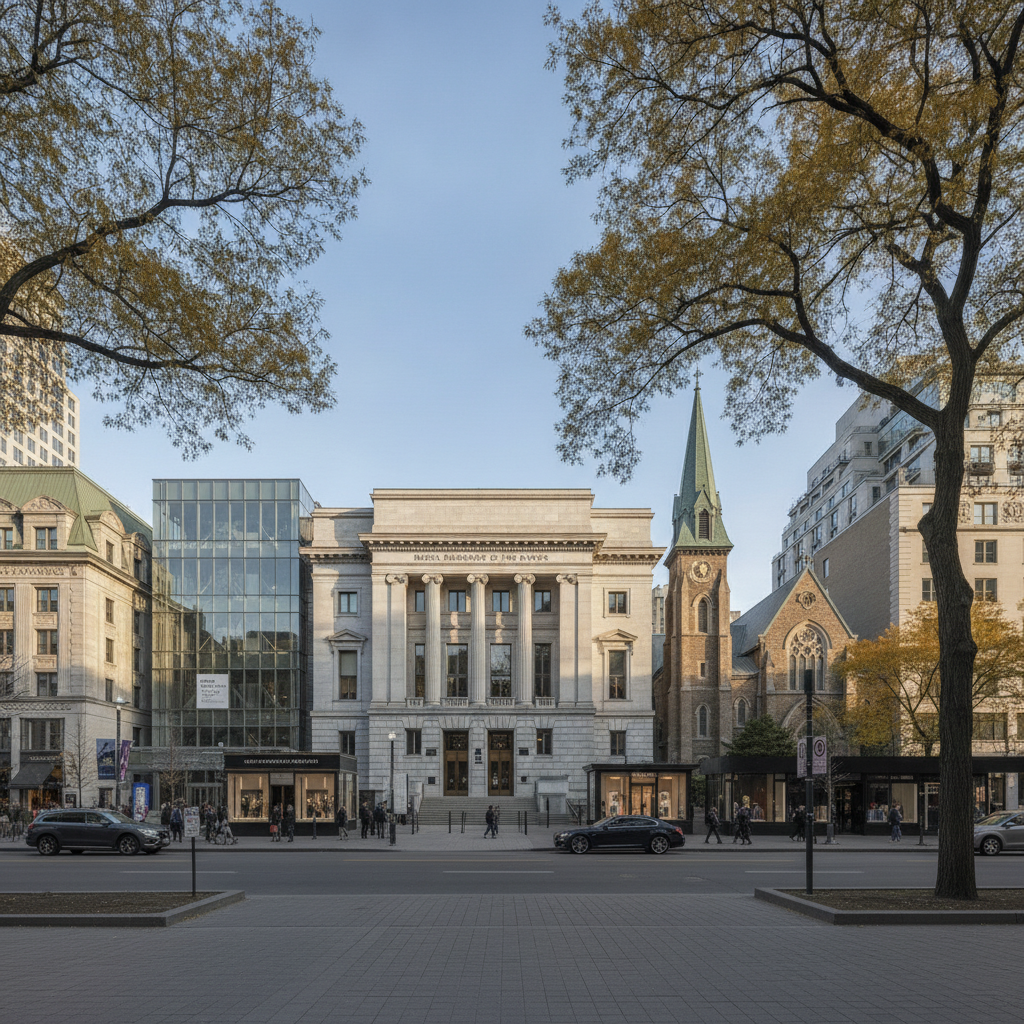
Cultura Francofona, Cirque du Soleil e la Scena Artistica di Montréal
Montreal's francophone culture (the culture of the largest French-speaking city in the world outside of Paris — the city whose French language and culture have been the source of some of the most significant cultural productions in 20th and 21st-century North America): the Cirque du Soleil (the circus company founded in Montreal in 1984 by the street performers Guy Laliberté and Gilles Ste-Croix — the company that revolutionized the circus art form and grew into the largest theatrical producer in the world), the National Film Board of Canada (the NFB — the federal film production and distribution agency established in Montreal in 1939, responsible for some of the most celebrated documentary and animated films in cinema history), and the Montreal Museum of Fine Arts define Montreal's cultural output.
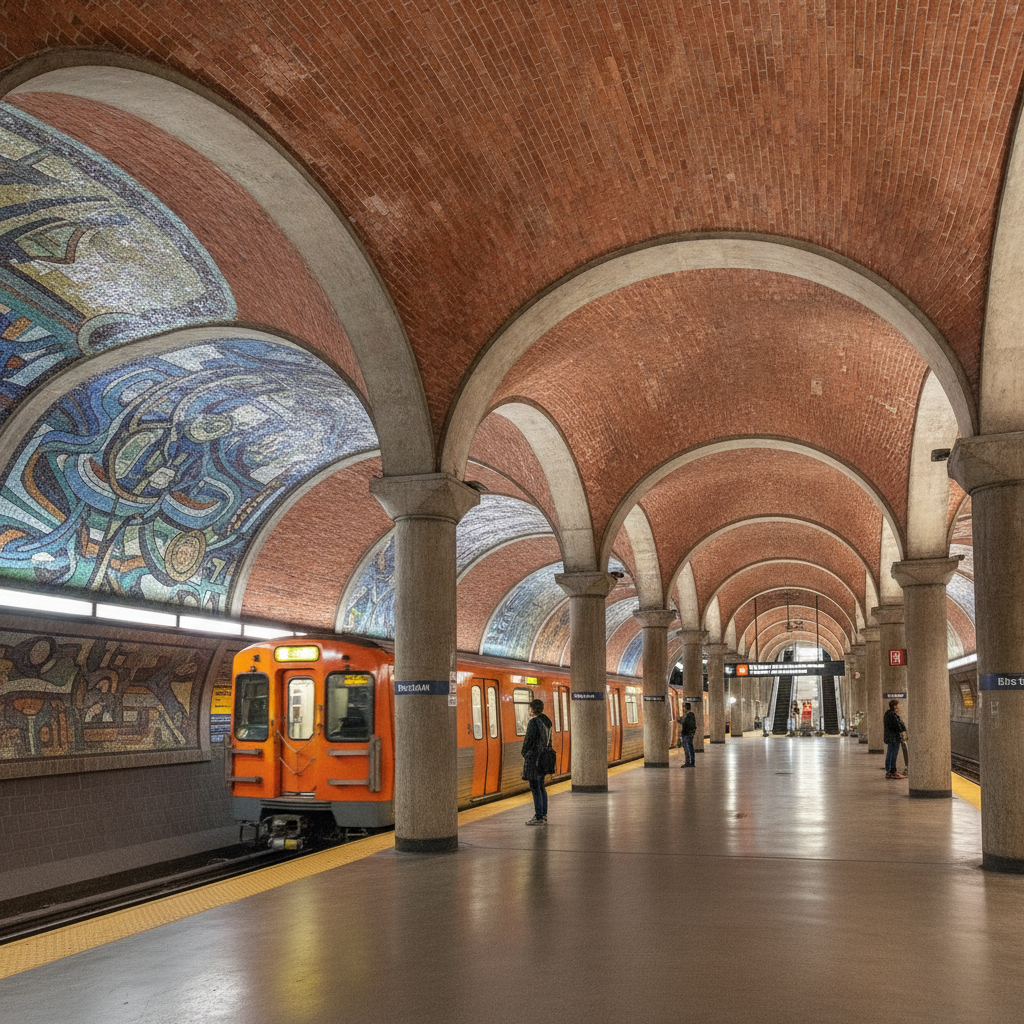
La Città Sotterranea, la Metro di Montréal e la Cultura Invernale
The Montreal underground city (RÉSO — the world's largest underground pedestrian network, connecting 33 km of tunnels with 60+ building complexes, 2,000 shops, 200 restaurants, and 10 metro stations in downtown Montreal) and the Montreal metro (the Montréal Métro — the rubber-tired rapid transit system opened 1966, whose 68 stations are each individually designed by a different architect, making the metro the largest collection of commissioned public art in Canada) define how Montrealers navigate their city during the brutal Quebec winter (the average January temperature in Montreal is -10°C (14°F), with average snowfall of approximately 235 cm (92 inches) per year).