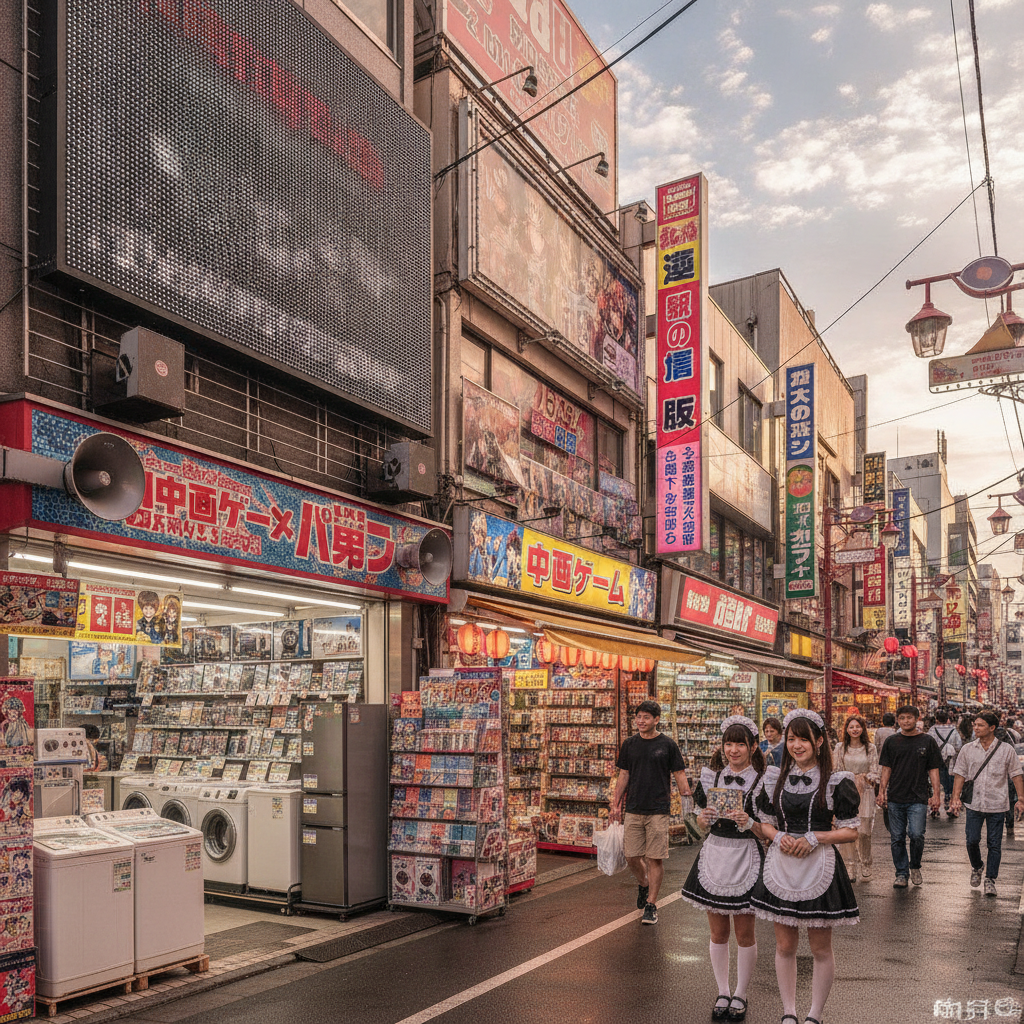
Den-Den Town, Namba e il Paesaggio Commerciale di Osaka
Den-Den Town (でんでんタウン — the electronics, manga, and anime goods district in the Nipponbashi area of southern Osaka, the Osaka equivalent of Tokyo's Akihabara): the Nipponbashi-Denden Town area (the shopping street of Nipponbashi in the Namba area, approximately 600 metres long) is the largest concentration of electronics retailers, manga/anime merchandise shops, vintage game stores, and maid cafes in western Japan — less crowded and less touristified than the Tokyo Akihabara, making it the preferred destination for serious manga/anime collectors.
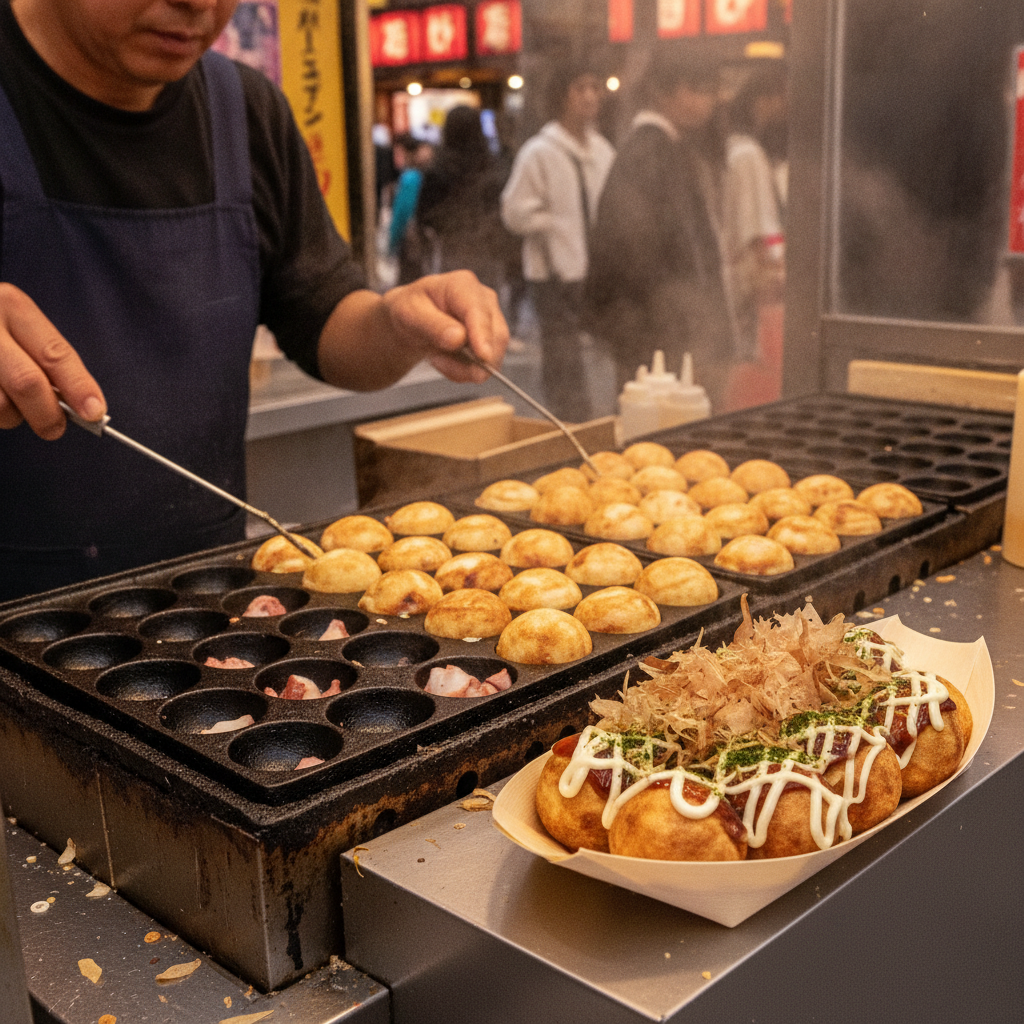
Immersione Gastronomica a Osaka — Takoyaki, Ramen e il Percorso B-Gourmet
La cultura gastronomica di Osaka — la più profonda ed entusiasta cultura di street food in Giappone, centrata sul concetto di B-gourmet (la celebrazione del cibo locale a prezzi accessibili) — si esplora al meglio attraverso i suoi piatti definitori: takoyaki, okonomiyaki, kushikatsu e la cultura izakaya.
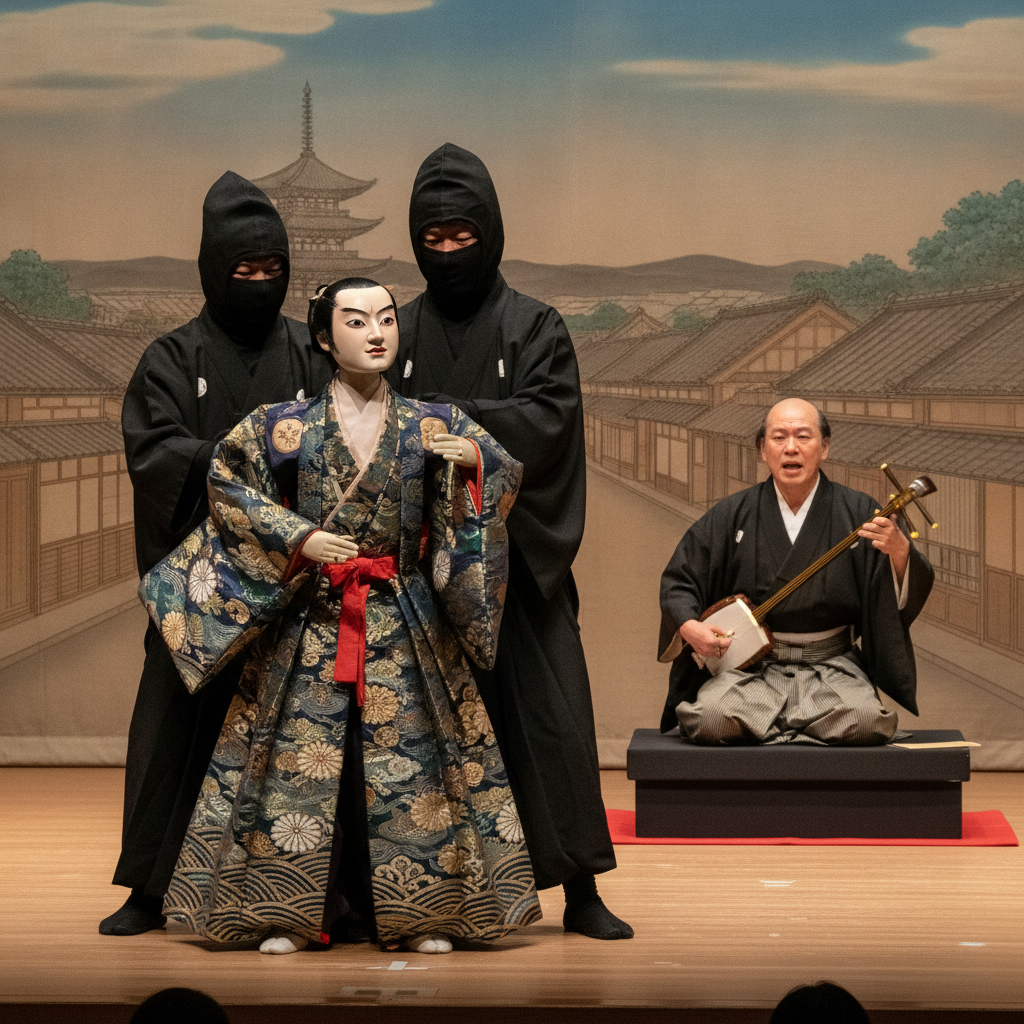
Bunraku, Kabuki e le Arti dello Spettacolo Tradizionali di Osaka
Bunraku (文楽 — the traditional Japanese puppet theatre of Osaka, recognized by UNESCO as an Intangible Cultural Heritage of Humanity in 2003 — the most sophisticated puppet theatre tradition in the world): bunraku puppets (each approximately 1.2-1.5 metres tall, operated by three puppeteers (the omozukai (main operator), hidarizukai (left hand operator), and ashizukai (foot operator)) working in full view of the audience, dressed in black) perform dramatic plays (the texts written for bunraku — including the masterpieces of the playwright Chikamatsu Monzaemon (1653-1724) — 'the Shakespeare of Japan') with a joruri chanter (tayū) and shamisen player providing the music and narration. Osaka is the historical home of bunraku.
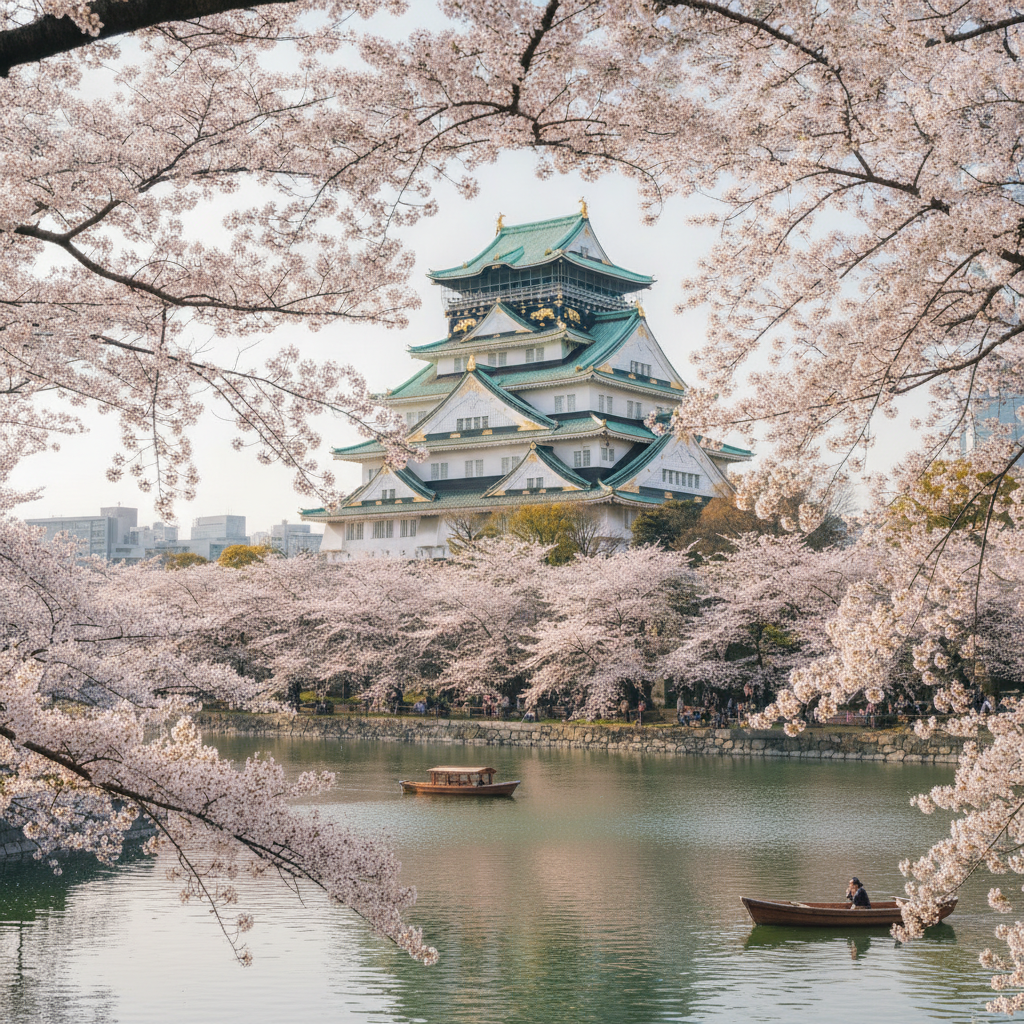
Castello di Osaka — La Fortezza di Toyotomi Hideyoshi e il Cuore Storico della Città
Il Castello di Osaka (costruito originariamente nel 1583 dal signore della guerra Toyotomi Hideyoshi come simbolo della sua unificazione del Giappone) è il sito storico più importante del Giappone occidentale, fulcro del parco del castello di 106 ettari famoso per i ciliegi in fiore.
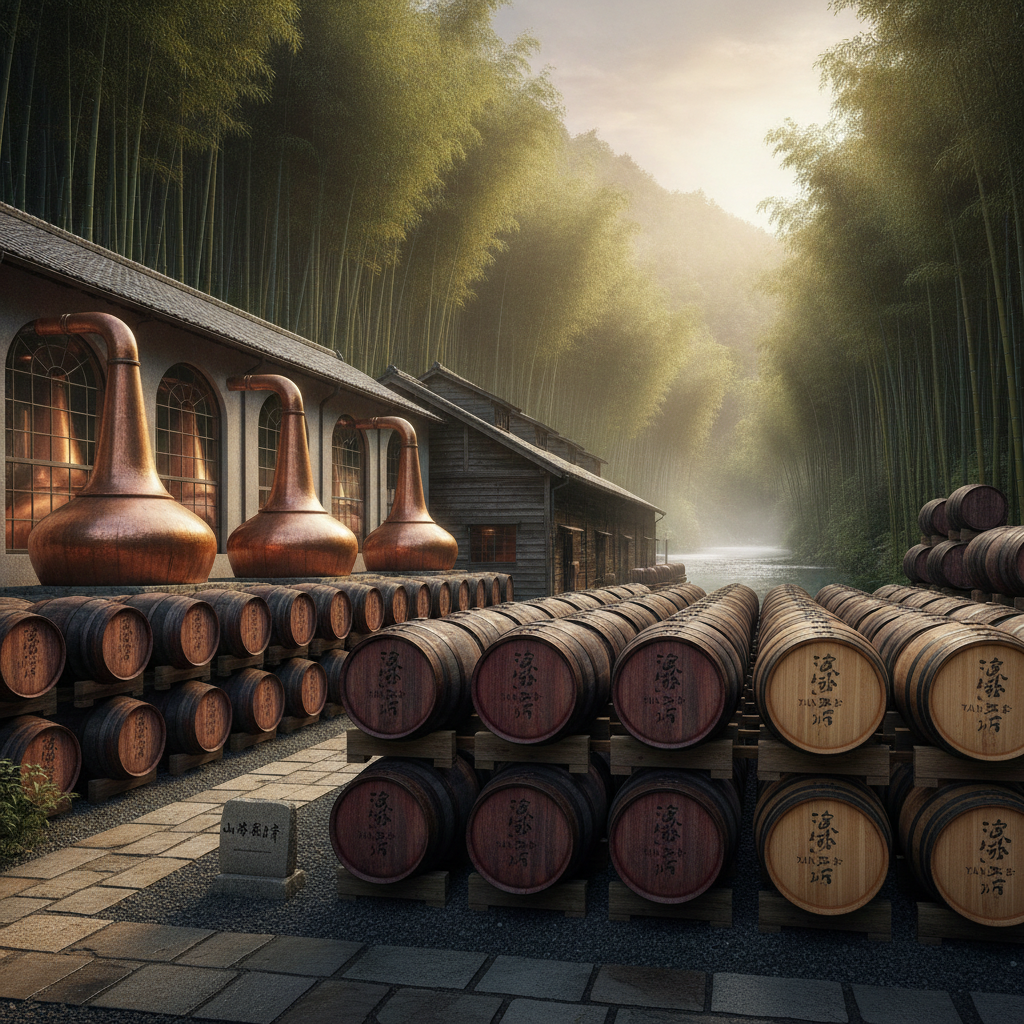
Sake Giapponese, Birra Artigianale e Whisky Suntory — La Cultura delle Bevande di Osaka
Osaka's drinks culture (the drinking culture of western Japan's commercial capital, which combines the traditional sake culture of the Nada-Nishinomiya-Itami sake belt (the major sake producing region stretching from Osaka to Kobe), the Suntory whisky culture (the Yamazaki Distillery, the first Japanese whisky distillery, is just 15 minutes from Osaka), and a growing craft beer and craft spirits scene).
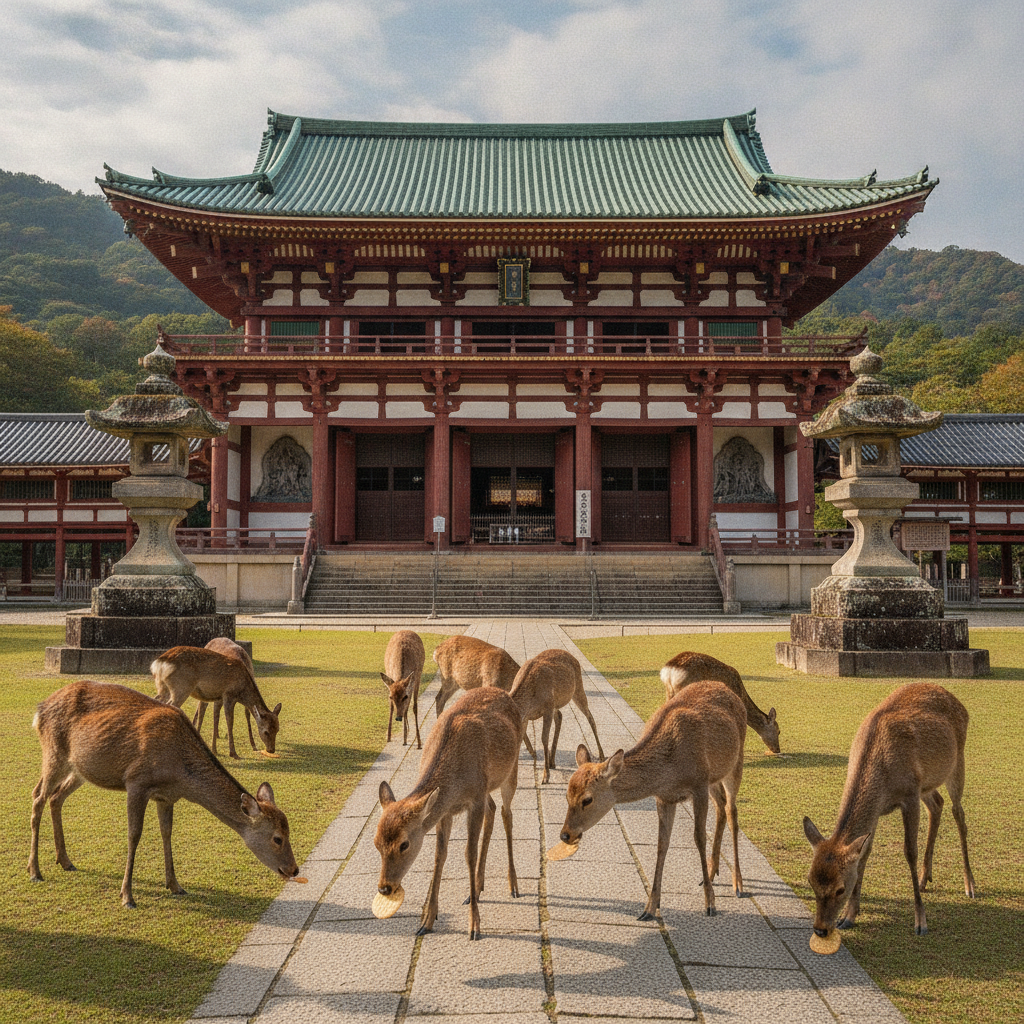
Gita a Nara — Cervi Sacri, Todai-ji e i più Antichi Templi del Giappone
Nara (奈良 — the former capital of Japan (710-784), 45 minutes from Osaka by Kintetsu line or JR Yamatoji Line — the oldest imperial capital in Japan and one of the most important UNESCO World Heritage sites in the country (8 monuments designated in 1998)): Nara is famous for the free-roaming sika deer (Cervus nippon) of Nara Park (approximately 1,200 deer that wander freely through the park and approach visitors for the shika senbei (the deer crackers sold at park stalls) — the deer have been considered sacred messengers of the Kasuga Taisha shrine since the Nara period (710-784) and are designated a Natural Monument of Japan.
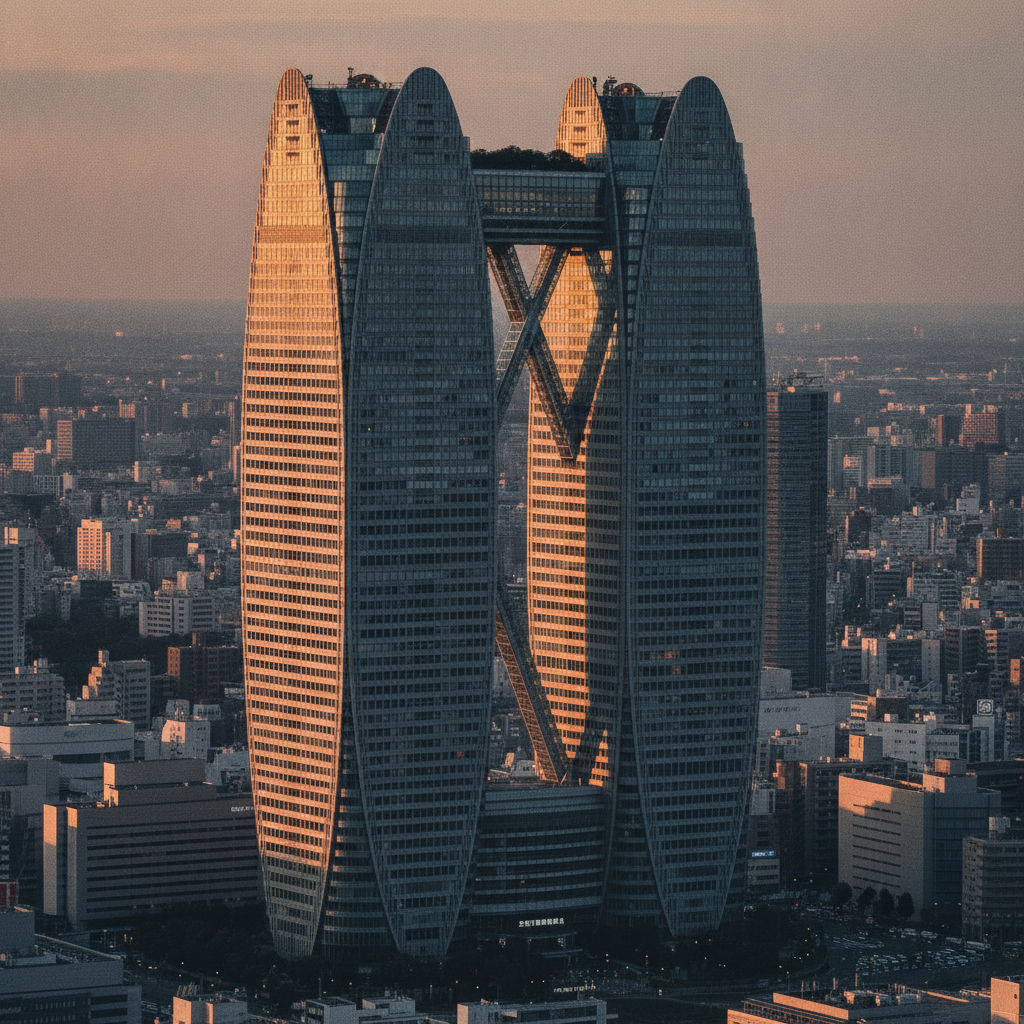
Umeda, lo Sky Building e Grand Front — Il Polo Nord di Osaka
Umeda — il principale centro commerciale e di trasporto del nord di Osaka, incentrato sulla stazione Osaka/Umeda, la più grande del Giappone occidentale — ospita l'iconico Umeda Sky Building, il complesso commerciale Grand Front Osaka e le migliori viste sulla città.
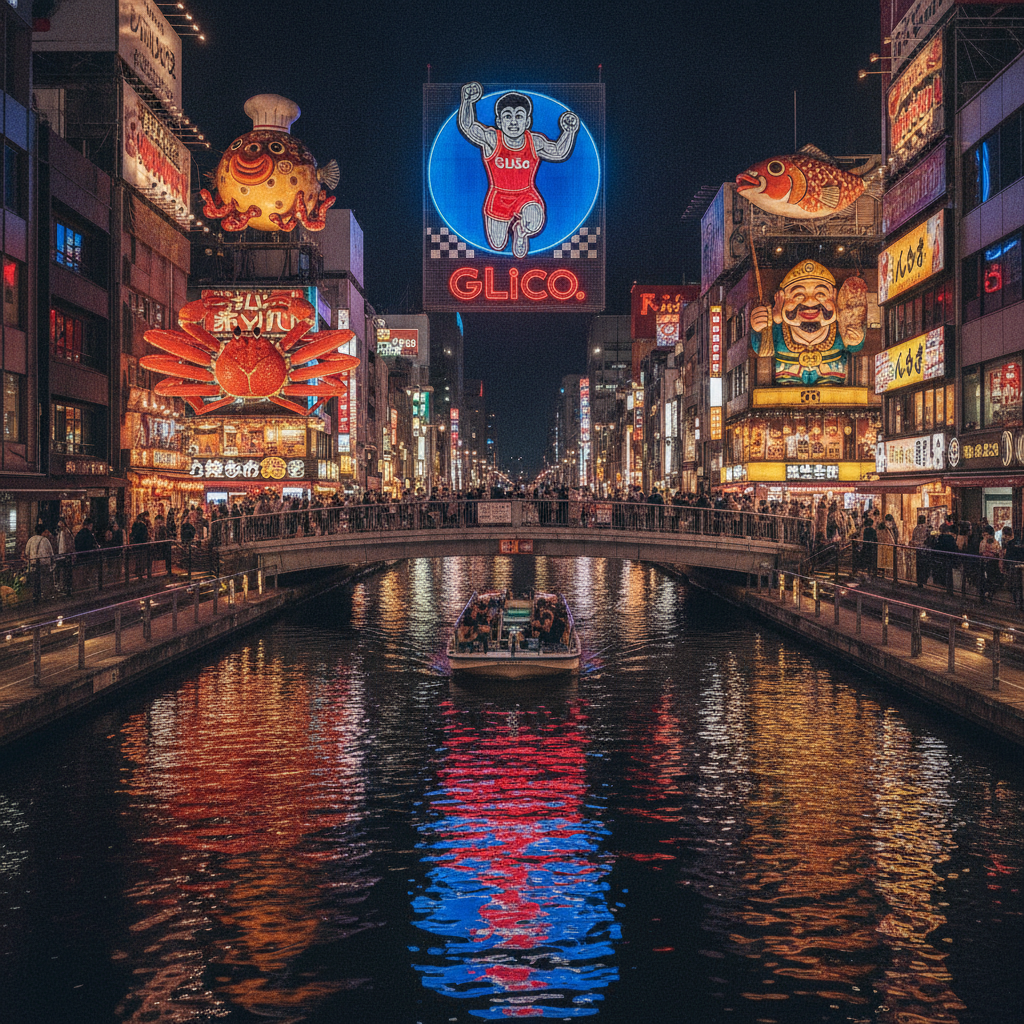
Dotonbori, Namba e il Cibo di Strada di Osaka — La Città del Kuidaore
Osaka — la capitale culinaria e commerciale del Giappone occidentale, nota come la città del 'kuidaore' (mangiare fino alla rovina) — ha in Dotonbori e nel quartiere di Namba il suo cuore gastronomico e di intrattenimento, con il famoso cartellone Glico e la scena di street food più densa del Giappone.
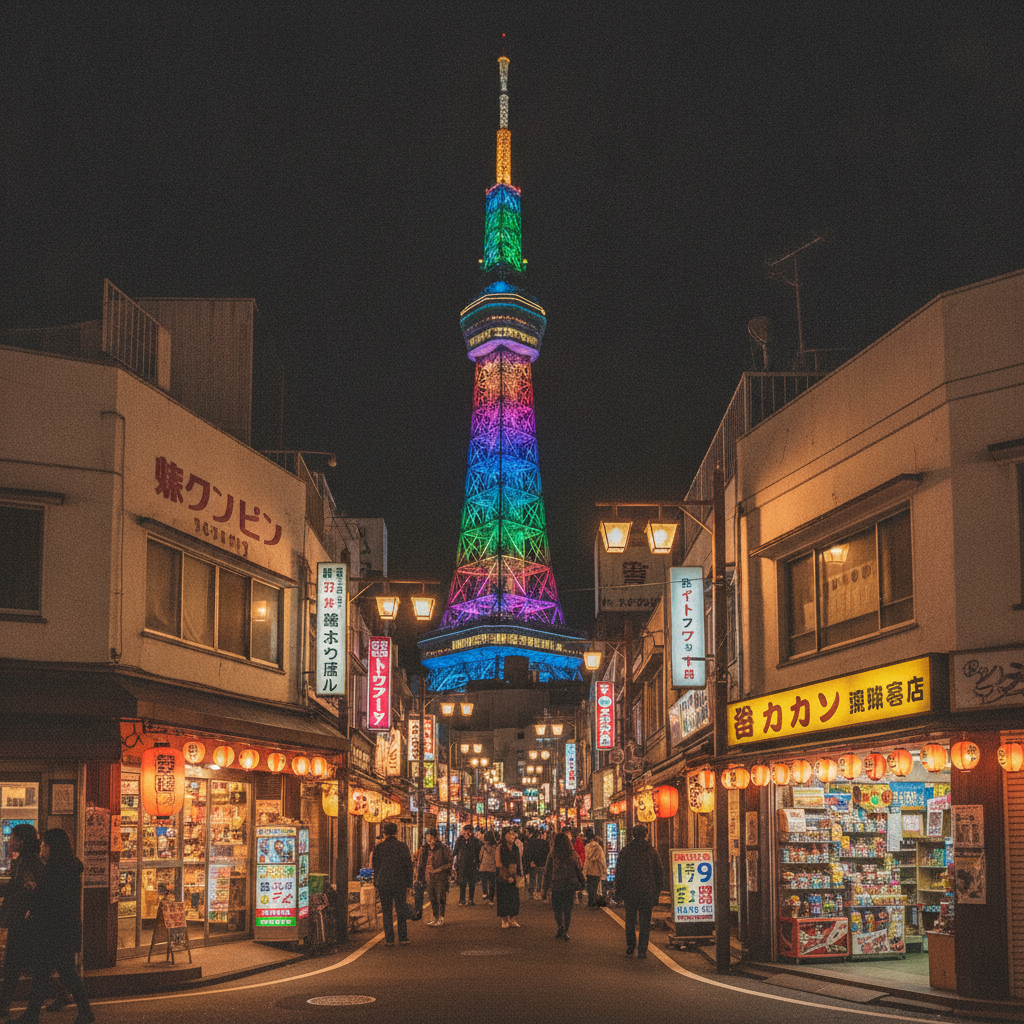
Tennoji, Abeno Harukas e Shinsekai — I Quartieri Caratteristici del Sud di Osaka
Tennoji (天王寺 — the southern hub of Osaka, centred on Tennoji Station (the third busiest station in Osaka after Osaka/Umeda and Namba)), is home to Abeno Harukas (あべのハルカス — the 300-metre skyscraper completed in 2014, the tallest building in Japan — housing a department store (Kintetsu), a hotel (Marriott), an art museum, and the Harukas 300 observation deck at 300 metres — the finest high-altitude view over Osaka), the Tennoji Zoo (the third oldest zoo in Japan, established 1915), and the extraordinary retro neighbourhood of Shinsekai.