 Mexico
Merida

Merida Hacienda Hotels and the Yucatan Countryside: Swimming Pools in Converted Sisal Vats, Flamingo Lagoons at Celestun and the Biosphere Reserve Where Jaguars and Manatees Still Exist Within Two Hours of a Colonial Capital
The converted hacienda hotel, the boutique accommodation created from a former henequen fiber processing estate whose industrial infrastructure — the sisal crushing machinery, the fiber drying towers, the plantation workers housing, the hacendado mansion — has been restored to residential and hospitality use while retaining the physical evidence of its exploitative history, is the defining accommodation experience of Merida tourism and the most physically impressive hotel format in Mexico. The haciendas of the Yucatan, which operated their henequen production with Maya debt peon labor from the mid-19th century through the early 20th century, were typically grand in scale — mansion, chapel, workers village, processing facility, agave fields — but fell into decay when the henequen market collapsed after World War Two, leaving the hacienda buildings as abandoned estates too architecturally significant to demolish and too expensive to maintain without commercial use. The conversion of these haciendas to boutique hotels beginning in the 1990s, with swimming pools inserted into the concrete sisal processing vats and the hacendado mansion converted to guest suites, has preserved architectural heritage while creating the most distinctive regional hotel offer in Mexico. Beyond the haciendas, the Yucatan biosphere reserves within two hours of Merida provide access to the most important wildlife habitat in the Yucatan Peninsula: the Ria Celestun Biosphere Reserve on the Gulf Coast hosts the largest flamingo colony in Mexico with up to 18,000 birds, the Ria Lagartos Biosphere Reserve on the north coast is a UNESCO Biosphere Reserve with salt flats, mangroves, and American crocodiles, and the Calakmul Biosphere Reserve in Campeche 350 kilometres south contains jaguars.
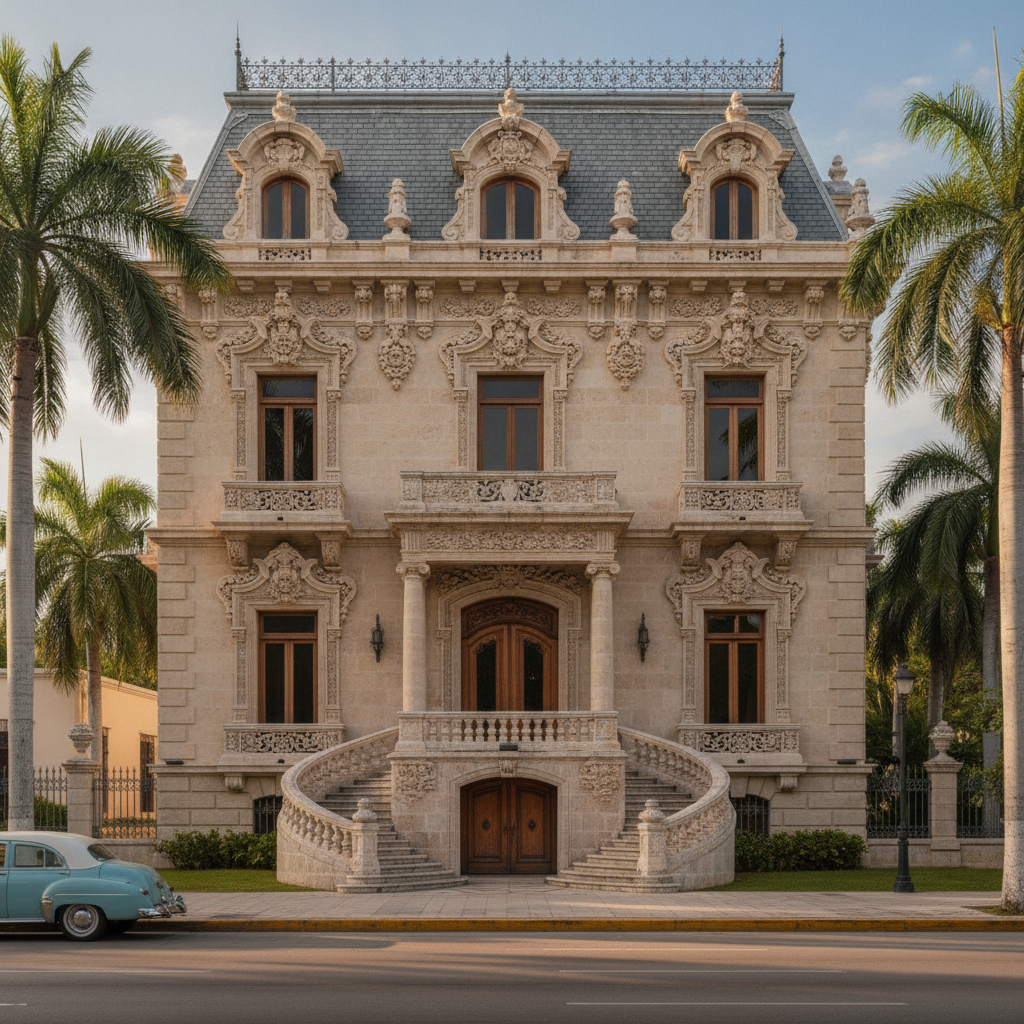
Merida Colonial Architecture Walking Tour: Cantera Limestone Mansions of the Calle 60 Corridor, the Plateresque Doorways of the Historic Center and the Architectural Inventory That Makes Merida the Best-Preserved Colonial City in Mexico After Oaxaca
Merida's historic center, covering approximately 9 square kilometres of the original colonial grid established in 1542 on the site of the Maya city of T'ho, preserves the most complete inventory of colonial and 19th-century residential architecture in the Yucatan Peninsula and one of the most significant in Mexico, with the characteristic one-story or two-story limestone mansions of the colonial and Porfiriato periods lining the grid streets in a density that allows the visitor to walk for hours through essentially unchanged streetscapes. The Yucatan limestone, a white-to-cream carbonate rock that is easily carved when freshly quarried and hardens with exposure to weather, was the building material of both the Maya civilization and the Spanish colonial construction, creating a material continuity across the conquest that is embedded in every colonial building: the doorways of the Merida historic center mansions are built with the same stone as the Maya pyramids that were demolished to clear the site. The colonial house typology of Merida, the casa de mamposteria with its thick walls, high-ceilinged rooms, interior garden courtyard called the patio, and street-facing portal covered passage, adapts the Spanish colonial house tradition to the tropical Yucatan climate in a way that uses passive cooling principles — thermal mass, shading, air circulation through the central courtyard — that contemporary sustainable architecture has rediscovered as superior to mechanical air conditioning in the hot dry months of the Yucatan spring. The walking tour of Merida's historic center, moving from the Plaza Grande through the Calle 60 corridor to the Santa Lucia plaza and north to the Paseo Montejo, provides the most complete experience of the colonial architectural tradition of the city.
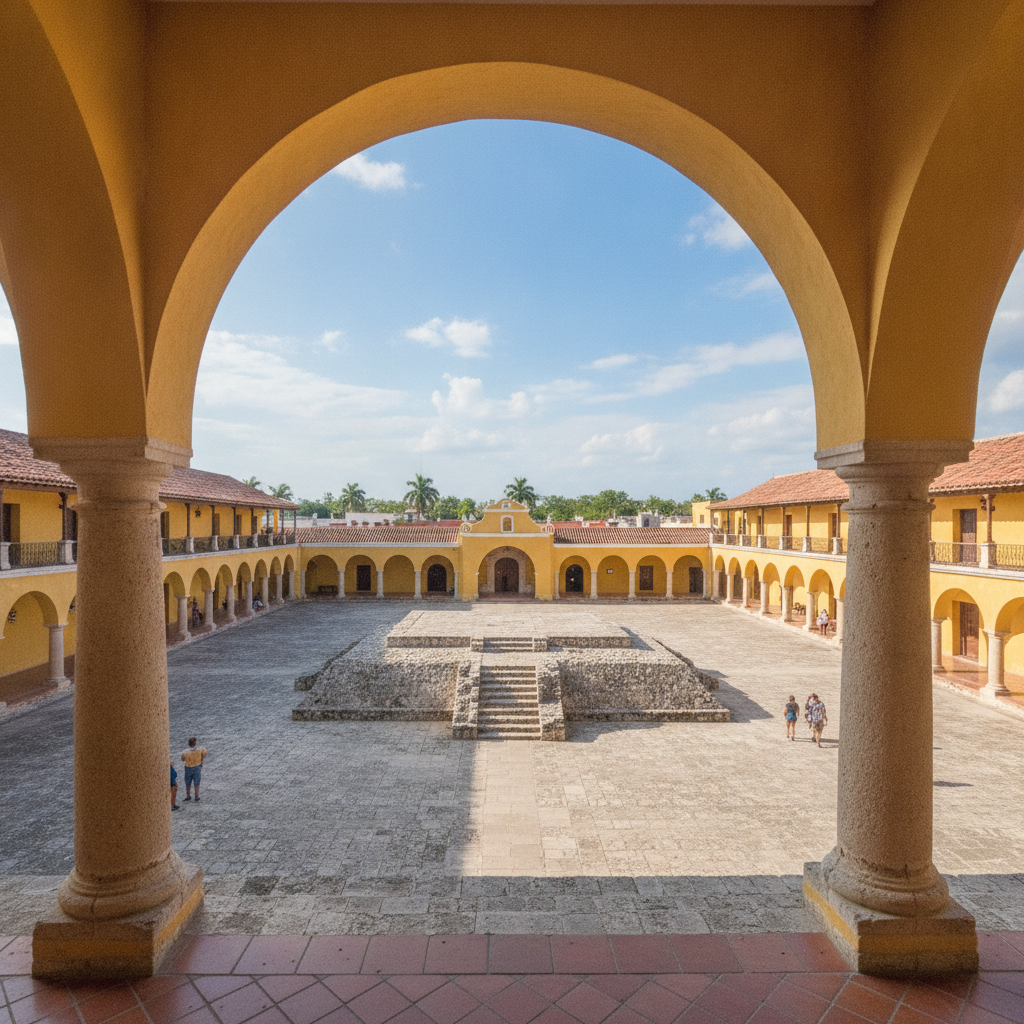
Yucatan Colonial Churches and the Franciscan Campaign That Replaced Every Maya Pyramid With a Monastery: How the 16th-Century Mass Conversion Program Produced the Most Impressive Monastic Architecture in the Americas
The Franciscan missionaries who arrived in the Yucatan Peninsula beginning in 1540 under the leadership of Fray Diego de Landa and Fray Juan de Mérida implemented the most ambitious architectural building program of any missionary order in the Americas, constructing fortified open-air chapel and atrium complexes in 49 communities across the peninsula in the period between 1540 and 1600, using Maya labor and Maya building expertise to construct massive stone church and convento buildings that in many cases incorporated the actual stones of the Maya temple pyramids that occupied the same sites. The theological justification for building on Maya sacred sites was explicit: the Christian sacred landscape had to occupy and displace the indigenous sacred landscape to prevent the continuation of Maya religious practice at the old sites. The result, 50 years later, was a network of fortress-monastery complexes distributed across the Yucatan that constitute one of the most architecturally significant ensembles of colonial religious architecture in the Americas, with the Izamal monastery built on the largest Maya platform in the peninsula, the Merida Cathedral built with Maya pyramid stones, and the Maní monastery where Diego de Landa conducted the 1562 auto-de-fe that burned the Maya books, each representing a specific episode in the colonial replacement of one sacred landscape by another. The Yucatan monastery network is designated a UNESCO tentative list candidate for World Heritage status, recognizing the architectural and historical significance of the ensemble even as the manner of its creation is an unambiguous record of colonial destruction.
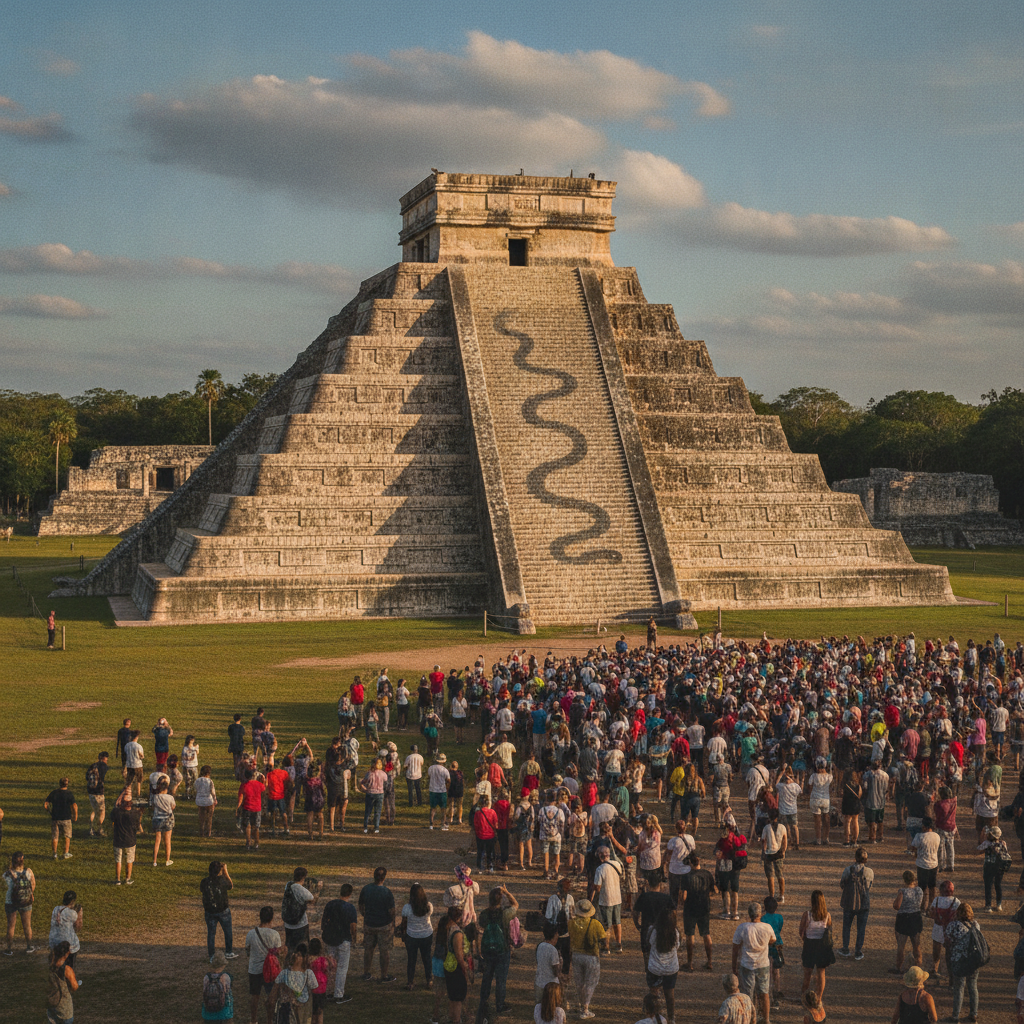
Merida: The White City of the Yucatan Peninsula Where Henequen Millionaires Built Beaux-Arts Mansions on a Maya Foundation and Where Chichen Itza Is Ninety Minutes Away and Cenotes Are Everywhere Beneath the Flat Limestone Plain
Merida, the capital of Yucatan state and the largest city on the Yucatan Peninsula with a metropolitan population of 1.3 million, is called the White City for the white limestone from which its colonial buildings were constructed using the same material quarried from the ruins of the Maya city of T'ho that the Spanish conquistadors demolished in 1542 to build the Spanish city directly on top of, making Merida the most explicit physical metaphor in Mexican colonial architecture for the literal construction of a European city on the rubble of an indigenous civilization. The henequen agave fiber industry of the Yucatan, which produced the natural fiber used to bind grain harvests throughout North America before the invention of synthetic twine and that made Yucatan landowners the wealthiest per capita group in Mexico in the late 19th and early 20th centuries, funded the Paseo Montejo, the boulevard modeled on the Champs-Elysees of Paris where the henequen hacendado families built Beaux-Arts mansions decorated with European sculpture, Italian marble, and French ironwork that gives the street a grandeur entirely disproportionate to the colonial town that surrounds it. The cenotes, the natural sinkholes in the Yucatan limestone that provided the only fresh water available in a peninsula with no rivers, where the Maya performed ritual offerings and human sacrifice to the rain deity Chaac and where contemporary visitors swim in turquoise underground pools, are distributed across the Yucatan landscape at an average of one per three kilometres of surface area, making the cenote swim the defining natural experience of Merida tourism.
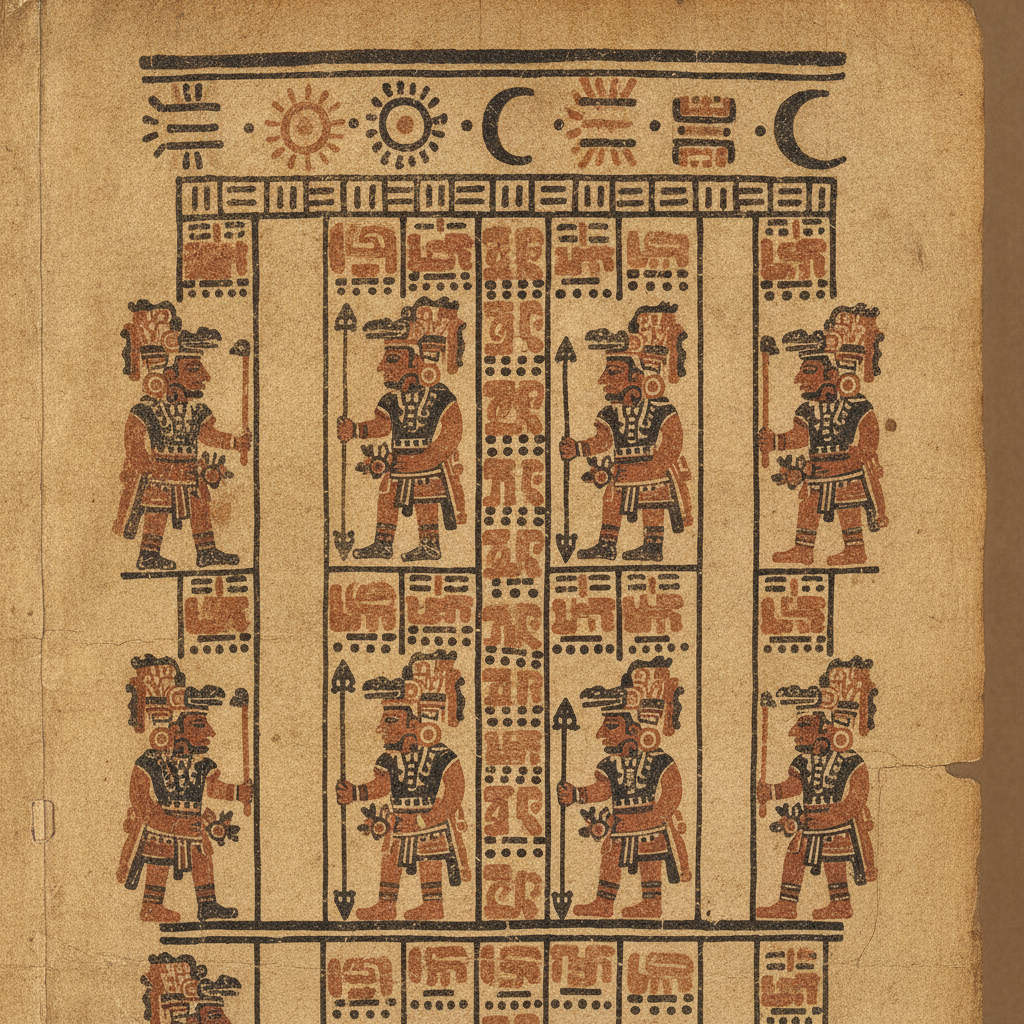
Maya Civilization in the Yucatan: The Writing System That Scholars Could Not Read for 150 Years, the Dresden Codex Astronomical Tables That Are More Accurate Than European Medieval Equivalents, and the Debate About Who Built Chichen Itza
The Maya writing system, which uses a combination of logographic signs representing whole words and syllabic signs representing consonant-vowel combinations in a hybrid script that can write the same word in multiple ways through substitution, required over 150 years of scholarly effort after the first serious decipherment attempts in the 19th century to reach the point where trained epigraphers can read Maya texts with sufficient confidence to reconstruct political histories, dynastic sequences, and ritual calendars from the inscriptions on stone monuments, ceramics, and the four surviving pre-Columbian Maya books. The breakthrough came in the 1950s when the Soviet linguist Yuri Knorozov demonstrated that the Maya script had phonetic syllabic components that could be used to spell words phonetically, a discovery initially rejected by American Mayanists who were committed to the alternative interpretation of the script as purely logographic and ideographic. The decipherment of Maya writing, which was substantially complete by the 1990s, revealed that the Maya Classic period cities of the Yucatan were not the peaceful astronomical theocracies that earlier scholars had imagined but competitive city-states engaged in constant warfare, alliance, and political maneuvering that the inscriptions on their monuments recorded in detail comparable to any ancient historical tradition. The question of who built Chichen Itza remains contested: the site shows architectural styles associated with both the Maya of the Yucatan and the Toltec culture of central Mexico, with the figures of feathered serpents and warrior figures similar to those at Tula in Hidalgo, leading to theories of either Toltec conquest of the Yucatan, Maya pilgrimage to Tula, or independent parallel development.
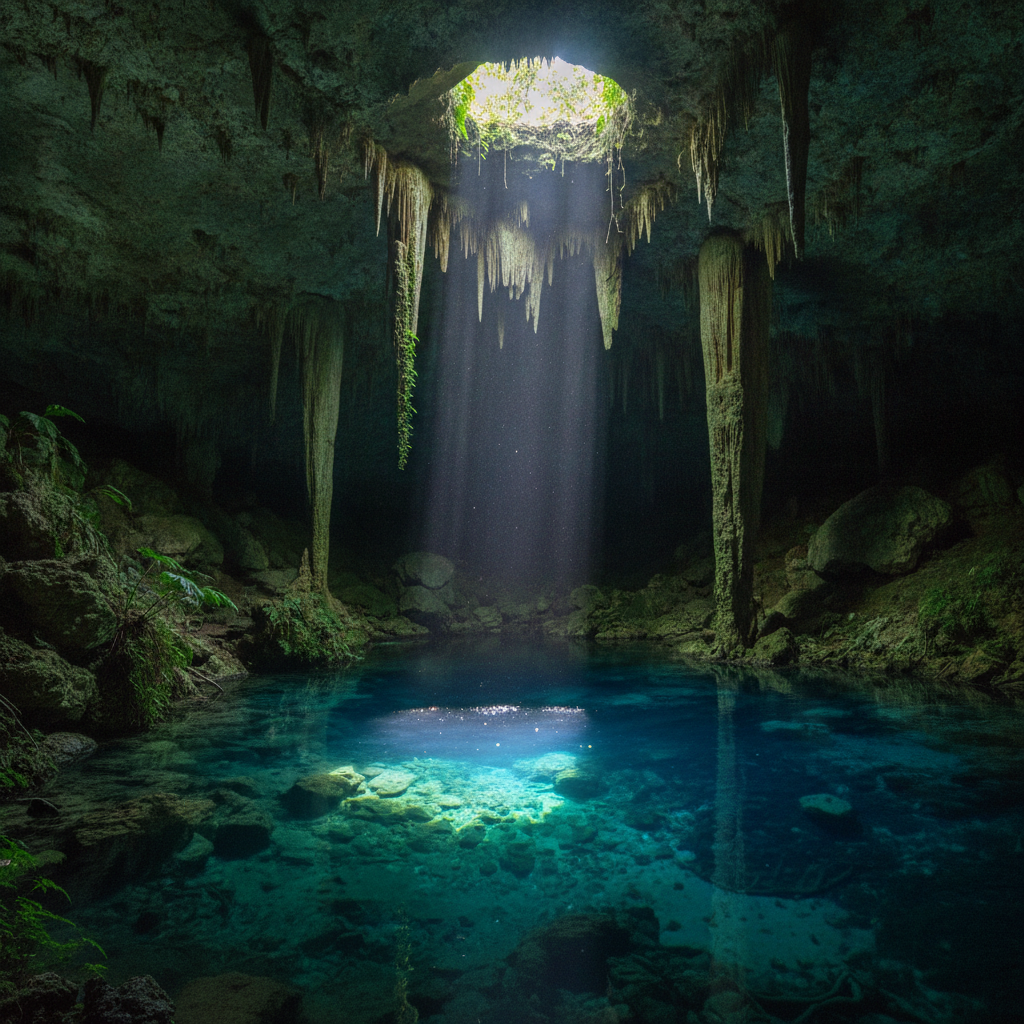
Merida and Yucatan Water Crisis: How the Aquifer That Feeds 5 Million People Is Being Contaminated by Pig Farms Pesticides and Hotel Septic Systems While the Government Issues New Tourism Development Permits
The Yucatan Aquifer, the underground freshwater system that provides drinking water to every community on the Yucatan Peninsula including Merida with 1.3 million residents and the Riviera Maya with 15 million annual visitors, is a karstified limestone formation that has no natural filtration barrier between the surface and the water: everything that reaches the ground surface, from pig farm effluent to agricultural pesticide to hotel septic system discharge to the sunscreen worn by cenote swimmers, passes directly into the aquifer with no soil filtration because the porous limestone is riddled with cracks and channels that connect surface contamination directly to the underground water. The pig industry of the Yucatan, which produces approximately 60 percent of Mexico's domestic pork supply in factory farm operations concentrated in the henequen zone north of Merida, generates the most severe contamination threat to the aquifer: the pig farm effluent lagoons, designed to contain the waste but frequently overflowing during rain events, discharge nitrogen compounds, antibiotics, and pathogens directly into the aquifer through the limestone. Environmental organizations including Guardianes del Agua and the Yucatan Autonomous University water quality laboratory have documented nitrate contamination above WHO safe levels in well water from communities adjacent to the pig farm zones, contamination that is invisible, tasteless, and odorless and that causes the blue baby syndrome of infant methemoglobinemia at high exposure levels. The contamination conflict between the pig industry, the tourism sector that depends on clean cenote water for its product, and the Maya communities whose only water source is the aquifer, makes the Yucatan water politics a compressed version of every industrial agriculture versus community rights conflict happening globally.
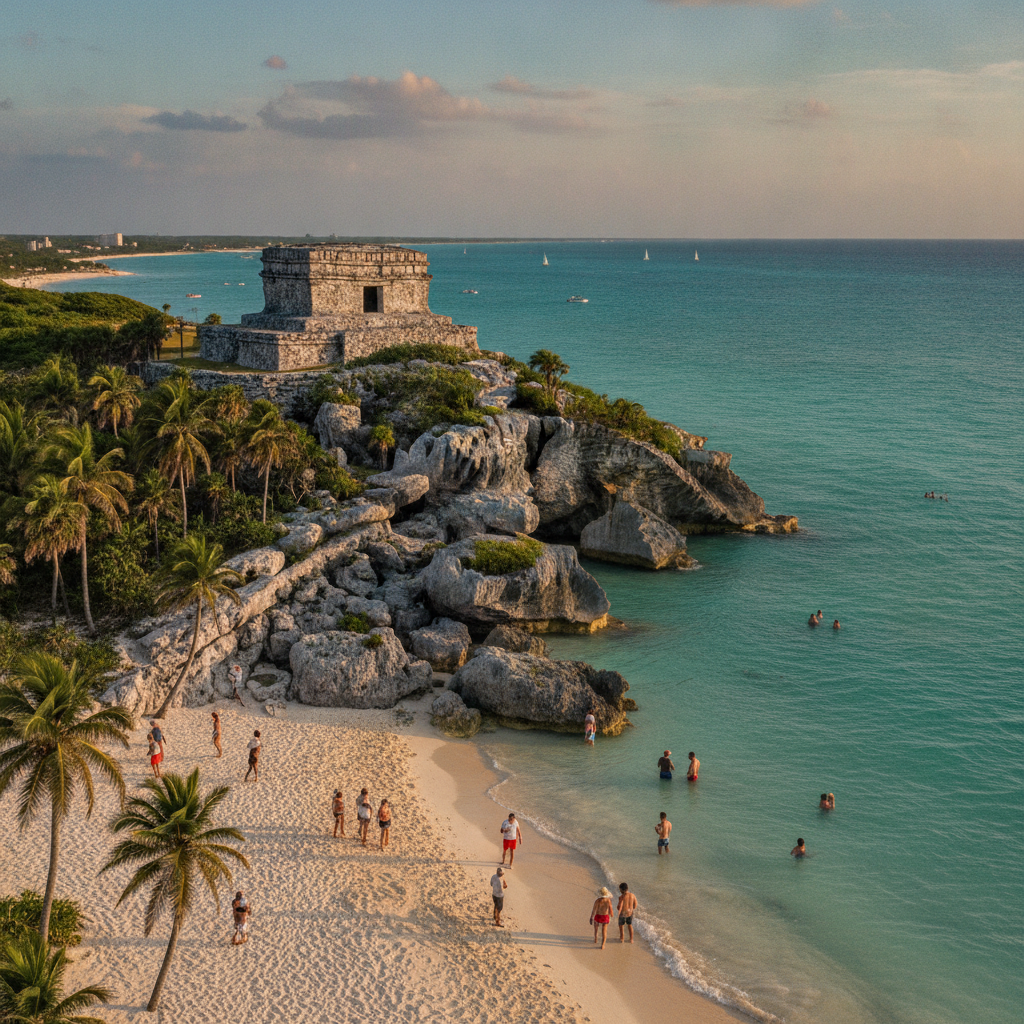
Riviera Maya and Tulum from Merida: The Caribbean Coast That Transformed From Coconut Plantations to the Most Visited Beach in Mexico and Why the Cenote Aquifer That Visitors Swim in Is the Same Water Cancun Drinks
The Riviera Maya, the 130-kilometre strip of Caribbean coast between Cancun and Tulum that is the primary international beach tourism destination in Mexico with over 15 million annual visitors, and the adjacent Cancun hotel zone that was built on a sand bar designated for tourism development by a 1970 Mexican government computer study of optimal beach sites, are accessible from Merida as day trips or multi-day excursions through a landscape that transitions from the flat thorn scrub and cenote-dotted limestone of the Yucatan interior to the coral reef-protected Caribbean beach environment of the coast in a 3-hour drive through a peninsula whose coastal character is entirely different from its inland reality. The cenote aquifer that provides fresh water to the Riviera Maya hotels and the population of Cancun is the same aquifer system that the Maya civilization of the Yucatan interior has depended on for 4,000 years, meaning that the expansion of the Riviera Maya tourism infrastructure draws from the same underground water supply that feeds the cenotes visitors swim in and the communities inland depend on for drinking water, creating a hydraulic connection between the beach resort economy and the inland Maya communities that the tourism marketing never mentions. The archaeological sites of the Caribbean coast, including Tulum on its cliff above the turquoise Caribbean, Coba with its pyramid in the jungle interior, and Muyil in the Sian Ka'an biosphere reserve, provide the historical layer to the beach experience that distinguishes the Riviera Maya from a featureless tropical beach and connects the contemporary tourism economy to the Maya civilization whose cenotes and cultural landscape the tourists are visiting.
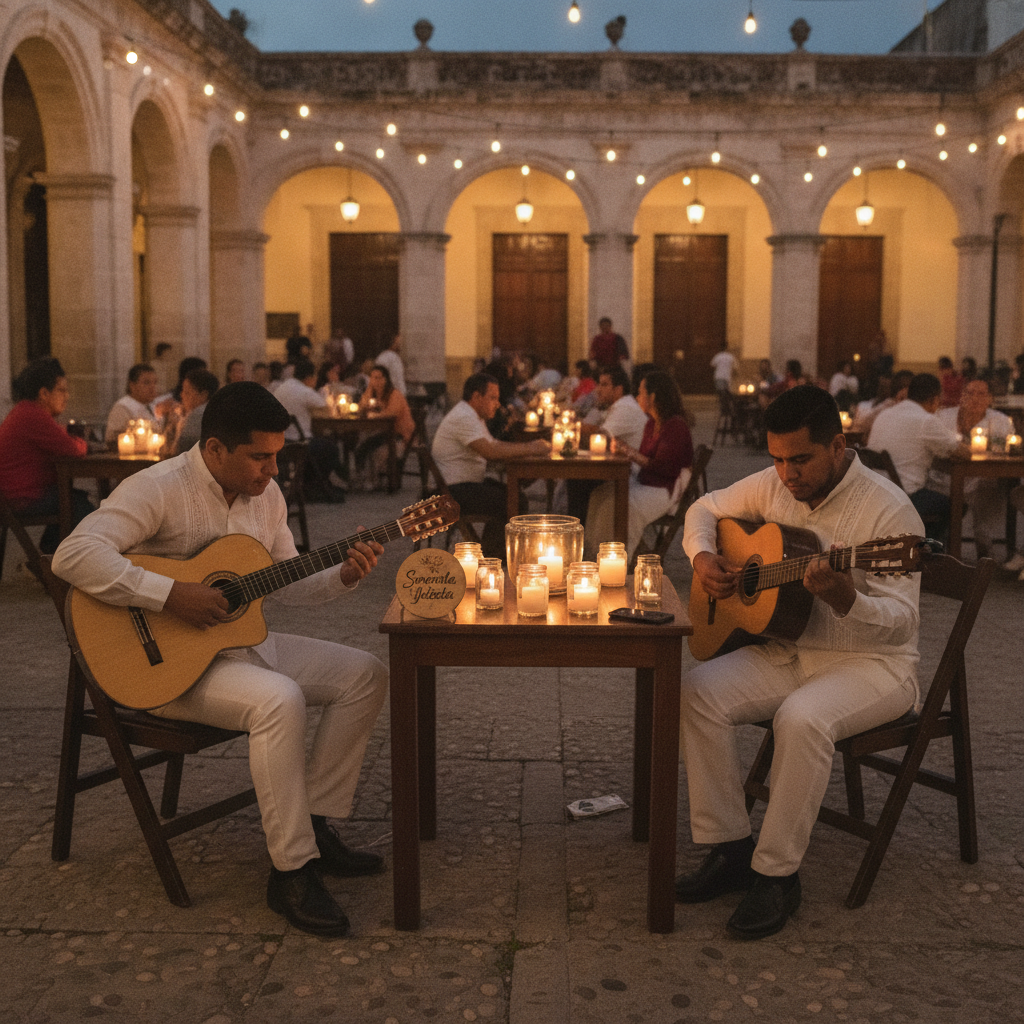
Merida Music Trova Yucateca and the Bolero: How the Peninsula That Was More Connected to Cuba Than to Mexico City Invented a Song Form That Became the Romantic Ballad of the Spanish-Speaking World
The trova yucateca, the guitar song tradition developed in Merida in the late 19th and early 20th centuries that combined the Spanish romance ballad tradition with Cuban son and bolero forms to produce a distinctive regional love song aesthetic, was the primary commercial music of the Spanish-speaking Caribbean and the Gulf of Mexico region in the first decades of the 20th century, with Yucatecan trovadores composing and performing songs that were recorded in the earliest Mexican commercial recordings, broadcast on the first Mexican radio stations, and eventually transformed into the bolero form that became the defining romantic music of Latin America through the 20th century. Merida was connected to Havana by regular steamship service and shared a plantation economy, Spanish colonial culture, and Catholic social traditions with Cuba in ways that created cultural parallels absent in the relationship between Merida and Mexico City, which was accessible only by a multi-day overland journey until the railway reached the Yucatan in 1905. The trovadores of Merida, including the legendary Augusto Lara of Merida and Armando Manzanero who was born in Ticul 60 kilometres south of Merida, composed the bolero repertoire that was sung by Luis Miguel, recorded by Frank Sinatra, and covered by every Spanish-language recording artist of the 20th century. Armando Manzanero, who wrote over 400 songs including Somos Novios, Esta Tarde Vi Llover, and Nuestro Amor, is the most commercially successful composer of Latin romantic ballads in history and the most prominent cultural figure born in the Yucatan Peninsula.